2026 Volkswagen ID. Polo Revealed as the First Electric Polo Ever
Written by CarSorted Editorial · 30 April 2026
Key Takeaways
- First fully electric Polo in the nameplate's 50-year, 20-million-unit history
- Three single-motor outputs: 85kW, 99kW and 155kW, all front-wheel drive
- Two batteries: 37kWh LFP for up to 329km WLTP or 52kWh NMC for up to 454km WLTP
- European pricing from €24,995 (~AUD$40,750), launch Life trim from €33,795
- Australian launch not confirmed, but it would land squarely against the BYD Dolphin and MG MG4
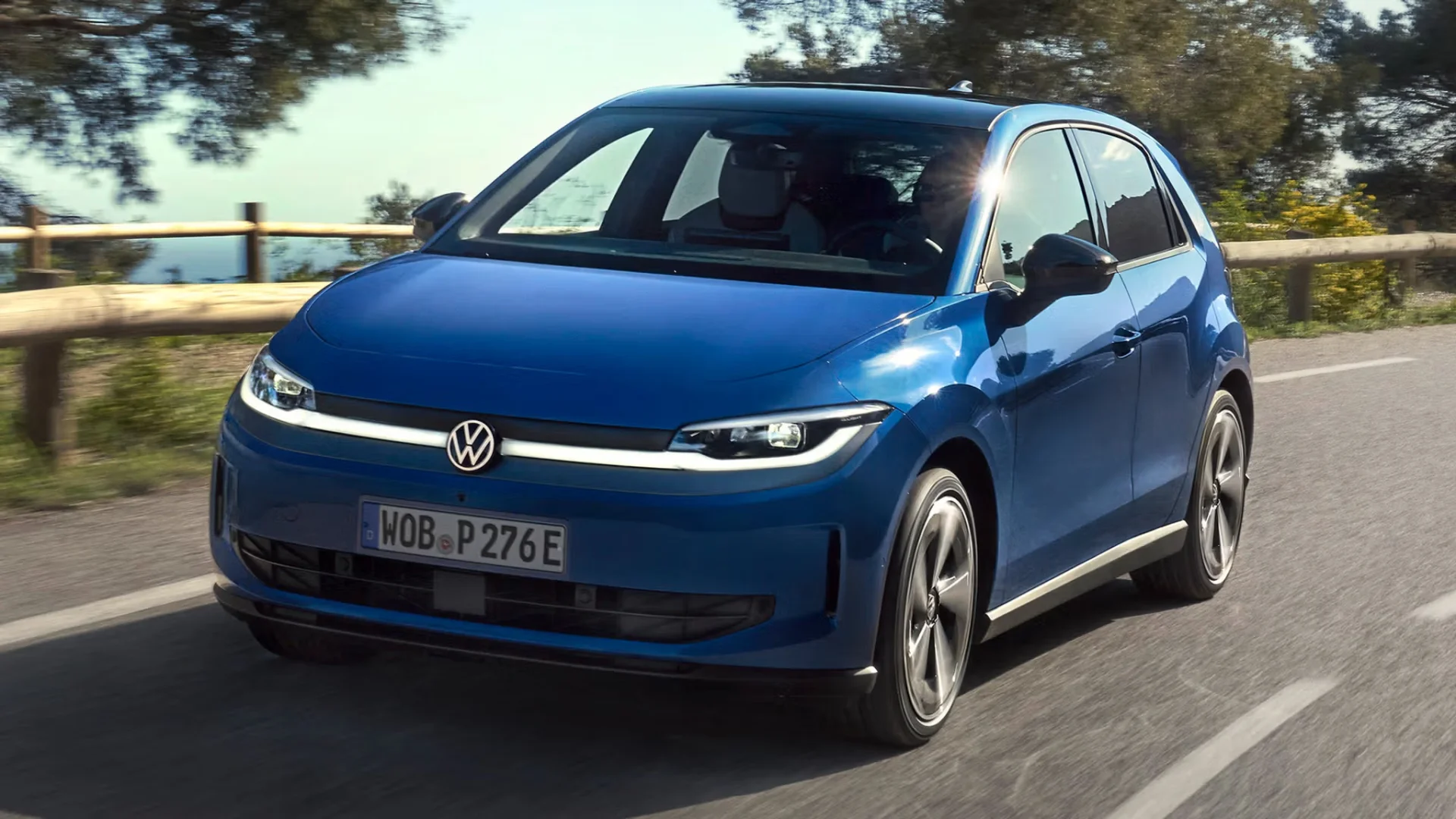
Image credit: Volkswagen
Volkswagen has finally pulled the covers off the 2026 Volkswagen ID. Polo, the first fully electric version of one of the most successful nameplates the brand has ever sold. The compact hatch was unveiled in Wolfsburg this week with European pre-sales opening from €24,995 (around AUD$40,750) in Germany. Australian availability has not been confirmed.
The Polo nameplate has shifted more than 20 million units globally across five decades. The ID. Polo keeps the proportions familiar enough to recognise on a school run, but every body panel is new and the underpinnings are the latest MEB+ architecture from the Volkswagen Group. The petrol Polo isn't going anywhere either, with both versions now sold side by side.
Three Power Outputs, Two Batteries, Up to 454km WLTP
Buyers can choose between three single-motor, front-wheel-drive variants and two battery sizes. The two entry versions use a 37kWh lithium iron phosphate (LFP) pack good for up to 329km WLTP, while the top-spec moves to a 52kWh nickel-manganese-cobalt (NMC) pack rated at up to 454km WLTP. A hotter ID. Polo GTI with 166kW (222hp) is set to join the range later.
| Specification | Entry | Mid | Top |
|---|---|---|---|
| Power | 85kW (116 PS) | 99kW (135 PS) | 155kW (211 PS) |
| Battery (net) | 37kWh LFP | 37kWh LFP | 52kWh NMC |
| WLTP range | Up to 329km | Up to 329km | Up to 454km |
| DC charging | 90kW | 90kW | 105kW |
| 10 to 80% DC | ~27 min | ~27 min | ~24 min |
Vehicle-to-load (V2L) is standard across the range, supporting external devices up to 3.6kW. That's enough to run camping kit, power tools or top up another EV at low speed. For more on what real-world charging looks like in this segment, see our Australian EV charging guide.
Design, Cabin and Tech
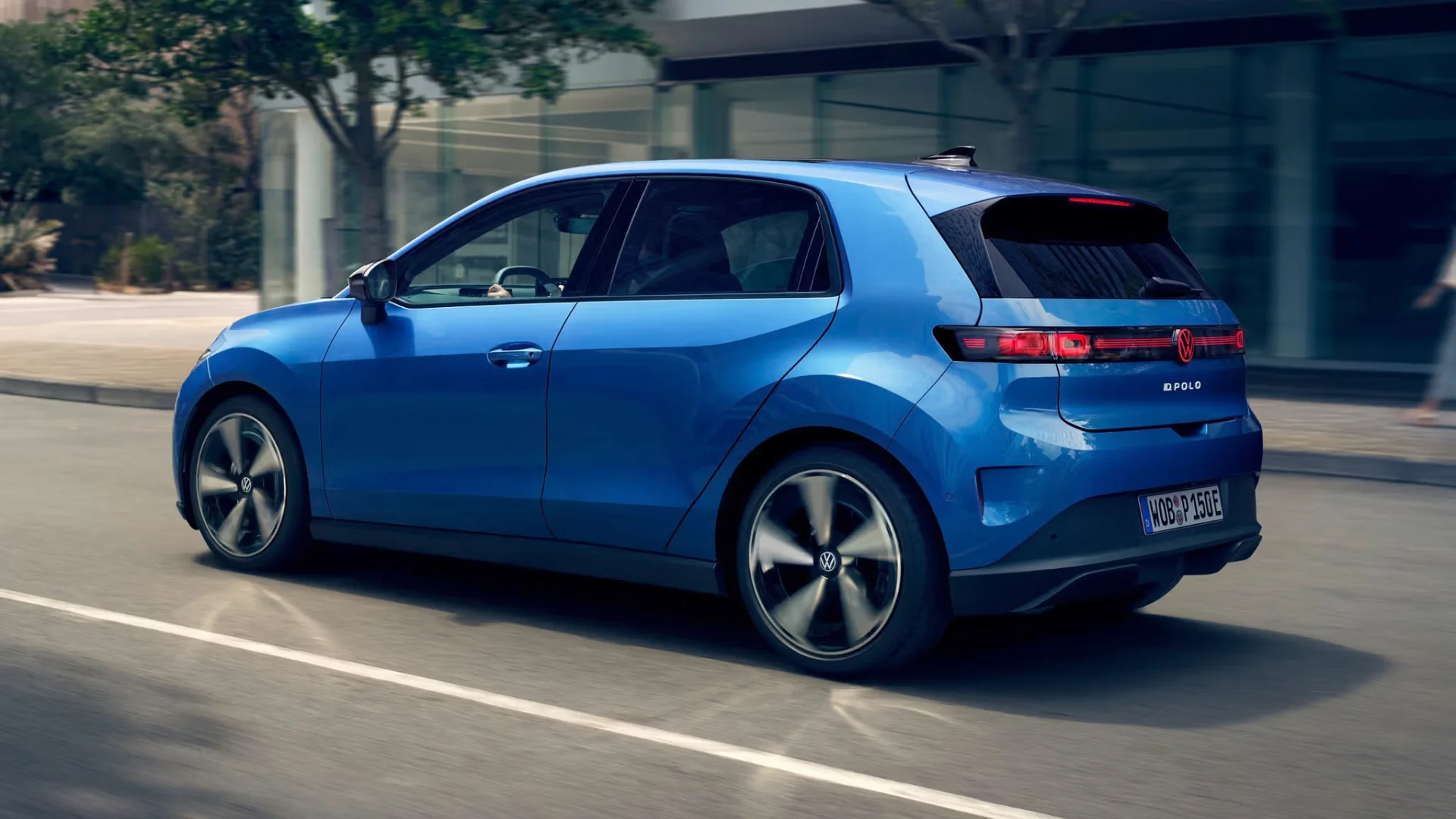
Image credit: Volkswagen
The cabin pairs a 10-inch digital instrument cluster with a 13-inch central touchscreen. More importantly for anyone who has driven an earlier ID model, Volkswagen has put the physical buttons back for climate, hazards and steering wheel controls. That fixes one of the biggest complaints about the ID.3 and ID.4, where almost every shortcut was buried in capacitive sliders.
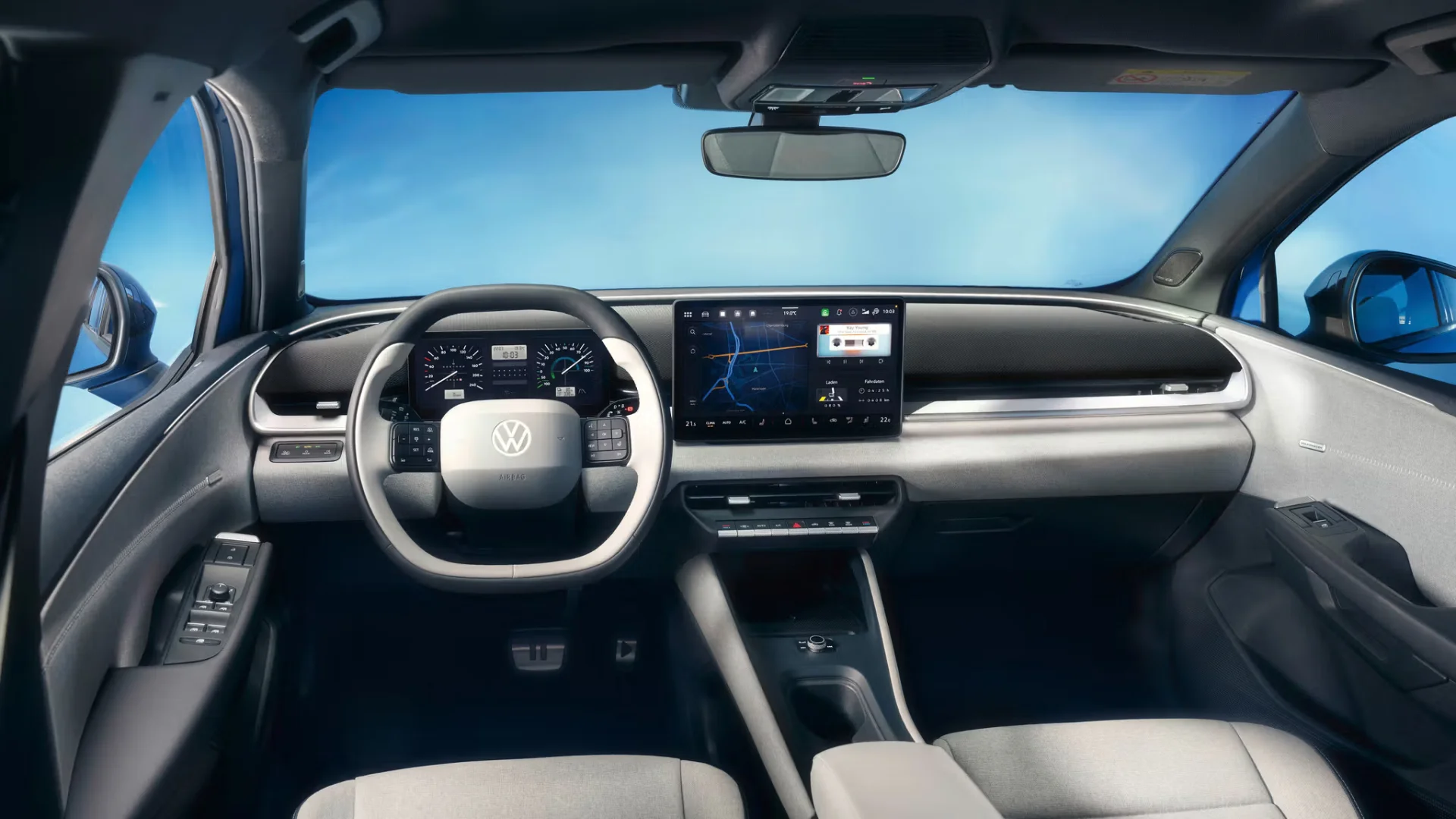
Image credit: Volkswagen
Boot space measures 441 litres, expanding to 1,240 litres with the rear seats folded. That's a 25 per cent improvement over the petrol Polo, which is what you'd expect when you delete a transmission tunnel and a fuel tank.
Three trim levels will be offered in Europe: Trend, Life and Style. The flagship Style adds IQ.LIGHT matrix LED headlights, sport comfort seats and an illuminated VW logo. Optional kit includes a 425-watt Harman Kardon sound system, a panoramic glass roof and massaging front seats. Most of those are rare features anywhere in the small-car segment, let alone at this price point.
Australian Availability
Volkswagen Australia has not confirmed plans for the ID. Polo. The brand is still working through the launch of the larger ID.4 and ID.5 locally, and a small electric hatch from Wolfsburg has been promised before without ever materialising in dealerships here.
If it does land, the ID. Polo would face a stacked field of Chinese-built rivals already undercutting most European EVs on price, including the BYD Dolphin and the MG MG4. German pricing of €24,995 converts to roughly AUD$40,750 at current rates, before shipping, ADR compliance, the Luxury Car Tax and dealer margin all push the local sticker higher.
Whether Australian buyers will pay a Volkswagen premium for an electric Polo over cheaper Chinese alternatives is the bigger question. We've tracked exactly that pricing pressure in our best electric cars Australia 2026 and best small cars Australia 2026 roundups, and an ID. Polo would force a real reshuffle if VW lands it under $45k driveaway.
Our Take
On paper, the ID. Polo is the small electric VW that buyers have been asking for since 2020. It's the right size, the cabin finally has buttons again, and 454km WLTP from a 52kWh battery is genuinely competitive. The catch, as always, is whether Volkswagen Australia can land it at a price that doesn't feel like a tax on a badge.
If VW pushes hard on local pricing, this could be the small EV that drags mainstream Australian buyers off petrol. If it doesn't, the BYD Dolphin and MG MG4 will keep eating its lunch and a fresh look from Cupra Raval may snap up the rest of the segment.
Best Electric Cars Australia 2026 | Best Small Cars 2026 | EV Charging Guide Australia
Disclaimer: Range, power and pricing figures are drawn from Volkswagen's European announcement and tested under the WLTP standard. Australian variants, pricing and equipment are subject to Australian Design Rules certification and have not yet been confirmed by Volkswagen Australia. This article will be updated when local plans are released.
Cars in This Article
Frequently Asked Questions
How much does the 2026 Volkswagen ID. Polo cost?
What is the range of the 2026 Volkswagen ID. Polo?
When will the Volkswagen ID. Polo arrive in Australia?
Is the petrol VW Polo being discontinued?
Does the Volkswagen ID. Polo support vehicle-to-load (V2L)?
How does the ID. Polo compare to the BYD Dolphin and MG4?
Disclaimer: All information in this article was believed to be correct at the time of publishing (30 April 2026). Prices are manufacturer recommended retail prices (RRP) and may vary by state, dealer, and options. Specifications, government incentives, and rebates can change without notice. Always verify details with the manufacturer or relevant authority before making a purchase decision. Running cost estimates are based on average Australian driving conditions at 15,000 km/year. CarSorted does not accept payment for recommendations or rankings.
Written by CarSorted Editorial, CarSorted Editorial Team · 30 April 2026
Comments (0)
Sign in to join the conversation
No comments yet. Be the first!