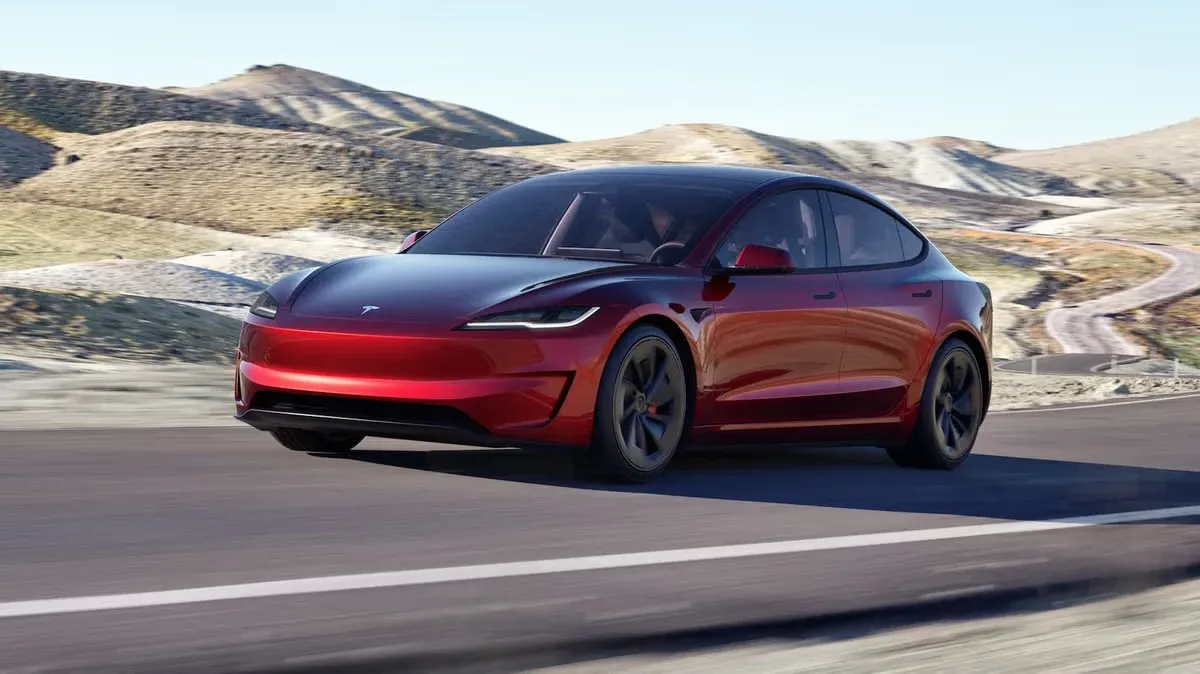
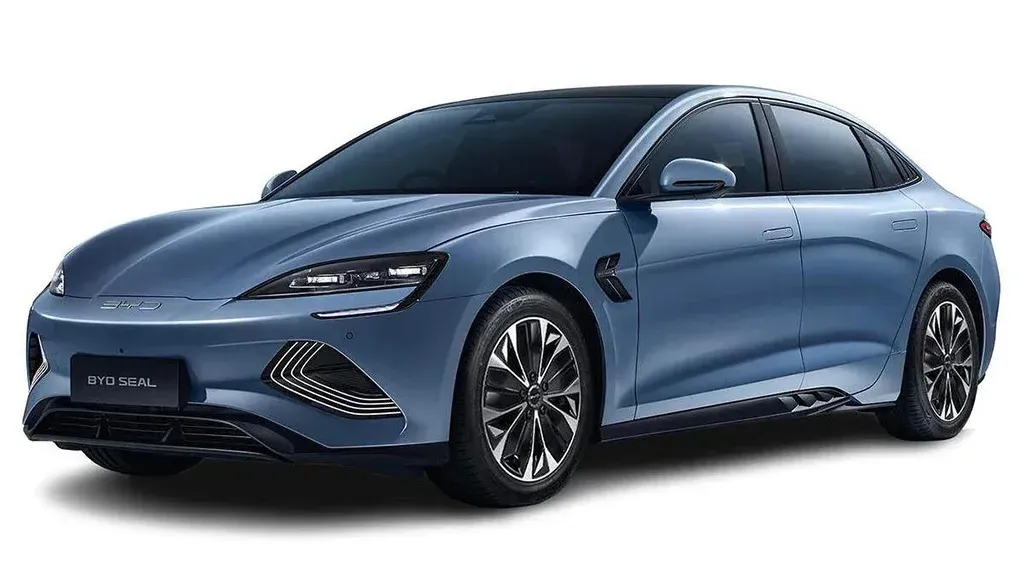
Tesla Model 3 vs BYD Seal
The electric sedan everyone measures against takes on a value rival with a bigger battery and a lower price. Does the Tesla still justify the premium?
Data checked: specs 3 Oct 2026, price 4 Oct 2026
Comparison snapshot
Prices, scores and edges below update from our car data.
Uses 0.8 kWh/100km less, 282L more boot
Cheaper by $1,910, 22kW more power
Written 14 June 2026. The snapshot, tables, scores and verdict on this page update from our car data; figures quoted in the text are as at that date.
Price
An important change since we first ran this: the BYD Seal Dynamic has been discontinued. It was the 61.4kWh entry model and the cheapest way into the range, and it is now a used-car buy only. The Seal line-up starts with the Premium at $52,990.
That reshapes the price argument completely. The Model 3 opens at $54,900 for the RWD, and the Seal Premium is $52,990. The BYD undercuts the Tesla by $1,910, not the $7,910 the old entry price implied, while still carrying a far larger battery.
| Variant | Drive | RRP |
|---|---|---|
| BYD Seal Premium | RWD | $52,990 |
| Tesla Model 3 RWD | RWD | $54,900 |
| Tesla Model 3 Long Range | RWD | $61,900 |
| BYD Seal Performance | AWD | $61,990 |
| Tesla Model 3 Performance | AWD | $80,900 |
Read across that table and the two ranges now shadow each other closely at the bottom and split at the top. The Seal Performance at $61,990 lines up almost exactly with the Model 3 Long Range RWD at $61,900, though the BYD is dual-motor AWD and the Tesla is a longer-legged rear-driver claiming 750km WLTP. The rest of this comparison is about whether the Tesla justifies its $1,910.
Safety
Both hold a maximum five-star ANCAP rating, the Seal tested in 2023 and the Model 3 more recently in 2025 against the current protocols. The Tesla has historically posted some of the highest ANCAP scores of any car sold here, and its standard Autopilot driver-assist suite is well proven on Australian roads, though its camera-only approach divides opinion. The Seal brings the same long list of assists, AEB, adaptive cruise, lane-keep, blind-spot monitoring and a 360-degree camera, and its newer rating reflects strong crash performance.
The Tesla's rating is the more recent of the two and therefore the harder-won, since 2025 criteria are stricter than 2023 criteria. Both cars list a comprehensive assist suite as standard, and both are genuinely safe choices on the published evidence.
Features
The Seal makes its case with equipment. For its price it brings a panoramic glass roof, synthetic leather, heated and ventilated front seats, a head-up display, wireless charging and a rotating central touchscreen, plus vehicle-to-load to run appliances off the battery. It feels richly specified next to the minimalist Tesla.
The Model 3 is deliberately pared back. You get the famous central touchscreen that runs almost everything, the slickest EV software in the business, excellent over-the-air updates and a polished app, but not the BYD's sheer feature count for the money. If you love kit per dollar the Seal wins; if you value software polish and a proven app ecosystem, the Tesla does.
Drivetrain
On paper the Seal Premium has the bigger hammer: an 82.6kWh battery, 230kW and a 5.9-second 0-100km/h, against the Model 3 RWD's 60kWh, 208kW and 6.1 seconds. The BYD also claims more range, 570km WLTP to the Tesla's 520km, helped by that much larger pack. What it no longer has is a big price advantage to go with it.
The Tesla's answer is efficiency and charging. At around 138Wh/km it is meaningfully thriftier than the Seal's 170Wh/km, so it squeezes more distance from every kilowatt-hour and costs less per kilometre to charge, even with the smaller battery. More importantly it plugs into the Supercharger network, still the most reliable and easiest fast-charging experience in Australia, while the Seal lives on the public CCS networks. For road-trippers the Tesla's charging edge is real and recurring; for big-battery range on a budget the Seal leads.
Space and comfort
The most useful practical gap is luggage. The Model 3 offers a deep boot plus a front trunk for a generous 682 litres of total cargo space, against 400 litres in the Seal. If you regularly carry luggage, prams or gear, the Tesla is the more flexible load-carrier, and the frunk is perfect for charging cables so they never tangle with the boot.
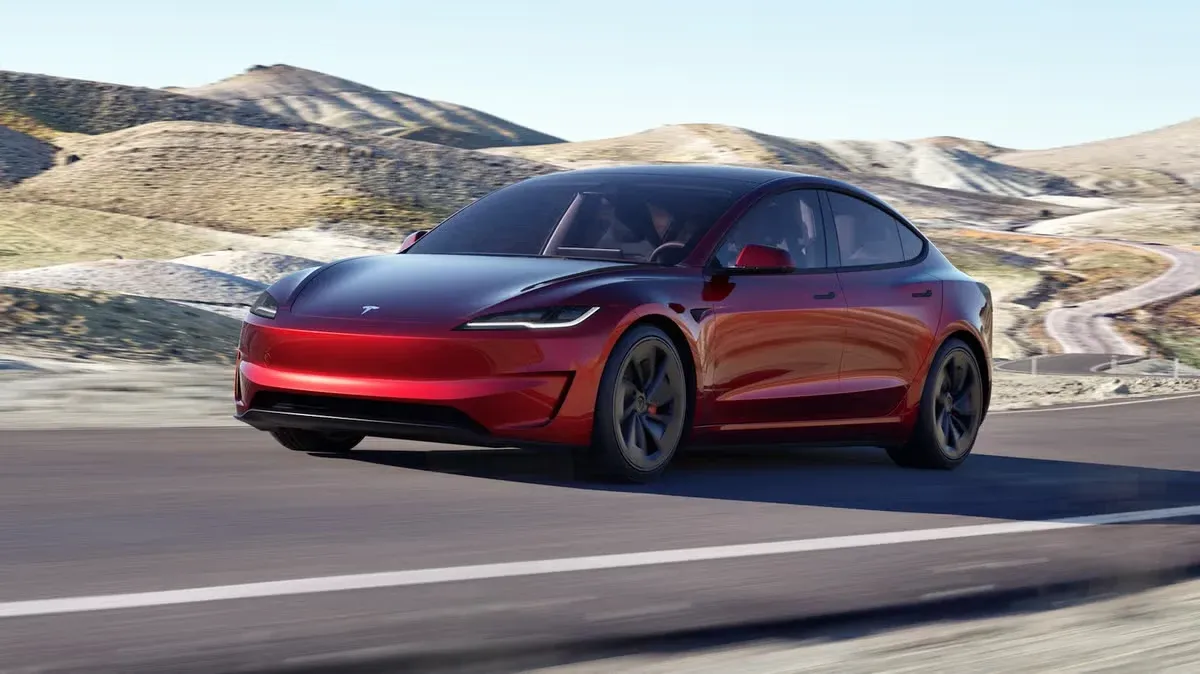
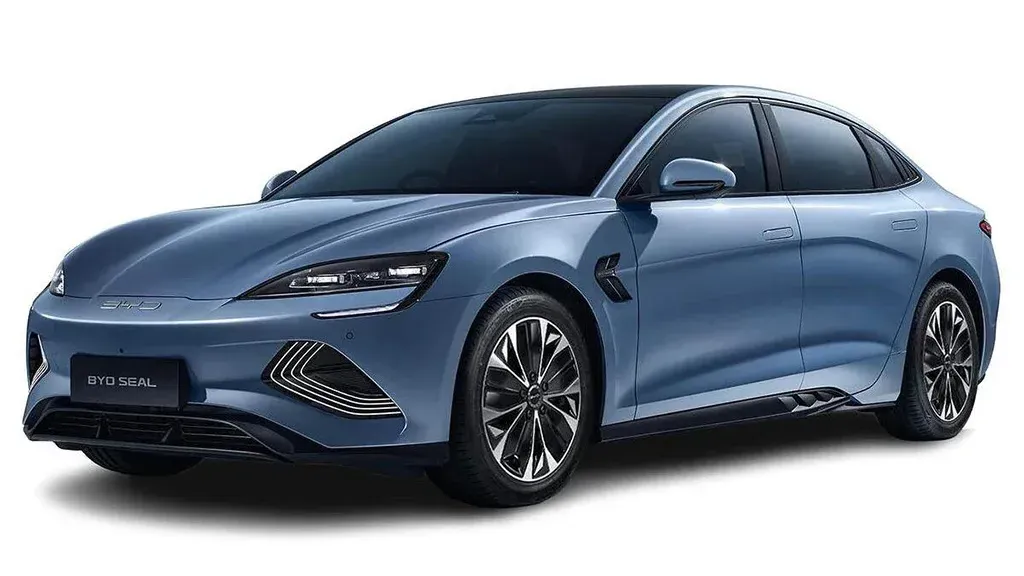
Up front, both have airy, screen-led cabins with good materials. The Seal feels the more overtly plush thanks to all that standard kit, while the Model 3 feels more cohesively designed and better integrated with its software. Rear-seat space is good in both. On outright practicality the Tesla's cargo flexibility is the trump card; on cabin richness the Seal feels the more expensive.
Cost to own
BYD covers the Seal with a six-year/unlimited-kilometre warranty and an eight-year battery warranty, edging Tesla's five-year vehicle cover, also with eight years on the battery. On energy costs the Tesla's superior efficiency means it is a little cheaper to charge per kilometre despite the smaller battery, and Supercharger access makes long trips simpler.
The figure that swings it decisively to Tesla is resale. The Model 3 has among the strongest resale of any EV in Australia, helped by brand pull and the charging ecosystem, while Chinese EVs are still establishing their used-market record and tend to depreciate faster early on. With only $1,910 in it at purchase, the resale difference over three to four years is comfortably larger than the price gap. If you keep cars a long time, or trade often, the Model 3's case is now strong. If you want the most battery and equipment for your money today, the Seal still delivers.
For years the Tesla Model 3 has been the electric sedan every rival is measured against, the default choice and the benchmark for range, software and resale. The BYD Seal is the most direct shot at it yet, though its entry-level Dynamic has since been discontinued and the range now starts higher: a sharp-looking rear-drive sedan with a bigger battery, more power and a lower price.
So does the value challenger still make the benchmark look expensive with only $1,910 between them, or does the Tesla now justify the premium? We have matched the Seal Premium against the Model 3 RWD and worked through price, range, efficiency, charging, space and the long-term costs that decide it. You can also stack them side by side on every spec in our comparison tool, or browse the full EV comparison hub.
Key details
A tick marks the better figure only where both cars have one and the gap is meaningful (3% or more; a whole star or year).
| Detail | Tesla Model 3 | BYD Seal |
|---|---|---|
| Price | From $54,900 RRP | From $52,990 RRP |
| Drive-away estimate | Calculating... | Calculating... |
| Body | Sedan | Sedan |
| Powertrain | Electric, Electric motor | Electric, Electric motor |
| Power / torque | 208kW / 340Nm | 230kW / 360Nm |
| Energy use | 13.8 kWh/100km | 14.6 kWh/100km |
| 0-100km/h | 6.1s | 5.9s |
| Boot | 682L seats up | 400L seats up |
| Towing (braked) | 1,000kg | 1,000kg |
| ANCAP | 5 stars (2025) | 5 stars (2023) |
| Warranty | 5yr | 6yr / 150,000 km |
At a glance
- Seats
- 5
- Boot
- 682L seats up
- Length x width x height
- 4,720 x 1,933 x 1,440mm
- Wheelbase
- 2,875mm
- Engine
- Electric motor
- Power
- 208kW
- Torque
- 340Nm
- Drive
- RWD
- Transmission
- Automatic
- Power-to-weight
- 118 kW/tonne
- Kerb weight
- 1,761kg
- Spare wheel
- Tyre repair kit
- Payload
- 471kg
- Towing braked / unbraked
- 1,000kg / 750kg
- Turning circle
- 11.6m
- Seats
- 5
- Boot
- 400L seats up
- Length x width x height
- 4,800 x 1,875 x 1,460mm
- Wheelbase
- 2,920mm
- Engine
- Electric motor
- Power
- 230kW
- Torque
- 360Nm
- Drive
- RWD
- Transmission
- Auto
- Power-to-weight
- 112 kW/tonne
- Kerb weight
- 2,055kg
- Spare wheel
- None
- Payload
- 446kg
- Towing braked / unbraked
- 1,000kg / 750kg
- Turning circle
- 11.4m
CarSorted Score breakdown
The CarSorted Score is algorithmic: it is calculated from each car's data, not from a road test. How it works.
Safety
Energy Efficiency
Value
Practicality
Technology
Performance
Reliability
The verdict
Tesla Model 3 comes out ahead on the CarSorted Score (80 vs 77)
The deciding gaps
- Energy Efficiency:Tesla Model 3 93, BYD Seal 73, Tesla Model 3 ahead by 20
- Practicality:Tesla Model 3 63, BYD Seal 51, Tesla Model 3 ahead by 12
- Reliability:Tesla Model 3 56, BYD Seal 64, BYD Seal ahead by 8
The Tesla Model 3 wins on the score; the BYD Seal is the cheaper of the two, and price is already part of the Value axis.
Same scorer as the live comparison of these two exact cars.
Our take (written 14 June 2026)
First, a housekeeping note: the BYD Seal Dynamic that used to anchor the cheap end of this comparison has been discontinued. The Seal range now starts with the Premium at $52,990 and runs to the Performance at $61,990, so the entry price has climbed and the gap to the Model 3 RWD is down to $1,910. At that margin the value argument all but disappears. The Seal Premium still gives you a far bigger 82.6kWh battery, 50km more claimed range, 22kW more power, a slightly quicker sprint and a six-year warranty against Tesla's five. The Model 3 answers with much better efficiency at around 138Wh/km against 170, a far bigger and more usable 682 litres of cargo space including the frunk against 400, a newer 2025 five-star ANCAP rating, Supercharger access and materially stronger resale. For $1,910 the Tesla is now the safer buy for most people. Take the Seal if the bigger battery and the equipment list are what you want.
Prices on this page move. Want the next verdict?
One short email when prices shift or a new comparison lands. No spam, unsubscribe anytime.
Questions buyers ask
Is the BYD Seal cheaper than the Tesla Model 3?
The Tesla Model 3 Premium Rear-Wheel Drive is from $54,900 RRP; the BYD Seal Premium is from $52,990 RRP. That makes the BYD Seal $1,910 cheaper.
Which has more range, the Model 3 or the Seal?
Electric range (WLTP where published): the BYD Seal at 570km, against 520km for the Tesla Model 3.
Which has the bigger boot?
Boot space with the seats up: the Tesla Model 3 at 682L, against 400L for the BYD Seal.
Can both use Tesla Superchargers?
The Model 3 plugs straight into Tesla's Supercharger network, the easiest fast-charging experience in Australia. The BYD Seal relies on the public CCS networks, which are widespread but less consistent. For frequent long trips the Tesla's charging is more relaxed.
Is the BYD Seal Dynamic still available?
The Tesla Model 3 is on sale new in Australia, and the BYD Seal is on sale new in Australia.
Which holds its value better?
The Tesla Model 3 Premium Rear-Wheel Drive is from $54,900 RRP; the BYD Seal Premium is from $52,990 RRP. That makes the BYD Seal $1,910 cheaper.
Which is cheaper to run, the Tesla Model 3 or the BYD Seal?
On the official combined cycle, the Tesla Model 3 uses 13.8 kWh/100km and the BYD Seal uses 14.6 kWh/100km.
What are the ANCAP ratings for the Tesla Model 3 and BYD Seal?
The Tesla Model 3 holds 5 stars (rated 2025), and the BYD Seal holds 5 stars (rated 2023).
Which tows more?
Braked towing capacity: both are listed at 1,000kg.
Which has the better warranty?
The Tesla Model 3 comes with a 5yr warranty; the BYD Seal with a 6yr / 150,000 km warranty.
Which comes out ahead overall?
On the CarSorted Score the Tesla Model 3 comes out ahead (Tesla Model 3 80/100, BYD Seal 77/100), mainly on energy efficiency, practicality. The score is algorithmic; the editorial above says who each car suits.
Related
Compare
- These two cars, side by side
- Every Tesla Model 3 and BYD Seal variant
- BYD Sealion 6 vs Zeekr 7X: plug-in hybrid SUV or electric SUV with a bigger boot
- Chery Tiggo 8 Super Hybrid vs BYD Sealion 8: PHEV SUV price against size
- Mazda CX-5 vs BYD Sealion 6: Petrol AWD SUV or Plug-in Hybrid SUV
- Chery Tiggo 7 Super Hybrid vs BYD Sealion 6: PHEV SUVs, sharper price versus proper towing
How to read this page. Prices, specs, ANCAP ratings, warranty, scores and the computed verdict come from our records for the two variants shown, sourced from manufacturer Australian documents, and update when those records change. RRP excludes on-road costs. Drive-away figures are estimates for the state you have selected unless marked as advertised. The editorial text was written on 14 June 2026. Always confirm price and specification with the manufacturer or dealer before you buy. CarSorted does not accept payment for recommendations.
Comments (0)
Sign in to join the conversation
No comments yet. Be the first!