Key Takeaways
- 9 new Chinese brands have confirmed Australian launches over the next 12 to 24 months
- Chery alone is launching four new sub-brands: Lepas, Freelander, iCaur and Jetour, on top of existing Chery and Omoda Jaecoo
- First arrivals: Forthing in June 2026, Lepas late 2026, with JMC Vigus ute already certified
- Dreame, a tech company best known for cleaning robots, plans a 1,399kW EV hypercar by 2027
- Firefly (Nio's small-car brand) and 212 (a Beijing-style off-roader) are still finalising distribution
"China speed" describes how quickly Chinese automakers develop and roll out new models. There should be a second term for how quickly they enter and seize share in an export market. The list below was current at the time of publishing. It probably will not be by the end of the year.
Brands like GWM and MG have been in Australia long enough to feel established. In the last five years alone we have seen the launch of BYD, Denza, Deepal, Farizon, GAC, Geely, JAC, Leapmotor, IM Motors, Omoda Jaecoo, XPeng and Zeekr, plus the return of Chery and Foton. Now there are nine more lining up.
1. 212
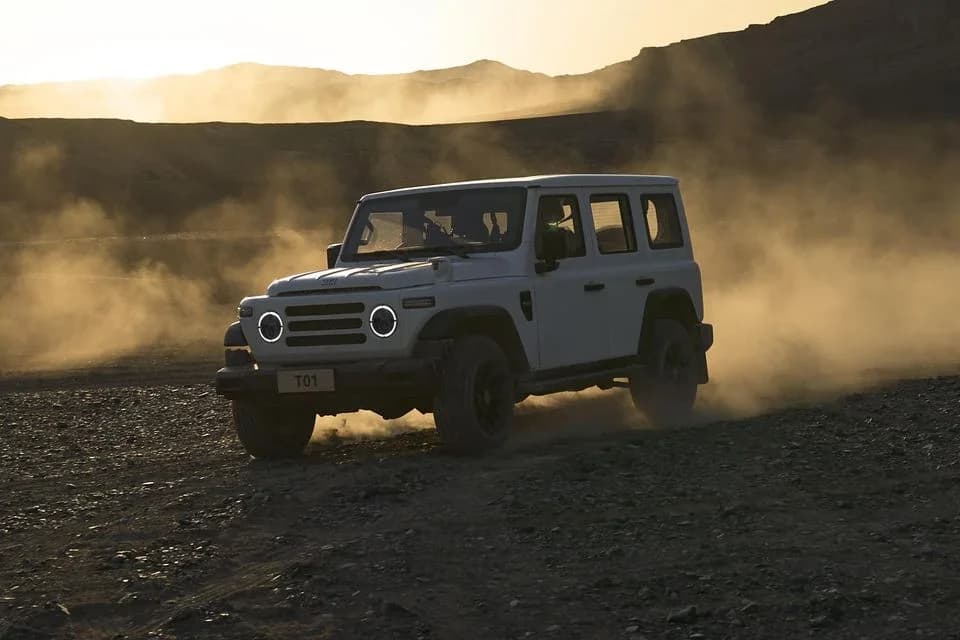
Image credit: 212 / BAW
212 is a Qingdao-based off-roader brand spun out of BAW (formerly part of BAIC). Its only model so far is the T01, a body-on-frame 4x4 with live axles front and rear and a 2.0-litre turbocharged petrol four. A 2.0-litre turbo-diesel is offered in China.
The T01 has been spied testing in the Northern Territory. A 212 spokesperson confirmed that right-hand drive will arrive with the next-generation model, which means an Australian launch is still some way off. The styling nods to the original BAW/Beijing Jeep BJ212 from the 1960s and goes head-to-head with the Jeep Wrangler on price and capability.
2. Dreame
Dreame is unusual in that it is a technology company, best known for cleaning robots, that has yet to put a single car into production. It plans Australian deliveries from early 2027.
In March 2026 Dreame revealed two concepts under the Nebula sub-brand: the Next 01 four-door hypercar and 01X SUV. Both ride on a quad-motor platform with a claimed combined output of 1,399kW and a stunning 23,000Nm of torque, plus a 0-100km/h time as low as 1.8 seconds. Production is targeted for 2027 with solid-state batteries.
A separate range of electric SUVs is planned under the Star Motor brand. Dreame says it is currently tuning early prototypes for Australian roads and ensuring local compliance.
3. Firefly
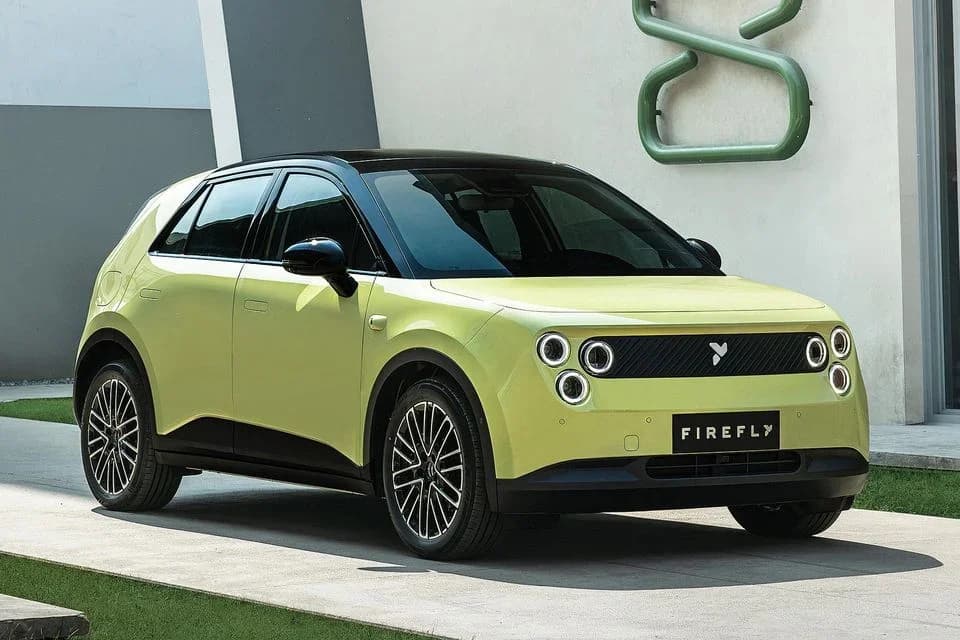
Image credit: Nio / Firefly
Firefly is Nio's small-car sub-brand. Its only model so far is an electric hatchback that sits between a Toyota Yaris and a Mazda 2 in size. Nio has filed certification documents with the Australian Government and is conducting local testing.
Firefly has not yet announced who will distribute the car here, or whether Nio will follow the Chery and MG playbook by importing directly. The hatch is a smaller, potentially more premium alternative to the BYD Dolphin, MG 4 and GWM Ora. Whether Nio's main brand or its Onvo sub-brand also reach Australia remains an open question.
4. Forthing
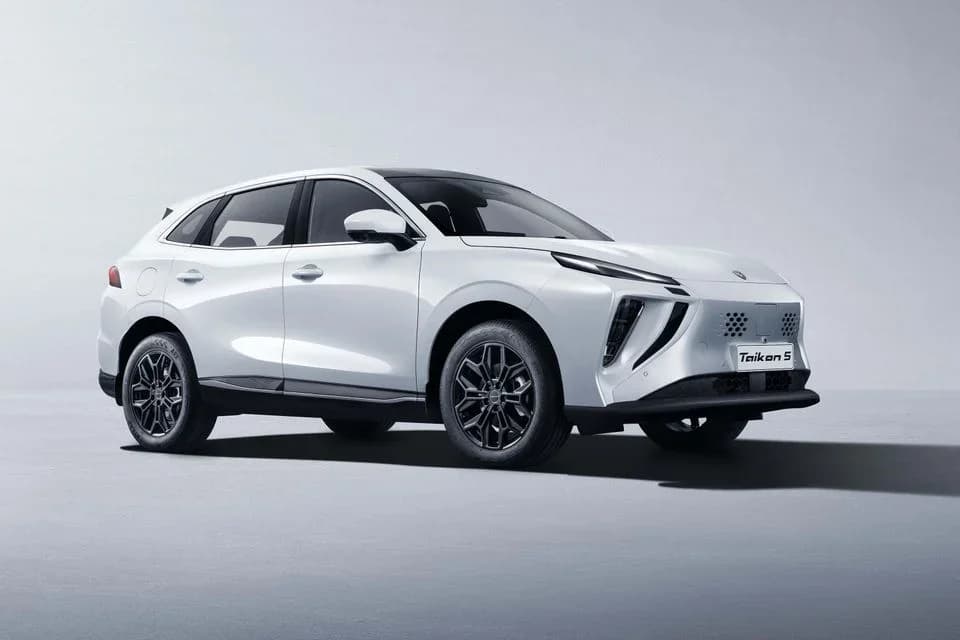
Image credit: Forthing / Dongfeng
Ateco Automotive, the local distributor that already handles LDV, Ram, Renault and Maserati, has secured the Australian rights to Forthing, a brand owned by Dongfeng Liuzhou Motor. From June 2026, Ateco will sell the mid-size Taikon 5, available as either an EV or an extended-range electric vehicle (EREV) targeting the Leapmotor C10 and Toyota RAV4.
The EREV pairs a 1.5-litre four-cylinder petrol with a 31.94kWh LFP battery for 138km of WLTP electric range before the engine kicks in as a generator. The full EV gets a single 150kW front motor and a 64.4kWh LFP battery. Forthing has promised "a comprehensive line-up of new-energy vehicles", which in Chinese terms means PHEVs, EREVs and EVs. The brand sells people movers, sedans and other SUVs in other markets, so the Australian range will likely grow quickly.
5. Freelander
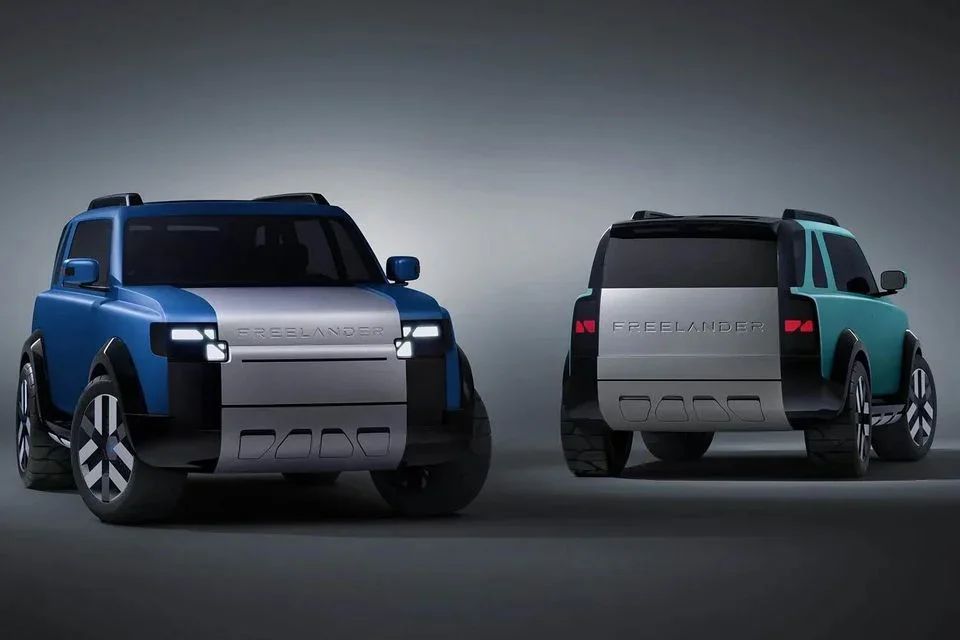
Image credit: Chery / JLR
Chery is dusting off the Freelander nameplate of partner Jaguar Land Rover. The two automakers will launch a new SUV brand of the same name in Australia in 2027. The first preview was the Concept 97, a small SUV with cues from the original Land Rover Freelander.
Production will run from the existing Chery / JLR plant in Changshu, China, both for the local market and for global export. The company says it wants Freelander to be "around for the long haul" and is "reinventing the path for Chinese automobiles to go global". Vehicles will use Chery platforms and powertrains. The production version of the Concept 97 is expected in June.
6. iCaur
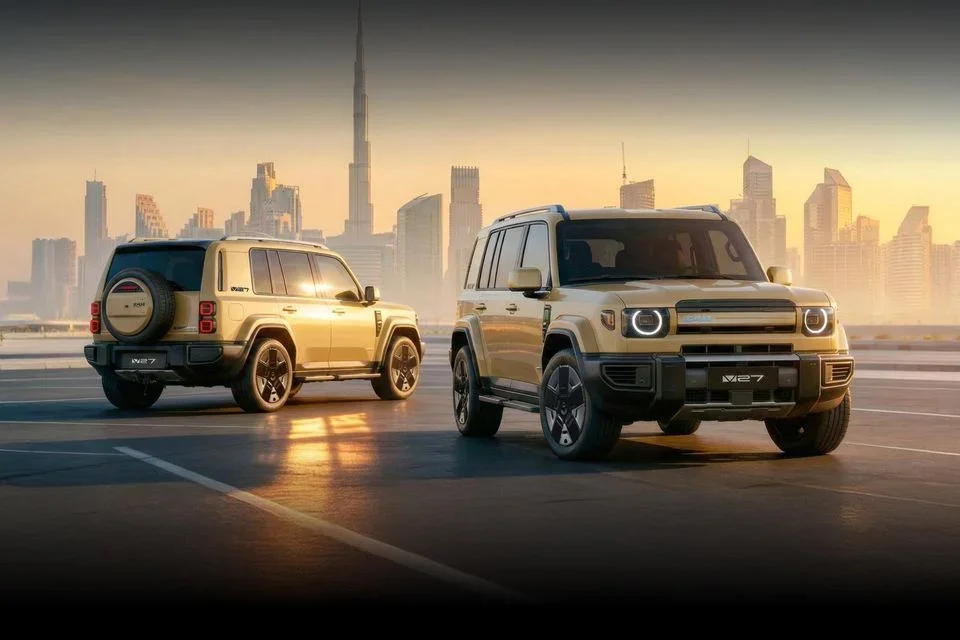
Image credit: Chery / iCaur
Chery established iCar in 2023 as an export EV brand, then added EREVs. The lineup is bluff and boxy: the electric V23 (shorter than a Mazda CX-3) at one end, and the Toyota LandCruiser-sized V27 EREV at the other.
Chery has filed to trademark the name iCaur locally. The trademark has been opposed by the Inter-Industry Conference on Auto Collision Repair, so the eventual Australian name is still up in the air. Whatever it is called, its arrival makes five Chery sub-brands in market alongside Omoda Jaecoo, Lepas, Freelander and Chery itself, with cannibalisation an obvious risk.
"In Western markets, brand hierarchy is very vertical. This one is entry-level, this one is volume, this one is premium, this one is luxury," Chery Australia COO Lucas Harris said in November 2025. "My observation of what we see in Chinese brands is it is much more horizontal."
7. Jetour
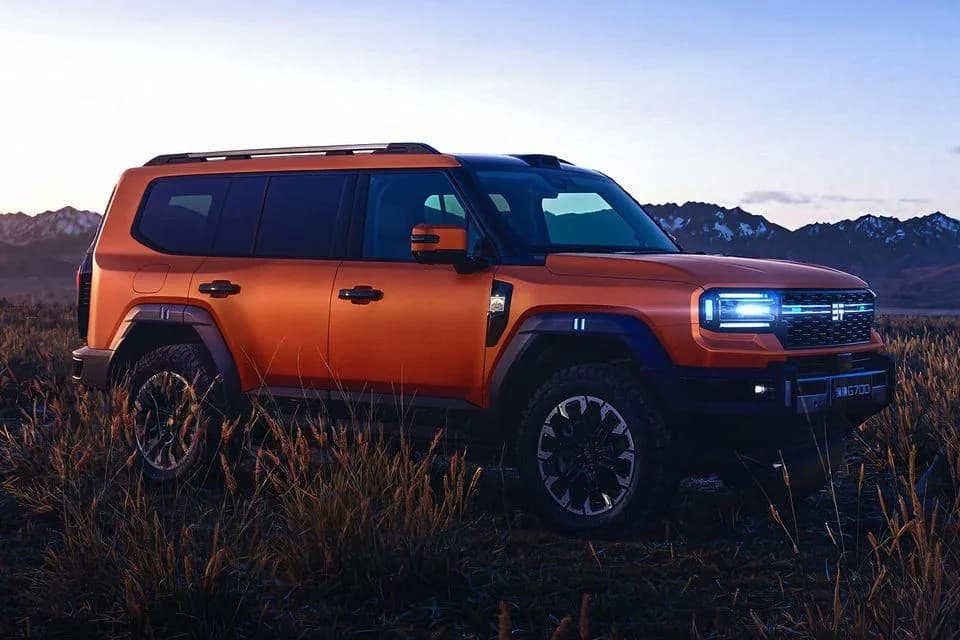
Image credit: Jetour / Chery
Jetour is one of Chery's oldest sub-brands, established in 2018, but it gets a separate distribution arm in Australia from the rest of the Chery family. It operates in more than 100 markets and delivered 622,590 vehicles globally in 2025, around 22% of Chery Auto Group's total. A Sydney launch event is set for May, with deliveries to follow later in 2026.
The lineup splits between sleeker SUVs (the Dashing compact, already in right-hand drive for South Africa) and rugged body-on-frame off-roaders (the T1 and T2, plus the seven-seat X70 Plus). At the top sits the G700, a three-row, ladder-frame plug-in hybrid SUV at 5,198mm long, larger than a Toyota LandCruiser 300 Series. The PHEV combines a 2.0L turbo, dual electric motors and a 34.13kWh CATL LFP battery for 665kW combined and 1,135Nm, with up to 100km of WLTC electric range. The G700 is not yet in right-hand drive but Jetour says it is "in the pipeline".
8. JMC
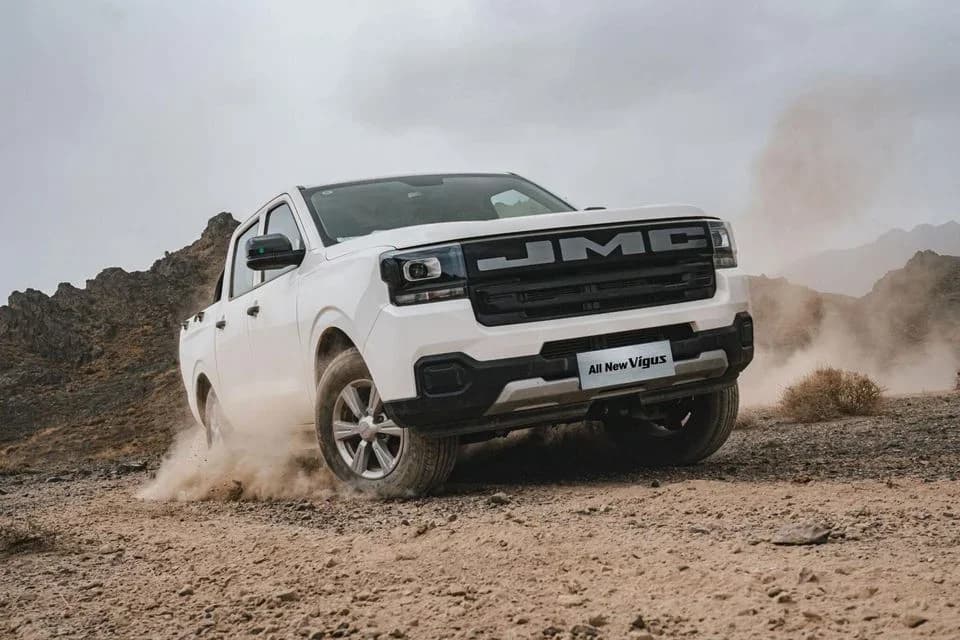
Image credit: JMC
JMC is returning to Australia after an unsuccessful run from 2015 to 2018. The car will again be a Vigus dual-cab ute. Government certification documents list a 3.3-litre turbo-diesel four-cylinder making 118kW, mated to an 8-speed automatic. The 3.3L is unusual: JMC currently offers the Vigus only with 2.0L turbo-petrol or 2.5L turbo-diesel engines in other markets, so this could either be a unique Australian engine or an error in the filing. The ute itself measures 5,335mm long, only 35mm shorter than a Ford Ranger.
Curiously, JMC has chosen the older Vigus over its newer Dadao family of utes (sold elsewhere as Grand Avenue), which features more modern interiors and the active-safety suite the Vigus lacks. Dadao uses a Ford-co-developed platform; Jiangling Motors (JMC's parent) has a long-running partnership with Ford. Danny Lenartic, formerly of JAC, was appointed CEO of JMC Motor Australia in early 2026.
9. Lepas
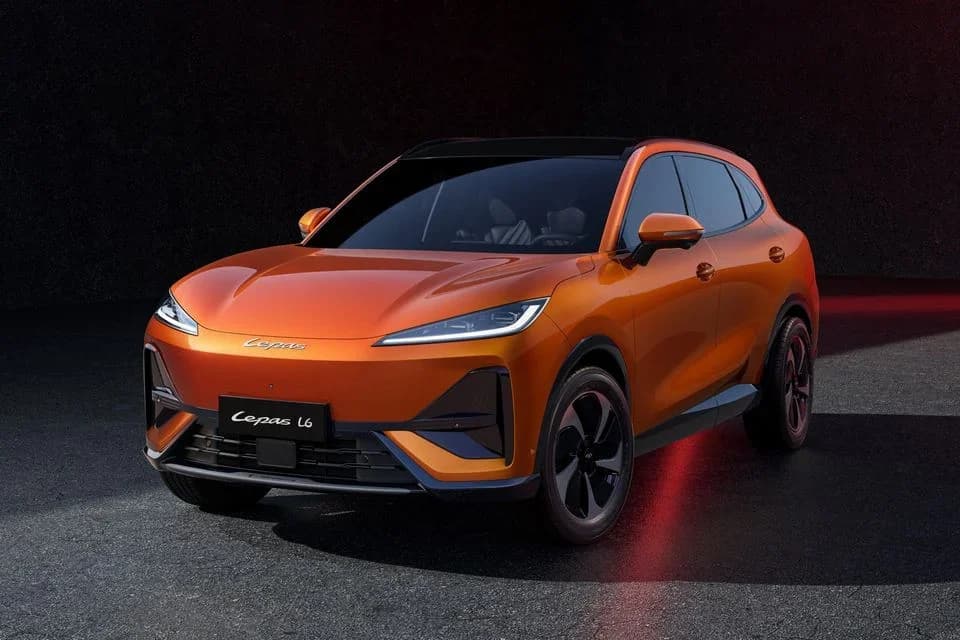
Image credit: Lepas / Chery
Lepas is Chery's third confirmed export brand for Australia. It launches late 2026 with the small L6 and mid-size L8 SUVs, with the smaller L4 following in 2027. All offer hybrid options, with full electric variants up the range.
Lepas's pitch is colour and lifestyle. The brand uses bold paint inside and out, and has hinted at selling fashion accessories in showrooms as part of its retail concept. How that lands in a market that defaults to white, grey and black with grey interiors is anyone's guess.
Honourable mentions
Other brands signalling intent but yet to formally announce: Geely's Ridarra (the unibody RD6 ute, available as both EV and PHEV), and Changan's luxury Avatr brand, which has filed to trademark its name locally. Across the Tasman, BAIC and Dongfeng have launched their namesake brands in New Zealand. BAIC's Foton division is already represented in Australia by Inchcape, and Dongfeng-sourced vehicles will arrive here under both Forthing and (likely) Nissan badges.
Our Take
The math is simple. Australia's new-vehicle market sells around 1.2 million cars a year. Add nine new brands to the mid-30 brands already trading and individual market share gets thin fast. Chery alone now has six sub-brands trying to coexist locally. Chinese groups are betting that Australian consumers will keep responding to feature-stacked, sharply-priced cars without caring much about whether the badge is well-known.
The likely shake-out: a couple of these brands break through (Forthing and Lepas are the most credible volume plays), one or two find a niche (212 in serious off-road; Dreame as a halo experiment), and the rest either consolidate, rebadge, or quietly disappear, the way Foton and SsangYong did the first time around.
Compare any of the existing Chinese models in the Australian market right now using our comparison tool. Pick a Chery vs MG vs BYD vs GWM showdown and see the spec-for-spec breakdown across price, safety, range and warranty.
Disclaimer: Brand confirmations and timing are based on publicly available announcements as of April 2026. Launch dates, model lineups and distribution arrangements are subject to change.