Firefly Electric Car Confirmed for Australia in 2026: Premium, Not Budget
Written by CarSorted Editorial · 18 May 2026
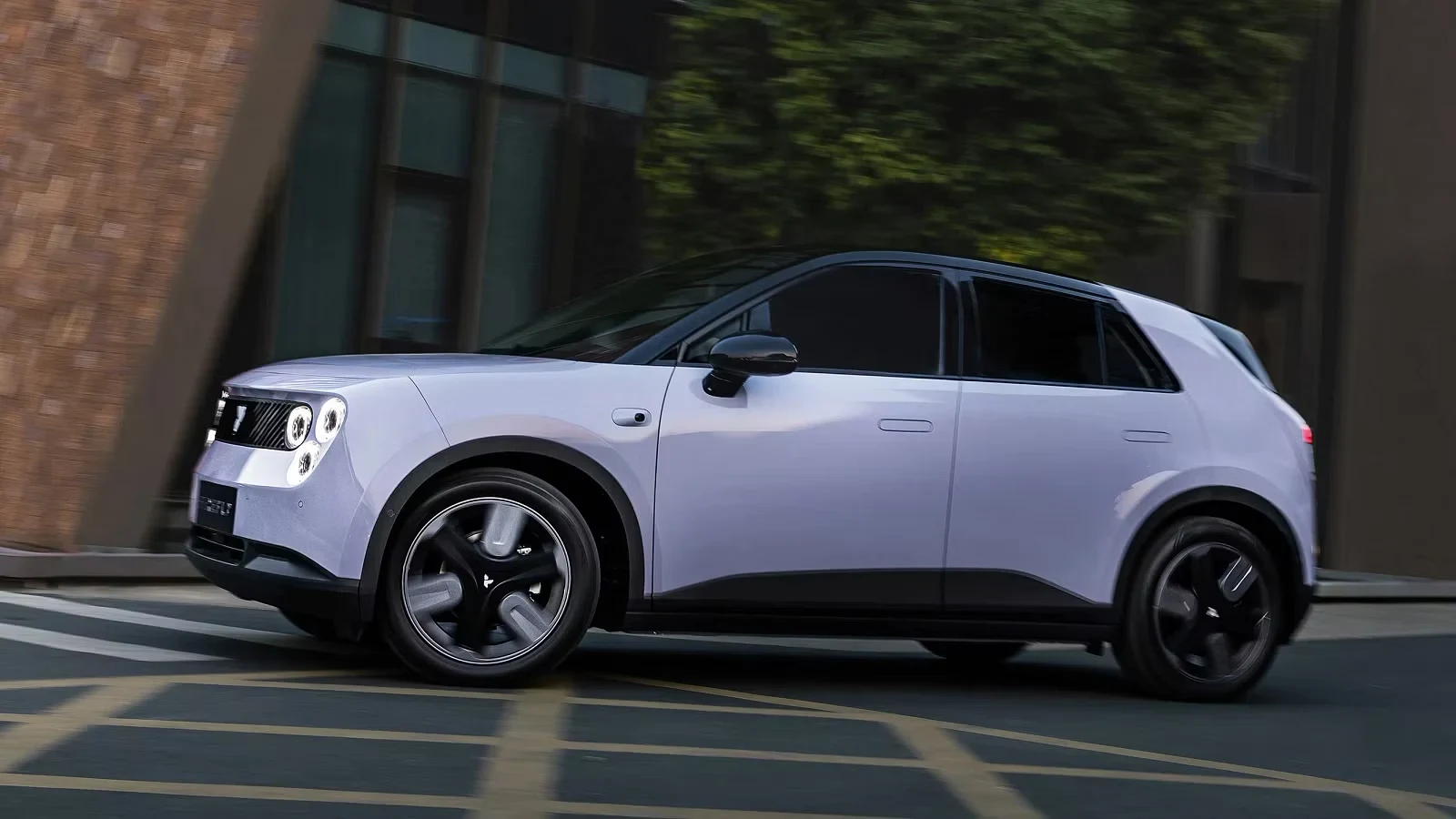
Image credit: Firefly / Nio
Key Takeaways
- Australian launch by end of 2026, not 2027, per Firefly global president Daniel Jin
- Targeting Mini and Volvo, not BYD Dolphin or MG. Expect a $40k-plus starting price.
- 105kW rear motor, 41.2kWh battery, 330km WLTP on Australian-approved cars
- 100kW DC fast charging, 10 to 80 per cent in 29 minutes
- Distribution likely through a general distributor, Ateco or Inchcape style, not direct from Nio
- Battery swap is not coming to Australia. No infrastructure plans here.
Nio's pint-sized Firefly is now firmly on track for an Australian launch by the end of 2026. The brand's global president, Daniel Jin, told Drive at the Beijing motor show that it is "highly likely" the first cars will arrive sometime next year rather than in 2027 as previously suggested. Right-hand drive production has started in China, the car has been testing on Australian roads in recent months, and Nio has been homologating the model for our market since 2025.
The bigger surprise is the positioning. The Firefly is small, but it is not a cheap Chinese EV in the mould of the BYD Atto 1 or MG4 Urban. Jin made it clear that Firefly is chasing Mini, Volvo and Volkswagen, with pricing likely to start above $40,000 plus on-road costs.
A premium small EV, not a value play
"We planned right-hand drive from day one, and as a result, Australia, UK, New Zealand, Singapore and Thailand are definitely our target markets," Jin said in Beijing. "Starting from last year, we started to do the homologation in Australia, and right now, we are also discussing with some local dealers to talk about the opportunity to bring Firefly into Australia as a general distributor model. That's the plan."
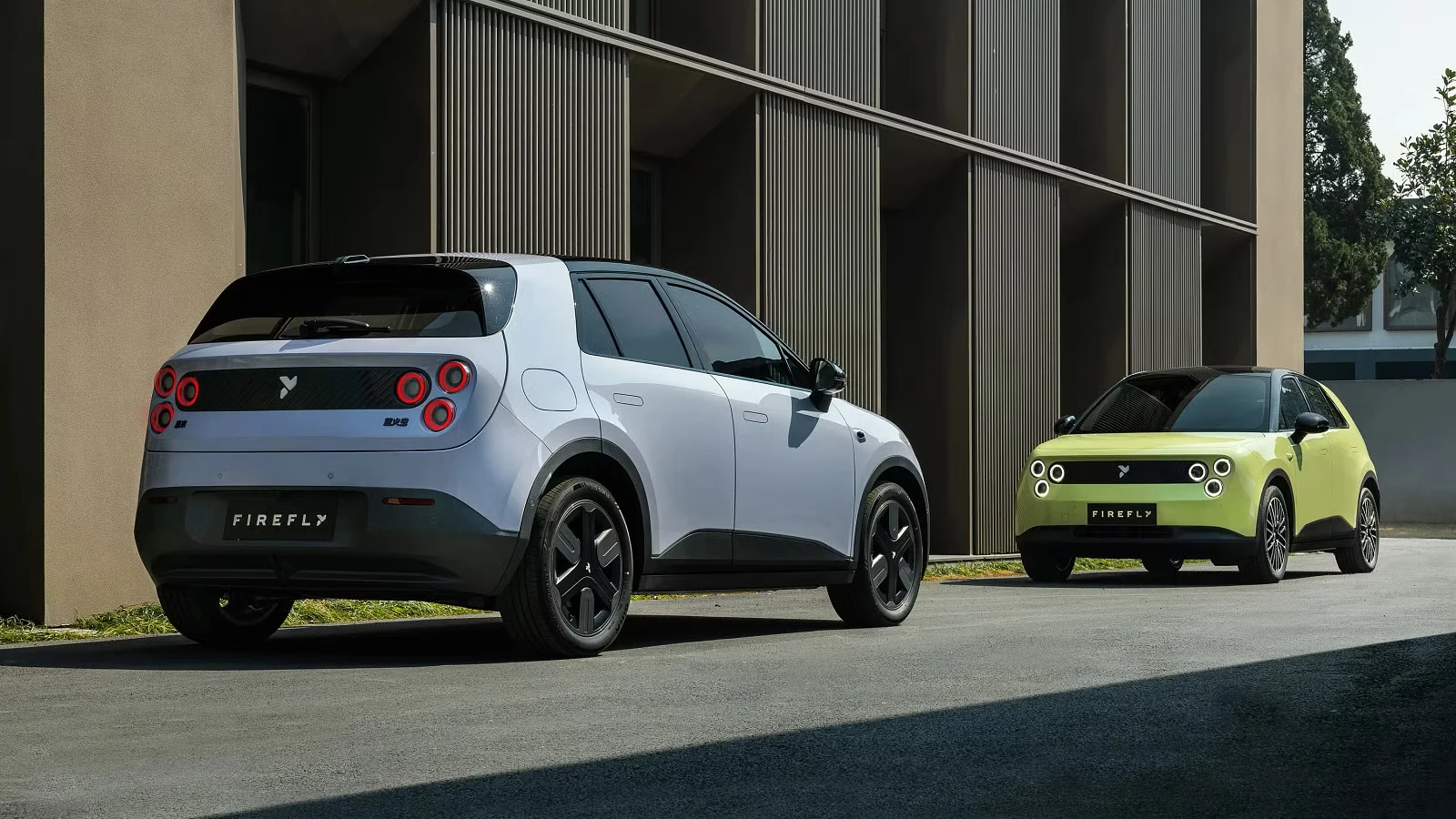
The Firefly is roughly the same physical footprint as a BYD Dolphin or the upcoming Geely EX2, but Jin was very clear about not competing with those cars. "In China, we position the car as a premium small car, so we target the Mini in China. Mini, Volkswagen ID.3, Volvo EX30, and the Smart #1," he said.
"We don't want to compete with BYD, with the Geely, because in China, it's a completely different segment. They are below 100,000 RMB, which is about A$20,000. We call this the value-for-money segment. We are premium segment."
Where the Firefly slots into Australian pricing
Jin was open about the pricing balance Firefly is trying to strike. In China, the car is roughly half the price of a Mini. In Australia, he expects the gap to be smaller but for Firefly to still come in below Mini, because Nio is a new brand here without the BMW Group heritage. "We need to be humble, so we probably cannot price head-to-head with Mini. Lower, a little bit lower, but definitely higher than those value-for-money brands."
For reference, here is how the rivals stack up today:
| Car | Starting RRP (AUD) | Notes |
|---|---|---|
| Firefly (incoming) | $40,000+ (estimate) | Daniel Jin's positioning guidance, before on-road costs |
| Mini Cooper (petrol) | $41,990 | Plus on-road costs |
| Volvo EX30 Plus | $59,990 | Single motor, RWD |
| Smart #1 Pro+ | $54,900 | Plus on-road costs |
| Mini Cooper Electric | $58,990 | A $53,990 entry-level EV Cooper was dropped due to low demand |
| MG4 Urban Comfort | $31,990 | For comparison only. Firefly is not aiming at this tier. |
In Europe the Firefly already sells from €29,990 to €32,500 in the Netherlands, which converts to roughly A$48,700 to A$52,800. Australian RRPs typically settle slightly higher than those direct conversions once tax, freight and local equipment are added.
Firefly cabin with cream upholstery, two screens and a low-profile dashboard. Image credit: Firefly / Nio
What you actually get under the skin
The Australian-approved Firefly runs a single 105kW / 200Nm electric motor on the rear axle and a 41.2kWh battery pack. WLTP range is rated at 320 to 330km. DC fast charging tops out at 100kW, good for a 10 to 80 per cent top-up in a claimed 29 minutes.
A more powerful 120kW motor has rolled out for Chinese-market Fireflies this year, with claimed 0 to 100km/h cut from 8.1 to 7.9 seconds. That spec has not been confirmed for Australia, and approval documents suggest the 105kW car will be the launch unit.
These numbers put the Firefly close to the Volvo EX30 Plus Single Motor on paper, though the Volvo gets a slightly bigger battery and considerably more punch from its 200kW rear motor. Where the Firefly clearly wins is design: the round headlights, the dual-tone roof, and the seriously different rear treatment give it a personality that buyers in the Mini / Smart / EX30 bracket actively shop for.
Battery swap: a brand calling card that does not apply here
Nio is best known internationally for its battery-swap stations: drive in, the floorpan opens, a robot pulls out the depleted battery and slides in a charged one, all in about five minutes. Firefly is built on a platform that supports the same trick.
However: no Nio swap stations exist in Australia. There is no announced plan to build any. Battery-swap infrastructure in Australia is essentially at zero, and bringing in a battery-swap-only product without the stations would not work. Australian Fireflies will plug in like every other EV and use the same DC fast-charging network as a BYD or Tesla owner.
The distributor question
Jin's reference to a "general distributor model" matters. It signals Nio is not setting up a direct factory-owned retail network like Tesla or Polestar. Instead it wants an independent importer, the kind of arrangement that brings Renault, Ram and Maserati to Australia through Ateco, or Subaru through Inchcape.
Discussions are ongoing with multiple potential partners, Jin said, with no announcement yet. The upside of this model: the dealer network can be built fast and into existing multi-brand groups. The downside: Firefly's owner experience is then only as good as the partner Nio picks. That matters more than it sounds, because the value of buying a premium EV is partly the service relationship.
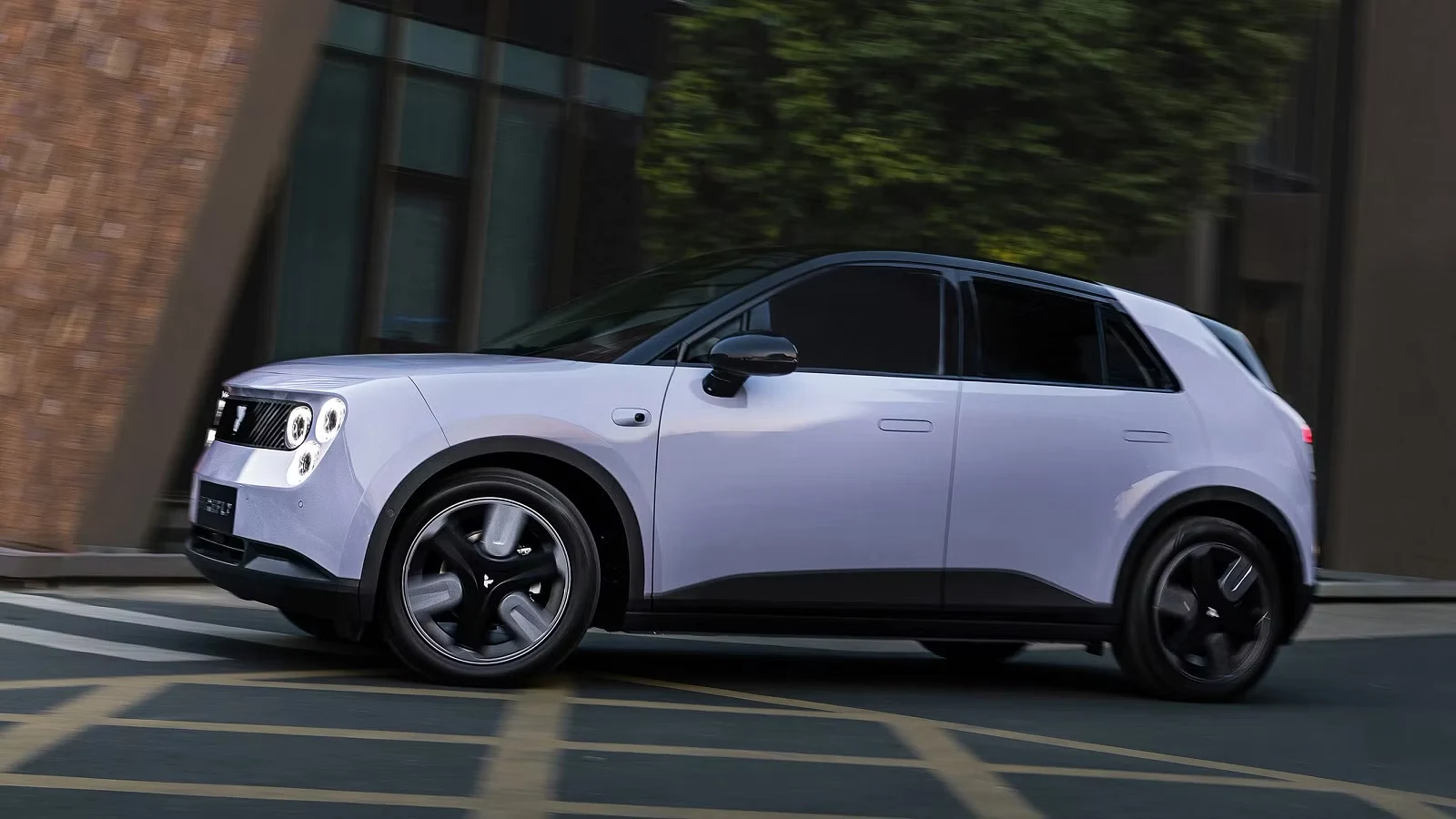
Firefly's signature three-circle headlights. Image credit: Firefly / Nio
Why this matters for Australian buyers
- More choice in the small-premium-EV bracket. Today that segment is essentially Mini, Volvo EX30, Smart #1 and the soon-to-arrive VW ID.3. Firefly adds a meaningful fifth option.
- Pricing pressure on Mini, Smart and Volvo. If Firefly genuinely lands a little under Mini Cooper EV, the established premium players have a real competitor.
- Distinct design language. Firefly is not trying to look like a generic small EV. The round headlights, dual-tone roof and concept-car silhouette are deliberately different.
- Nio's broader Australian future. Firefly is the entry point. Nio has separately said the full-fat Nio brand (think ES, ET, EL sedans and SUVs) and the family-focused Onvo sub-brand are also on the Australian roadmap, though without firm dates.
Compare the existing small-premium-EV rivals on the directory: Volvo EX30 Plus, Smart #1 Pro+, MG4 Urban, BYD Atto 1. See also: New Chinese Brands Coming to Australia and XPeng's Australia Reset.
Disclaimer: Quotes are sourced from a Drive interview with Firefly global president Daniel Jin at the 2026 Beijing motor show. Australian launch timing, pricing and specifications remain subject to change before the official on-sale announcement. RRPs cited for the Volvo EX30, Smart #1, MG4 Urban and Mini Cooper are manufacturer prices excluding on-road costs at the time of publishing. Read our methodology for how we source and verify data.
Cars in This Article
Frequently Asked Questions
When does the Firefly EV launch in Australia?
Who actually makes the Firefly?
What does the Firefly cost?
What are the Firefly's specs?
Will the Firefly use Nio's battery-swap network in Australia?
Who will distribute the Firefly in Australia?
What rivals will the Firefly face?
Disclaimer: All information in this article was believed to be correct at the time of publishing (18 May 2026). Prices are manufacturer recommended retail prices (RRP) and may vary by state, dealer, and options. Specifications, government incentives, and rebates can change without notice. Always verify details with the manufacturer or relevant authority before making a purchase decision. Running cost estimates are based on average Australian driving conditions at 15,000 km/year. CarSorted does not accept payment for recommendations or rankings.
Written by CarSorted Editorial, CarSorted Editorial Team · 18 May 2026 · how we research
Comments (0)
Sign in to join the conversation
No comments yet. Be the first!