2025 Hyundai i30 Hatch: every variant sold in Australia
1 variant of the Hyundai i30 Hatch carry the 2025 model year in our catalogue — the PD generation, sold new 2017–now. Specs, safety, economy and standard equipment for every grade, side by side.
The 2025 Hyundai i30 Hatch is no longer sold new in Australia. A price is shown only where we hold Hyundai's own printed price for that variant: what it cost new, not a current offer or a used value. Specifications are kept for used-buyer research. See the current Hyundai i30 Hatch.
Thinking about the 2025 Hyundai i30 Hatch?
Three things you can do from here. This year's figures and every variant are below.
Still deciding? Put it side by side
Price, running cost, safety and size in one table, against the cars people cross-shop this one with.
The 2025 Hyundai i30 Hatch in plain English
The 2025 Hyundai i30 Hatch is a Hatchback with front-wheel drive. The one grade we hold for 2025 is the N Premium DCT. It is petrol.
No price is on record for the 2025 Hyundai i30 Hatch: a figure is printed only where we hold Hyundai’s own published price.
Hyundai’s combined consumption figure is 8.5 L/100km. At 15,000 km a year that is about $2,680 of fuel or energy, before servicing, rego, tyres and insurance.
We hold no ANCAP rating for any grade on this page, so none is shown. We never carry a rating across from another variant or model year.
Every 2025 Hyundai i30 Hatch variant
| Variant | Drivetrain | Power | Economy / range | Seats | Full specifications |
|---|---|---|---|---|---|
| N Premium DCTHatchback | Petrol · 8 speed N DCT (wet clutch) with sequential manual mode · FWD | 206 kW | 8.5 L/100km | No data | Full specs → |
Equipment across the 2025 range
Four states, never three. Standard means the document prints it as standard on that grade. Optional means it is a factory extra, at the price the document prints. No means the document confirms it is not available. No data means we have not read it off a Hyundai document yet, which is not the same as saying the car does not have it.
| Variant | AEB | Blind-spot monitor | Reversing camera | Apple CarPlay | Android Auto |
|---|---|---|---|---|---|
| N Premium DCT | Standard | Standard | Standard | Standard | Standard |
Not yet read off a Hyundai document for any 2025 variant: Adaptive cruise. Left out of the table rather than shown as a column of “No data”; it is not a “No”.
What changed from the 2023 i30 Hatch
No 2023 grade we hold carries into 2025 under the same name, body, gearbox and drive, so the change is shown as the line-up itself rather than as price or spec moves on a guessed pairing. A grade listed below as in one year’s rows only may be a grade we have not added yet rather than one Hyundai added or dropped; the variant table above is what we hold for 2025.
In our 2025 rows, not our 2023 rows: N Premium DCT.
In our 2023 rows, not our 2025 rows: N DCT, N Manual, N Premium Manual, N Premium w/ Sunroof DCT, N Premium w/ Sunroof Manual.
What changed after the 2025 i30 Hatch
No 2025 grade we hold carries into 2026 under the same name, body, gearbox and drive, so the change is shown as the line-up itself rather than as price or spec moves on a guessed pairing. See the 2026 Hyundai i30 Hatch.
In our 2026 rows, not our 2025 rows: Active, Elite, N DCT, N Line, N Line Premium, N Manual, N Premium Manual, N Premium w/ Sunroof DCT, N Premium w/ Sunroof Manual, i30.
In our 2025 rows, not our 2026 rows: N Premium DCT.
2025 Hyundai i30 Hatch: size, weights, towing and servicing
2025 Hyundai i30 Hatch: size, weights, towing and servicing
| Figure | As published |
|---|---|
| Size | |
| Length | 4,340 mm |
| Width | 1,795 mm |
| Height | 1,445 mm |
| Wheelbase | 2,650 mm |
| Ground clearance | 132 mm |
| Turning circle | 11.6 m |
| What it carries | |
| Boot space, seats up | 381 L |
| Fuel tank | 50 L |
| Gross vehicle mass (GVM) | 2,010 kg |
How we read these figures, and the 15 figures Hyundai does not print(show)
Nothing in this table is ranked. A figure the manufacturer prints on a different basis (a maximum kerb weight, a width including the mirrors, a length with a tow bar fitted) carries that basis beside it, because it is a different measurement and not a bigger number.
Not yet read off a Hyundai document for any grade on this page: boot space, rear seats down, kerb weight, tare mass, payload, roof load, tray length, tray width, braked towing capacity, unbraked towing capacity, tow ball download, gross combination mass (gcm), wading depth, service interval (months), service interval (distance), warranty term. Those read “No data” rather than a guessed figure.
Recalls on the 2025 Hyundai i30 Hatch
None of the recall notices we have verified is matched to the 2025 variants on this page. That is a statement about our register, not a clearance: check a specific car by VIN on the government’s Product Safety Australia recalls register before you buy.
Where a figure has not been read off a source document it reads “No data” rather than a zero or a dash, and an equipment column reads “No” only where a document confirms the feature is not available. Full specs, the source for each variant and a side-by-side configurator for every Hyundai i30 Hatch variant, including other model years, are on the model page.
Ready to move on the 2025 Hyundai i30 Hatch?
Still deciding? Put it side by side
Price, running cost, safety and size in one table, against the cars people cross-shop this one with.
- Every Hyundai i30 Hatch variant and price · the model page covers every generation and model year we hold, with the source for each variant and a side-by-side configurator.
- 2026 Hyundai i30 Hatch · the next model year we hold, and what changed after 2025.
- Compare any two cars side by side · price, specification, equipment and running cost in one table.
Related reading
News and buying guides that cover the Hyundai i30 Hatch.
News and guides about this car
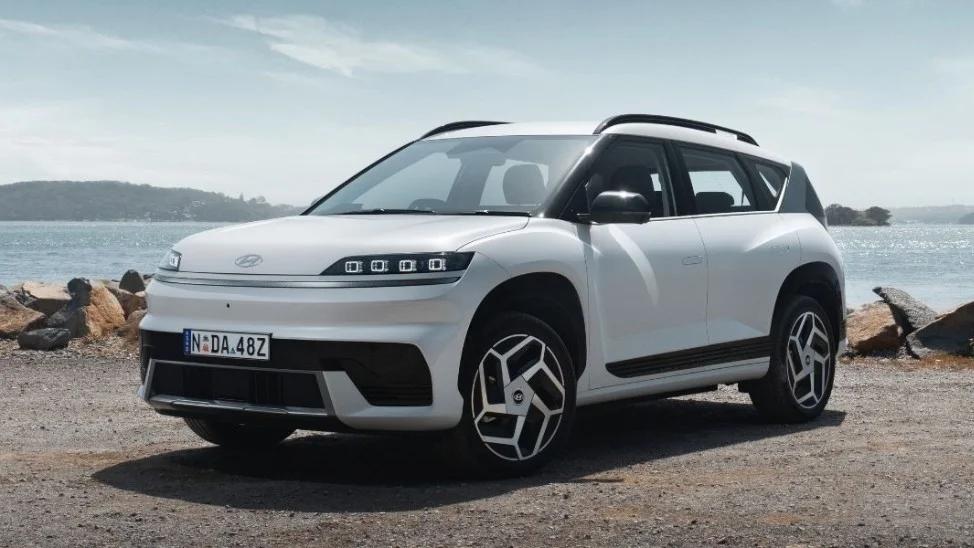
Hyundai Elexio Recalled in Australia: All 1,619 Cars Over Forward Collision Avoidance Software That Can Brake Unexpectedly
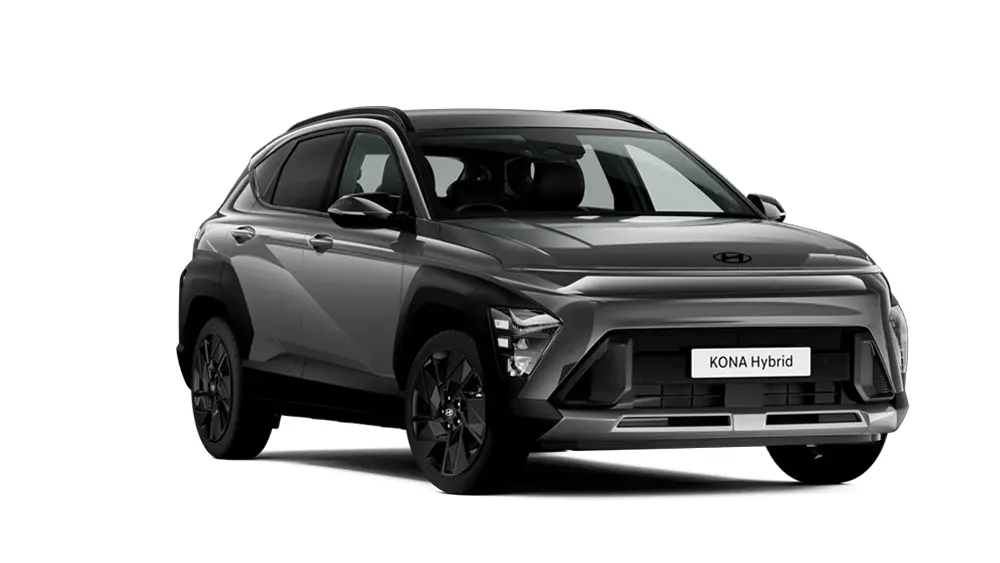
Hyundai Kona Hybrid BLK Edition: $42,600, With Bose Audio and a Digital Dash Over the Elite
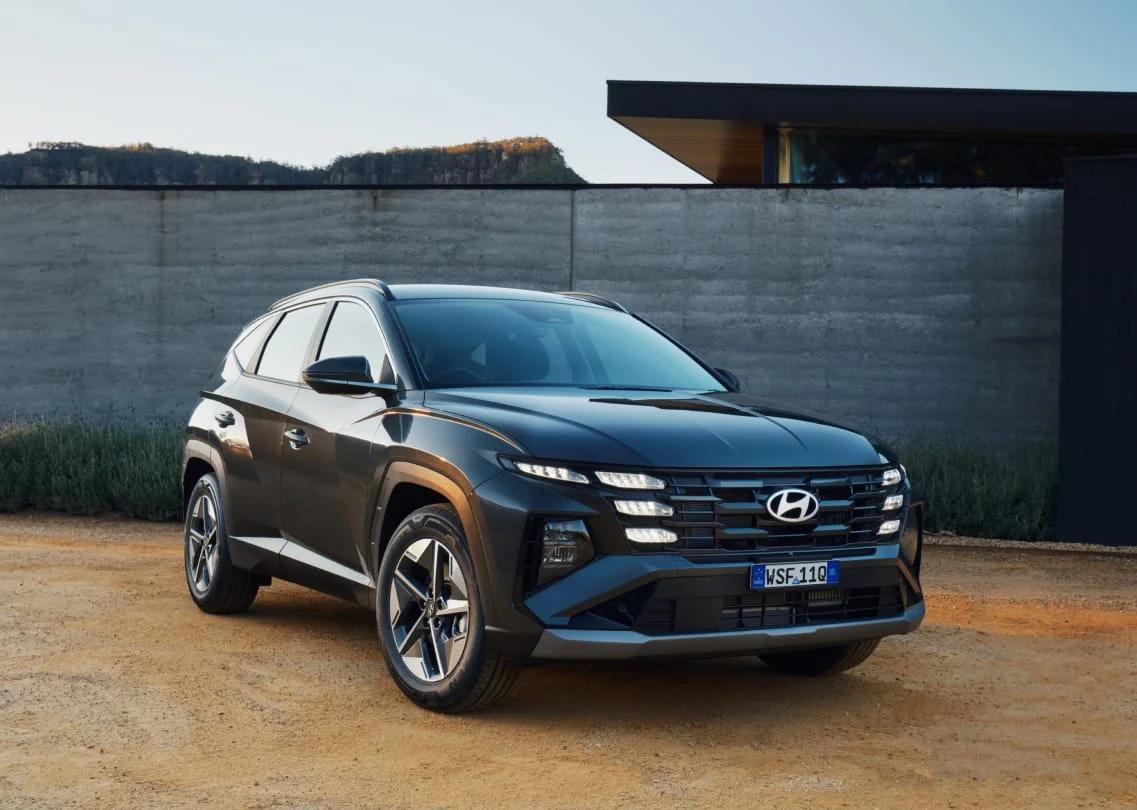
Hyundai Tucson Runout: $3,000 Bonus on Each NX4 Grade, Hybrid From $44,990 Drive-Away
Browse all 15,380+ cars · All Hyundai models · All Hatchbacks