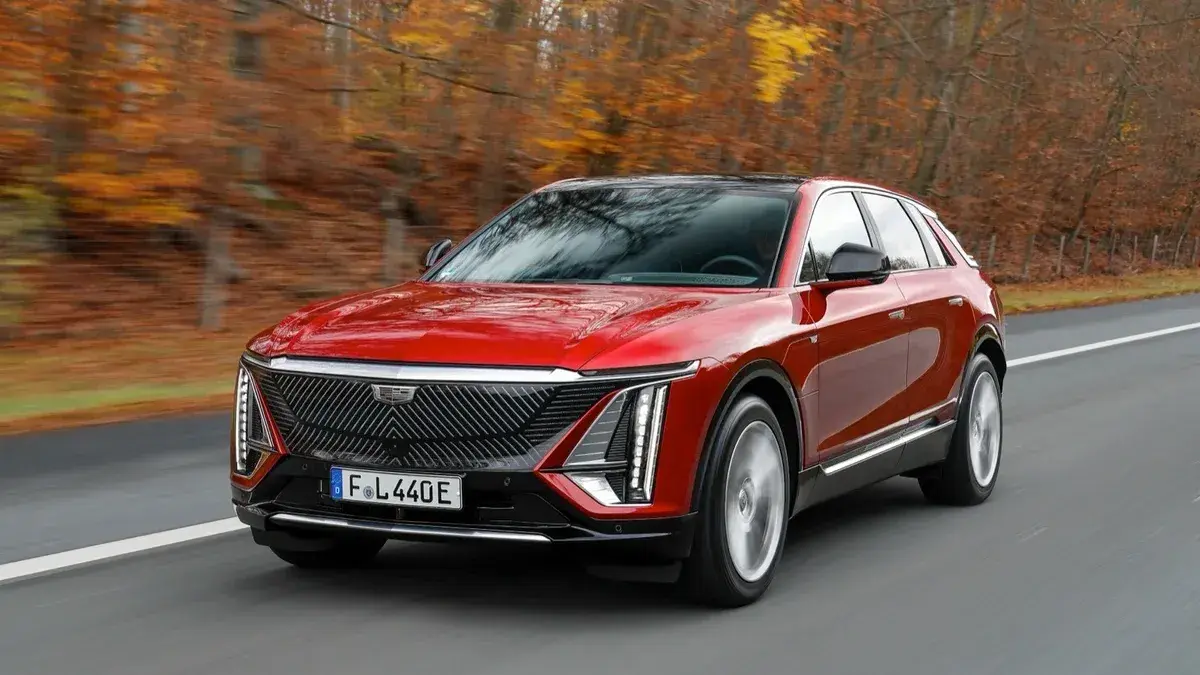
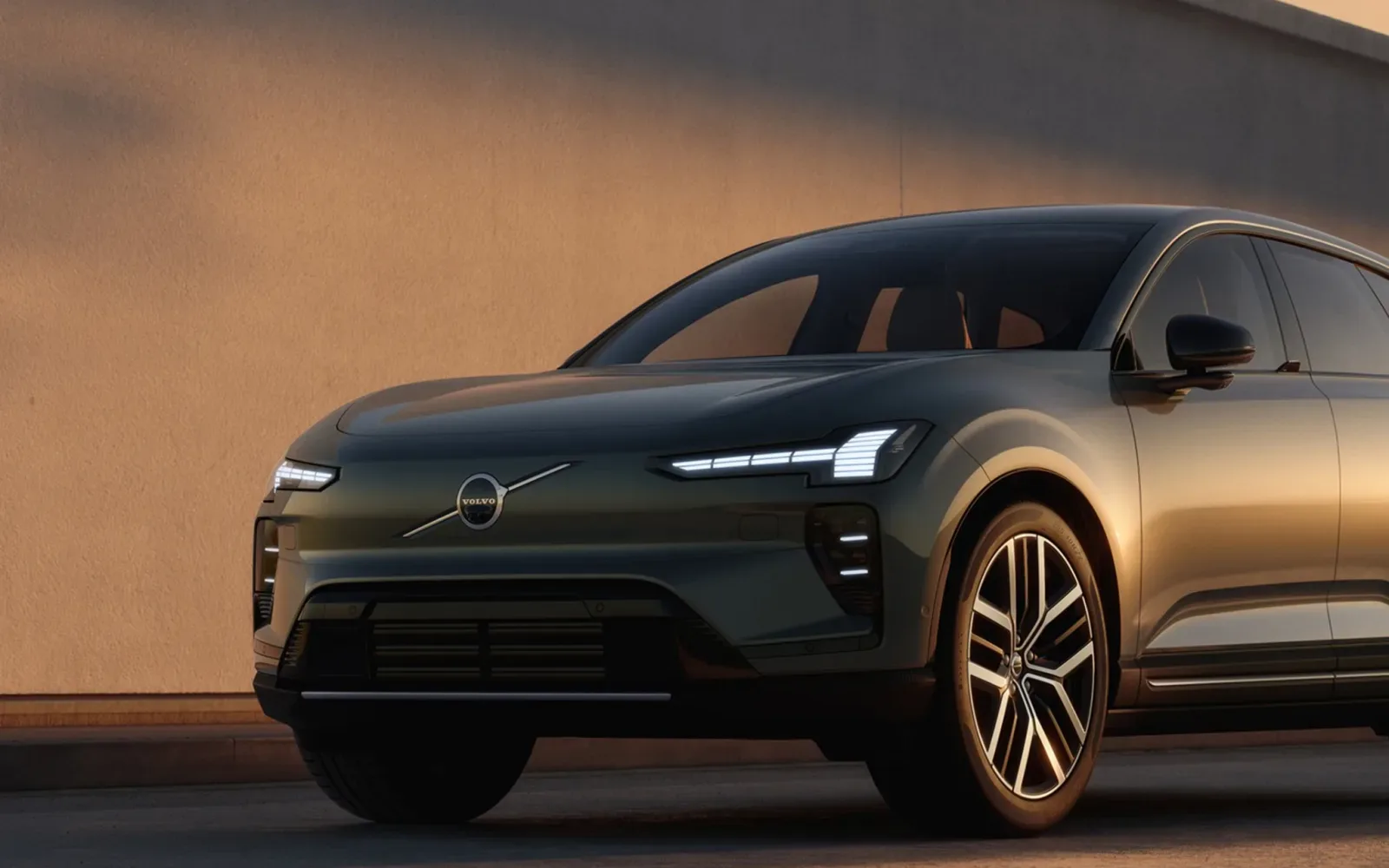
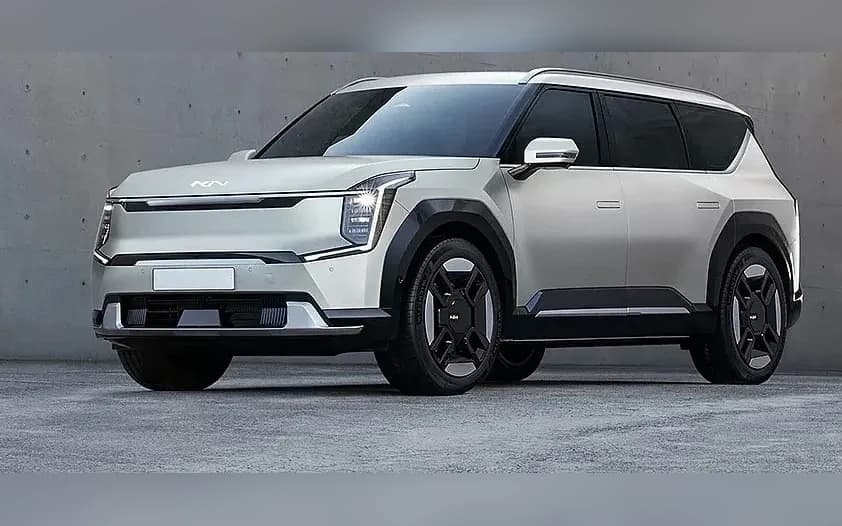
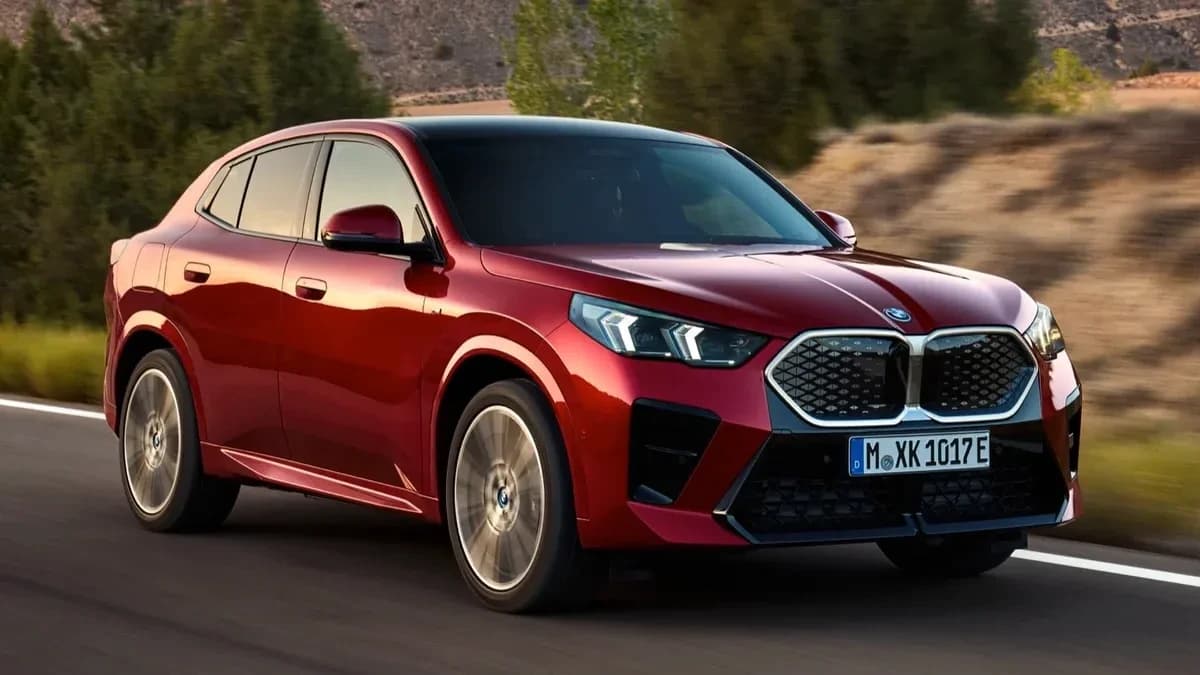
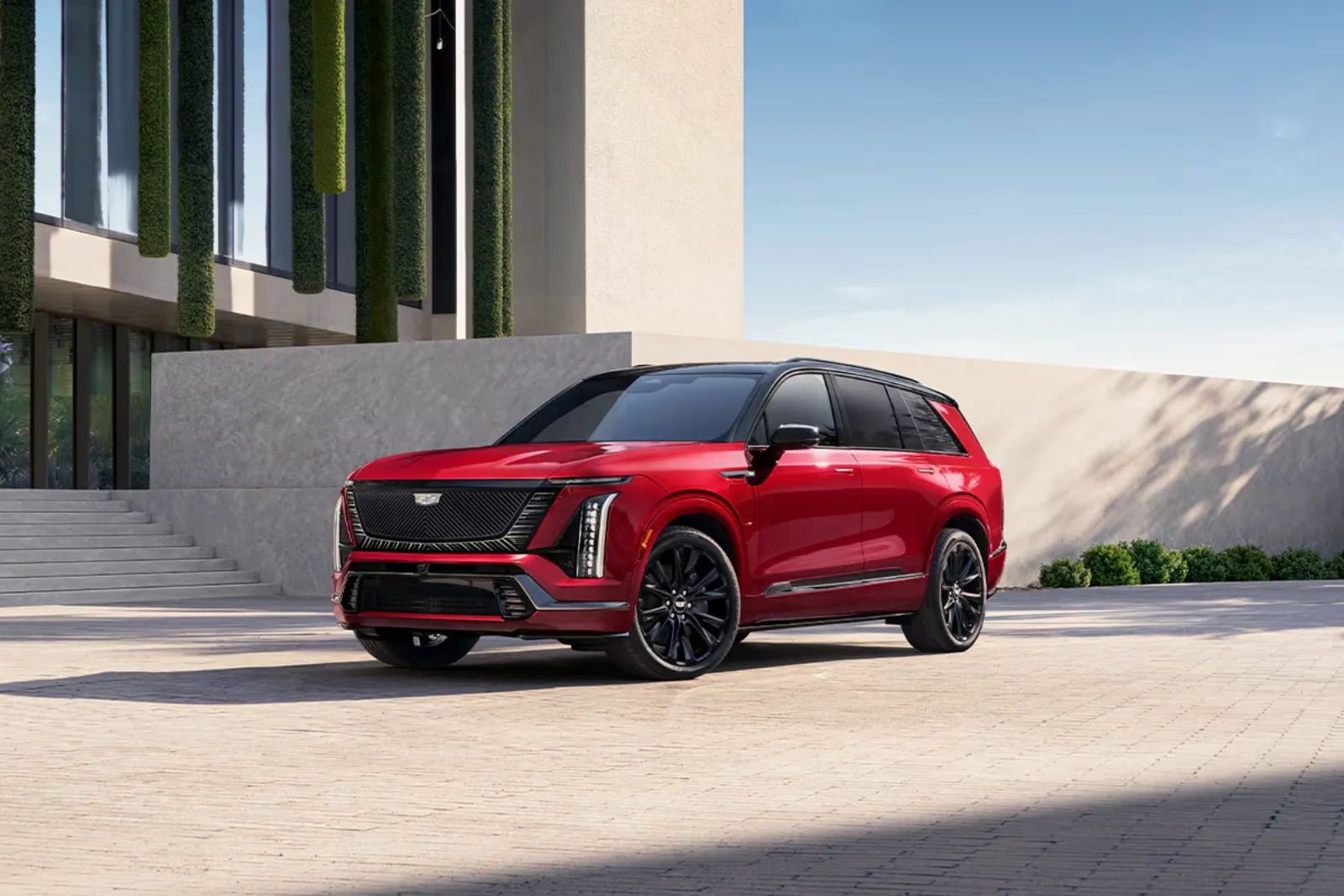
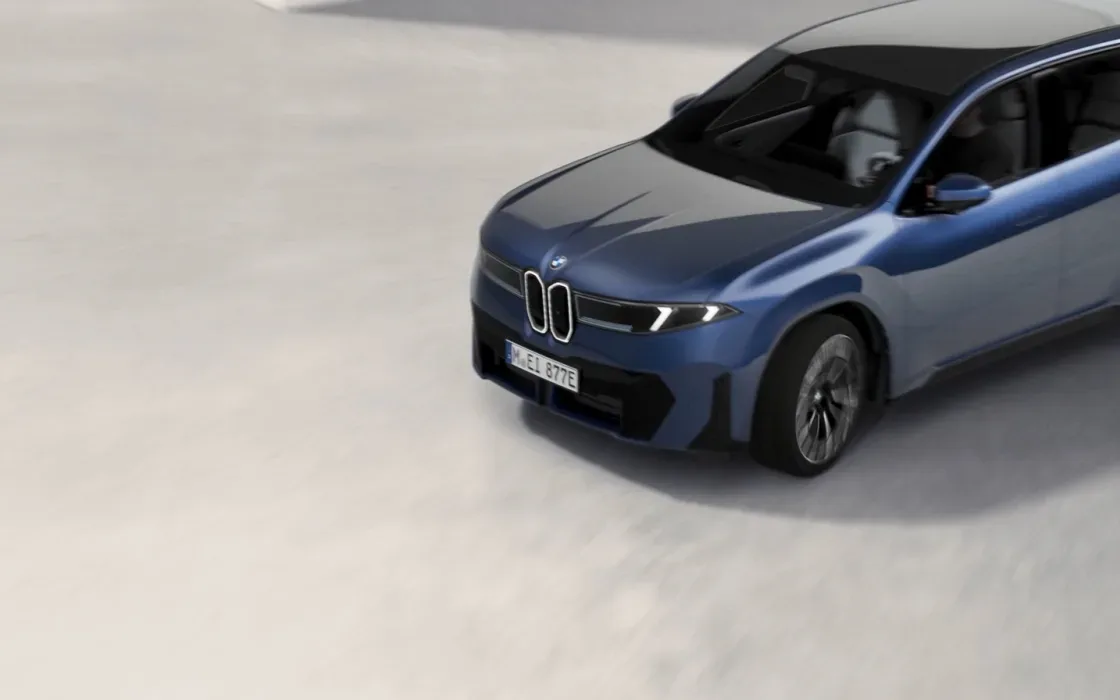
Genesis GV60 vs Hyundai IONIQ 9
Two electric SUVs go head to head. Which EV is the better buy for Australian drivers in 2026?
Level at 73: here's what splits them
Prices are RRP before on-road costs unless stated otherwise. Always confirm with the manufacturer or dealer before purchasing.
Data checked: specs 30 Aug 2026, price 6 Nov 2026
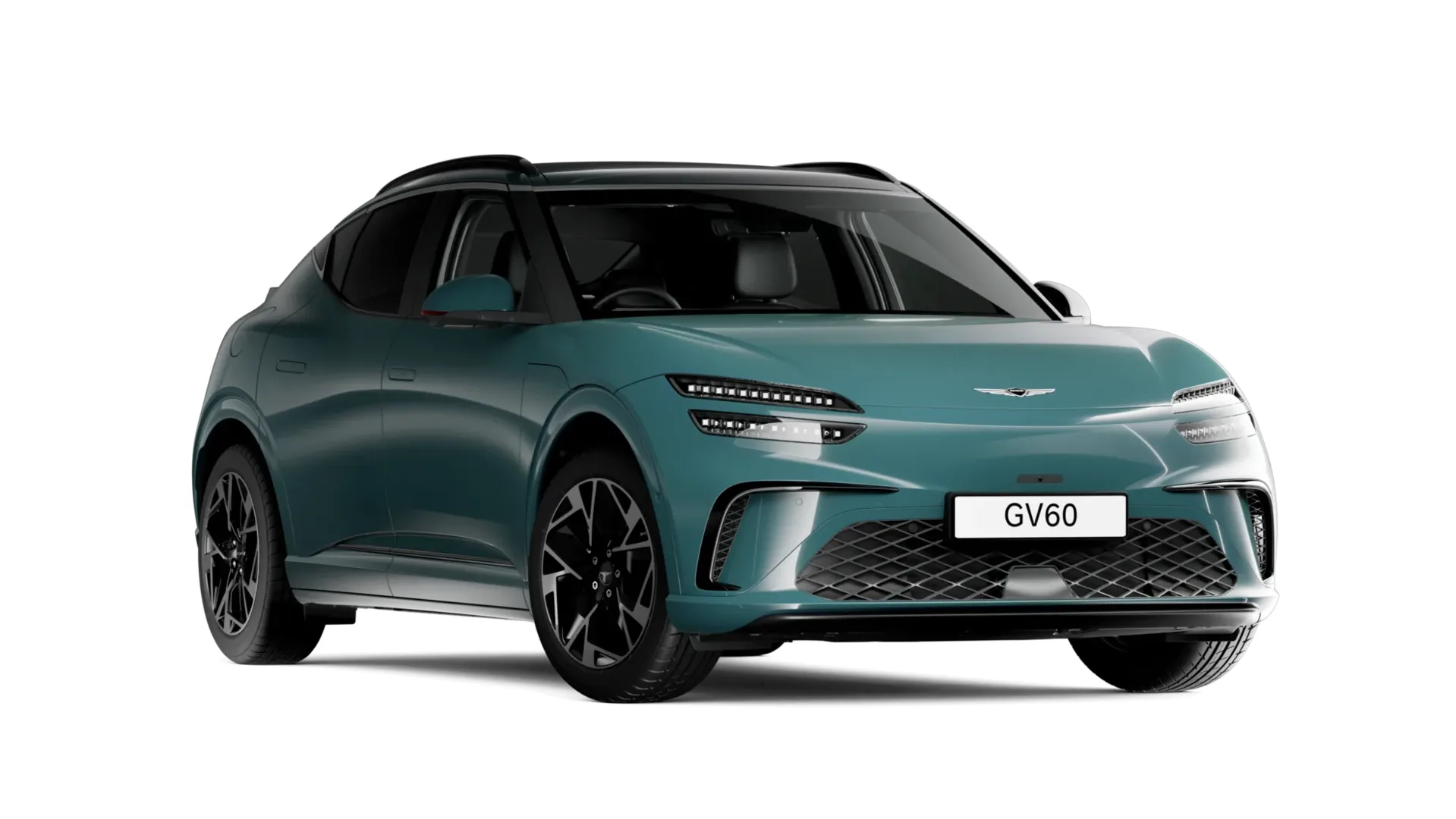
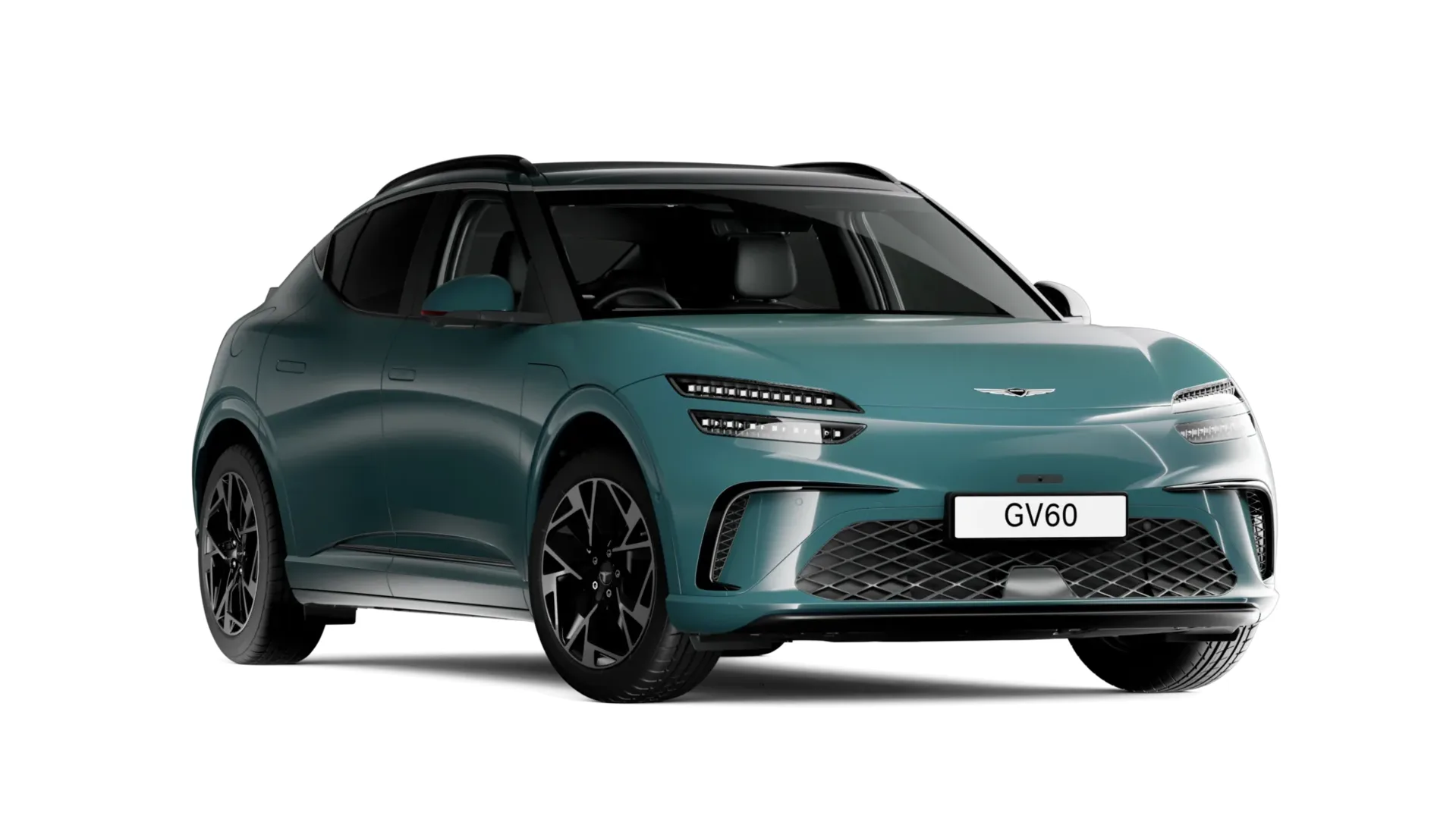
Genesis GV60
21 of 27 standard · no option data · 6 no dataFrom
$88,300
RRP, before on-road costs
- Body
- SUV
- Fuel type
- Electric
- Engine
- Electric Motor
- Power
- 168kW
- Energy use
- 18 kWh/100km
- Safety
- ANCAP ★5 · 2022
- Boot (seats up)
- 432L
Genesis Australia offer: 5.99% finance, ends 30 Nov 2026. Terms
Driva is an independent finance provider, not part of CarSorted. We aren't paid for this link.
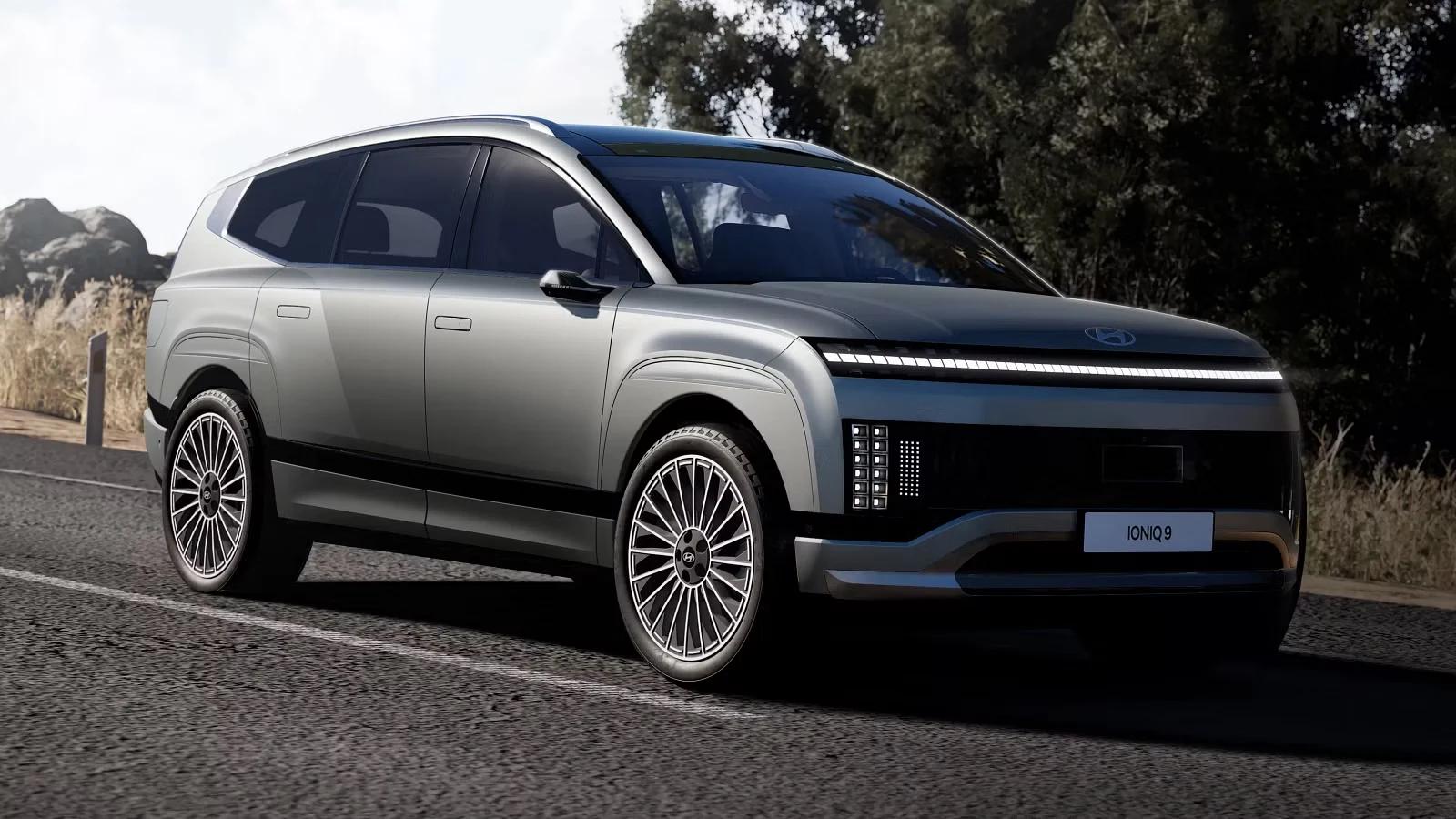
Hyundai IONIQ 9
27 of 27 standardFrom
$113,205
RRP, before on-road costs
- Body
- SUV
- Fuel type
- Electric
- Engine
- Electric Motor
- Power
- 314kW
- Energy use
- 20.6 kWh/100km
- Safety
- ANCAP ★5 · 2025
- Boot (seats up)
- 338L
Driva is an independent finance provider, not part of CarSorted. We aren't paid for this link.
Manufacturer offer
Ends 30 Nov 2026
Offer from Genesis Australia, checked 5 Nov 2026
T&Cs apply, as the maker prints them. Eligibility, stock and build limits vary, so confirm the offer with the dealer.
WARNING: This comparison rate is true only for the examples given and may not include all fees and charges. Different terms, fees or other loan amounts might result in a different comparison rate.
Finance offers are the manufacturer's or its financier's own, shown as they published them on the date given. CarSorted is not a credit provider, does not hold an Australian Credit Licence, does not arrange finance and gives no credit assistance or advice. A rate shown is the rate the manufacturer advertised, not a rate available to you: approval, fees, charges and the rate you are offered depend on the lender's assessment and its terms and conditions. Read the full offer on the manufacturer's page before relying on it.
$88,300RRP
- no option data for this car
$113,205RRP
- with the Genesis GV60's standard kit: $113,205 (nothing to add)
Printed option prices only. A pack is counted once and makes the figure a floor when it carries no printed price. Nothing is inferred from the other car.
Price and cost per week
Genesis GV60 Advanced RWD
$88,300
RRP, before on-road costs. Checked 24 June 2026
No published drive-away price on our record.
About $385 a week in repayments ($88,300 RRP, before on-road costs; assumes $5,000 deposit, 5 yrs at 7.5% p.a.). An estimate, not a loan offer.
Hyundai IONIQ 9 Calligraphy AWD 7-Seat
$113,205
RRP, before on-road costs. Checked 6 Nov 2026
No published drive-away price on our record.
About $500 a week in repayments ($113,205 RRP, before on-road costs; assumes $5,000 deposit, 5 yrs at 7.5% p.a.). An estimate, not a loan offer.
The Genesis GV60 starts $24,905 lower on RRP.
The Genesis GV60 currently qualifies for the electric-vehicle FBT exemption, which applies to novated leases. The Hyundai IONIQ 9 does not: above the $91,661 fuel-efficient lct threshold.
On-road costs (stamp duty, registration, CTP and dealer delivery) depend on your state and the dealer; ask for a written drive-away price before you sign.
CarSorted
Looking for your next car?
We help you research it, compare it and ask for a price.
Ways to buy
For the 2 cars on this page.
Finance
From ≈$385/wk(≈$1,669/mo)
Estimate on the Genesis GV60 at $88,300 RRP, before on-road costs; assumes $5,000 deposit, 5 yrs at 7.5% p.a. Not a quote or an offer of credit.
Compare real car-loan ratesDriva is an independent finance provider, not part of CarSorted. We aren't paid for this link.
Novated lease
Electric, with an RRP under the $91,661 fuel-efficient LCT threshold (2026-27): under the ATO's electric cars exemption a novated lease of an eligible electric car attracts no FBT if luxury car tax was never payable on it. The benefit is still reportable.
Novated lease quoteWork out a lease on the Genesis GV60Driva is an independent finance provider, not part of CarSorted. We aren't paid for this link. Opens apply.driva.com.au in a new tab.
Safety Rundown
ANCAP lists the Genesis GV60 at 5 stars (2022) and the Hyundai IONIQ 9 at 5 stars (2025). ANCAP tested these in different years (2022 vs 2025). Its criteria get stricter about every three years, so the stars are not like for like. Adult occupant protection scored 89% for the Genesis GV60 and 84% for the Hyundai IONIQ 9, under different test years.
Where the two diverge is in active safety technology. We can confirm 10 of 10 key ADAS systems on the Hyundai IONIQ 9, against 7 on the Genesis GV60.
Both include the essentials: autonomous emergency braking, lane keep assist, adaptive cruise control, a reversing camera. Airbag count is 8 in the Genesis GV60 and 10 in the Hyundai IONIQ 9.
Driver assistance, as the manufacturer lists it
Driver assistance, system by system. We can confirm 7 of 10 key systems on the Genesis GV60 and 10 on the Hyundai IONIQ 9.
Swipe across. Tap a feature to see what it does and each car's source.
StandardOptional: printed price, +pack or NCO (no-cost)No, not offeredNo dataCounts beside each car use the same colours; ? is no option data.
From each manufacturer's Australian equipment list. No data means that car's document does not say. The drawings are our own illustrations of how each kind of system works.
Recalls on our record
Genesis GV60
- REC-006491 · published 27 Nov 2025Due to a manufacturing defect, the windscreen may have insufficient adhesion and could detach from the vehicle whilst driving.Year range on the notice: 2022 - 2024
- REC-006234 · published 2 Jan 2025Due to a software issue, the Integrated Charging Control Unit (ICCU) may develop an internal fault causing the 12 Volt battery to stop charging.Year range on the notice: 2021 - 2024
- REC-005943 · published 16 Apr 2024Due to a software issue in the Integrated Charging Control Unit, the auxiliary 12 Volt battery may not charge as intended, resulting in battery drainage and loss of motive power.Year range on the notice: 2022 - 2024
- 2 more on the model page.
Hyundai IONIQ 9
- REC-006589 · published 20 Apr 2026Due to a software issue, the Instrument Panel Cluster (IPC) may fail to illuminate the visual vehicle speed, fuel level and other critical safety information.Year range on the notice: 2025
A recall covers the builds its notice lists, not every car of a model. Check your VIN at vehiclerecalls.gov.au.
Charging times
How long each takes to charge, from a household power point to a DC fast charger, estimated from battery size and the car's own maximum charge rates.
How long to charge
74kWh usablePublic DC
50kW charger · 0–80%
Ultra-rapid DC
up to 235kW · 0–80%
Estimates from usable battery size and the car's max charge rates (11kW AC, 235kW DC). Real times vary with temperature, starting charge, charger output and the charging curve.
How long to charge
110.3kWh usablePublic DC
50kW charger · 0–80%
Ultra-rapid DC
up to 350kW · 0–80%
Estimates from usable battery size and the car's max charge rates (10.5kW AC, 350kW DC). Real times vary with temperature, starting charge, charger output and the charging curve.
Feature Showdown
The Genesis GV60 features a 12.3-inch touchscreen paired with a 12.3-inch digital dash, while the Hyundai IONIQ 9 gets a 12.3-inch display and 12.3-inch instruments. Apple CarPlay and Android Auto are standard across both.
The Genesis GV60 stands out with Bang & Olufsen audio — features our data doesn't list for the Hyundai IONIQ 9. The Hyundai IONIQ 9 counters with Bose audio and ambient lighting. Which feature set matters more depends on your daily routine and priorities.
Interior trim differs: the Genesis GV60 gets nappa leather upholstery while the Hyundai IONIQ 9 offers nappa leather.
Equipment few rivals have, on either carShowHide
Drivetrain
The Genesis GV60 uses a Electric Motor producing 168kW and 350Nm of torque, sent through a automatic to a RWD layout. It covers the 0-100km/h sprint in 7.8 seconds.
The Hyundai IONIQ 9 counters with its electric setup making 314kW and 700Nm, paired to a single-speed reduction gear driving all four wheels. It gets to 100km/h in 5.2 seconds.
The Hyundai IONIQ 9 has the clear power advantage at 314kW vs 168kW. In the 0-100 sprint (manufacturer-claimed), the Hyundai IONIQ 9 is 2.6s quicker. For most buyers, the way each car feels day-to-day matters more than outright acceleration.
Battery: 84kWh (Genesis GV60) vs 110.3kWh (Hyundai IONIQ 9), giving WLTP ranges of 561km and 600km. DC fast charging peaks at 235kW (Genesis GV60) vs 350kW (Hyundai IONIQ 9).
Space & Comfort
The Genesis GV60 measures 4,515mm long on a 2,900mm wheelbase, 545mm shorter than the Hyundai IONIQ 9 at 5,060mm (3,130mm wheelbase). The longer wheelbase on the Hyundai IONIQ 9 generally means more rear legroom.
Boot space is 432L in the Genesis GV60 and 338L in the Hyundai IONIQ 9, giving the Genesis GV60 a 94L advantage. The Hyundai IONIQ 9 seats 7 vs 5.
For towing, the Hyundai IONIQ 9 leads with a 2,500kg braked capacity vs 1,600kg. That 900kg difference matters if you regularly hitch up.
Neither U-turns in one sweep on a 7 m local street (both need a three-point turn); the Genesis GV60's turning circle is 0.6 m tighter, 11.9 m against 12.5 m kerb to kerb. The street estimate is indicative, worked from the published turning circles.
Cost to own
At 15,000 km a year, electricity for the Genesis GV60 costs about $864 a year (18 kWh/100km) and electricity for the Hyundai IONIQ 9 about $989 a year (20.6 kWh/100km), at $1.90 a litre and 32c a kWh. That is $125 a year less for the Genesis GV60.
Warranty: 5 years / Unlimited (Genesis GV60) and 5 years / Unlimited (Hyundai IONIQ 9). Capped-price servicing: 5 years (Genesis GV60), no data (Hyundai IONIQ 9).
Where each one leads
The Genesis GV60: the lower starting price ($88,300 against $113,205), the bigger boot with the seats up (432L against 338L) and lower fuel or energy costs on our assumptions ($864 a year against $989).
The Hyundai IONIQ 9: more power (314kW against 168kW) and the higher braked towing limit (2,500kg against 1,600kg).
The Verdict
Level at 73: here's what splits them
The Genesis GV60 and Hyundai IONIQ 9 are level on the CarSorted Score at 73 each, so neither takes the overall call. What splits them: performance (Hyundai IONIQ 9 ahead by 37 points), energy efficiency (Genesis GV60 ahead by 18 points), value (Genesis GV60 ahead by 9 points). At 15,000 km a year, electricity for the Genesis GV60 costs about $125 less (18 kWh/100km against 20.6 kWh/100km, at 32c a kWh). Boot space with the seats up: 432L in the Genesis GV60, 338L in the Hyundai IONIQ 9.
Ways to buy
For the 2 cars on this page.
Finance
From ≈$385/wk(≈$1,669/mo)
Estimate on the Genesis GV60 at $88,300 RRP, before on-road costs; assumes $5,000 deposit, 5 yrs at 7.5% p.a. Not a quote or an offer of credit.
Compare real car-loan ratesDriva is an independent finance provider, not part of CarSorted. We aren't paid for this link.
Novated lease
Electric, with an RRP under the $91,661 fuel-efficient LCT threshold (2026-27): under the ATO's electric cars exemption a novated lease of an eligible electric car attracts no FBT if luxury car tax was never payable on it. The benefit is still reportable.
Novated lease quoteWork out a lease on the Genesis GV60Driva is an independent finance provider, not part of CarSorted. We aren't paid for this link. Opens apply.driva.com.au in a new tab.
Common questions
Which is cheapest, Genesis GV60 and Hyundai IONIQ 9?
The Genesis GV60 is the cheapest at $88,300 before on-road costs. That undercuts the Hyundai IONIQ 9 by $24,905.
Which has the longest driving range?
The Hyundai IONIQ 9 has the most range at 600km (WLTP).
Which charges fastest?
The Hyundai IONIQ 9 accepts the highest DC charging at up to 350kW.
What are the ANCAP safety ratings?
Genesis GV60 holds a 5-star ANCAP rating (tested 2022) and Hyundai IONIQ 9 holds a 5-star ANCAP rating (tested 2025). ANCAP tested these in different years (2022 vs 2025). Its criteria get stricter about every three years, so the stars are not like for like. Compare the active-safety features above to separate them.
Which has the most boot space?
The Genesis GV60 has the largest boot at 432L with the seats up.
Which can tow the most?
The Hyundai IONIQ 9 has the highest braked towing capacity at 2,500kg.
Which is the most powerful?
The Hyundai IONIQ 9 makes the most power at 314kW. The Hyundai IONIQ 9 is quickest to 100km/h in 5.2s.
Track the Genesis GV60 & Hyundai IONIQ 9
Get price-drop alerts on these models plus our free weekly new-car rundown. Unsubscribe anytime.
How to read this page. Prices, specifications, ANCAP ratings, warranty, the CarSorted Score and the verdict come from our records for the grades shown, sourced from the manufacturers' Australian documents, and change when those records change; the date each was last checked is printed under the headline. Prices are recommended retail prices before on-road costs unless marked drive-away. A plug-in hybrid's fuel figure is labelled with its basis: with a full battery (the certified combined figure) or as a hybrid (battery depleted). Charging and running costs are estimates on the stated assumptions. Always confirm price and specification with the manufacturer or dealer before you buy. CarSorted does not accept payment for recommendations.
Comments (0)
Sign in to join the conversation
No comments yet. Be the first!