Key Takeaways
- Sixth-gen Toyota RAV4 arrives from $45,990 before on-roads
- No ANCAP rating at launch. Toyota is waiting on a mid-2026 running change to meet the new 2026 protocols
- 2026 ANCAP protocols added a 5th-percentile female dummy, adaptive restraints, misacceleration mitigation and post-crash battery fire comms
- No structural changes planned. The running change covers restraints and driver-assist software only
- PHEV lands mid-year, topped by the 227kW GR Sport flagship
- 10,000+ pre-orders already locked in, 40,000 deliveries forecast for the year
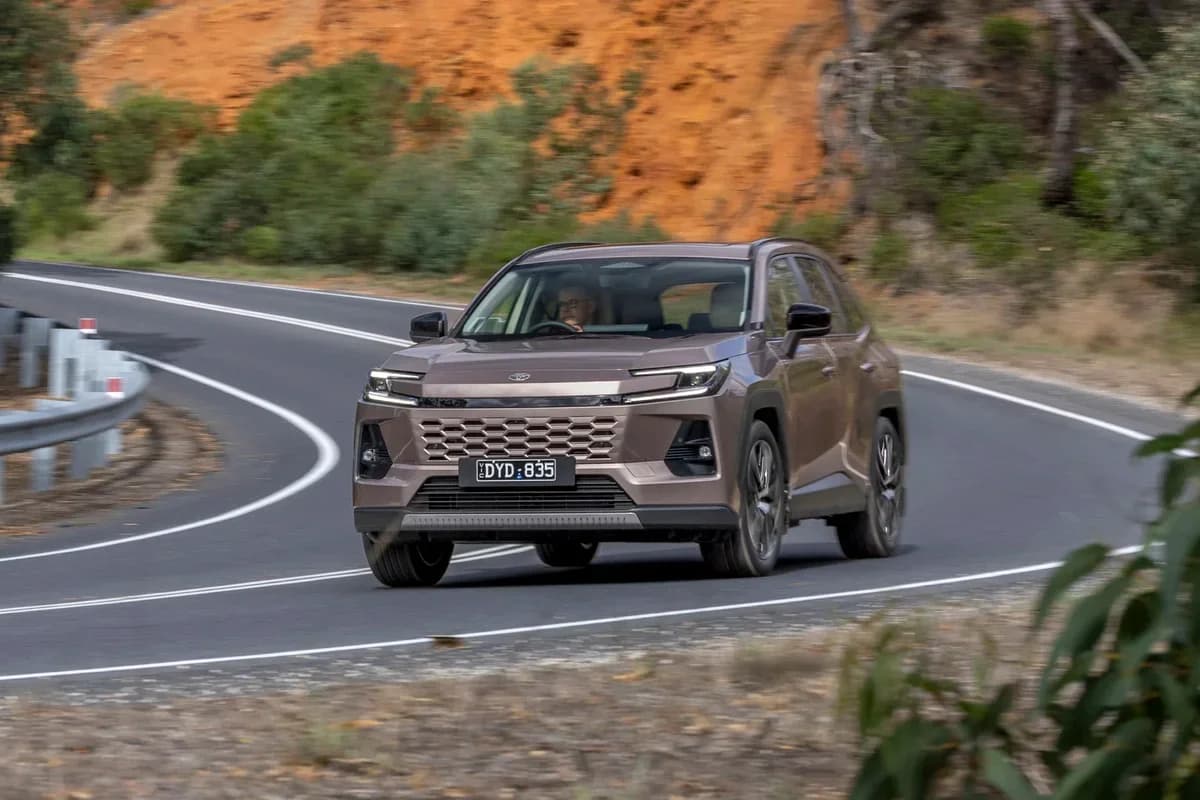
Image credit: Toyota Australia
The sixth-generation Toyota RAV4 is now in Australian showrooms, but Australia's best-selling mid-size SUV lands without an ANCAP rating. During the local media launch, Toyota confirmed the car will stay unrated until a safety running change is built into production in the second half of 2026.
The RAV4 was engineered to the 2025 ANCAP protocols. By the time it hit Australian showrooms in 2026, the criteria had tightened enough that Toyota needs to refine some of the restraint and driver-assist hardware to hold its five-star score. Toyota told us it chose not to rush a local re-test and will instead lean on the updated Euro NCAP result later this year.
Pricing
| Variant | Powertrain | Price (before on-roads) |
|---|---|---|
| GX Hybrid 2WD | 143kW HEV, FWD | $45,990 |
| GXL Hybrid 2WD | 143kW HEV, FWD | $48,990 |
| GX Hybrid AWD | 143kW HEV, AWD | $49,340 |
| GXL Hybrid AWD | 143kW HEV, AWD | $52,340 |
| Edge Hybrid AWD | 143kW HEV, AWD | $55,340 |
| Cruiser Hybrid 2WD | 143kW HEV, FWD | $56,990 |
| XSE Hybrid AWD | 143kW HEV, AWD | $58,340 |
| XSE PHEV 2WD | 200kW PHEV, FWD | $58,840 |
| Cruiser Hybrid AWD | 143kW HEV, AWD | $60,340 |
| XSE PHEV AWD | 227kW PHEV, AWD | $63,340 |
| GR Sport PHEV AWD | 227kW PHEV, AWD | $66,340 |
Current price on CarSorted: Toyota RAV4 GX Hybrid 2WD $45,990 RRP, as at 6 Sep 2026; Toyota RAV4 GXL Hybrid AWD $52,340 RRP, as at 6 Sep 2026; Toyota RAV4 Edge Hybrid AWD $55,340 RRP, as at 6 Sep 2026; Toyota RAV4 Cruiser Hybrid AWD $60,340 RRP, as at 6 Sep 2026.
Prices are RRP before on-road costs. Hybrid range in showrooms now; PHEV variants arrive mid-2026.
Why the RAV4 Is Unrated: ANCAP's 2026 Goalposts
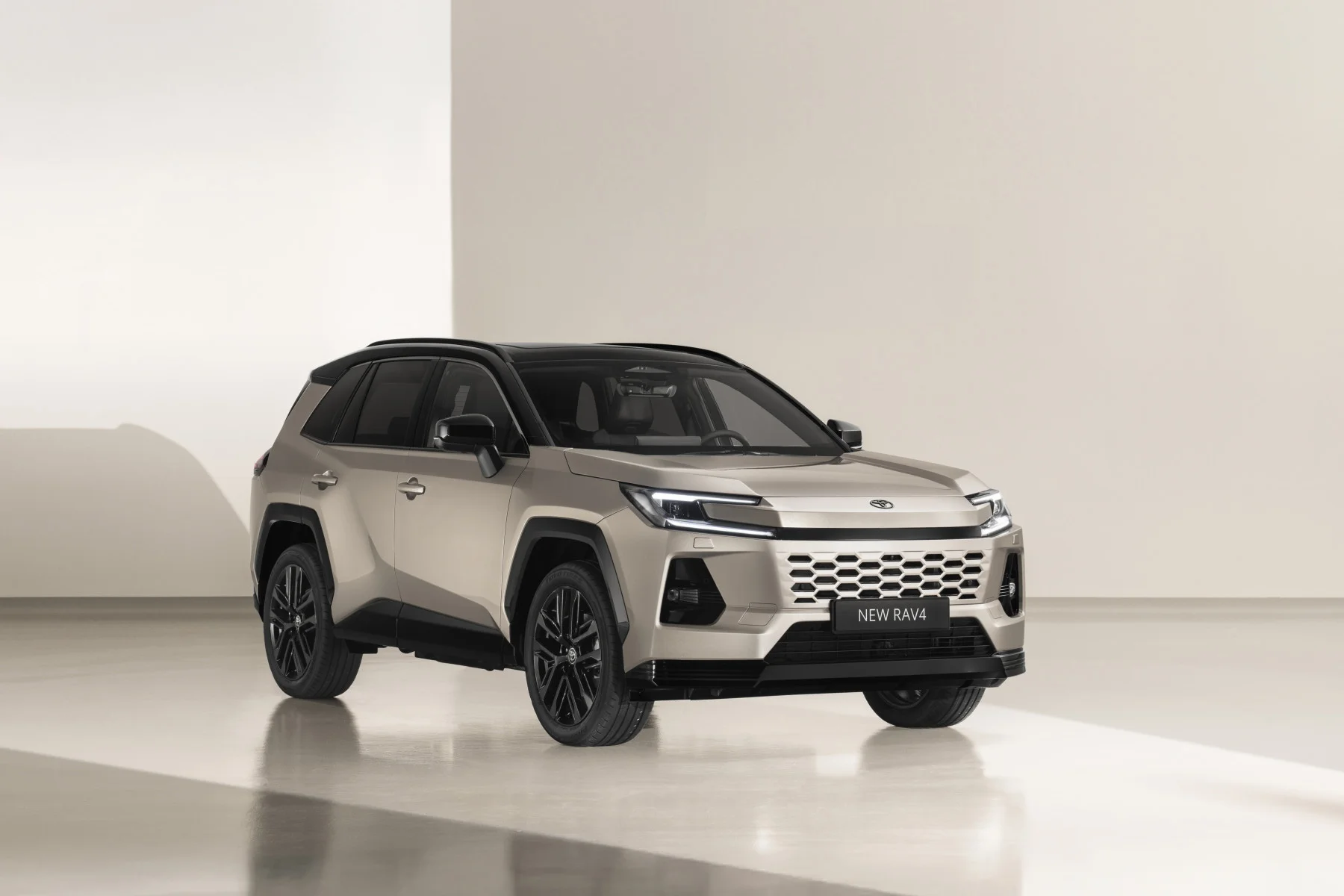
Image credit: Toyota Australia
The situation puts a spotlight on a long-running industry debate about ANCAP's moving baseline. The new RAV4 would have been treated as one of the safest vehicles on sale on 31 December 2025. A day later, under the 1 January 2026 protocols, the same car no longer automatically reaches the top score. The car did not change; the test did.
Toyota told us at launch that there is no single dealbreaker test holding the RAV4 back. It's a cumulative gap between 2025 and 2026 requirements that needs a suite of tweaks on both active and passive safety. Rather than fast-track a local crash test, Toyota is lining up with the Euro NCAP result once the running change is in production, which is the more efficient path given the RAV4 is a global model.
If you want the full explainer on how protocols evolve and how stars are actually awarded, we've broken it down in our ANCAP safety ratings guide.
What About Resale?
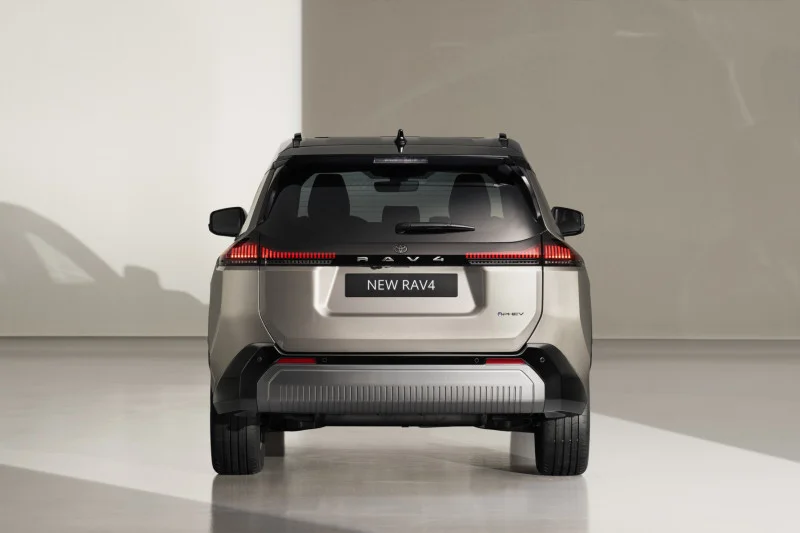
Image credit: Toyota Australia
Toyota Australia's John Pappas addressed resale concerns head-on at the launch. "When you look at RAV4 history... It's now become an icon in Australia, and it's built that through trust and credibility over a long period of time, since 1994, so we're confident that the RAV will continue to hold the strongest resale values in the sector," he said.
One thing worth flagging: an ANCAP rating attaches to a specific production specification. Because Toyota is not altering the chassis, early and late 2026 cars are functionally the same car on the road, but the early ones sit outside the rated build window. Fleet buyers and safety-conscious private buyers may still prefer to wait for the late-year build.
What Could Actually Change Mid-Year
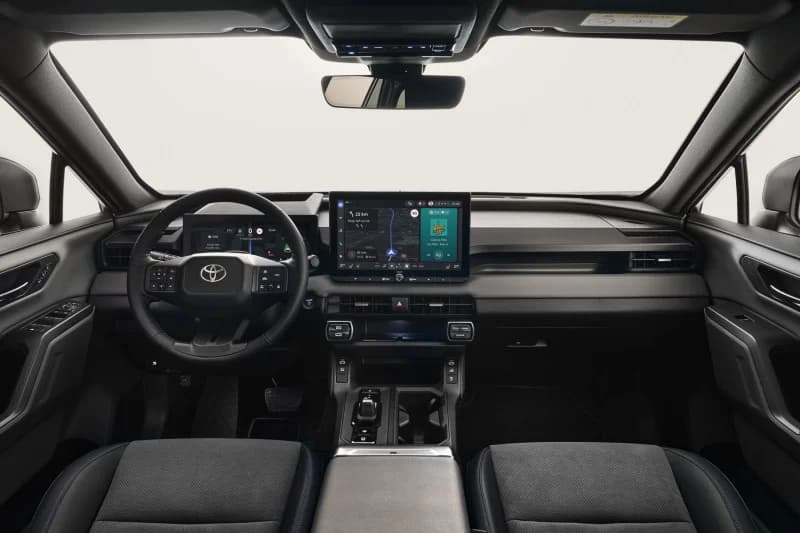
Image credit: Toyota Australia
Toyota confirmed to us there will be no structural changes to the chassis. That narrows the running change down to restraint hardware and assistance-system software. Reading the 2026 ANCAP protocols, three areas stand out:
- Adaptive restraints for smaller occupants: Crash protection testing now includes a 5th-percentile adult female dummy in the front passenger seat, and points are awarded for airbags and seatbelts that can tune deployment to occupant size. Expect refined airbag inflator and pretensioner hardware.
- Misacceleration mitigation: 2026 rewards a system that intervenes when a driver mistakes the throttle for the brake. It also favours more sophisticated driver monitoring that operates smoothly and non-intrusively.
- Post-crash battery fire communication: Because every 2026 RAV4 is either hybrid or plug-in hybrid, the car is expected to meet new requirements for isolating the high-voltage battery and alerting the driver of potential fire risks after a collision.
All three are software and hardware refinements that can be rolled in via a running change, which is exactly how Toyota is positioning it.
What's Already Standard
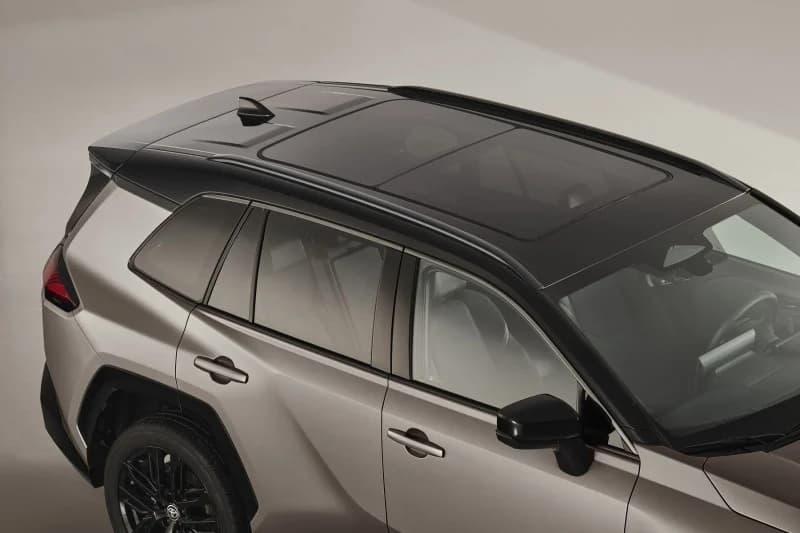
Image credit: Toyota Australia
The launch RAV4 is not short on safety kit. The platform is the updated TNGA-K with a 9.7 per cent increase in body rigidity. Standard across the range are eight SRS airbags including a driver's knee airbag and a front centre airbag. The active-safety suite runs on Toyota's new Arene software platform and includes autonomous emergency braking, intersection collision avoidance, lane-keeping, blind-spot monitoring, and an embedded drive recorder that works as a factory dashcam.
PHEV and the GR Sport Flagship
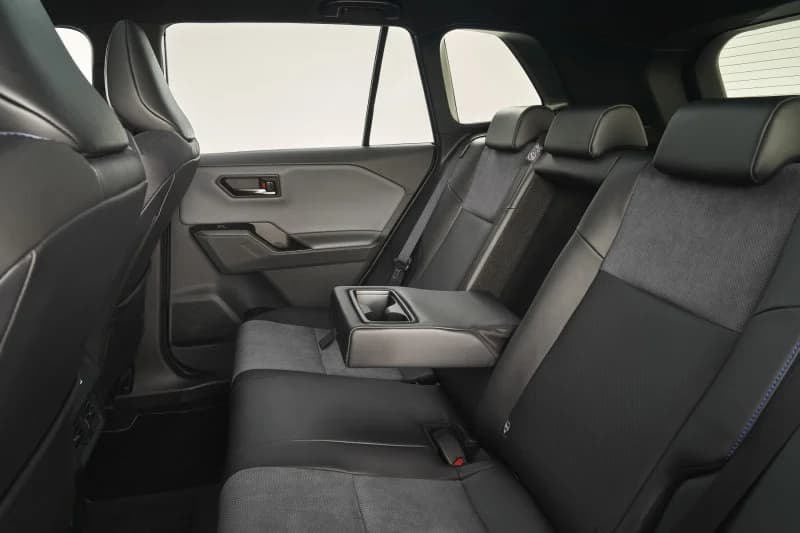
Image credit: Toyota Australia
The first-ever RAV4 Plug-in Hybrid lineup is coming mid-year, headed by the 227kW GR Sport PHEV AWD at $66,340. These PHEV variants will sit in the same unrated bucket at launch and will share the late-2026 running change to secure their ANCAP score.
The GR Sport brings the most significant shake-up in the RAV4's 32-year history: dual-motor AWD, the group's most powerful electrified output, and a sports-focused chassis tune that distances it from the standard car. We've queued up a dedicated GR Sport review for mid-year delivery.
Our Take
It is an unusual situation. The RAV4 is the most capable and heavily equipped version Toyota has ever launched here, and the reason it is unrated is simply that the goalposts moved between engineering sign-off and Australian delivery. Toyota's pitch is straightforward: trust the brand, trust the reliability record since 1994, and accept that the late-year running change will bring the rating.
For private buyers deciding between now and late 2026, the calculation is less about safety (the car is unlikely to be less safe than its rated rivals) and more about resale certainty. Fleet buyers with procurement policies that require a five-star ANCAP rating will have to wait or shop elsewhere for six months. The Mazda CX-5, Kia Sportage, Hyundai Tucson and Mitsubishi Outlander are the obvious bridge options.
The 10,000 pre-orders already banked suggest most Australian buyers aren't waiting. Toyota's 40,000-unit forecast for the year looks conservative if the PHEV lineup arrives cleanly.
Compare directly: RAV4 GX Hybrid | RAV4 GR Sport PHEV | How ANCAP ratings work | Best hybrid cars 2026
Disclaimer: Pricing and specifications are correct at time of publishing and based on Toyota Australia's launch materials. On-road costs vary by state. ANCAP status for the running-change build will be confirmed when Euro NCAP testing is completed later in 2026.