Key Takeaways
- Hyundai Ioniq 3 is not coming to Australia. Hyundai Australia said so on 2 October 2026
- Reason given: the car is sourced from Turkey, importation costs are high and the small EV segment is very price-sensitive
- It had been slated for an early 2027 local launch, and Hyundai has taken it off its Australian website
- A different Hyundai EV is reported to be lined up for the gap, but the model has not been named
- The European specs below describe the overseas car only
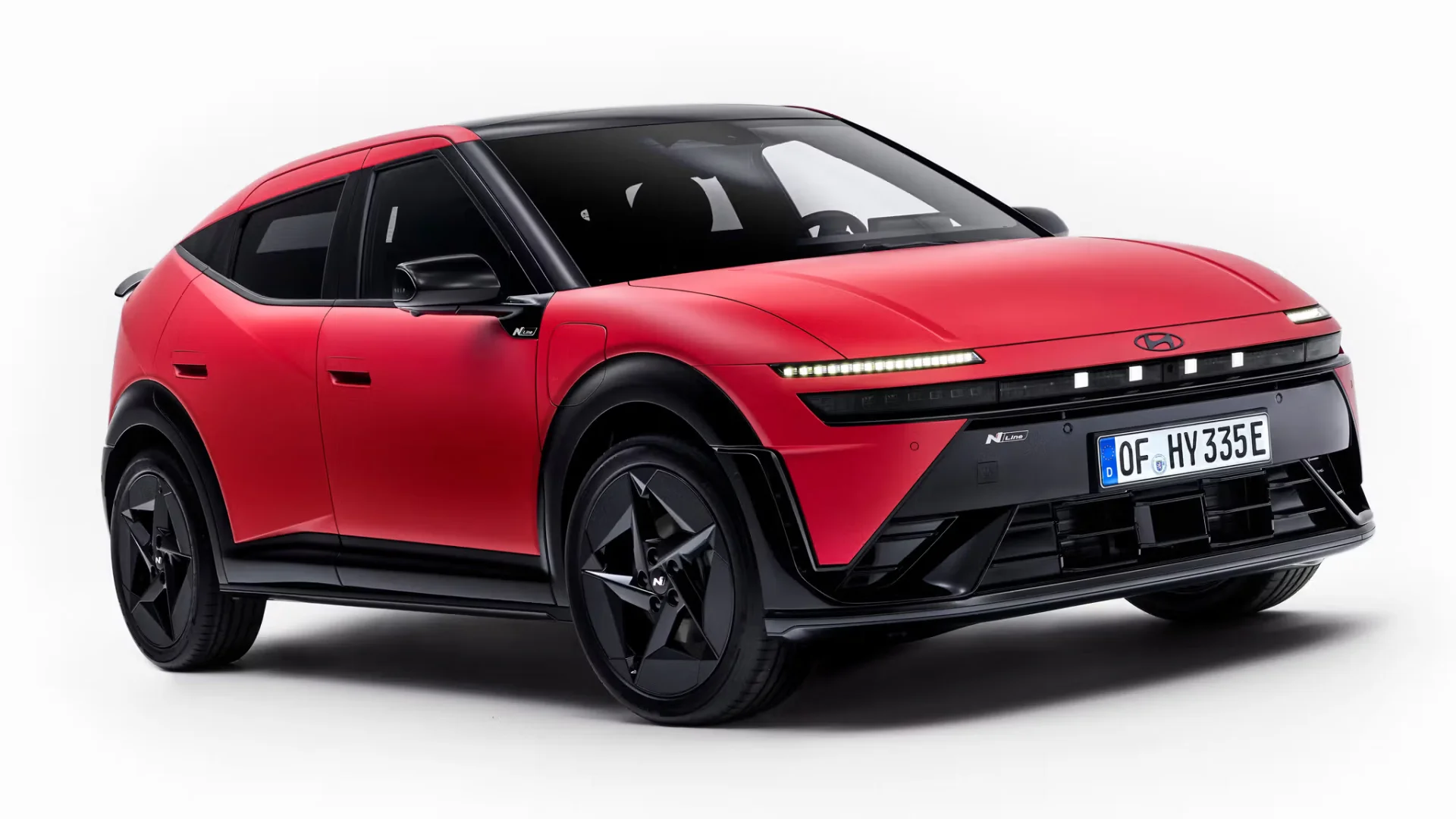
Image credit: Hyundai. European-market car shown.
The Hyundai Ioniq 3 will not be sold in Australia. Hyundai Australia confirmed on 2 October 2026 that it will not import the small electric hatch, which had been slated to arrive here in early 2027 as a rival for the BYD Dolphin, MG MG4 and GAC Aion UT.
“We are not going to import it,” a Hyundai Australia spokesperson told CarExpert. “Sadly the business case is just too difficult given we need to source Ioniq 3 from Turkey. The cost of importation is high and the car will be fighting in a very price-sensitive segment. The numbers just don't work for us given the competition and the price we would need to place on it.” Hyundai gave The Driven the same reasons the same day.
Hyundai has also taken the car off its Australian website. The Ioniq 3 no longer appears in the local model range, and the address of its old register-your-interest page now returns a not-found page.
What Changed
In April, Hyundai Australia sales director David Rodda said the Ioniq 3 would arrive early in 2027 and, together with the Staria commercial van, would lift the brand's coverage of the Australian EV market from 85 to 96 per cent. Since then the small EV class has turned into a price fight, with Chinese-built rivals cutting prices and other brands pulling planned EV launches.
A car built in Turkey and shipped to Australia starts behind cars built in China on cost before it reaches a showroom. Hyundai has decided it can't close that gap at a price buyers in this segment would pay.
CarExpert reports it understands Hyundai Australia will slot a different EV into the Ioniq 3's place, but which one has not been announced. Until it is, the smallest Hyundai EV you can buy here is the Inster.
What the Ioniq 3 Is Overseas
For anyone who was waiting on it, here is the car Europe gets. These are Hyundai's European launch figures as reported in April 2026. They describe the overseas car and are not Australian specifications.
| European-market car | Standard Range | Long Range |
|---|---|---|
| Battery | 42.2kWh | 61kWh |
| WLTP range | 344km | 496km |
| 0-100km/h (claimed) | 9.0 sec | 9.6 sec |
| DC charge (10-80%) | 29 min, under optimal conditions | |
Overseas the Ioniq 3 is a single-motor, front-wheel-drive hatch making between 99.5kW and 107.8kW and up to 250Nm, on a 400V version of Hyundai's E-GMP platform, much like the Kia EV3. It measures 4,155mm long (4,170mm as an N Line), 1,800mm wide and 1,505mm tall on a 2,680mm wheelbase, with a 441-litre boot split between 322 litres above the floor and a 119-litre “Megabox” underneath. AC charging tops out at 22kW and vehicle-to-load is fitted.
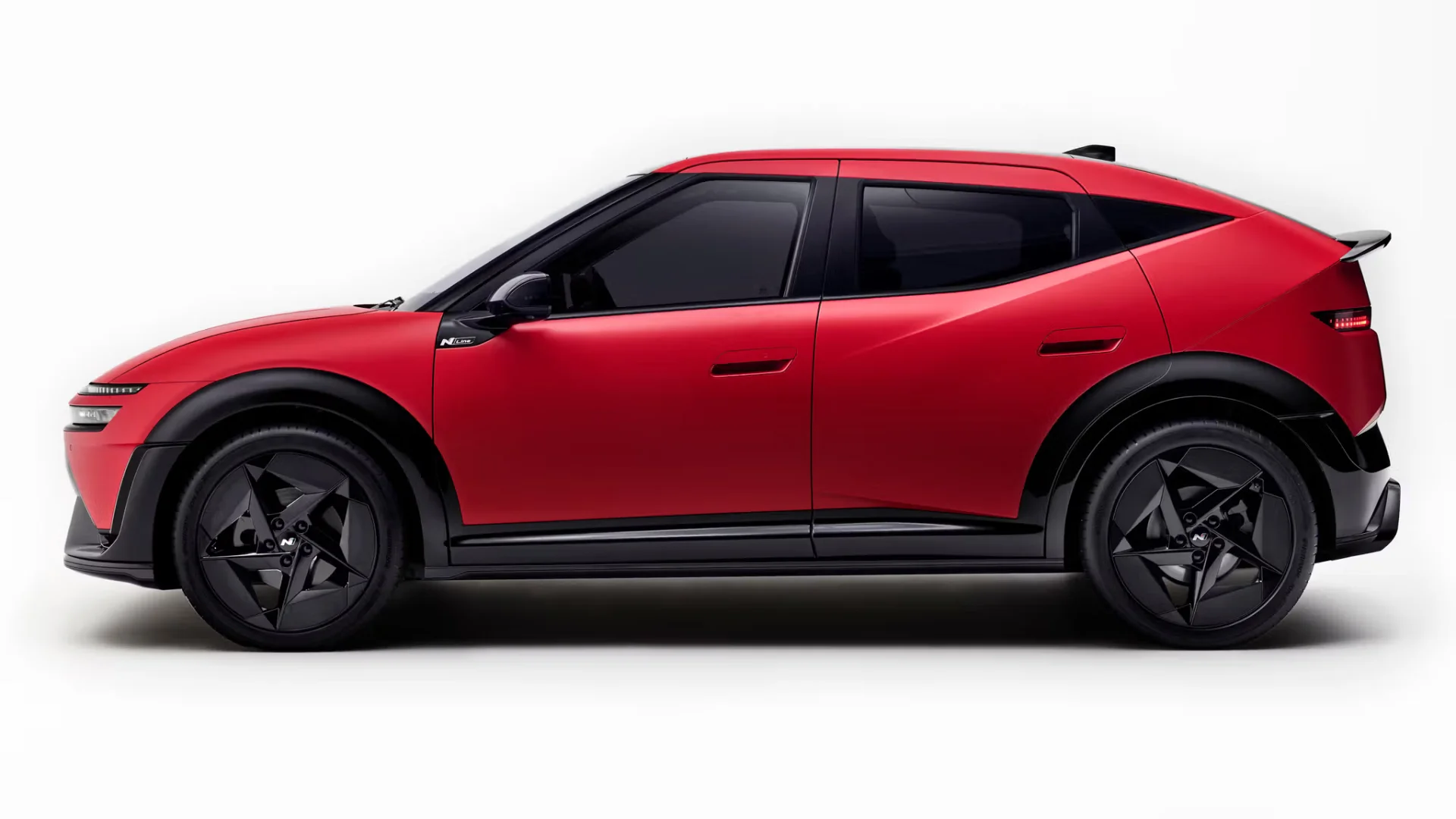
Image credit: Hyundai. European-market car shown.
Hyundai calls the shape an “aero hatch”: a fastback body with a low nose and pixel lighting, where the four dots at each end spell the letter H in Morse code. Inside, it debuted Hyundai's Pleos Connect infotainment on a 12.9-inch or 14.6-inch screen running Android Automotive, with a row of physical switches kept below it.
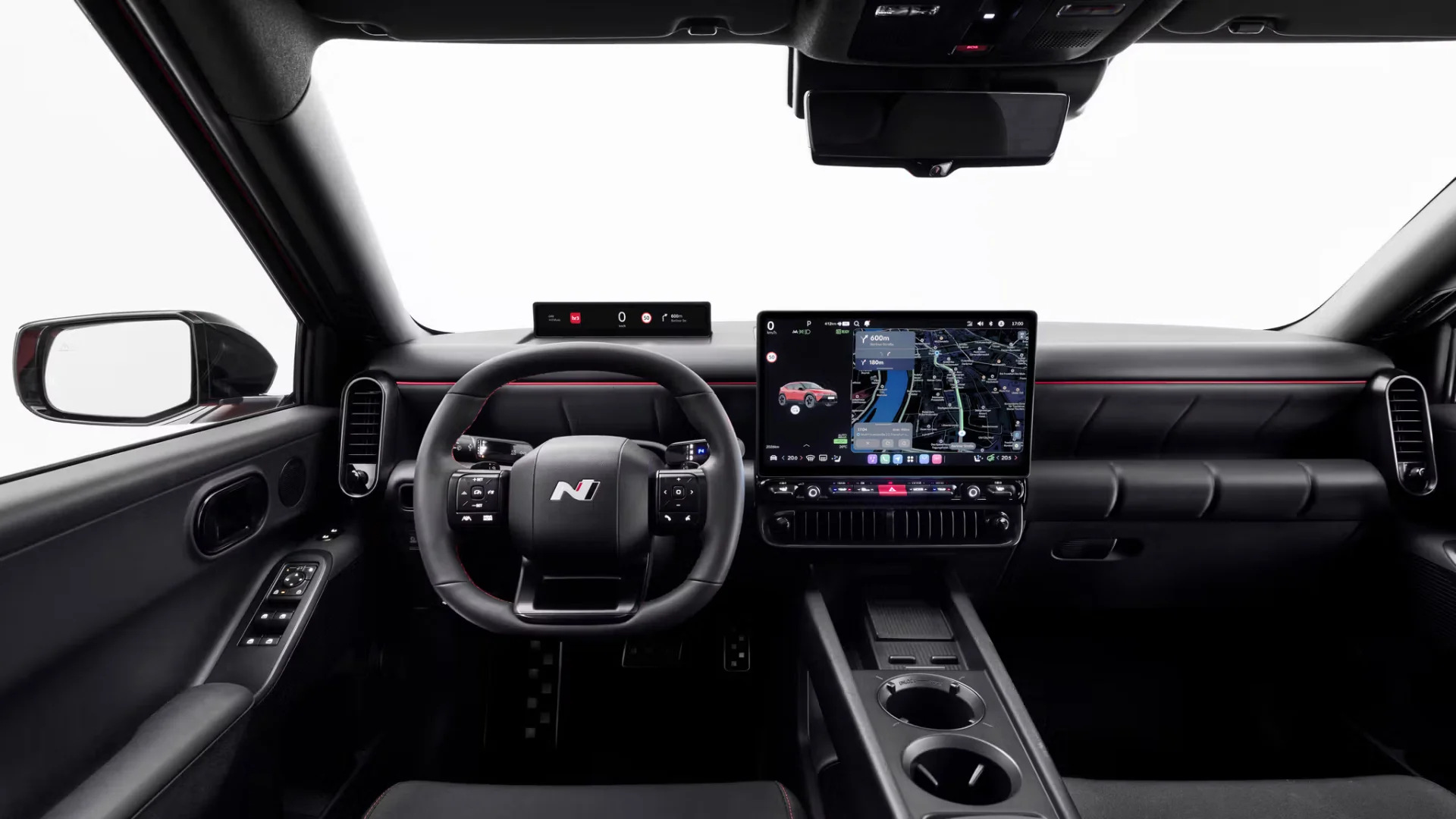
Image credit: Hyundai. European-market car shown.
If You Wanted a Small Electric Hatch
The Ioniq 3 was aimed at the space the i30 hatch has filled for Hyundai buyers. Small EVs in our directory that cover the same ground include the Kia EV3, which shares the Ioniq 3's platform, the BYD Dolphin, the MG MG4 and the GAC Aion UT. From Hyundai itself, the Kona Electric is the nearest size match, and the IONIQ 5 is the bigger step up.
Our best electric cars Australia 2026 guide has the wider picture, and the EV charging guide covers what owning one actually involves.
Best Electric Cars Australia 2026 | Best Small Cars 2026 | EV Charging Guide Australia
Disclaimer: Hyundai Australia's decision not to import the Ioniq 3 is as stated by its spokesperson to Australian media on 2 October 2026. Specifications on this page are Hyundai's European launch figures as reported in April 2026, tested under WLTP, and describe the overseas car only. Hyundai Australia has not named the electric vehicle that will take the Ioniq 3's place.