Key Takeaways
- 15,839 EVs sold in March, up 42% on February
- YTD: 34,382 EVs, or 14.7% of the new car market (was 7.5% in 2025)
- Tesla Model Y leads with 2,818 sales (+63.4%)
- BYD Sealion 7 surges 243.8% to second place
- Zeekr 7X debuts directly into third with 679 sales
- Chinese brands take 5 of the top 10 nameplates
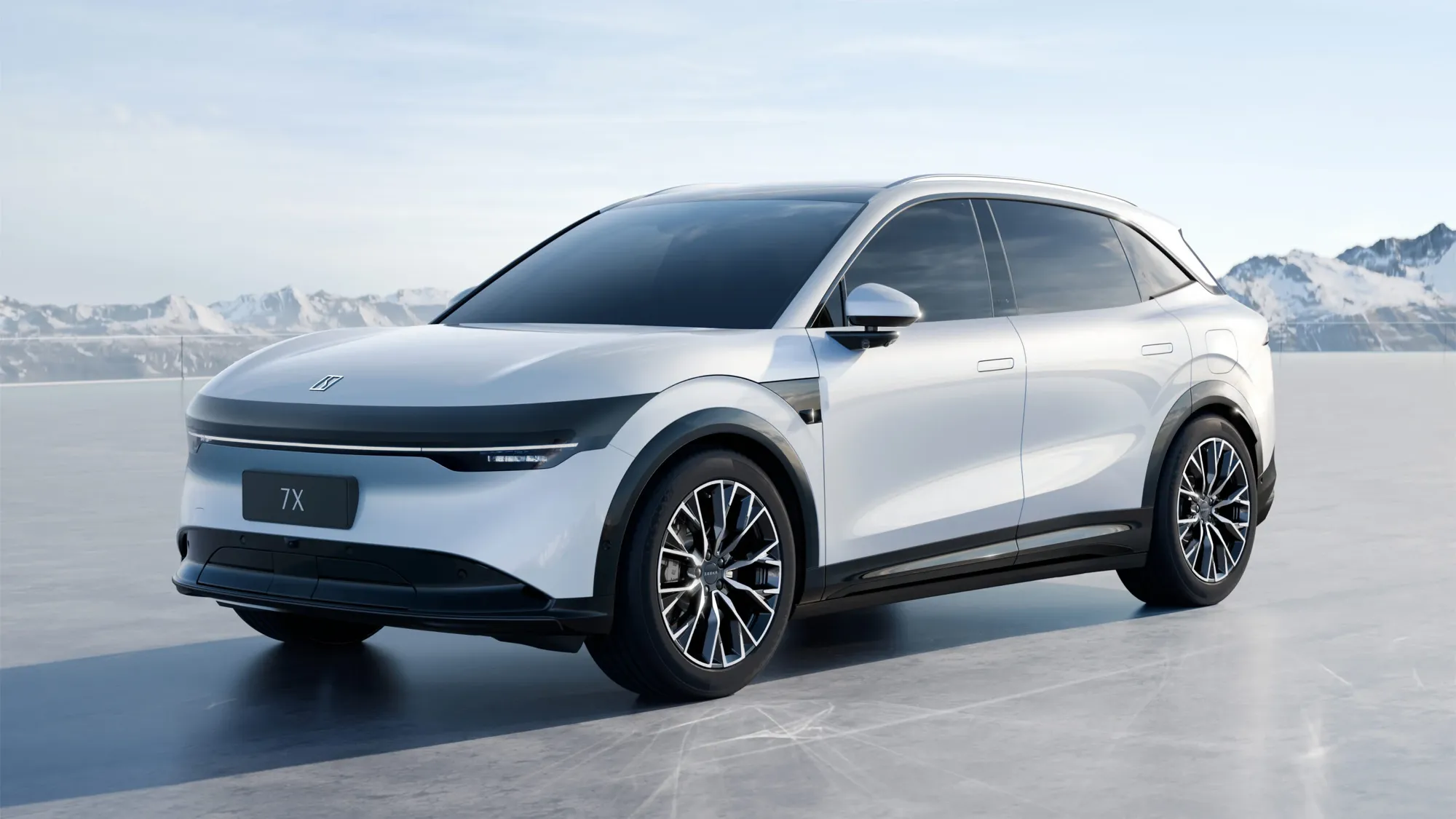
Image credit: Zeekr
Australia's shift to electric is accelerating, and March 2026 was the month it really showed. With ongoing conflict in the Middle East keeping global oil markets jittery and petrol prices unpredictable, Aussie buyers have been voting with their wallets. 15,839 new EVs went out the door in March alone, a 42 per cent jump on February, bringing the year-to-date tally to 34,382 units.
That's roughly 14.7 per cent of the total new car market so far in 2026, almost double the 7.5 per cent EVs commanded across 2025. For context, one in every seven new cars delivered in Australia this year has been electric. The running cost maths has flipped for a lot of households, and more buyers are making the call.
The Federal Chamber of Automotive Industries (FCAI) now counts around 100 EV nameplates on sale locally, so choice is no longer the problem it was a couple of years back. Established names like Tesla and Kia are fighting to hold ground against a wave of Chinese challengers, all of which are pricing aggressively. In some segments, EVs have already reached price parity with their petrol equivalents, something nobody predicted this soon.
The Top 10, Full Sales Data
Tesla and BYD own half the list between them, with five models across both brands. But the most interesting story is who's crashing the party. Zeekr, Geely, and Jaecoo, all relative newcomers, have landed cars directly in the top 10 on the back of sharp pricing and solid real-world range.
| Rank | Model | March Sales | % vs Mar '25 | YTD |
|---|---|---|---|---|
| 1 | Tesla Model Y | 2,818 | +63.4% | 7,260 |
| 2 | BYD Sealion 7 | 1,970 | +243.8% | 4,468 |
| 3 | Zeekr 7X | 679 | New | 1,725 |
| 4 | Tesla Model 3 | 667 | -39.6% | 1,363 |
| 5 | Geely EX5 | 606 | +223.3% | 1,437 |
| 6 | Kia EV5 | 587 | +22.8% | 1,148 |
| 7 | BYD Atto 2 | 572 | New | 1,481 |
| 8 | Jaecoo J5 | 569 | New | 1,153 |
| 9 | BYD Atto 1 | 488 | New | 1,082 |
| 10 | BYD Atto 3 | 466 | New | N/A |
Tesla Still the Boss, but the Gap Is Closing
The Tesla Model Y is still comfortably Australia's favourite EV, with 2,818 sales in March and 7,260 so far this year. A +63.4% lift versus March 2025 shows the refreshed Model Y has clicked with buyers. Updated range, quieter cabin, and the usual Tesla software advantages are doing the work.
The Model 3 isn't having the same kind of year. Sales are down 39.6% on March 2025, which reflects both natural softening post-Highland refresh and a sedan market that keeps shrinking while SUVs eat the lunch. It's still in the top 5, but the BYD Sealion 7 has comfortably passed it.
BYD Sealion 7: The Breakout Story
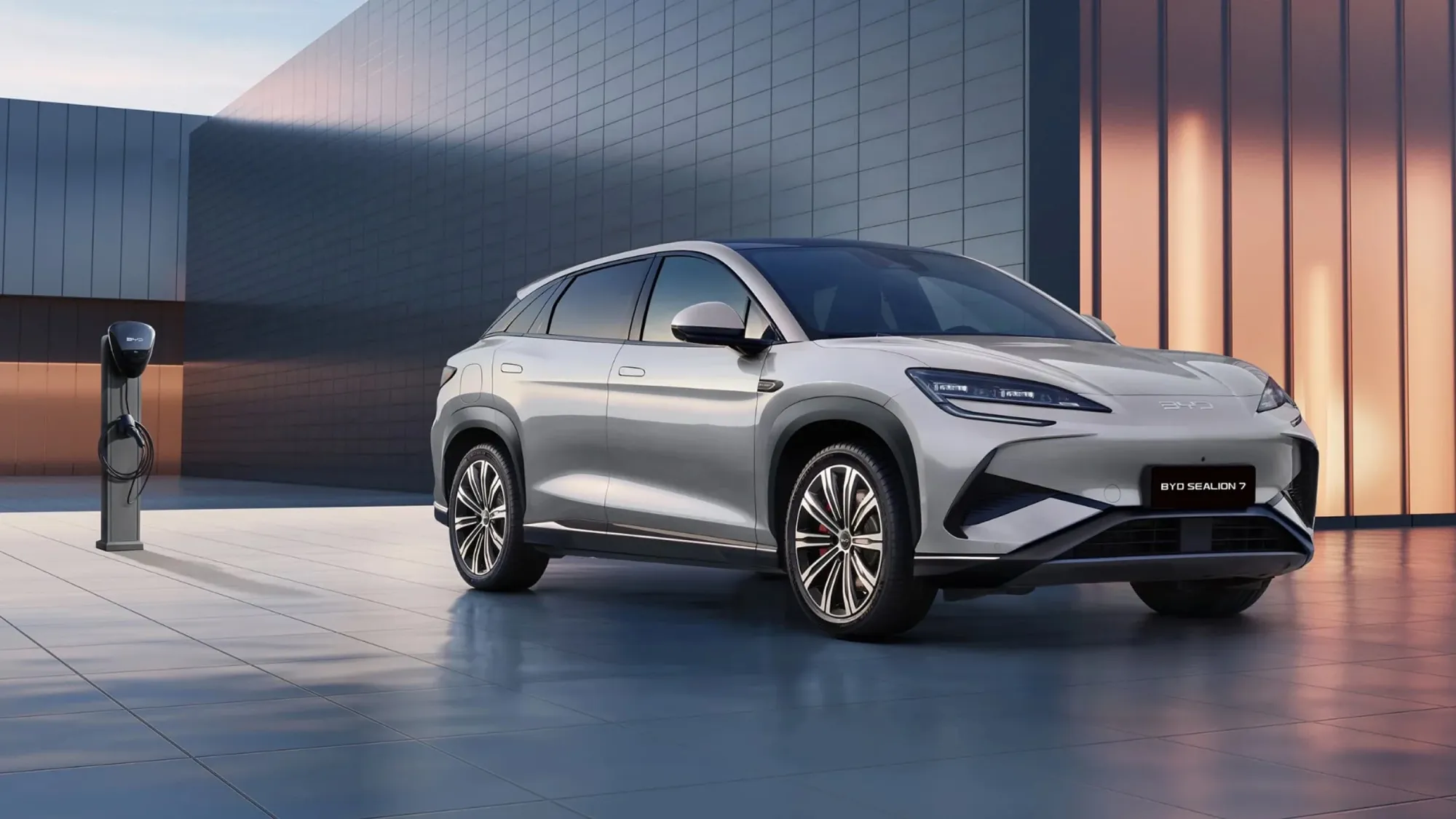
Image credit: BYD Australia
A 243.8% year-on-year jump is not normal. The BYD Sealion 7 has gone from curiosity to genuine Model Y rival in twelve months, with 1,970 deliveries in March alone. The formula is simple, sharp pricing, proper range, a well-trimmed cabin, and BYD's Blade battery tech that calmed early concerns about Chinese EV safety.
It's now the second-best-selling EV in the country, and the gap to the Model Y is closing faster than most industry watchers expected. If BYD's rumoured price tweaks land mid-year, the Sealion 7 could credibly challenge for the top spot in H2. That would be a first, no Chinese brand has ever outsold Tesla on a monthly EV basis in Australia.
Zeekr 7X: Rookie of the Year
You don't usually see a brand-new nameplate hit the top 3 of any sales chart in its first full month, but that's what the Zeekr 7X has done. 679 sales in March, enough for third place, and a year-to-date of 1,725 units already. The recent Zeekr X price cut seems to have pulled attention upmarket too, with the larger 7X benefitting from the halo.
For a brand most Aussie buyers hadn't heard of 18 months ago, cracking the podium is a statement. Premium tech, strong range, and aggressive driveaway pricing are working, and Zeekr is clearly pulling customers who might otherwise have walked into a Tesla store.
Chinese Brands: Five of Ten
Count the top 10 and you'll find five Chinese nameplates: BYD Sealion 7, Zeekr 7X, Geely EX5, BYD Atto 2, Jaecoo J5, BYD Atto 1, and BYD Atto 3. That's actually six if you're counting every BYD separately, which tells you just how quickly the Chinese wave has arrived.
Geely's EX5 is up 223.3% on a year ago. Jaecoo's J5 has launched straight into the top 10. BYD's Atto 1 and Atto 2 are both doing over 480 units a month as brand-new entries. The pattern is the same across all of them, under-cut the Koreans on price, match or beat them on tech and warranty, and accept thinner margins to build share.
Meanwhile, the established Korean brands are holding up. Kia's EV5 is up 22.8% and still Australia's best-selling non-Chinese, non-Tesla EV. But the pressure on pricing is real, and you can already see it flowing through in 2026 MY updates.
What It All Means
The headline is simple: Australia's EV market has doubled in share inside a year, and the brands driving that growth aren't the ones anyone would have picked in 2023. Tesla is still leading, but for the first time the challenger field has genuine scale. Buyers are cross-shopping Teslas against Zeekrs and BYDs the way they'd cross-shop a Toyota against a Mazda.
If you're in the market, choice has never been better. With 100 models on sale, price parity arriving in segments, and state-level EV incentives still alive in most states, the running-cost maths for the average Aussie household has genuinely tilted. Our Best Electric Cars Australia 2026 guide ranks the full list on range, pricing, and real-world running costs.
Related reading: EV Sales Record Market Share | EV vs Hybrid: Which Saves More? | Electric Car Charging Guide
Disclaimer: Sales figures are sourced from official monthly reporting for March 2026. Year-to-date totals reflect January to March 2026. Market share percentages include battery electric vehicles only (not hybrids or plug-in hybrids).