Everything on the Mercedes-Benz CLS-Class — for used buyers and research. 25 variants. Side-by-side specs, ANCAP safety, fuel economy, towing capacity, warranty and running costs. Specifications are sourced from Mercedes-Benz's original Australian brochures for this generation; new-car pricing is no longer shown as it is no longer sold new.
Data checked: specs 4 Oct 2026
Discontinued. The Mercedes-Benz CLS-Class generations listed on this page are no longer sold new in Australia. Specifications are kept for reference and used-buyer research; pricing is no longer shown as it is not a current new-car offer.
25 variants of the Mercedes-Benz CLS-Class are on sale in Australia. Tap to compare them side-by-side, then tap any variant for its full specs.
The 2016 Mercedes-Benz CLS 250 d is the entry diesel grade of the facelifted C218 CLS-Class four-door coupe, using a twin-turbo 2.1-litre four (150kW/500Nm) through a 7G-TRONIC PLUS automatic and rear-wheel drive. Mercedes-Benz Australia's specification sheet (effective June 2016 production) lists 5.4L/100km combined (ADR 81/02) and 141g/km CO2, with 360-degree camera, Active Blind Spot Assist, Active Lane Keeping Assist and DISTRONIC PLUS with Steering Assist standard. This model year is discontinued.
Configure the CLS 250 dThe 2016 Mercedes-Benz CLS 400 uses a bi-turbo 3.0-litre V6 (245kW/480Nm) through a 9G-TRONIC 9-speed automatic and rear-wheel drive, adding a Multicontour seat package, PASSION nappa leather and a wood/leather steering wheel over the CLS 250 d. Mercedes-Benz Australia's specification sheet (effective June 2016 production) lists 8.0L/100km combined (ADR 81/02) and 180g/km CO2. This model year is discontinued.
Configure the CLS 400The 2016 Mercedes-Benz CLS 500 uses a bi-turbo 4.7-litre V8 (300kW/600Nm) through a 9G-TRONIC 9-speed automatic and rear-wheel drive, with AMG bodystyling, an Active Multicontour seat package with climatised front seats, an electric rear sunblind and THERMOTRONIC 3-zone climate control. Mercedes-Benz Australia's specification sheet (effective June 2016 production) lists 8.6L/100km combined (ADR 81/02) and 201g/km CO2. This model year is discontinued.
Configure the CLS 500The 2016 Mercedes-AMG CLS 63 S is the performance flagship of the C218 CLS range, using a bi-turbo 5.5-litre V8 (430kW/800Nm) through an AMG SPEEDSHIFT MCT 7-speed transmission and rear-wheel drive, electronically limited to 300km/h. Mercedes-Benz Australia's specification sheet (effective June 2016 production) lists 10.0L/100km combined (ADR 81/02) and 233g/km CO2, with AMG RIDE CONTROL sports suspension, an AMG rear axle differential lock and an AMG high-performance braking system. This model year is discontinued.
Configure the Mercedes-AMG CLS 63 SThe 2021 Mercedes-AMG CLS 53 4MATIC+ is the sole grade in Mercedes-Benz Australia's November 2021 CLS technical-data sheet for the facelifted C257 generation, using a 3.0-litre turbo inline-six with EQ Boost (320kW/520Nm) through a 9G-TRONIC automatic and 4MATIC+ all-wheel drive. The document lists 4.5 seconds 0-100km/h, 9.2L/100km combined (ADR 81/02), 210g/km CO2, a 2,034kg kerb weight with 526kg payload and a 2,560kg gross vehicle mass. This model year is discontinued in the current Australian range.
Configure the CLS 53 4MATIC+The CLS 350 opened Mercedes-Benz Australia's first-generation CLS range in its final year on sale here, and it is the version that defined the four-door-coupe idea before every rival copied it. Under the bonnet is a 3,498cc V6 making 200kW and 350Nm through a seven-speed automatic to the rear wheels, for a claimed 11.0 L/100km combined on 95 RON and 263g/km of CO2 from an 80-litre tank. Standard equipment was generous even by 2010 luxury standards: full leather, COMAND APS with hard-drive navigation and voice control, a twelve-speaker Harman/Kardon LOGIC7 surround system with subwoofer, electrically adjustable and memory front seats, an electrically adjustable steering column, multi-zone THERMOTRONIC climate with separate rear controls, Bi-Xenon headlamps with active cornering light and washers, PARKTRONIC front and rear, PRE-SAFE, NECK-PRO active head restraints and a full-size spare. Two things this listing cannot show: Mercedes-Benz Australia published no mass, dimension or boot figure in this document family, and the sheet's optional-equipment matrix uses symbol marks that cannot be read reliably, so options are shown as no data rather than guessed. ANCAP has no rating on record for this generation.
Configure the CLS 350The CLS 500 was the V8 middle rung of Mercedes-Benz Australia's run-out first-generation CLS, and the one that added the hardware the 350 charged for. Its 5,461cc V8 makes 285kW and 530Nm through a seven-speed automatic to the rear wheels, at a claimed 12.8 L/100km combined on 95 RON and 304g/km of CO2. Over the CLS 350 it adds AIRMATIC DC semi-active adjustable air suspension, a glass electric sunroof with tilt and slide, heated front seats, multi-contour front backrests and its own 18-inch five twin-spoke wheels, on top of an already deep standard list that includes full leather, COMAND APS with hard-drive navigation, a twelve-speaker Harman/Kardon LOGIC7 system, memory front seats, Bi-Xenon headlamps with cornering light, PARKTRONIC, PRE-SAFE and NECK-PRO active head restraints. What the listing cannot show is any mass, dimension or luggage figure, because Mercedes-Benz Australia published none for this generation, and the options matrix uses symbol marks that cannot be read reliably from the document. ANCAP has no rating on record.
Configure the CLS 500The CLS 63 AMG closed out the first-generation CLS in Australia with the naturally aspirated 6,208cc AMG V8, making 378kW and 630Nm through the AMG SPEEDSHIFT PLUS 7G-TRONIC seven-speed automatic with Comfort, Sport and Manual modes. It drinks accordingly, at a claimed 14.5 L/100km combined and 345g/km on 98 RON. The AMG hardware list is long: AMG high-performance brakes, AMG sports suspension built on AIRMATIC DC adjustable air suspension, an AMG sports exhaust with twin chrome tailpipes, 19-inch five tri-spoke alloys, AMG Nappa leather sports seats with heating and ventilation, an AMG instrument cluster with RACETIMER, KEYLESS-GO, DISTRONIC intelligent cruise control and an anti-theft alarm with motion sensor and tow-away protection. One deliberate omission is documented in the sheet itself: the cornering light function that comes with the Bi-Xenon headlamps is not available on this grade, so we record that as a genuine absence rather than a blank. Mercedes-Benz Australia published no mass, dimension or boot figure for this generation. ANCAP has no rating on record.
Configure the CLS 63 AMGThe CLS 350 BlueEFFICIENCY launched the second-generation C218 CLS in Australia in April 2011, and it is a markedly different car from the first-generation CLS 350 it replaced: the same 3,498cc displacement but direct injection, 225kW and 370Nm instead of 200kW and 350Nm, and the 7G-TRONIC PLUS seven-speed automatic. Standard equipment moved on just as far. It arrives with the LED Intelligent Light System, adaptive high beam, a reversing camera, Active Parking Assist with PARKTRONIC, Blind Spot Assist, Lane Keeping Assist, ATTENTION ASSIST fatigue detection, PRE-SAFE, eleven airbags including a driver knee bag, three-zone THERMOTRONIC climate control, a glass electric sunroof, COMAND APS with a 7-inch display and hard-drive navigation, a Harman Kardon Logic 7 surround system, memory front seats and 18-inch alloys. One gap is the document's own doing: Mercedes-Benz Australia printed the literal text TBC where this grade's fuel consumption and CO2 figures belong, so those fields are blank rather than estimated. The sheet also publishes no mass, dimension or boot figure. ANCAP has no rating on record.
Configure the CLS 350 BlueEFFICIENCYThe CLS 350 CDI BlueEFFICIENCY is the sleeper of the 2011 C218 range and the only grade on that year's Australian specification sheet with complete fuel figures. Its 2,987cc direct-injection turbo-diesel V6 makes 195kW but a substantial 620Nm, and paired with the 7G-TRONIC PLUS seven-speed automatic it returns a claimed 6.2 L/100km combined and 163g/km of CO2 from an 80-litre tank, which for a car of this size and pace is remarkable. Equipment matches the petrol CLS 350 exactly, because Mercedes-Benz Australia published one combined standard-equipment list for both: LED Intelligent Light System with adaptive high beam, reversing camera, Active Parking Assist with PARKTRONIC, Blind Spot Assist, Lane Keeping Assist, ATTENTION ASSIST, PRE-SAFE, eleven airbags including a driver knee bag, three-zone THERMOTRONIC climate, a glass electric sunroof, COMAND APS with hard-drive navigation and a 7-inch display, Harman Kardon Logic 7 audio and memory front seats. The document publishes no mass, dimension or boot figure. ANCAP has no rating on record.
Configure the CLS 350 CDI BlueEFFICIENCYThe CLS 500 BlueEFFICIENCY brought the downsized bi-turbo V8 to the second-generation CLS in Australia: 4,663cc where the old naturally aspirated V8 was 5,461cc, and yet 300kW and 600Nm against 285kW and 530Nm. It is also the grade where the C218's safety technology steps up. Over the CLS 350 it adds DISTRONIC PLUS adaptive cruise with PRE-SAFE brake, Active Blind Spot Assist and Active Lane Keeping Assist, which intervene rather than merely warn, plus KEYLESS-GO, AIRMATIC electronically controlled damping, luxury front seats with cooling ventilation and heating, an electric rear-window blind, remote boot-lid closing, brushed stainless sports pedals, an anti-theft package with tow-away protection and interior motion sensor, AMG front and rear aprons and 19-inch alloys. As with the other petrol grade, Mercedes-Benz Australia printed TBC where the fuel and CO2 figures belong on this sheet, so those fields are blank rather than estimated, and the document carries no mass, dimension or boot figure. ANCAP has no rating on record.
Configure the CLS 500 BlueEFFICIENCYThe C218 CLS 63 AMG swapped the previous generation's naturally aspirated 6.2-litre V8 for a 5,461cc bi-turbo, and the numbers tell the story: 386kW and 700Nm against 378kW and 630Nm, with combined consumption falling from 14.5 to a claimed 10.0 L/100km and CO2 from 345 to 233g/km. It uses the AMG SPEEDSHIFT MCT seven-speed transmission with the AMG DRIVE UNIT and E-SELECT lever, AMG RIDE CONTROL sports suspension, a wider-track AMG front axle, AMG Direct-Steer electromechanical steering, the AMG high-performance braking system, three-stage ESP with On, Sport and Off settings, an AMG sports exhaust with chromed twin tailpipes and AMG-specific LED daytime running lights. Inside it adds AMG sports seats, active multi-contour backrests, an AMG performance steering wheel, an AMG instrument cluster with RACETIMER and Nappa leather, on top of the CLS 500's DISTRONIC PLUS, Active Blind Spot Assist, Active Lane Keeping Assist and KEYLESS-GO. It takes 98 RON. The sheet publishes no mass, dimension or boot figure. ANCAP has no rating on record.
Configure the CLS 63 AMGThe CLS 350 CDI BlueEFFICIENCY was the diesel backbone of the second-generation CLS range in Australia through 2012, and the Mercedes-Benz Australia technical-data page for that year is the first Australian document to publish what the car actually weighs and how much it holds. The 2,987cc turbo-diesel V6 makes 195kW at 3,800rpm and 620Nm from 1,600rpm, reaching 100km/h in 6.2 seconds and running to an electronically limited 210km/h, while claiming 6.2 L/100km and 163g/km from an 80-litre tank. It is rated to a 2,300kg gross vehicle mass, turns in 11.27 metres, has a drag coefficient of 0.28 and takes 520 litres of luggage on the VDA measure with a 100kg roof load limit. It runs staggered 18-inch rubber, 255/40 front and 285/35 rear, on ventilated and perforated front discs with ventilated rears. Equipment is shown as no data because this page publishes none, and the kerb weight it does print is the European driver-inclusive measure we deliberately do not store. ANCAP has no rating on record.
Configure the CLS 350 CDI BlueEFFICIENCYThe CLS 500 BlueEFFICIENCY was the bi-turbo V8 grade of the second-generation CLS in Australia, and 2012 is the first year for which Mercedes-Benz Australia published its masses and capacities. The 4,663cc direct-injection bi-turbo V8 makes 300kW and 600Nm from 1,600rpm, good for 5.2 seconds to 100km/h and an electronically limited 210km/h, at a claimed 9.9 L/100km and 231g/km on 95 RON from an 80-litre tank. It is rated to a 2,375kg gross vehicle mass, turns in 11.27 metres, carries 520 litres of luggage on the VDA measure and a 100kg roof load, and runs a 0.28 drag coefficient. Nineteen-inch wheels come with staggered 255/35 front and 285/30 rear tyres over ventilated and perforated front discs with ventilated rears. This page publishes no equipment list, so features are shown as no data rather than assumed, and the kerb weight Mercedes prints is the European driver-inclusive figure we do not store. ANCAP has no rating on record.
Configure the CLS 500 BlueEFFICIENCYThe 2012 CLS 63 AMG is the pre-S version of the bi-turbo C218 flagship, making 386kW and a flat 700Nm from 1,700rpm out of its 5,461cc AMG V8, through the AMG SPEEDSHIFT MCT seven-speed sports transmission. It reaches 100km/h in 4.4 seconds and is limited to 250km/h rather than the 210km/h of the lesser grades. Mercedes-Benz Australia's technical-data page for the year is the first Australian document to publish its supporting numbers: a 2,415kg gross vehicle mass, an 11.30-metre turning circle, a 0.30 drag coefficient, 520 litres of VDA luggage space, a 100kg roof load and an 80-litre tank, with a claimed 10.0 L/100km and 233g/km on 98 RON. It runs composite internally ventilated and perforated discs at both ends behind 19-inch wheels on staggered 255/35 front and 285/30 rear tyres. Equipment is shown as no data because the page publishes none, and the kerb weight it prints is the European driver-inclusive measure we do not store. ANCAP has no rating on record.
Configure the CLS 63 AMGThe CLS 250 CDI arrived in Australia as the efficiency play in the second-generation CLS range, and on paper it is the standout of the line. A 2,143cc four-cylinder turbo-diesel making 150kW and 500Nm may sound modest in a car this size, but it delivers a claimed 5.2 L/100km combined and 137g/km of CO2, comfortably the lowest of any CLS sold here, helped by a 0.26 drag coefficient that is the slipperiest figure in the range. It still covers 0 to 100km/h in 7.5 seconds and runs to an electronically limited 210km/h through the 7G-TRONIC PLUS seven-speed automatic. It is rated to a 2,270kg gross vehicle mass, turns in 11.27 metres, takes 520 litres of VDA luggage space and a 100kg roof load, and runs 18-inch wheels with 255/40 front and 285/35 rear tyres. Uniquely in the range it uses solid rather than ventilated rear discs, which Mercedes-Benz Australia states explicitly. Equipment is shown as no data because this page publishes none. ANCAP has no rating on record.
Configure the CLS 250 CDIBy 2013 the CLS 350 CDI had dropped the BlueEFFICIENCY suffix from its Australian name but was otherwise the same car: a 2,987cc turbo-diesel V6 making 195kW at 3,800rpm and 620Nm from 1,600rpm, through the 7G-TRONIC PLUS seven-speed automatic to the rear wheels, for 6.2 seconds to 100km/h and an electronically limited 210km/h. Consumption stays at a claimed 6.2 L/100km with 163g/km of CO2 from an 80-litre tank. It carries a 2,300kg gross vehicle mass, an 11.27-metre turning circle, a 0.28 drag coefficient, 520 litres of VDA luggage space and a 100kg roof load, on 18-inch wheels with 255/40 front and 285/35 rear tyres over ventilated and perforated front discs and ventilated rears. It sits between the frugal four-cylinder CLS 250 CDI and the V8 CLS 500 in a range that by this point had five names in the configurator and published figures for only three of them. Equipment is shown as no data because this page publishes none. ANCAP has no rating on record.
Configure the CLS 350 CDIThe 2013 CLS 500 keeps the 4,663cc direct-injection bi-turbo V8 with 300kW and 600Nm from 1,600rpm, but Mercedes-Benz Australia's technical-data page for the year records it as three tenths quicker to 100km/h than the 2012 entry, at 4.9 seconds, with top speed still electronically limited to 210km/h. Fuel consumption is unchanged at a claimed 9.9 L/100km and 231g/km on 95 RON from an 80-litre tank. It is rated to a 2,375kg gross vehicle mass, turns in 11.27 metres, has a 0.28 drag coefficient, carries 520 litres of VDA luggage and a 100kg roof load, and runs 19-inch wheels with staggered 255/35 front and 285/30 rear tyres over ventilated and perforated front discs with ventilated rears. This is the top grade for which Mercedes-Benz Australia published figures in 2013: the CLS 63 AMG S was named in the range and given no data at all. Equipment is shown as no data because this page publishes none. ANCAP has no rating on record.
Configure the CLS 500By late 2014 the Australian CLS range had contracted to three grades and the CLS 250 CDI was the entry point. Mechanically it is unchanged: a 2,143cc four-cylinder turbo-diesel making 150kW and 500Nm, 7.5 seconds to 100km/h, an electronically limited 210km/h, and a claimed 5.2 L/100km with 137g/km of CO2 that remains the most frugal figure of any CLS sold here. The 0.26 drag coefficient is likewise the range's best. What changed for this model year is the running gear Mercedes-Benz Australia lists against it: 19-inch wheels with 255/35 front and 285/30 rear tyres, where the 2013 page specified 18s. It keeps a 2,270kg gross vehicle mass, an 11.27-metre turning circle, 520 litres of VDA luggage space, a 100kg roof load and the solid rear discs that distinguish it from the V8 grades. Equipment is shown as no data because this page publishes none, and the kerb weight it prints is the European driver-inclusive figure we do not store. ANCAP has no rating on record.
Configure the CLS 250 CDIThe 2014 CLS 500 is the V8 middle grade of a three-car Australian range, carrying the 4,663cc direct-injection bi-turbo V8 with 300kW and 600Nm from 1,600rpm through the 7G-TRONIC PLUS seven-speed automatic. It claims 4.9 seconds to 100km/h, an electronically limited 210km/h, 9.9 L/100km combined and 231g/km on 95 RON from an 80-litre tank. Mercedes-Benz Australia rates it to a 2,375kg gross vehicle mass with an 11.27-metre turning circle, a 0.28 drag coefficient, 520 litres of VDA luggage space and a 100kg roof load, on 19-inch wheels with staggered 255/35 front and 285/30 rear tyres over ventilated and perforated front discs with ventilated rears. This capture is the only one in the CLS series where the grade selector and the data table agree on the number of cars, which makes it the most reliable single source in the generation. Equipment is shown as no data because the page publishes none, and the kerb weight it prints is the European driver-inclusive measure we do not store. ANCAP has no rating on record.
Configure the CLS 500The CLS 63 AMG S is the hardest version of the second-generation CLS sold in Australia, and the September 2014 technical-data page is the first Australian document to publish its figures. The 5,461cc bi-turbo AMG V8 makes 430kW at 5,500rpm and 800Nm from 1,750rpm, against 386kW and 700Nm for the pre-S car, cutting the 0 to 100km/h time to 4.1 seconds with an electronically limited 250km/h. Remarkably it claims the same 10.0 L/100km and 233g/km as the less powerful version, on 98 RON from an 80-litre tank. It is rated to a 2,390kg gross vehicle mass, turns in 11.35 metres, carries 520 litres of VDA luggage and a 100kg roof load, and runs 19-inch wheels with staggered 255/35 front and 285/30 rear tyres over internally ventilated discs at both ends. Equipment is shown as no data because the page publishes none, and the kerb weight Mercedes prints is the European driver-inclusive measure that we do not store. ANCAP has no rating on record.
Configure the CLS 63 AMG SThe 2015 Mercedes-Benz CLS 250 d Shooting Brake is the five-seat wagon version of the CLS, sold in Australia with a 2.1-litre twin-turbo diesel (150kW, 500Nm) and a seven-speed automatic driving the rear wheels. Mercedes-Benz Australia's sheet lists 5.6L/100km combined, an 80-litre tank, 11 airbags, a 360-degree camera, DISTRONIC PLUS adaptive cruise, MULTIBEAM LED headlamps, a glass sunroof and Harman Kardon audio as standard. It is no longer sold new.
Configure the CLS 250 d Shooting BrakeThe 2015 Mercedes-Benz CLS 500 Shooting Brake is the five-seat wagon version of the CLS, sold in Australia with a 4.7-litre twin-turbo V8 petrol (300kW, 600Nm) and a nine-speed automatic driving the rear wheels. Mercedes-Benz Australia's sheet lists 8.9L/100km combined, an 80-litre tank, 11 airbags, a 360-degree camera, DISTRONIC PLUS adaptive cruise, MULTIBEAM LED headlamps, a glass sunroof and Harman Kardon audio as standard. It is no longer sold new.
Configure the CLS 500 Shooting BrakeThe 2016 Mercedes-Benz CLS 250 d Shooting Brake is the five-seat wagon version of the CLS, sold in Australia with a 2.1-litre twin-turbo diesel (150kW, 500Nm) and a seven-speed automatic driving the rear wheels. Mercedes-Benz Australia's sheet lists 5.6L/100km combined, an 80-litre tank, 11 airbags, a 360-degree camera, DISTRONIC PLUS adaptive cruise, MULTIBEAM LED headlamps, a glass sunroof and Harman Kardon audio as standard. It is no longer sold new.
Configure the CLS 250 d Shooting BrakeThe 2016 Mercedes-Benz CLS 500 Shooting Brake is the five-seat wagon version of the CLS, sold in Australia with a 4.7-litre twin-turbo V8 petrol (300kW, 600Nm) and a nine-speed automatic driving the rear wheels. Mercedes-Benz Australia's sheet lists 8.9L/100km combined, an 80-litre tank, 11 airbags, a 360-degree camera, DISTRONIC PLUS adaptive cruise, MULTIBEAM LED headlamps, a glass sunroof and Harman Kardon audio as standard. It is no longer sold new.
Configure the CLS 500 Shooting BrakeRelated reading
News, buying guides and owner reviews relevant to this model.
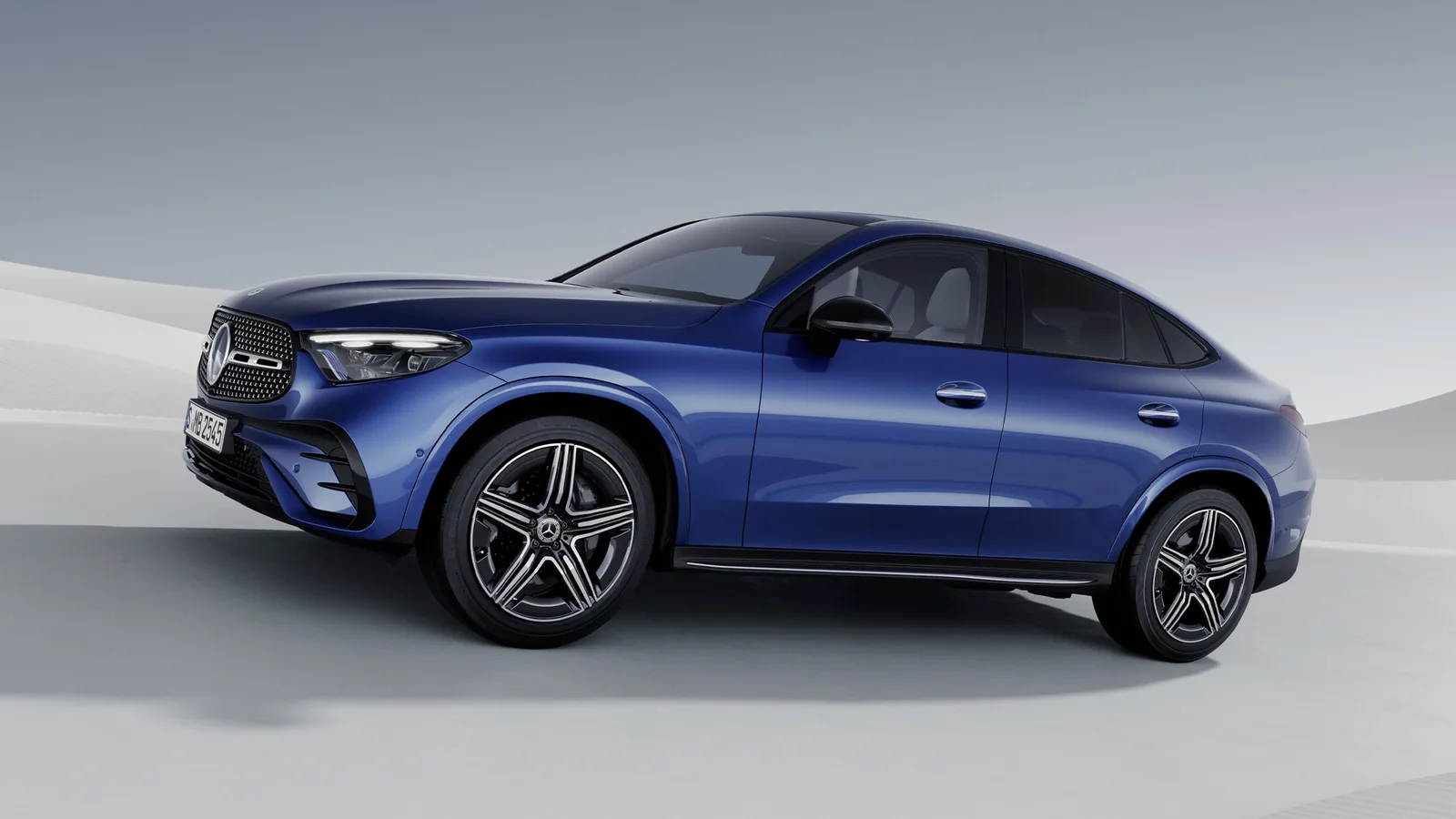


Stack two models side-by-side. Price, range, towing, ANCAP and ownership cost in one view.
Browse all 12,238+ cars · All Mercedes-Benz models · All Sedans