Volkswagen Eos, Price, Specs & Review
Everything on the Volkswagen Eos, for used buyers and research. 6 variants. Side-by-side specs, ANCAP safety, fuel economy, towing capacity, warranty and running costs. Specifications are sourced from Volkswagen's original Australian brochures for this generation. No price is shown: it is no longer sold new, and we show a price when new only where we hold Volkswagen's own printed price for the variant.
Data checked: specs 23 Sep 2026
Discontinued. The Volkswagen Eos generations listed on this page are no longer sold new in Australia. Specifications are kept for reference and used-buyer research; no new-car price is shown as it is not a current new-car offer.
Every Volkswagen Eos variant sold new in Australia, compared
The Volkswagen Eos is a Convertible with four seats and front-wheel drive. The six grades we hold are 103TDI, 155TSI, 103TDI Manual, 155TSI Manual, 103TDI DSG and 155TSI DSG. The ladder splits three diesel and three petrol grades.
6 variants of the Volkswagen Eos that were sold new in Australia. None is sold new today. Tap to compare them side-by-side, then tap any variant for its full specs.
Compare all 6Hide
6 variants of the Volkswagen Eos that were sold new in Australia. None is sold new today. Tap to compare them side-by-side, then tap any variant for its full specs.
103TDI2012103kW / 320Nm5.9L/100kmFWD4
Volkswagen Eos 103TDI
- Power
- 103kW
- Torque
- 320Nm
- 0–100
- 10.3s
- Fuel use
- 5.9L/100km
- Gearbox
- 6-speed DSG
- Drive
- FWD
- Seats
- 4
- Towing
- 1,500kg
- ANCAP
- 4-star (2007)
The facelifted Volkswagen Eos (1F, 2011-2015) is a four-seat retractable-hardtop convertible on the Golf platform, with a folding coupe-sunroof-convertible roof that stows in about 25 seconds. Australia offered two 2.0-litre variants, both with a 6-speed DSG dual-clutch auto and front-wheel drive: the 103TDI turbo-diesel and the 155TSI turbo-petrol. It is a solid used buy for a distinctive drop-top, but check the complex folding roof mechanism and drainage channels, and budget for DSG servicing.
Configure the 103TDI155TSI2012155kW / 280Nm7.7L/100kmFWD4
Volkswagen Eos 155TSI
- Power
- 155kW
- Torque
- 280Nm
- 0–100
- 7.8s
- Fuel use
- 7.7L/100km
- Gearbox
- 6-speed DSG
- Drive
- FWD
- Seats
- 4
- Towing
- 1,500kg
- ANCAP
- 4-star (2007)
The facelifted Volkswagen Eos (1F, 2011-2015) is a four-seat retractable-hardtop convertible on the Golf platform, with a folding coupe-sunroof-convertible roof that stows in about 25 seconds. Australia offered two 2.0-litre variants, both with a 6-speed DSG dual-clutch auto and front-wheel drive: the 103TDI turbo-diesel and the 155TSI turbo-petrol. It is a solid used buy for a distinctive drop-top, but check the complex folding roof mechanism and drainage channels, and budget for DSG servicing.
Configure the 155TSI103TDI Manual2011103kW / 320Nm5.7L/100kmFWD4
Volkswagen Eos 103TDI Manual
- Power
- 103kW
- Torque
- 320Nm
- 0–100
- 10.3s
- Fuel use
- 5.7L/100km
- Gearbox
- 6-speed manual
- Drive
- FWD
- Seats
- 4
- Towing
- 1,500kg
Every figure on this row is read from the "103TDI / 6 Speed Man" sub-column of the August 2010 edition of the MY2011 Volkswagen Australia Eos brochure (colophon: "Specifications are as planned at August 2010, for Model Year 2011") - tare 1556 kg, 5.7 L/100km combined and 150 g/km of CO2 on ADR 81/02, with 103 kW at 4200 rpm and 320 Nm from 1750 to 2500 rpm out of the 1968 cc turbo-diesel. The car is a four-seat convertible with Volkswagen's five-piece electro-hydraulic CSC folding hardtop, which includes a glass sunroof, and it carries 380 litres of luggage with the roof up and 205 with it folded. Volkswagen Australia publishes tare mass for this car and never kerb mass, so kerb_weight_kg is left empty rather than converted. The brochure prints no price of any kind and no crash rating, so none is recorded.
Configure the 103TDI Manual155TSI Manual2011155kW / 280Nm7.4L/100kmFWD4
Volkswagen Eos 155TSI Manual
- Power
- 155kW
- Torque
- 280Nm
- 0–100
- 7.8s
- Fuel use
- 7.4L/100km
- Gearbox
- 6-speed manual
- Drive
- FWD
- Seats
- 4
- Towing
- 1,500kg
The MY2011 Eos 155TSI with the six-speed manual is the lightest of the four MY2011 Eos configurations at a tare mass of 1526 kg, and like the diesel manual it exists only in the August 2010 edition of the MY2011 Volkswagen Australia Eos brochure (colophon: "Specifications are as planned at August 2010, for Model Year 2011") - the April 2011 edition of the same model year deleted the manual gearbox entirely. Its 1984 cc turbo-petrol four makes 155 kW at 5300 rpm and 280 Nm across a broad 1700 to 5200 rpm band, for a quoted 7.8 seconds to 100km/h, and it uses 7.4 L/100km combined with 173 g/km of CO2 on ADR 81/02. It is the only one of the two engines to get the chrome dual exhaust tail pipes, which the brochure marks as not available on the 103TDI. The body is the four-seat convertible with the five-piece electro-hydraulic CSC roof and its integrated glass sunroof, 380 litres of boot space roof-up and 205 roof-down, on 17-inch Siena alloys with 235/45 R17 tyres. The brochure prints no price and no crash rating, so neither is recorded.
Configure the 155TSI Manual103TDI DSG2011103kW / 320Nm5.9L/100kmFWD4
Volkswagen Eos 103TDI DSG
- Power
- 103kW
- Torque
- 320Nm
- 0–100
- 10.3s
- Fuel use
- 5.9L/100km
- Gearbox
- 6-speed DSG
- Drive
- FWD
- Seats
- 4
- Towing
- 1,500kg
It records a tare mass of 1596 kg, 5.9 L/100km combined, 7.4 urban, 5.0 extra-urban and 156 g/km of CO2 on ADR 81/02, from the 1968 cc common-rail turbo-diesel making 103 kW at 4200 rpm and 320 Nm between 1750 and 2500 rpm through a six-speed DSG. The earlier August 2010 MY2011 brochure describes the same drivetrain differently - tare 1581 kg, 6.1 L/100km, 160 g/km, and the DSG itself listed as an option rather than standard equipment - and those superseded figures are recorded in the provenance notes rather than written into any field. It is a four-seat convertible with the five-piece CSC folding hardtop, 380 litres roof-up and 205 roof-down, towing 1500 kg braked. No price and no crash rating are printed, so none is recorded.
Configure the 103TDI DSG155TSI DSG2011155kW / 280Nm7.7L/100kmFWD4
Volkswagen Eos 155TSI DSG
- Power
- 155kW
- Torque
- 280Nm
- 0–100
- 7.8s
- Fuel use
- 7.7L/100km
- Gearbox
- 6-speed DSG
- Drive
- FWD
- Seats
- 4
- Towing
- 1,500kg
Its 1984 cc turbo-petrol four makes 155 kW at 5300 rpm and 280 Nm from 1700 to 5200 rpm, quoted at 7.8 seconds to 100km/h, and it uses 7.7 L/100km combined with 179 g/km of CO2 on ADR 81/02 at a tare mass of 1551 kg. The two MY2011 brochures agree on that mass but not on the consumption: the earlier August 2010 edition quotes 7.9 L/100km and 184 g/km for the same drivetrain, and those superseded numbers are kept in the provenance notes rather than written into any field. The body is the four-seat convertible with the five-piece electro-hydraulic CSC folding hardtop and its integrated glass sunroof, 380 litres of luggage roof-up and 205 roof-down. No price and no crash rating are printed, so none is recorded.
Configure the 155TSI DSG- No price on record for 3 of the 3 diesel grades: we show nothing rather than an estimate.
- No price on record for 3 of the 3 petrol grades: we show nothing rather than an estimate.
Volkswagen Eos: size and capacity
Size, capacity, weights and towing across the grades
Size, capacity, weights and towing across the grades
| Figure | Across the grades | Grades holding it |
|---|---|---|
| Size | ||
| Length | 4,407 mm | 6 of 6 |
| Width | 1,791 mm | 6 of 6 |
| Height | 1,443 mm | 6 of 6 |
| Wheelbase | 2,576 mm | 6 of 6 |
| Turning circle | 10.9 m | 6 of 6 |
| What it carries | ||
| Boot space, seats up | 205 L | 6 of 6 |
| Fuel tank | 55 L | 6 of 6 |
| Tare mass | 1,526 to 1,596 kg | 6 of 6 |
| Towing | ||
| Braked towing capacity | 1,500 kg | 6 of 6 |
| Unbraked towing capacity | 750 kg | 6 of 6 |
| Tow ball download | 75 kg | 6 of 6 |
How we read these figures, and the 10 figures Volkswagen does not print(show)
Nothing in this table is ranked. A figure the manufacturer prints on a different basis (a maximum kerb weight, a width including the mirrors, a length with a tow bar fitted) carries that basis beside it, because it is a different measurement and not a bigger number.
Not yet read off a Volkswagen document for any grade on this page: ground clearance, boot space, rear seats down, kerb weight, payload, gross vehicle mass (gvm), roof load, tray length, tray width, gross combination mass (gcm), wading depth. Those read “No data” rather than a guessed figure.
Volkswagen Eos: ownership and safety
Volkswagen Eos: cover, rating and recalls
Warranty and servicing
- New-car warranty
- 3yr / unlimited km
- Service interval
- 12 months / 15,000 km · 103TDI and 155TSI
- No data · 103TDI Manual, 155TSI Manual, 103TDI DSG and 155TSI DSG
- Capped-price servicing
- No data for 6.
ANCAP, by exact grade
- 4/5 (2007) · 103TDI and 155TSI
- No data · 103TDI Manual, 155TSI Manual, 103TDI DSG and 155TSI DSG
How a rating is read(show)
A rating belongs to the exact variant ANCAP tested and is never carried across to a grade or a build year it does not cover. A rating older than six years is marked expired because ANCAP’s own test has moved on.
Safety recalls
The thermal overload within the ABS control unit can interrupt the current flow to the ABS control unit.
Published 2017-03-09. Year range on the notice: 2008 - 2010. Matched to 4 of the 6 grades listed here. REC-001385 on the government register
A failed ABS/ESC system can restrict the protection provided. This can lead to a danger of an accident, especially in critical driving situations.
Related reading
News and buying guides that cover the Volkswagen Eos.
News and guides about this car
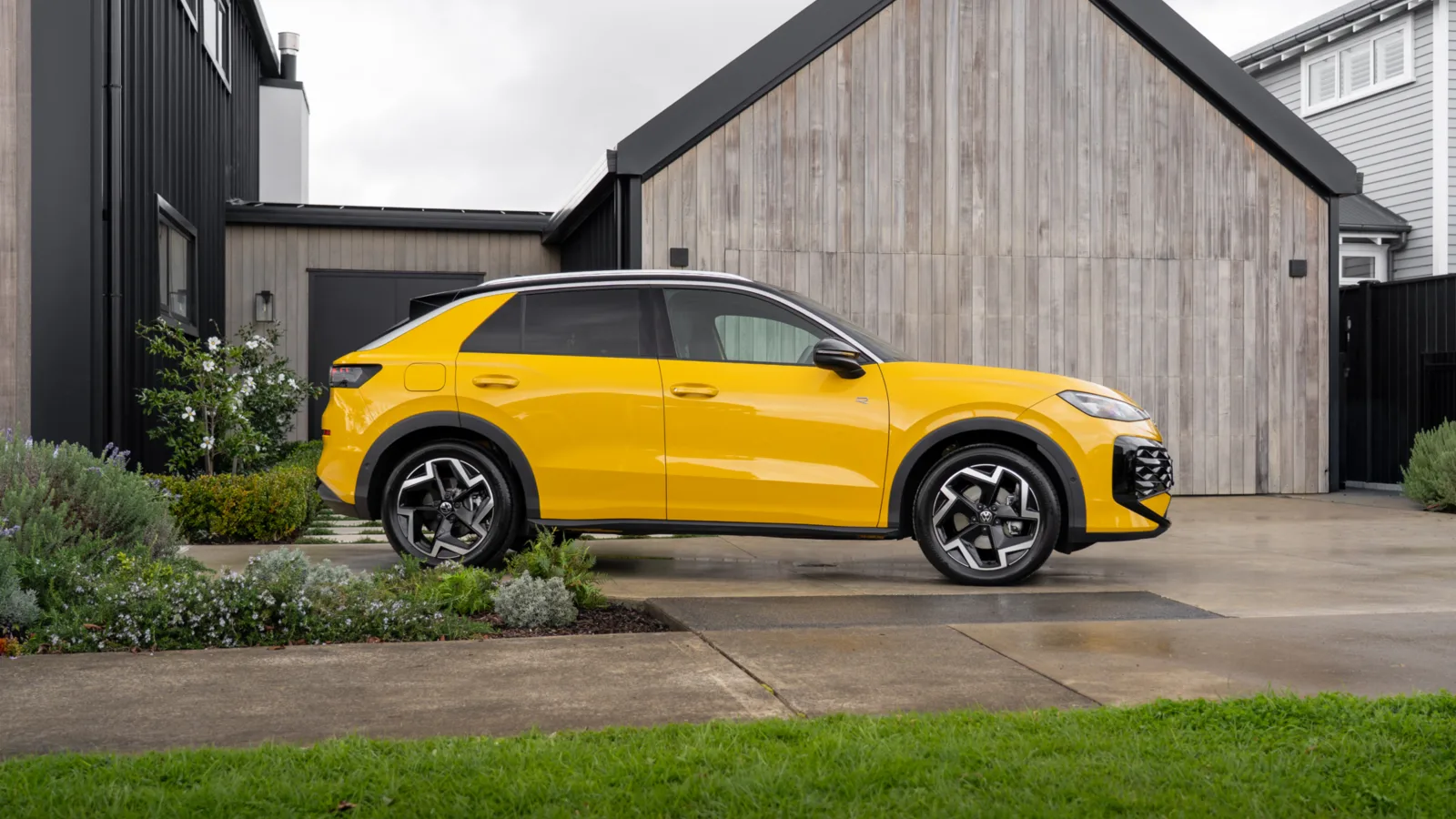
2027 Volkswagen T-Roc: New Mild-Hybrid Small SUV Confirmed for Australia, Price and Date Still to Come
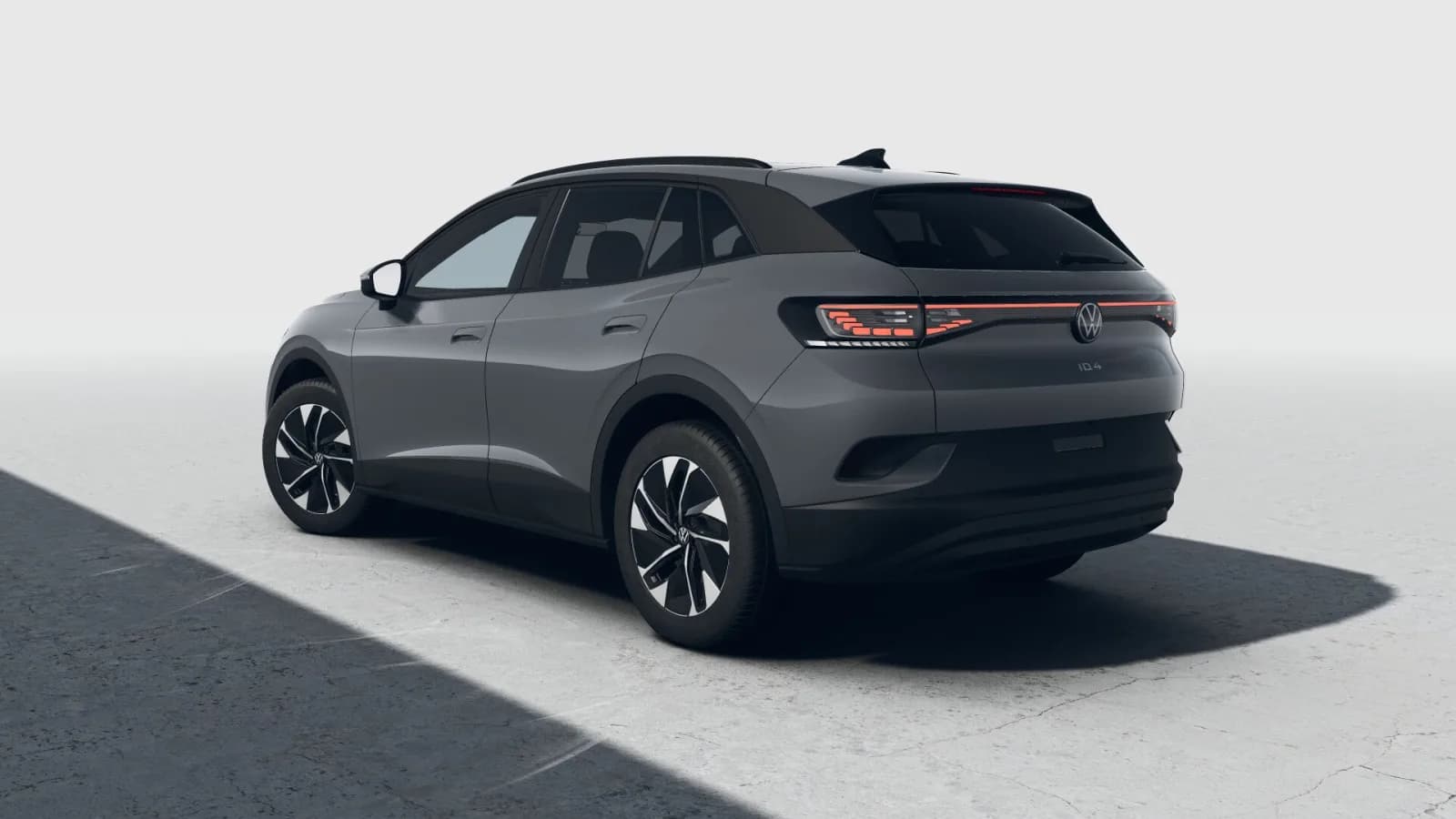
2027 Volkswagen ID.4 Update: Satellite Navigation, Three New Driver Aids and Prices From $60,990
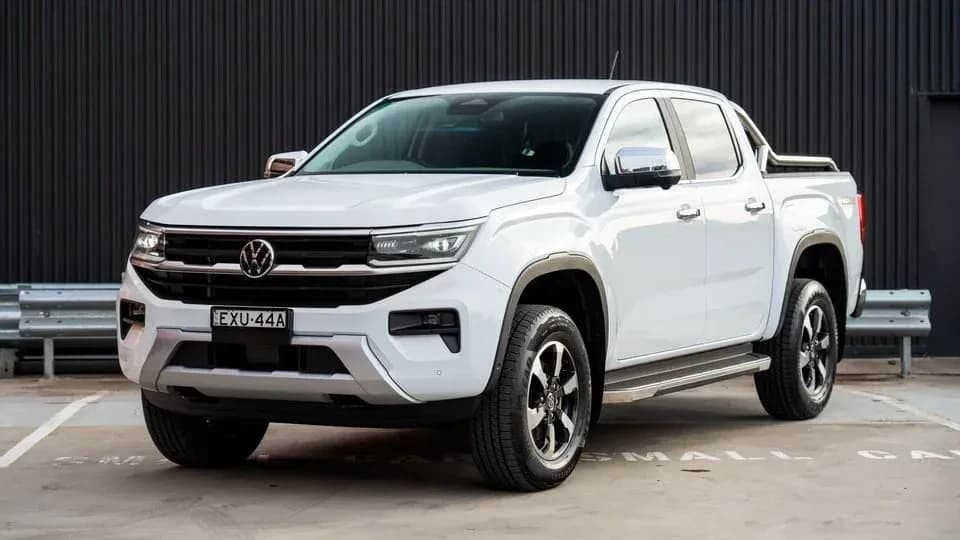
2026 Volkswagen Amarok W600 by Walkinshaw Priced for Australia: $91,990, $300 Above a Ford Ranger Raptor, in Dealers From August
Browse all 15,380+ cars · All Volkswagen models · All Convertibles