Hyundai i30, Price, Specs & Review
Everything on the Hyundai i30, discontinued in 2017, for used buyers and research. 58 variants. Side-by-side specs, ANCAP safety, fuel economy, towing capacity, warranty and running costs. Specifications are sourced from Hyundai's original Australian brochures for this generation. No price is shown: it is no longer sold new, and we show a price when new only where we hold Hyundai's own printed price for the variant.
Data checked: specs 27 Sep 2026
Discontinued (2017). The Hyundai i30 generations listed on this page are no longer sold new in Australia. Specifications are kept for reference and used-buyer research; no new-car price is shown as it is not a current new-car offer.
Every Hyundai i30 variant sold new in Australia, compared
The Hyundai i30 is sold in two body styles (Hatchback and Wagon) with five seats and front-wheel drive. The 58 grades we hold are SR Premium 2.0 Petrol Auto, SR 2.0 Petrol Auto, Active 1.8 MPi Hatch Auto, Active 1.6 GDi Tourer Manual, Elite 1.6 GDi Tourer Auto, Go 2.0 Petrol Automatic, SLX 2.0 Petrol Manual, Active 1.6 GDi Tourer Auto, SX 1.6 Petrol Manual, i30cw SX 2.0 Petrol Manual, Active 1.8 MPi Hatch Manual, SR 2.0 Petrol Auto and 46 more. The ladder splits 24 diesel and 34 petrol grades.
58 variants of the Hyundai i30 that were sold new in Australia. None is sold new today. Tap to compare them side-by-side, then tap any variant for its full specs.
Compare all 58Hide
58 variants of the Hyundai i30 that were sold new in Australia. None is sold new today. Tap to compare them side-by-side, then tap any variant for its full specs.
SR 2.0 Petrol Auto2015124kW / 201Nm7.7L/100kmFWD5
Hyundai i30 SR 2.0 Petrol Auto
- Power
- 124kW
- Torque
- 201Nm
- Fuel use
- 7.7L/100km
- Gearbox
- 6-Speed Automatic
- Drive
- FWD
- Seats
- 5
- Towing
- 1,300kg
- ANCAP
- 5-star (2014)
The GD-series Hyundai i30 (2012-2017) is a well-rounded small hatch and Tourer wagon that was one of Australia's best-sellers, offering 1.8 and 2.0-litre petrols plus a frugal 1.6 CRDi turbo-diesel across Active, Active X, SR, SR Premium, Elite and Premium grades. It rides on a 2,650mm wheelbase and carries a 5-star ANCAP rating, with the diesel's 4.6-4.9 L/100km making it a genuinely economical used buy.
Configure the SR 2.0 Petrol AutoActive 1.8 MPi Hatch Auto2013110kW / 178Nm6.9L/100kmFWD5
Hyundai i30 Active 1.8 MPi Hatch Auto
- Power
- 110kW
- Torque
- 178Nm
- Fuel use
- 6.9L/100km
- Gearbox
- 6-speed automatic with electronic sequential manual mode
- Drive
- FWD
- Seats
- 5
- Towing
- 1,300kg
- ANCAP
- 5-star (2012)
The GD-series Hyundai i30 hatch launched in Australia in 2012 with Active, Elite and Premium grades, sharing a 1.8-litre MPi petrol engine (110kW/178Nm) or a 1.6-litre CRDi turbo-diesel (94kW/260Nm), each with a 6-speed manual or 6-speed automatic. All grades carry ABS with EBD and Brake Assist, ESC with traction control, seven airbags and rear ISOFIX anchors as standard. Elite and Premium add a reversing camera, while Premium alone gets leather/leatherette trim, dual-zone climate, an electrically adjusted driver's seat, heated front seats and satellite navigation. As a used buy, the 1.6 CRDi manual is the standout for fuel economy at 4.5 L/100km combined.
Configure the Active 1.8 MPi Hatch AutoActive 1.6 GDi Tourer Manual201398kW / 163Nm6.3L/100kmFWD5
Hyundai i30 Active 1.6 GDi Tourer Manual
- Power
- 98kW
- Torque
- 163Nm
- Fuel use
- 6.3L/100km
- Gearbox
- 6-speed manual
- Drive
- FWD
- Seats
- 5
- Towing
- 1,300kg
- ANCAP
- 5-star (2012)
The GD-series Hyundai i30 Tourer is the wagon variant of the 2012-on i30, offered new in Active and Elite grades only. It swaps the hatch's 1.8-litre petrol for a 1.6-litre GDi petrol (98kW/163Nm) alongside the same 1.6-litre CRDi turbo-diesel (94kW/260Nm), each with a 6-speed manual or automatic. The longer body (4485mm) grows boot space to 528 litres seats-up (1642 litres folded) versus the hatch's 378/1316 litres, plus roof rails and a multi-link independent rear suspension not fitted to the hatch. Elite adds a reversing camera and dual-zone climate over Active; there was no Tourer Premium or SR.
Configure the Active 1.6 GDi Tourer ManualElite 1.6 GDi Tourer Auto201398kW / 163Nm6.9L/100kmFWD5
Hyundai i30 Elite 1.6 GDi Tourer Auto
- Power
- 98kW
- Torque
- 163Nm
- Fuel use
- 6.9L/100km
- Gearbox
- 6-speed automatic with electronic sequential manual mode
- Drive
- FWD
- Seats
- 5
- Towing
- 1,300kg
- ANCAP
- 5-star (2012)
The GD-series Hyundai i30 Tourer is the wagon variant of the 2012-on i30, offered new in Active and Elite grades only. It swaps the hatch's 1.8-litre petrol for a 1.6-litre GDi petrol (98kW/163Nm) alongside the same 1.6-litre CRDi turbo-diesel (94kW/260Nm), each with a 6-speed manual or automatic. The longer body (4485mm) grows boot space to 528 litres seats-up (1642 litres folded) versus the hatch's 378/1316 litres, plus roof rails and a multi-link independent rear suspension not fitted to the hatch. Elite adds a reversing camera and dual-zone climate over Active; there was no Tourer Premium or SR.
Configure the Elite 1.6 GDi Tourer AutoGo 2.0 Petrol Automatic2019120kW / 203Nm7.4L/100kmFWD5
Hyundai i30 Go 2.0 Petrol Automatic
- Power
- 120kW
- Torque
- 203Nm
- Fuel use
- 7.4L/100km
- Gearbox
- 6-Speed Automatic
- Drive
- FWD
- Seats
- 5
- Towing
- 1,300kg
- ANCAP
- 5-star (2017)
The Hyundai i30 PD (2017-2024) is a well-rounded small hatch offering three drivetrains: a 120kW 2.0L petrol (Go/Active/Elite/Premium), a frugal 100kW 1.6L turbo-diesel (4.7L/100km, Go through Premium), and a warm 150kW 1.6L turbo-petrol reserved for the sporty N Line and N Line Premium. Note this is the PD hatch only; the later i30 Sedan is a separate Elantra-based car.
Configure the Go 2.0 Petrol AutomaticSLX 2.0 Petrol Manual2011105kW / 186Nm7.2L/100kmFWD5
Hyundai i30 SLX 2.0 Petrol Manual
- Power
- 105kW
- Torque
- 186Nm
- Fuel use
- 7.2L/100km
- Gearbox
- 5-speed manual
- Drive
- FWD
- Seats
- 5
- Towing
- 1,200kg
The 2011 Hyundai i30 SLX 2.0 Petrol Manual is a 5-seat hatchback powered by a 2-litre petrol engine making 105kW and 186Nm, driving the FWD and using 7.2L/100km on the combined cycle.
Configure the SLX 2.0 Petrol ManualActive 1.6 GDi Tourer Auto201398kW / 163Nm6.9L/100kmFWD5
Hyundai i30 Active 1.6 GDi Tourer Auto
- Power
- 98kW
- Torque
- 163Nm
- Fuel use
- 6.9L/100km
- Gearbox
- 6-speed automatic with electronic sequential manual mode
- Drive
- FWD
- Seats
- 5
- Towing
- 1,300kg
- ANCAP
- 5-star (2012)
The GD-series Hyundai i30 Tourer is the wagon variant of the 2012-on i30, offered new in Active and Elite grades only. It swaps the hatch's 1.8-litre petrol for a 1.6-litre GDi petrol (98kW/163Nm) alongside the same 1.6-litre CRDi turbo-diesel (94kW/260Nm), each with a 6-speed manual or automatic. The longer body (4485mm) grows boot space to 528 litres seats-up (1642 litres folded) versus the hatch's 378/1316 litres, plus roof rails and a multi-link independent rear suspension not fitted to the hatch. Elite adds a reversing camera and dual-zone climate over Active; there was no Tourer Premium or SR.
Configure the Active 1.6 GDi Tourer AutoSX 1.6 Petrol Manual201189kW / 153Nm6.5L/100kmFWD5
Hyundai i30 SX 1.6 Petrol Manual
- Power
- 89kW
- Torque
- 153Nm
- Fuel use
- 6.5L/100km
- Gearbox
- 5-speed manual
- Drive
- FWD
- Seats
- 5
- Towing
- 1,100kg
The 2011 Hyundai i30 SX 1.6 Petrol Manual is a 5-seat hatchback powered by a 1.6-litre petrol engine making 89kW and 153Nm, driving the FWD and using 6.5L/100km on the combined cycle.
Configure the SX 1.6 Petrol Manuali30cw SX 2.0 Petrol Manual2011105kW / 186Nm7.3L/100kmFWD5
Hyundai i30 i30cw SX 2.0 Petrol Manual
- Power
- 105kW
- Torque
- 186Nm
- Fuel use
- 7.3L/100km
- Gearbox
- 5-speed manual
- Drive
- FWD
- Seats
- 5
- Towing
- 1,200kg
The 2011 Hyundai i30 i30cw SX 2.0 Petrol Manual is a 5-seat wagon powered by a 2-litre petrol engine making 105kW and 186Nm, driving the FWD and using 7.3L/100km on the combined cycle.
Configure the i30cw SX 2.0 Petrol ManualActive 1.8 MPi Hatch Manual2013110kW / 178Nm6.5L/100kmFWD5
Hyundai i30 Active 1.8 MPi Hatch Manual
- Power
- 110kW
- Torque
- 178Nm
- Fuel use
- 6.5L/100km
- Gearbox
- 6-speed manual
- Drive
- FWD
- Seats
- 5
- Towing
- 1,300kg
- ANCAP
- 5-star (2012)
The GD-series Hyundai i30 hatch launched in Australia in 2012 with Active, Elite and Premium grades, sharing a 1.8-litre MPi petrol engine (110kW/178Nm) or a 1.6-litre CRDi turbo-diesel (94kW/260Nm), each with a 6-speed manual or 6-speed automatic. All grades carry ABS with EBD and Brake Assist, ESC with traction control, seven airbags and rear ISOFIX anchors as standard. Elite and Premium add a reversing camera, while Premium alone gets leather/leatherette trim, dual-zone climate, an electrically adjusted driver's seat, heated front seats and satellite navigation. As a used buy, the 1.6 CRDi manual is the standout for fuel economy at 4.5 L/100km combined.
Configure the Active 1.8 MPi Hatch ManualSR 2.0 Petrol Auto2011105kW / 186Nm7.6L/100kmFWD5
Hyundai i30 SR 2.0 Petrol Auto
- Power
- 105kW
- Torque
- 186Nm
- Fuel use
- 7.6L/100km
- Gearbox
- 4-speed automatic
- Drive
- FWD
- Seats
- 5
- Towing
- 1,200kg
The 2011 Hyundai i30 SR 2.0 Petrol Auto is a 5-seat hatchback powered by a 2-litre petrol engine making 105kW and 186Nm, driving the FWD and using 7.6L/100km on the combined cycle.
Configure the SR 2.0 Petrol AutoElite 1.6 CRDi Hatch Auto201394kW / 260Nm5.6L/100kmFWD5
Hyundai i30 Elite 1.6 CRDi Hatch Auto
- Power
- 94kW
- Torque
- 260Nm
- Fuel use
- 5.6L/100km
- Gearbox
- 6-speed automatic with electronic sequential manual mode
- Drive
- FWD
- Seats
- 5
- Towing
- 1,300kg
- ANCAP
- 5-star (2012)
The GD-series Hyundai i30 hatch launched in Australia in 2012 with Active, Elite and Premium grades, sharing a 1.8-litre MPi petrol engine (110kW/178Nm) or a 1.6-litre CRDi turbo-diesel (94kW/260Nm), each with a 6-speed manual or 6-speed automatic. All grades carry ABS with EBD and Brake Assist, ESC with traction control, seven airbags and rear ISOFIX anchors as standard. Elite and Premium add a reversing camera, while Premium alone gets leather/leatherette trim, dual-zone climate, an electrically adjusted driver's seat, heated front seats and satellite navigation. As a used buy, the 1.6 CRDi manual is the standout for fuel economy at 4.5 L/100km combined.
Configure the Elite 1.6 CRDi Hatch AutoActive 1.6 CRDi Tourer Auto201394kW / 260Nm5.8L/100kmFWD5
Hyundai i30 Active 1.6 CRDi Tourer Auto
- Power
- 94kW
- Torque
- 260Nm
- Fuel use
- 5.8L/100km
- Gearbox
- 6-speed automatic with electronic sequential manual mode
- Drive
- FWD
- Seats
- 5
- Towing
- 1,300kg
- ANCAP
- 5-star (2012)
The GD-series Hyundai i30 Tourer is the wagon variant of the 2012-on i30, offered new in Active and Elite grades only. It swaps the hatch's 1.8-litre petrol for a 1.6-litre GDi petrol (98kW/163Nm) alongside the same 1.6-litre CRDi turbo-diesel (94kW/260Nm), each with a 6-speed manual or automatic. The longer body (4485mm) grows boot space to 528 litres seats-up (1642 litres folded) versus the hatch's 378/1316 litres, plus roof rails and a multi-link independent rear suspension not fitted to the hatch. Elite adds a reversing camera and dual-zone climate over Active; there was no Tourer Premium or SR.
Configure the Active 1.6 CRDi Tourer AutoActive 1.6 CRDi Hatch Manual201394kW / 260Nm4.5L/100kmFWD5
Hyundai i30 Active 1.6 CRDi Hatch Manual
- Power
- 94kW
- Torque
- 260Nm
- Fuel use
- 4.5L/100km
- Gearbox
- 6-speed manual
- Drive
- FWD
- Seats
- 5
- Towing
- 1,300kg
- ANCAP
- 5-star (2012)
The GD-series Hyundai i30 hatch launched in Australia in 2012 with Active, Elite and Premium grades, sharing a 1.8-litre MPi petrol engine (110kW/178Nm) or a 1.6-litre CRDi turbo-diesel (94kW/260Nm), each with a 6-speed manual or 6-speed automatic. All grades carry ABS with EBD and Brake Assist, ESC with traction control, seven airbags and rear ISOFIX anchors as standard. Elite and Premium add a reversing camera, while Premium alone gets leather/leatherette trim, dual-zone climate, an electrically adjusted driver's seat, heated front seats and satellite navigation. As a used buy, the 1.6 CRDi manual is the standout for fuel economy at 4.5 L/100km combined.
Configure the Active 1.6 CRDi Hatch ManualElite 1.6 CRDi Tourer Manual201394kW / 260Nm4.6L/100kmFWD5
Hyundai i30 Elite 1.6 CRDi Tourer Manual
- Power
- 94kW
- Torque
- 260Nm
- Fuel use
- 4.6L/100km
- Gearbox
- 6-speed manual
- Drive
- FWD
- Seats
- 5
- Towing
- 1,300kg
- ANCAP
- 5-star (2012)
The GD-series Hyundai i30 Tourer is the wagon variant of the 2012-on i30, offered new in Active and Elite grades only. It swaps the hatch's 1.8-litre petrol for a 1.6-litre GDi petrol (98kW/163Nm) alongside the same 1.6-litre CRDi turbo-diesel (94kW/260Nm), each with a 6-speed manual or automatic. The longer body (4485mm) grows boot space to 528 litres seats-up (1642 litres folded) versus the hatch's 378/1316 litres, plus roof rails and a multi-link independent rear suspension not fitted to the hatch. Elite adds a reversing camera and dual-zone climate over Active; there was no Tourer Premium or SR.
Configure the Elite 1.6 CRDi Tourer ManualSR 2.0 Petrol Manual2011105kW / 186Nm7.2L/100kmFWD5
Hyundai i30 SR 2.0 Petrol Manual
- Power
- 105kW
- Torque
- 186Nm
- Fuel use
- 7.2L/100km
- Gearbox
- 5-speed manual
- Drive
- FWD
- Seats
- 5
- Towing
- 1,200kg
The 2011 Hyundai i30 SR 2.0 Petrol Manual is a 5-seat hatchback powered by a 2-litre petrol engine making 105kW and 186Nm, driving the FWD and using 7.2L/100km on the combined cycle.
Configure the SR 2.0 Petrol ManualTourer Active 1.6 Petrol DCT201598kW / 163Nm6L/100kmFWD5
Hyundai i30 Tourer Active 1.6 Petrol DCT
- Power
- 98kW
- Torque
- 163Nm
- Fuel use
- 6L/100km
- Gearbox
- 7-Speed Dual-Clutch
- Drive
- FWD
- Seats
- 5
- Towing
- 1,300kg
- ANCAP
- 5-star (2014)
The GD-series Hyundai i30 (2012-2017) is a well-rounded small hatch and Tourer wagon that was one of Australia's best-sellers, offering 1.8 and 2.0-litre petrols plus a frugal 1.6 CRDi turbo-diesel across Active, Active X, SR, SR Premium, Elite and Premium grades. It rides on a 2,650mm wheelbase and carries a 5-star ANCAP rating, with the diesel's 4.6-4.9 L/100km making it a genuinely economical used buy.
Configure the Tourer Active 1.6 Petrol DCTElite 1.8 MPi Hatch Auto2013110kW / 178Nm6.9L/100kmFWD5
Hyundai i30 Elite 1.8 MPi Hatch Auto
- Power
- 110kW
- Torque
- 178Nm
- Fuel use
- 6.9L/100km
- Gearbox
- 6-speed automatic with electronic sequential manual mode
- Drive
- FWD
- Seats
- 5
- Towing
- 1,300kg
- ANCAP
- 5-star (2012)
The GD-series Hyundai i30 hatch launched in Australia in 2012 with Active, Elite and Premium grades, sharing a 1.8-litre MPi petrol engine (110kW/178Nm) or a 1.6-litre CRDi turbo-diesel (94kW/260Nm), each with a 6-speed manual or 6-speed automatic. All grades carry ABS with EBD and Brake Assist, ESC with traction control, seven airbags and rear ISOFIX anchors as standard. Elite and Premium add a reversing camera, while Premium alone gets leather/leatherette trim, dual-zone climate, an electrically adjusted driver's seat, heated front seats and satellite navigation. As a used buy, the 1.6 CRDi manual is the standout for fuel economy at 4.5 L/100km combined.
Configure the Elite 1.8 MPi Hatch AutoSLX 2.0 Petrol Auto2011105kW / 186Nm7.6L/100kmFWD5
Hyundai i30 SLX 2.0 Petrol Auto
- Power
- 105kW
- Torque
- 186Nm
- Fuel use
- 7.6L/100km
- Gearbox
- 4-speed automatic
- Drive
- FWD
- Seats
- 5
- Towing
- 1,200kg
The 2011 Hyundai i30 SLX 2.0 Petrol Auto is a 5-seat hatchback powered by a 2-litre petrol engine making 105kW and 186Nm, driving the FWD and using 7.6L/100km on the combined cycle.
Configure the SLX 2.0 Petrol Autoi30cw SLX 1.6 CRDi Manual201185kW / 255Nm4.9L/100kmFWD5
Hyundai i30 i30cw SLX 1.6 CRDi Manual
- Power
- 85kW
- Torque
- 255Nm
- Fuel use
- 4.9L/100km
- Gearbox
- 5-speed manual
- Drive
- FWD
- Seats
- 5
- Towing
- 1,200kg
The 2011 Hyundai i30 i30cw SLX 1.6 CRDi Manual is a 5-seat wagon powered by a 1.6-litre turbo-diesel engine making 85kW and 255Nm, driving the FWD and using 4.9L/100km on the combined cycle.
Configure the i30cw SLX 1.6 CRDi Manuali30cw SX 2.0 Petrol Auto2011105kW / 186Nm7.7L/100kmFWD5
Hyundai i30 i30cw SX 2.0 Petrol Auto
- Power
- 105kW
- Torque
- 186Nm
- Fuel use
- 7.7L/100km
- Gearbox
- 4-speed automatic
- Drive
- FWD
- Seats
- 5
- Towing
- 1,200kg
The 2011 Hyundai i30 i30cw SX 2.0 Petrol Auto is a 5-seat wagon powered by a 2-litre petrol engine making 105kW and 186Nm, driving the FWD and using 7.7L/100km on the combined cycle.
Configure the i30cw SX 2.0 Petrol Autoi30cw Sportswagon 1.6 CRDi Manual201185kW / 255Nm4.9L/100kmFWD5
Hyundai i30 i30cw Sportswagon 1.6 CRDi Manual
- Power
- 85kW
- Torque
- 255Nm
- Fuel use
- 4.9L/100km
- Gearbox
- 5-speed manual
- Drive
- FWD
- Seats
- 5
- Towing
- 1,200kg
The 2011 Hyundai i30 i30cw Sportswagon 1.6 CRDi Manual is a 5-seat wagon powered by a 1.6-litre turbo-diesel engine making 85kW and 255Nm, driving the FWD and using 4.9L/100km on the combined cycle.
Configure the i30cw Sportswagon 1.6 CRDi ManualActive 1.6 Diesel DCT2015100kW / 300Nm4.9L/100kmFWD5
Hyundai i30 Active 1.6 Diesel DCT
- Power
- 100kW
- Torque
- 300Nm
- Fuel use
- 4.9L/100km
- Gearbox
- 7-Speed Dual-Clutch
- Drive
- FWD
- Seats
- 5
- Towing
- 1,300kg
- ANCAP
- 5-star (2014)
The GD-series Hyundai i30 (2012-2017) is a well-rounded small hatch and Tourer wagon that was one of Australia's best-sellers, offering 1.8 and 2.0-litre petrols plus a frugal 1.6 CRDi turbo-diesel across Active, Active X, SR, SR Premium, Elite and Premium grades. It rides on a 2,650mm wheelbase and carries a 5-star ANCAP rating, with the diesel's 4.6-4.9 L/100km making it a genuinely economical used buy.
Configure the Active 1.6 Diesel DCTGo 1.6 Diesel DCT2019100kW / 300Nm4.7L/100kmFWD5
Hyundai i30 Go 1.6 Diesel DCT
- Power
- 100kW
- Torque
- 300Nm
- Fuel use
- 4.7L/100km
- Gearbox
- 7-Speed DCT
- Drive
- FWD
- Seats
- 5
- Towing
- 1,300kg
- ANCAP
- 5-star (2017)
The Hyundai i30 PD (2017-2024) is a well-rounded small hatch offering three drivetrains: a 120kW 2.0L petrol (Go/Active/Elite/Premium), a frugal 100kW 1.6L turbo-diesel (4.7L/100km, Go through Premium), and a warm 150kW 1.6L turbo-petrol reserved for the sporty N Line and N Line Premium. Note this is the PD hatch only; the later i30 Sedan is a separate Elantra-based car.
Configure the Go 1.6 Diesel DCTElite 2.0 Petrol Automatic2019120kW / 203Nm7.4L/100kmFWD5
Hyundai i30 Elite 2.0 Petrol Automatic
- Power
- 120kW
- Torque
- 203Nm
- Fuel use
- 7.4L/100km
- Gearbox
- 6-Speed Automatic
- Drive
- FWD
- Seats
- 5
- Towing
- 1,300kg
- ANCAP
- 5-star (2017)
The Hyundai i30 PD (2017-2024) is a well-rounded small hatch offering three drivetrains: a 120kW 2.0L petrol (Go/Active/Elite/Premium), a frugal 100kW 1.6L turbo-diesel (4.7L/100km, Go through Premium), and a warm 150kW 1.6L turbo-petrol reserved for the sporty N Line and N Line Premium. Note this is the PD hatch only; the later i30 Sedan is a separate Elantra-based car.
Configure the Elite 2.0 Petrol AutomaticGo 2.0 Petrol Manual2019120kW / 203Nm7.3L/100kmFWD5
Hyundai i30 Go 2.0 Petrol Manual
- Power
- 120kW
- Torque
- 203Nm
- Fuel use
- 7.3L/100km
- Gearbox
- 6-Speed Manual
- Drive
- FWD
- Seats
- 5
- Towing
- 1,300kg
- ANCAP
- 5-star (2017)
The Hyundai i30 PD (2017-2024) is a well-rounded small hatch offering three drivetrains: a 120kW 2.0L petrol (Go/Active/Elite/Premium), a frugal 100kW 1.6L turbo-diesel (4.7L/100km, Go through Premium), and a warm 150kW 1.6L turbo-petrol reserved for the sporty N Line and N Line Premium. Note this is the PD hatch only; the later i30 Sedan is a separate Elantra-based car.
Configure the Go 2.0 Petrol ManualActive 2.0 Petrol Automatic2019120kW / 203Nm7.4L/100kmFWD5
Hyundai i30 Active 2.0 Petrol Automatic
- Power
- 120kW
- Torque
- 203Nm
- Fuel use
- 7.4L/100km
- Gearbox
- 6-Speed Automatic
- Drive
- FWD
- Seats
- 5
- Towing
- 1,300kg
- ANCAP
- 5-star (2017)
The Hyundai i30 PD (2017-2024) is a well-rounded small hatch offering three drivetrains: a 120kW 2.0L petrol (Go/Active/Elite/Premium), a frugal 100kW 1.6L turbo-diesel (4.7L/100km, Go through Premium), and a warm 150kW 1.6L turbo-petrol reserved for the sporty N Line and N Line Premium. Note this is the PD hatch only; the later i30 Sedan is a separate Elantra-based car.
Configure the Active 2.0 Petrol AutomaticElite 1.6 Diesel DCT2019100kW / 300Nm4.7L/100kmFWD5
Hyundai i30 Elite 1.6 Diesel DCT
- Power
- 100kW
- Torque
- 300Nm
- Fuel use
- 4.7L/100km
- Gearbox
- 7-Speed DCT
- Drive
- FWD
- Seats
- 5
- Towing
- 1,300kg
- ANCAP
- 5-star (2017)
The Hyundai i30 PD (2017-2024) is a well-rounded small hatch offering three drivetrains: a 120kW 2.0L petrol (Go/Active/Elite/Premium), a frugal 100kW 1.6L turbo-diesel (4.7L/100km, Go through Premium), and a warm 150kW 1.6L turbo-petrol reserved for the sporty N Line and N Line Premium. Note this is the PD hatch only; the later i30 Sedan is a separate Elantra-based car.
Configure the Elite 1.6 Diesel DCTActive 1.8 Petrol Manual2015107kW / 175Nm7L/100kmFWD5
Hyundai i30 Active 1.8 Petrol Manual
- Power
- 107kW
- Torque
- 175Nm
- Fuel use
- 7L/100km
- Gearbox
- 6-Speed Manual
- Drive
- FWD
- Seats
- 5
- Towing
- 1,300kg
- ANCAP
- 5-star (2014)
The GD-series Hyundai i30 (2012-2017) is a well-rounded small hatch and Tourer wagon that was one of Australia's best-sellers, offering 1.8 and 2.0-litre petrols plus a frugal 1.6 CRDi turbo-diesel across Active, Active X, SR, SR Premium, Elite and Premium grades. It rides on a 2,650mm wheelbase and carries a 5-star ANCAP rating, with the diesel's 4.6-4.9 L/100km making it a genuinely economical used buy.
Configure the Active 1.8 Petrol ManualActive 1.6 Diesel Manual2015100kW / 260Nm4.6L/100kmFWD5
Hyundai i30 Active 1.6 Diesel Manual
- Power
- 100kW
- Torque
- 260Nm
- Fuel use
- 4.6L/100km
- Gearbox
- 6-Speed Manual
- Drive
- FWD
- Seats
- 5
- Towing
- 1,300kg
- ANCAP
- 5-star (2014)
The GD-series Hyundai i30 (2012-2017) is a well-rounded small hatch and Tourer wagon that was one of Australia's best-sellers, offering 1.8 and 2.0-litre petrols plus a frugal 1.6 CRDi turbo-diesel across Active, Active X, SR, SR Premium, Elite and Premium grades. It rides on a 2,650mm wheelbase and carries a 5-star ANCAP rating, with the diesel's 4.6-4.9 L/100km making it a genuinely economical used buy.
Configure the Active 1.6 Diesel ManualActive X 1.6 Diesel DCT2015100kW / 300Nm4.9L/100kmFWD5
Hyundai i30 Active X 1.6 Diesel DCT
- Power
- 100kW
- Torque
- 300Nm
- Fuel use
- 4.9L/100km
- Gearbox
- 7-Speed Dual-Clutch
- Drive
- FWD
- Seats
- 5
- Towing
- 1,300kg
- ANCAP
- 5-star (2014)
The GD-series Hyundai i30 (2012-2017) is a well-rounded small hatch and Tourer wagon that was one of Australia's best-sellers, offering 1.8 and 2.0-litre petrols plus a frugal 1.6 CRDi turbo-diesel across Active, Active X, SR, SR Premium, Elite and Premium grades. It rides on a 2,650mm wheelbase and carries a 5-star ANCAP rating, with the diesel's 4.6-4.9 L/100km making it a genuinely economical used buy.
Configure the Active X 1.6 Diesel DCTTourer Active 1.6 Diesel DCT2015100kW / 300Nm4.8L/100kmFWD5
Hyundai i30 Tourer Active 1.6 Diesel DCT
- Power
- 100kW
- Torque
- 300Nm
- Fuel use
- 4.8L/100km
- Gearbox
- 7-Speed Dual-Clutch
- Drive
- FWD
- Seats
- 5
- Towing
- 1,300kg
- ANCAP
- 5-star (2014)
The GD-series Hyundai i30 (2012-2017) is a well-rounded small hatch and Tourer wagon that was one of Australia's best-sellers, offering 1.8 and 2.0-litre petrols plus a frugal 1.6 CRDi turbo-diesel across Active, Active X, SR, SR Premium, Elite and Premium grades. It rides on a 2,650mm wheelbase and carries a 5-star ANCAP rating, with the diesel's 4.6-4.9 L/100km making it a genuinely economical used buy.
Configure the Tourer Active 1.6 Diesel DCTTourer Elite 1.6 Diesel DCT2015100kW / 300Nm4.8L/100kmFWD5
Hyundai i30 Tourer Elite 1.6 Diesel DCT
- Power
- 100kW
- Torque
- 300Nm
- Fuel use
- 4.8L/100km
- Gearbox
- 7-Speed Dual-Clutch
- Drive
- FWD
- Seats
- 5
- Towing
- 1,300kg
- ANCAP
- 5-star (2014)
The GD-series Hyundai i30 (2012-2017) is a well-rounded small hatch and Tourer wagon that was one of Australia's best-sellers, offering 1.8 and 2.0-litre petrols plus a frugal 1.6 CRDi turbo-diesel across Active, Active X, SR, SR Premium, Elite and Premium grades. It rides on a 2,650mm wheelbase and carries a 5-star ANCAP rating, with the diesel's 4.6-4.9 L/100km making it a genuinely economical used buy.
Configure the Tourer Elite 1.6 Diesel DCTActive 1.6 Diesel DCT2019100kW / 300Nm4.7L/100kmFWD5
Hyundai i30 Active 1.6 Diesel DCT
- Power
- 100kW
- Torque
- 300Nm
- Fuel use
- 4.7L/100km
- Gearbox
- 7-Speed DCT
- Drive
- FWD
- Seats
- 5
- Towing
- 1,300kg
- ANCAP
- 5-star (2017)
The Hyundai i30 PD (2017-2024) is a well-rounded small hatch offering three drivetrains: a 120kW 2.0L petrol (Go/Active/Elite/Premium), a frugal 100kW 1.6L turbo-diesel (4.7L/100km, Go through Premium), and a warm 150kW 1.6L turbo-petrol reserved for the sporty N Line and N Line Premium. Note this is the PD hatch only; the later i30 Sedan is a separate Elantra-based car.
Configure the Active 1.6 Diesel DCTActive 2.0 Petrol Manual2019120kW / 203Nm7.3L/100kmFWDNo data
Hyundai i30 Active 2.0 Petrol Manual
- Power
- 120kW
- Torque
- 203Nm
- Fuel use
- 7.3L/100km
- Gearbox
- 6 speed manual
- Drive
- FWD
- Towing
- 1,300kg
The MY19 Hyundai i30 Active with the 2.0-litre GDi engine and six-speed manual sits second from the bottom of the PD-generation range. The naturally-fed Nu four makes 120 kW at 6,200 rpm and 203 Nm at 4,700 rpm, and Hyundai's ADR 81/02 figures are 7.3 L/100km combined and 170 g/km CO2. Standard equipment on Active includes an 8-inch touchscreen with satellite navigation, SUNA live traffic, DAB+, Apple CarPlay and Android Auto, a reversing camera with rear parking sensors, six speakers, 16-inch alloys and a full-size alloy spare. The advanced SmartSense driver-assistance items - blind-spot warning, forward collision avoidance, lane keeping, driver attention warning and smart cruise - are an optional pack available only on the automatic and DCT versions, so this manual Active does not carry them.
Configure the Active 2.0 Petrol ManualSX 1.6 Petrol Auto201189kW / 153Nm6.9L/100kmFWD5
Hyundai i30 SX 1.6 Petrol Auto
- Power
- 89kW
- Torque
- 153Nm
- Fuel use
- 6.9L/100km
- Gearbox
- 4-speed automatic
- Drive
- FWD
- Seats
- 5
- Towing
- 1,100kg
The 2011 Hyundai i30 SX 1.6 Petrol Auto is a 5-seat hatchback powered by a 1.6-litre petrol engine making 89kW and 153Nm, driving the FWD and using 6.9L/100km on the combined cycle.
Configure the SX 1.6 Petrol Autoi30cw Sportswagon 1.6 CRDi Auto201185kW / 255Nm6L/100kmFWD5
Hyundai i30 i30cw Sportswagon 1.6 CRDi Auto
- Power
- 85kW
- Torque
- 255Nm
- Fuel use
- 6L/100km
- Gearbox
- 4-speed automatic
- Drive
- FWD
- Seats
- 5
- Towing
- 1,200kg
The 2011 Hyundai i30 i30cw Sportswagon 1.6 CRDi Auto is a 5-seat wagon powered by a 1.6-litre turbo-diesel engine making 85kW and 255Nm, driving the FWD and using 6L/100km on the combined cycle.
Configure the i30cw Sportswagon 1.6 CRDi Autoi30cw SLX 1.6 CRDi Auto201185kW / 255Nm6L/100kmFWD5
Hyundai i30 i30cw SLX 1.6 CRDi Auto
- Power
- 85kW
- Torque
- 255Nm
- Fuel use
- 6L/100km
- Gearbox
- 4-speed automatic
- Drive
- FWD
- Seats
- 5
- Towing
- 1,200kg
The 2011 Hyundai i30 i30cw SLX 1.6 CRDi Auto is a 5-seat wagon powered by a 1.6-litre turbo-diesel engine making 85kW and 255Nm, driving the FWD and using 6L/100km on the combined cycle.
Configure the i30cw SLX 1.6 CRDi AutoN Line 1.6 Turbo Manual2019150kW / 265Nm7.5L/100kmFWD5
Hyundai i30 N Line 1.6 Turbo Manual
- Power
- 150kW
- Torque
- 265Nm
- Fuel use
- 7.5L/100km
- Gearbox
- 6-Speed Manual
- Drive
- FWD
- Seats
- 5
- Towing
- 1,300kg
- ANCAP
- 5-star (2017)
The Hyundai i30 PD (2017-2024) is a well-rounded small hatch offering three drivetrains: a 120kW 2.0L petrol (Go/Active/Elite/Premium), a frugal 100kW 1.6L turbo-diesel (4.7L/100km, Go through Premium), and a warm 150kW 1.6L turbo-petrol reserved for the sporty N Line and N Line Premium. Note this is the PD hatch only; the later i30 Sedan is a separate Elantra-based car.
Configure the N Line 1.6 Turbo ManualElite 1.6 CRDi Hatch Manual201394kW / 260Nm4.5L/100kmFWD5
Hyundai i30 Elite 1.6 CRDi Hatch Manual
- Power
- 94kW
- Torque
- 260Nm
- Fuel use
- 4.5L/100km
- Gearbox
- 6-speed manual
- Drive
- FWD
- Seats
- 5
- Towing
- 1,300kg
- ANCAP
- 5-star (2012)
The GD-series Hyundai i30 hatch launched in Australia in 2012 with Active, Elite and Premium grades, sharing a 1.8-litre MPi petrol engine (110kW/178Nm) or a 1.6-litre CRDi turbo-diesel (94kW/260Nm), each with a 6-speed manual or 6-speed automatic. All grades carry ABS with EBD and Brake Assist, ESC with traction control, seven airbags and rear ISOFIX anchors as standard. Elite and Premium add a reversing camera, while Premium alone gets leather/leatherette trim, dual-zone climate, an electrically adjusted driver's seat, heated front seats and satellite navigation. As a used buy, the 1.6 CRDi manual is the standout for fuel economy at 4.5 L/100km combined.
Configure the Elite 1.6 CRDi Hatch ManualElite 1.8 MPi Hatch Manual2013110kW / 178Nm6.5L/100kmFWD5
Hyundai i30 Elite 1.8 MPi Hatch Manual
- Power
- 110kW
- Torque
- 178Nm
- Fuel use
- 6.5L/100km
- Gearbox
- 6-speed manual
- Drive
- FWD
- Seats
- 5
- Towing
- 1,300kg
- ANCAP
- 5-star (2012)
The GD-series Hyundai i30 hatch launched in Australia in 2012 with Active, Elite and Premium grades, sharing a 1.8-litre MPi petrol engine (110kW/178Nm) or a 1.6-litre CRDi turbo-diesel (94kW/260Nm), each with a 6-speed manual or 6-speed automatic. All grades carry ABS with EBD and Brake Assist, ESC with traction control, seven airbags and rear ISOFIX anchors as standard. Elite and Premium add a reversing camera, while Premium alone gets leather/leatherette trim, dual-zone climate, an electrically adjusted driver's seat, heated front seats and satellite navigation. As a used buy, the 1.6 CRDi manual is the standout for fuel economy at 4.5 L/100km combined.
Configure the Elite 1.8 MPi Hatch ManualN Line 1.6 Turbo DCT2019150kW / 265Nm7.1L/100kmFWD5
Hyundai i30 N Line 1.6 Turbo DCT
- Power
- 150kW
- Torque
- 265Nm
- Fuel use
- 7.1L/100km
- Gearbox
- 7-Speed DCT
- Drive
- FWD
- Seats
- 5
- Towing
- 1,300kg
- ANCAP
- 5-star (2017)
The Hyundai i30 PD (2017-2024) is a well-rounded small hatch offering three drivetrains: a 120kW 2.0L petrol (Go/Active/Elite/Premium), a frugal 100kW 1.6L turbo-diesel (4.7L/100km, Go through Premium), and a warm 150kW 1.6L turbo-petrol reserved for the sporty N Line and N Line Premium. Note this is the PD hatch only; the later i30 Sedan is a separate Elantra-based car.
Configure the N Line 1.6 Turbo DCTSR 2.0 Petrol Manual2015124kW / 201Nm7.3L/100kmFWD5
Hyundai i30 SR 2.0 Petrol Manual
- Power
- 124kW
- Torque
- 201Nm
- Fuel use
- 7.3L/100km
- Gearbox
- 6-Speed Manual
- Drive
- FWD
- Seats
- 5
- Towing
- 1,300kg
- ANCAP
- 5-star (2014)
The GD-series Hyundai i30 (2012-2017) is a well-rounded small hatch and Tourer wagon that was one of Australia's best-sellers, offering 1.8 and 2.0-litre petrols plus a frugal 1.6 CRDi turbo-diesel across Active, Active X, SR, SR Premium, Elite and Premium grades. It rides on a 2,650mm wheelbase and carries a 5-star ANCAP rating, with the diesel's 4.6-4.9 L/100km making it a genuinely economical used buy.
Configure the SR 2.0 Petrol ManualActive 1.8 Petrol Auto2015107kW / 175Nm7.3L/100kmFWD5
Hyundai i30 Active 1.8 Petrol Auto
- Power
- 107kW
- Torque
- 175Nm
- Fuel use
- 7.3L/100km
- Gearbox
- 6-Speed Automatic
- Drive
- FWD
- Seats
- 5
- Towing
- 1,300kg
- ANCAP
- 5-star (2014)
The GD-series Hyundai i30 (2012-2017) is a well-rounded small hatch and Tourer wagon that was one of Australia's best-sellers, offering 1.8 and 2.0-litre petrols plus a frugal 1.6 CRDi turbo-diesel across Active, Active X, SR, SR Premium, Elite and Premium grades. It rides on a 2,650mm wheelbase and carries a 5-star ANCAP rating, with the diesel's 4.6-4.9 L/100km making it a genuinely economical used buy.
Configure the Active 1.8 Petrol AutoActive X 1.8 Petrol Auto2015107kW / 175Nm7.3L/100kmFWD5
Hyundai i30 Active X 1.8 Petrol Auto
- Power
- 107kW
- Torque
- 175Nm
- Fuel use
- 7.3L/100km
- Gearbox
- 6-Speed Automatic
- Drive
- FWD
- Seats
- 5
- Towing
- 1,300kg
- ANCAP
- 5-star (2014)
The GD-series Hyundai i30 (2012-2017) is a well-rounded small hatch and Tourer wagon that was one of Australia's best-sellers, offering 1.8 and 2.0-litre petrols plus a frugal 1.6 CRDi turbo-diesel across Active, Active X, SR, SR Premium, Elite and Premium grades. It rides on a 2,650mm wheelbase and carries a 5-star ANCAP rating, with the diesel's 4.6-4.9 L/100km making it a genuinely economical used buy.
Configure the Active X 1.8 Petrol AutoActive 1.6 CRDi Hatch Auto201394kW / 260Nm5.6L/100kmFWD5
Hyundai i30 Active 1.6 CRDi Hatch Auto
- Power
- 94kW
- Torque
- 260Nm
- Fuel use
- 5.6L/100km
- Gearbox
- 6-speed automatic with electronic sequential manual mode
- Drive
- FWD
- Seats
- 5
- Towing
- 1,300kg
- ANCAP
- 5-star (2012)
The GD-series Hyundai i30 hatch launched in Australia in 2012 with Active, Elite and Premium grades, sharing a 1.8-litre MPi petrol engine (110kW/178Nm) or a 1.6-litre CRDi turbo-diesel (94kW/260Nm), each with a 6-speed manual or 6-speed automatic. All grades carry ABS with EBD and Brake Assist, ESC with traction control, seven airbags and rear ISOFIX anchors as standard. Elite and Premium add a reversing camera, while Premium alone gets leather/leatherette trim, dual-zone climate, an electrically adjusted driver's seat, heated front seats and satellite navigation. As a used buy, the 1.6 CRDi manual is the standout for fuel economy at 4.5 L/100km combined.
Configure the Active 1.6 CRDi Hatch AutoActive 1.6 CRDi Tourer Manual201394kW / 260Nm4.6L/100kmFWD5
Hyundai i30 Active 1.6 CRDi Tourer Manual
- Power
- 94kW
- Torque
- 260Nm
- Fuel use
- 4.6L/100km
- Gearbox
- 6-speed manual
- Drive
- FWD
- Seats
- 5
- Towing
- 1,300kg
- ANCAP
- 5-star (2012)
The GD-series Hyundai i30 Tourer is the wagon variant of the 2012-on i30, offered new in Active and Elite grades only. It swaps the hatch's 1.8-litre petrol for a 1.6-litre GDi petrol (98kW/163Nm) alongside the same 1.6-litre CRDi turbo-diesel (94kW/260Nm), each with a 6-speed manual or automatic. The longer body (4485mm) grows boot space to 528 litres seats-up (1642 litres folded) versus the hatch's 378/1316 litres, plus roof rails and a multi-link independent rear suspension not fitted to the hatch. Elite adds a reversing camera and dual-zone climate over Active; there was no Tourer Premium or SR.
Configure the Active 1.6 CRDi Tourer ManualElite 1.6 GDi Tourer Manual201398kW / 163Nm6.3L/100kmFWD5
Hyundai i30 Elite 1.6 GDi Tourer Manual
- Power
- 98kW
- Torque
- 163Nm
- Fuel use
- 6.3L/100km
- Gearbox
- 6-speed manual
- Drive
- FWD
- Seats
- 5
- Towing
- 1,300kg
- ANCAP
- 5-star (2012)
The GD-series Hyundai i30 Tourer is the wagon variant of the 2012-on i30, offered new in Active and Elite grades only. It swaps the hatch's 1.8-litre petrol for a 1.6-litre GDi petrol (98kW/163Nm) alongside the same 1.6-litre CRDi turbo-diesel (94kW/260Nm), each with a 6-speed manual or automatic. The longer body (4485mm) grows boot space to 528 litres seats-up (1642 litres folded) versus the hatch's 378/1316 litres, plus roof rails and a multi-link independent rear suspension not fitted to the hatch. Elite adds a reversing camera and dual-zone climate over Active; there was no Tourer Premium or SR.
Configure the Elite 1.6 GDi Tourer ManualElite 1.6 CRDi Tourer Auto201394kW / 260Nm5.8L/100kmFWD5
Hyundai i30 Elite 1.6 CRDi Tourer Auto
- Power
- 94kW
- Torque
- 260Nm
- Fuel use
- 5.8L/100km
- Gearbox
- 6-speed automatic with electronic sequential manual mode
- Drive
- FWD
- Seats
- 5
- Towing
- 1,300kg
- ANCAP
- 5-star (2012)
The GD-series Hyundai i30 Tourer is the wagon variant of the 2012-on i30, offered new in Active and Elite grades only. It swaps the hatch's 1.8-litre petrol for a 1.6-litre GDi petrol (98kW/163Nm) alongside the same 1.6-litre CRDi turbo-diesel (94kW/260Nm), each with a 6-speed manual or automatic. The longer body (4485mm) grows boot space to 528 litres seats-up (1642 litres folded) versus the hatch's 378/1316 litres, plus roof rails and a multi-link independent rear suspension not fitted to the hatch. Elite adds a reversing camera and dual-zone climate over Active; there was no Tourer Premium or SR.
Configure the Elite 1.6 CRDi Tourer Auto- No price on record for 24 of the 24 diesel grades: we show nothing rather than an estimate.
- No price on record for 34 of the 34 petrol grades: we show nothing rather than an estimate.
Hyundai i30: size and capacity
Size, capacity, weights and towing across the grades
Size, capacity, weights and towing across the grades
| Figure | Across the grades | Grades holding it |
|---|---|---|
| Size | ||
| Length | 4,245 to 4,485 mm | 58 of 58 |
| Width | 1,775 to 1,795 mm | 58 of 58 |
| Height | 1,453 to 1,520 mm | 58 of 58 |
| Wheelbase | 2,650 to 2,700 mm | 58 of 58 |
| Ground clearance | 135 to 150 mm | 58 of 58 |
| Turning circle | 10.34 to 10.9 m | 58 of 58 |
| What it carries | ||
| Boot space, seats up | 340 to 528 L | 58 of 58 |
| Boot space, rear seats down | 1,250 to 1,642 L | 57 of 58 |
| Fuel tank | 50 to 53 L | 58 of 58 |
| Kerb weight | 1,223 to 1,503 kg | 28 of 58 |
| Payload | 437 to 615 kg | 16 of 58 |
| Gross vehicle mass (GVM) | 1,740 to 1,940 kg | 58 of 58 |
| Towing | ||
| Braked towing capacity | 1,100 to 1,300 kg | 58 of 58 |
| Unbraked towing capacity | 500 to 600 kg | 58 of 58 |
| Tow ball download | 75 kg | 45 of 58 |
How we read these figures, and the 6 figures Hyundai does not print(show)
Nothing in this table is ranked. A figure the manufacturer prints on a different basis (a maximum kerb weight, a width including the mirrors, a length with a tow bar fitted) carries that basis beside it, because it is a different measurement and not a bigger number.
Not yet read off a Hyundai document for any grade on this page: tare mass, roof load, tray length, tray width, gross combination mass (gcm), wading depth. Those read “No data” rather than a guessed figure.
Hyundai i30: ownership and safety
Hyundai i30: cover, rating and recalls
Warranty and servicing
- New-car warranty
- 5yr / unlimited km · SR Premium 2.0 Petrol Auto, SR 2.0 Petrol Auto, Active 1.8 MPi Hatch Auto, Active 1.6 GDi Tourer Manual, Elite 1.6 GDi Tourer Auto, Go 2.0 Petrol Automatic, SLX 2.0 Petrol Manual, Active 1.6 GDi Tourer Auto and 49 more
- No data · Active 2.0 Petrol Manual
- Service interval
- No data
- Capped-price servicing
- No data for 58.
ANCAP, by exact grade
- 5/5 (2012) · Active 1.8 MPi Hatch Auto, Active 1.6 GDi Tourer Manual, Elite 1.6 GDi Tourer Auto, Active 1.6 GDi Tourer Auto, Active 1.8 MPi Hatch Manual, Elite 1.6 CRDi Hatch Auto, Active 1.6 CRDi Tourer Auto, Active 1.6 CRDi Hatch Manual and 12 more
- 5/5 (2014) · SR Premium 2.0 Petrol Auto, SR 2.0 Petrol Auto, Tourer Active 1.6 Petrol DCT, Premium 1.6 Diesel DCT, Active 1.6 Diesel DCT, Active 1.8 Petrol Manual, Active 1.6 Diesel Manual, Active X 1.6 Diesel DCT and 5 more
- 5/5 (2017) · Go 2.0 Petrol Automatic, Go 1.6 Diesel DCT, Elite 2.0 Petrol Automatic, Go 2.0 Petrol Manual, Active 2.0 Petrol Automatic, Elite 1.6 Diesel DCT, Active 1.6 Diesel DCT, Premium 2.0 Petrol Automatic and 4 more
- No data · SLX 2.0 Petrol Manual, SX 1.6 Petrol Manual, i30cw SX 2.0 Petrol Manual, SR 2.0 Petrol Auto, SR 2.0 Petrol Manual, SLX 2.0 Petrol Auto, i30cw SLX 1.6 CRDi Manual, i30cw SX 2.0 Petrol Auto and 5 more
How a rating is read(show)
A rating belongs to the exact variant ANCAP tested and is never carried across to a grade or a build year it does not cover. A rating older than six years is marked expired because ANCAP’s own test has moved on.
Safety recalls
Due to a manufacturing defect, the fuel pump impeller may become deformed under certain environmental conditions, interrupting the fuel supply.
Published 2025-09-01. Year range on the notice: 2020 - 2021. Matched to 13 of the 58 grades listed here. REC-006422 on the government register
A sudden loss of motive power whilst driving may increase the risk of an accident causing injury or death to vehicle occupants and/or other road users.
The driver's airbag inflator may rupture in the event of airbag deployment.
Published 2023-08-28. Year range on the notice: 2009 - 2011. Matched to 12 of the 58 grades listed here. REC-005761 on the government register
In the event of an airbag inflator rupture, compressed gas and metal fragments may be propelled through the airbag cushion towards the vehicle occupants causing serious injury or death.
Due to a manufacturing error, an electronic control circuit board in the Anti-Lock Braking System (ABS) module will short circuit when the components are exposed to moisture.
Published 2020-05-08. Matched to 13 of the 58 grades listed here. REC-000601 on the government register
There is a risk of an engine compartment fire, even when the vehicle is turned off, as the circuit is constantly powered. This could increase the risk of an accident, serious injury to vehicle occupants, other road users and bystanders, and damage to property. The short circuit does not affect the functioning of the brake system.
Due to improper programming of the Airbag Control Unit (ACU), there is a possibility that the driver, passenger airbags and seat belt pretensioners could inadvertently deploy without impact.
Published 2019-12-17. Year range on the notice: 2007 - 2012. Matched to 32 of the 58 grades listed here. REC-000635 on the government register
If the airbag is deactivated or is inadvertently activated, this increases the risk of an accident and injury to the vehicle occupants and other road users.
Certain batches of sunroof motors had incorrect software installed and may not have an automatic safety stop function.
Published 2019-04-23. Year range on the notice: 2018. Matched to 3 of the 58 grades listed here. REC-000629 on the government register
Without the automatic safety stop function, the motor will continue to close the sunroof glass, which may result in an injury to a person if a body part is caught between the glass and the sunroof’s window frame.
There is a risk of the ESC electronic control case being damaged in the process of assembly.
Published 2016-03-08. Year range on the notice: 2010 - 2012. Matched to 32 of the 58 grades listed here. REC-000614 on the government register
In the event of ESC malfunction, the ESC system will not be able to stabilize the vehicle when it is out of control. The ESC system is part of the ABS system and the ESC malfunction will prevent the vehicle from stopping at its optimum designed capability. This malfunction would increase the risk of a vehicle crashing in the event of emergency braking or if the vehicle were out of control.
Loss of power to the MDPS will increase steering effort.
Published 2015-08-26. Year range on the notice: 2009 - 2010. Matched to 12 of the 58 grades listed here. REC-000612 on the government register
Without power steering, the steering wheel can become heavy and additional effort is required to control the vehicle. The reduced control over the vehicle may pose a hazard to the driver, or other road users.
The universal joint bolt on the steering column has been incorrectly tightened.
Published 2014-12-09. Matched to 33 of the 58 grades listed here. REC-000611 on the government register
The universal joint may become loose and cause some knocking noise. In extreme cases, it could affect the steering of the vehicle causing a possible loss of steering control or pose an accident hazard.
Related reading
News and buying guides that cover the Hyundai i30.
News and guides about this car
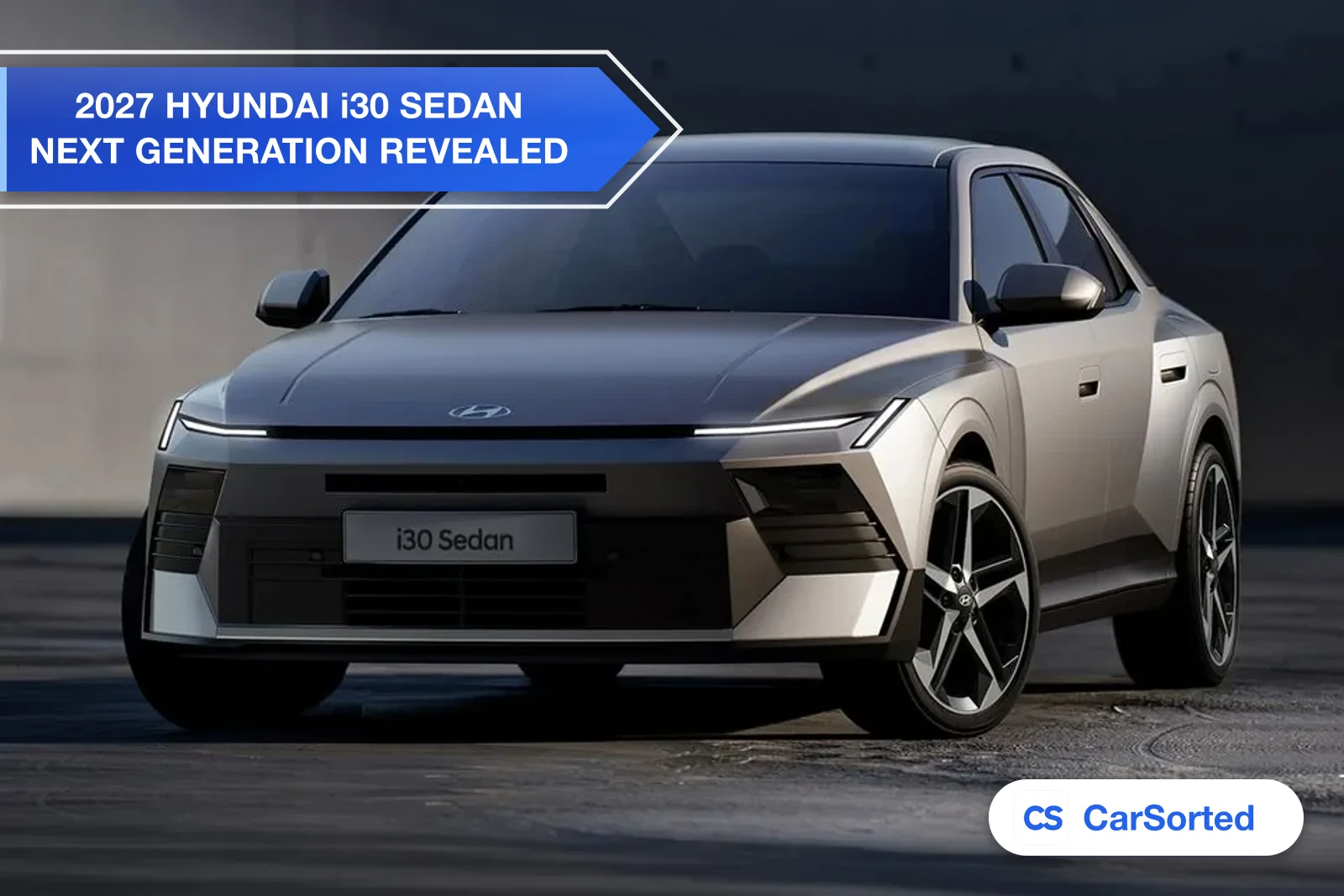
New Hyundai i30 Sedan Revealed in Los Angeles: Bigger Inside, New Look, and a Hybrid-Only Australian Range Is Reported
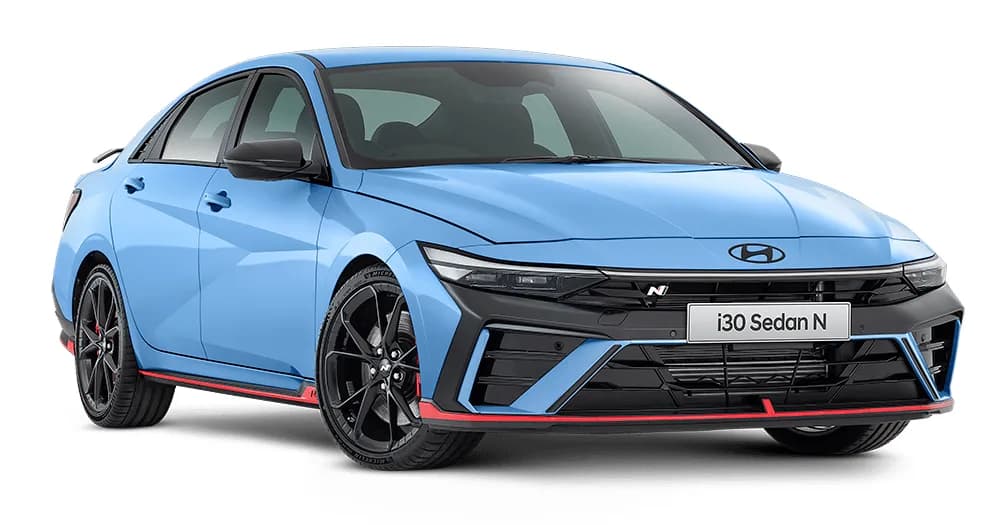
Hyundai i30 Sedan N Monochrome Confirmed for Australia: 200 Cars, Manual and DCT, Due in November
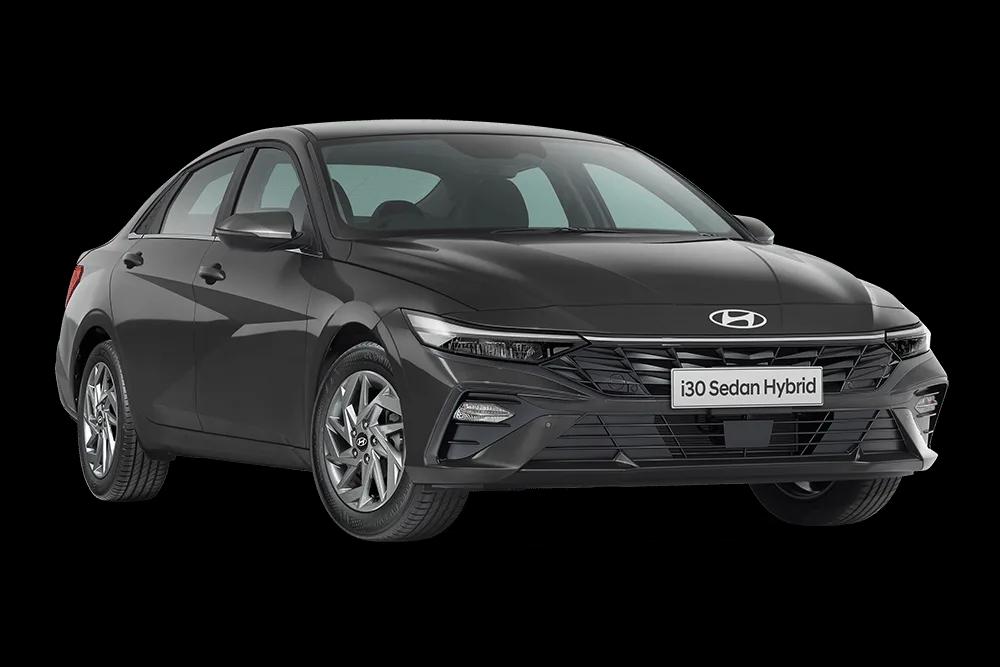
Hyundai i30 Sedan Hybrid Recall Australia: 3,316 Cars Called Back Over a Fire Risk on REC-006714
Browse all 15,416+ cars · All Hyundai models · All Hatchbacks