Key Takeaways
- 15-year / 300,000 km ICCU warranty replaces previous 5-7 year cover
- Affects six models built between 2021 and 2024
- Mirrors the European policy. Triggered by customer reports of ICCU failures
- The ICCU is the EV's onboard charger and DC-DC converter, also runs the V2L function
- Kia EV9 and the latest MY26 EV6 are not covered
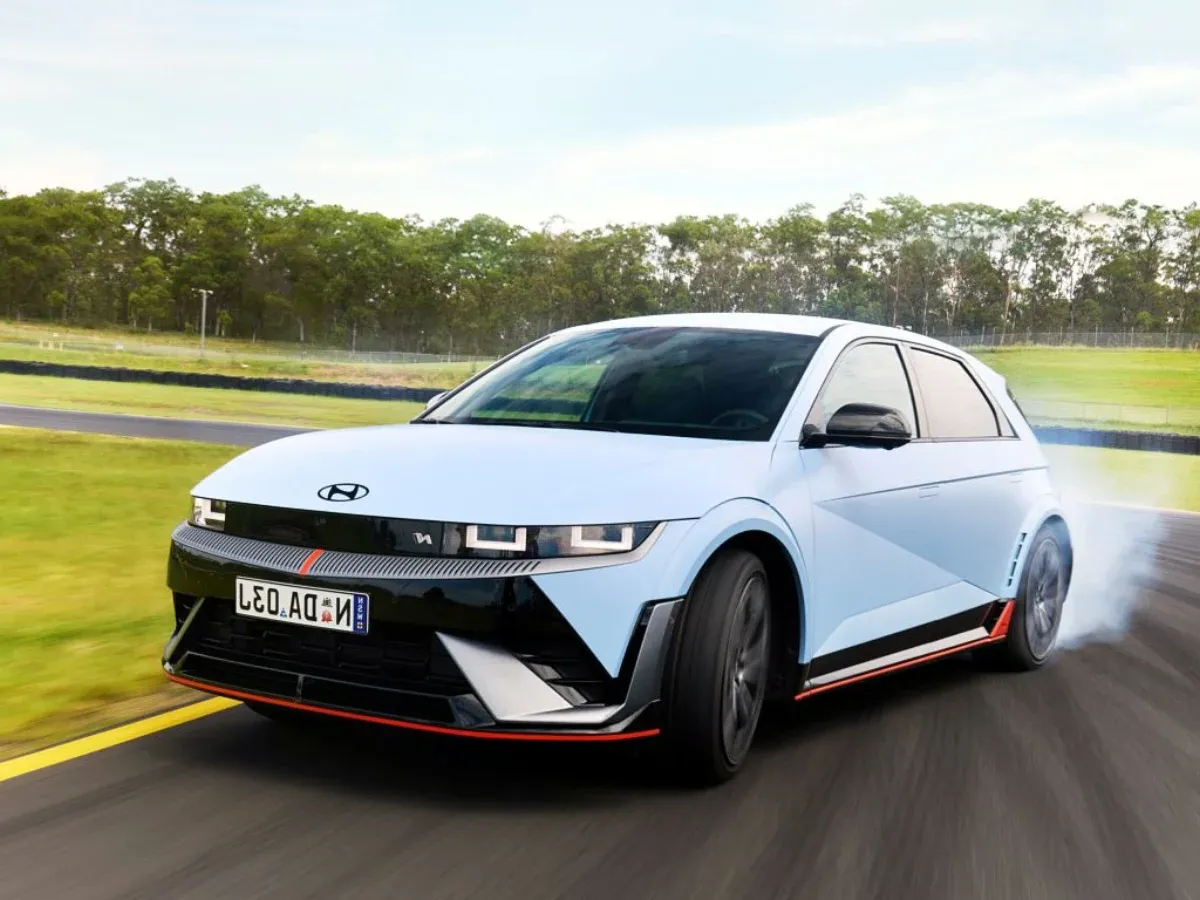
Image credit: Hyundai Australia
Hyundai, Kia and Genesis have rolled out an extended 15-year or 300,000 km warranty on the Integrated Charging Control Unit (ICCU) for early Australian deliveries of their E-GMP-platform EVs and a handful of related Genesis models. The new cover, which mirrors a similar move in Europe, follows customer reports of ICCU failures (some of which earlier triggered a recall covering a loss-of-motive-power risk).
The previous warranty terms were five years for Hyundai and Genesis, and seven years for Kia. The 15-year extension is a meaningful upgrade for buyers of secondhand E-GMP EVs in particular. It also resets one of the lingering question marks around resale value on early Ioniq 5 / EV6 / GV60 examples.
What is the ICCU and why does it matter?
The ICCU sits inside every E-GMP-platform EV and bundles two things into one box: the low-voltage DC-DC converter (the EV equivalent of an alternator, which keeps the 12V auxiliary battery topped up) and the bidirectional onboard charger, which converts AC power from a wall socket into DC for the high-voltage battery. The same hardware runs the reverse path for V2L (vehicle-to-load) output, the popular feature that lets you run a fridge or power tools off the car.
Replace one out of warranty and the bill is in the thousands. That is why the jump from a 5-year to a 15-year coverage window is a big deal for owners. It is one of the most expensive non-battery components on the platform.
Models covered
Hyundai Australia confirmed to media that the extension applies to specific build-date ranges. Here is the full list as it stands at publication:
| Model | Build dates | Currently from |
|---|---|---|
| Hyundai Ioniq 5 | 2 Apr 2021 – 14 Feb 2024 | $71,990 |
| Hyundai Ioniq 6 | 28 Jan 2022 – 12 Sep 2024 | $63,000 |
| Kia EV6 | All MY22, MY23, MY24 | $72,590 |
| Genesis GV60 | 6 Mar 2021 – 2 Oct 2024 | $110,700 |
| Genesis G80 Electrified | 9 Jun 2021 – 2 Oct 2024 | $132,000 |
| Genesis Electrified GV70 | 2 Mar 2022 – 10 Oct 2024 | $127,800 |
The G80 EV and GV70 EV ride on different platforms to the rest of the list (they are EV conversions of existing combustion models rather than purpose-built E-GMP cars), but they share enough drivetrain hardware with the E-GMP cars to be caught by the same fault pattern.
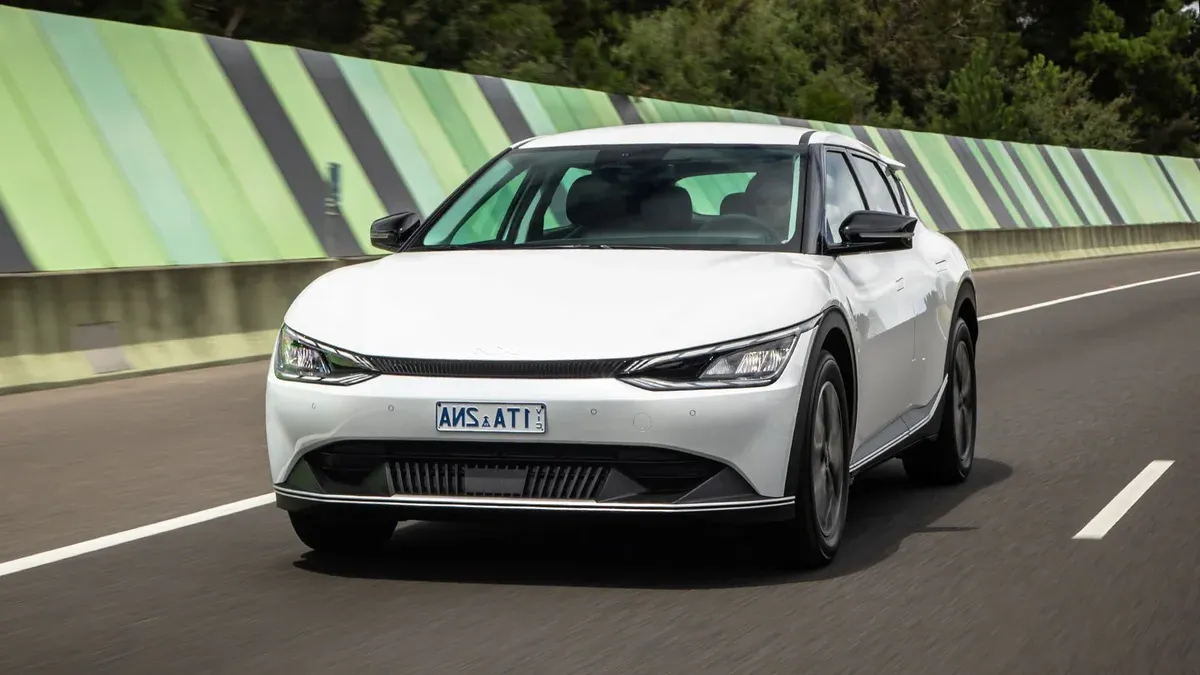
Image credit: Kia Australia
What is not covered
Kia Australia has been explicit that the EV9 and the freshly facelifted MY26 EV6 are not part of this extension. That likely reflects either a revised ICCU design or different supplier lot, and is consistent with Kia's framing of this as a fix for a known build-window issue rather than a blanket platform-wide concession.
Hyundai's Elexio mid-size SUV (built in China) and the upcoming Ioniq 3 hatch use a different platform too, and are not affected.
What it means if you are buying one used
For secondhand buyers this is genuinely good news. A 2022 Ioniq 5 bought today still has 11 to 12 years of ICCU coverage left on it under the new policy, plus its remaining factory new-vehicle warranty. The 300,000 km cap is high enough that almost no privately driven EV will hit it.
Combined with the broader EV battery warranty conventions already in place (typically 8-10 years on the high-voltage pack), the practical effect is that the most expensive parts of the car (battery + ICCU) are now mostly covered for the lifetime that an Australian buyer is likely to keep the vehicle.
If you are looking at a used Kia EV6, Ioniq 6 or Genesis GV60, get the dealer to confirm the VIN has had any outstanding ICCU recall remedies completed. The extended warranty applies regardless, but you don't want a known failure mode hanging over the car.
The bigger picture
Hyundai-Kia-Genesis is not the only manufacturer to push warranty terms outwards in response to early-EV reliability concerns. Tesla offers an 8-year drive-unit warranty on Model S/X, and BYD's blade-battery cars like the Atto 1 ship with an 8-year battery warranty by default. The Korean group's 15-year ICCU policy is at the upper end of what any mainstream brand currently offers on a single drivetrain component.
For owners of MY22-MY24 E-GMP cars, the uncertainty around long-term ICCU reliability has been one of the louder complaints in owner forums and trade-in valuations. This extension does not fix the underlying engineering question, but it does answer the financial one.
Related: Best Electric Cars in Australia 2026 | Best EVs Under $50K (2026) | Australian EV Sales: Record March 2026
Disclaimer: Build-date ranges and model coverage are sourced from Hyundai Australia, Kia Australia and Genesis Australia statements at the time of publishing. Warranty terms apply from the date of first registration in Australia and may differ in other markets. Owners should confirm individual VIN status and any outstanding recall remedies with their authorised dealer.
Compare these picks side by side
Stack 6 of them on 200+ specs, price, safety and running cost in one view.
Compare all 6 nowFrequently Asked Questions
What is the ICCU?
Which models are covered by the new 15-year ICCU warranty?
Is the EV9 covered?
What changed and why?
Do I need to do anything?
Does this apply to second-hand buyers?
New cars, real prices, straight to your inbox
Join the CarSorted mailing list for new-model launches, price drops and drive-away deals, honest reviews, and founding-member pricing on the upcoming CarSorted Pro Report.
- New-model launches
- Price drops & deals
- Honest reviews
No spam, unsubscribe anytime. By subscribing you agree to receive marketing emails.
Disclaimer: All information in this article was believed to be correct at the time of publishing (5 May 2026). Prices are manufacturer recommended retail prices (RRP) and may vary by state, dealer, and options. Specifications, government incentives, and rebates can change without notice. Always verify details with the manufacturer or relevant authority before making a purchase decision. Running cost estimates are based on average Australian driving conditions at 15,000 km/year. CarSorted does not accept payment for recommendations or rankings.
Written by Uzzi, CarSorted Editorial Team · 5 May 2026 · how we research
Comments (0)
Sign in to join the conversation
No comments yet. Be the first!