Key Takeaways
- Pricing before on-road costs: XSE PHEV 2WD $58,840, XSE PHEV AWD $63,340, GR Sport PHEV AWD $66,340
- First Toyota plug-in hybrid sold in Australia, deliveries from late June 2026
- 22.7kWh lithium-ion battery, up to 100km WLTP electric-only range
- Combined output 200kW (2WD) or 227kW (AWD), 0-100 in the low-six seconds for the GR Sport
- First RAV4 PHEV with 50kW DC fast charging, plus 11kW three-phase AC
- 1,500kg braked towing AWD, 800kg 2WD, ~655L PHEV boot, not yet ANCAP rated
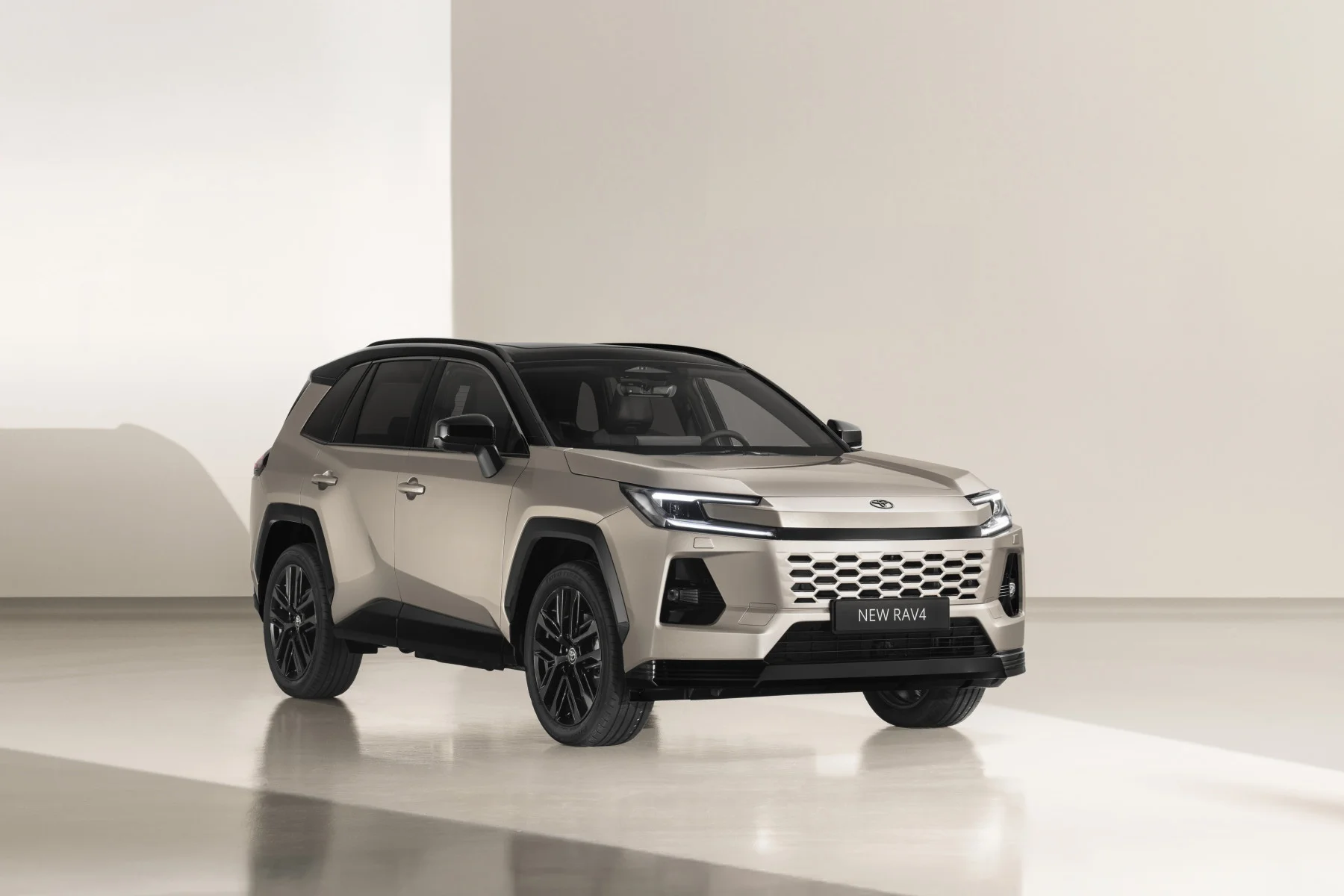
Image credit: Toyota Australia
If you have been holding out for a plug-in Toyota RAV4, the wait is nearly over. Toyota Australia has confirmed the sixth-generation RAV4 PHEV will start arriving in dealerships from late June 2026, making it the first plug-in hybrid Toyota has ever sold locally. Three grades are coming, all built around a 22.7kWh battery and a claimed 100km of WLTP electric-only range, with pricing from $58,840 plus on-road costs.
For buyers cross-shopping the Mitsubishi Outlander PHEV, BYD Sealion 6 or even the new Chery Tiggo 7 Super Hybrid, this changes the maths. Toyota brings the brand-and-resale story plug-in rivals still struggle to match, but it does it at a price that puts the RAV4 PHEV in the same ballpark as a top-spec Outlander, not below it. The case for the new PHEV is about how much you actually drive on the battery, and we will walk through that below using our own running-cost data.
Pricing
Toyota has stuck with a three-grade PHEV line for Australia. The XSE opens the door at 2WD or AWD, and the GR Sport sits on top as an AWD-only flagship with its own steering, dampers and a wider rear track. All prices are RRP before on-road costs.
| Powertrain / Grade | Drive | RRP (excl. ORC) |
|---|---|---|
| RAV4 XSE PHEV | 2WD | $58,840 |
| RAV4 XSE PHEV | AWD | $63,340 |
| RAV4 GR Sport PHEV | AWD | $66,340 |
Current price on CarSorted: Toyota RAV4 XSE PHEV AWD $63,340 RRP, as at 6 Sep 2026; Toyota RAV4 GR Sport PHEV AWD $66,340 RRP, as at 6 Sep 2026; Toyota RAV4 GXL Hybrid AWD $52,340 RRP, as at 6 Sep 2026; Mitsubishi Outlander ES 2WD $39,990 RRP, as at 25 Jun 2026.
The PHEV slots in roughly $13,000 above the equivalent RAV4 GXL Hybrid AWD, but the GR Sport flagship is also $7,500 dearer than the next-rung-down PHEV, so picking a grade is not a small decision. For most buyers, the XSE AWD at $63,340 will be the sweet spot of the range. It is the cheapest way into the full 227kW dual-motor setup.
Powertrain and Charging
Underneath the PHEV badge is a 2.5-litre four-cylinder petrol engine paired with one or two electric motors and a 22.7kWh lithium-ion pack. The XSE 2WD uses a single front motor for a 200kW combined system output, while the XSE AWD and GR Sport AWD add a rear motor to bump that figure to 227kW, which is the highest combined output ever quoted for an Australian-delivered RAV4.
Toyota Australia says the new PHEV is good for up to 100km of electric-only running on the WLTP cycle. That is the electric-only headline, not a combined figure that includes the petrol engine, and it is well above the 84km the previous Outlander PHEV manages on the same test. Toyota has also enabled DC fast charging on the PHEV for the first time, with a peak rate of 50kW. AC charging is sorted by an 11kW three-phase on-board charger, double what most home wallboxes deliver on single phase.
| Spec | XSE PHEV 2WD | XSE / GR Sport PHEV AWD |
|---|---|---|
| Petrol engine | 2.5L 4-cyl Atkinson | 2.5L 4-cyl Atkinson |
| Combined power | 200kW | 227kW |
| Battery | 22.7kWh lithium-ion | 22.7kWh lithium-ion |
| EV range (WLTP) | up to 100km | up to 100km |
| AC charging | 11kW (3-phase) | 11kW (3-phase) |
| DC charging | 50kW | 50kW |
| Drive | FWD (front motor only) | AWD (front + rear motors) |
| Braked towing | 800kg | 1,500kg |
| Boot (PHEV) | ~655L | ~655L |
The 11kW three-phase AC charger is a real point of difference. If you have three-phase power at home, Toyota reckons you can replenish the battery in around two and a half hours, comfortably within an overnight off-peak window. On a more typical 7kW single-phase wallbox you are looking at roughly three and a half hours from low to full, still a no-fuss overnight job.
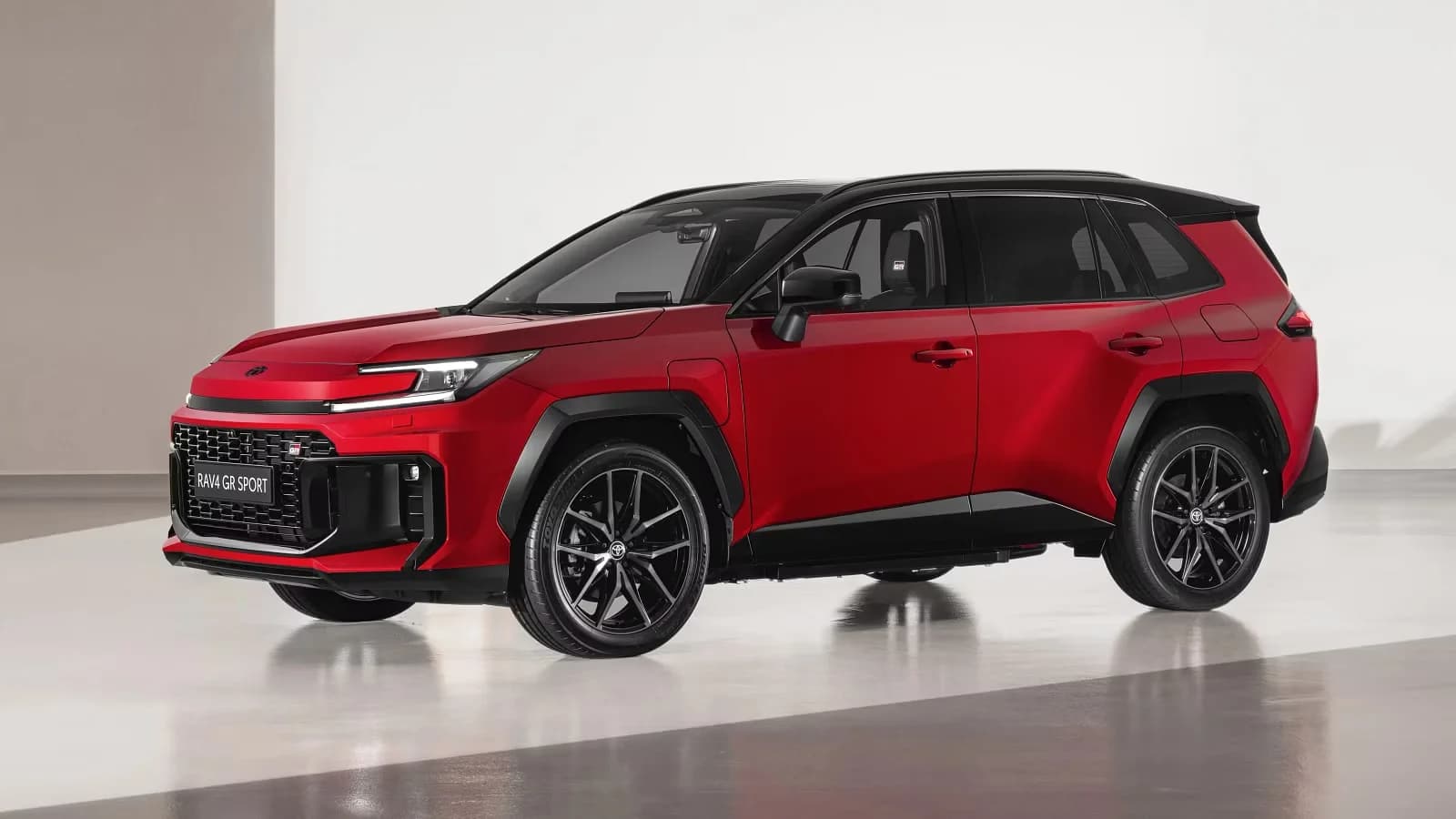
Image credit: Toyota Australia
Equipment
Toyota has lifted XSE specification meaningfully on the PHEV. Standard kit includes a 12.9-inch infotainment screen with wireless Apple CarPlay and Android Auto, a 12.3-inch digital driver display, eight airbags including a centre front airbag, full-LED lighting, heated and ventilated front seats on AWD grades, dual-zone climate, wireless phone charging and embedded satellite navigation. Toyota Connected Services is included for a multi-year subscription with remote charge scheduling via the app, which is essential for getting cheap overnight power.
The GR Sport adds 20-inch twin-spoke black alloys, red brake callipers, GR-tuned steering and dampers, a wider rear track, perforated leather sport seats with grey contrast stitching, GR scuff plates and unique badging. None of that is going to turn the family SUV into a hot hatch, but it does buy you a noticeably keener chassis tune than the XSE.
Safety
ANCAP has not yet rated the sixth-generation RAV4. Toyota Australia has flagged a mid-life running change later in 2026 to clear the stricter 2026 protocols, and the PHEV is on the same path. Active safety kit is generous in the meantime, with autonomous emergency braking that recognises pedestrians and cyclists, intersection turn assist, blind-spot monitoring, rear cross-traffic alert with AEB, adaptive cruise with curve speed assist, lane-trace assist and a Toyota Teammate parking pack on higher grades. Eight airbags are standard, including a centre airbag between the front seats and a driver knee airbag.
For a deeper read on how ANCAP star ratings work and why some 2026-arrival cars are showing up unrated, see our ANCAP guide.
How It Compares
The natural rival is the Mitsubishi Outlander PHEV Exceed, which lists at $59,990 RRP in our database with 84km of EV range, seven seats and a 10-year/200,000km warranty. Against the XSE PHEV 2WD at $58,840, that is the cleanest like-for-like cross-shop, and the RAV4 actually undercuts the Outlander on RRP for the first time. Move up to the XSE AWD at $63,340 and the Outlander becomes the cheaper buy, but you give up that 100km Toyota EV figure and the new 50kW DC charging.
Our existing Outlander vs RAV4 comparison covered Hybrid against PHEV. The new PHEV grade now lets you put plug-in against plug-in, which is a fairer fight. The other contender is the BYD Sealion 6 Premium AWD at around $52,990 driveaway with 80km of EV range, undercutting both Toyota and Mitsubishi by a wide margin if you are willing to swap brand legacy for a much fresher Chinese product.
CarSorted Cross-Shop
On CarSorted, the Mitsubishi Outlander PHEV Exceed lists at $59,990 with 185kW combined, 84km of EV range and a 1,500kg braked tow rating. The RAV4 XSE PHEV AWD at $63,340 is $3,350 dearer, gives you 42kW more (227kW vs 185kW), the same towing, and 16km more electric range on paper. The Outlander still wins on seats (seven vs five) and warranty (10 years vs five).
Our running-cost database has the Outlander PHEV at roughly $5,200 a year all-in for an average Sydney commuter who plugs in nightly. The new RAV4 PHEV should sit close to that, probably $5,000 to $5,600 depending on how often you actually use the battery and how much three-phase home charging you can lean on. Either way, both PHEVs cut roughly $3,000 a year off the comparable RAV4 Hybrid for buyers who can charge at home most nights. Build your own side-by-side at /compare/toyota-rav4-vs-mitsubishi-outlander or browse the full plug-in segment via the CarSorted directory PHEV filter.
Warranty and Servicing
Toyota covers the RAV4 PHEV with the brand-standard five-year, unlimited-kilometre warranty. The hybrid battery has a separate up-to-ten-year warranty if you complete the annual Toyota Hybrid Service Check. Capped-price servicing is set at $325 per visit for the first five visits or 75,000km, whichever comes first, identical to the rest of the RAV4 range.
That five-year base term is mid-pack against rivals. Mitsubishi runs ten years on the Outlander, BYD six years on the Sealion 6, and GWM offers seven across the Haval H6 PHEV. Toyota is leaning on its resale and dealer footprint to make up the difference, and the data on RAV4 retained values says that argument still works in 2026.
Image credit: Toyota Australia
What This Means for Buyers
If you have been waiting on a Toyota plug-in hybrid for years, late June is finally your moment. The numbers that matter for daily use are 100km of WLTP electric range, 11kW three-phase AC charging and 50kW DC, and that combination puts the RAV4 PHEV near the top of the mainstream PHEV pile on paper.
Where it gets interesting is the cross-shop. Against the Outlander PHEV at $59,990 in our database, the entry RAV4 XSE PHEV 2WD at $58,840 is a fair fight on price but loses on seat count and warranty. The XSE AWD at $63,340 is $3,350 more than the Outlander Exceed and only justifies itself if the bigger electric range and Toyota servicing network matter more than seven seats. Against the BYD Sealion 6 at around $52,990 driveaway, the RAV4 PHEV is a $10,000-plus premium for what is, on paper, a slightly more polished and better-supported product, and that one comes down to brand confidence as much as anything else.
For a metro buyer who can plug in nightly, the 100km of EV range covers most weekday driving without firing the petrol motor. Our maths puts the running-cost gap between this PHEV and the cheaper RAV4 GXL Hybrid AWD at roughly $3,000 a year, which means the $13,000 price-up takes a bit over four years of nightly charging to pay back on fuel alone. Country buyers who rarely plug in should stick with the Hybrid. City buyers who can lean on overnight power should absolutely look at this PHEV.
Order books are open at Toyota dealers right now. If you want to short-list against the rest of the plug-in mid-size SUV pack first, jump into the CarSorted directory, or run a head-to-head at /compare/toyota-rav4-vs-mitsubishi-outlander.
Disclaimer: Specifications and pricing are sourced from Toyota Australia. Prices are RRP excluding on-road costs unless stated. The 100km electric-only figure is the WLTP test result quoted by Toyota and is not a guarantee of real-world range, which varies with driving style, payload, climate control use, ambient temperature and battery state of charge. ANCAP rating remains pending at the time of publication.