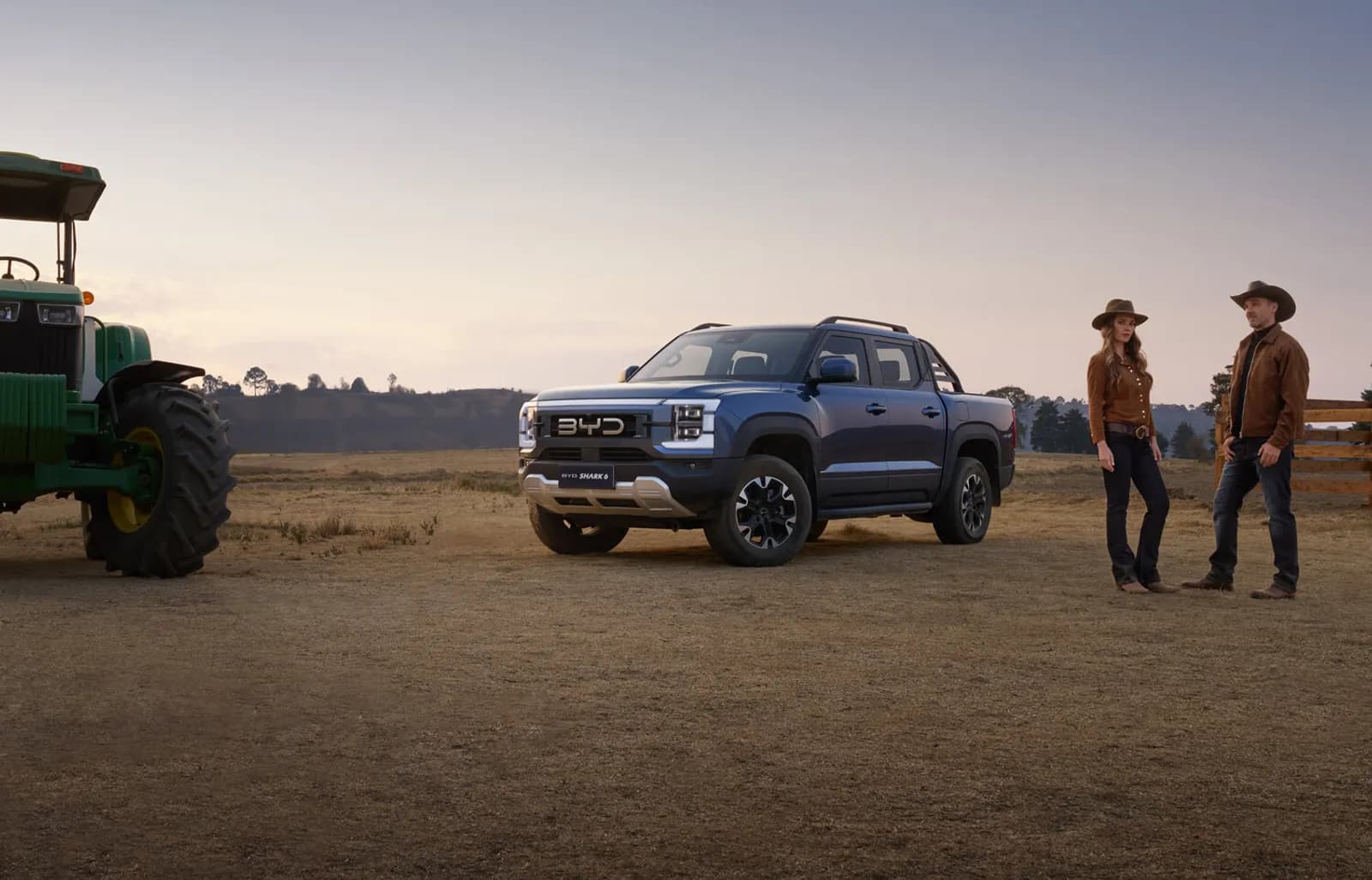
Image credit: BYD Australia
Electrification has finally reached Australia's favourite type of vehicle. There are now plug-in hybrid, mild-hybrid and fully electric utes on sale, all promising lower running costs without giving up the load tray. With fuel prices where they are, interest in electrified pickups has jumped, and the field has gone from one option to a genuine shootout in barely 18 months. But which one is actually worth your money, and which are just wearing the badge? We have ranked them all on the numbers that matter to a working ute, price, real electric range, towing, payload and running cost, This is our buyer-focused take, ranked on the numbers.
The state of electrified utes in Australia
Two things drove this wave. The first is money: Australians are doing everything they can to dodge the bowser, and a ute that can do the daily commute on cheap home electricity is suddenly very appealing. The second is regulation. The New Vehicle Efficiency Standard (NVES) now penalises high-CO2 vehicles, and utes are the country's biggest-selling, highest-emitting category, so every brand needs a low-emissions ute to balance its books. The result is a flood of plug-in and electric pickups, led by Chinese brands that got there first.
They fall into three camps. Plug-in hybrids (PHEVs) like the GWM Cannon Alpha, BYD Shark 6 and Ford Ranger Hybrid pair a battery you charge with a petrol engine for back-up, the best of both worlds for most buyers. Pure electric (EV) utes like the KGM Musso EV promise the lowest running costs of all, but give up towing and long-distance flexibility. And mild hybrids like the 48V Toyota HiLux barely move the needle, they trim fuel use a touch but you can't drive them on electricity. Here is how the genuinely electrified options stack up.
Best electrified utes at a glance
| Ute | Type | Price From | EV Range | Towing |
|---|---|---|---|---|
| GWM Cannon Alpha PHEV | PHEV | $52,990 | ~115km | 3,500kg |
| BYD Shark 6 | PHEV | $57,900 | ~100km | 2,500kg* |
| JAC Hunter PHEV (coming) | PHEV | under $50,000 | long* | 3,500kg |
| KGM Musso EV | EV | $60,000 | 420km | 1,800kg |
*BYD Shark 6 Performance tows 3,500kg. JAC Hunter PHEV claims ~1,005km NEDC combined range; figures unconfirmed until launch.
1. Best overall: GWM Cannon Alpha PHEV
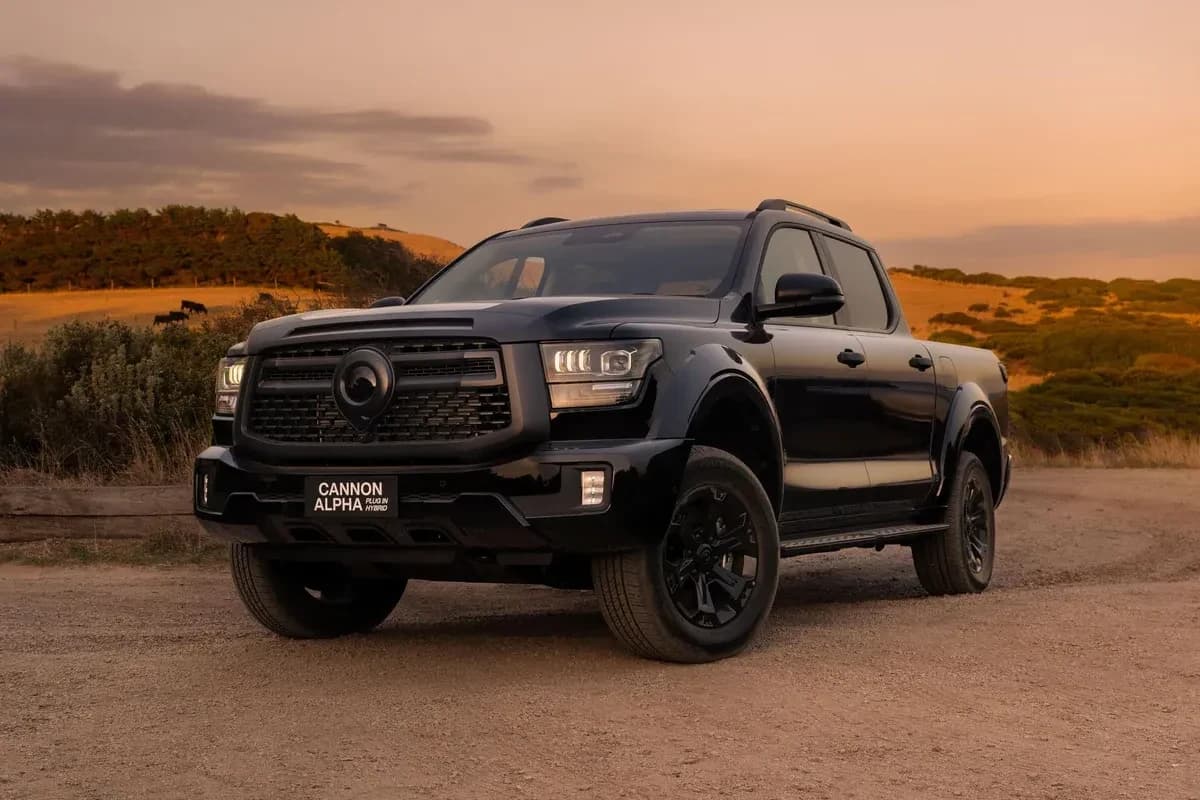
Image credit: GWM Australia
The GWM Cannon Alpha PHEV (from $52,990 drive-away) is the one we would point most buyers to, and it is no accident it keeps topping comparison tests. It pairs a 300kW/750Nm plug-in system with the biggest battery of any plug-in ute here, a 37.1kWh pack good for around 115km of claimed electric range, so a lot of owners will do their entire week of commuting and errands without touching petrol. It tows the full 3,500kg braked, runs three diff locks for genuine off-road work, and is one of the most affordable options in the segment. With the battery flat it returns about 1.7L/100km on the combined cycle, or roughly 7.9L/100km running purely as a hybrid once the charge is gone.
It is not flawless. The infotainment is starting to feel dated, the driver-assistance tech can be intrusive (you will want to learn how to dial back the speed-sign warnings), and the spare-tyre integration is awkward. But it rides more like an SUV than a workhorse, the cabin is genuinely plush, and on raw value and capability nothing else in the segment touches it. It is backed by a 5-star ANCAP rating and GWM's 7-year warranty. If you want one ute that does everything, this is it.
2. Best daily driver: BYD Shark 6
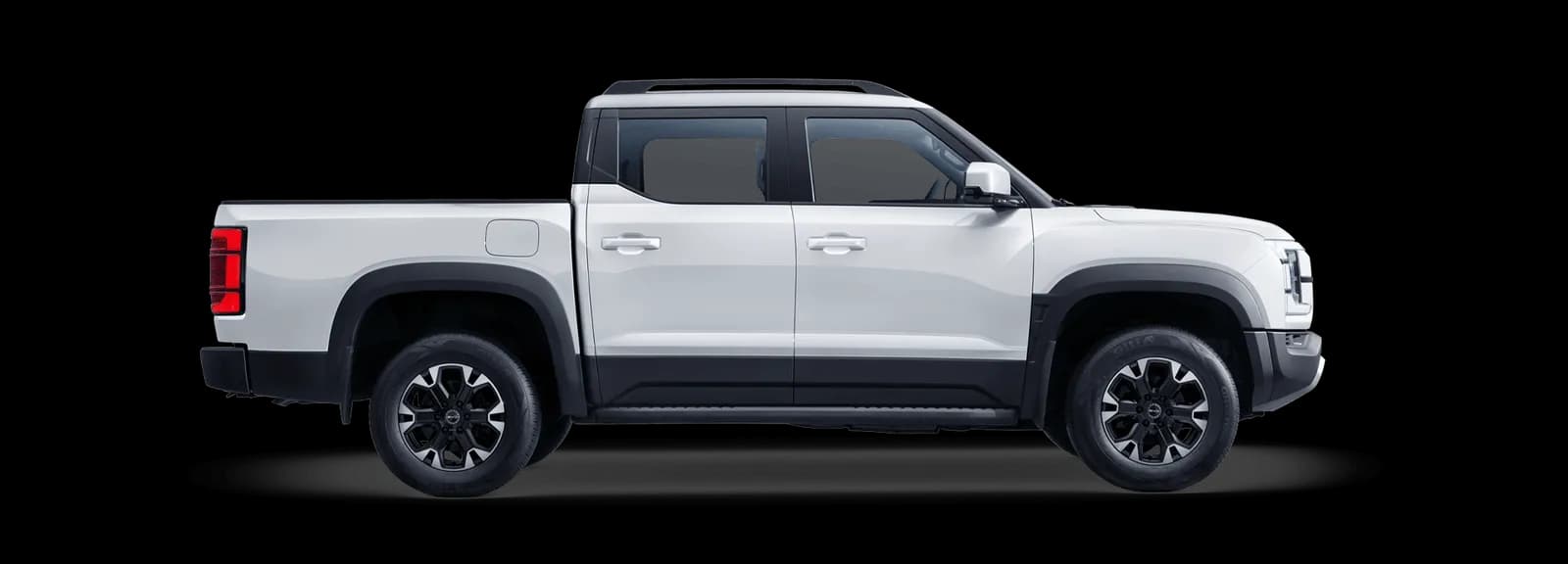
Image credit: BYD Australia
The BYD Shark 6 (Premium from $57,900) has become a genuine sales phenomenon, and the numbers explain why. Its 321kW plug-in system is the most powerful in this group, ahead of the Cannon Alpha PHEV on 300kW, and because the drive is electric-first it runs silently at low speed where a diesel is at its loudest. Around 100km of electric range covers most commutes on zero fuel, and like the others it offers vehicle-to-load (V2L) so you can run power tools or a campsite fridge straight from the tray.
The trade-offs are real, though. The standard Shark 6 tows 2,500kg rather than the magic 3,500kg, which rules it out for some caravan owners, although the new Shark 6 Performance ($55,900) fixes that with a stronger driveline, upgraded brakes and suspension. Off-road it is less hardcore than the GWM or the Ranger. But if your ute spends more time on the highway and the school run than at the worksite, the Shark 6 is the nicest thing here to drive every day. 5-star ANCAP, 6-year warranty.
4. Cheapest, and coming soon: JAC Hunter PHEV
The JAC Hunter PHEV opens reservations from under $50,000 plus on-road costs, which would make it among the cheapest plug-in utes in Australia when deliveries start around the third quarter of 2026. JAC quotes a combined 360kW, a 31.2kWh battery, a claimed 1,005km of combined range (that is a generous NEDC figure, so treat it with healthy scepticism until we see WLTP numbers) and the full 3,500kg towing, backed by a 7-year warranty. The Hunter X flagship adds front and rear locking diffs for serious off-road buyers.
It has not been ANCAP-tested yet and the specs are unconfirmed until launch, so we are not ranking it above the proven options. But on paper it is shaping as the new value benchmark, and if your budget is tight it is worth waiting a few months to see how it lands. We will update this guide the moment JAC confirms Australian pricing and the WLTP range.
Best electric (EV) utes, if you don't tow heavy
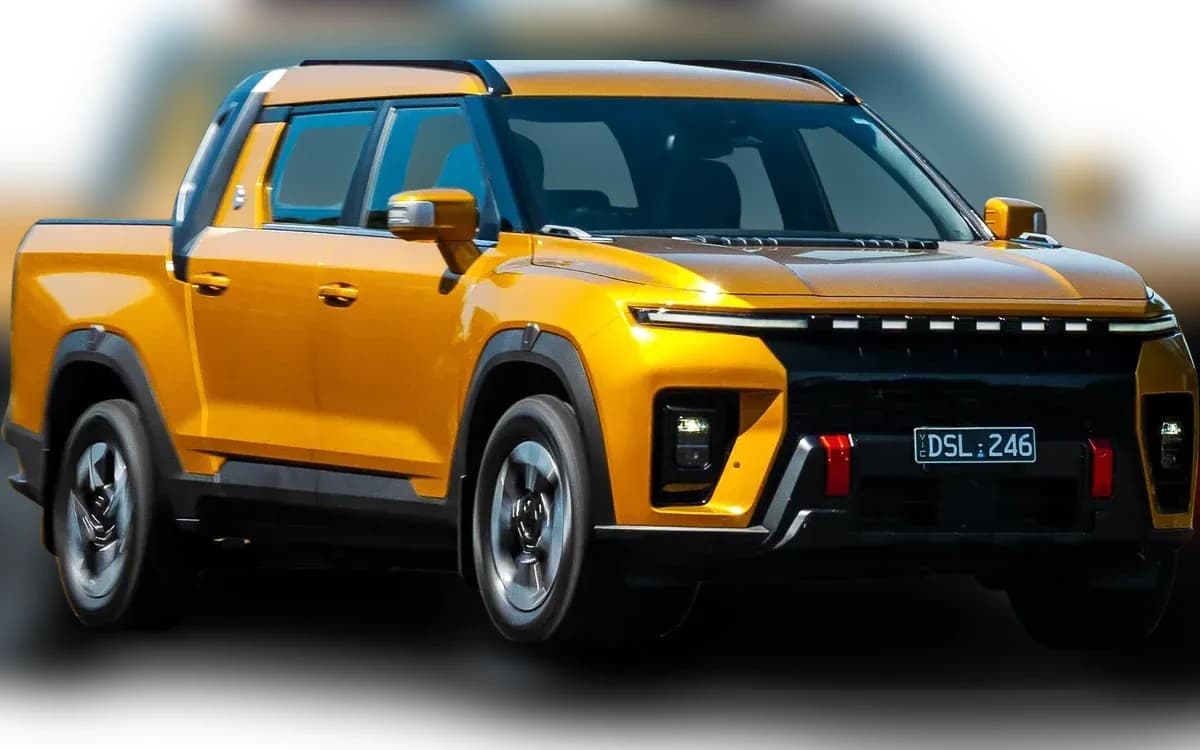
Image credit: KGM Australia
Pure-electric utes promise the lowest running costs of all, no petrol at all, but in 2026 they ask you to give up towing capacity and long-distance flexibility:
- KGM Musso EV, from $60,000. the range leader at 420km WLTP from an 80.6kWh battery, and the most ute-shaped of the EVs. But it tows just 1,800kg, so it is best for urban and light-trade work rather than caravan duty. No ANCAP rating in our data, 7-year warranty.
For the full electric-only breakdown, including upcoming models like the MG U9 EV and Chery KP31, see our dedicated best electric utes guide. One to skip: the older LDV eT60 is now well off the pace at nearly $100,000 with just 1,000kg of towing and 330km of range.
PHEV vs EV vs hybrid: which type should you buy?
This is the question that actually matters, and the answer depends on how you use a ute:
- Plug-in hybrid (PHEV) is the sweet spot for most Australians. You charge it at home, do the daily 40-60km on electricity for next to nothing, then it runs as a normal hybrid with full petrol range for towing, road trips and the bush. No range anxiety, full 3,500kg towing (on most), and the fuel savings can be substantial if you plug in regularly.
- Pure electric (EV) makes sense if your work is light and local, your daily distances fit comfortably inside the range, and you can charge easily. You get the lowest running cost and zero tailpipe emissions, but you sacrifice towing (1,800-2,000kg) and you will plan around charging on longer trips.
- Mild hybrid (MHEV), like the 48V Toyota HiLux V-Active, is barely electrified. It adds a smoother stop-start and trims fuel use a little, but you cannot drive it on electricity and the savings are modest. Don't pay a big premium for the badge.
Want to go deeper on the plug-in trio specifically? Our best plug-in hybrid utes guide compares the Cannon Alpha, Shark 6 and Ranger Hybrid head to head on the details.
The real running-cost picture
Here is the honest maths, because this is where the marketing gets slippery. A plug-in hybrid ute only saves you serious money if you actually plug it in. Charged every night and driven mostly within its electric range, a Cannon Alpha or Shark 6 can cut your fuel bill by well over half, you are paying maybe $4-6 in home electricity for a daily commute that would cost $15-20 in diesel. Over a year of mostly-electric running, that is real money back in your pocket.
But run the battery flat and never charge it, and these utes drink around 7.9L/100km, no better than a good diesel, while carrying a heavy battery you paid thousands for. So the PHEV case rests entirely on your charging habits. If you have off-street parking and a power point, the numbers are compelling. If you live in an apartment or park on the street, a diesel or mild-hybrid ute may still cost you less to own. A pure EV ute is cheaper again per kilometre, but only if your duties fit the range and you are not paying for fast public charging on the regular.
Payload, towing and the battery-weight catch
The big trade-off nobody mentions in the ads: batteries are heavy. A plug-in or electric ute carries hundreds of kilos of battery, and because a ute's Gross Vehicle Mass is fixed, that weight comes out of your payload. Several electrified utes have noticeably lower payloads than their diesel equivalents, which matters if you load tools, a canopy and gear. The Ford Ranger Hybrid is the standout here, keeping its 800kg-plus payload, while some rivals dip closer to 600-700kg. On towing, the PHEVs hold the line at 3,500kg (the standard Shark 6 excepted, at 2,500kg), but the EVs drop to 1,800-2,000kg. If you tow a heavy caravan, that alone rules the pure-electric utes out, and points you firmly at a plug-in hybrid.
A word on "electrified" claims
Not every "electrified" ute is created equal, and some of the marketing is generous. The Toyota HiLux 48V V-Active is a mild hybrid: it cannot drive on electricity and the fuel savings are small. A full self-charging hybrid like the Toyota Tundra ($155,990) is a different animal entirely, a big, thirsty full-size truck with huge 4,500kg towing but a price to match. When a brand says "electrified", the only questions that matter are: does it plug in, and how far does it go on electricity? That is where the real fuel savings live, everything else is window dressing.
How to choose: the verdict
- Best all-rounder and value: GWM Cannon Alpha PHEV. biggest battery, 3,500kg towing, one of the cheapest plug-in utes
- Best daily driver: BYD Shark 6. Most power, longest electric-only range, quietest at low speed
- Most trusted, best for work and towing: Ford Ranger Hybrid. refinement, payload, dealer network
- Among the cheapest: JAC Hunter PHEV (from under $50k, arriving Q3 2026)
- Lowest running cost, light duties: KGM Musso EV (420km, but 1,800kg towing)
The honest bottom line: for most Australian ute buyers in 2026, a plug-in hybrid is the smart electrified choice, you get electric running for the daily grind plus full towing and petrol range for everything else. Go pure-electric only if your work is light and local and you can charge easily. And never forget the catch that applies to every one of them: the fuel savings are real only if you actually plug it in.
→ Compare the BYD Shark 6 vs GWM Cannon Alpha side by side