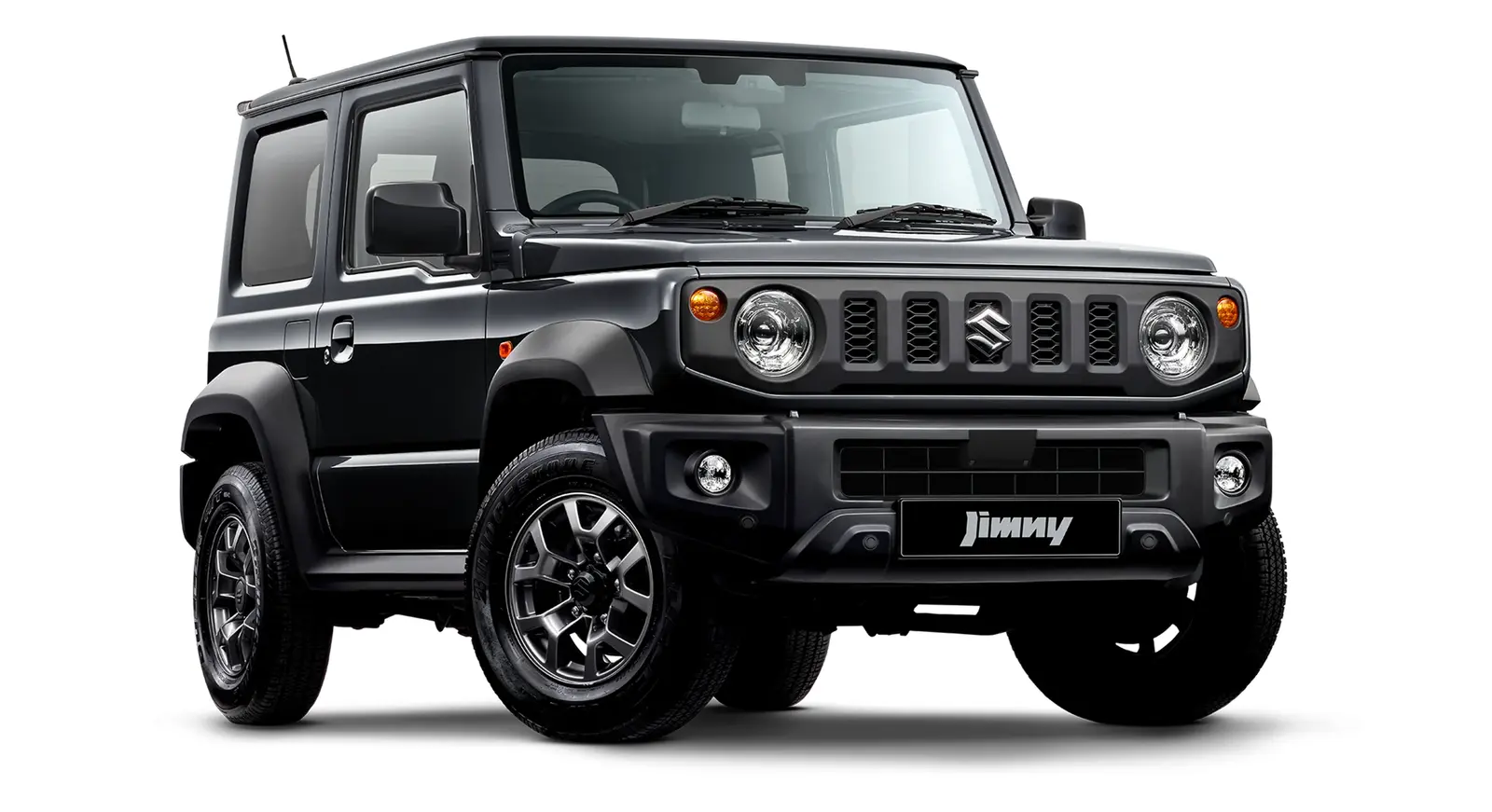
Buying your first car is one of the biggest financial decisions you'll make. This guide covers everything. From setting a realistic budget to understanding what specs actually matter, avoiding common traps, and making a decision you won't regret.
Step 1: Set Your Real Budget
Your budget isn't just the purchase price. Here's the full picture:
| Cost | New car (from $25k) | Used car (from $10k) |
|---|---|---|
| Purchase price | $25,000+ | $10,000+ |
| Stamp duty | $600-1,500 | $300-600 |
| Registration | $300-900/yr | $300-900/yr |
| CTP insurance | $400-700/yr | $400-700/yr |
| Comprehensive insurance | $1,200-2,500/yr | $800-1,800/yr |
| Fuel (15,000km/yr) | $1,500-3,000/yr | $1,500-3,500/yr |
| Year 1 total | $30,000-34,000 | $14,000-18,000 |
Rule of thumb: Your car costs (including loan repayments) shouldn't exceed 15% of your take-home pay.
CarSorted
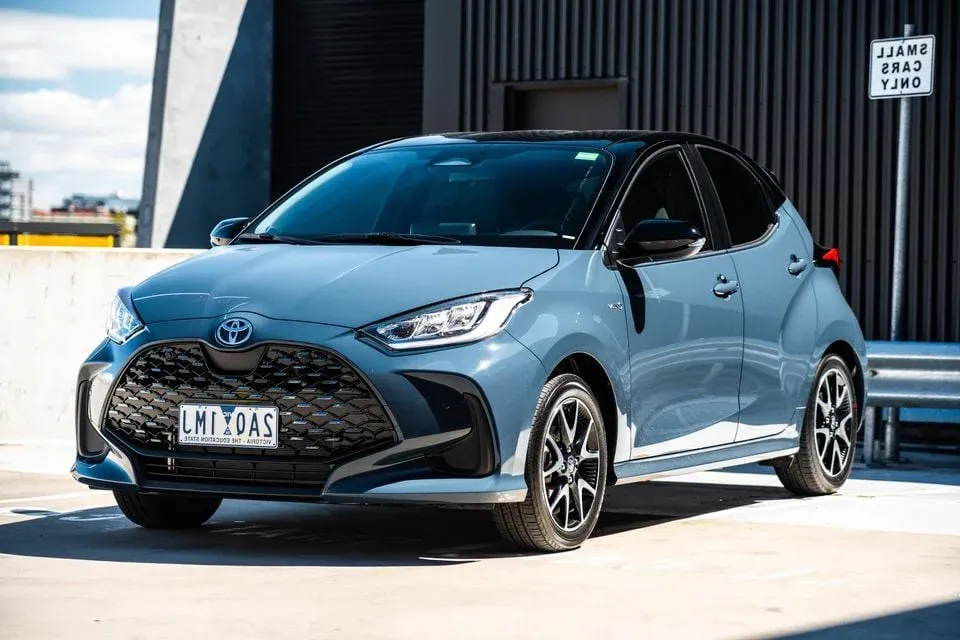
Track the Toyota Yaris
Free, and we email you when the price or a manufacturer offer changes.
Step 2: New vs Used
Buy New If:
- You want a full manufacturer warranty (3-7 years depending on brand)
- You want the latest safety tech (AEB, blind spot monitoring, lane keep)
- You can afford the higher depreciation in years 1-3
- You hate dealing with unknowns about a car's history
Buy Used If:
- You want more car for your budget (a $20k used car will be far nicer than a $20k new car)
- You're okay with fewer safety features (pre-2020 cars often lack AEB, blind spot monitoring)
- You're comfortable doing a pre-purchase inspection
- You want to avoid the steepest depreciation (years 1-3)
Compare these picks side by side
5 of them on 200+ specs, price, safety and running cost in one view.
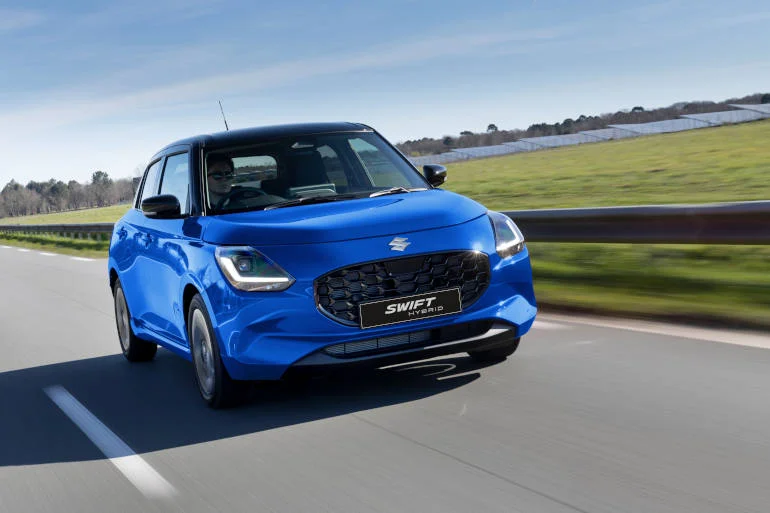
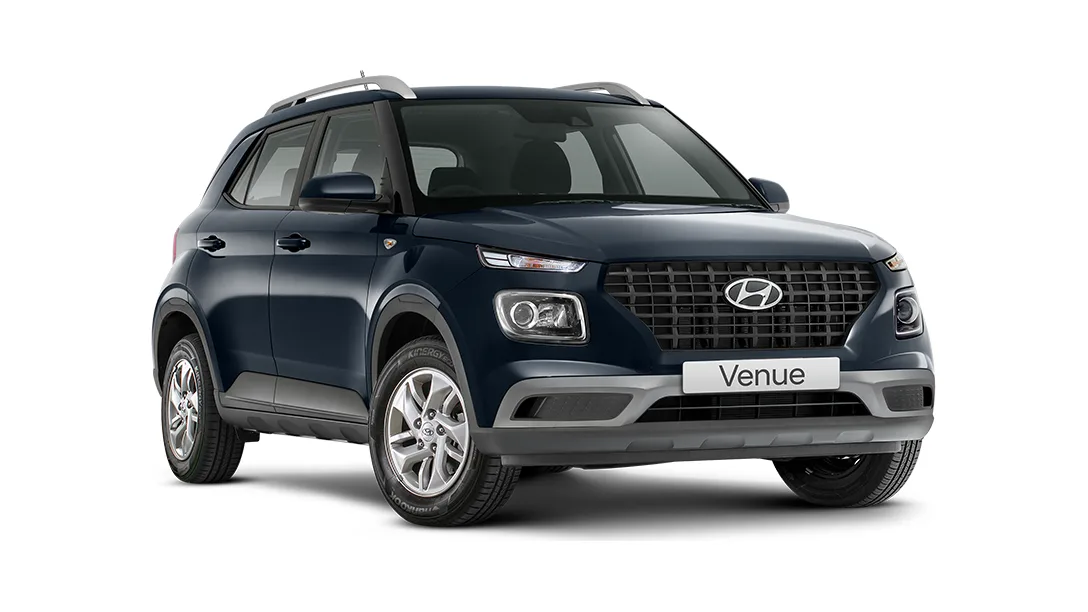
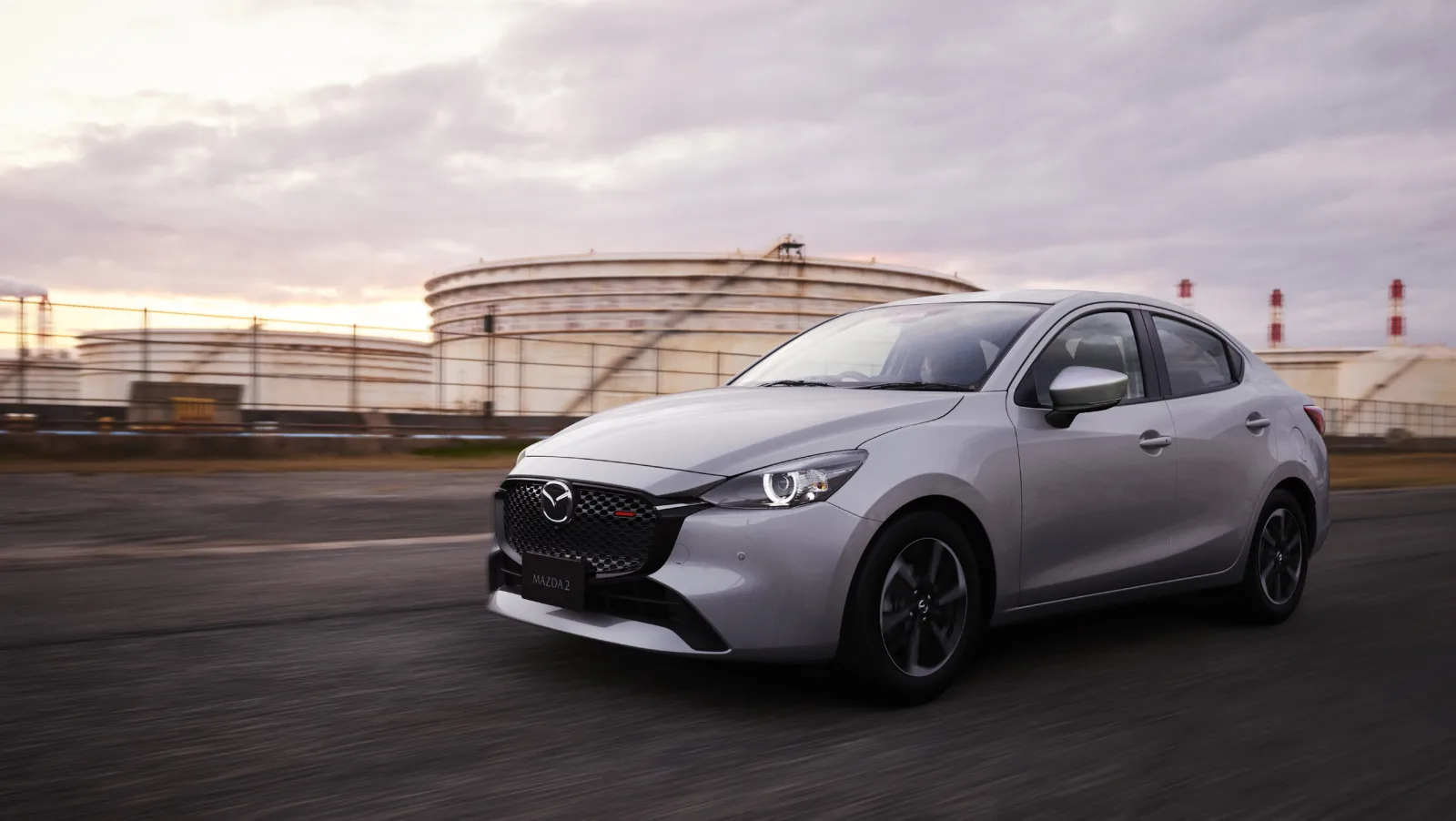
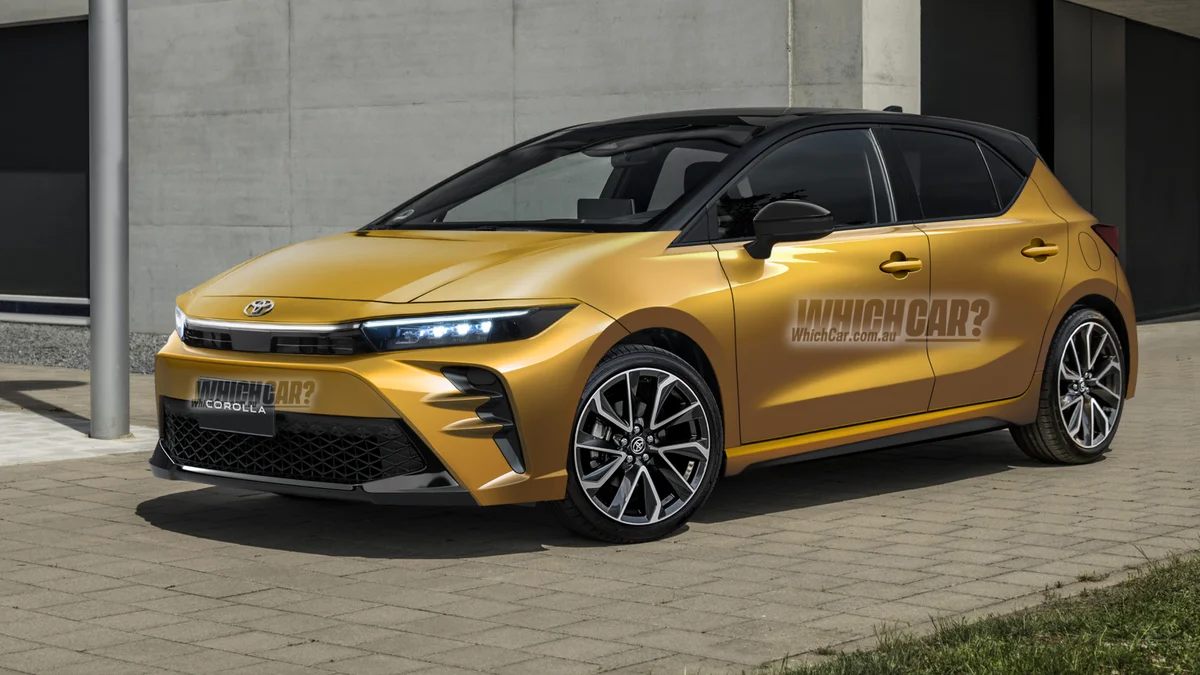
Each price is that car's stored figure with its basis and check date. Driva is an independent finance provider, not part of CarSorted. We aren't paid for this link.
Step 3: What Specs Actually Matter
Car specs can be overwhelming. Here's what actually affects your daily life:
Matters a lot:
- ANCAP safety rating. aim for 5 stars, especially if you're a new driver
- Fuel economy (L/100km). the difference between 6L and 10L costs you $1,200/year
- Boot space. check if your lifestyle fits (pram? sports gear? camping?)
- Insurance group. a sporty car can cost $3,000+/yr to insure for under-25s
- Visibility. sit in the car. Can you see out of it? Thick pillars = blind spots
Matters less than you think:
- 0-100km/h time. anything under 10 seconds is fine for daily driving
- Horsepower/kW. torque matters more for how the car feels in traffic
- Infotainment screen size. if it has Apple CarPlay, screen size is irrelevant
- Leather seats. cloth is easier to clean and cooler in Australian summers
Step 4: Buying Used. The PPSR Check
If buying privately, always run a PPSR check (Personal Property Securities Register). It costs ~$2 at ppsr.gov.au and tells you:
- Is the car stolen?
- Is there money owing on it (finance)?
- Has it been written off?
- Is it registered?
If a seller refuses to let you check, walk away. No exceptions.
Cars in this story
5 cars
Price shown is each car's stored figure with its basis and check date.
See all Toyota modelsStep 5: Financing
Options for first-time buyers:
- Savings. the best option. No interest, no debt.
- Personal loan (bank/credit union). typically 6-9% interest. You own the car.
- Dealer finance. convenient but often higher interest (8-14%). Read the fine print.
- Novated lease. only if your employer offers salary packaging. Can save on GST and income tax.
Avoid: "no deposit, drive away today" deals with balloon payments. The balloon at the end can be a nasty surprise.
Use our Repayment Calculator on any car page to estimate monthly payments at different interest rates.
Get the week's car price moves by email
Australia's free car comparison site. One email a week: verified price moves, new offers and car news. Unsubscribe anytime.
Step 6: The Test Drive
When you test drive, check:
- Visibility. can you see all corners? Check mirrors and blind spots
- Seating position. are you comfortable after 10 minutes? Imagine 2 hours
- Noise. drive on the highway. Is wind/road noise acceptable?
- Parking. park it. Is the turning circle manageable? Can you see the corners?
- Boot. put your actual shopping bags or equipment in it
- Back seats. sit in the back. Would your passengers be comfortable?
Step 7: Our First Car Recommendations
Based on safety, running costs, reliability, and value:
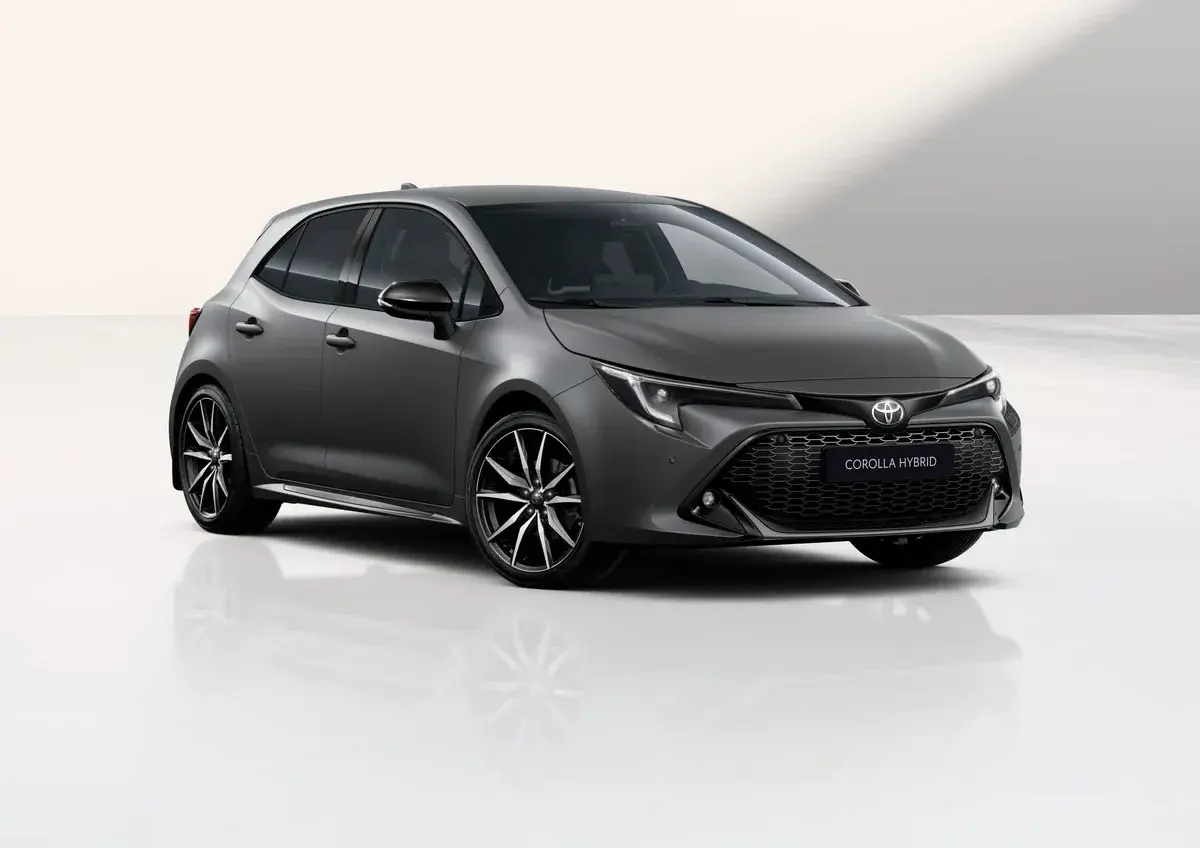
- Under $20k (used): Toyota Corolla (2018-2021), Mazda3 (2019-2021), Hyundai i30 (2018-2021)
- $20-30k (new): MG MG3, Suzuki Swift, Kia Picanto
- $30-40k (new): Toyota Yaris Cross, Hyundai Venue, Suzuki Vitara
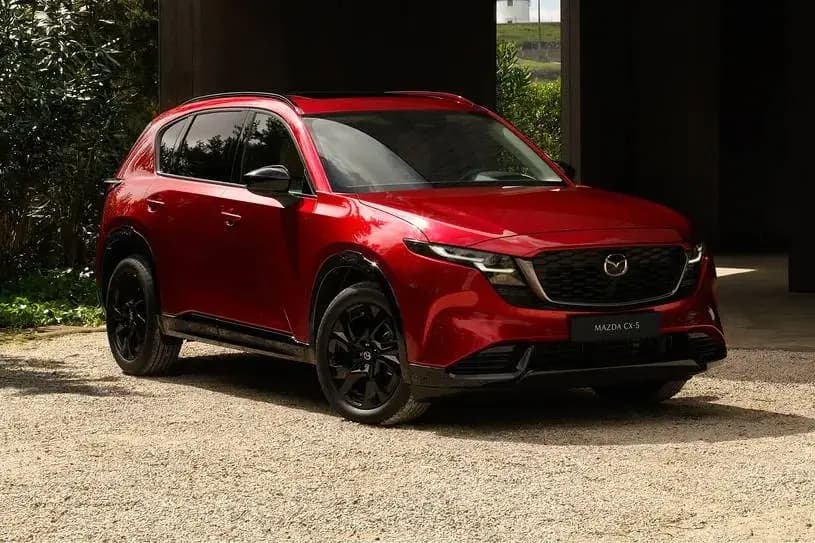
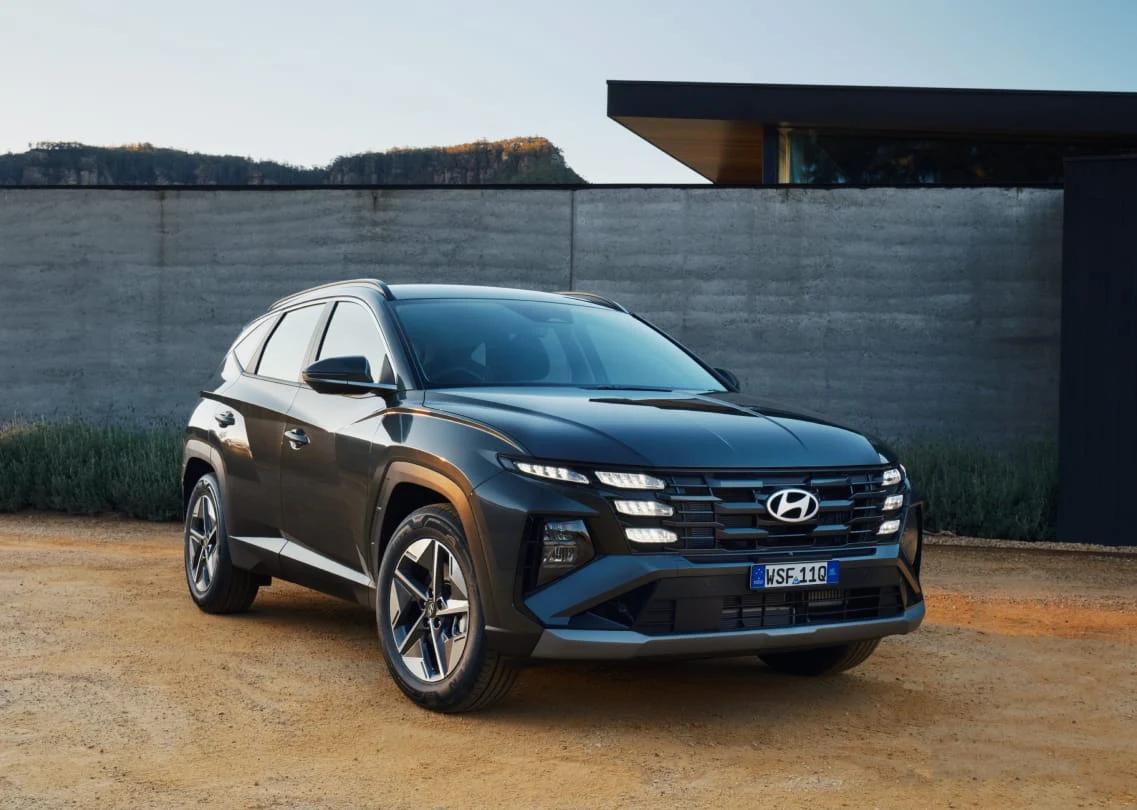
- $40-50k (new): Toyota Corolla Cross Hybrid, Hyundai Kona, Mazda CX-30
→ Browse all 5-star safe cars under $35,000
Common First Car Mistakes
- Buying on emotion. the excitement of your first car makes you overlook practical issues. Take a day to think after the test drive.
- Skipping the inspection. for used cars, a $200 pre-purchase inspection can save you thousands
- Ignoring insurance costs. get a quote before you buy. Under-25 males can pay $3,000+/year for a sporty car
- Not checking running costs. a cheap car with high fuel and servicing costs is not cheap
- Buying too much car. you don't need a $50k SUV. A $25k hatchback does 90% of what a first car needs to do
Use Our Tools
CarSorted is built for buyers like you. Data-driven comparisons, sourced from manufacturer AU sites, ANCAP and the Green Vehicle Guide.
- Browse all new cars with filters for price, safety, fuel economy, and body style
- Compare any 2-4 cars side-by-side across 200+ specs
- Take our car finder quiz to get personalised recommendations
P-plate rules in the FAQs current as of 5 November 2026
Thresholds, rebates and rules on this page change each financial year. We check them against Transport for NSW, Transport Victoria, the Queensland Government and SA MyLicence, but always confirm the current position with the relevant authority before you sign. Western Australia, Tasmania, the ACT and the Northern Territory having no car power limit is as recorded in our P-plate guide (July 2026). Confirm any rule with your state transport authority before you buy.