2020 Toyota HiAce: every variant sold in Australia
9 variants of the Toyota HiAce carry the 2020 model year in our catalogue — the H300 generation, sold new 2019–now. Specs, safety, economy and standard equipment for every grade, side by side.
Data checked: specs 8 Oct 2026
The 2020 Toyota HiAce is no longer sold new in Australia. A price is shown only where we hold Toyota's own printed price for that variant: what it cost new, not a current offer or a used value. Specifications are kept for used-buyer research. See the current Toyota HiAce.
Thinking about the 2020 Toyota HiAce?
Three things you can do from here. This year's figures and every variant are below.
Still deciding? Put it side by side
Price, running cost, safety and size in one table, against the cars people cross-shop this one with.
1 more comparison
The 2020 Toyota HiAce in plain English
The 2020 Toyota HiAce is sold in two body styles (Van and Bus) with two to twelve seats and two-wheel drive. The nine grades we hold for 2020 are H300 SLWB Van V6 Petrol Automatic, H300 LWB Van Turbo-diesel Automatic, H300 LWB Van V6 Petrol Manual, H300 LWB Van Turbo-diesel Manual, H300 LWB Van V6 Petrol Automatic, H300 Commuter GL Turbo-diesel Automatic, H300 SLWB Van Turbo-diesel Automatic, H300 LWB Crew Van Turbo-diesel Automatic and H300 Commuter Turbo-diesel Automatic. The ladder splits six diesel and three petrol grades.
No price is on record for the 2020 Toyota HiAce: a figure is printed only where we hold Toyota’s own published price.
Toyota’s combined consumption figures run 7.5 to 12.4 L/100km. At 15,000 km a year that is about $2,140 to $3,630 of fuel or energy, before servicing, rego, tyres and insurance.
We hold no ANCAP rating for any grade on this page, so none is shown. We never carry a rating across from another variant or model year.
Every 2020 Toyota HiAce variant
| Variant | Drivetrain | Power | Economy / range | Towing | Seats | Full specifications |
|---|---|---|---|---|---|---|
| H300 SLWB Van V6 Petrol AutomaticVan | Petrol · 6-speed automatic · 2WD | 207 kW | 12 L/100km | 1,500 kg | 2 | Full specs → |
| H300 LWB Van Turbo-diesel AutomaticVan | Diesel · 6-speed automatic · 2WD | 130 kW | 8.2 L/100km | 1,500 kg | 2 | Full specs → |
| H300 LWB Van V6 Petrol ManualVan | Petrol · 6-speed manual · 2WD | 207 kW | 12.4 L/100km | 1,400 kg | 2 | Full specs → |
| H300 LWB Van Turbo-diesel ManualVan | Diesel · 6-speed manual · 2WD | 130 kW | 7.5 L/100km | 1,900 kg | 2 | Full specs → |
| H300 LWB Van V6 Petrol AutomaticVan | Petrol · 6-speed automatic · 2WD | 207 kW | 12 L/100km | 1,500 kg | 2 | Full specs → |
| H300 Commuter GL Turbo-diesel AutomaticBus | Diesel · 6-speed automatic · 2WD | 120 kW | No data | 1,500 kg | 12 | Full specs → |
| H300 SLWB Van Turbo-diesel AutomaticVan | Diesel · 6-speed automatic · 2WD | 130 kW | 8.4 L/100km | 1,500 kg | 2 | Full specs → |
| H300 LWB Crew Van Turbo-diesel AutomaticVan | Diesel · 6-speed automatic · 2WD | 130 kW | 8.4 L/100km | 1,500 kg | 5 | Full specs → |
| H300 Commuter Turbo-diesel AutomaticBus | Diesel · 6-speed automatic · 2WD | 120 kW | No data | 1,500 kg | 12 | Full specs → |
Equipment across the 2020 range
Four states, never three. Standard means the document prints it as standard on that grade. Optional means it is a factory extra, at the price the document prints. No means the document confirms it is not available. No data means we have not read it off a Toyota document yet, which is not the same as saying the car does not have it.
| Variant | Blind-spot monitor | Reversing camera | Apple CarPlay | Android Auto |
|---|---|---|---|---|
| H300 SLWB Van V6 Petrol Automatic | Standard | Standard | Standard | Standard |
| H300 LWB Van Turbo-diesel Automatic | Standard | Standard | Standard | Standard |
| H300 LWB Van V6 Petrol Manual | Standard | Standard | Standard | Standard |
| H300 LWB Van Turbo-diesel Manual | Standard | Standard | Standard | Standard |
| H300 LWB Van V6 Petrol Automatic | Standard | Standard | Standard | Standard |
| H300 Commuter GL Turbo-diesel Automatic | Standard | Standard | Standard | Standard |
| H300 SLWB Van Turbo-diesel Automatic | Standard | Standard | Standard | Standard |
| H300 LWB Crew Van Turbo-diesel Automatic | Standard | Standard | Standard | Standard |
| H300 Commuter Turbo-diesel Automatic | Standard | Standard | Standard | Standard |
Not yet read off a Toyota document for any 2020 variant: AEB, Adaptive cruise. Left out of the table rather than shown as a column of “No data”; it is not a “No”.
What changed for the 2020 HiAce
Measured grade by grade against the 2019 HiAce rows we hold, matching each grade on its name, body, gearbox and drive (9 grades match across both years). A price is compared only where both years carry Toyota’s printed price on the same measure; a figure held for only one of the two years is not compared.
Across the 9 grades we hold for both 2019 and 2020, no figure we hold for both years differs: printed price, power, torque, economy, range, towing, seats, length, width, height, wheelbase, kerb weight, boot space and the equipment we have read.
What changed after the 2020 HiAce
Measured grade by grade against the 2021 HiAce rows we hold, matching each grade on its name, body, gearbox and drive (4 grades match across both years). A price is compared only where both years carry Toyota’s printed price on the same measure; a figure held for only one of the two years is not compared. A grade listed below as in one year’s rows only may be one we have not added yet rather than one Toyota added or dropped.
In our 2020 rows, not our 2021 rows: H300 LWB Van V6 Petrol Automatic, H300 LWB Van V6 Petrol Manual and H300 SLWB Van V6 Petrol Automatic.
2020 Toyota HiAce: size, weights, towing and servicing
2020 Toyota HiAce: size, weights, towing and servicing
| Figure | Across the grades | Grades holding it |
|---|---|---|
| Size | ||
| Length | 5,265 to 5,915 mm | 7 of 9 |
| Width | 1,950 mm | 7 of 9 |
| Height | 1,990 to 2,280 mm | 7 of 9 |
| Wheelbase | 3,210 to 3,860 mm | 7 of 9 |
| What it carries | ||
| Fuel tank | 70 L | 9 of 9 |
| Kerb weight | 2,120 to 2,665 kg | 9 of 9 |
| Gross vehicle mass (GVM) | 3,200 to 3,720 kg | 9 of 9 |
| Towing | ||
| Braked towing capacity | 1,400 to 1,900 kg | 9 of 9 |
| Unbraked towing capacity | 400 kg | 9 of 9 |
| Gross combination mass (GCM) | 4,600 to 5,220 kg | 9 of 9 |
How we read these figures, and the 14 figures Toyota does not print(show)
Nothing in this table is ranked. A figure the manufacturer prints on a different basis (a maximum kerb weight, a width including the mirrors, a length with a tow bar fitted) carries that basis beside it, because it is a different measurement and not a bigger number.
Not yet read off a Toyota document for any grade on this page: ground clearance, turning circle, boot space, seats up, boot space, rear seats down, tare mass, payload, roof load, tray length, tray width, tow ball download, wading depth, service interval (months), service interval (distance), warranty term. Those read “No data” rather than a guessed figure.
What the 2020 Toyota HiAce costs in fuel
A year of driving at the site’s locked distance and fuel prices, from the manufacturer’s official figure. Fuel or energy only: registration, insurance, servicing and tyres are not costed here for a car no longer sold new, and real consumption depends on how and where you drive.
- About $2,140 a year for the H300 LWB Van Turbo-diesel Manual (7.5 L/100km combined; 15,000 km a year, $1.90/L diesel).
- About $2,340 a year for the H300 LWB Van Turbo-diesel Automatic (8.2 L/100km combined; 15,000 km a year, $1.90/L diesel).
- About $2,390 a year for the H300 SLWB Van Turbo-diesel Automatic and H300 LWB Crew Van Turbo-diesel Automatic (8.4 L/100km combined; 15,000 km a year, $1.90/L diesel).
- About $3,510 a year for the H300 SLWB Van V6 Petrol Automatic and H300 LWB Van V6 Petrol Automatic (12 L/100km combined; 15,000 km a year, $1.95/L petrol).
- About $3,630 a year for the H300 LWB Van V6 Petrol Manual (12.4 L/100km combined; 15,000 km a year, $1.95/L petrol).
No official consumption figure is held for the H300 Commuter GL Turbo-diesel Automatic and H300 Commuter Turbo-diesel Automatic, so no estimate is shown for them.
2020 Toyota HiAce safety rating
The ANCAP record held for each 2020 grade. A rating belongs to the grades and build years ANCAP lists, so it is never carried here from another grade, model year or generation; a grade with no rating on file reads “No data”, which is not a statement that it is unsafe or unrated.
No data: we hold no ANCAP record for any 2020 HiAce grade. Check the car on ANCAP’s own site before relying on a rating.
Recalls on the 2020 Toyota HiAce
None of the recall notices we have verified is matched to the 2020 variants on this page. That is a statement about our register, not a clearance: check a specific car by VIN on the government’s Product Safety Australia recalls register before you buy.
Where a figure has not been read off a source document it reads “No data” rather than a zero or a dash, and an equipment column reads “No” only where a document confirms the feature is not available. Full specs, the source for each variant and a side-by-side configurator for every Toyota HiAce variant, including other model years, are on the model page.
Ready to move on the 2020 Toyota HiAce?
Still deciding? Put it side by side
Price, running cost, safety and size in one table, against the cars people cross-shop this one with.
1 more comparison
- Every Toyota HiAce variant and price · the model page covers every generation and model year we hold, with the source for each variant and a side-by-side configurator.
- Towing capacity calculator · work a braked capacity, a tow ball download and a gross combination mass against a real trailer weight.
- Compare any two cars side by side · price, specification, equipment and running cost in one table.
Related reading
News and buying guides that cover the Toyota HiAce.
News and guides about this car
VFACTS October 2026: HiLux Tops 103,325 Sales, BYD Is the No. 2 Brand and EVs Take 23.1%
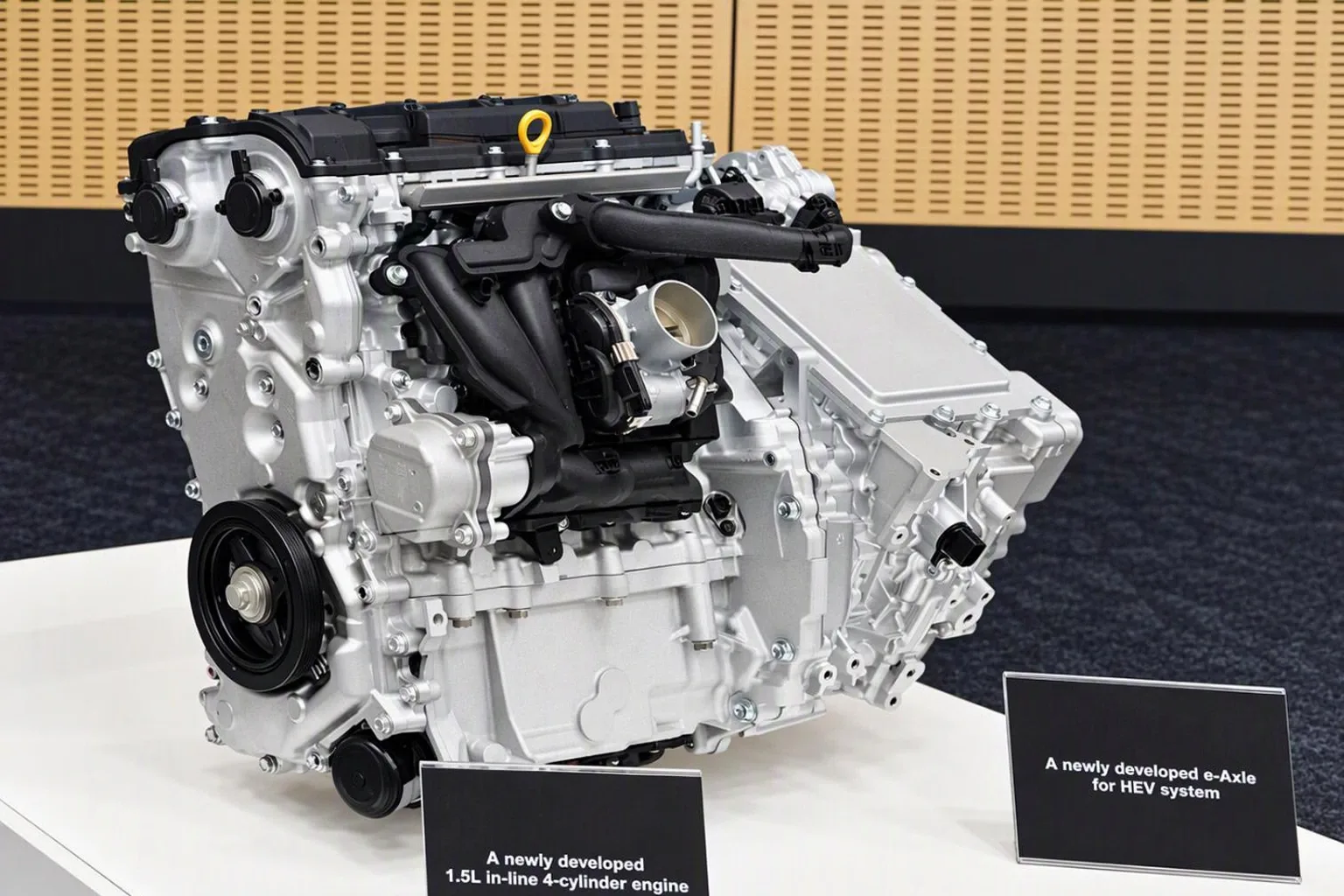
Next Toyota Corolla's New Hybrid Targets 15% Better Fuel Economy, but Toyota Has Not Named the Corolla or Given Australia a Date