Nissan X-Trail vs Nissan Pulsar: Diesel SUV or Petrol Sedan
The X-Trail has the bigger boot, higher towing figure and lower fuel use, while the Pulsar SSS has more power and a manual gearbox in a lower sedan body.
By Uzzi · 29 October 2026 · Every figure comes from each car's own page on CarSorted.
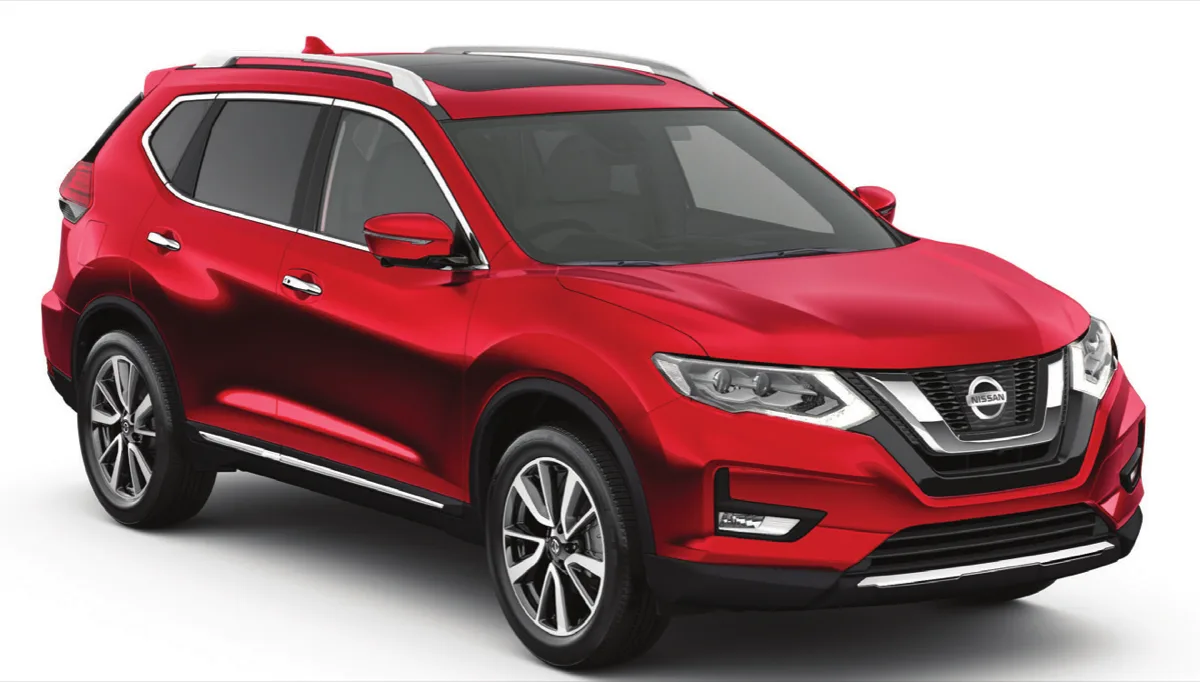
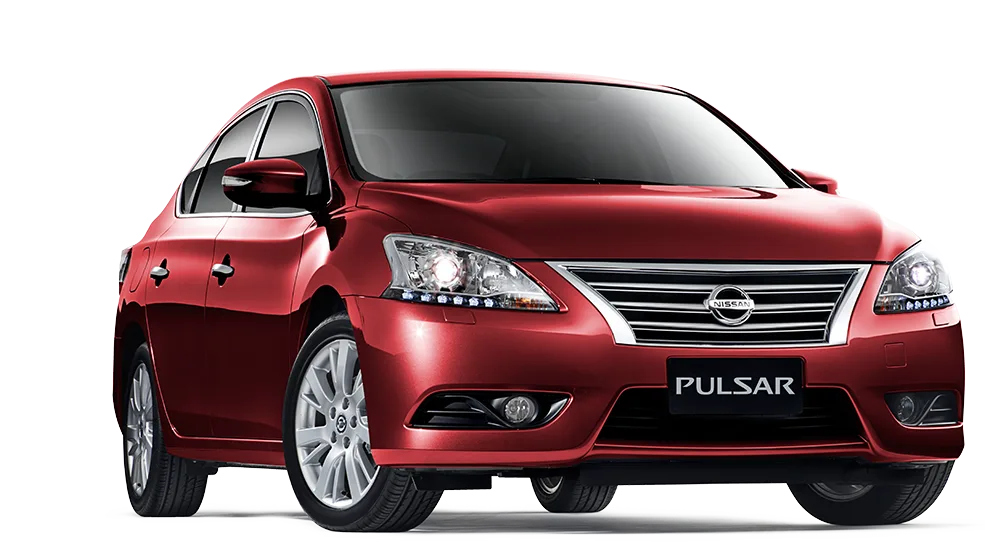
2021 Nissan X-Trail TS 2.0L Turbo-Diesel 4WD CVT
No price on record
2015 Nissan Pulsar SSS Sedan Manual
No price on record
Who the Nissan X-Trail suits
The X-Trail suits a buyer who carries a lot, tows a small trailer or caravan, or wants extra ground clearance. It has 5 seats, a 565L boot and a braked towing figure of 1,650kg.
Who the Nissan Pulsar suits
The Pulsar SSS suits a buyer who wants a petrol sedan with a 6-speed manual and doesn't need SUV height or heavy towing. It makes 140kW and still has 5 seats and a 510L boot.
What decides it
1. Boot and cargo space
The X-Trail has a 565L boot with the seats up and 945L with them folded. The Pulsar sedan's figure is 510L either way. That's 55L more for the X-Trail with seats up, and 435L more with seats folded.
2. Fuel use
The diesel X-Trail is rated at 6.0L/100km combined. The petrol Pulsar is rated at 7.8L/100km. That puts the X-Trail about 1.8L/100km lower on the official combined figure.
3. Towing
The X-Trail is rated to tow 1,650kg braked, against 1,200kg for the Pulsar, a gap of 450kg. Unbraked, the figures match at 750kg for the X-Trail and 750kg for the Pulsar. If you tow anything sizeable, this matters.
Running costs
On paper the diesel X-Trail uses less fuel, at 6.0L/100km against 7.8L/100km for the Pulsar. When new, the X-Trail came with a 5-year, unlimited km warranty and the Pulsar a 3-year, 100,000km warranty, so check how much cover is left on any used example. We have no capped servicing or service interval figures for either car. The running-cost chart below lets you compare the two side by side.
True Cost of Ownership (5 Years)
This model is no longer sold new, so there's no manufacturer RRP. Enter what you're paying (or a listing price) and we'll fold it into the total cost of ownership and cost-per-kilometre below.
$5,453
per year to run
$27,265
5yr running cost
Where the 5-year running cost goes
About $5,453/year to run, or $27,265 over 5 years including fuel, insurance, servicing, tyres and registration. This model is no longer sold new, so there's no published RRP. Enter your purchase price above to add total cost of ownership and per-kilometre figures.
* Estimates based on your parameters. Fuel: each car's official consumption figure at 15,600 km a year and $1.90/L diesel. Servicing uses each manufacturer's capped-price schedule where we have it, and tyres scale with your weekly km. A guide only, not a quote.
True Cost of Ownership (5 Years)
This model is no longer sold new, so there's no manufacturer RRP. Enter what you're paying (or a listing price) and we'll fold it into the total cost of ownership and cost-per-kilometre below.
$6,230
per year to run
$31,150
5yr running cost
Where the 5-year running cost goes
About $6,230/year to run, or $31,150 over 5 years including fuel, insurance, servicing, tyres and registration. This model is no longer sold new, so there's no published RRP. Enter your purchase price above to add total cost of ownership and per-kilometre figures.
* Estimates based on your parameters. Fuel: each car's official consumption figure at 15,600 km a year and $2.10/L premium petrol. Servicing uses each manufacturer's capped-price schedule where we have it, and tyres scale with your weekly km. A guide only, not a quote.
Practicality
Both cars have 5 seats. The X-Trail is 4,690mm long and 1,740mm tall, while the Pulsar is 4,620mm long and 1,495mm tall. The X-Trail sits higher with 210mm of ground clearance against 160mm for the Pulsar, a 50mm difference. The Pulsar's turning circle is 10.7m, but we have no turning circle figure for the X-Trail.
Will it fit in the boot?
May fitExample sizes only - measure your item before relying on this.
Volume check only (seats up)
Item box about 166L (29% of the volume). Litres don't describe shape, so this can't confirm a fit.
Nissan doesn't publish boot dimensions for this car, only 565 litres. Litres can prove something won't fit, but never that a rigid item will - so the best this car can score is "May fit".
Based on the manufacturer's published boot volume.
Will it fit in the boot?
May fitExample sizes only - measure your item before relying on this.
Volume check only (seats up)
Item box about 166L (32% of the volume). Litres don't describe shape, so this can't confirm a fit.
Nissan doesn't publish boot dimensions for this car, only 510 litres. Litres can prove something won't fit, but never that a rigid item will - so the best this car can score is "May fit".
Based on the manufacturer's published boot volume.
Safety
Neither car has an ANCAP rating on record in our data. If safety ratings matter to you, check the specific vehicle's history before you buy.
The figures side by side
| Nissan X-Trail | Nissan Pulsar | |
|---|---|---|
| Powertrain | ICE | ICE |
| Fuel | Diesel | Petrol |
| Drive | AWD | FWD |
| Transmission | CVT | 6-speed manual |
| Power | 130kW | 140kW |
| Torque | 380Nm | 240Nm |
| Fuel use (combined) | 6.0L/100km | 7.8L/100km |
| Fuel tank | 60L | 52L |
| Body | SUV | Sedan |
| Seats | 5 seats | 5 seats |
| Boot (seats up) | 565L | 510L |
| Boot (seats folded) | 945L | No data |
| Length | 4,690mm | 4,620mm |
| Width | 1,820mm | 1,760mm |
| Height | 1,740mm | 1,495mm |
| Wheelbase | 2,705mm | 2,700mm |
| Ground clearance | 210mm | 160mm |
| Turning circle | No data | 10.7m |
| Kerb weight | No data | 1,297kg |
| Towing (braked) | 1,650kg | 1,200kg |
| Towing (unbraked) | 750kg | 750kg |
| Warranty | 5-year | 3-year |
| Warranty distance | unlimited km | 100,000km |
The verdict
For most buyers the X-Trail makes more sense, with more boot space, a higher towing figure, lower fuel use and the longer warranty when new.
Pick the Nissan X-Trail if
you need cargo space, want to tow up to 1,650kg braked, or value extra ground clearance.
Pick the Nissan Pulsar if
you want a 6-speed manual petrol sedan with 140kW and don't need SUV space or heavier towing.
Track the Nissan X-Trail & Nissan Pulsar
Get price-drop alerts on these models plus our free weekly new-car rundown. Unsubscribe anytime.
Put them side by side yourself
Every figure, feature and running cost for both, in our live comparison table.
CarSorted CoDriverBeta
Ask about these two cars
- Nissan X-Trail TS 2.0L Turbo-Diesel 4WD CVT
- Nissan Pulsar SSS Sedan Manual
Tap a question or ask your own.Tap a question or ask your own. The answer starts from the cars in this comparison, with links to the rows behind them.
Questions buyers ask
Is the Nissan X-Trail or Nissan Pulsar more fuel efficient?
On the official combined figure, the X-Trail diesel is rated at 6.0L/100km and the Pulsar SSS at 7.8L/100km. Real-world use will vary with how and where you drive.
Which has the bigger boot, the X-Trail or the Pulsar?
The X-Trail's boot is listed at 565L with the seats up and 945L folded. The Pulsar sedan's boot is listed at 510L.
How much can the X-Trail and Pulsar tow?
The X-Trail is rated at 1,650kg braked and 750kg unbraked. The Pulsar is rated at 1,200kg braked and 750kg unbraked.
What ANCAP rating do the X-Trail and Pulsar have?
We have no ANCAP rating on record for either of these versions. Check with ANCAP directly for the exact vehicle you're considering.
More on these cars
- 2021 Nissan X-Trail TS 2.0L Turbo-Diesel 4WD CVT: full specs and priceEvery Nissan X-Trail gradeAll Nissan modelsCompare Nissan X-Trail vs Kia SportageCompare Nissan X-Trail vs Mazda CX-5Compare Nissan X-Trail vs Hyundai Tucson
- 2015 Nissan Pulsar SSS Sedan Manual: full specs and priceEvery Nissan Pulsar gradeAll Nissan models
Nissan X-Trail vs Nissan Pulsar: the full side-by-side table