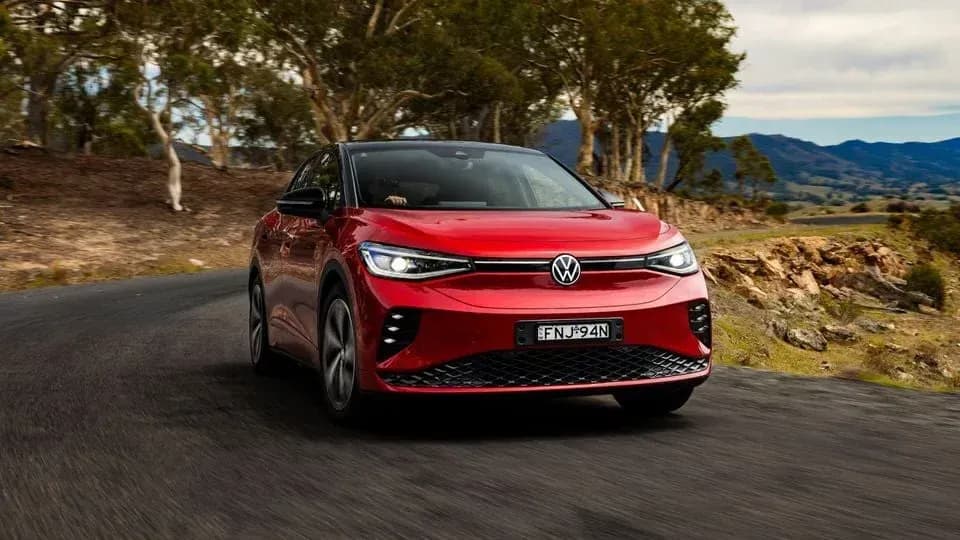
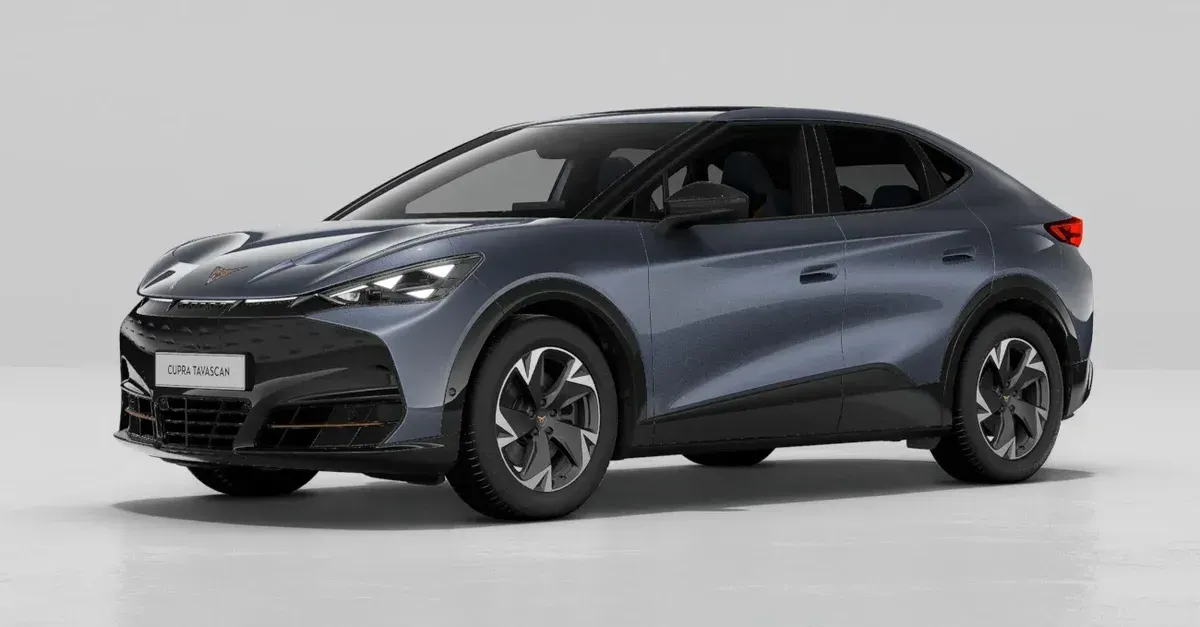
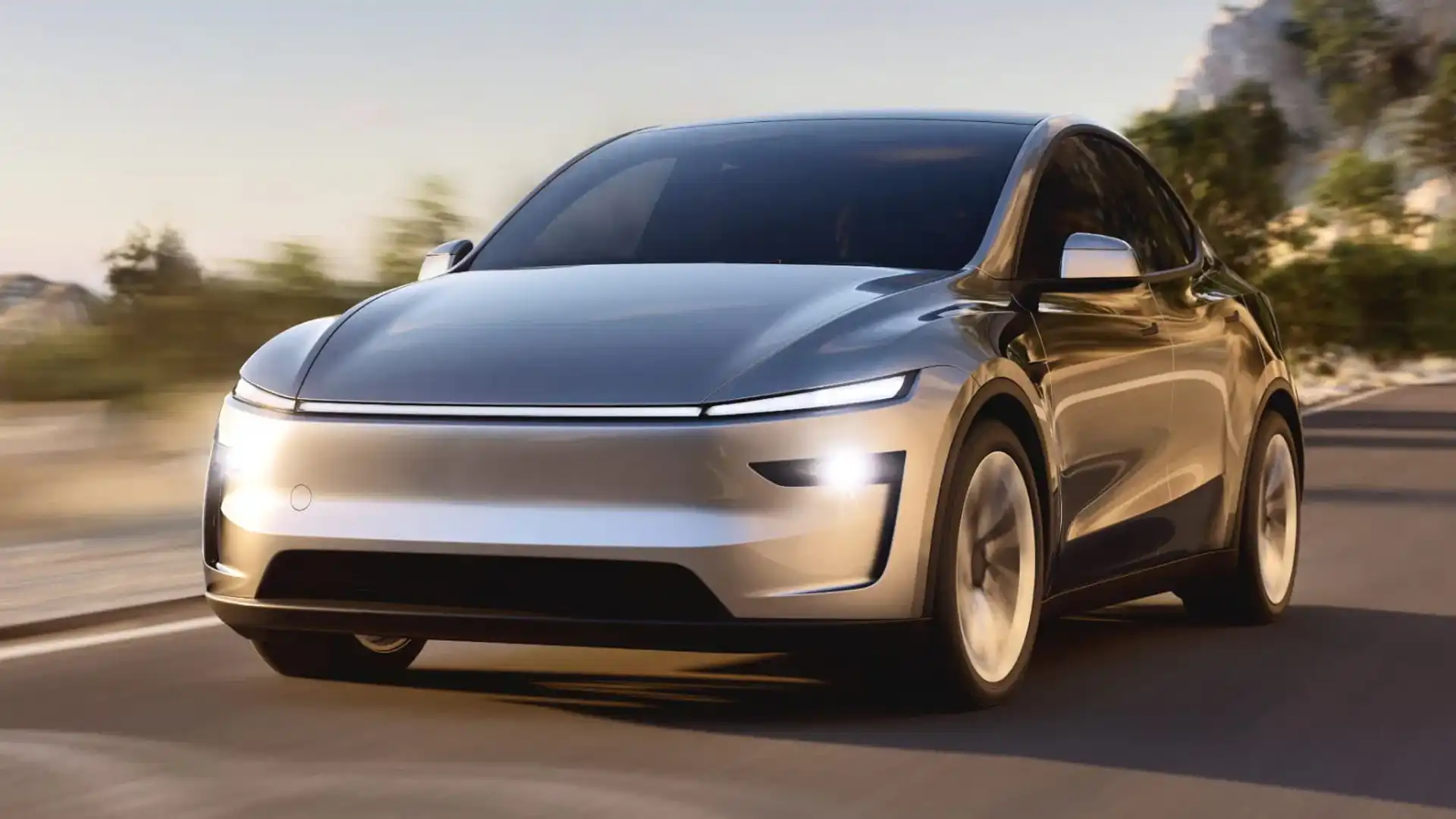
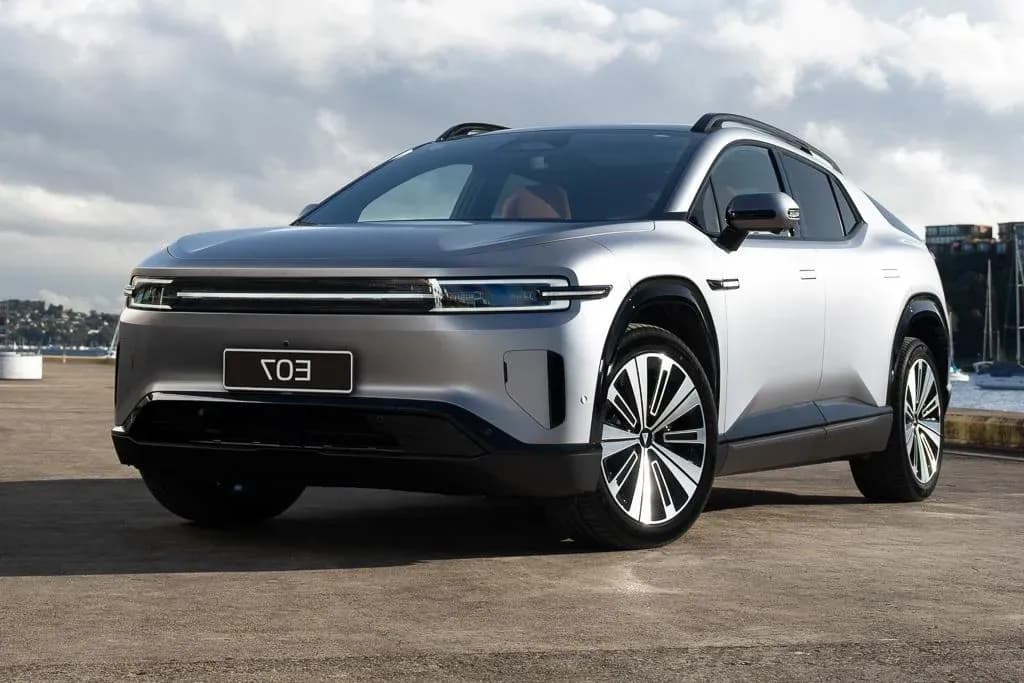
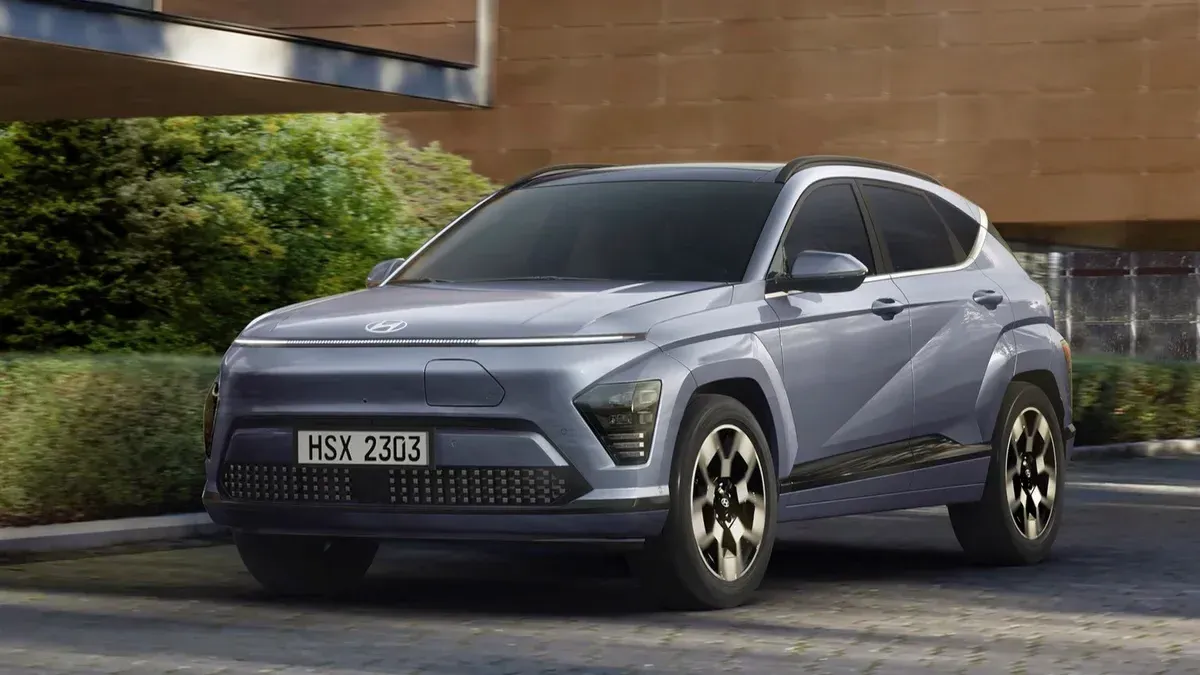
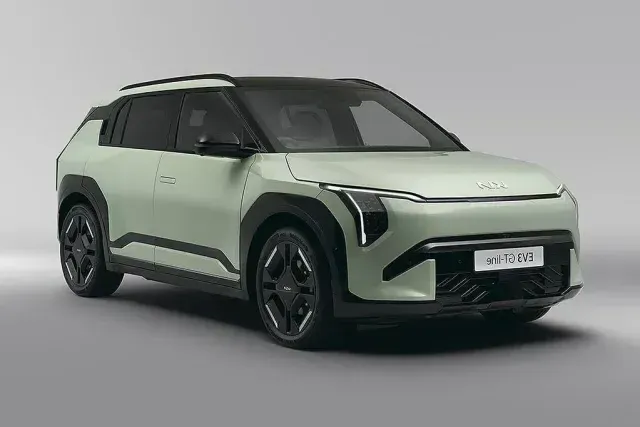
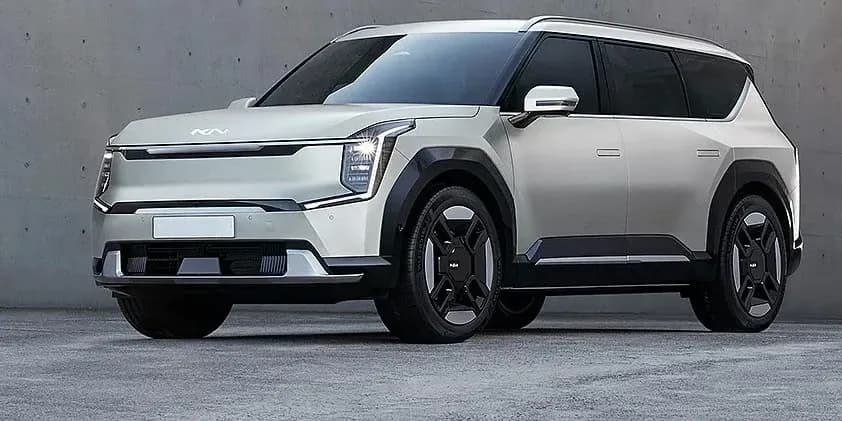
Hyundai IONIQ 5 vs iCaur V27
Two electric SUVs go head to head. Which EV is the better buy for Australian drivers in 2026?
Specifications and pricing correct at time of publishing. Prices are RRP before on-road costs unless stated otherwise. Always confirm with the manufacturer or dealer before purchasing.
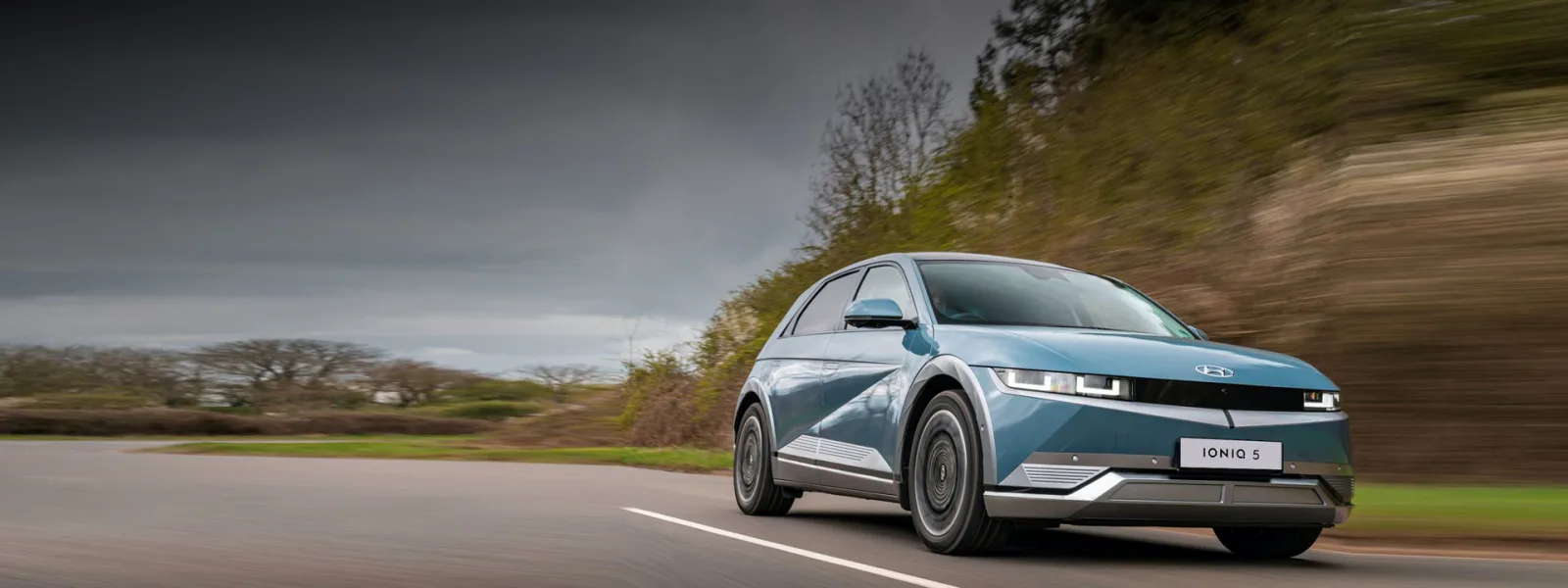

Hyundai IONIQ 5: we're still completing kerb weight, seat count, 0-100km/h, warranty and ground clearance, plus 1 other.
iCaur V27: not on sale yet, so iCaur hasn't published price, kerb weight, seat count, transmission and drive type, plus 9 others.
Blank cells below mean we don't have that figure, not that the car scores badly on it. We leave them empty rather than estimate, so any row where one car is blank isn't a like-for-like comparison yet.
Plug-in hybrid fuel economy is shown as a hybrid (battery depleted) so it compares fairly with the other car. A PHEV's official "combined" figure assumes you start every trip fully charged, so real-world economy depends on how often you plug in. Electric range shows how far it goes before the petrol engine is needed.
Track the Hyundai IONIQ 5 & iCaur V27
Get price-drop alerts on these models plus our free weekly new-car rundown. Unsubscribe anytime.
Price Breakdown
Pricing for one or both models is yet to be confirmed for the Australian market. We will update this comparison when official RRPs are announced.
Safety Rundown
ANCAP safety ratings have not been published for both models yet. We will update this section when crash test results are available.
Charging Times
How long each takes to charge, from a household power point to ultra-rapid DC, estimated from battery size and max charge rates.
How long to charge
58kWh usableEstimates from usable battery size and the car's max charge rates (10.5kW AC). Real times vary with temperature, starting charge, charger output and the charging curve.
How long to charge
34kWh usableEstimates from usable battery size and the car's max charge rates (7.4kW AC). Real times vary with temperature, starting charge, charger output and the charging curve.
Feature Showdown
Both come with modern infotainment systems.
The Hyundai IONIQ 5 stands out with Apple CarPlay, wireless charging and V2L that you will not find on the iCaur V27. Which feature set matters more depends on your daily routine and priorities.
Drivetrain
The Hyundai IONIQ 5 uses a Electric producing 125kW and 350Nm of torque, sent through a single speed reduction gear to a RWD layout.
The iCaur V27 counters with its electric setup making 335kW and 505Nm, paired to its gearbox. It gets to 100km/h in 5.9 seconds.
The iCaur V27 has the clear power advantage at 335kW vs 125kW. For most buyers, the way each car feels day-to-day matters more than outright acceleration.
Battery: 58kWh (Hyundai IONIQ 5) vs 34kWh (iCaur V27).
Space & Comfort
The Hyundai IONIQ 5 measures 4,635mm long on a 3,000mm wheelbase, 410mm shorter than the iCaur V27 at 5,045mm (2,900mm wheelbase). The longer wheelbase on the Hyundai IONIQ 5 generally means more rear legroom.
True Cost to Own
Running cost data is not yet available for both models. We will update when figures are confirmed.
Who Should Buy Which?
Buy the Hyundai IONIQ 5 if: You or prefer Hyundai's approach to design and ownership experience.
Buy the iCaur V27 if: You prioritise performance, or prefer iCaur's approach to design and ownership experience.
The Verdict
The Hyundai IONIQ 5 takes 2 of 3 key spec categories. The best pick depends on what you value most. Explore the full specs for each model below.
Common questions
Which is cheapest, Hyundai IONIQ 5 and iCaur V27?
The Hyundai IONIQ 5 is the cheapest at $64,500 before on-road costs.
What are the ANCAP safety ratings?
None of Hyundai IONIQ 5 and iCaur V27 carry a published ANCAP rating yet — check back as they are tested.
Which is the most powerful?
The iCaur V27 makes the most power at 335kW.
Track the cars you're comparing
Get price-drop and spec-change alerts on the models in this comparison, plus our weekly new-car rundown of launches, deals and reviews.
- Price-drop alerts on these models
- Spec-change alerts
- Weekly new-car rundown
No spam, unsubscribe anytime. By subscribing you agree to receive marketing emails.
Disclaimer: All information in this comparison was believed to be correct at the time of publishing (20 April 2026). Prices are manufacturer recommended retail prices (RRP) and may vary by state, dealer, and options. Driveaway costs include estimated on-road costs for Victoria. Fuel economy figures are WLTP/ADR combined cycle. Specifications can change without notice. Always verify with the manufacturer before making a purchase decision. CarSorted does not accept payment for recommendations.
Auto-generated from CarSorted's specification data · 20 April 2026
Comments (0)
Sign in to join the conversation
No comments yet. Be the first!