A plug-in hybrid SUV is the pragmatic middle ground: enough electric range to do the daily commute and school run on battery power, plus a petrol engine for road trips with no charging stops and no range anxiety. The segment has exploded, with more than 30 PHEV SUVs now on sale from $33,990 to over $300,000. Here are the best of them in 2026, by category, with real prices, electric range, towing and the running-cost detail that actually matters. If you only want the value-focused Chinese options, see our best Chinese PHEVs guide; for fully electric SUVs, our best electric SUVs guide.
Best plug-in hybrid SUVs at a glance
| Model | From (RRP) | EV range | Seats | Braked towing | Best for |
|---|---|---|---|---|---|
| BYD Sealion 5 | $33,990 | 71km | 5 | 750kg | Cheapest PHEV SUV |
| Chery Tiggo 7 Super Hybrid | $34,990 | 93km | 5 | N/A | Best value |
| BYD Sealion 6 | $42,990 | 92km | 5 | 1,500kg | Best all-round value |
| Mitsubishi Outlander PHEV | $58,990 | 86km | 7 | 1,600kg | Best 7-seat / established |
| Toyota RAV4 Plug-in | $58,840 | 116km | 5 | 800kg | Best mainstream |
| Kia Sorento PHEV | $70,880 | 57km | 7 | 2,000kg | Best large 7-seat |
| BMW X5 xDrive50e | $149,900 | 101km | 5 | 2,700kg | Best premium |
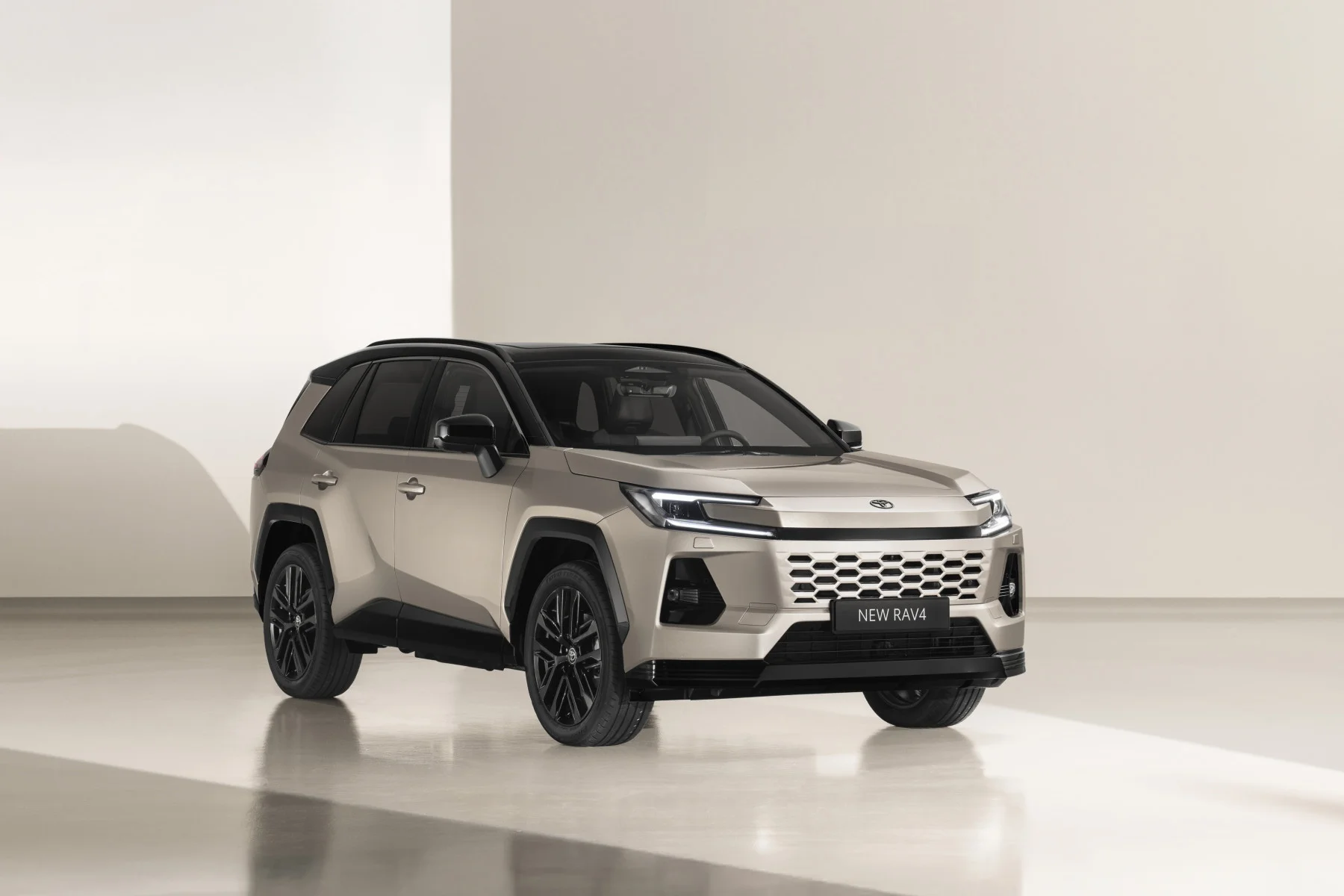
Best mainstream all-rounder: Toyota RAV4 Plug-in
The Toyota RAV4 Plug-in (from $58,840) is the safe, do-everything pick. It backs a strong 116km of EV range, among the best of any mainstream PHEV, with Toyota's huge dealer network and the strongest resale in the segment. If you want a plug-in SUV you can buy and forget about, this is it. Its main limitation is a modest 800kg towing capacity.
Best seven-seat PHEV SUV: Mitsubishi Outlander PHEV
The Mitsubishi Outlander PHEV (from $58,990) is the established seven-seat benchmark: proven, well-equipped, five-star safe and backed by Mitsubishi's up-to-10-year warranty. For seven seats on a budget the Chery Tiggo 8 Super Hybrid ($45,990 drive-away) undercuts it, while the Kia Sorento PHEV ($70,880) and Mazda CX-80 P50e ($75,750) are the premium mainstream options. Compare the two value leaders in our Sealion 6 vs Outlander PHEV piece.
Cheapest PHEV SUVs: BYD Sealion 5 and Chery Tiggo 7
Plug-in SUVs now start at family-hatch money. The BYD Sealion 5 is one of the cheapest at $33,990 (71km EV range), though the Chery Tiggo 7 Super Hybrid ($34,990 drive-away) is the better buy with 93km of electric range for almost the same price. Both massively undercut the established brands. See the full budget ranking in our cheapest PHEVs guide.
Best all-round value: BYD Sealion 6
The BYD Sealion 6 (from $42,990, up to 140km EV range in Extended Range form) is the value sweet spot, roomy, well-built, five-star safe and backed by BYD's proven Blade battery. It is the Chinese PHEV that has done most to shift mainstream buyers, and the one we recommend to most families chasing value.
Longest electric range: Omoda 9 and Leapmotor C10
If you want to drive on electricity as much as possible, the Omoda 9 (169km) and the range-extender Leapmotor C10 (145km) are among the leaders. Any of these can cover a week of commuting between charges.
Best for towing and off-road: Touareg, X5, Tank 500 and Defender
For heavy towing, the Volkswagen Touareg R and Audi Q8 e-hybrid both pull the full 3,500kg braked while still plugging in. The BMW X5 xDrive50e is rated to 2,700kg, so the plug-in X5 gives up 800kg against its petrol and diesel siblings. For off-road ability with a plug, the GWM Tank 500 Hi4-T (3,000kg towing, 120km EV) are the standouts.
Best luxury PHEV SUV: BMW, Mercedes, Volvo, Lexus and Audi
At the premium end, the BMW X5 xDrive50e (101km EV range), Mercedes-Benz GLC 350e, Volvo XC60 Recharge, Lexus NX 450h+ and Audi Q8 e-hybrid blend plug-in efficiency with genuine luxury and strong performance. The BMW XM is the 550kW performance halo for those with the budget.
How plug-in hybrid SUVs work, and what to watch
A PHEV runs on electricity until the battery is depleted, then switches to hybrid mode. The crucial caveat: the advertised combined figures (often around 1.1L/100km) assume a full battery. Once the battery is flat, real-world consumption is more like 5-7L/100km. To get the savings you need to charge regularly, ideally overnight at home, and keep most trips within the EV range. If you cannot charge at home, a regular hybrid will be simpler and cheaper.
Three more things to check. EV range varies enormously here, from about 51km (Defender, Touareg) to 180km (Haval H6GT), so match it to your commute. Towing ranges from the RAV4's modest 800kg up to 3,500kg on the big Europeans, so match the car to your load. And the big one for fleet and novated-lease buyers: the FBT exemption ended for PHEVs on 1 April 2025, so plug-in hybrids no longer get the tax break that fully electric cars still enjoy. Warranties are strong (Mitsubishi up to 10 years, BYD 6, GWM and Chery 7). On safety, check the individual model rather than the segment: plenty here hold a five-star ANCAP rating, but several of the newest arrivals, and the current RAV4, have no rating in our data at all, so we show no data rather than assuming one.
The quick verdict
For a mainstream plug-in SUV you can buy and forget, the Toyota RAV4 Plug-in. For seven seats, the Mitsubishi Outlander PHEV or value-pick Chery Tiggo 8. For the lowest price, the BYD Sealion 5 or Chery Tiggo 7. For the best value overall, the BYD Sealion 6. For maximum EV range, the Omoda 9, and for towing or luxury, the BMW X5 or VW Touareg. Just remember: a PHEV only saves you money if you charge it. Filter by EV range, seats, towing and price in our car directory.