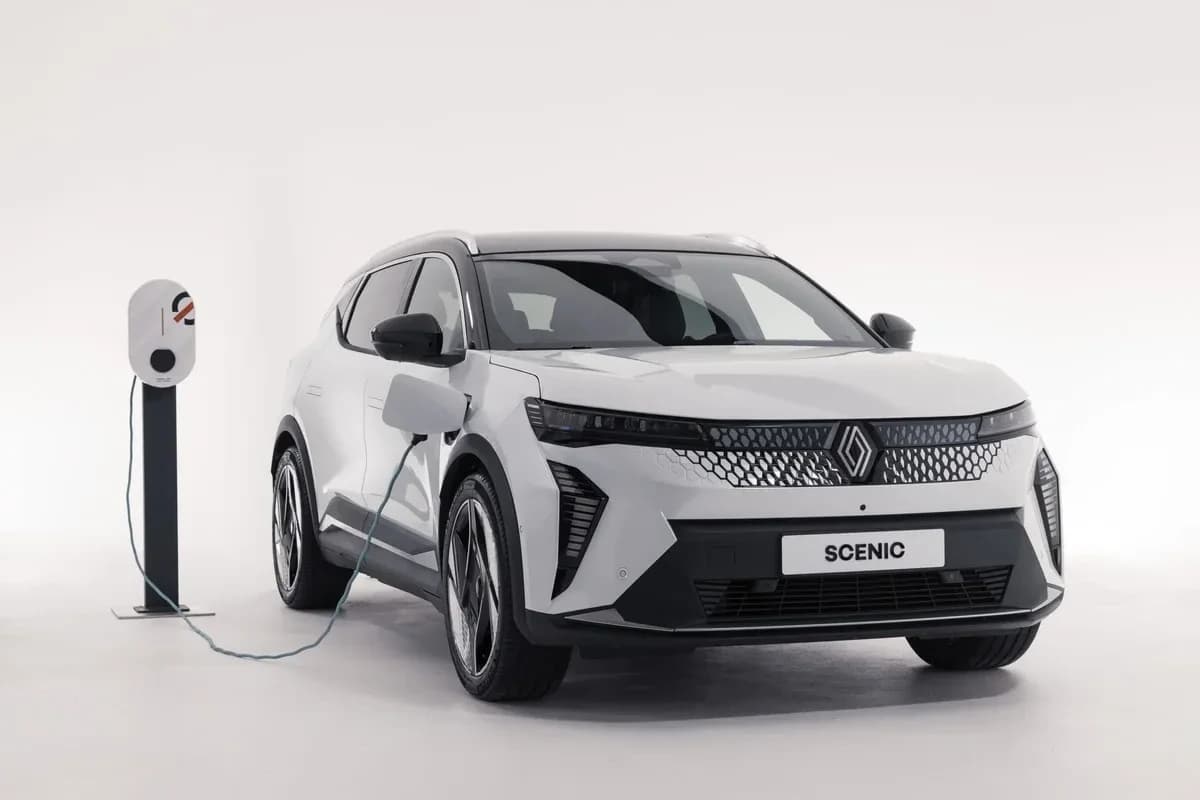
Hyundai Kona Electric vs Kia EV3
Two electric SUVs go head to head. Which EV is the better buy for Australian drivers in 2026?
Kia EV3 scores higher, 79 vs 70
Prices are RRP before on-road costs unless stated otherwise. Always confirm with the manufacturer or dealer before purchasing.
Data checked: specs 10 Nov 2026, price 19 Nov 2026
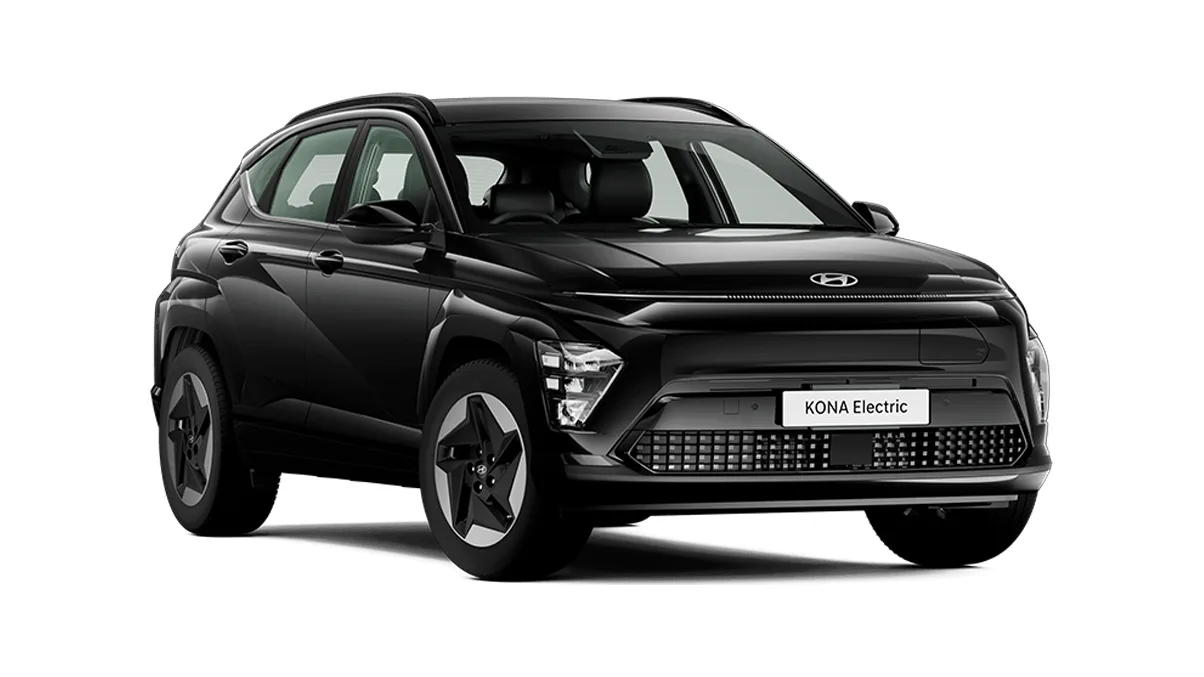
Hyundai Kona Electric
16 of 27 standard · no option data · 7 not offered · 4 no dataFrom
$46,000
RRP, before on-road costs
- Body
- SUV
- Fuel type
- Electric
- Engine
- Electric
- Power
- 99kW
- Energy use
- 14.8 kWh/100km
- Safety
- ANCAP ★4 · 2023
- Boot (seats up)
- 407L
Hyundai Australia offer: $43,990 drive-away (state not stated), ends 31 Dec 2026. See the offer
Free. Email alerts on price and offer changes.
Car loan ratesDriva is an independent finance provider, not part of CarSorted. We aren't paid for this link.
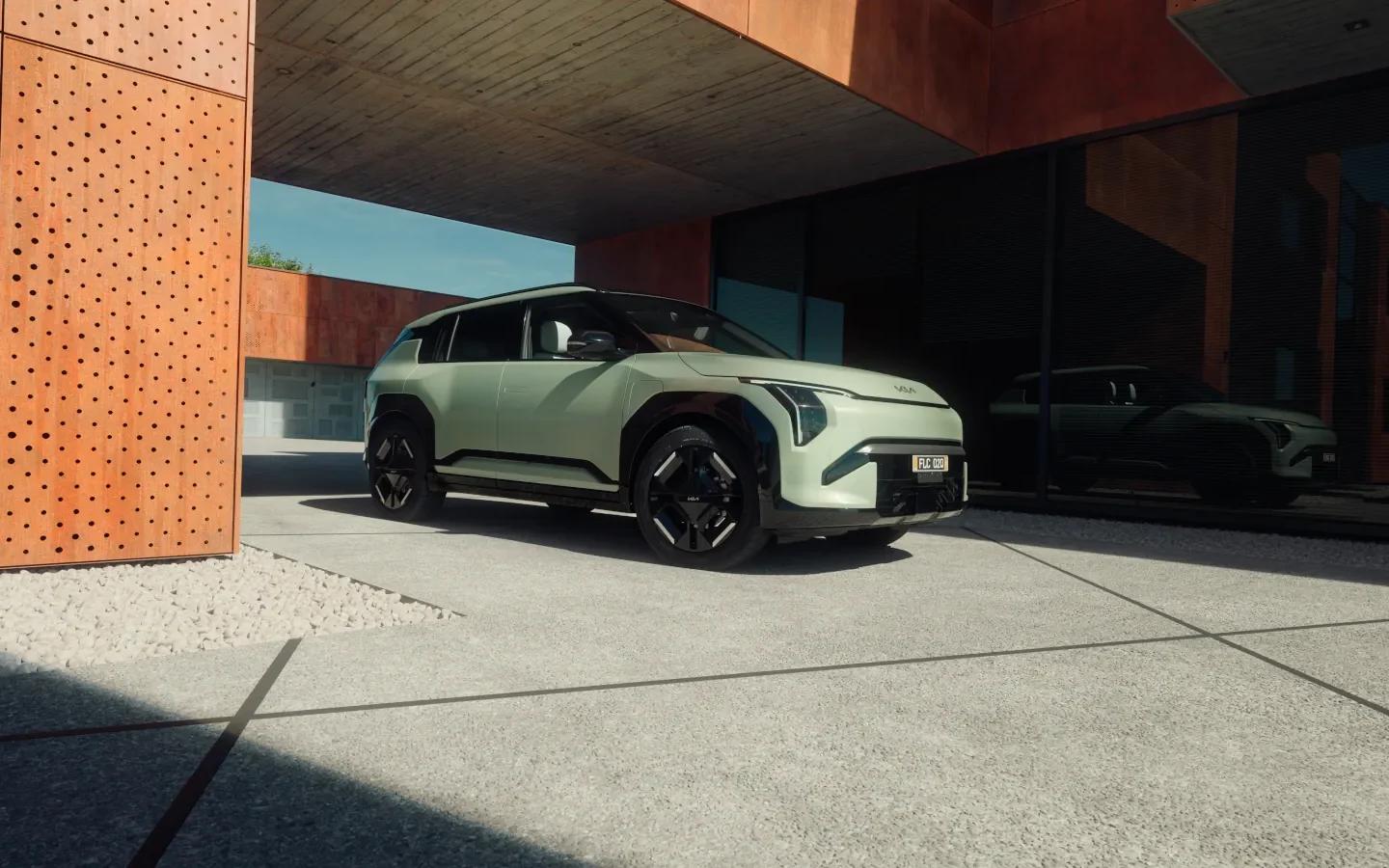
Kia EV3
17 of 27 standard · no option data · 10 no dataFrom
$47,600
RRP, before on-road costs
- Body
- SUV
- Fuel type
- Electric
- Engine
- Electric
- Power
- 150kW
- Energy use
- 14.9 kWh/100km
- Safety
- ANCAP ★5 · 2025
- Boot (seats up)
- 460L
Top CarSorted Score, 79 vs 70, but the Hyundai Kona Electric is $1,600 cheaper
Kia Australia offer: $46,990 drive-away (state not stated), ends 30 Nov 2026. Terms
Free. Email alerts on price and offer changes.
Car loan ratesDriva is an independent finance provider, not part of CarSorted. We aren't paid for this link.
Manufacturer offer
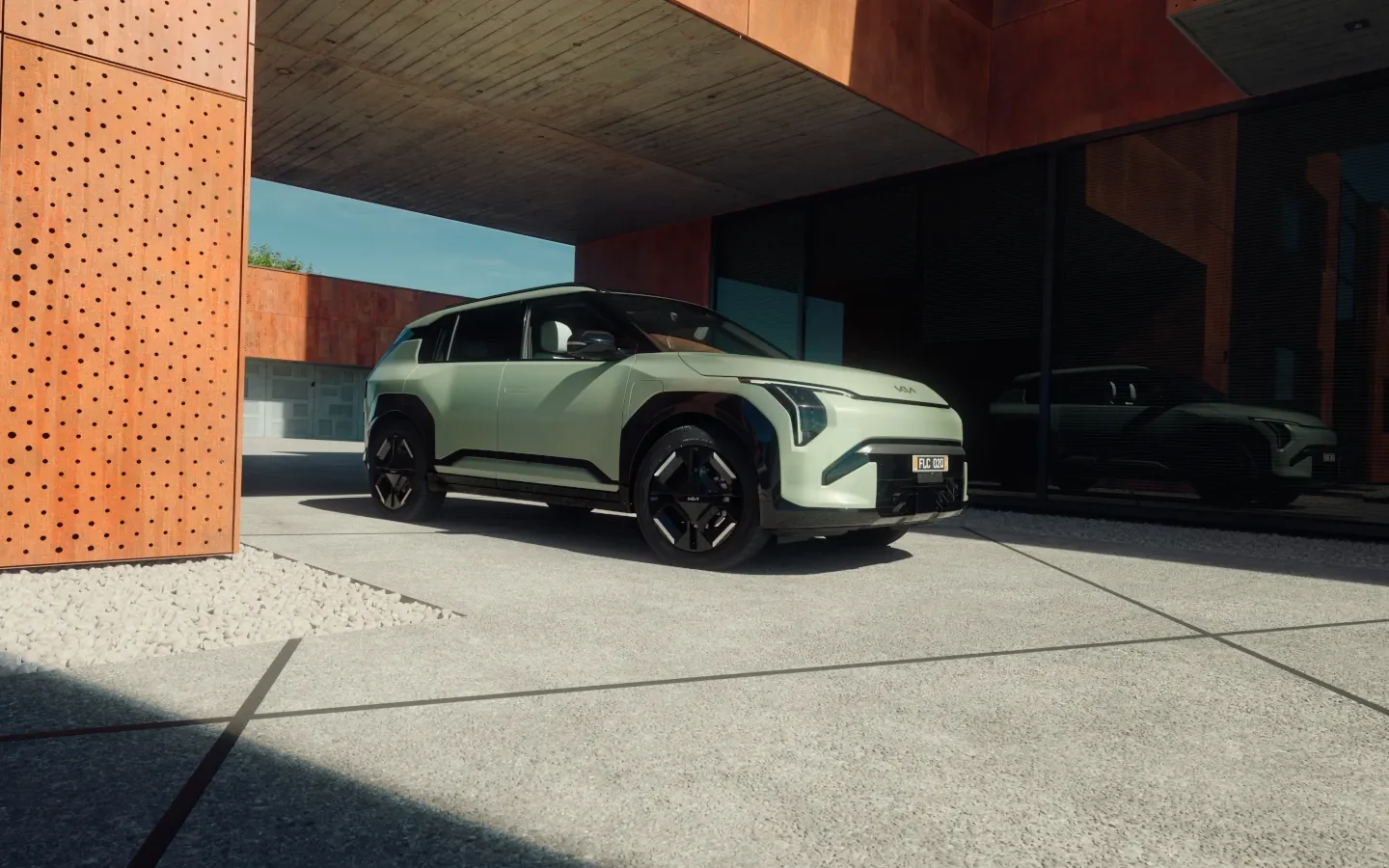
Ends 30 Nov 2026
Manufacturer's terms: Drive away price valid in November 2026 at participating Kia dealers only. Includes 12 months’ registration, CTP insurance estimate (private buyer with a good driving record), stamp duty, applicable statutory and dealer delivery charges.
Offer from Kia Australia, checked 23 Nov 2026
T&Cs apply, as the manufacturer prints them. Eligibility, stock and build limits vary, so confirm the offer with the dealer.
Hyundai Kona Electric: we're still completing kerb weight, seat count, 0-100km/h and braked towing.
A blank cell below means we don't have that figure, not that the car scores badly on it. We leave them empty rather than estimate, so any row where one car is blank isn't a like-for-like comparison yet.
$46,000RRP
- no option data for this car
$47,600RRP
- with the Hyundai Kona Electric's standard kit: $47,600 (nothing to add)
Printed option prices only. A pack is counted once and makes the figure a floor when it carries no printed price. Nothing is inferred from the other car.
Price and cost per week
Hyundai Kona Electric Standard Range 99kW
$46,000
RRP, before on-road costs. Checked 15 Oct 2026
No published drive-away price on our record.
Kia EV3 Air Standard Range
$47,600
RRP, before on-road costs. Checked 19 Nov 2026
No published drive-away price on our record.
Both totals exclude servicing and insurance, so the lowest is on the same parts.
Every column on the same basis: 15,000 km a year (fixed for every comparison) in VIC, repayment assumes $5,000 deposit, 5 yrs at 7.5% p.a. Each car's fuel or charging price is in its own breakdown. Estimate only, not a quote or an offer of credit.
Both totals exclude servicing and insurance, so the lowest is on the same parts.
Cash outlay over 5 years: the deposit, the repayments and the running costs. Excludes resale value. Every column on the same basis: 15,000 km a year in VIC, repayment assumes $5,000 deposit, 5 yrs at 7.5% p.a. Estimate only, not a quote or an offer of credit.
Standard features per $10,000: not ranked, too few features are known for both cars. On the rated figures, the Kia EV3 leads on price per km of range: $124 per km of range on RRP for the Hyundai Kona Electric; $109 per km of range on RRP for the Kia EV3. On the rated figures, the Kia EV3 leads on price per kw: $465 per kW on RRP for the Hyundai Kona Electric; $317 per kW on RRP for the Kia EV3. On the rated figures, the Kia EV3 leads on price per litre of boot: $113 per litre of boot on RRP for the Hyundai Kona Electric; $103 per litre of boot on RRP for the Kia EV3. These ratios are not part of the CarSorted Score.
The Hyundai Kona Electric starts $1,600 lower on RRP.
Both models currently qualify for the electric-vehicle Fringe Benefits Tax exemption (battery-electric and under the $91,661 threshold; battery-electric and under the $91,661 threshold), which applies to salary-sacrificed novated leases.
On-road costs (stamp duty, registration, CTP and dealer delivery) depend on your state and the dealer; ask for a written drive-away price before you sign.
CarSorted
Track the Hyundai Kona Electric
Free, and we email you when the price or a manufacturer offer changes.
Ways to buy
For the 2 cars on this page.
Free. Email alerts on price and offer changes.
Finance
From ≈$190/wk(≈$822/mo)
Estimate on the Hyundai Kona Electric at $46,000 RRP, before on-road costs; assumes $5,000 deposit, 5 yrs at 7.5% p.a. Not a quote or an offer of credit.
Compare real car-loan ratesDriva is an independent finance provider, not part of CarSorted. We aren't paid for this link.
Novated lease
Electric, with an RRP under the $91,661 fuel-efficient LCT threshold (2026-27): under the ATO's electric cars exemption a novated lease of an eligible electric car attracts no FBT if luxury car tax was never payable on it. The benefit is still reportable.
Novated lease quoteWork out a lease on the Hyundai Kona ElectricDriva is an independent finance provider, not part of CarSorted. We aren't paid for this link. Opens apply.driva.com.au in a new tab.
Safety Rundown
ANCAP lists the Hyundai Kona Electric at 4 stars (2023) and the Kia EV3 at 5 stars (2025). ANCAP tested these in different years (2023 vs 2025). Its criteria get stricter about every three years, so the stars are not like for like. Adult occupant protection scored 80% for the Hyundai Kona Electric and 83% for the Kia EV3, under different test years.
Where the two diverge is in active safety technology. We can confirm 7 of 10 key ADAS systems on the Hyundai Kona Electric, against 6 on the Kia EV3.
Both include the essentials: autonomous emergency braking, lane keep assist, adaptive cruise control, a reversing camera.
Driver assistance, as the manufacturer lists it
Driver assistance, system by system. We can confirm 7 of 10 key systems on the Hyundai Kona Electric and 6 on the Kia EV3.
Swipe across. Tap a feature to see what it does and each car's source.
StandardOptional: printed price, +pack or NCO (no-cost)No, not offeredNo dataCounts beside each car use the same colours; ? is no option data.
From each manufacturer's Australian equipment list. No data means that car's document does not say. The drawings are our own illustrations of how each kind of system works.
Recalls on our record
Hyundai Kona Electric
- REC-006586 · published 9 Apr 2026A software issue in the Battery Management System (BMS) may cause an electrical short circuit while charging or parked leading to a vehicle fire.Year range on the notice: 2018 - 2023
- REC-001592 · published 23 Aug 2021Due to a manufacturing defect, the battery does not meet specifications and may lead to an electrical short which could start a fire.Year range on the notice: 2018 - 2020
- REC-000605 · published 28 Jan 2021A software fault in the Integrated Electronic Brake (IEB) may significantly reduce braking performance.Year range on the notice: 2018 - 2020
- 1 more on the model page.
Kia EV3
- REC-006557 · published 6 Mar 2026Due to a software error, the Instrument Cluster may display a blank screen or may not operate as intended.Year range on the notice: 2025
A recall covers the builds its notice lists, not every car of a model. Check your VIN at vehiclerecalls.gov.au.
Charging and range
The rated figures side by side: electric range and fuel use with the battery depleted for a plug-in hybrid or range extender, the km each battery-electric car adds overnight on its own onboard charger, and the DC time in the window each document prints.
| 2027 Hyundai Kona Electric Standard Range 99kW | 2026 Kia EV3 Air Standard Range | |
|---|---|---|
| Powertrain | Battery electric | Battery electric |
| Added overnight, 10A power point (2.4 kW)Level: within 5%. | 162 km in 10 h | 161 km in 10 h |
| Added overnight, 7.4 kW wallboxLevel: within 5%. | 500 km in 10 h | 497 km in 10 h |
| Added overnight, 11 kW three-phaseLevel: within 5%. | 703 km in 10 hCapped: this car accepts 10.4 kW AC | 705 km in 10 hCapped: this car accepts 10.5 kW AC |
| DC fast charge, as printedNo data for the Hyundai Kona Electric. | No data | 31 min, 0-80% |
| Charging connector | Type 2 (AC) / CCS Combo 2 (DC) | CCS2 |
| Portable charger supplied | No data | No data |
| Type 2 cable supplied | No data | No data |
| Front boot | 27 L | 25 L |
- Km added in 10 hours: the charger rate, capped by the car's own onboard charger, over its own rated energy use. A car without an onboard charger or energy figure is No data, never an assumed rate.
- DC times are printed only in the window the document gives (0-80% or 10-80%). Different windows are not one measure, so nobody leads across them.
How long each takes to charge, from a household power point to a DC fast charger, estimated from battery size and the car's own maximum charge rates.
How long to charge
48.6kWh usablePublic DC
50kW charger · 0–80%
Ultra-rapid DC
up to 100kW · 0–80%
Estimates from usable battery size and the car's max charge rates (10.4kW AC, 100kW DC). Real times vary with temperature, starting charge, charger output and the charging curve.
How long to charge
58.3kWh usableEstimates from usable battery size and the car's max charge rates (10.5kW AC). Real times vary with temperature, starting charge, charger output and the charging curve.
Feature Showdown
The Hyundai Kona Electric features a 12.3-inch touchscreen paired with a 12.3-inch digital dash, while the Kia EV3 gets a 12.3-inch display and 12.3-inch instruments. Apple CarPlay and Android Auto are standard across both.
The Hyundai Kona Electric stands out with Apple CarPlay: features our data doesn't list for the Kia EV3. The Kia EV3 counters with wireless Apple CarPlay/Android Auto and V2L. Which feature set matters more depends on your daily routine and priorities.
Interior trim differs: the Hyundai Kona Electric gets premium cloth upholstery while the Kia EV3 offers cloth.
Equipment few rivals have, on either carShowHide
Drivetrain
The Hyundai Kona Electric uses a Electric producing 99kW and 255Nm of torque, sent through a automatic to a FWD layout.
The Kia EV3 responds with a Electric making 150kW and 283Nm, paired to a automatic driving the front wheels. It gets to 100km/h in 7.5 seconds.
The Kia EV3 has the clear power advantage at 150kW vs 99kW. For most buyers, the way each car feels day-to-day matters more than outright acceleration.
Battery: 48.6kWh (Hyundai Kona Electric) vs 58.3kWh (Kia EV3), giving WLTP ranges of 370km and 436km.
Space & Comfort
The Hyundai Kona Electric measures 4,355mm long on a 2,660mm wheelbase, 55mm longer than the Kia EV3 at 4,300mm (2,680mm wheelbase). The longer wheelbase on the Kia EV3 generally means more rear legroom.
Boot space is 407L in the Hyundai Kona Electric and 460L in the Kia EV3, giving the Kia EV3 a 53L advantage.
Neither U-turns in one sweep on a 7 m local street (both need a three-point turn); the Kia EV3's turning circle is 0.2 m tighter, 10.4 m against 10.6 m kerb to kerb. The street estimate is indicative, worked from the published turning circles.
Front boot (frunk)
Hyundai Kona Electric
27 L
Kia EV3
25 L
Cost to own
At 15,000 km a year, electricity for the Hyundai Kona Electric costs about $666 a year (14.8 kWh/100km, at $0.30/kWh electricity) and electricity for the Kia EV3 about $671 a year (14.9 kWh/100km, at $0.30/kWh electricity). That is $5 a year less for the Hyundai Kona Electric.
The weekly and 5-year figures in the price section above add repayments, rego, servicing and tyres to this; use our Fuel Cost Calculator for your own driving.
Warranty: 5 years / unlimited km (Hyundai Kona Electric) and 7 years / unlimited km (Kia EV3).
- No break-even: the Hyundai Kona Electric costs less to buy and less in energy.
Energy only. Excludes servicing, rego, insurance, finance interest and resale. Prices are compared only on one basis.
Where each one leads
The Hyundai Kona Electric: the lower starting price ($46,000 against $47,600) and lower fuel or energy costs on our assumptions ($666 a year against $671).
The Kia EV3: more power (150kW against 99kW), the bigger boot with the seats up (460L against 407L) and the longer warranty not tied to dealer servicing (7 years against 5).
The Verdict
Kia EV3 scores higher, 79 vs 70
The Kia EV3 scores 79 to the Hyundai Kona Electric's 70 on the CarSorted Score, and leads 6 of the 8 spec rows that separate them. The biggest gaps: technology (Kia EV3 ahead by 28 points), safety (Kia EV3 ahead by 18 points), performance (Kia EV3 ahead by 14 points). At 15,000 km a year, electricity for the Hyundai Kona Electric costs about $5 less (14.8 kWh/100km against 14.9 kWh/100km, at $0.30/kWh electricity). Boot space with the seats up: 407L in the Hyundai Kona Electric, 460L in the Kia EV3.
Common questions
Which is cheapest, Hyundai Kona Electric and Kia EV3?
The Hyundai Kona Electric is the cheapest at $46,000 before on-road costs. That undercuts the Kia EV3 by $1,600.
Which has the longest driving range?
The Kia EV3 has the most range at 436km (WLTP).
Which charges fastest?
The Hyundai Kona Electric accepts the highest DC charging at up to 100kW.
Which is safest?
The Kia EV3 has the highest ANCAP rating at 5 stars (2025). ANCAP tested these in different years (2023 vs 2025). Its criteria get stricter about every three years, so the stars are not like for like.
Which has the most boot space?
The Kia EV3 has the largest boot at 460L with the seats up.
Which has the best warranty?
The Kia EV3 has the longest warranty that does not depend on dealer servicing at 7 years / unlimited km.
Which is the most powerful?
The Kia EV3 makes the most power at 150kW.
Track the Hyundai Kona Electric & Kia EV3
Get price-drop alerts on these models plus our free weekly new-car rundown. Unsubscribe anytime.
How to read this page. Prices, specifications, ANCAP ratings, warranty, the CarSorted Score and the verdict come from our records for the grades shown, sourced from the manufacturers' Australian documents, and change when those records change; the date each was last checked is printed under the headline. Prices are recommended retail prices before on-road costs unless marked drive-away. A plug-in hybrid's fuel figure is labelled with its basis: with a full battery (the certified combined figure) or as a hybrid (battery depleted). Charging and running costs are estimates on the stated assumptions. Always confirm price and specification with the manufacturer or dealer before you buy. CarSorted does not accept payment for recommendations.
Comments (0)
Sign in to join the conversation
No comments yet. Be the first!