BYD Shark 6 Recall: 32,009 Plug-In Hybrid Utes Called Back in Australia Over a Spare Wheel That Can Fall Off
Written by Uzzi · 17 September 2026
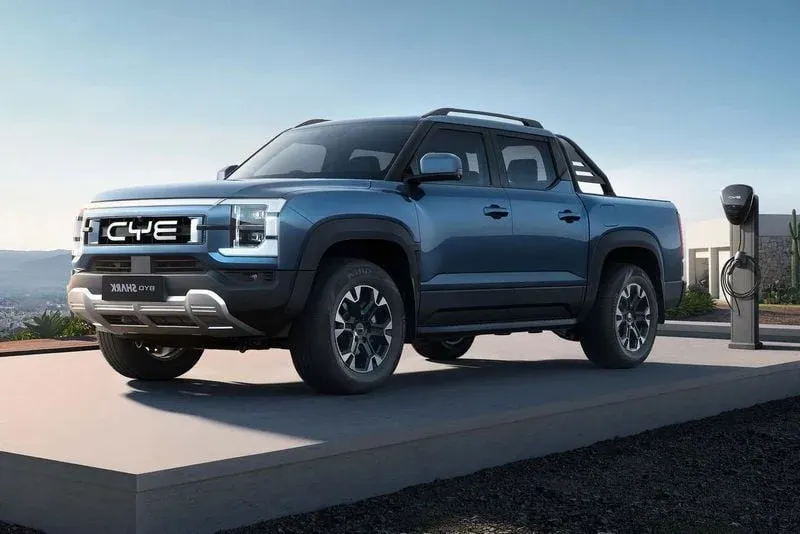
Image credit: BYD Australia
Recall summary
- 32,009 vehicles affected in Australia, covering every BYD Shark 6 variant on sale
- Build window: 29 August 2024 to 15 June 2026
- Variant breakdown: 28,543 Premium, 2,100 Performance, 1,366 Dynamic Cab Chassis
- Fault: the spare wheel support cable can wear and fail if the wheel or tray were fitted incorrectly, allowing the spare to detach from the ute in motion
- Remedy: free replacement of the Spare Wheel Lifter Assembly with an updated design, about 30 minutes of workshop time per vehicle
- Interim action for owners: remove the spare wheel from under the tray until the fix is booked, following the owner handbook
- VIN check via BYD Customer Care on 1300 66 44 88, any BYD Australia dealer, or vehiclerecalls.gov.au
If you own a BYD Shark 6, this is the week to lift the tarp and check under the tray. BYD Australia has issued a safety recall covering 32,009 examples of the plug-in hybrid dual cab over a spare wheel support cable that can wear out and fail, and the wording BYD has attached to the campaign is unusually blunt. If the cable lets go while the ute is moving, the spare wheel can fall onto the road behind you, and BYD itself has said the outcome could be serious injury or death to another road user. That is not a screen defect or a software update. It is a physical part in the underbody of every Shark 6 built here since sales began, and the honest interim step is to take the wheel out of the ute until the workshop can fit the new lifter assembly.
On CarSorted we hold the three retail grades affected: the Shark 6 Premium, the Shark 6 Performance and the Shark 6 Dynamic Cab Chassis, and this recall covers every one of them. That matters for the ute cross-shop that has run all year against the Ford Ranger, Toyota HiLux and MG U9 diesel, because it means there is no lower spec that quietly ducks the notice. Here is what BYD Australia has actually confirmed, how the fix works, who the recall touches, and how it lines up against the other big ute recall this month.
What BYD Australia has confirmed
BYD Australia has notified the federal recall register on 16 September 2026 that 32,009 Shark 6 plug-in hybrid utes sold in Australia are on the involved list. The build window runs from 29 August 2024 to 15 June 2026, which lines up with the very first customer deliveries of the Shark 6 through to production three months before the recall was raised. Every retail grade currently on BYD Australia's price list falls inside that window: the Premium dual cab, the Performance dual cab, and the Dynamic Cab Chassis, whose local reveal last year opened the door for the ute to run against traditional tradesperson bodies.
The variant breakdown BYD Australia has supplied against those 32,009 vehicles reads as follows. The Shark 6 Premium, which is the trim most private customers have bought since launch, makes up the overwhelming share at 28,543 vehicles. The high-output Shark 6 Performance, added earlier this year with the reworked 2.0-litre engine and the 3,500kg braked tow rating, contributes 2,100 vehicles. The tray-back Shark 6 Dynamic Cab Chassis, which is the newest addition and started customer deliveries only a few months ago, contributes 1,366 vehicles. Those numbers sum precisely to the total, which suggests the BYD list is closed and not being trickled out grade by grade.
The defect is a mechanical one, not a software fault or an assembly step that can be corrected with a keyboard. BYD Australia has written that in some vehicles either the spare wheel itself, the tray that carries it, or the fastening torque on the bolts was not set correctly at the assembly line. Once the ute is on the road, that misalignment causes the steel support cable that holds the wheel up under the tray to rub abnormally against the frame around it. Over time and repeated driving cycles the strands in that cable can start to give way, and if enough of them fail together the cable can let go and the spare can drop. BYD's own recall wording is that continued movement and friction during vehicle operation may cause the cable to fail, and that a detached spare wheel poses a hazard to other road users which may result in serious injury or death.
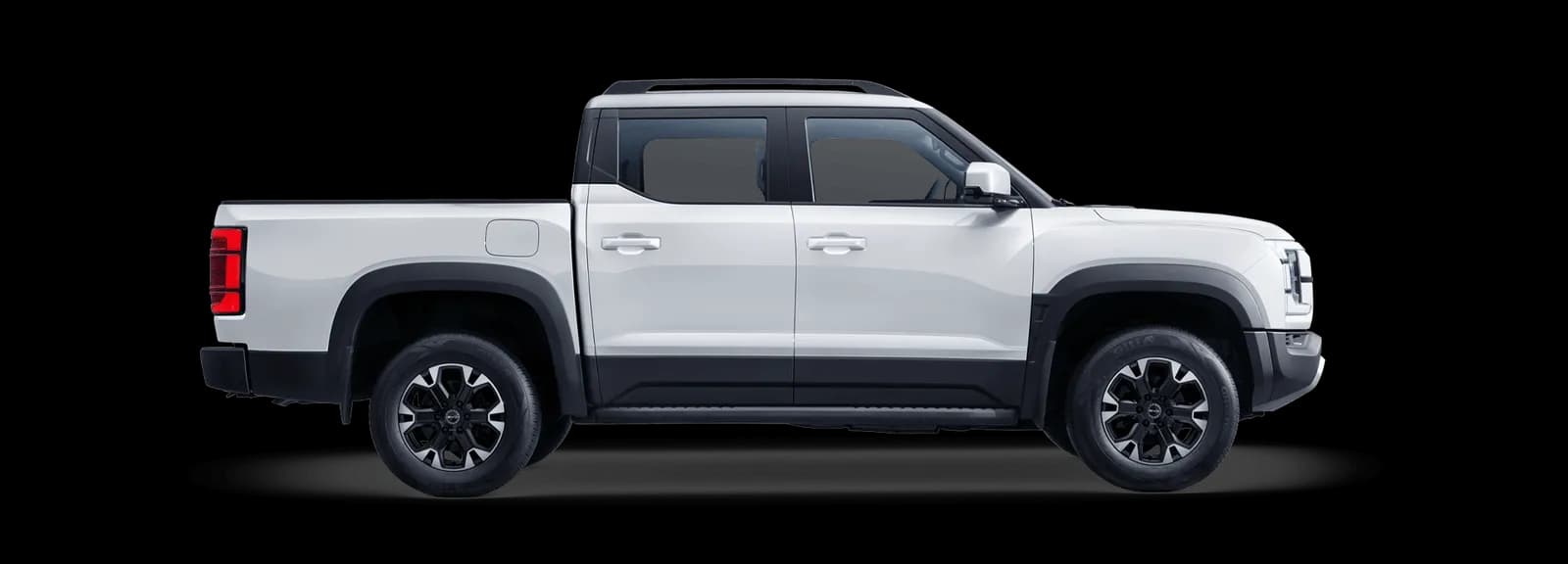
Image credit: BYD Australia
How the fix works
The remedy is a workshop job rather than a home fix or a software push. BYD Australia will replace the existing Spare Wheel Lifter Assembly on every affected ute with a redesigned unit that changes the geometry the support cable runs through, so the abnormal wear that led to the recall does not repeat. The exchange is free of charge, and BYD estimates the actual work at about 30 minutes per vehicle. In practice, owners should expect to leave the ute with a BYD dealer for longer than that, because the workshop scheduling and vehicle intake add hours around a short repair, particularly with the size of the involved fleet.
Owners on the involved list will be contacted directly by BYD Australia. Anyone who has not received a letter within the coming weeks but suspects their ute is inside the build window can ring BYD Customer Care on 1300 66 44 88, walk into any authorised BYD Australia dealer with the VIN in hand, or check the federal register at vehiclerecalls.gov.au using the 17-character VIN stamped on the compliance plate. Second-hand buyers are entitled to the same free fix. The recall attaches to the vehicle rather than the original owner, so a Shark 6 sold privately last month is still on the same list.
In the interim, BYD has issued a piece of very direct advice: remove the spare wheel from under the tray and store it somewhere secure until the recall work is booked. That step is documented in the Shark 6 owner handbook and requires nothing more than the tools already in the ute. It is not a mandatory instruction, but it is the only way to eliminate the underlying detachment risk before the redesigned lifter assembly is fitted. For anyone who tows regularly or uses the Shark 6 on unsealed roads, where under-tray parts see the most vibration, taking the wheel out is a sensible thing to do rather than a nice-to-have.
Where the Shark 6 sits in the Australian range
The Shark 6 has become one of the fastest-selling utes in Australia since the Premium landed at $57,900 before on-road costs in 2024, and the size of the recall reflects that. In our August 2026 VFACTS coverage the Shark 6 finished the month in the top ten with 3,398 sales through June and a strong second-half run once the Performance and Dynamic Cab Chassis joined the range, and it has been the reason more than one long-time diesel ute buyer has walked into a BYD showroom for the first time. Against the Ford Ranger and Toyota HiLux the pitch has been about the plug-in hybrid drivetrain and a lower cost per kilometre for anyone who can charge at home, with the trade-off that the tow rating on the Premium and Dynamic sits at 2,500kg rather than the segment-standard 3,500kg.
| Variant | Price (before on-roads) | Vehicles in recall | Braked tow |
|---|---|---|---|
| Shark 6 Dynamic Cab Chassis | $55,900 | 1,366 | 2,500 kg |
| Shark 6 Premium | $57,900 | 28,543 | 2,500 kg |
| Shark 6 Performance | $62,900 | 2,100 | 3,500 kg |
| Total on recall list | 32,009 |
Powertrains carry across the range from a 1.5-litre turbo-petrol plus dual-motor system in the Premium and Dynamic Cab Chassis, with 321kW and 650Nm combined and a 29.58kWh LFP Blade battery, to the newer 2.0-litre turbo-petrol plus dual-motor arrangement in the Performance rated at 350kW combined. Every Shark 6 keeps the DC fast-charging capability that separates it from most plug-in hybrid utes in the wider global market, with the peak DC intake around 55kW and a stated 0-100 sprint of 5.7 seconds on the standard drivetrain. None of that is touched by the recall, and none of it changes because of it. The build quality issue sits in a single sub-assembly under the tray, not in the traction battery, not in the drivetrain, and not in the safety cell that carried the ute to its five-star ANCAP result in September 2024.
Safety and rating
The Shark 6's five-star ANCAP rating from the September 2024 test remains intact. ANCAP grades the crash protection and the driver-assistance systems of a car's occupants against a set of published protocols, and a recall on an underbody storage part does not fall inside that scope. Anyone cross-shopping a used or new Shark 6 in the next few months should still read the five-star result as a proper current-protocol result. What has changed is the picture at the sold total: the Shark 6 is now the largest single ute recall of the year in Australia by vehicle count, ahead of the 13,907-unit Ford Ranger side curtain airbag recall we covered on 7 September.
The mechanisms of the two recalls are worth reading side by side. Ford's issue was found in internal testing and touched the side curtain airbag deployment ramp inside the B-pillar. BYD's issue was reported through field data and touches an accessory storage bracket rather than an occupant restraint. Both manufacturers reacted by pausing at-risk parts of the fleet: Ford placed about 6,000 utes on a dealer stop-sale and BYD has told owners of every affected Shark 6 to remove the spare wheel until the parts arrive. The right benchmark to hold each recall to is whether the manufacturer is transparent about the fleet size, gives owners a workable interim step and has parts ready to install. On both counts, this Shark 6 notice looks correct.
What this means for buyers
For current Shark 6 owners the action list is small and clear. Ring BYD Customer Care or your dealer, book the free lifter assembly swap, and in the meantime take the spare wheel out from under the tray and put it in the garage. The workshop time is short, the parts are free, and the log against your VIN protects your resale value later. Anyone driving with a heavy load in the tray, doing regular trailer work or covering long unsealed sections should treat this as the priority job for the week rather than something to leave until the next scheduled service.
For anyone in the ute cross-shop right now, the recall does not change the fundamentals of what the Shark 6 offers against a Ford Ranger, Toyota HiLux or the electric MG U9 that is on its way. The plug-in hybrid drivetrain still puts the Premium under 800km of combined range and lets metro commuters cover most of their week without touching the petrol tank, the five-star ANCAP result still applies, and the six-year vehicle and eight-year battery warranty still protects the drivetrain. The one honest change is that a serious recall notice is now on the record, and the way BYD Australia handles the parts flow and the workshop scheduling over the next few months is worth watching if you are new to the brand. On CarSorted you can compare the Shark 6 Premium against every other ute in our database on the compare tool, or line it up against the diesel Ford Ranger and Toyota HiLux you might have been running before.
For anyone bought a Shark 6 second-hand, the recall attaches to the vehicle rather than the original owner. Take the compliance plate VIN to a BYD dealer or key it into vehiclerecalls.gov.au, and if a match comes back, book the free repair the same way a first owner would. Any authorised BYD Australia workshop will handle the job. And if you are looking at a used Shark 6 for sale over the coming months, ask the seller whether the recall work has been completed and take five minutes to check the answer against the register before you sign a contract. It is the sort of thing that matters when the plate reads back with a build date inside the involved window.
None of this changes the deal window BYD Australia has been running through August and September on the Sealion 7, Sealion 8 and Shark 6, which is still live until 30 September with delivery by 31 October. The Shark 6 Premium is still $57,900 driveaway inside that campaign in most metro postcodes, and the free lifter assembly swap applies to any car delivered against that promo as well as every car already on the road. If you have a Shark 6 on order and the ute is still with the dealer, ask them whether the pre-delivery inspection will include the fix before you take the keys home.
Shark 6 Premium in the CarSorted directory | Shark 6 Performance | Shark 6 Dynamic Cab Chassis | Compare the Shark 6 against every ute on sale
Disclaimer: Recall details are sourced from BYD Australia and the federal recall register at vehiclerecalls.gov.au. Vehicle counts, build dates and variant breakdowns are as reported by BYD Australia at the time of the recall notification. Pricing shown reflects the retail figures published by BYD Australia at the time of writing and does not include on-road costs unless stated. Owners should confirm their specific VIN with BYD Australia or their local dealer before acting on this article.
Compare these picks side by side
Stack 3 of them on 200+ specs, price, safety and running cost in one view.
Compare all 3 nowFrequently Asked Questions
Which BYD Shark 6 models are affected by the recall?
What is the fault BYD has identified?
How does BYD Australia fix it, and does it cost me anything?
Should I keep driving my Shark 6 while I wait for the parts?
How do I check if my Shark 6 is on the list?
Does the recall affect the ANCAP rating, warranty or resale?
New cars, real prices, straight to your inbox
Join the CarSorted mailing list for new-model launches, price drops and drive-away deals, honest reviews, and founding-member pricing on the upcoming CarSorted Pro Report.
- New-model launches
- Price drops & deals
- Honest reviews
No spam, unsubscribe anytime. By subscribing you agree to receive marketing emails.
Disclaimer: All information in this article was believed to be correct at the time of publishing (17 September 2026). Prices are manufacturer recommended retail prices (RRP) and may vary by state, dealer, and options. Specifications, government incentives, and rebates can change without notice. Always verify details with the manufacturer or relevant authority before making a purchase decision. Running cost estimates are based on average Australian driving conditions at 15,000 km/year. CarSorted does not accept payment for recommendations or rankings.
Written by Uzzi, CarSorted Editorial Team · 17 September 2026 · how we research
Comments (0)
Sign in to join the conversation
No comments yet. Be the first!