Import rules, fees, duty rates and registration requirements current as of 7 November 2026
Fees, duty rates, LCT thresholds and registration rules on this page were read from the regulators' own pages on 7 November 2026. Government fees are indexed and the LCT thresholds change each financial year, so confirm the current position with the agency before you pay for a car or a ship. This guide is general information, not legal, tax or financial advice.
Importing a car to Australia is legal and individuals do it, but it is also a process that runs through four federal agencies and one state transport authority before you can drive anywhere. The order matters. The approval has to exist before the car is shipped, the car has to be clean before it leaves port, and an approval to import is not a promise that your state will register it. This guide walks through the official process step by step, with each fee and rate taken from the regulator that sets it.
The short version
- You need a federal import approval, applied for in ROVER, before the car ships (Road Vehicle Standards Act 2018, section 22).
- Private imports mostly use a concessional RAV entry approval: older vehicles (25 years or more), SEVS cars modified by a Registered Automotive Workshop, or personal effects for people moving to Australia.
- Government application fees are small ($42.20 to $95 for the common pathways). Shipping, compliance work, duty, GST and registration are where the money goes.
- Customs duty depends on the tariff line (5% general rate on the passenger lines we read; no duty for passenger vehicles and light utes aged 30 years or more), GST is 10%, and LCT is 33% above the threshold.
- Biosecurity cleaning and an asbestos-free assurance are the importer's job, and the state decides registration.
Who this guide is for
Four kinds of buyer end up reading the import rules, and each one tends to land on a different pathway.
- Enthusiasts after a car not sold new in Australia. Japanese domestic market (JDM) performance cars, special editions and low-volume models are the classic case. For a car under 25 years old, the route is usually the SEVS register plus a Registered Automotive Workshop.
- Classic car buyers. A car whose build date is at least 25 years before you apply can use the older vehicles pathway, which since 1 July 2021 covers a wider range of passenger cars, vans, motorcycles and light commercials under 3,500kg GVM, according to the Department of Infrastructure.
- People moving to Australia, and Australians coming home. The personal effects pathway lets migrants settling here and citizens returning permanently bring a car they have owned and used overseas, subject to the ownership rules below.
- Buyers comparing an import against a local car. Sometimes the car you want is already sold new here, in right-hand drive, with a local warranty. We cover that comparison near the end.
The law in one paragraph
The Department of Infrastructure's import page (read 7 November 2026) puts it plainly: before you import a road vehicle into Australia you must obtain an import approval, and under section 22 of the Road Vehicle Standards Act 2018 (RVSA) it is an offence to import one without approval. If a car arrives without an approval, the Australian Border Force will not release it from customs control, and the storage costs, which the Department describes as "considerable", are the importer's. The car then has to be on the Register of Approved Vehicles (RAV), the Department's public database of vehicles approved for provision to the Australian market. Once a vehicle is entered on the RAV, the Department says, it is available for registration by a state or territory registration authority, and Western Australia says that from 1 July 2023 it only considers imported vehicles listed on the RAV for licensing, because the RAV replaces the need for compliance plates.
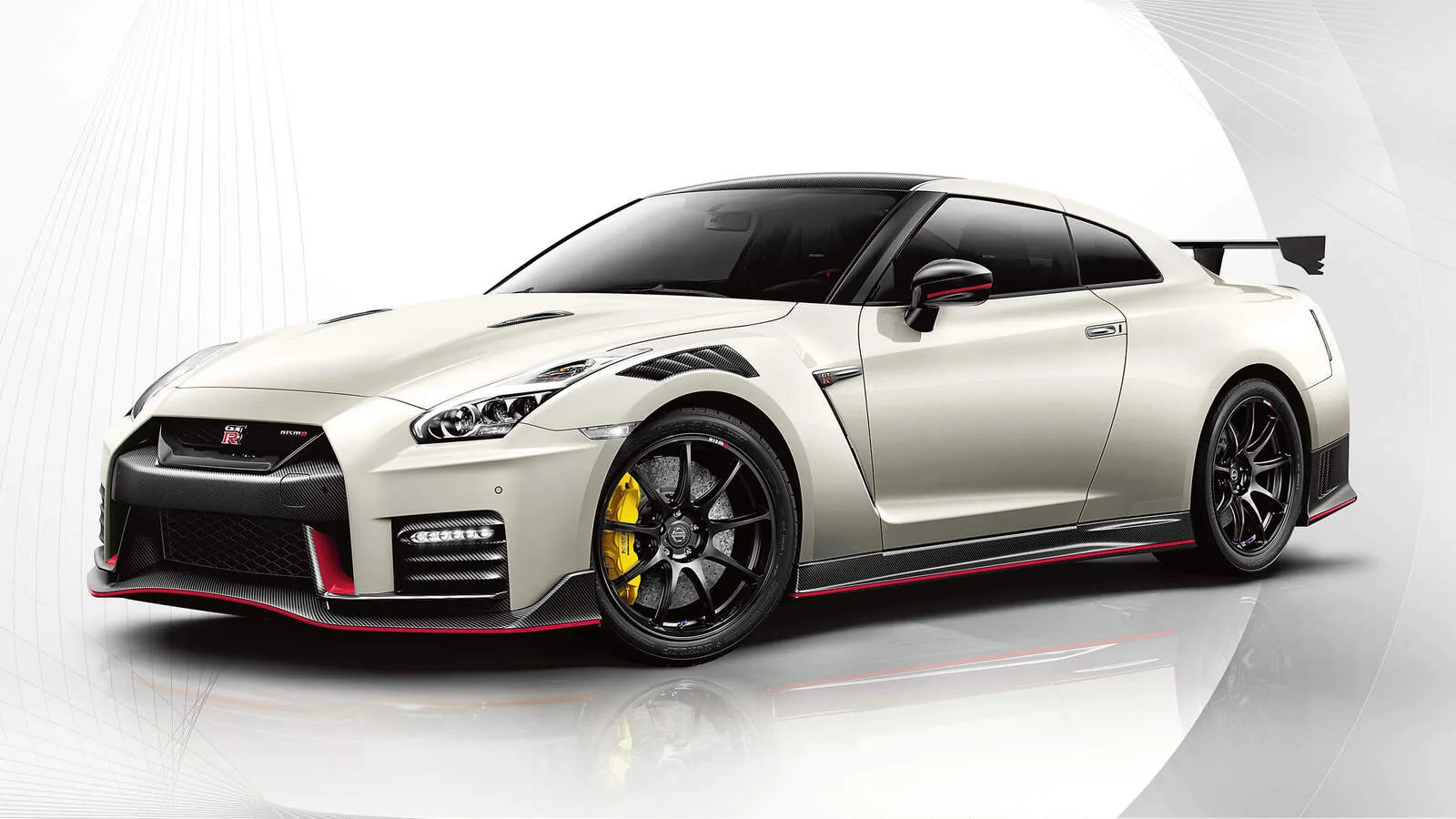
Image credit: Nissan Australia. The R35 GT-R was sold new in Australia; we list it in the directory.
The import pathways for private buyers
Private imports typically use a concessional RAV entry approval. The Department says this approval is also taken to be the import approval for that vehicle, so one application does both jobs. Its concessional RAV entry page lists six types: older vehicles, vehicles to be modified by a Registered Automotive Workshop (RAW), special purpose vehicles, personal effects, trailers, and road vehicles suitable for entry on the RAV. Three matter to private buyers.
1. Older vehicles (the 25-year rule)
Under section 36 of the Road Vehicle Standards Rules 2019, the vehicle's relevant build date must be at least 25 years before the time of application. The RVS glossary defines the relevant build date as the date assembly was completed, or the date the last significant modification was completed if one was made later. That second half is where people get caught. The Department's guide to importing an older vehicle lists body, chassis, drivetrain, braking and steering-conversion changes as significant modifications for a car, and says a car with a significant modification under 25 years old is not an older vehicle. A late-model engine swap can therefore take an otherwise eligible car out of this pathway.
To prove the build date, the Department suggests the original sales document, a deregistration certificate in some countries, or a photograph of the VIN, chassis number or compliance plate from the country of first registration. Where a very old car shows no month, the month is assumed to be December of the build year. The SEVs page notes that a car 25 years or older generally does not need to be on the SEVS register.
2. SEVS cars modified by a Registered Automotive Workshop
For a car under 25 years old that was not sold new here, the route starts with the Specialist and Enthusiast Vehicles Register (SEVS). It is a public, searchable list of the makes, models and variants that meet the eligibility criteria in section 129 of the Rules. You check a model by searching the register for its make and model and reading the variant and build date range on the entry, because an entry can cover a particular variant or a date range rather than a whole model line.
The SEVs page summarises the criteria. The vehicle must not have been made available new in Australia (with exceptions, including where it is no longer genuinely available here new), must have been on sale in an overseas market for at least 3 months, and must meet one of six criteria:
- Performance: specifications significantly superior to mainstream vehicles in Australia.
- Environmental: meets or exceeds the current Australian emissions standards.
- Mobility: built or modified with features to assist people with a disability.
- Left-hand drive: built left-hand drive, with no right-hand-drive version made for another country.
- Campervans and motorhomes: built as one, or capable of conversion.
- Rarity: produced in small quantities.
A SEVS entry is a starting point, not a green light. The Department says an entry on the register does not guarantee a vehicle can be modified to comply with the national road vehicle standards, or that a concessional RAV entry approval will be granted for each individual car. The owner (or intended owner) then needs a concessional RAV entry approval under the RAW criterion, must have or have access to an approved Model Report for that vehicle, and the compliance work has to be done by a RAW to the report's work instructions and checked by an authorised vehicle verifier (AVV), who enters the car on the RAV. The Department's advice to buyers is to check a Model Report has been approved for the vehicle and to discuss the purchase with a RAW before buying.
3. Personal effects (moving to Australia or coming home)
This is the pathway for people bringing their own car with them. The RVS glossary sets out the core tests: the applicant must own the vehicle when applying, must have become its owner while living outside Australia permanently, and must have owned it for a continuous period of at least 12 months immediately before the relevant date defined in section 39 of the Rules. Transport WA's import page describes it as a vehicle you have owned and used overseas for at least 12 months.
There is a separate customs question for returning Australian goods. The ABF says an import approval is required for returning Australian road vehicles (unless it left on an Australian carnet that has not expired), and that with an approval in place you may be able to claim concessional duty and tax treatment under items 17 and 20 of Schedule 4 to the Customs Tariff Act, if conditions are met. Tourists and temporary residents can bring a vehicle in temporarily for up to 12 months without paying duty and taxes, subject to conditions.
Researching your next car?
Before you commit to an import, check what is sold new here: search the directory, compare cars side by side or see this month's manufacturer deals. Figures are sourced from manufacturers' own published documents.
The eight official steps, in plain English
The Department of Infrastructure publishes 8 steps to importing a vehicle (read 7 November 2026). Here is what each one means in practice.
Step 1: Research before you buy
The Department's checklist asks whether the vehicle is eligible to enter Australia, which approval type fits, what it will cost (shipping, storage, delivery, the application, taxes, customs duty, quarantine cleaning, asbestos testing or removal, quarantine inspection, modifications, state registration and insurance), how long it will take, what documents you need, whether you need a broker, whether it needs modifying to meet the Australian Design Rules, and what the risks are. Our addition: ask your state transport authority whether it will register this exact car before you pay for it. The ABF's vehicle import page notes that the Department of Infrastructure has no control or authority over the state and territory registration authorities.
Step 2: Apply for an import approval in ROVER
You create an account in ROVER, the Department's portal, complete the online application and pay the fee. Creating an account involves 100 points of identification, and the Department says verification can take a couple of weeks. The Department notes people often get an agent to organise the application, and ROVER has an Authority to Act process for that. The application is not assessed until the fee is paid.
Step 3: Receive the approval
The approval comes by email and may carry conditions, such as marking an allocated VIN on the car. If a condition must be met before the car goes on the RAV, the approval says so, but you may import the car once you hold the approval.
Step 4: Arrange shipping, cleaning and gas
Before shipping, the Department says to have the car steam cleaned inside and out, have any air-conditioning gas removed if necessary, and arrange asbestos testing and removal if necessary. On the gas point, the ABF notes a vehicle with an air conditioner may need an import licence for ozone depleting substances and synthetic greenhouse gases, so find out the type and quantity of gas before it ships.
Step 5: Clear customs
An import declaration is lodged, and customs duty, GST and luxury car tax (if it applies) are paid. Many importers use a licensed customs broker for this step; the Department lists "do I need to use a broker?" as a question to answer in step 1, and the choice is yours. The ABF says you do not need to calculate the duty, GST or LCT: once your import declaration is processed, it sends an Outstanding Payment Advice showing what is owed.
Step 6: Meet quarantine (biosecurity) requirements
A quarantine entry is lodged with the Department of Agriculture, Fisheries and Forestry (DAFF) and an inspection appointment is booked. You or your broker may need to be present. More on what the inspectors look for below.
Step 7: Meet the approval conditions
This is where any modification happens. For a SEVS car, the RAW does the work to the Model Report and the AVV verifies it. For other pathways it may mean testing and evidence of compliance, then entry on the RAV. The Department says it can take up to 48 hours after approval for a vehicle to appear on the RAV, and to check it is there before you go to registration.
Step 8: Register it in your state or territory
Registration is a state matter, and the next sections cover what five states ask for.
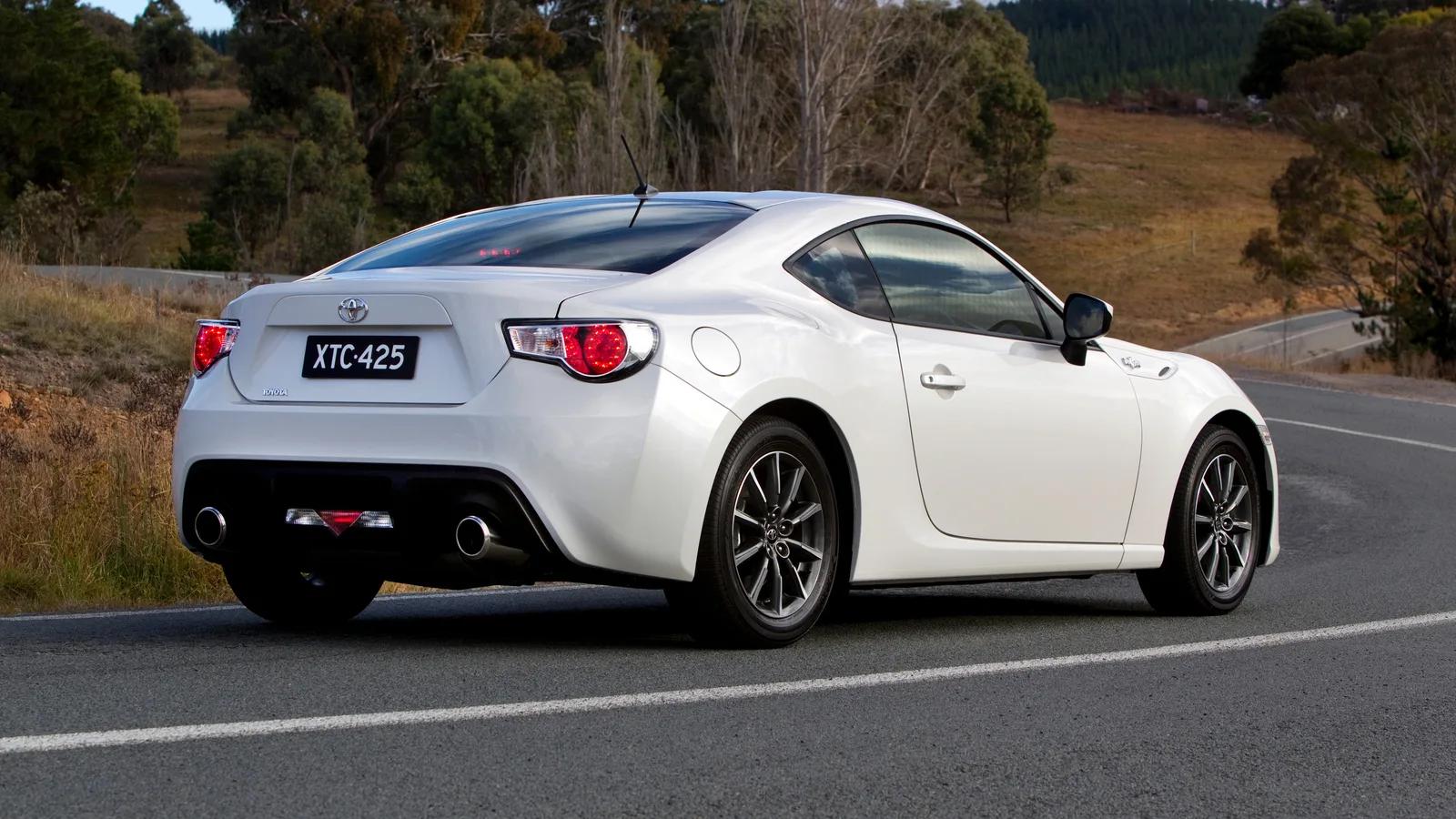
Image credit: Toyota Australia. The 86 was sold new here from 2012; see the current GR86 in our directory.
Cars in this story
4 cars

Price shown is each car's stored figure with its basis and check date.
See all Toyota modelsWhat it costs: fixed rates and variable costs
The costs split into two groups. Government fees, duty, GST and LCT are set by law and printed by the agencies. Shipping, compliance work, broker fees, inspections and insurance are set by the businesses you use and vary from car to car. We only print a figure where an official source prints it.
Government application fees
| Approval or charge | Fee | Notes |
|---|---|---|
| Concessional RAV entry: older passenger vehicle | $42.20 | RAV charge included |
| Concessional RAV entry: personal effects | $57.20 | RAV charge included |
| Concessional RAV entry: vehicle to be modified by a RAW | $95 | RAV charge not included |
| RAV charge: passenger vehicle modified by a RAW | $109 | Per vehicle, payable before RAV entry |
| Concessional RAV entry: special purpose vehicle | $455.25 | RAV charge included |
| Non-RAV entry import approval | $60 | For cars not for general road use (racing, exhibition, film) |
| Reimportation import approval | $40 | For a car previously exported from Australia |
Source: Department of Infrastructure, RVS legislation fees and charges (the schedule dated September 2021, which is the version on the Department's site when we read it on 7 November 2026). Fees can be indexed, so check the amount shown in ROVER when you apply. Model Report, RAW and AVV fees are paid by the workshops and verifiers, not by the car owner directly, though they flow into what a workshop charges.
Customs duty, GST and luxury car tax
| Charge | Rate | Charged on |
|---|---|---|
| Customs duty | Set by tariff line. 5% general rate on the passenger vehicle lines we read in Chapter 87. Duty-free under Schedule 4 item 36 for passenger vehicles and light utes (up to 3.5t g.v.w.) aged 30 years or more | Customs value |
| GST | 10% | Value of the taxable importation (customs value + duty + transport and insurance to the place of consignment in Australia) |
| Luxury car tax | 33% of the value above the threshold. 2026-27 thresholds: $91,661 fuel-efficient, $80,809 other. From 1 July 2025 a car counts as fuel-efficient only if its fuel consumption does not exceed 3.5L/100km | Cars carrying fewer than 9 passengers and a load under 2 tonnes, above the threshold |
Sources: ABF, Importing a motor vehicle; ABF current tariff, Schedule 3 Chapter 87 and Schedule 4; ATO, Luxury car tax rate and thresholds. Read 7 November 2026. Some tariff lines print a different rate, and trade agreement rates are printed per line by country code; your broker or the ABF confirms the line for your car.
Two details are easy to miss. The duty is on the customs value, but GST is on a bigger number that includes the duty and the freight, so the taxes compound slightly. And LCT is worked out on the GST-inclusive value (the ABF says imports of luxury cars are liable when their GST-inclusive value exceeds the threshold): the ATO's formula takes the amount above the threshold, removes the GST component (multiplying by 10/11) and charges 33% on what is left. Our compare tool shows the LCT position for cars sold new here; for an import, the ABF's payment advice is the figure that counts.
The variable costs, and what drives them
- Buying the car overseas: the purchase price, any export or auction fees in the source country, and inland transport to the port.
- Shipping: the route, roll-on roll-off versus container, the port of arrival, insurance, and wharf or storage charges if the paperwork is not ready when the ship docks.
- Customs broker: optional, priced by the broker, often bundled with clearance and quarantine booking.
- Biosecurity: offshore cleaning, the on-arrival inspection (the ABF says you are responsible for the inspection charges), and any re-cleaning or fumigation if contamination is found.
- Asbestos: testing and removal if the car is at risk, and storage while the ABF samples and tests a car it is not satisfied about.
- Compliance: for SEVS cars, the RAW's work to the Model Report and the verification. The cost turns on the car and what the Model Report requires.
- Registration and stamp duty: set by your state, on a value the state defines. Transport WA, for example, says vehicle licence duty is based on the vehicle's value unless you were the previous licence holder.
- Insurance: quoted per car and driver. Get a quote before you buy, because an insurer can price a low-volume import very differently from a local car.
Get the weekly CarSorted rundown
One short email a week: new cars, price changes and the guides we publish. Unsubscribe anytime.
A realistic timeline
The government parts have published timeframes; the rest depend on the car and the businesses involved.
| Stage | Published timeframe | Source |
|---|---|---|
| ROVER account identity verification | "Can take a couple of weeks" | Department of Infrastructure |
| Import approval decision | Up to 60 business days (general); older vehicle applications assessed within 30 business days | Department of Infrastructure |
| Car appears on the RAV after approval | Up to 48 hours | Department of Infrastructure |
| Shipping, customs, quarantine | Varies by route, sailing schedule and inspection booking | No official figure |
| RAW compliance and verification (SEVS cars) | Varies by car, Model Report and workshop | No official figure |
| NSW AUVIS (blue slip) report validity | 42 days | Service NSW |
The practical sequence: get the ROVER account verified early, apply for the approval before you commit to shipping, and line up the RAW (for a SEVS car) and the state inspection before the car lands, so it is not sitting in paid storage waiting for paperwork.
Biosecurity: why the car has to arrive clean
The Department of Agriculture, Fisheries and Forestry (read 7 November 2026) lists the risks as live insects, seeds, soil, mud, clay, animal faeces and plant material such as straw, twigs, leaves, roots and bark. It is the importer's responsibility to make sure the car is clean before it arrives, and vehicles are subject to biosecurity control on arrival.
- Used vehicles get a full external and internal inspection on arrival, unless an offshore treatment provider recognised by DAFF has processed them, in which case the inspection is reduced.
- New vehicles get an external inspection.
- If contamination is found, the options at the importer's expense include cleaning or fumigation, exporting the car from Australia if it arrives heavily contaminated, or destroying it.
DAFF's checklist is a useful map of where dirt hides: wheels and guards, the underside, inside chassis rails, the engine bay (empty the washer reservoir, keep the radiator fins clear), the boot and spare wheel well, under seats and mats, seat folds, vents and door seals. Supply the keys so inspectors can open internal compartments. Detailed import conditions sit in DAFF's BICON system.
Asbestos: the rule that can hold a car at the border
The ABF says the importation of asbestos into Australia is prohibited, and that you must ensure your vehicle, whether imported commercially or privately, contains no asbestos before it is shipped. Where the ABF judges a vehicle is at risk of containing asbestos, it will require assurances that parts and components are asbestos-free. Without adequate assurance, the car can be held at the border for sampling and testing, and the importer pays the costs. Brake, clutch and gasket parts on older cars are the usual focus, so for a classic, ask the seller and the exporter for evidence of what has been replaced and with what, and consider testing before it ships. The ABF publishes a factsheet, Managing the risk of asbestos when importing a motor vehicle, linked from its vehicle import page.
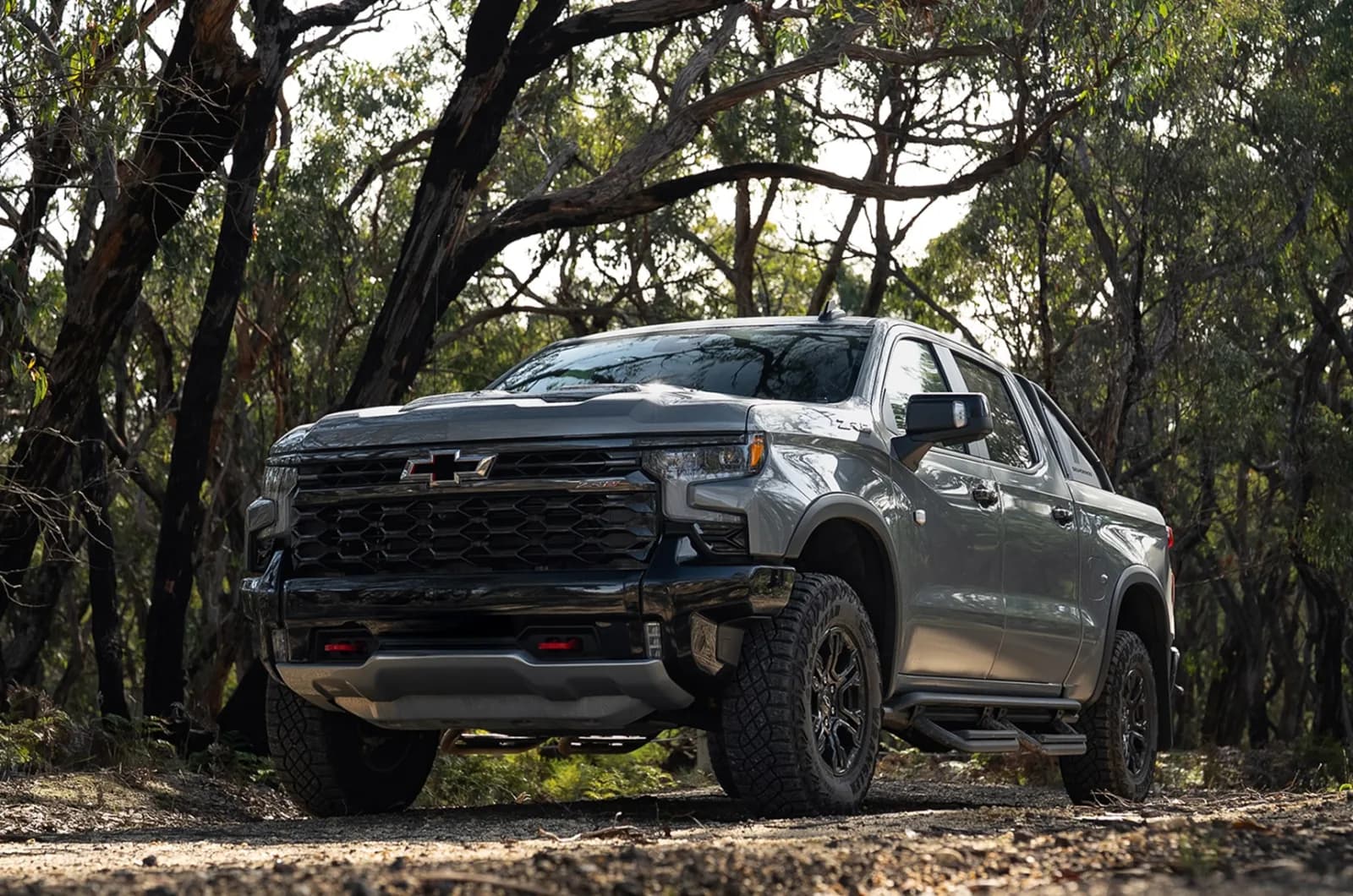
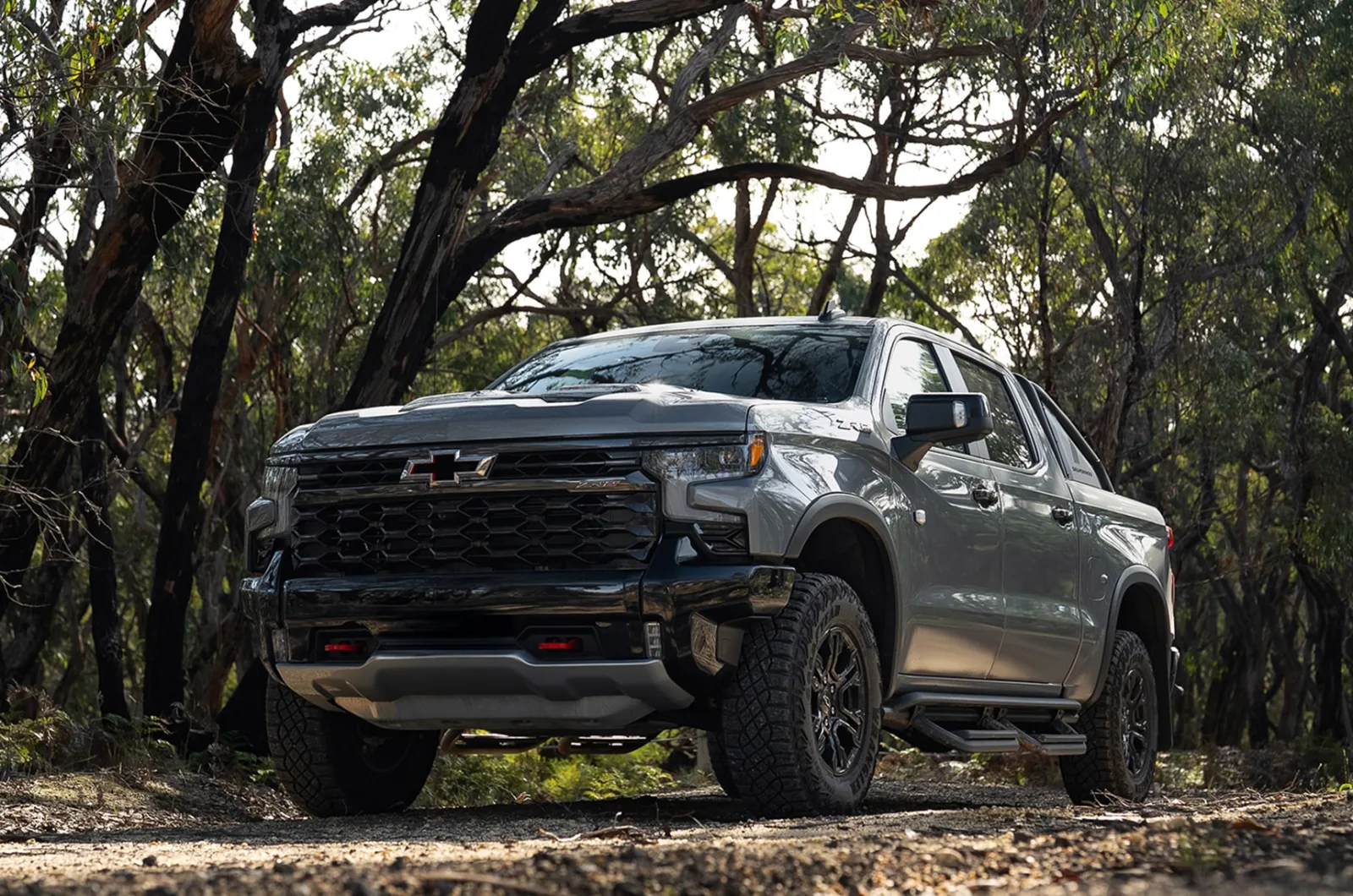
Image credit: GM Specialty Vehicles. The Silverado is a US pick-up sold new here in right-hand drive; see the Silverado 1500 ZR2 in our directory.
Registering an imported car, state by state
The ABF and the Department both make the same point: a valid import approval does not guarantee the car meets a state's requirements for registration and insurance, and the ABF adds that the Department has no control or authority over the state and territory registration authorities. This is what the states we checked publish (read 7 November 2026).
| State | Inspection | What they ask for | Stamp duty and fees |
|---|---|---|---|
| VIC | VicRoads publishes a separate process for imported vehicles; its page did not load for us on 7 November 2026 | Check the VicRoads imported-vehicle page linked below | Registration fees and motor vehicle duty per VicRoads |
| NSW | AUVIS report (blue slip) for a vehicle brought in from overseas; weighbridge for a make and model not normally available here | Import approval documents, proof of entitlement, proof of identity, CTP green slip, VSCCS certificate if modified | Registration fees and stamp duty per Service NSW |
| QLD | Queensland safety certificate (or certificate of inspection) from an approved inspection station; modification plate if modified | Safety certificate or certificate of inspection; the F3518 form is only needed at a QGAP office, Magistrates Court or police station, not at a transport and motoring service centre | Registration fees and duty per TMR |
| WA | Certificate of Inspection; personal effect imports must be inspected by the Department of Transport and Major Infrastructure, not an AIS | Import approval, VL17 application, ID, proof of ownership; temporary movement permit to reach the inspection | Licence fees and vehicle licence duty per Transport WA |
| SA | Identity inspection ($75), before any modifications begin; roadworthy inspection for some imports, including light vehicles built left-hand drive | Inspection report (valid 3 calendar months), registration and CTP application | Registration fees and stamp duty per SA.GOV.AU |
Sources: VicRoads, Register an imported vehicle; Service NSW, Apply to register a personally imported vehicle and blue slip; Queensland Government, Register your vehicle; Transport WA, License an imported vehicle and Importing and licensing a car from overseas; SA.GOV.AU identity inspection and roadworthy inspection. Tasmania, the ACT and the NT have their own rules; check with your transport authority.
Three practical points from those pages. The VIN has to be marked on the car the way your state wants it, and the Department will allocate one during approval if the car has none. Take a copy of the concessional RAV entry approval to the inspection. And for left-hand-drive cars, check your state's conditions before you buy: the Department singles out left-hand-drive vehicles when it warns that approval does not guarantee registration, Western Australia publishes a separate technical bulletin (VTB-106A) on imported and left-hand-drive vehicles, and South Australia requires a roadworthy inspection for light vehicles originally built left-hand drive (SA says left-hand-drive cars imported as rarity vehicles generally do not need one).
The risks, and how to reduce them
Odometer and history
A car's history from another country is not on Australian registers until it arrives, so the overseas paper trail matters. Ask for the original registration and deregistration documents, service records, auction or inspection sheets where the market uses them, and photos of the VIN and build plate. Where the history cannot be documented, you are taking the seller's word for the mileage. Once the car is registered here, a PPSR search is available like any other car.
Compliance refusal or failure
An application can be refused, a car can turn out to be outside the SEVS entry's variant or build date range, a significant modification can disqualify an older vehicle, and a state can decline registration. The Department publishes a refusals and review process. The protection is sequencing: confirm eligibility, the approval and the state's position before money changes hands overseas.
Parts, servicing and recalls
A model not sold new here has no local dealer network supporting it. Parts may need to come from overseas, and the Australian distributor of the brand is not obliged to service it. Safety recalls are run by the manufacturer for the cars it supplied in each market, so check how you will hear about a recall on an imported car.
Insurance and finance
Insurers and lenders assess an import case by case. Some will not cover or lend against a car without a local valuation history, and an agreed-value policy may need a valuation. Get the quote and the finance approval in writing before you buy the car, not after it lands. Our insurance cost guide and finance explainer cover the basics for any car.
Should you import, or buy something sold here?
For some buyers the import is the point: the car was not sold here, or the build you want is sold overseas and not here. For others, a locally sold car does the same job with a manufacturer warranty, Australian compliance, local parts and a recall process already in place. A few examples of cars buyers often look at overseas that are, or were, sold new in Australia:
- Japanese sports cars. The Toyota GR86 and Mazda MX-5 are on sale here new, and the Nissan GT-R was sold here until it left the range.
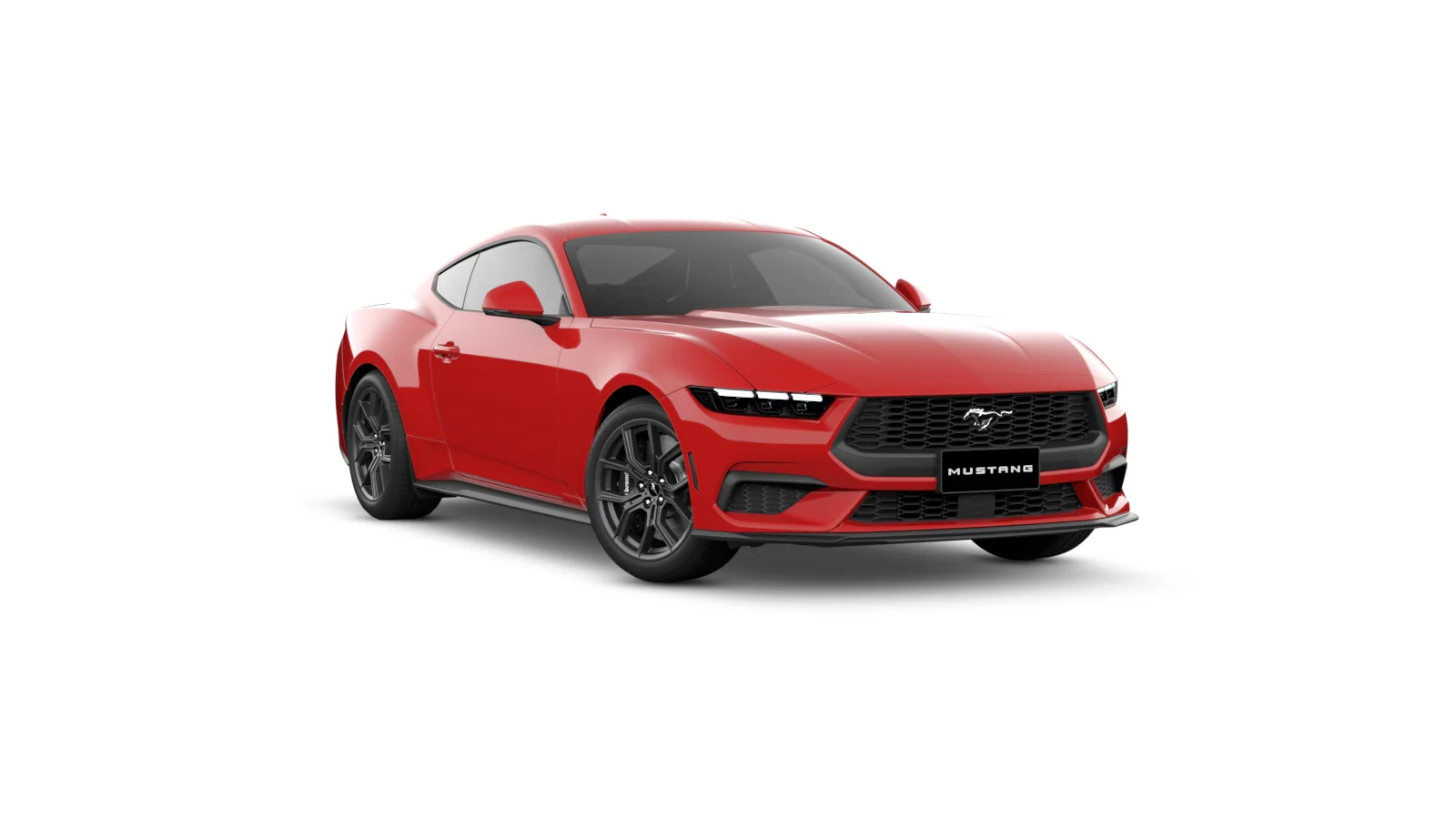
- American muscle and pick-ups. The Ford Mustang is sold in right-hand drive by Ford Australia, and the Chevrolet Silverado is sold here through GM Specialty Vehicles.
The way to decide is the same either way: put the landed cost of the import (purchase, shipping, duty, GST, LCT, compliance, registration) next to the drive-away price of the local equivalent, then weigh warranty, resale and insurance. Our compare tool lines up the local cars side by side, and the directory covers what is sold new and what was sold here in past years.
Our take
The rules are clear and published. The approval is cheap and comes from one federal portal; the money is in shipping, compliance and tax; and the state, not the Commonwealth, decides whether the car is registered. The facts on this page come from the agencies that set them, read on 7 November 2026, and the costs that vary are described rather than guessed. Whether an import is worth it depends on the car, your state and your budget, and that is your call. The facts, side by side; your decision.
Import partner
Import with our partner
CarSorted doesn't import or sell cars. Our licensed import partner handles sourcing, shipping, compliance and delivery. Tell us the car you're after and, with your consent, we'll pass your enquiry to them. We may receive a referral fee if you go ahead.
Start an import enquiryComparing an import with a local car?
The facts, side by side. Your decision.
Rules, fees, rates and thresholds were read from the Department of Infrastructure, Transport, Regional Development, Communications, Sport and the Arts, the Australian Border Force, the Department of Agriculture, Fisheries and Forestry, the ATO and the state transport authorities named above on 7 November 2026. They change; confirm the current position with each agency before you buy, ship or pay. This guide is general information, not legal, tax or financial advice. CarSorted does not import or sell cars.