Key Takeaways
- Kona Electric Standard Range from $45,990 driveaway until 30 June 2026
- Ioniq 5 RWD from $71,990 driveaway, down roughly $8,000 on previous list
- List pricing also lowered: Kona Electric from $46,000 plus on-roads, Ioniq 5 from $68,200 plus on-roads
- Range simplified, with all 2026 Ioniq 5 grades now on the same 84kWh battery
- Entry cars lose the heat pump (Kona), portable charging cable and cabin V2L port
- Both models stay under the LCT fuel-efficient threshold and stay FBT-exempt on a novated lease
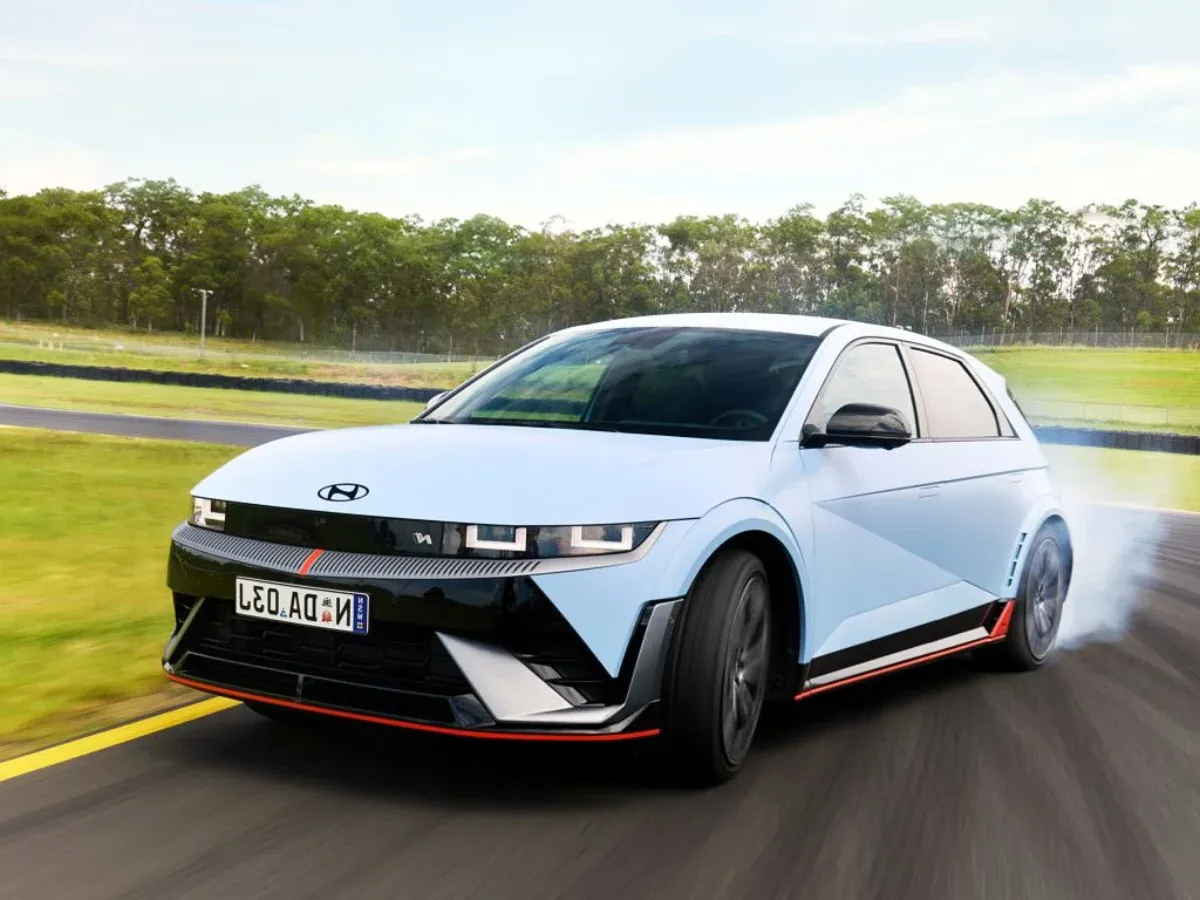
Image credit: Hyundai Australia
Hyundai has finally blinked. The Korean brand has trimmed up to $8,000 off its two best known electric cars in Australia, dropping the Kona Electric Standard Range to $45,990 driveaway and the Ioniq 5 RWD to $71,990 driveaway until 30 June. The official list prices have also been pulled down on the order form, so this is not just a temporary marketing sticker. If you have been watching either of these cars for the last six months and could not justify the gap to a BYD or a Kia rival, the gap has just closed.
For Hyundai it is a survival cut. The brand sold the Kona Electric and Ioniq 5 well in 2023, then watched as the BYD Atto 3, the BYD Sealion 7, the Kia EV5, the Tesla Model Y refresh and a wave of Chinese newcomers carved into its share. The May 2026 VFACTS numbers had the Model Y outselling every other passenger car in the country. The Ioniq 5 has not been on that list for months. The cut is the response.
Pricing
Two sets of numbers are in play. The first column below is the new manufacturer list price (MLP) on the order form. The second is the time-limited EOFY driveaway offer, available for orders delivered by 30 June 2026 through participating dealers.
Kona Electric
| Variant | New list (before on-roads) | EOFY driveaway |
|---|---|---|
| Kona Electric Standard Range | from $46,000 | $45,990 |
| Kona Electric Extended Range | cut applied | $49,990 |
| Kona Electric Premium | cut applied | $59,990 |
Ioniq 5
| Variant | New list (before on-roads) | EOFY driveaway |
|---|---|---|
| Ioniq 5 Dynamiq RWD | from $68,200 | $71,990 |
| Ioniq 5 Techniq AWD | $78,990 | offer-dependent |
| Ioniq 5 Epiq AWD | $91,700 | offer-dependent |
| Ioniq 5 N (performance flagship) | $115,000 | no change |
The headline number on the Ioniq 5 is the driveaway price of $71,990 on the base RWD. That is around $8,000 less than the entry Ioniq 5 was advertised at this time last year, and it brings the car under the unspoken $75k driveaway line where novated lease quotes start looking sensible. The N high-performance variant has not moved.
Specs at a Glance
| Spec | Kona Electric SR | Kona Electric ER | Ioniq 5 RWD | Ioniq 5 AWD |
|---|---|---|---|---|
| Battery (usable) | 48 kWh | 65 kWh | 84 kWh | 84 kWh |
| WLTP range | 370 km | 505 km | 570 km | 495 km |
| Motor power | 99 kW | 150 kW | 168 kW | 239 kW |
| Torque | 255 Nm | 255 Nm | 350 Nm | 605 Nm |
| Drivetrain | FWD | FWD | RWD | AWD |
| 0 to 100 km/h | 8.8 s | 7.6 s | 7.5 s | 5.3 s |
| DC charging | up to 100 kW | up to 100 kW | up to 350 kW | up to 350 kW |
| Platform | 400V | 400V | 800V (E-GMP) | 800V (E-GMP) |
The Ioniq 5 is still on Hyundai's 800V E-GMP platform, which is why it can pull serious charging speeds on a 350kW unit. The Kona Electric is on a 400V architecture and tops out closer to 100kW DC, so a long highway run will be slower if you are stopping to plug in.
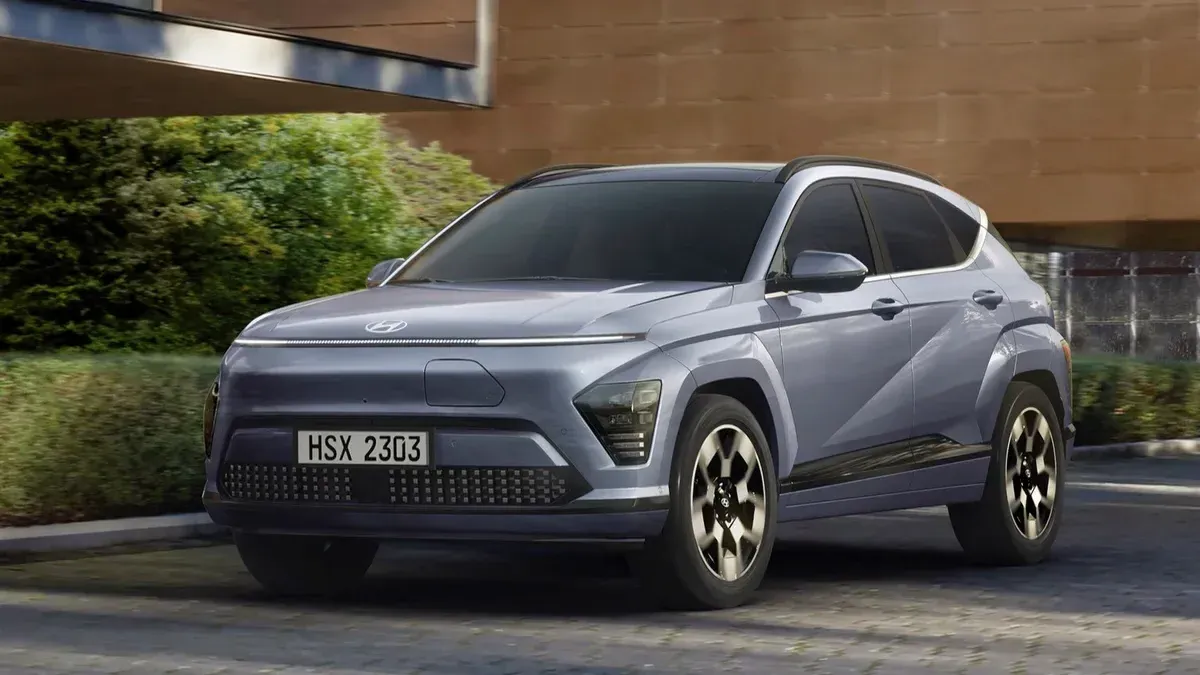
Image credit: Hyundai Australia
What Has Been Removed
A price cut this size usually shows up somewhere on the spec sheet, and it has. The entry Kona Electric Standard Range has had several pieces of kit pulled out: the auto-dimming electrochromic rear-view mirror, the heat pump (which matters for cold-weather range), the portable emergency charging cable (the one with the household plug at the end), and the interior cabin V2L outlet. External V2L through the charge port stays, so you can still plug appliances into the car, just not from inside.
The Ioniq 5 RWD entry car has been treated more gently. It loses the portable emergency charging cable and the cabin V2L socket, but keeps the heat pump and the rest of the kit. The Premium N Line variant swaps suede-look upholstery for leather, which most buyers in the segment are likely to see as an upgrade rather than a cost-cut.
On the upside, the Kona Electric range gains a new mid-spec Elite grade that sits between the entry car and the Premium. That gives a less binary choice than the previous range, which had pushed buyers either to a stripped-down entry or to the top of the wall.
Safety and ANCAP
The Ioniq 5 carries a 5-star ANCAP rating, tested in 2021 against the protocol of the day, with strong adult and child occupant scores. The Australian-delivered car keeps the full set of ADAS: AEB with cyclist and pedestrian detection, lane-keep assist, blind-spot view monitor, rear cross-traffic alert and a 360-degree camera on the higher grades.
The Kona Electric sits on a 4-star ANCAP rating from the 2023 assessment, with 80% adult occupant, 84% child occupant, 64% vulnerable road user and 62% safety assist sub-scores. The 4-star result was driven by the pedestrian and safety assist results, not by occupant protection, which is solid. For private buyers that is mostly a talking point. For fleet and rideshare procurement teams that have a 5-star floor, it is a hard stop, and the Kona Electric will continue to be on the wrong side of that line until Hyundai re-tests.
How It Compares
At $45,990 driveaway, the Kona Electric Standard Range is now within a few hundred dollars of the BYD Atto 3 Premium ($44,990 driveaway) and slightly under the Atto 3 Essential. It still gives away range to the Atto 3 (the BYD has a 60kWh blade pack and roughly 420km WLTP), but it brings the Hyundai brand confidence and a more conventional cabin that some buyers want.
At $49,990 driveaway the Kona Electric Extended Range is the more interesting price point. That puts a 65kWh, 505km WLTP small SUV from a non-Chinese brand into the same money as the BYD Atto 3 Premium. For buyers who would rather not buy Chinese for whatever reason, this is the first time a Hyundai EV has been competitive in that bracket.
The Ioniq 5 RWD at $71,990 driveaway lines up against the Tesla Model Y RWD at $65,900 plus on-roads (roughly $69,000 driveaway in most states) and the Kia EV6 Air at $72,660 plus on-roads. The Ioniq 5 still gives up a few thousand to a Model Y on driveaway, but it now sits inside arm's reach of it for the first time, and the Hyundai 800V hardware charges quicker than the Tesla in real conditions.
The CarSorted Angle: What the Cut Does to Running Costs
The list price drop is the headline, but for most CarSorted readers the question is what it changes on a five-year hold. We ran the numbers on the new Kona Electric Standard Range and the comparable Atto 3 Premium in our database. On 15,000km a year of mostly home-charged driving (Sydney average tariff, 30 c/kWh), the Kona Electric returns roughly 14 kWh/100km on a flat run, against 16 kWh/100km for the Atto 3. Over five years that is about $450 less in electricity for the Hyundai, before insurance and service comparisons.
Where Hyundai still loses is the warranty. The Kona Electric comes with a 5-year, unlimited km warranty and an 8-year battery warranty. The Atto 3 carries a 6-year vehicle warranty and an 8-year battery warranty, and the MG 4 rolls all the way to a 10-year warranty when you service through the dealer network. If you are a long-keeper, that gap to MG is the real cost story, not the sticker.
For cross-shoppers we have put together a couple of pages worth pulling up on phone in the dealer: Hyundai Kona Electric vs BYD Atto 3 and Hyundai Ioniq 5 vs Tesla Model Y, both updated for these new prices. The full electric SUV grid lives in the CarSorted directory.
Warranty and Charging Window
Hyundai keeps its 5-year, unlimited kilometre vehicle warranty, an 8-year/160,000km high-voltage battery warranty, and an extended 15-year ICCU coverage on the Ioniq 5 models built from 2022 to 2024 that the brand bumped earlier this year. Capped-price servicing applies for the first five visits and works out to roughly $230 per service for the Kona Electric and around $240 for the Ioniq 5, with a major service at 60,000km.
Both cars get 12 months of complimentary Chargefox public charging credit from Hyundai for new buyers, and a free home charger from JET Charge with installation on the Premium grades.
What This Means for Buyers
If you have been holding off on a Kona Electric because the price did not match the BYD, the gap is gone. At $45,990 driveaway the Standard Range is no longer the dearer option, it is the comparable one, and the bigger Extended Range at $49,990 driveaway is the most interesting bit of the deal. You give up a heat pump on the entry car, which costs you a bit of winter range if you live in Melbourne or Canberra. You keep the cleaner cabin, the lighter steering, the more familiar Hyundai dealer network and the option of using the Kona for inner-city work where its smaller footprint helps.
If you have been cross-shopping an Ioniq 5 against a Tesla Model Y RWD and the price gap killed it, the Hyundai is now within a single coffee-and-takeaway-dinner of the Tesla on most novated lease quotes. The 800V charging hardware is a real-world advantage on a road trip. The Tesla still wins on app and software polish, on Supercharger access (until non-Tesla NACS rollout is universal) and on resale.
For everyone else, the practical play is this: lock in the driveaway price in writing, confirm physical delivery before 30 June 2026, and check whether your build has the heat pump if you are looking at the entry Kona. The cut is real, the timing is EOFY, and on current trajectory we expect Hyundai will not roll these prices back on 1 July without a fight from the rest of the market.
Best EVs under $50,000 | Best Electric Cars 2026 | All EVs on CarSorted
Disclaimer: Pricing and specifications are sourced from Hyundai Australia. List prices are before on-road costs (MLP). Driveaway pricing applies to new stock delivered by 30 June 2026 through participating dealers and is subject to availability. Running cost figures are CarSorted estimates based on average electricity tariffs and may vary with driving conditions. ANCAP ratings shown are current as of June 2026.