Key Takeaways
- Fuel excise discount ends at midnight Sunday 2 August 2026
- Rate moves from 36.6c/L to about 53.7c/L on petrol and diesel from Monday 3 August
- About $10 to $11 more per 60L tank once GST piles on top of the higher excise
- For a 15,000km/year driver on 7.0 L/100km petrol, that is roughly $180 a year extra
- High-kilometre drivers wear the biggest hit and see the shortest hybrid payback
- No EV road user charge attached yet, so plug-in cars keep the tax gap
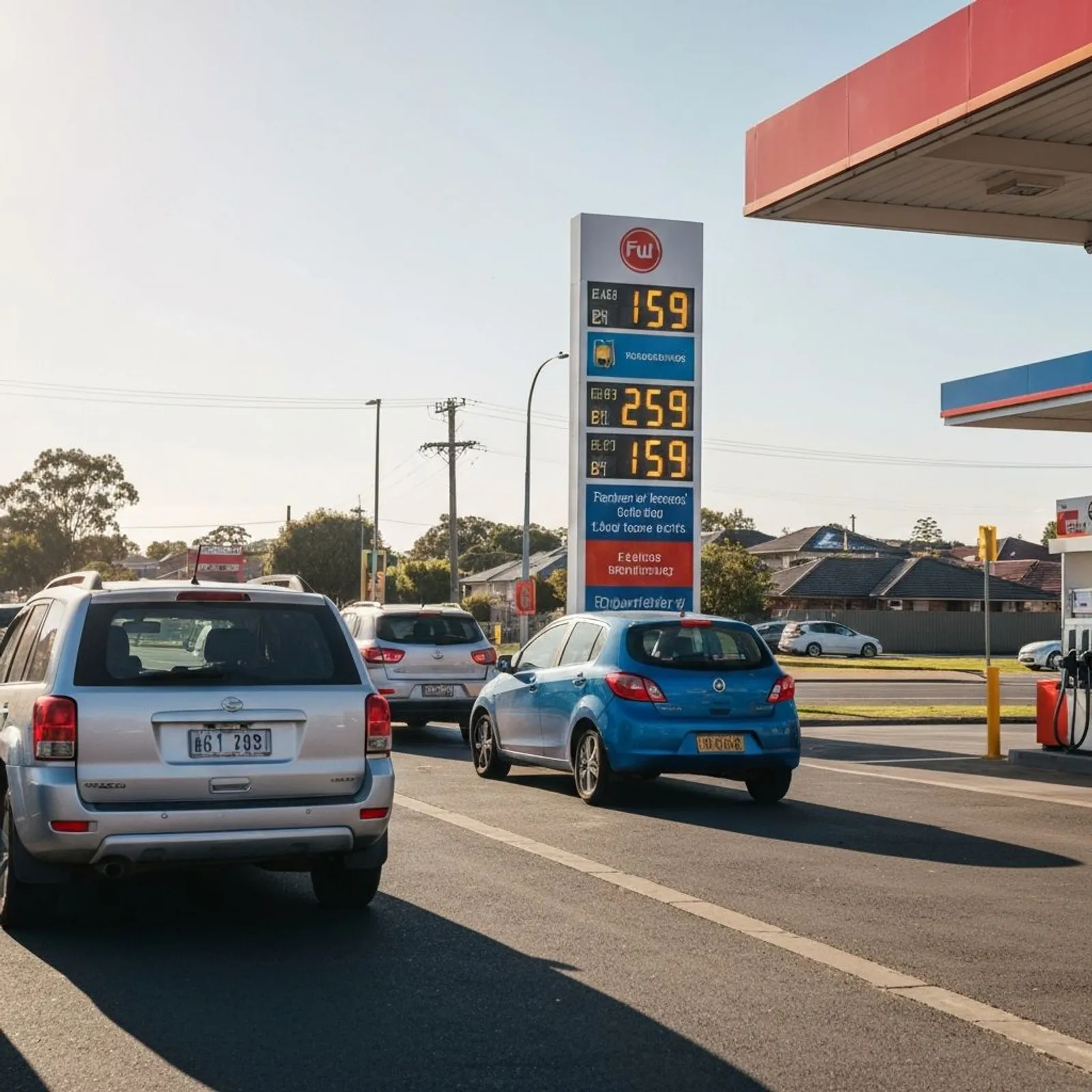
Image credit: CarSorted
Sunday night is the last cheap tank for a while. From Monday 3 August 2026, the temporary fuel excise discount rolled out during the Middle East fuel shock finally switches off, and the full indexed excise rate kicks back in. That means the tax portion of every litre of unleaded, premium petrol and diesel climbs by about 17 cents. Once GST layers on top of the higher excise, most bowser boards will move about 18 to 19 cents. On a 60-litre tank, that is roughly ten dollars more each time you fill.
The story is not just the sticker shock at the servo. It is what the new baseline does to the running-cost gap between petrol, hybrid, plug-in hybrid and full electric on cars people are actually cross-shopping right now. A wider fuel bill widens the case for a hybrid and shortens the payback on a PHEV or EV, and it does that without changing a single new-car sticker price. On CarSorted, the annual running-cost columns in our directory already ticked over on Sunday. Here is what the change looks like and what we would do with it.
What actually changes on 3 August
Fuel excise in Australia is a flat federal tax collected at the wholesale level. It sits inside every bowser price alongside the wholesale cost of fuel, retailer margin and GST. Under the April 2026 relief package, the rate was cut heavily to soften the shock of the early-year price spike. The government then tapered the cut through July, and the last portion of that relief expires on the night of 2 August.
Two things happen at the same time on 3 August. The remaining 16 cents of discount is removed, and the ATO's scheduled August indexation adds a further small increment to bring the rate into line with recent CPI. The combined move looks like this on the excise line item alone.
| Period | Petrol and diesel excise (c/L) |
|---|---|
| Pre-shock rate, Feb 2026 | 52.6 |
| Full relief window, 1 Apr to 30 Jun 2026 | 20.6 |
| Tapered relief, 1 Jul to 2 Aug 2026 | 36.6 |
| Normal indexed rate, from 3 Aug 2026 | ~53.7 |
So the tax portion of a litre goes up by about 17.1 cents. GST then adds 10 per cent on top of the excise-inclusive wholesale price, which is why the number that shows up at the bowser is closer to 18.8 cents. LPG and CNG have their own separate rates and are not affected in the same way. E85 and E10 track normal unleaded because their excise is set on the petrol content.
What it costs a real driver
The excise change on its own is not enough to make anyone rush out and trade their car in. The size of the sting depends entirely on how far you drive and how thirsty the car is. We ran three real profiles at the new rate against a 15,000km, 25,000km and 40,000km year, at the ULP median pump price expected the week the discount ends. All figures assume 91 RON, and the diesel calculation uses the same 17.1c excise change because diesel is taxed at the same rate.
| Driver profile | Extra fuel cost per year | Extra per week |
|---|---|---|
| Suburban runabout, 15,000km at 7.0 L/100km | $180 | $3.45 |
| Family SUV, 20,000km at 9.0 L/100km | $308 | $5.92 |
| Commuter, 25,000km at 8.0 L/100km | $342 | $6.58 |
| Rideshare, 40,000km at 7.5 L/100km | $513 | $9.87 |
Two things stand out. The first is that the daily-runabout profile is looking at roughly a takeaway coffee a week extra. Nobody is going to junk a paid-off Corolla over that. The second is that a rideshare or tradie profile puts a real dent in the household budget, and that same driver was already the strongest candidate for a switch to a hybrid or plug-in. The excise change tilts that decision without moving a single car's sticker.
How petrol, hybrid, PHEV and EV compare at the new rate
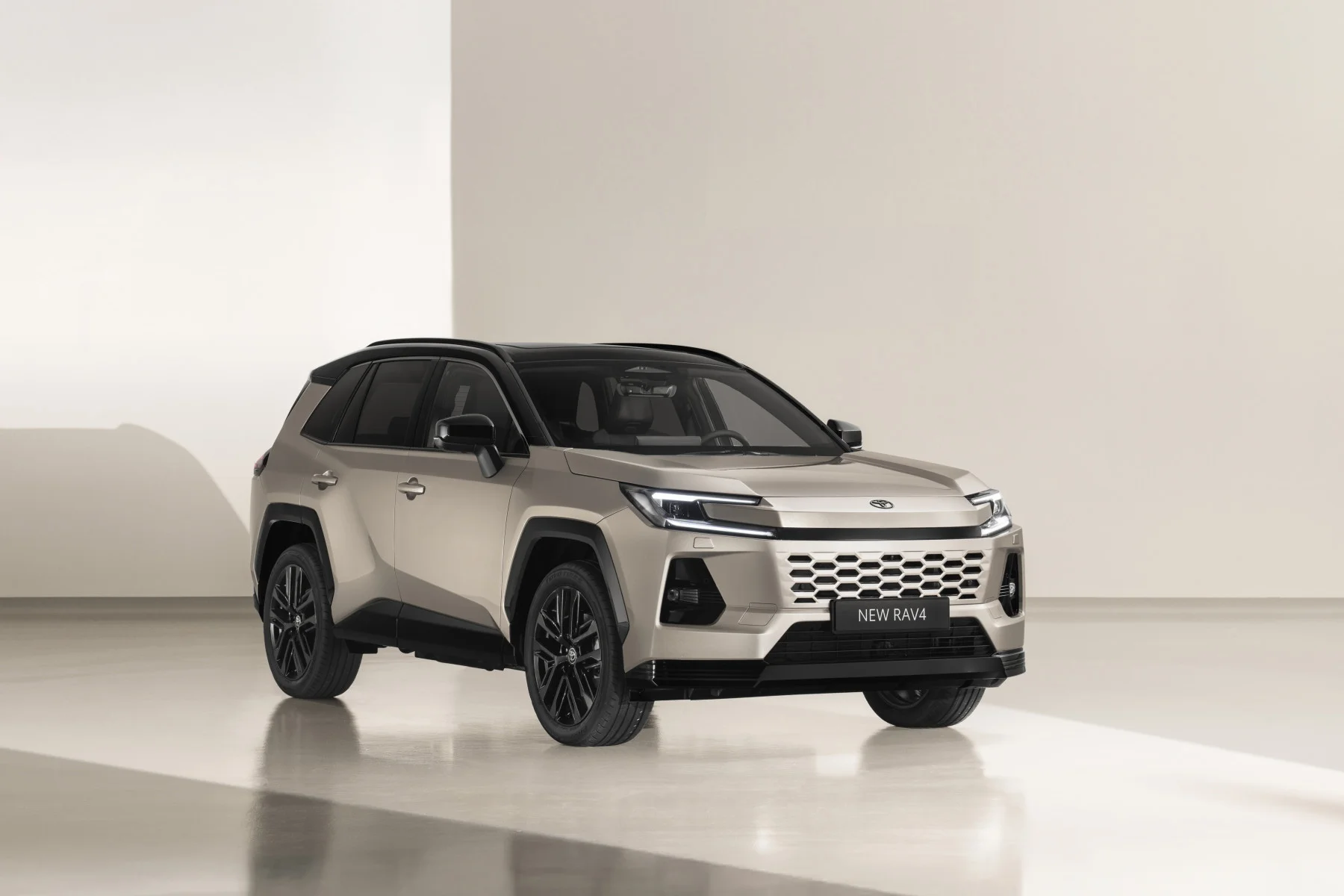
Image credit: Toyota Australia
The cleanest way to see the excise effect is to line up four common cars against a single duty cycle. We used 15,000km a year and typical Australian city plus highway split, and applied bowser petrol at the post-discount rate. Charging cost assumes 33c/kWh average shoulder tariff for home top-ups, with occasional public DC top-ups at 65c/kWh baked in for the EV.
| Car | Fuel/energy per 100km | Est. annual fuel/energy bill |
|---|---|---|
| Toyota RAV4 Petrol (pre-hybrid stock) | 6.8 L/100km | $2,352 |
| Toyota RAV4 Hybrid | 4.8 L/100km | $1,660 |
| BYD Seal 6 Touring PHEV (mixed use) | ~1.4 L/100km blend | $900 |
| Tesla Model Y RWD (home charged) | 14.7 kWh/100km | $730 |
Before the discount ended, the gap between the petrol RAV4 and the hybrid RAV4 sat closer to $530 a year at CarSorted's tracked bowser average. From 3 August it opens up to about $692. Not a shock, but enough to shift the payback on the roughly $3,500 hybrid premium from six-and-a-bit years to just over five, before you factor in stronger hybrid resale. The Seal 6 Touring PHEV, plugged in nightly, cuts the annual bill roughly in half again versus the hybrid RAV4, and the Model Y RWD on a home charger is cheaper still.
Diesel utes and 4WDs feel it too
Diesel excise moves in lockstep with petrol. A Ford Ranger XLT bi-turbo owner doing 25,000km a year at 8.5 L/100km is looking at about $363 extra a year in tax alone, and a LandCruiser 300 at 10.5 L/100km comes in around $449 a year for the same distance. That is not a reason to sell a work ute, but it is a fresh reason to run the sums on the growing pool of electrified utes if you are already thinking about a change. Our best electrified utes guide lines up what is actually on sale, the PHEV options with tow ratings and the small handful of full electric options, and updates every time a new model lands.
Fleet buyers with fuel tax credit eligibility get some of the excise back on off-road use, and that side of the tax has moved with the discount. Business owners with utes and light commercials should recheck their fuel tax credit rate on the ATO calculator after Monday, because the credit lifts as the excise lifts.
Why there is no matching EV road user charge yet
The obvious question when petrol tax goes up is whether the government will lean on EV drivers next. The short answer is no, not this year. The 2026-27 federal budget delayed a national EV road user charge pending the High Court fallout and continued state-based reviews, so full electric cars still pay zero fuel excise and no dedicated road user charge in most states. That widens the tax gap between an EV and a petrol car by exactly the amount the excise just jumped, and it keeps the running-cost case for a home-charged EV as strong as it has been all year. For context on how the tax bands work at the top end, our recent piece on the 2026-27 LCT thresholds covers what is happening on the purchase side.
The CarSorted angle

Image credit: BYD Australia
On CarSorted, three cross-shops in our database change shape from Monday. The first is the classic Toyota Camry Hybrid at $39,990 against the BYD Seal 6 PHEV sedan at $34,990. The Seal 6 was already $5,000 cheaper, but its 55km of EV range means an owner who plugs in nightly buys hardly any petrol at all. The excise change makes that $5,000 gap look even better. Line them up on our Camry Hybrid vs Seal 6 compare page and the fuel bill column now separates them by roughly $900 a year instead of $700.
The second is the family SUV shop. A petrol Mitsubishi Outlander at 7.5 L/100km costs about $1,974 a year in fuel at the new bowser rate on 15,000km. The Outlander PHEV, plugged in overnight, drops the same driver's annual energy bill toward $700 if a typical week fits inside the 84km electric range. On our directory, that gap now closes the price premium inside three years for a nightly-charging buyer, and roughly four for a weekly charger. The maths were already tight last month. Monday tips them over.
The third is the pure EV shop against a petrol small SUV, and this is where the excise change makes the noise. A $45,000 EV home-charged on shoulder tariffs already ran roughly $1,500 a year cheaper than a comparable petrol small SUV. From Monday, that gap widens by another $150 to $200. That is not a life-changing amount, but it is the kind of number that pushes a novated-lease decision from "close" to "clear" for a lot of buyers.
If you want to run the numbers on your own drive, the CarSorted running-costs calculator updates with the new excise rate on Monday morning, and our EV vs hybrid deep-dive walks through the payback window for a range of profiles. Browse the full segment on the CarSorted directory and filter for hybrid, plug-in hybrid or full electric to see the shortlist.
What this means for buyers
If you are a low-kilometre suburban driver with a fully paid-off petrol car, the honest answer is do nothing. An extra $180 a year is not a good reason to spend $40,000. Fill up on Sunday, and go on with your life.
If you are already inside the new-car decision, the excise change is a nudge, not a shove. On our numbers a hybrid mid-size SUV pays back its price premium in about five years at 15,000km a year, versus six-plus before. A plug-in hybrid pays back inside three years for a nightly charger and inside four for a weekly one. An EV home-charged on shoulder tariffs never really had a running-cost problem, and now has a slightly stronger one. Our best hybrids for 2026 and best PHEV SUVs shortlists are the fastest way to see where the value sits.
If you are a high-kilometre commuter or a rideshare driver, this is the biggest signal to run the maths in over a year. An extra $342 to $513 a year on top of everything else you spend on the car brings the hybrid payback down inside two to three years for the profile that actually does the kilometres. That is a genuinely short window, and on our directory the difference between a petrol Camry and a Camry Hybrid, or a petrol Kluger and a Kluger Hybrid, now flips inside a normal ownership cycle rather than at the edge of it.
Fleet buyers, tradies and small business owners have a separate task on Monday. Recheck your fuel tax credit rate against the new excise on the ATO calculator, and lock the higher credit into your BAS workings. It is a small win against a bigger cost, but it is worth ten minutes.
Disclaimer: Excise rates cited are sourced from the Australian Taxation Office and Prime Minister and Cabinet fuel tax relief releases. The post-3 August rate is calculated from the pre-discount 52.6c/L base multiplied by the ATO's scheduled August 2026 CPI indexation factor of 1.020, and the ATO will publish the confirmed rate on the day. Running-cost figures use CarSorted's bowser average and 33c/kWh shoulder tariff assumptions for illustration only. Real spend depends on your driving pattern, your postcode and the retailer margin at your local servo.
Frequently Asked Questions
When does Australia's fuel excise cut end?
How much will petrol and diesel prices go up on 3 August 2026?
How much more will it cost to fill up a 60-litre tank?
What is the new fuel excise rate from 3 August 2026?
Does the change apply to LPG, E10 or hybrid drivers?
Is now a good time to switch to a hybrid or EV?
New cars, real prices, straight to your inbox
Join the CarSorted mailing list for new-model launches, price drops and drive-away deals, honest reviews, and founding-member pricing on the upcoming CarSorted Pro Report.
- New-model launches
- Price drops & deals
- Honest reviews
No spam, unsubscribe anytime. By subscribing you agree to receive marketing emails.
Disclaimer: All information in this article was believed to be correct at the time of publishing (2 August 2026). Prices are manufacturer recommended retail prices (RRP) and may vary by state, dealer, and options. Specifications, government incentives, and rebates can change without notice. Always verify details with the manufacturer or relevant authority before making a purchase decision. Running cost estimates are based on average Australian driving conditions at 15,000 km/year. CarSorted does not accept payment for recommendations or rankings.
Written by Uzzi, CarSorted Editorial Team · 2 August 2026 · how we research
Comments (0)
Sign in to join the conversation
No comments yet. Be the first!