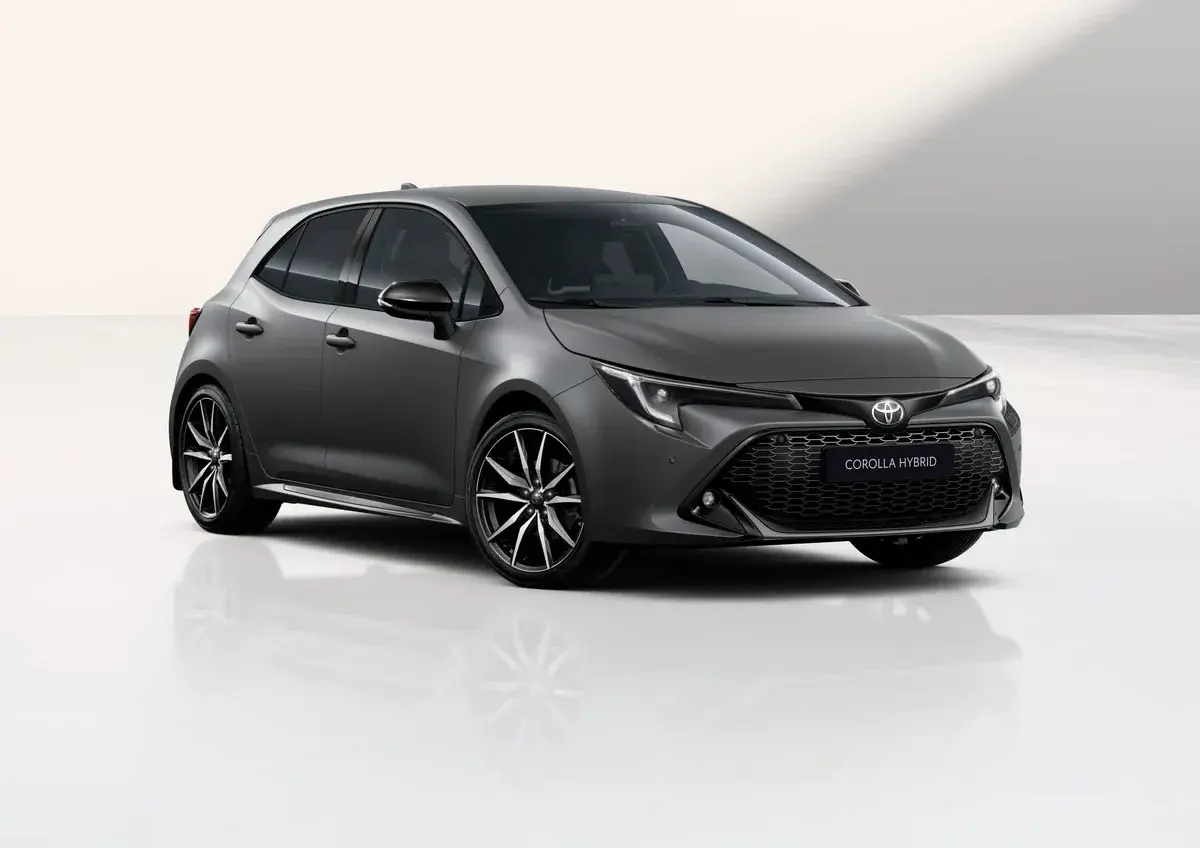
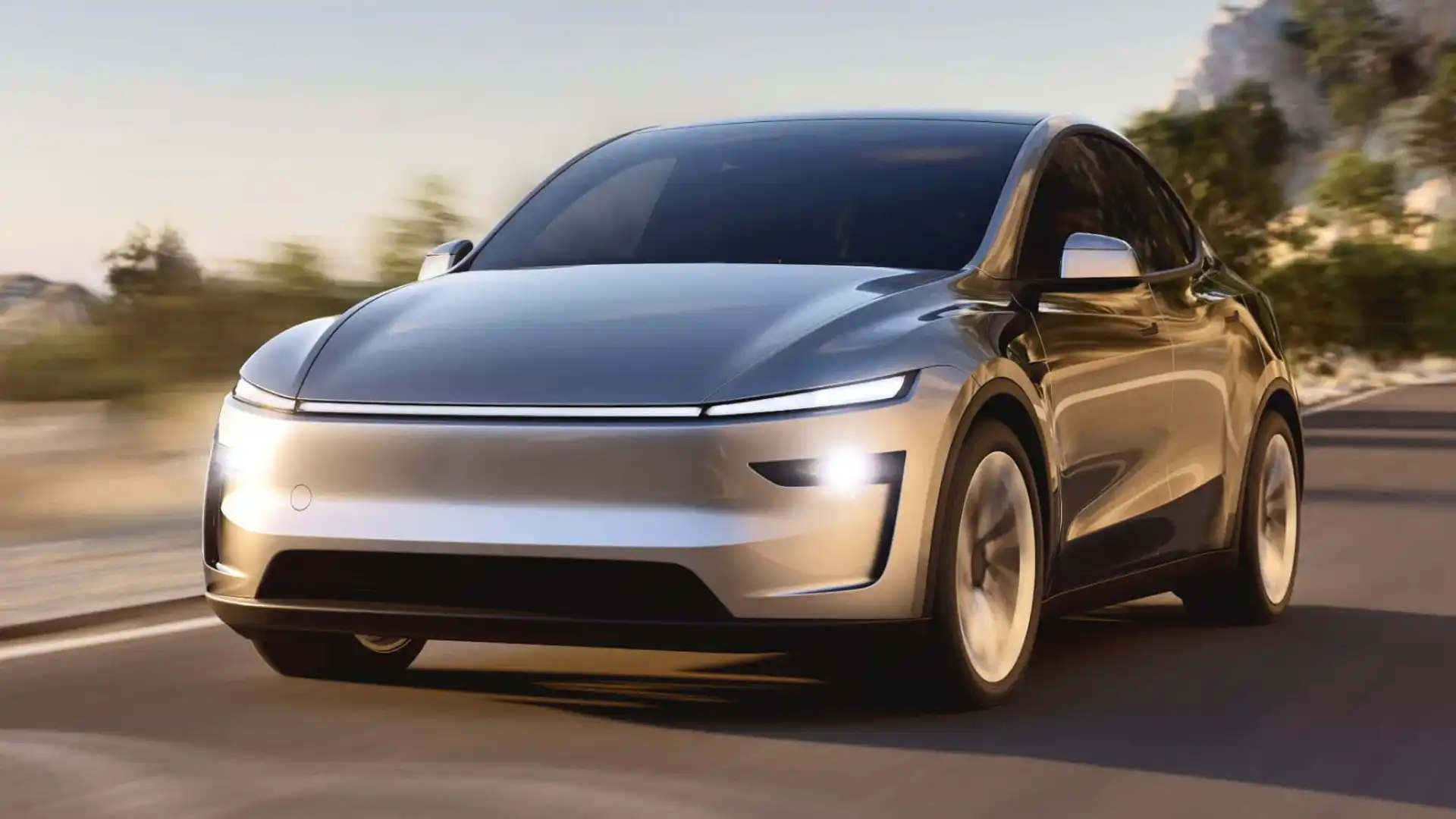
The short version
- Energy is the big swing. At 50,000 km a year (an assumption, shown below), home-charged electric cars in this guide cost from $3.79 per 100 km to run on energy, against $7.02 to $10.53 for the hybrids and the plug-in.
- Warranty distance caps arrive early. A 150,000 km cap is about 3 years of work at this distance, whatever the term says.
- Servicing is a count of visits. A 15,000 km interval is about 3.3 visits a year at 50,000 km.
- No single winner. Which car suits depends on your km, whether you can charge at home, and how much boot your airport runs need.
A rideshare car is a work tool that happens to cost tens of thousands of dollars. The fare is out of your hands, so the part you control is what the car costs per kilometre: fuel or electricity, servicing, tyres, the warranty you can actually use at your distance, and how the car holds up for the passengers in the back. This guide looks at that for the hybrids, electric cars and one plug-in hybrid that come up often for drivers, using the manufacturers' own Australian figures.
Whether a car is allowed on Uber, DiDi or Bolt in your city is a separate question with its own rules, and we cover it in the rideshare car requirements guide: age caps by city, ANCAP rules, state licences and inspections. This page starts once the car is eligible and asks what it will cost you to run. We have not driven any of these cars for this guide, so there is nothing here about how they feel. It is figures, with the gaps left as gaps.

CarSorted Manufacturer offer
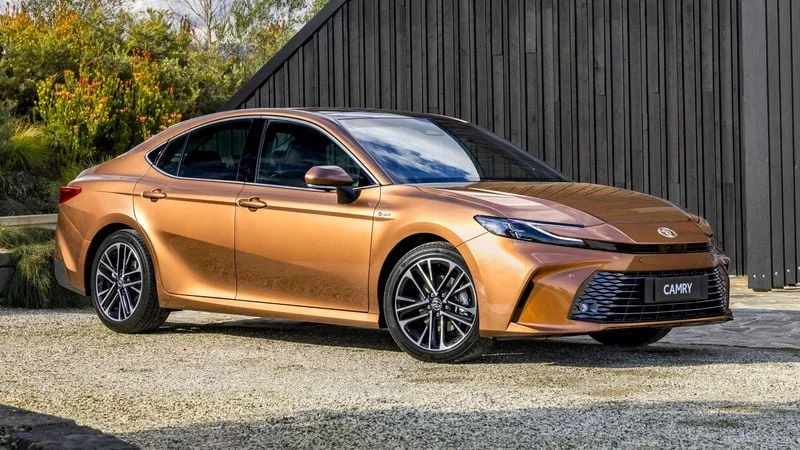
Toyota Australia has an offer on the Camry until 31 December 2026
Offer from Toyota Australia, checked 21 Nov 2026
What actually hurts a rideshare driver's week
Cost per kilometre against a fare you do not control
Each kilometre you drive with the app on costs you the same whether or not the trip is a good one. We have not printed an earnings table: fares vary by city, hour and platform and we hold no sourced figure. What we can do is put a cost on the kilometre, which is the number that decides how much of each fare you keep.
Fuel and electricity prices move
A Toyota Camry hybrid uses 4 L/100km on its label. At 50,000 km a year, each 10 cents on the price of a litre moves the annual fuel bill by about $200, so a 20 cent swing is about $400 a year. An electric car moves with its tariff instead: each 5 cents on a kilowatt hour changes the Tesla Model 3's annual energy bill by about $345. Neither is large next to a bad month of fares, but both are yours to carry, which is why we show the assumptions and not just the answers.
Servicing is lost shifts, not just a bill
A service interval of 15,000 km sounds generous until you drive 50,000 km a year, when it means a visit three or four times a year. The calendar half of “12 months or 15,000 km” barely matters to you, because the distance arrives long before the date does. Each visit is time the car is not earning, so a longer interval is worth money on top of a cheaper price.
Tyres and brakes take the stop-start
City rideshare driving is accelerate, brake, wait. Brake pads and tyres are the wear items that take the beating. Toyota's, MG's and Chery's printed warranty terms in our records list tyres and brake pads or linings as wear items that are not covered, so neither the warranty nor the capped servicing prices below will cover them. We hold no per-car tyre price, so tyres are not in our cost tables. Heavier cars and instant electric torque can be hard on tyres, so do not assume an electric car's energy saving carries over to its tyre bill.
The distance you actually drive
We use 50,000 km a year through this page, which is about 962 km a week, or five shifts of roughly 192 km. That is an assumption for a full-time driver, not a statistic, and a part-time driver could be well under a third of it. Everything below that depends on distance scales in a straight line, so you can rescale it in your head or in the calculators further down.
Insurance and registration do not care how clever the car is
Insurance and registration are fixed costs that exist before you take a fare, and the figures for a car used for rideshare differ from private use. We hold no rideshare insurance quotes, so none are printed here. State registration, compulsory insurance and the vehicle inspections some states require are in the requirements guide, and the weekly cost line on each car page shows state registration and compulsory insurance from the regulators' own figures.
Space, comfort and the airport run
Passengers notice legroom and drivers notice boots. We hold a boot volume for each car in the tables below, but none of these rows holds a rear legroom, rear headroom, door-opening or cabin noise figure, so we are not going to rank comfort. Boot figures follow each manufacturer's own method, so treat gaps of a few dozen litres as a tie. What a number can tell you is whether two large suitcases are in question: one car in this guide holds just 217 litres, which is a figure to test against your own luggage before an airport shift. Sit in the back seat and load the boot before you commit.
Range, charging and the resale question
An electric car turns the fuel stop into a charging stop that takes longer, and if you cannot charge at home you will use public chargers during working hours. We cover that in the EV section. Resale is the other unknown: a rideshare car builds odometer several times faster than a private one, and used prices follow the odometer. We hold no recorded used sale prices, so we cannot put a depreciation number in a table without inventing it. At 50,000 km a year it can be the largest line in your accounts, and leaving it out of your sums makes the profit figure fiction.
How we costed it
These are the assumptions behind the cost figures on the page. Change any of them in the calculators further down and the answers move with them.
| Assumption | Value | Basis and date |
|---|---|---|
| Distance | 50,000 km a year | Our assumption for a full-time driver, five shifts of about 192 km a week. Not a statistic. |
| Petrol, ULP 91 | $1.95 a litre | CarSorted's default price, set in 2025 and used across the site's calculators. Not today's pump price. |
| Petrol, 95 RON | $2.10 a litre | The same default set. Used for cars whose printed fuel grade is 95 RON (Camry, RAV4 and ZS Hybrid+). |
| Home electricity | 27.47c per kWh | Victorian Default Offer, Jemena flat rate (the middle of the five Victorian zones, 25.96c to 31.98c). Essential Services Commission (VDO 2026-27), as at 1 Jul 2026. Other states differ: 24.75c in TAS to 41.9103c in SA in the regulator references we hold. |
| Servicing | Listed prices to 75,000 km | Each manufacturer's own price list, where each visit in the window has a printed price, scaled to a 50,000 km year. Dates are in the servicing table. |
| Not included | Tyres, insurance, registration, depreciation | We hold no per-car figure for tyres, rideshare insurance or resale, so none is printed. |
Compare these picks side by side
6 of them on 200+ specs, price, safety and running cost in one view.


Each price is that car's stored figure with its basis and check date. Driva is an independent finance provider, not part of CarSorted. We aren't paid for this link.
The shortlist for 2026-27
These are current rows sold new in Australia, one grade per model, the least expensive grade of each in our records except the Tesla Model 3, explained below the electric table. We picked cars that come up repeatedly for rideshare work and that give a spread of body, price and powertrain; it is a shortlist, not a ranking. ANCAP stars are shown as the rating held for that row, with the test year. “No data” means we hold no rating for that row, which is a gap in our records and not a statement that the car is unrated. Uber's pages ask for a five-star rating or an exemption, so check the platform's current position, as set out in our requirements guide, before you buy.
Hybrids
| Car | Price | Fuel, claimed combined | Boot | ANCAP | Warranty cover at 50,000 km a year |
|---|---|---|---|---|---|
| Toyota Camry Ascent Hybrid | $39,990 RRPas at 29 Oct 2026 | 4 L/100km (95 RON) | 524L | 5 stars (2024) | 5 years (unlimited km) |
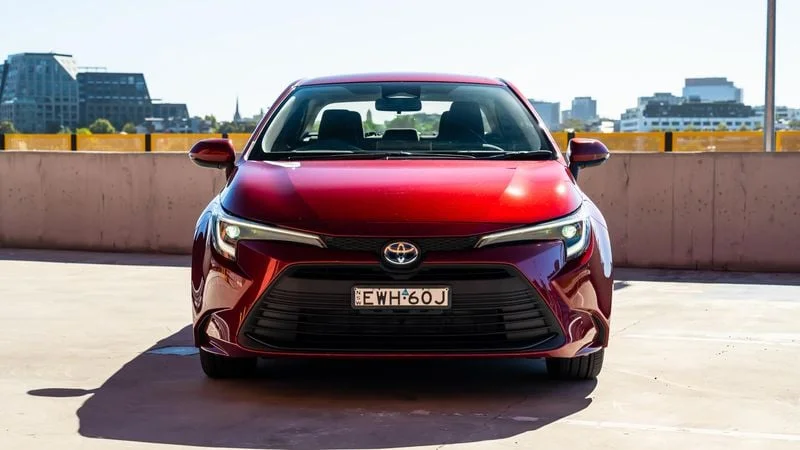
| Toyota Corolla Sedan Ascent Sport Hybrid | $32,585 RRPas at 16 Nov 2026 | 3.9 L/100km | 471L | no data | 5 years (unlimited km) |
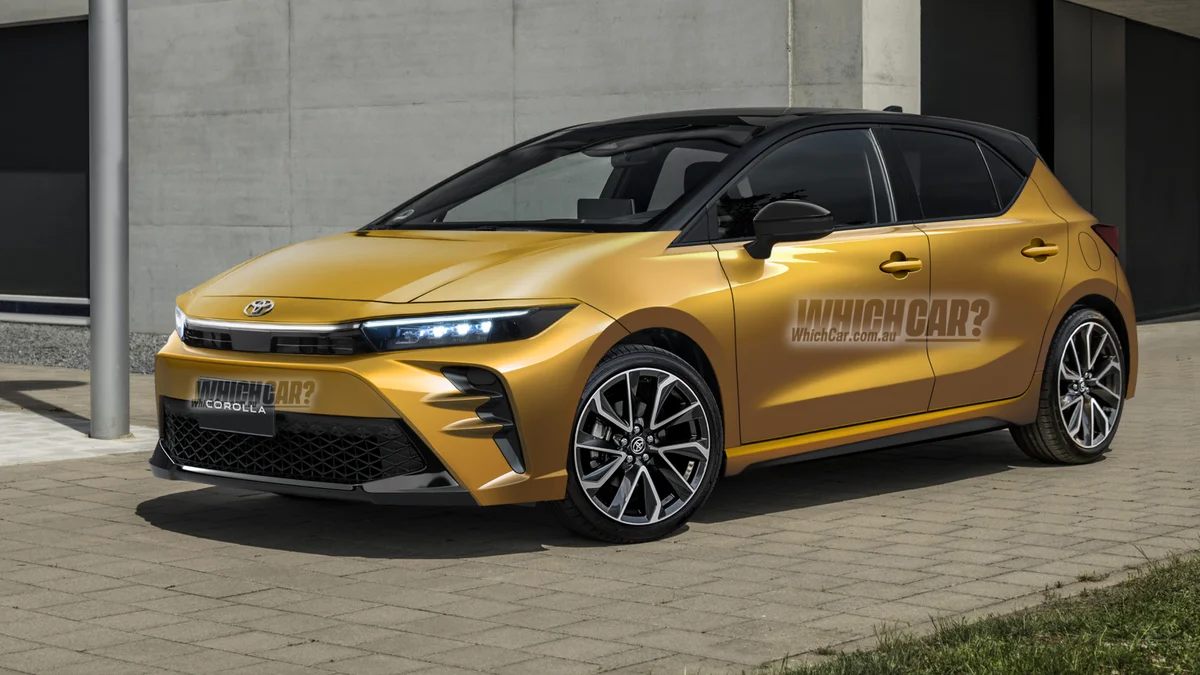
| Toyota Corolla Hatch Ascent Sport Hybrid | $32,110 RRPas at 17 Nov 2026 | 4 L/100km | 217L | no data | 5 years (unlimited km) |
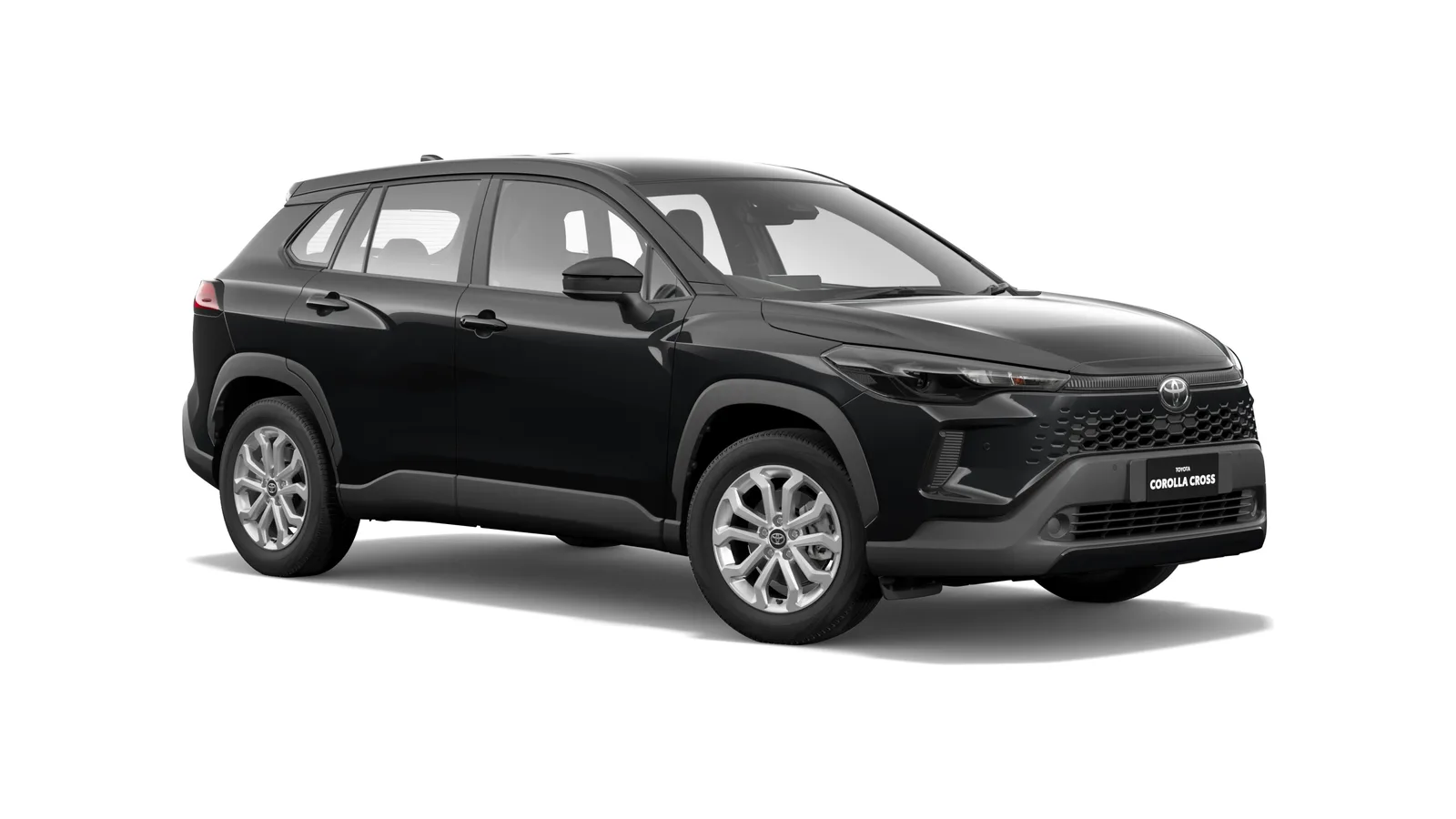
| Toyota Corolla Cross GX FWD | $37,440 RRPas at 14 Nov 2026 | 4.2 L/100km | 425L | 5 stars (2022) | 5 years (unlimited km) |
| Toyota Yaris Cross GX Hybrid 2WD | $31,790 RRPas at 14 Nov 2026 | 3.8 L/100km | 390L | 5 stars (2021) | 5 years (unlimited km) |
| Toyota RAV4 GX Hybrid 2WD | $45,990 RRPas at 14 Nov 2026 | 4.5 L/100km (95 RON) | 705L | no data | 5 years (unlimited km) |
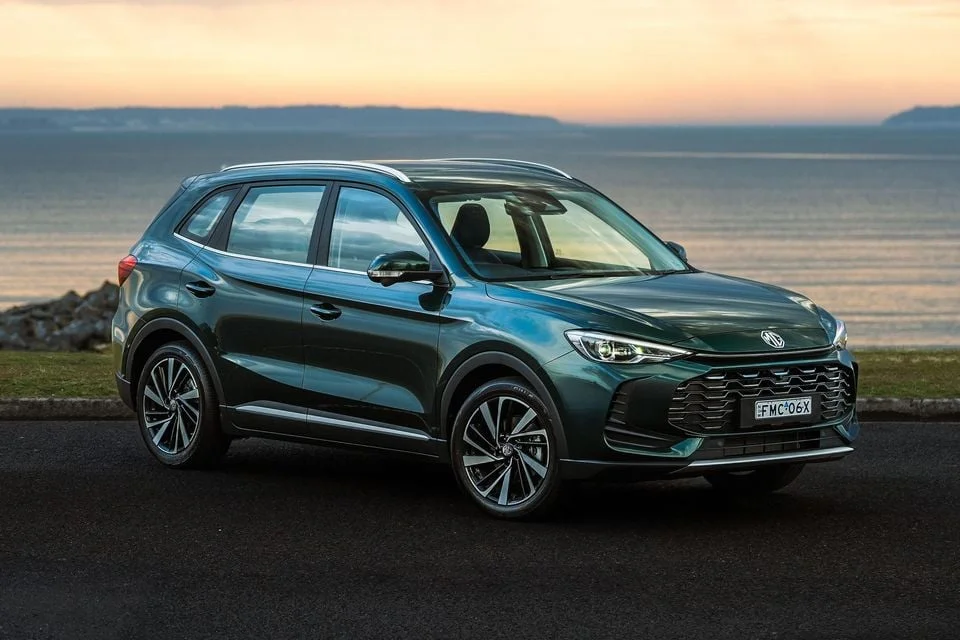
| MG ZS Excite Hybrid+ | $30,990 RRPas at 25 Jun 2026 | 4.7 L/100km (95 RON) | 443L | 5 stars (2025) | 5.0 years (250,000 km cap) |
| Chery Tiggo 4 Hybrid Urban | $31,268 est. drive-away (VIC 3000)as at 14 Nov 2026 | 5.4 L/100km | 470L | no data | 7 years (unlimited km) |
Prices carry their basis: RRP is the recommended retail price before on-road costs, drive-away is a manufacturer's all-in figure for a state. Brands that publish just a drive-away figure are shown that way and the two are not the same measure, so do not subtract one from the other. Each figure carries the date it was last checked.
Plug-in hybrid
A plug-in hybrid saves money when you plug it in. We cost it on the fuel figure for driving as a hybrid with the battery flat, which is what it uses if you do not charge, and label it that way.
| Car | Price | Fuel as a hybrid | Electric range | Boot | ANCAP | Warranty cover at 50,000 km a year |
|---|---|---|---|---|---|---|
| BYD Seal 6 Essential Sedan | $34,990 RRPas at 14 Nov 2026 | 3.6 L/100km as a hybrid | 55km electric | 491L | 5 stars (2025) | 3.0 years (150,000 km cap) |
A plug-in's short electric range covers part of a day, not a full shift, so on a 190 km shift it behaves like a hybrid once the battery is empty. We hold no servicing price for this row and no electric energy use, so it sits in the fuel table and not the servicing table.
Electric
| Car | Price | WLTP range | Energy use | Boot | ANCAP | Warranty cover at 50,000 km a year |
|---|---|---|---|---|---|---|
| Tesla Model 3 Premium Rear-Wheel Drive | $54,900 RRPas at 1 Oct 2026 | 520km WLTP | 13.8 kWh/100km | 682L | 5 stars (2025) | 5 years (unlimited km) |
| BYD Dolphin Essential | $29,990 RRPas at 14 Nov 2026 | 340km WLTP | 15.2 kWh/100km | 345L | 5 stars (2023) | 3.0 years (150,000 km cap) |
| BYD Atto 3 Essential | $39,990 RRPas at 14 Nov 2026 | 400km claimed | 16 kWh/100km | 440L | 5 stars (2022) | 3.0 years (150,000 km cap) |
| BYD Seal Premium | $52,990 RRPas at 14 Nov 2026 | 570km WLTP | 14.6 kWh/100km | 400L | 5 stars (2023) | 3.0 years (150,000 km cap) |
| BYD Atto 2 Dynamic | $31,990 RRPas at 14 Nov 2026 | 345km WLTP | 16.8 kWh/100km | 380L | no data | 3.0 years (150,000 km cap) |
| MG MG4 Urban Essence 54 | $32,990 RRPas at 19 Nov 2026 | 405km WLTP | 16.1 kWh/100km | 382L | 5 stars (2025) | 5.0 years (250,000 km cap) |
Tesla also lists a cheaper Model 3 Rear-Wheel Drive, row 269500. Our row for it holds no energy use, boot or servicing figure, so it cannot sit in the cost tables, and the Premium Rear-Wheel Drive in the table stands in for the range. Tesla's warranty row in our records has a term but no usable distance, so the table says so rather than guess. Read Tesla's own terms for the kilometre limit.
Want every grade side by side?
The compare tool lines the Tesla Model 3 and the Toyota Camry up on price, safety, specs and running cost, and lets you pick the grades yourself.
Compare these twoCars in this story
7 cars
Price shown is each car's stored figure with its basis and check date.
See all Toyota modelsRunning costs per 100 km and per week
Here is just the energy part, the part that moves with the price of fuel or power. The cheapest car in this table to run per 100 km is the Tesla Model 3 Premium Rear-Wheel Drive at $3.79, and the dearest is the Chery Tiggo 4 Hybrid Urban at $10.53. Both come from the manufacturer's label figure and the prices above. A label figure is a laboratory number, and motorway running, a cold start, heavy air-conditioning and a full back seat push it up.
| Car | Label figure | Energy per 100 km | Per week at about 962 km | Per year at 50,000 km | Per year at 15,000 km |
|---|---|---|---|---|---|
| Hybrids | |||||
| Toyota Camry Ascent Hybrid | 4 L/100km | $8.40 | $81 | $4,200 | $1,260 |
| Toyota Corolla Sedan Ascent Sport Hybrid | 3.9 L/100km | $7.60 | $73 | $3,803 | $1,141 |
| Toyota Corolla Hatch Ascent Sport Hybrid | 4 L/100km | $7.80 | $75 | $3,900 | $1,170 |
| Toyota Corolla Cross GX FWD | 4.2 L/100km | $8.19 | $79 | $4,095 | $1,228 |
| Toyota Yaris Cross GX Hybrid 2WD | 3.8 L/100km | $7.41 | $71 | $3,705 | $1,111 |
| Toyota RAV4 GX Hybrid 2WD | 4.5 L/100km | $9.45 | $91 | $4,725 | $1,418 |
| MG ZS Excite Hybrid+ | 4.7 L/100km | $9.87 | $95 | $4,935 | $1,481 |
| Chery Tiggo 4 Hybrid Urban | 5.4 L/100km | $10.53 | $101 | $5,265 | $1,580 |
| Plug-in hybrid (as a hybrid, battery flat) | |||||
| BYD Seal 6 Essential Sedan | 3.6 L/100km as a hybrid | $7.02 | $68 | $3,510 | $1,053 |
| Electric (home charging, Victorian price) | |||||
| Tesla Model 3 Premium Rear-Wheel Drive | 13.8 kWh/100km | $3.79 | $36 | $1,895 | $569 |
| BYD Dolphin Essential | 15.2 kWh/100km | $4.18 | $40 | $2,088 | $626 |
| BYD Atto 3 Essential | 16 kWh/100km | $4.40 | $42 | $2,198 | $659 |
| BYD Seal Premium | 14.6 kWh/100km | $4.01 | $39 | $2,005 | $602 |
| BYD Atto 2 Dynamic | 16.8 kWh/100km | $4.61 | $44 | $2,307 | $692 |
| MG MG4 Urban Essence 54 | 16.1 kWh/100km | $4.42 | $43 | $2,211 | $663 |
Fuel at the CarSorted default prices (ULP 91 $1.95 a litre, 95 RON $2.10 a litre, set in 2025). Electricity at 27.47c per kWh, the Victorian reference as at 1 Jul 2026. These are estimates, not quotes. The plug-in hybrid costed driving as a hybrid, not on electricity. Weekly figures use about 962 km.
What the table says
Even the cheapest hybrid to fuel, the Toyota Yaris Cross GX Hybrid 2WD at $7.41 per 100 km, costs more than the dearest electric car to charge at home, the BYD Atto 2 Dynamic at $4.61. That is the case for an electric car in one line, and it is a home-charging case. Charge on public fast chargers all day and that gap narrows or closes, because those prices are set by the network and we hold no sourced figure. You can test it: the Model 3 costs the same per 100 km as the Toyota Yaris Cross GX Hybrid 2WD at about 54c per kWh, and the same as the Camry hybrid at about 61c per kWh.
If home power is dear where you live, it is worth a check. At 41.9103c per kWh, the highest regulator reference we hold (SA), the Model 3 would cost $5.78 per 100 km, still under the Camry hybrid's $8.40. At 24.75c in TAS it would be $3.42. These are home tariffs from the regulators, not what a rideshare driver on a time-of-use plan pays.
The part-time column matters as much as the full-time one. At 15,000 km a year the Model 3 and the Camry are about $691 a year apart on energy, which does not go far against a purchase price gap of thousands. At 50,000 km the same gap is about $2,305 a year. The more you drive, the more the running cost decides, and the less the sticker price does.
Weekly fuel cost at a glance
Put your own week through it. Set the one-way distance to about 70 km and the trips to 14 for roughly 962 km a week, then change the fuel and electricity prices to what you pay.
- Toyota Camry Ascent Hybrid
$874 a year, rated 4 L/100km urban, 4 extra-urban, 4 combined (ADR 81/02)
$17 a week
- Toyota Yaris Cross GX Hybrid 2WD
$784 a year, rated 3.3 L/100km urban, 4.2 extra-urban, 3.8 combined (ADR 81/02)
$15 a week
- Tesla Model 3 Premium Rear-Wheel Drive
$394 a year, rated 13.8 kWh/100km (stored figure)
$8 a week
Lowest - BYD Dolphin Essential
$434 a year, rated 15.2 kWh/100km (stored figure)
$8 a week
- BYD Atto 3 Essential
$457 a year, rated 16 kWh/100km (stored figure)
$9 a week
Assumes 20 km each way, 10 trips a week, mild weather and the official combined road mix; premium unleaded at $2.10/L (site default), unleaded at $1.95/L (site default), home charging at 27c/kWh (VIC reference price (Victorian Default Offer, Jemena flat rate (the middle of the five Victorian zones, 25.96c to 31.98c))). Plug-in hybrids are costed with the battery not charged. Fuel only.
Servicing at high kilometres
A servicing schedule runs on months as well as kilometres, and a rideshare car reaches the kilometres first, so read the price list with a calculator beside it. The table below lists each manufacturer's own price for each visit due up to 75,000 km, adds them up, and scales the result to a 50,000 km year. We print a figure when each visit in that window has a printed price. Where a manufacturer prints no price list in our records, the table says “No data” and we do not borrow a figure from a sister model.
| Car | Interval | Visits a year at 50,000 km | Listed visits to 75,000 km | Per year at 50,000 km | Servicing where | Basis |
|---|---|---|---|---|---|---|
| Toyota Camry Ascent Hybrid | 15,000km | 3.3 | 5 visits, $1,375 | $917 | See manufacturer terms | Toyota's capped-price page, checked 8 Oct 2026 |
| Toyota Corolla Sedan Ascent Sport Hybrid | 15,000km | 3.3 | 5 visits, $1,325 | $883 | See manufacturer terms | Toyota's capped-price page, checked 8 Oct 2026 |
| Toyota Corolla Hatch Ascent Sport Hybrid | 15,000km | 3.3 | 5 visits, $1,325 | $883 | See manufacturer terms | Toyota's capped-price page, checked 8 Oct 2026 |
| Toyota Corolla Cross GX FWD | 15,000km | 3.3 | 5 visits, $1,375 | $917 | See manufacturer terms | Toyota's capped-price page, checked 8 Oct 2026 |
| Toyota Yaris Cross GX Hybrid 2WD | 15,000km | 3.3 | 5 visits, $1,375 | $917 | See manufacturer terms | Toyota's capped-price page, checked 8 Oct 2026 |
| Toyota RAV4 GX Hybrid 2WD | 15,000km | 3.3 | 5 visits, $1,625 | $1,083 | See manufacturer terms | Toyota's capped-price page, checked 8 Oct 2026 |
| MG ZS Excite Hybrid+ | 15,000km | 3.3 | 5 visits, $1,980 | $1,320 | Any qualified workshop | MG's capped-price page, checked 8 Oct 2026 |
| Chery Tiggo 4 Hybrid Urban | 15,000km | 3.3 | 5 visits, $1,495 | $997 | See manufacturer terms | Chery's capped-price page, checked 8 Oct 2026 |
| BYD Seal 6 Essential Sedan | no data | No data | No data | No data | See manufacturer terms | No price list in our records |
| Tesla Model 3 Premium Rear-Wheel Drive | 20,000km | 2.5 | No data | No data | Any qualified workshop | No price list in our records |
| BYD Dolphin Essential | 20,000km | 2.5 | No data | No data | See manufacturer terms | No price list in our records |
| BYD Atto 3 Essential | 20,000km | 2.5 | 3 visits, $828 | $690 | See manufacturer terms | BYD's capped-price servicing, ownership terms checked 1 Nov 2026 |
| BYD Seal Premium | 20,000km | 2.5 | 3 visits, $828 | $690 | See manufacturer terms | BYD's capped-price servicing, ownership terms checked 1 Nov 2026 |
| BYD Atto 2 Dynamic | 20,000km | 2.5 | No data | No data | See manufacturer terms | No price list in our records |
| MG MG4 Urban Essence 54 | 25,000km | 2.0 | 3 visits, $745 | $497 | Any qualified workshop | MG's capped-price page, checked 8 Oct 2026 |
“Servicing where” is read from the manufacturer's own wording on where servicing can be done under warranty, and says “See manufacturer terms” when that wording is mixed or silent. BYD's capped list does not print an odometer per visit, so its visits are placed at multiples of the 20,000 km interval our row holds. Listed prices can change.
Two things stand out. First, the capped window is shorter for you than for a private owner. Toyota's capped prices cover the first five visits on the schedule in our records, which at a 15,000 km interval is 75,000 km, about 1.5 years at your distance. After that the next listed Camry visit, at 90,000 km, is priced at $711, and Toyota's own page does not call that one capped. Second, the interval matters more than the price: the MG4 Urban asks for a visit every 25,000 km, so about 2.0 a year, against 3.3 for a Camry on Toyota's schedule.
MG's warranty terms in our records add a condition that is worth reading: servicing can be done by a suitably qualified Australian repairer, but each service must happen within 30 days and 2,000 km of the scheduled interval, and if it is not done at an MG dealer the record has to be uploaded to MG's portal within 10 days. At 50,000 km a year, 2,000 km is about two weeks of driving, so a service that slips can miss the window. That is the manufacturer's own wording, not our reading of it, so read the current terms. For a fuller side-by-side of warranty terms, see our warranty comparison.
Warranty: the distance cap is the number that matters
A warranty has a term and, often, a distance. A rideshare car meets the distance first. On the figures in our records, Toyota's five-year warranty has no distance cap, so you are covered for the five years. BYD's six years end at 150,000 km, which at 50,000 km a year is 3.0 years. MG's ten years end at 250,000 km, which is 5.0 years at the same distance. Chery's seven years have no distance cap in our records. Those are the warranty terms for private use as recorded; whether a car carrying paying passengers is treated differently is a question for each manufacturer's current warranty terms.
On commercial use, we will say just what the terms in our records say. MG's refer to a separate Commercial Use Warranty and set a servicing condition for both it and the standard warranty, and we have not recorded what the commercial one covers. We hold no commercial-use clause for the other cars, which is not the same as there being none. The simplest route is the one Omoda Jaecoo's own Uber offer page gives its customers: confirm warranty coverage for your intended use with the dealer, and get the answer in writing.
The battery warranty has the same shape. Most of the electric rows hold eight years or 160,000 km, which is 3.2 years at 50,000 km a year, and the MG4 Urban holds seven years or 150,000 km. The battery warranty also carries a state-of-health floor in our records, so read what the manufacturer promises the battery will still hold.
If you buy an electric car: range and charging
The range figure in our rows is WLTP, the laboratory test standard, not a measured real-world range. Energy use is the manufacturer's claimed figure for the car. On paper, each of these ranges clears a 192 km shift with room to spare. In practice, the number to plan on is lower, and the table below shows how many shifts of this length the WLTP figure covers.
| Car | WLTP range | Battery | Peak DC charging | 0 to 80% minimum | Shifts of 192 km on paper | Battery warranty |
|---|---|---|---|---|---|---|
| Tesla Model 3 Premium Rear-Wheel Drive | 520km WLTP | 60kWh | 175kW | 16 min | 2.7 | 8 years or 160,000km |
| BYD Dolphin Essential | 340km WLTP | 44.9kWh | 60kW | 35 min | 1.8 | 8 years or 160,000km |
| BYD Atto 3 Essential | 400km claimed | 50.1kWh | 70kW | 46 min | No data | 8 years or 160,000km |
| BYD Seal Premium | 570km WLTP | 82.6kWh | 150kW | 26 min | 3.0 | 8 years or 160,000km |
| BYD Atto 2 Dynamic | 345km WLTP | 51.3kWh | 82kW | 40 min | 1.8 | 8 years or 160,000km |
| MG MG4 Urban Essence 54 | 405km WLTP | 54kWh | 87kW | no data | 2.1 | 7 years or 150,000km |
The charge-time column is the manufacturer's figure for charging from empty to 80 percent at the car's peak DC rate, under ideal conditions, in minutes. Real chargers deliver less, and charging slows as the battery fills. The “shifts on paper” column is the WLTP range divided by 192 km and is arithmetic, not a test.
Home charging is the cheap way to run an electric car, and it works if you have somewhere to plug in. If you rent, live in an apartment or park on the street, you will be on public chargers, and a rideshare driver on public DC chargers in working hours is a different cost story from the home figures above. We cover how charging works in our EV charging guide, and the table above tells you how long a fast charge takes. We hold no public charging price to put against it, so the honest summary is that a hybrid has no charging stop and an electric car does.
Prices and running costs move. Want the next update?
One short email when prices shift or a new guide lands. No spam, unsubscribe anytime.
Coming in 2027
These are announced, not on sale, and our rows hold just identity and timing. We print no price and no specification for them, because the manufacturers have not printed one on their Australian sites.
- Toyota RAV4 GXL 2WD plug-in hybrid: Toyota Australia says it arrives in the first quarter of 2027, in its press release of 29 September 2026. No price printed.
- Kia Seltos hybrid: update, 12 November 2026: the all-new Seltos hybrid is now on sale, so it has left this list. Our directory holds six grades from $37,990 RRP for the S, and you can check it against the cars above on its page.
- Hyundai Tucson hybrid: Hyundai Australia's own page says the all-new Tucson hybrid is coming soon in 2027. No price printed.
- Kia PV5 Passenger: an electric people mover that several Australian outlets report for a late-2026 arrival. Kia Australia's own site has no Passenger page yet, so treat the timing as reported, not confirmed.
Waiting has a cost too: a car you do not have earns nothing. Hold the shortlist above against the 2027 cars once prices land, and check back here when they do.
The business side: the ATO, GST and your kilometres
Rideshare is a business, and the ATO treats it like one. This is a pointer to what the ATO says, not tax advice, and the rules change, so talk to a registered tax agent or your accountant before you rely on any of it.
- Income and registration. The ATO says the money you earn from ride-sourcing is assessable income, including fares, tips and platform bonuses, even if it is a casual side job. It also says ride-sourcing drivers may need an ABN and to register for GST regardless of how much they earn.
- Two ways to claim car expenses. The ATO describes the cents per kilometre method (a set rate for each business kilometre, up to 5,000 business kilometres per car per year, covering running costs including depreciation) and the logbook method (the business-use percentage of your actual car expenses, based on a logbook kept for at least 12 continuous weeks). The ATO's cents per kilometre rate was 88 cents for 2025-26, and it reviews the rate regularly, so check the current year.
- What that means at your distance. A 5,000 km cap against about 50,000 km of driving covers roughly a tenth of it, which is why the choice of method is worth a conversation. The ATO has a work-related car expenses calculator to compare them.
- Records. The ATO says to keep records for five years after you lodge. Its examples also draw a line between private travel, such as driving to your main job, and travel to earn ride-sourcing income, so keep a record of which kilometres are which.
Luxury car tax is not a factor here: the dearest car in our tables is $54,900 on recommended retail, below the 2026-27 threshold of $80,809 for cars that are not fuel efficient. LCT is worked out on the car's LCT value, which can include options and delivery, so check a real quote. Novated leasing, which we cover in our novated lease guide, runs through an employer, so it comes into play if you also hold a salaried job, and it is a separate decision from your rideshare business. Ask your accountant how the two interact before you sign anything.
Tax and registration figures current as of 26 October 2026
Thresholds, rebates and rules on this page change each financial year. We check them against the ATO, but always confirm the current position with the relevant authority before you sign. The cents per kilometre rate is reviewed regularly and we do not hold the 2026-27 figure.
Before you pay the sticker price
Some manufacturers offer rideshare-driver pricing, and it changes. As at 16 October 2026, Omoda Jaecoo's own Australian offer page lists Uber driver savings of up to 15 percent on the Jaecoo J5 and J7 and up to 12 percent on the Omoda 9, for Uber Pro Gold, Platinum and Diamond drivers, with the Blue tier excluded. Its fine print says the savings apply to the vehicle price, can be withdrawn on 30 days' notice, and tells drivers to confirm warranty coverage for their intended use with the dealer. We found no comparable driver discount on the Australian sites of 15 other manufacturers when we checked, and we set out the detail in our Uber driver car offers report. Offers are the manufacturers', not ours, and they can change.
Who should buy which
The answer depends on your distance, your parking and your passengers. Here it is by driver type, with the facts and no winner.
- Part-time, weekends and evenings. At 15,000 km a year the energy bill is a small slice, $1,111 for the Toyota Yaris Cross GX Hybrid 2WD against $569 for the Model 3. At this distance the price you pay and what the car does the rest of the week matter more than the energy line, so a cheaper hybrid with a long unlimited-distance warranty fits the maths. The Toyota rows in our records have no distance cap on the warranty.
- Full-time in the city with somewhere to charge. This is where the running-cost table does its work. Home charging puts the electric cars at $3.79 to $4.61 per 100 km, well under the hybrids. The trade-offs are the shorter distance caps on the BYD warranties, a boot that varies a lot by model, and charging time. A hybrid does not ask you to find a charger.
- Full-time with no home charging. The electric figures above assume a home tariff. If you will rely on public chargers, run the numbers with the price the network charges, and compare it with the break-even prices in the running-cost section. A hybrid takes that question away.
- Airport and regional runs. Luggage and long distances reward a big boot and quick refuelling. The boot volumes in our rows run from 217 litres in the Corolla Hatch to 705 in the RAV4, with the Camry at 524 and the Model 3 at 682. For a long run, a hybrid refuels in minutes and an electric car stops for a charge, which the table above sizes at the manufacturer's fastest figure.
- You want the lowest price in. The lowest recommended retail prices in the tables are the BYD Dolphin Essential and the Chery Tiggo 4 Hybrid, and they come with gaps we have named: no servicing price for the Dolphin, and no ANCAP rating in our records for the Chery. Cheap to buy is only cheap if the platform accepts the car and you can service it. Check both before you pay.
Repayments at a glance
What each one costs a week on finance, on a rate you can change. assumes $5,000 deposit, 5 yrs at 7.5% p.a. It is an assumption, not a quote.
- Toyota Camry Ascent Hybrid
$44,810 drive-away (advertised), ≈$184 a week
≈$798/mo
- Toyota Yaris Cross GX Hybrid 2WD
$31,790 RRP, ≈$124 a week
≈$537/mo
- Tesla Model 3 Premium Rear-Wheel Drive
$54,900 RRP, ≈$231 a week
≈$1,000/mo
- BYD Dolphin Essential
$28,888 drive-away (advertised), ≈$111 a week
≈$479/mo
Lowest
Assumes $5,000 deposit over 5 years at an assumed 7.5% p.a. Estimate only, not an offer of credit or a quote; your rate and repayments will differ.
Estimates only. Based on standard assumptions. Not financial advice. Individual results vary.
Driva is an independent finance provider, not part of CarSorted. We aren't paid for this link.
Want every grade side by side?
The compare tool lines the BYD Dolphin and the Toyota Corolla Hatch up on price, safety, specs and running cost, and lets you pick the grades yourself.
Compare these twoKeep reading
More on the car side: the rideshare car requirements guide, cheapest cars to run in Australia, best hybrid cars 2027, best electric cars 2026, and EV versus hybrid costs. If you deliver parcels rather than passengers, see best cars for delivery drivers. The brands: Toyota, BYD, MG, Tesla and Chery.
Sources: the manufacturers' own Australian price, specification, warranty and servicing pages as held in the CarSorted database, each figure dated where it is shown; Victoria's default electricity offer from the Essential Services Commission, as at 1 July 2026; the ATO's “Income and deductions for ride-sourcing” page (last updated 20 August 2025) and its motor vehicle expenses pages; the manufacturers' Australian pages for the 2027 cars, as at 1 to 3 October 2026. Fuel prices are CarSorted defaults, not today's pump prices.