Luxury car tax thresholds, rate and definitions current as of 14 November 2026
Thresholds, rebates and rules on this page change each financial year. We check them against the ATO, but always confirm the current position with the relevant authority before you sign. This page is general information, not tax or financial advice.
The luxury car tax thresholds for 2026-27 are $91,661 for fuel-efficient vehicles and $80,809 for other vehicles, and they apply from 1 July 2026. Price a new car above its threshold and the part over the line attracts LCT at 33%, after the GST in that part is taken out. It is a tax many buyers only meet in passing, folded into the sticker price, but it decides whether a car can be FBT-free on a novated lease and it explains why prices bunch up just under the two numbers.
The short version
- 2026-27 thresholds: $91,661 for fuel-efficient cars, $80,809 for everything else, GST-inclusive, from 1 July 2026.
- Rate: 33% of the amount over the threshold, net of GST in that amount. A $100,000 car pays about $5,757 against the lower threshold.
- Fuel-efficient: combined consumption of 3.5 L/100km or less. Electric cars and most plug-in hybrids qualify; most regular hybrids do not.
- FBT link: an electric car is FBT-exempt on a novated lease only if LCT was never payable, so the fuel-efficient threshold is also the FBT price cap.
- Who pays: the dealer or importer pays the ATO, and it is normally inside the list price you see.
CarSorted Manufacturer offer
Tesla Australia has an offer on the Model Y until 31 December 2026
Offer from Tesla Australia, checked 15 Nov 2026
The 2026-27 luxury car tax thresholds
The ATO publishes one pair of thresholds per financial year: a higher one for fuel-efficient vehicles and a lower one for everything else. The year that counts is the year the car is sold or imported, not the year it was built. Here are the years we hold, newest first, as printed on the ATO's rate and thresholds page.
LCT thresholds by financial year,
from the ATO, newest year first
| Financial year | Applies from | Fuel-efficient vehicles | Other vehicles |
|---|---|---|---|
| 2026-27 | 1 July 2026 | $91,661 | $80,809 |
| 2025-26 | 1 July 2025 | $91,387 | $80,567 |
| 2024-25 | 1 July 2024 | $91,387 | $80,567 |
| 2023-24 | 1 July 2023 | $89,332 | $76,950 |
Thresholds are GST-inclusive. The ATO page lists every year back to 2012-13; we show the years our calculators use.
Compare these picks side by side
5 of them on 200+ specs, price, safety and running cost in one view.
Each price is that car's stored figure with its basis and check date. Driva is an independent finance provider, not part of CarSorted. We aren't paid for this link.
The thresholds are indexed to the motor vehicle purchase part of the consumer price index, which is why the 2026-27 move from $91,387 and $80,567 was small. From 1 July 2025 the law also aligned the indexation of the two categories, so they now move by the same factor each year.
How luxury car tax is worked out
LCT is charged on the LCT value, which the ATO defines as the price of the car excluding LCT itself and any other Australian tax, fee or charge apart from GST and customs duty. Stamp duty, registration and CTP are not in it. Parts, accessories and attachments supplied or imported with the car are. So a dealer-fitted option pack can tip a car over the line even when its base price sits under it.
The sum is: (LCT value minus threshold) x 10/11 x 33%. The 10/11 takes the GST out of the excess, so you are not taxed on tax.
Worked example: a $100,000 car in 2026-27,
worked from the ATO formula and the thresholds above
| Step | Other vehicle | Fuel-efficient vehicle |
|---|---|---|
| LCT value | $100,000 | $100,000 |
| Threshold | $80,809 | $91,661 |
| Amount over the threshold | $19,191 | $8,339 |
| GST taken out (x 10/11) | $17,446 | $7,581 |
| LCT at 33% | $5,757 | $2,502 |
Rounded to the dollar. The dealer works it out on the actual LCT value of your car, options and delivery included.
The gap between the two columns is the whole point of the fuel-efficient category: the same $100,000 price costs about $3,255 less in LCT when the car qualifies for the higher threshold.
Ways to buy
Quotes on 4 cars; the comparison covers 5.
Compare 5Manufacturer offer
Ends 21 Dec 2026
Offer from BYD Australia, checked 5 Nov 2026
T&Cs apply, as the manufacturer prints them. Eligibility, stock and build limits vary, so confirm the offer with the dealer.
WARNING: This comparison rate is true only for the examples given and may not include all fees and charges. Different terms, fees or other loan amounts might result in a different comparison rate.
Finance offers are the manufacturer's or its financier's own, shown as they published them on the date given. CarSorted is not a credit provider, does not hold an Australian Credit Licence, does not arrange finance and gives no credit assistance or advice. A rate shown is the rate the manufacturer advertised, not a rate available to you: approval, fees, charges and the rate you are offered depend on the lender's assessment and its terms and conditions. Read the full offer on the manufacturer's page before relying on it.
Finance
From ≈$305/wk(≈$1,322/mo)
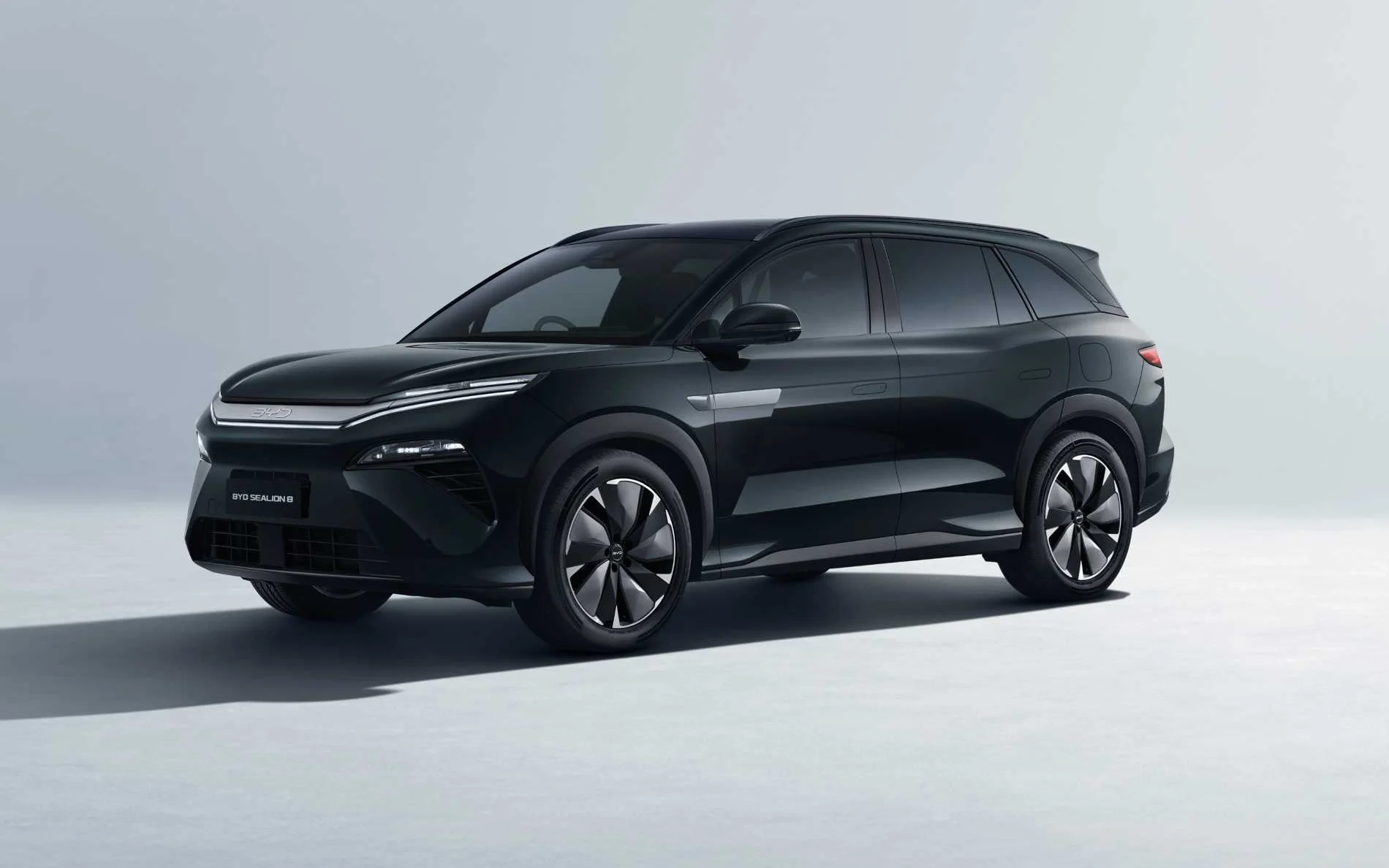
Estimate on the BYD Sealion 8 at $70,990 RRP, before on-road costs; assumes $5,000 deposit, 5 yrs at 7.5% p.a. Not a quote or an offer of credit.
Compare real car-loan ratesDriva is an independent finance provider, not part of CarSorted. We aren't paid for this link.
Novated lease
Electric, with an RRP under the $91,661 fuel-efficient LCT threshold (2026-27): under the ATO's electric cars exemption a novated lease of an eligible electric car attracts no FBT if luxury car tax was never payable on it. The benefit is still reportable.
Novated lease quoteWork out a lease on the Tesla Model YDriva is an independent finance provider, not part of CarSorted. We aren't paid for this link. Opens apply.driva.com.au in a new tab.
Which threshold applies to your car
The ATO's definitions page says a fuel-efficient car is one whose combined fuel consumption does not exceed 3.5 litres per 100 km under the vehicle standards in force under the Road Vehicle Standards Act 2018. Before 1 July 2025 the limit was 7 L/100km, and the old definition still applies to a car that was supplied or imported, and put to use in Australia, before that date. The change is easy to miss, because no number in the threshold table moved when it happened.
- Battery-electric cars use no fuel, so they always get the fuel-efficient threshold.
- Plug-in hybrids are judged on their certified combined figure, which for most is well under 3.5 L/100km. The BYD Sealion 8 Premium AWD certifies at 1, for example.
- Regular hybrids mostly miss. The Toyota Kluger Grande Hybrid is rated at 5.6, so it is measured against the lower threshold like a petrol car.
- Petrol and diesel cars use the lower threshold.
Cars in this story
5 cars
Price shown is each car's stored figure with its basis and check date. Images: BYD Australia.
See all Tesla modelsReal cars against the 2026-27 thresholds
Five cars on sale now, one of each kind of case. Prices and fuel figures are live from each car's row, and the last column is worked out from them at the 2026-27 thresholds. A list price that includes LCT is above the threshold exactly when the LCT value is, so the answer holds whichever way the manufacturer prints it.
Five cars and the threshold that applies,
live from our rows; threshold answer worked from the ATO thresholds
| Car | Powertrain | Price | Combined fuel | Threshold and result |
|---|---|---|---|---|
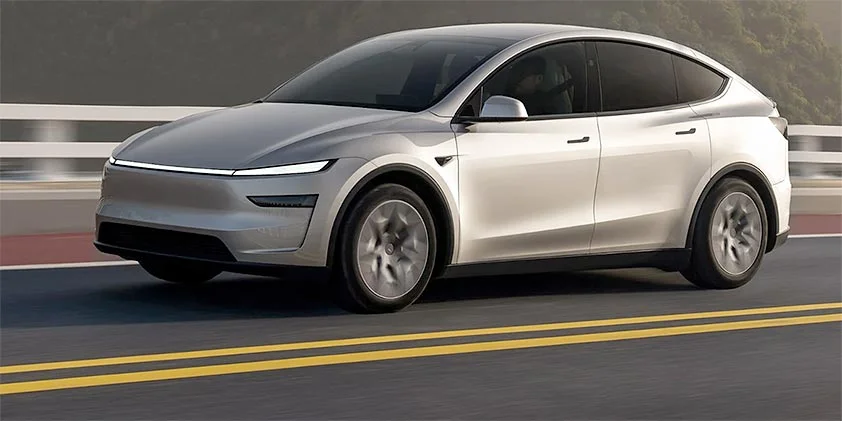
| Tesla Model Y Performance AWD | Electric | $84,900 RRP | None (electric) | Fuel-efficient ($91,661): under it, no LCT |
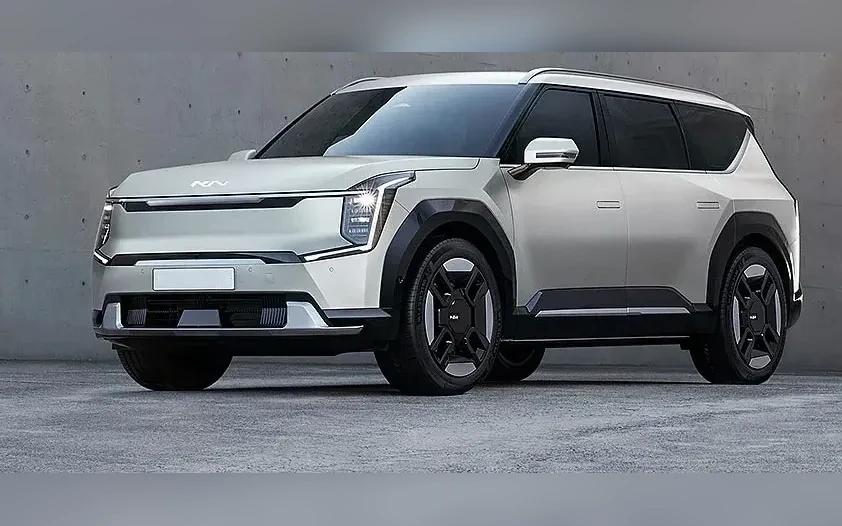
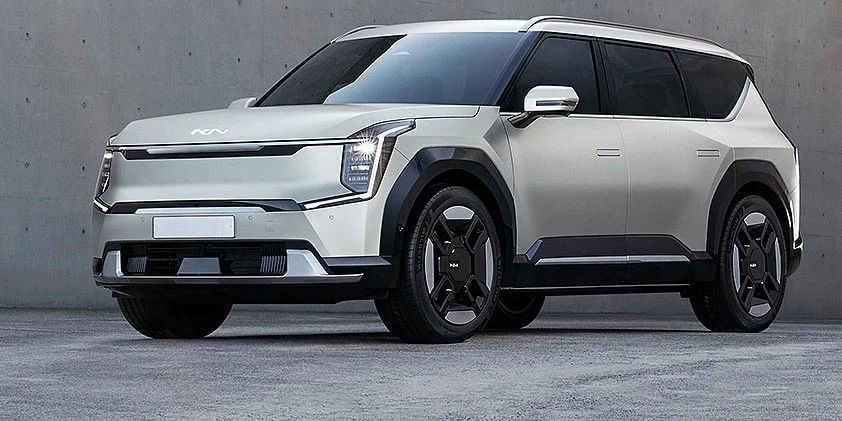
| Kia EV9 Air RWD | Electric | $97,000 RRP | None (electric) | Fuel-efficient ($91,661): above it, LCT applies |
| BYD Sealion 8 Premium AWD | Plug-in hybrid | $70,990 RRP | 1 | Fuel-efficient ($91,661): under it, no LCT |
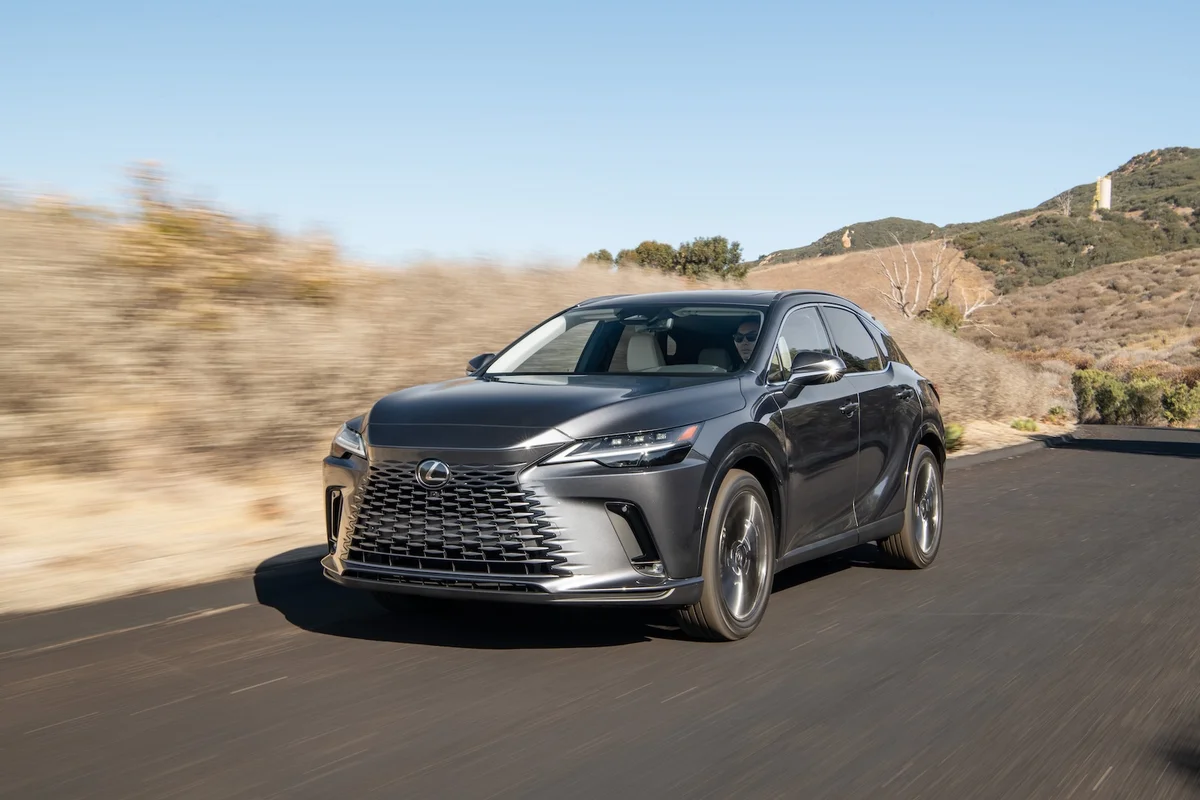
| Lexus RX350h Sports Luxury | Hybrid | $113,600 RRP | 5.4 | Other ($80,809): above it, LCT applies |
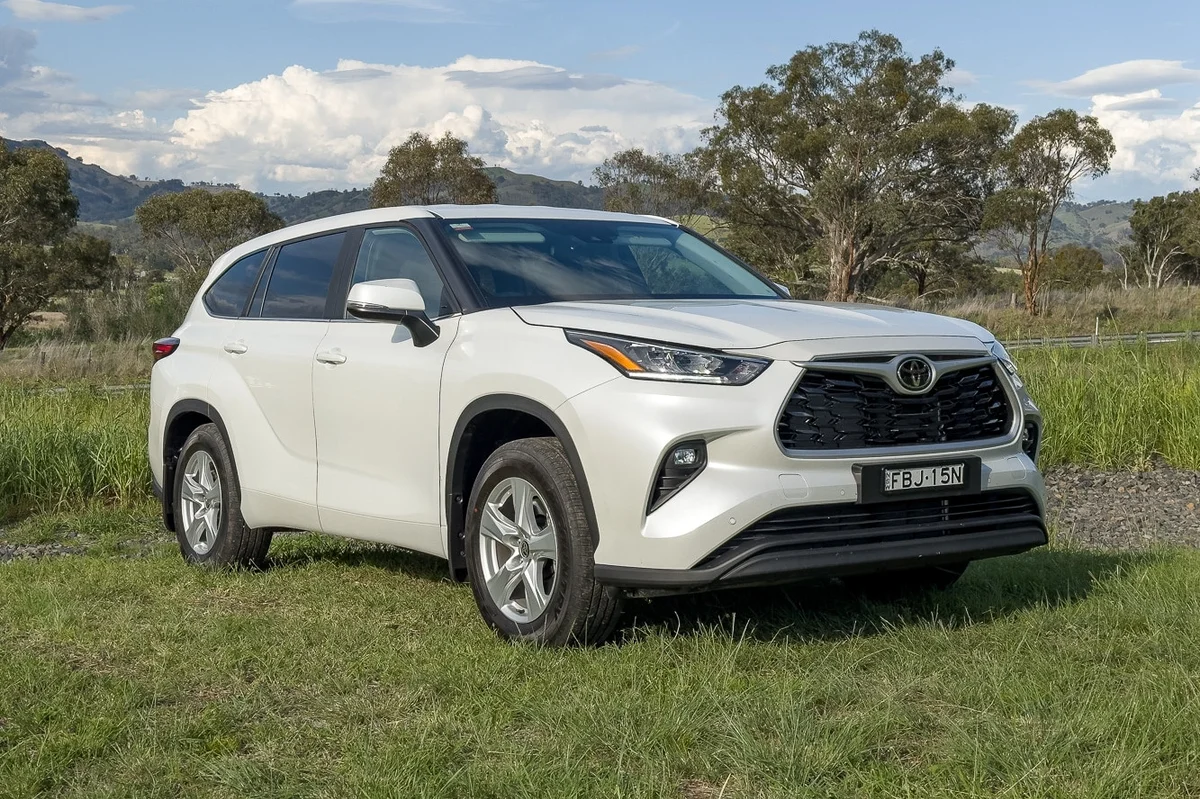
| Toyota Kluger Grande Hybrid AWD | Hybrid | $85,135 RRP | 5.6 | Other ($80,809): above it, LCT applies |
Before options and delivery, which count towards the LCT value. Compare two of them: Kia EV9 vs Volvo EX90, Hyundai IONIQ 9 vs Kia EV9 or BYD Sealion 7 vs Tesla Model Y.
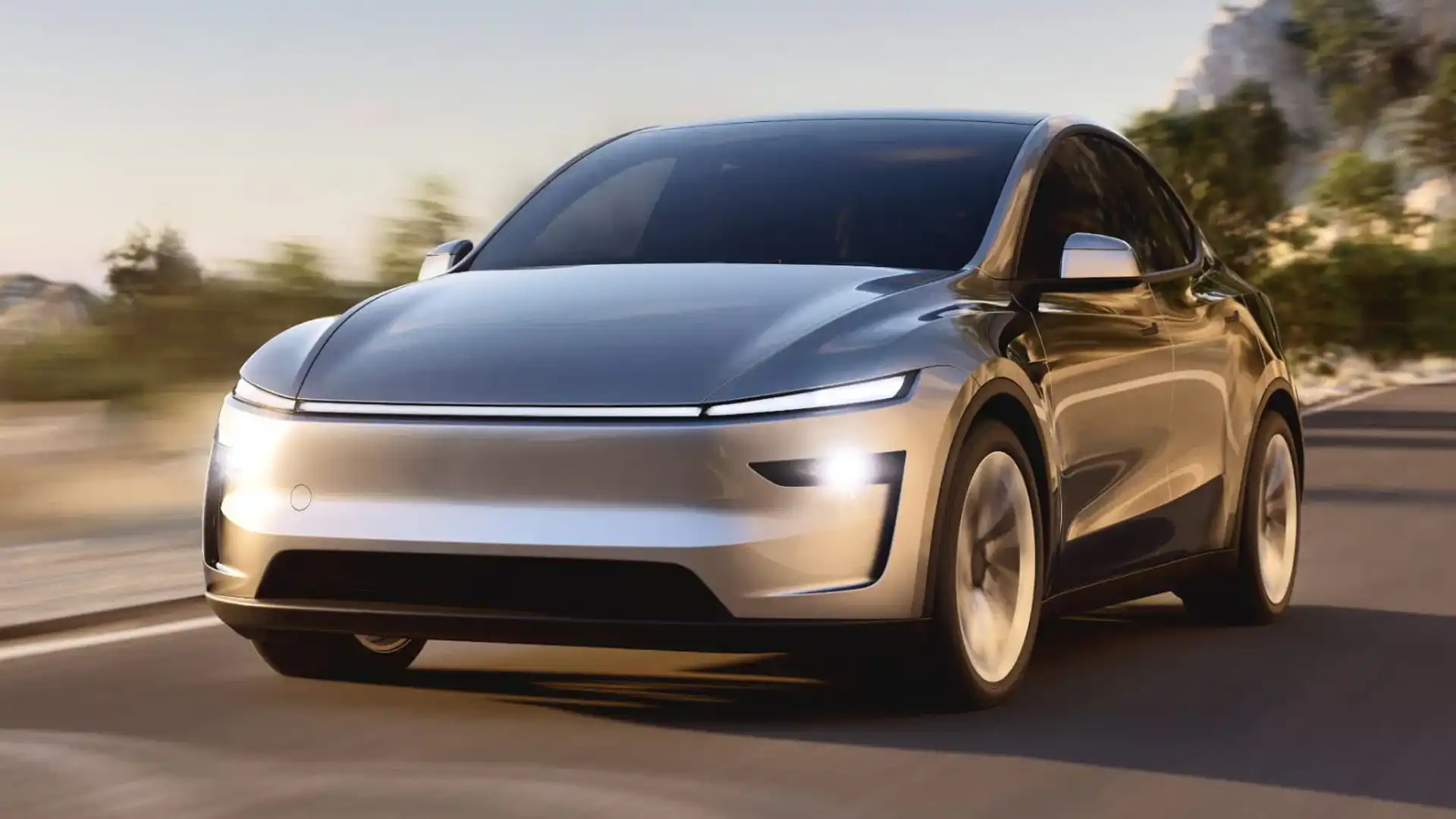
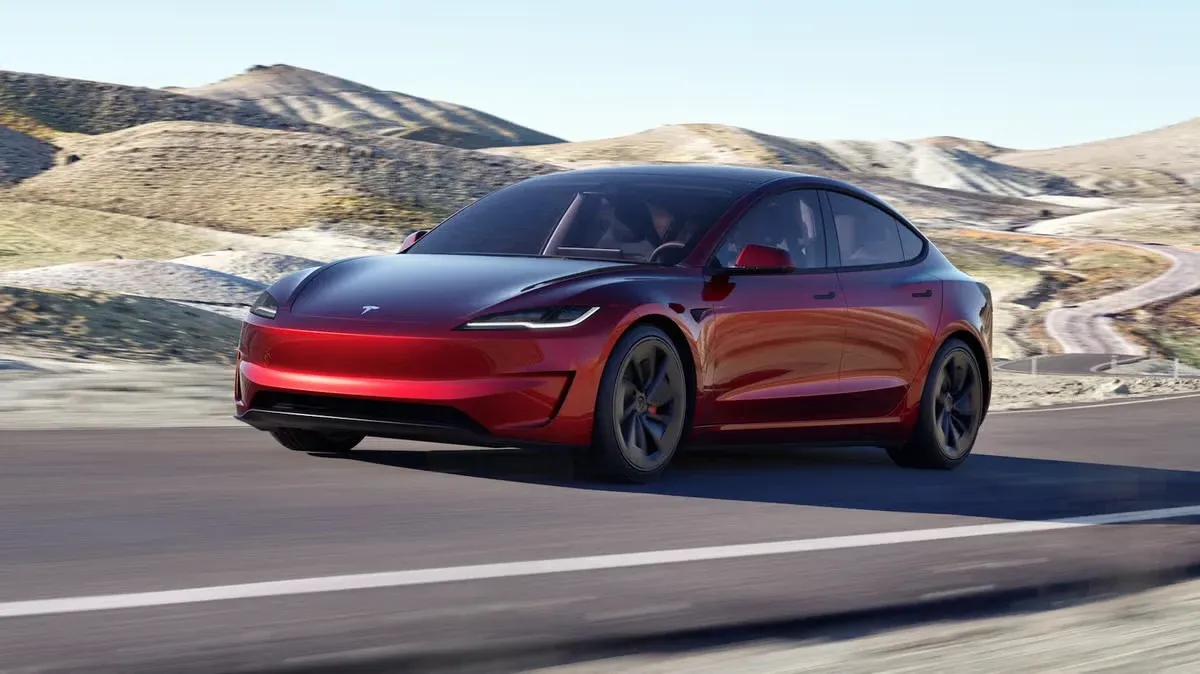
The two electric cars show why the higher threshold matters. The Tesla Model Y Performance AWD at $84,900 RRP and the Kia EV9 Air RWD at $97,000 RRP are both measured against $91,661, not $80,809, and which side of it each lands also decides whether it can be FBT-free on a novated lease.
Get the week's car price moves by email
Australia's free car comparison site. One email a week: verified price moves, new offers and car news. Unsubscribe anytime.
What counts as a car, and when LCT does not apply
For LCT, the ATO defines a car as a motor vehicle, but not a motorcycle, designed to carry a load of less than two tonnes and fewer than nine passengers. A limousine is a car whatever its seat count. So a bus or a 10-seat people mover is outside the tax from the start. The ATO also lists cases where LCT does not apply, including:
- a commercial vehicle designed mainly for carrying goods and not passengers, decided on its principal purpose under the ATO's determination LCTD 2023/1;
- a motor home or campervan;
- a car that is, or will be, registered as an emergency vehicle, such as an ambulance, fire, police or search and rescue vehicle;
- modifications for people with a disability (the car itself still attracts LCT, even when it is GST-free);
- a car sold more than two years after it was manufactured locally or imported;
- a car exported GST-free.
A business registered for GST can also quote its ABN to defer LCT to a later sale, which is how dealers buy stock without paying it twice. That is a timing rule for traders, not a way for a private buyer to avoid the tax.
LCT and the electric car FBT exemption
This is where the threshold matters for salaried buyers. Under the law as it stands, described on the ATO's electric cars exemption page, a zero or low emissions car first held and used from 1 July 2022 has no FBT on its private use when LCT was never payable on it. For a battery-electric car that means a value at first retail sale under the fuel-efficient threshold, $91,661 for 2026-27. Plug-in hybrids lost the exemption for arrangements from 1 April 2025, apart from commitments made before then.
So an electric car a few hundred dollars over $91,661 misses out twice: it pays LCT, and it carries FBT on a novated lease. Our FBT-exempt cars list and novated lease guide go through that in detail.
Proposed, not law: The 2026-27 Budget (5 May 2026) proposes replacing the full exemption with a 25% FBT discount for electric cars valued over $75,000 from 1 April 2027 and for all eligible electric cars from 1 April 2029. This is a proposal, not law (ATO, updated 14 May 2026).
Where you meet LCT when you buy
- Buying new from a dealer: the dealer pays LCT to the ATO, and the manufacturer's list price normally already includes it. A few manufacturers print a price before LCT and say so in the fine print; our car pages label those prices "RRP excl. LCT" and add the tax to the drive-away estimate.
- Importing a car yourself: a private importer pays LCT at the border along with duty and GST. Our guide to importing a car covers the order it is charged in.
- Buying used: a car more than two years past its local manufacture or import date is outside LCT, so private sales of older luxury cars carry none.
- Options and accessories: anything supplied with the car counts towards the LCT value, so check the figure on the contract, not the brochure price.
On car pages in our directory, a car priced above its threshold shows an "LCT Applies" badge with an estimate, worked from the same thresholds as this page. A ute or van shows "LCT may apply" instead, because the commercial-vehicle test is decided per vehicle.
Shopping near the thresholds
Manufacturers know where the lines are: on 14 November 2026 we listed 13 electric variants priced between $85,000 and $91,661. If you are cross-shopping in that band, the best electric cars guide lists what is on sale by price, and the luxury SUV guide covers the cars that sit well above either threshold. When two grades straddle the line, compare them on the contract price with your options added, because that is the number the dealer uses.
Sources
- ATO: Luxury car tax rate and thresholds (last updated 1 June 2026, read 14 November 2026)
- ATO: Definitions, luxury car tax (last updated 1 April 2025)
- ATO: Electric cars exemption (last updated 1 April 2026)
- ATO: When LCT applies (last updated 10 March 2017) and When LCT doesn't apply (last updated 16 April 2024)