Key Takeaways
- New Performance model with 3,500kg braked towing, from $62,900
- Crawl Mode added for low-speed off-road driving (20km/h limit)
- Cab-Chassis variant on sale now from $55,900
- Optional Ironman 4x4 heavy-duty alloy tray with lockable storage
- All models: 29.58kWh Blade Battery, 6.6kW V2L, 5-star ANCAP
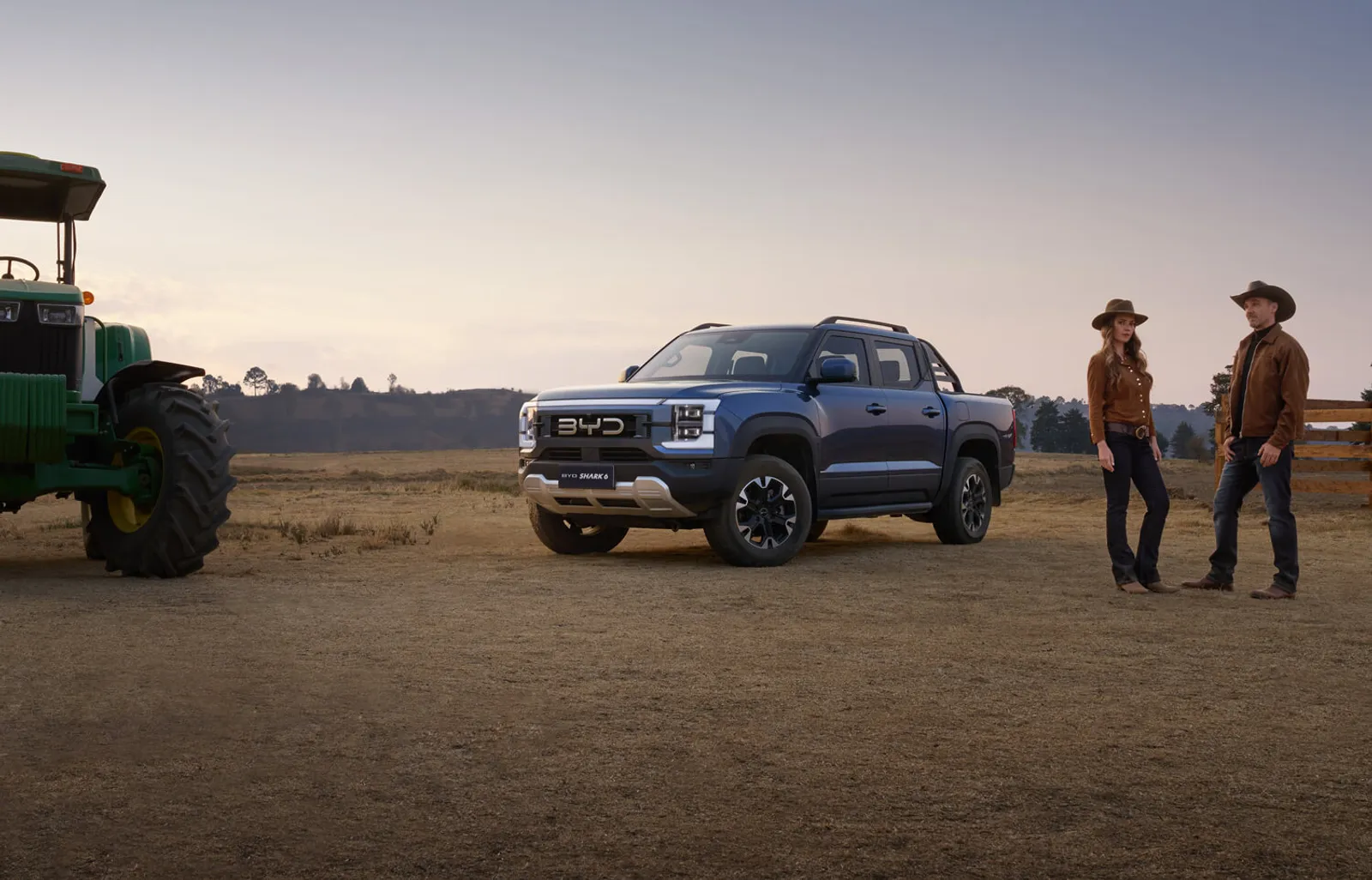
Image credit: BYD Australia
BYD isn't sitting still with the Shark 6. The plug-in hybrid ute range just got bigger with two new variants: a Performance model that bumps braked towing to 3,500kg, and a Cab-Chassis built for tradies who want to fit their own tray. Both are aimed squarely at buyers who thought the Shark 6 was close, but not quite there.
Shark 6 Performance: 3,500kg Towing and Crawl Mode
The big headline here is towing. The Shark 6 Dynamic and Premium top out at 2,500kg braked towing. That's fine for a jetski or a small camper, but it rules out heavier caravans, horse floats, and serious work trailers. The Performance lifts that to 3,500kg, matching the Ford Ranger and putting it in the same ballpark as the diesel utes it's trying to replace.
It also brings a new Crawl Mode. Think of it as the hybrid equivalent of low-range. It holds torque steady and caps speed at 20km/h, so you can crawl over rough terrain, navigate boat ramps, or inch through muddy paddocks without fighting the throttle. Handy if you actually take your ute off the bitumen.
Pricing starts at $62,900 plus on-road costs, with arrivals expected in May 2026.
Good news for existing Shark 6 owners too. BYD says Crawl Mode will be pushed out via an over-the-air software update later this year.
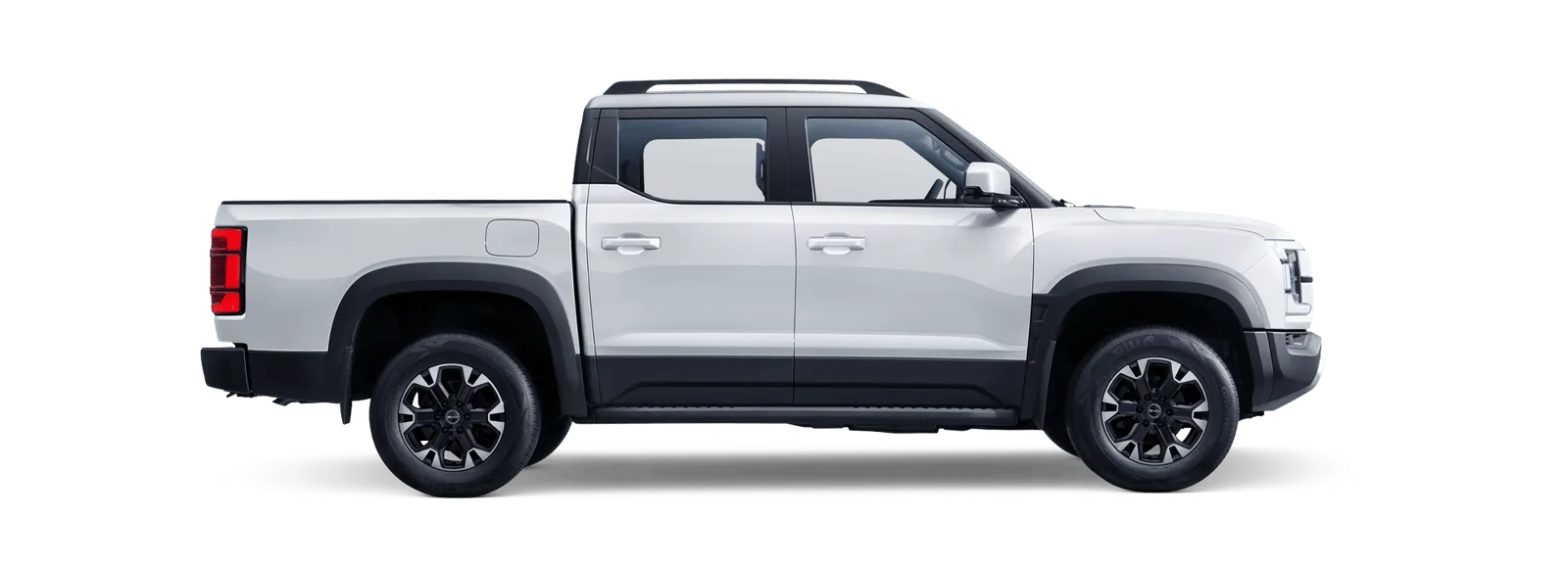
Image credit: BYD Australia
Cab-Chassis: Built for the Worksite
The Shark 6 Dynamic Cab-Chassis is already on sale at $55,900 plus on-road costs. It ships without a tub, so buyers can spec it with whatever tray setup their trade needs. If you're comparing tray dimensions, check our ute tray size comparison.
BYD has partnered with Ironman 4x4 for an optional heavy-duty alloy tray. It comes with eight integrated tie-down points, two lockable storage boxes, and an optional trundle tray underneath. If you're a sparky, plumber, or landscaper who needs a proper work setup, this is the one to look at.
Pricing for the Ironman 4x4 tray is expected to be finalised in the coming weeks.
What All Shark 6 Models Share
Every Shark 6 runs the same 29.58kWh lithium iron phosphate (LFP) Blade Battery. That's the same cell chemistry BYD uses across the Atto 3, Seal, and Dolphin. LFP is known for its thermal stability and long cycle life, which matters if you plan to keep the ute for a decade.
All models also get 6.6kW Vehicle-to-Load (V2L) with multiple 230V outlets in the cabin and the rear cargo area. That's enough to run a circular saw, keep a site fridge cold, or power a campsite without a generator. For tradies, it's genuinely useful.
The range carries a 5-star ANCAP safety rating and a full suite of active driving assistance. Inside, you get a 10.25-inch instrument display and a rotating touchscreen: 12.8 inches on the Dynamic, or a larger 15.6-inch unit on the Premium and Performance.
How It Stacks Up Against the Diesel Utes
At $62,900, the Shark 6 Performance sits right between a Toyota HiLux SR5 and a top-spec Ford Ranger XLT. Both of those tow 3,500kg too, and they have decades of proven reliability behind them. But neither offers V2L, plug-in hybrid fuel savings, or the instant torque of an electric motor. If your ute doubles as a mobile power source on the worksite, the Shark 6 has no diesel rival right now. For a full breakdown of how the top utes compare, see our best utes in Australia guide.
2026 BYD Shark 6 Range Pricing
Prices shown are manufacturer's recommended retail price and exclude statutory charges and other on-road costs.
| Model | Price (before on-roads) | Towing (braked) | Status |
|---|---|---|---|
| Shark 6 Dynamic Cab-Chassis | $55,900 | 2,500 kg | On sale now |
| Shark 6 Premium | $57,900 | 2,500 kg | On sale now |
| Shark 6 Performance | $62,900 | 3,500 kg | May 2026 |
Our Take
The original Shark 6 was a solid first crack at a hybrid ute, but the 2,500kg towing limit kept it off a lot of shopping lists. Bumping that to 3,500kg on the Performance changes the conversation. You can now tow a proper caravan or a loaded work trailer without going back to diesel.
The cab-chassis is a smart move too. Tradies don't want a tub they're going to rip off anyway. Selling it ready for a custom tray, with an Ironman 4x4 option from the factory, shows BYD is listening to how Australians actually use utes.
At $62,900 the Performance isn't cheap, but it's in the same territory as a well-specced Ranger or HiLux. And you get V2L, lower running costs, and no more diesel fuel bills. We reckon this is the variant that brings a lot of fence-sitters across.
Best Utes Australia 2026 | Best Cars for Towing | Best Cars for Tradies
Disclaimer: Pricing and specifications are correct at the time of publishing (April 2026) and are based on information provided by BYD Australia. On-road costs vary by state and territory. Always confirm pricing and availability with your local BYD dealer before making a purchase decision.
Cars in This Article
Frequently Asked Questions
How much does the BYD Shark 6 Performance cost in Australia?
How much can the BYD Shark 6 Performance tow?
What is BYD Shark 6 Crawl Mode?
How much is the BYD Shark 6 Cab-Chassis?
Does the BYD Shark 6 have V2L capability?
Disclaimer: All information in this article was believed to be correct at the time of publishing (9 April 2026). Prices are manufacturer recommended retail prices (RRP) and may vary by state, dealer, and options. Specifications, government incentives, and rebates can change without notice. Always verify details with the manufacturer or relevant authority before making a purchase decision. Running cost estimates are based on average Australian driving conditions at 15,000 km/year. CarSorted does not accept payment for recommendations or rankings.
Written by Uzzi, CarSorted Editorial Team · 9 April 2026 · how we research
Comments (0)
Sign in to join the conversation
No comments yet. Be the first!