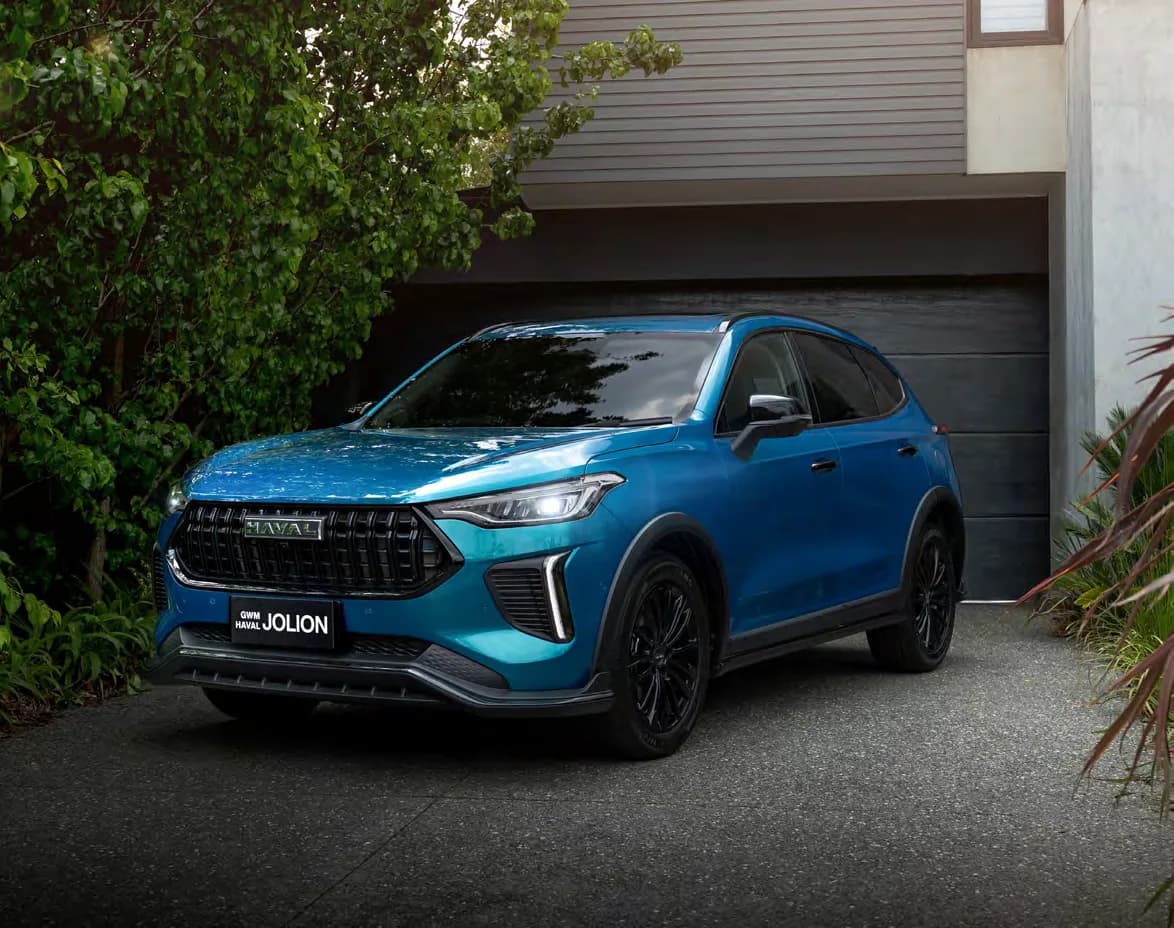
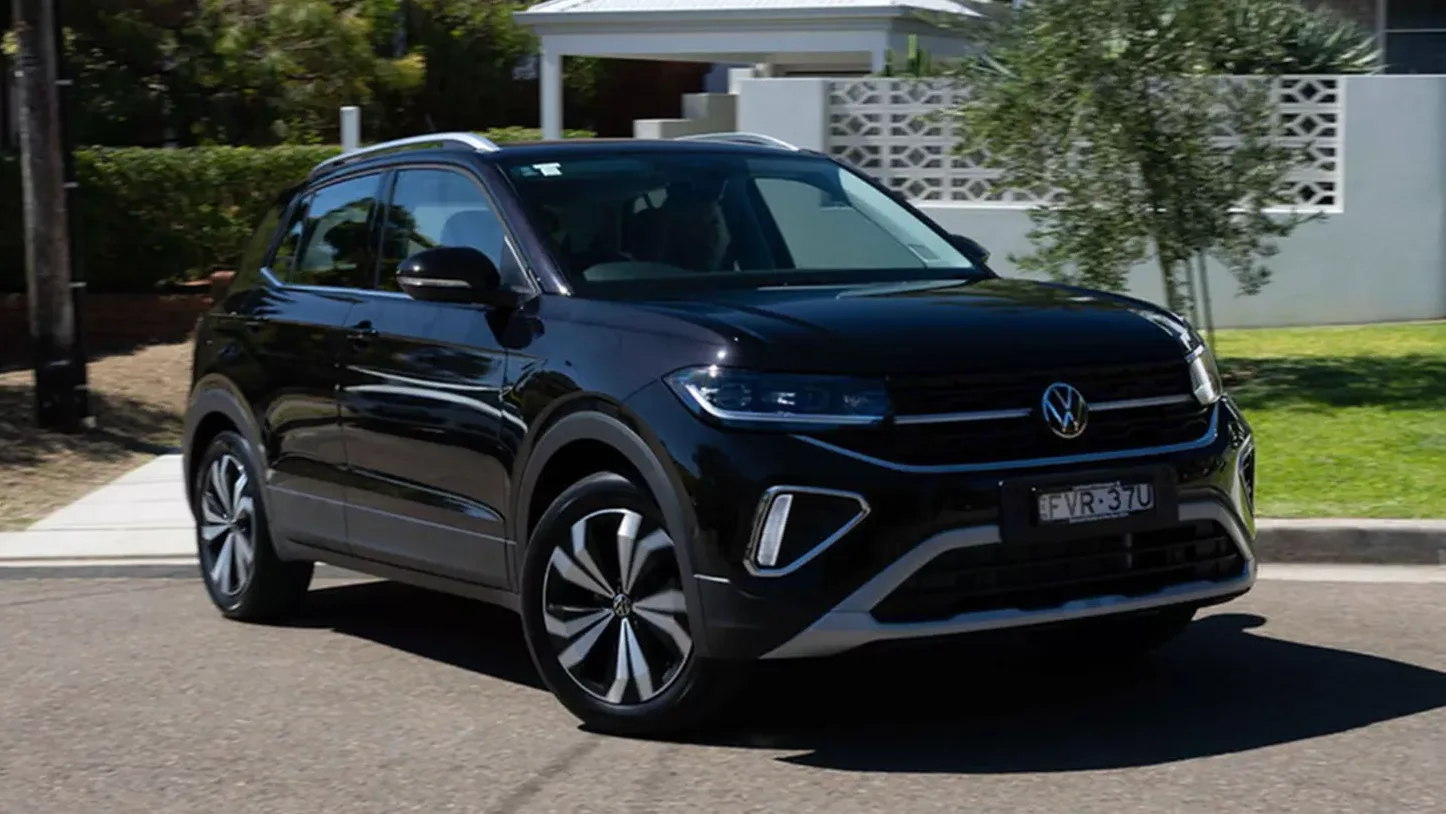
Alfa Romeo 4C vs Toyota HiLux
A detailed look at how two of Australia's most popular cars compare on price, running costs, safety, and everyday livability.
Specifications and pricing correct at time of publishing. Prices are RRP before on-road costs unless stated otherwise. Always confirm with the manufacturer or dealer before purchasing.
Data checked: specs 12 Aug 2026, price 6 Sep 2026
Driver assistance, as the maker lists it
Swipe across. Tap a feature to see what it does and each car's source.
StandardOptional: printed price, +pack or NCO (no-cost)No, not offeredNo dataCounts beside each car use the same colours; ? is no option data.
From each manufacturer's Australian equipment list. No data means that car's document does not say. The drawings are our own illustrations of how each kind of system works.
Alfa Romeo 4C: we're still completing price, kerb weight, ground clearance and turning circle.
A blank cell below means we don't have that figure, not that the car scores badly on it. We leave them empty rather than estimate, so any row where one car is blank isn't a like-for-like comparison yet.
No price
- no option data for this car
$33,990RRP
- cannot be matched: Tyre Pressure Monitoring not offered
Printed option prices only. A pack is counted once and makes the figure a floor when it carries no printed price. Nothing is inferred from the other car.
Track the Alfa Romeo 4C & Toyota HiLux
Get price-drop alerts on these models plus our free weekly new-car rundown. Unsubscribe anytime.
Price Breakdown
Pricing for one or both models is yet to be confirmed for the Australian market. We will update this comparison when official RRPs are announced.
Safety Rundown
ANCAP safety ratings have not been published for both models yet. We will update this section when crash test results are available.
Recalls on our record
Alfa Romeo 4C
- REC-000001 · published 28 Jun 2019Some vehicles may be affected due to an incorrect software file, which may allow the driver to deactivate the passenger side airbag.Year range on the notice: 2012 - 2019
- REC-000003 · published 22 Jun 2015The passenger compartment interior window does not have the required markings, as required by the Australian Design Rules for Safety Glazing Material.Year range on the notice: the notice prints no build range
Toyota HiLux
- REC-005004 · published 30 Nov 2021Due to poor stiffness of the rear licence plate bracket around the single mounting point, there is a possibility this may lead to cracking as a result of metal fatigue caused by vibration when driving on a rough (corrugated) roads.Year range on the notice: 2015 - 2021
- REC-001279 · published 30 Mar 2021The Australian Design Rule (ADR 61/02) requires a compliance label to be fitted to vehicles.Year range on the notice: 2019 - 2021
- REC-001315 · published 16 Dec 2020The brake booster may have been incorrectly manufactured, causing an internal fault.Year range on the notice: 2018 - 2020
- 4 more on the model page.
A recall covers the builds its notice lists, not every car of a model. Check your VIN at vehiclerecalls.gov.au.
Feature Showdown
Both come with modern infotainment systems.
The Toyota HiLux counters with wireless Apple CarPlay/Android Auto. Which feature set matters more depends on your daily routine and priorities.
Drivetrain
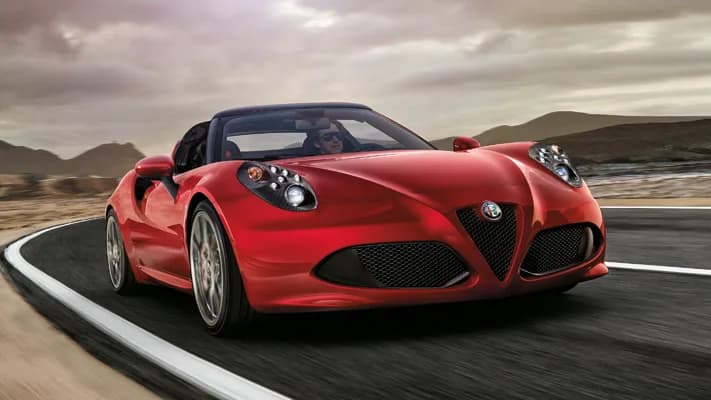
The Alfa Romeo 4C lines up producing 177kW and 350Nm of torque, sent through a 6-speed dual-clutch automatic to a RWD layout. It covers the 0-100km/h sprint in 4.5 seconds.
The Toyota HiLux responds with a 2.8L 4-cyl Turbo-Diesel making 150kW and 420Nm, paired to a manual driving the rear wheels. It gets to 100km/h in 10.2 seconds.
The Alfa Romeo 4C has the clear power advantage at 177kW vs 150kW. In the 0-100 sprint (manufacturer-claimed), the Alfa Romeo 4C is 5.7s quicker. For most buyers, the way each car feels day-to-day matters more than outright acceleration.
Space & Comfort
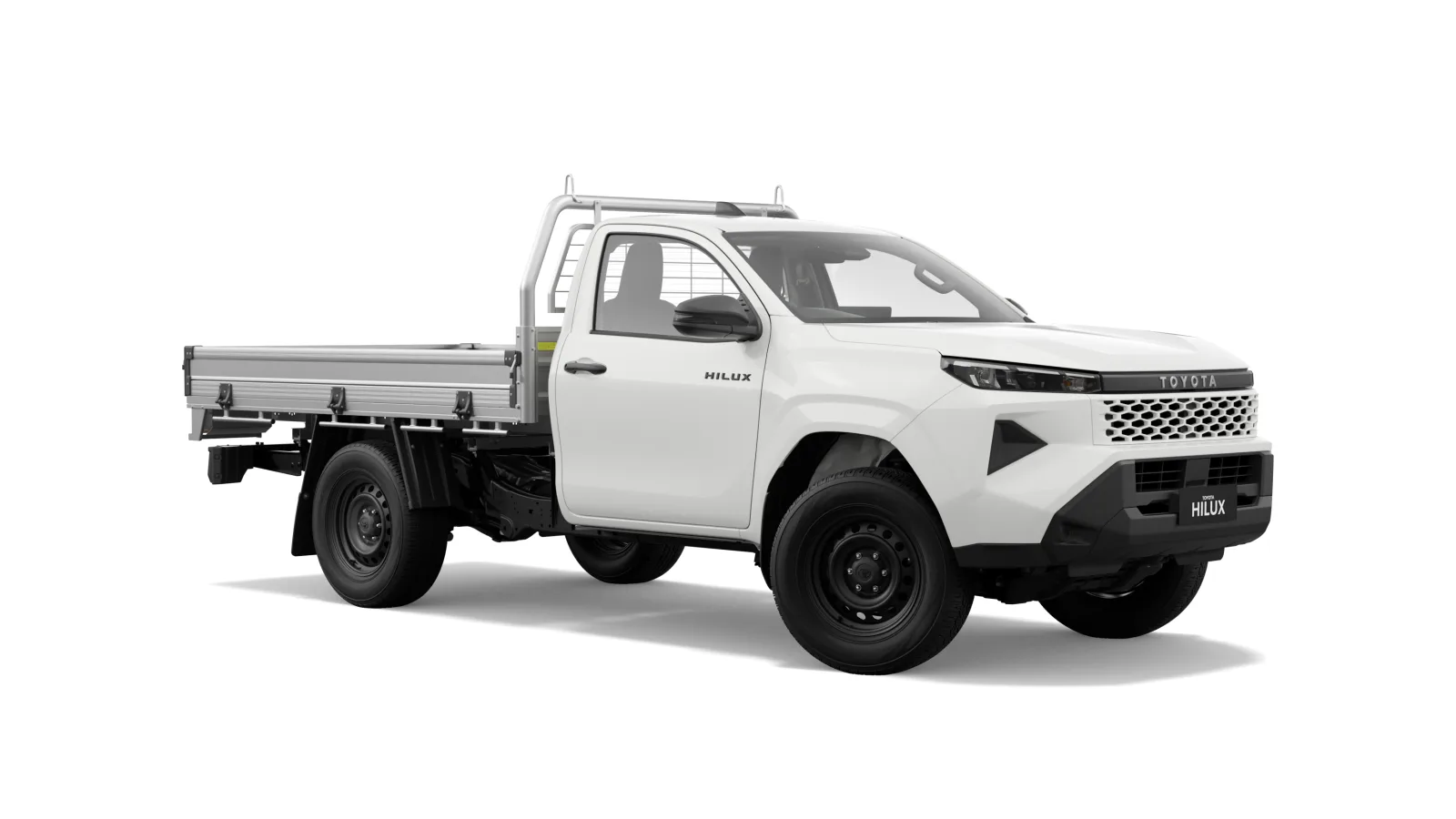
The Alfa Romeo 4C measures 3,990mm long on a 2,380mm wheelbase, 1390mm shorter than the Toyota HiLux at 5,380mm (3,085mm wheelbase). The longer wheelbase on the Toyota HiLux generally means more rear legroom.
0Turning Circle
Kerb-to-kerb diameter. Smaller turns easier in tight carparks and U-turns.
10.8m diameter
Good
Based on 10.8m turning circle:
- U-turn on standard street (7m+ wide)
- Standard parking bay
- Tight carparks
- Narrow laneways
Turning circle ratings
Interactive simulator: U-turns, parking & towing
Turning Circle
Kerb-to-kerb diameter. Smaller turns are easier in tight carparks and U-turns.
Good
Clears the U-turn in one swing
Needs about 8.8 m of road; you have 9.0 m.
U-turn on a wide street
≥ 10 m: clears in one
U-turn on a standard street
7 m: 3-point turn
Standard parking bay
1.9 m wide: fits with room
Tight carpark aisle
6 m: swings in
Narrow laneway
3.5 m: no room to turn
Turning circle ratings
Standard widths: AU local streets carry ~5.5–7 m of carriageway; main roads ~9–12 m. AS 2890.1 carpark aisles are ~5.8–6.6 m for 90° bays (2.6 m wide × 5.4 m deep).
Road, aisle, swing and off-tracking figures are indicative estimates from the published turning circle. Verify in person before relying on them.
True Cost to Own
Based on 15,000km of annual driving, fuel costs roughly $1,967/year for the Alfa Romeo 4C and $2,081/year for the Toyota HiLux. That is a $114 annual difference in favour of the Alfa Romeo 4C.
Warranty: 3 years / 150,000km (Alfa Romeo 4C) vs 5 years / 999,999km (Toyota HiLux). The Toyota HiLux has longer coverage.
Who Should Buy Which?
Buy the Alfa Romeo 4C if: You prioritise performance, want lower running costs, or prefer Alfa Romeo's approach to design and ownership experience.
Buy the Toyota HiLux if: You value a longer warranty, or prefer Toyota's approach to design and ownership experience.
The Verdict
The CarSorted Score calls this a draw (51 vs 71). The Alfa Romeo 4C and Toyota HiLux trade blows across the spec sheet, and neither runs away with an outright win. The Alfa Romeo 4C will save you roughly $114 a year in fuel. The Toyota HiLux adds peace of mind with a longer 5-year warranty. The best pick depends on what you value most. Explore the full specs for each model below.
Common questions
Which is cheapest, Alfa Romeo 4C and Toyota HiLux?
The Toyota HiLux is the cheapest at $33,990 before on-road costs.
Which is the most fuel-efficient?
The Alfa Romeo 4C uses the least fuel at 6.9L/100km on the combined cycle.
What are the ANCAP safety ratings?
Toyota HiLux holds a 5-star ANCAP rating. We have no published ANCAP rating for Alfa Romeo 4C, so there is nothing to compare on crash performance. Compare the active-safety features above instead.
Which can tow the most?
The Toyota HiLux has the highest braked towing capacity at 2,900kg.
Which has the best warranty?
The Toyota HiLux has the longest warranty at 5 years / Unlimited.
Which is the most powerful?
The Alfa Romeo 4C makes the most power at 177kW. The Alfa Romeo 4C is quickest to 100km/h in 4.5s.
Stay across the market
Get our weekly new-car rundown of launches, price moves, deals and reviews, straight from the data.
- Weekly new-car rundown
- Price cuts and new deals
- New launches and reviews
No spam, unsubscribe anytime. By subscribing you agree to receive marketing emails.
Disclaimer: All information in this comparison was believed to be correct at the time of publishing (20 April 2026). Prices are manufacturer recommended retail prices (RRP) and may vary by state, dealer, and options. Driveaway costs include estimated on-road costs for Victoria. Fuel economy figures are WLTP/ADR combined cycle. Specifications can change without notice. Always verify with the manufacturer before making a purchase decision. CarSorted does not accept payment for recommendations.
Auto-generated from CarSorted's specification data · 20 April 2026
Comments (0)
Sign in to join the conversation
No comments yet. Be the first!