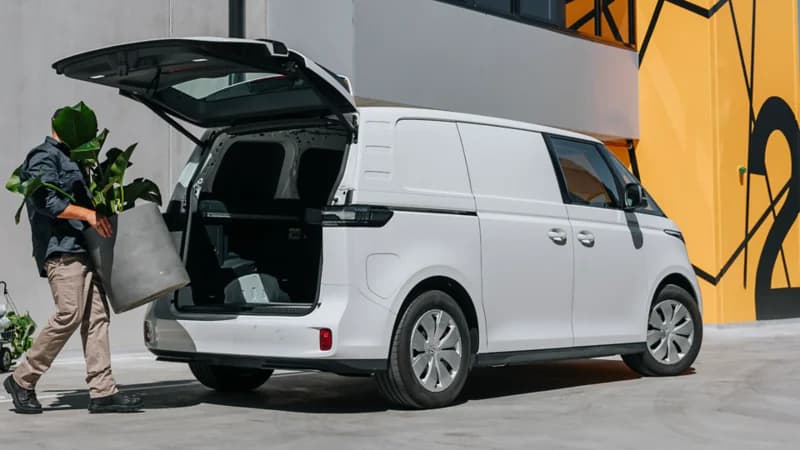
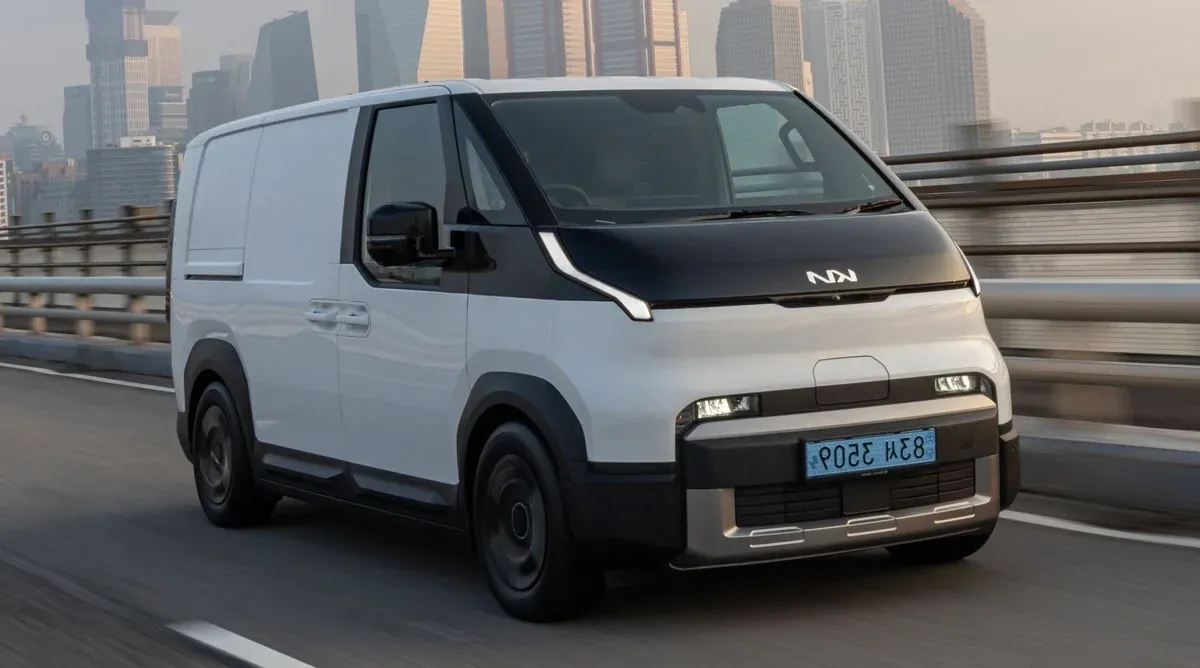
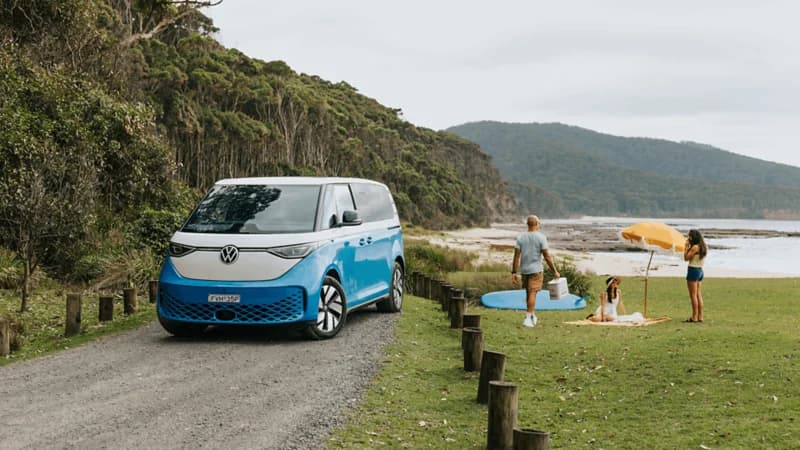
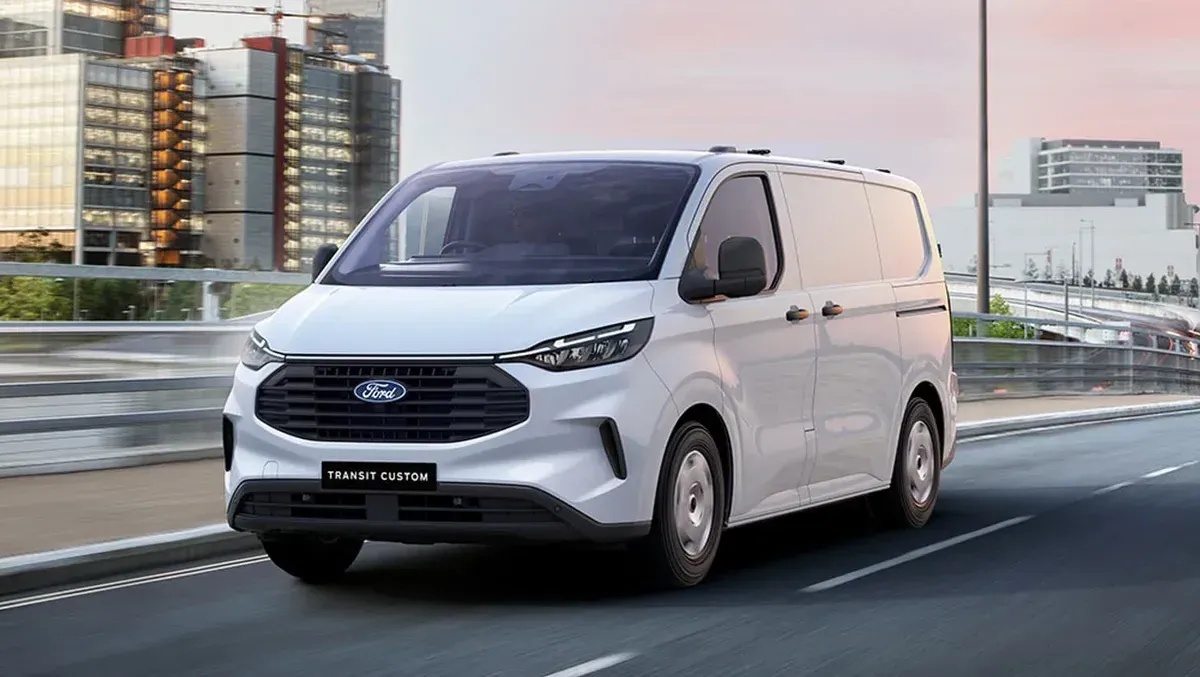
LDV eDeliver 7 vs Hyundai IONIQ 6
Two electric cars go head to head. Which EV is the better buy for Australian drivers in 2026?
Specifications and pricing correct at time of publishing. Prices are RRP before on-road costs unless stated otherwise. Always confirm with the manufacturer or dealer before purchasing.
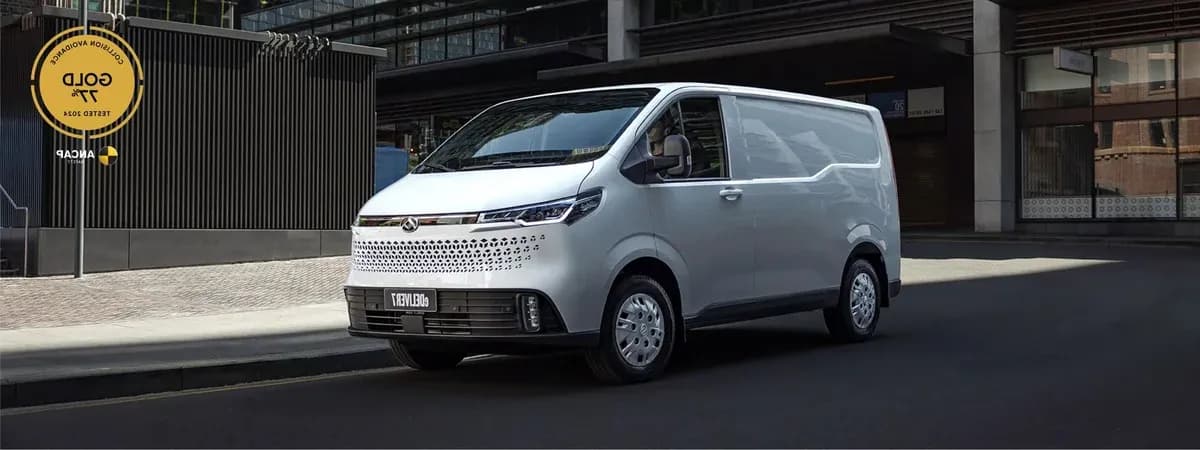
LDV eDeliver 7
From $67,358
Van
Electric
Electric Motor
150kW
—
ANCAP: no data
6700L
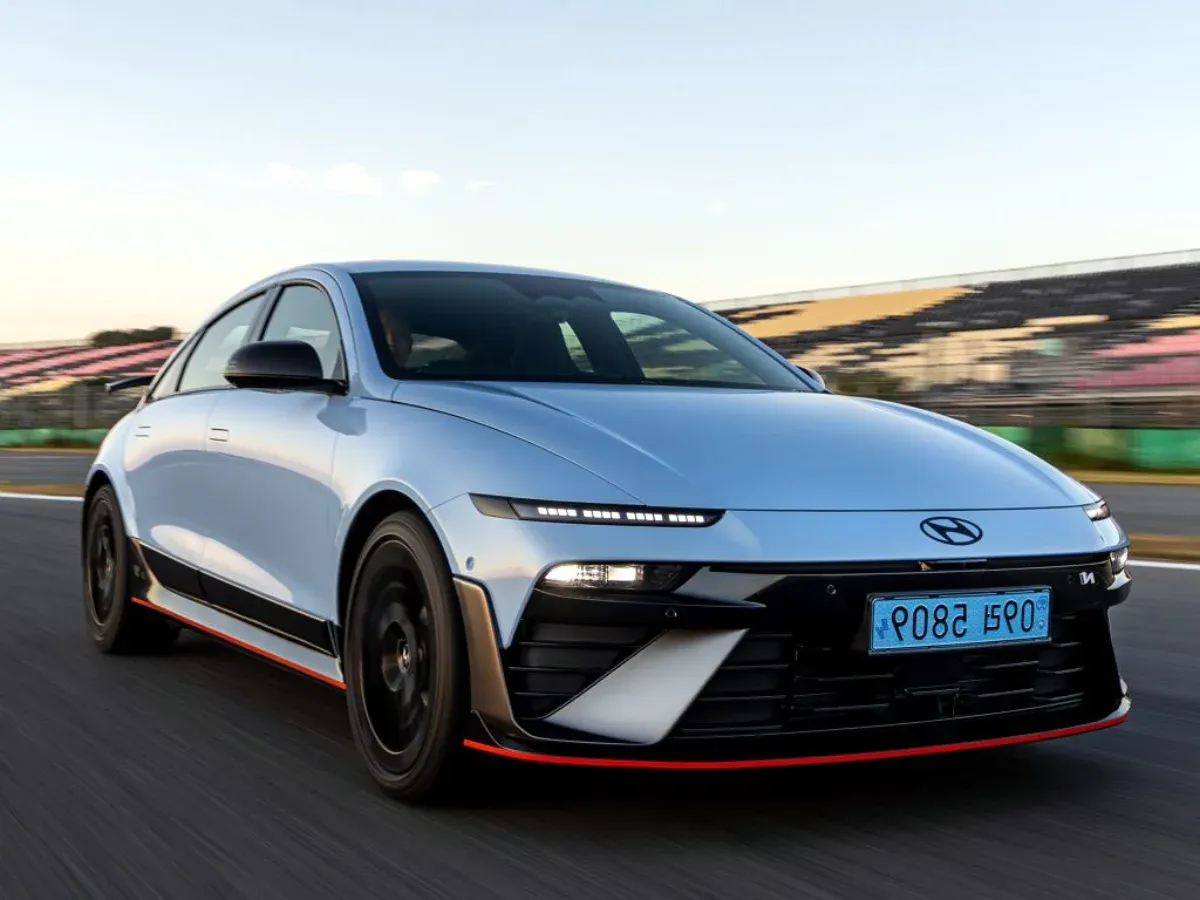
Hyundai IONIQ 6
From $63,000
Sedan
Electric
Electric
111kW
—
5★ ANCAP
401L
Track the LDV eDeliver 7 & Hyundai IONIQ 6
Get price-drop alerts on these models plus our free weekly new-car rundown. Unsubscribe anytime.
Price Breakdown
The LDV eDeliver 7 starts from $67,358 before on-road costs, while the Hyundai IONIQ 6 opens at $63,000. That makes the Hyundai IONIQ 6 the more affordable entry point by $4,358.
Once you factor in stamp duty, registration, CTP insurance, and dealer delivery, expect to add roughly 8-12% on top of the RRP depending on your state. That puts estimated driveaway prices in the ballpark of $74,094 and $69,300 respectively.
Both models qualify for Fringe Benefit Tax (FBT) exemption, which is a significant advantage for salary-sacrificed novated leases. Depending on your tax bracket, this can save $5,000-$15,000+ per year compared to an equivalent ICE vehicle.
Safety Rundown
ANCAP safety ratings have not been published for both models yet. We will update this section when crash test results are available.
Charging Times
How long each takes to charge — from a household power point to ultra-rapid DC — estimated from battery size and max charge rates.
How long to charge
73kWh usableAC charging · to 100%
Power point
10A wall socket · 2.4kW
Caravan socket
15A · 3.6kW
Home wallbox
single-phase 7kW · 7.4kW
Three-phase AC
11–22kW · 11kW
DC fast charging · to 80%
Public DC
50kW charger · 0–80%
Ultra-rapid DC
up to 90kW · 0–80%
Estimates from usable battery size and the car's max charge rates (11kW AC, 90kW DC). Real times vary with temperature, starting charge, charger output and the charging curve.
How long to charge
53kWh usableAC charging · to 100%
Power point
10A wall socket · 2.4kW
Caravan socket
15A · 3.6kW
Home wallbox
single-phase 7kW · 7.4kW
Three-phase AC
11–22kW · 11kW
DC fast charging · to 80%
Public DC
50kW charger · 0–80%
Ultra-rapid DC
up to 220kW · 0–80%
Estimates from usable battery size and the car's max charge rates (11kW AC, 220kW DC). Real times vary with temperature, starting charge, charger output and the charging curve.
Feature Showdown
The LDV eDeliver 7 features a 12.3-inch touchscreen paired with a 4.2-inch digital dash, while the Hyundai IONIQ 6 gets a 12.3-inch display and 12.3-inch instruments. Apple CarPlay and Android Auto are standard across both.
The LDV eDeliver 7 stands out with wireless Apple CarPlay/Android Auto and wireless charging that you will not find on the Hyundai IONIQ 6. The Hyundai IONIQ 6 counters with Apple CarPlay, V2L and BOSE audio. Which feature set matters more depends on your daily routine and priorities.
Drivetrain
The LDV eDeliver 7 uses a Electric Motor producing 150kW and 330Nm of torque, sent through a automatic to a FWD layout. It covers the 0-100km/h sprint in 11 seconds.
The Hyundai IONIQ 6 responds with a Electric making 111kW and 350Nm, paired to a automatic driving the rear wheels. It gets to 100km/h in 7.4 seconds.
The LDV eDeliver 7 has the clear power advantage at 150kW vs 111kW. In the real-world sprint, the Hyundai IONIQ 6 is 3.6s quicker. For most buyers, the way each car feels day-to-day matters more than outright acceleration.
Battery: 88kWh (LDV eDeliver 7) vs 53kWh (Hyundai IONIQ 6), giving WLTP ranges of 362km and 433km. DC fast charging peaks at 90kW (LDV eDeliver 7) vs 220kW (Hyundai IONIQ 6).
Space & Comfort
The LDV eDeliver 7 measures 5,364mm long on a 3,366mm wheelbase, 509mm longer than the Hyundai IONIQ 6 at 4,855mm (2,950mm wheelbase). The longer wheelbase on the LDV eDeliver 7 generally means more rear legroom.
Boot space is 6700L in the LDV eDeliver 7 and 401L in the Hyundai IONIQ 6, giving the LDV eDeliver 7 a 6299L advantage. The Hyundai IONIQ 6 seats 5 vs 3.
For towing, the LDV eDeliver 7 leads with a 1,500kg braked capacity vs 750kg. That 750kg difference matters if you regularly hitch up.
Turning Circle
Kerb-to-kerb diameter. Smaller turns easier in tight carparks and U-turns.
11.8m to 13.4m
Based on 13.4m turning circle:
- U-turn on standard street (7m+ wide)
- Standard parking bay
- Tight carparks
- Narrow laneways
Based on 11.8m turning circle:
- U-turn on standard street (7m+ wide)
- Standard parking bay
- Tight carparks
- Narrow laneways
Turning circle ratings
True Cost to Own
Running cost data is not yet available for both models. We will update when figures are confirmed.
Warranty: 5 years / 200,000km (LDV eDeliver 7) vs 5 years / 999,999km (Hyundai IONIQ 6). Both match on warranty length.
Who Should Buy Which?
Buy the LDV eDeliver 7 if: You prioritise performance, need more boot space, need stronger towing, or prefer LDV's approach to design and ownership experience.
Buy the Hyundai IONIQ 6 if: You want the lower entry price, or prefer Hyundai's approach to design and ownership experience.
The Verdict
The Hyundai IONIQ 6 takes 6 of 10 key spec categories and comes in at a lower price. If boot space matters, the LDV eDeliver 7 has a clear edge. The best pick depends on what you value most. Explore the full specs for each model below.
Common questions
Which is cheapest, LDV eDeliver 7 and Hyundai IONIQ 6?
The Hyundai IONIQ 6 is the cheapest at $63,000 before on-road costs. That undercuts the LDV eDeliver 7 by $4,358.
Which has the longest driving range?
The Hyundai IONIQ 6 has the most range at 429km (WLTP).
Which charges fastest?
The Hyundai IONIQ 6 accepts the highest DC charging at up to 220kW.
Which is safest?
They are evenly matched — Hyundai IONIQ 6 all hold a 5-star ANCAP rating. Compare the active-safety features above to separate them.
Which has the most boot space?
The LDV eDeliver 7 has the largest boot at 6700L.
Which can tow the most?
The LDV eDeliver 7 has the highest braked towing capacity at 1,500kg.
Which is the most powerful?
The LDV eDeliver 7 makes the most power at 150kW. The Hyundai IONIQ 6 is quickest to 100km/h in 7.4s.
Get ahead of your next car
Join free for new-car launches, news, reviews and buying guides. Our take on what's new in Australia and what's actually worth buying. Plus early access and founding-member pricing on the upcoming CarSorted Pro Report. No spam, unsubscribe anytime.
By subscribing, you agree to receive marketing emails. You can unsubscribe at any time. View our Privacy Policy.
Disclaimer: All information in this comparison was believed to be correct at the time of publishing (20 April 2026). Prices are manufacturer recommended retail prices (RRP) and may vary by state, dealer, and options. Driveaway costs include estimated on-road costs for Victoria. Fuel economy figures are WLTP/ADR combined cycle. Specifications can change without notice. Always verify with the manufacturer before making a purchase decision. CarSorted does not accept payment for recommendations.
Auto-generated from CarSorted's specification data · 20 April 2026
Comments (0)
Sign in to join the conversation
No comments yet. Be the first!