Most size comparisons give you one boot figure per car. That hides the thing that actually catches buyers out with these two: the grade you pick changes the boot. Choose the hybrid Jolion and you lose 82 litres against the petrol one. Choose the AWD Yaris Cross and you lose 76 litres against the front-drive one. Here's every grade, so you know what you're giving up before you tick the option.
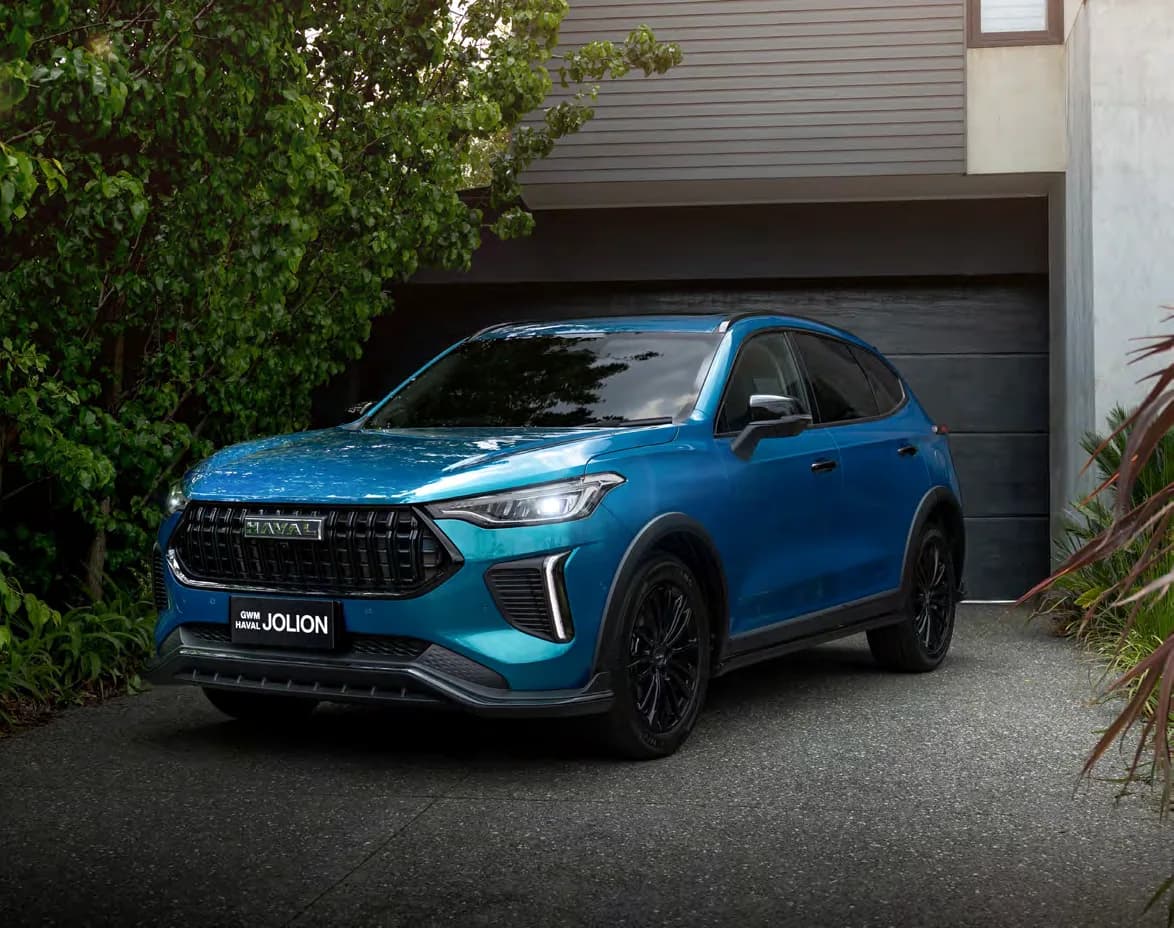
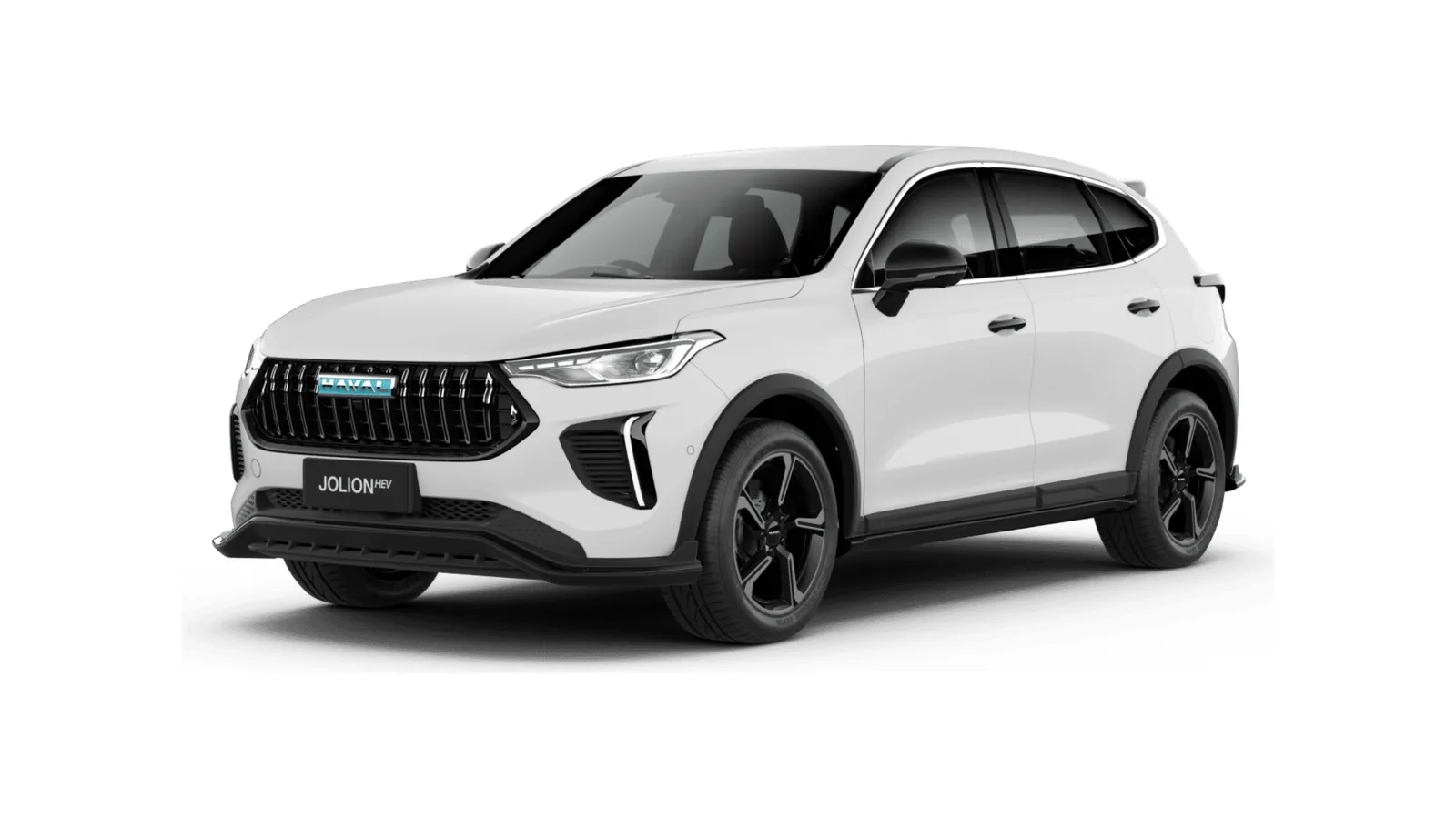
Image credit: GWM Australia
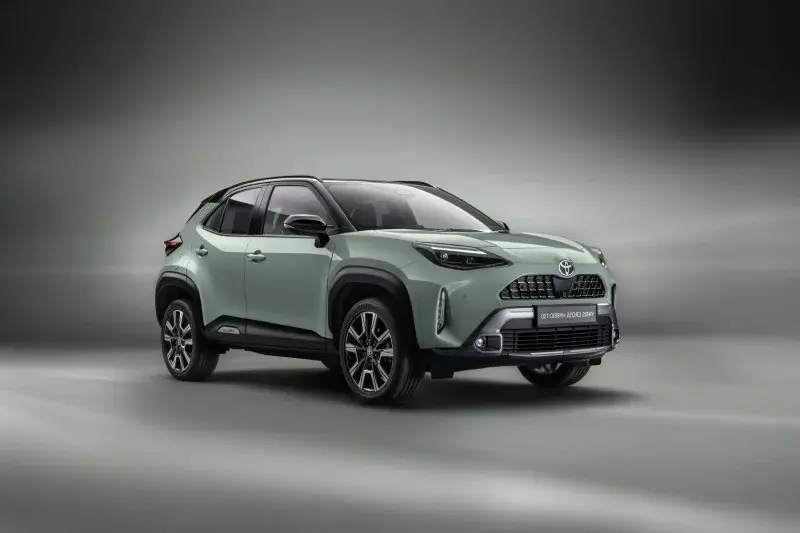
Boot space, grade by grade
| Grade | Seats up (L) | Seats folded (L) | Against the roomiest grade of the same car |
|---|---|---|---|
| Jolion Premium, Lux (petrol) | 337 | 1,133 | Roomiest Jolion |
| Jolion Vanta (petrol) | 291 | 952 | 46 less up, 181 less folded |
| Jolion hybrids (Premium, Lux, Vanta) | 255 | 916 | 82 less up, 217 less folded |
| Yaris Cross 2WD (GX, GXL, Urban, GR Sport) | 390 | No data | Roomiest Yaris Cross |
| Yaris Cross AWD (GX, GXL, Urban) | 314 | No data | 76 less up |
In percentage terms the Jolion hybrid gives up about 24% of the petrol car's seats-up boot, and the AWD Yaris Cross just under 20% of the front-drive one's. The manufacturers don't explain the drop in their spec sheets. Toyota's table does list the AWD with a tyre repair kit where the 2WD carries a temporary spare, so check what's under the floor of the one you're looking at.
Comparing across the two brands
Toyota labels its figures VDA. GWM's brochure doesn't name a method, so a Jolion litre and a Yaris Cross litre may not be measured the same way. Read the within-brand drops above as solid, and the cross-brand gaps below as a guide:
- The front-drive Yaris Cross (390L) beats every Jolion grade seats up, by 53 litres over the petrol Premium and Lux.
- The AWD Yaris Cross (314L) falls 23 litres short of the petrol Premium and Lux, but beats the Vanta by 23 and the hybrids by 59.
- With the seats folded only the Jolion has a figure, so there's nothing to set against it.
The outside dimensions
| Dimension | Jolion Premium, Lux (petrol) | Jolion Vanta, hybrids | Yaris Cross (GX, GXL, Urban) |
|---|---|---|---|
| Length (mm) | 4,472 | 4,470 | 4,180 |
| Width (mm) | 1,874 | 1,898 | 1,765 |
| Height (mm) | 1,581 | 1,625 | 1,590 |
| Wheelbase (mm) | 2,700 | 2,700 | 2,560 |
| Kerb weight (kg) | 1,410 | 1,520 (Vanta) / 1,575 (hybrid) | 1,235 (2WD) / 1,305 (AWD) |
| Braked towing (kg) | 1,500 | 1,500 (Vanta) / 1,300 (hybrid) | 400 |
From the outside the Jolion is clearly the bigger car: 290 to 292mm longer, 109 to 133mm wider, with a 140mm longer wheelbase. That extra wheelbase usually means rear-seat room, and the extra width means a wider cabin. What it doesn't mean, on these figures, is a bigger boot than the front-drive Yaris Cross. The Yaris Cross is also the easier car to park, at 4,180mm long.
So which one?
- Boot first, and you don't need AWD: the front-drive Yaris Cross, at 390 litres.
- You want a hybrid and a usable boot: this is where the grade matters most. The Yaris Cross 2WD is a hybrid with 390 litres; the Jolion hybrid has 255.
- Rear-seat room, width, or towing: the Jolion. It's the bigger car outside and tows up to 1,500kg against 400kg.
- Folded-seat hauling: only the Jolion has a published figure we hold, 1,133 litres for the petrol Premium and Lux.
Cars in this story
5 cars
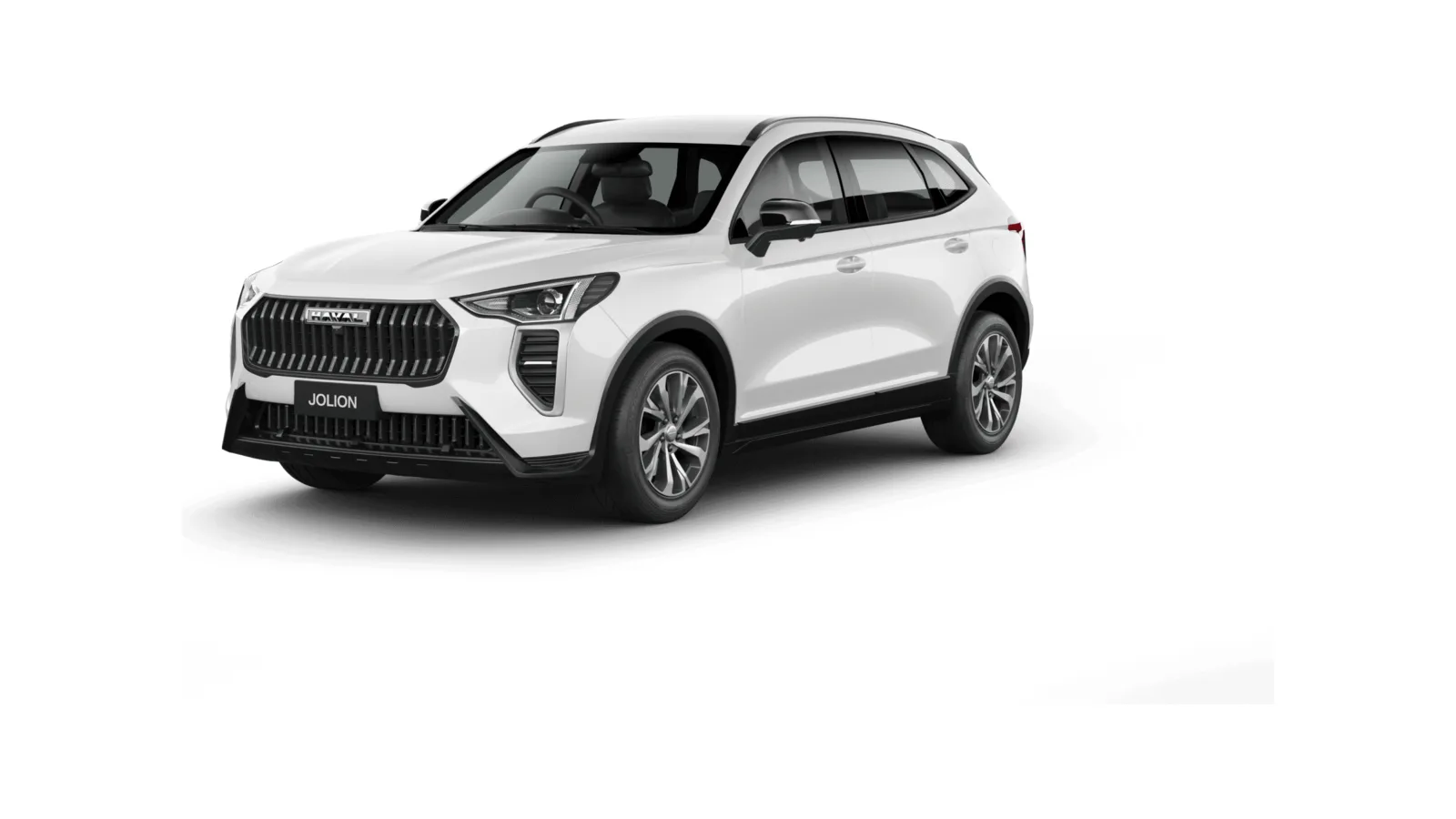
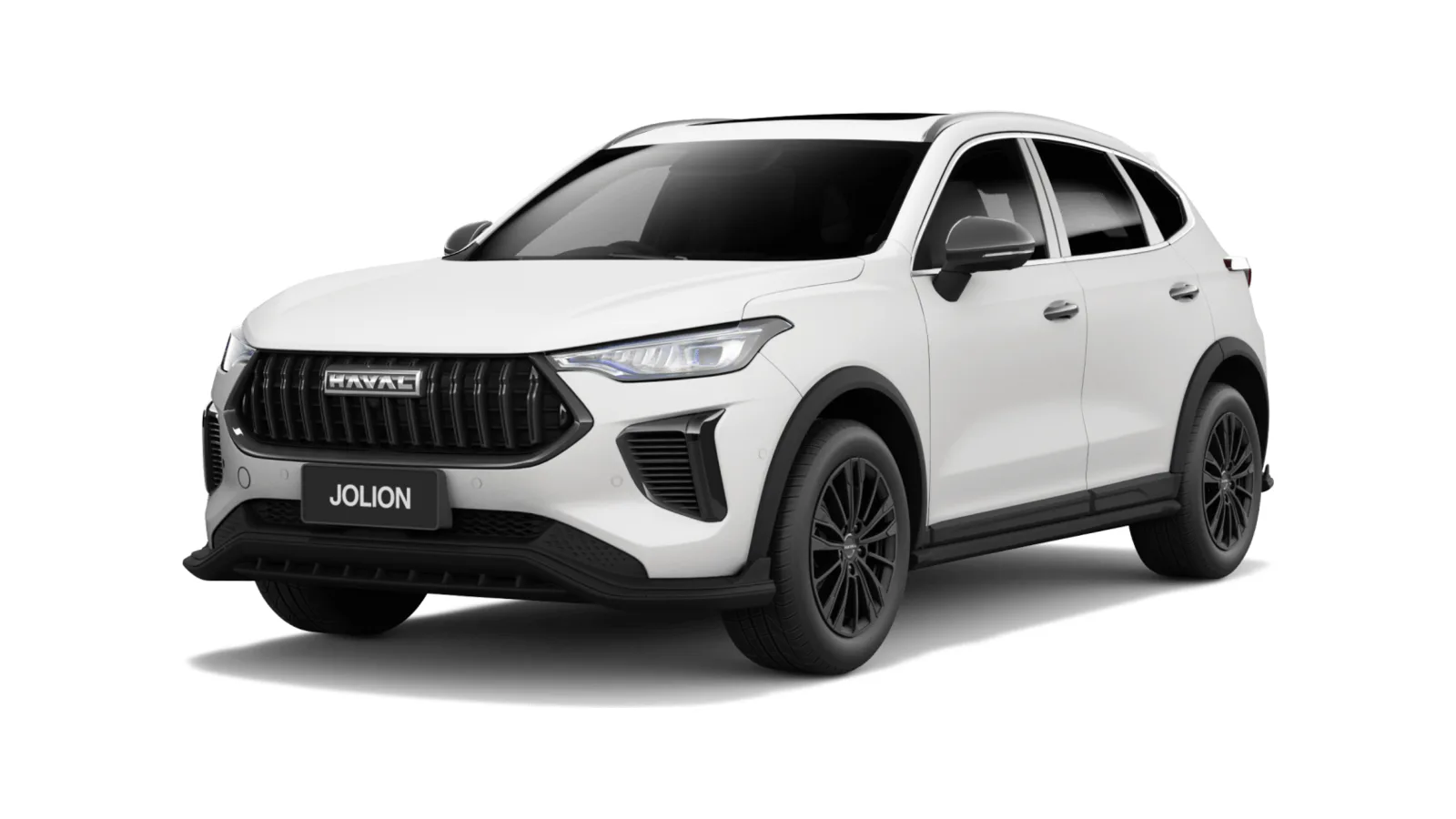
Price shown is each car's stored figure with its basis and check date. Images: GWM Australia.
See all GWM modelsCompare them yourself
- GWM Haval Jolion vs Toyota Yaris Cross, side by side
- GWM Haval Jolion Premium spec sheet
- GWM Haval Jolion Premium Hybrid spec sheet
- Toyota Yaris Cross GX Hybrid 2WD spec sheet
Sources: CarSorted car rows 494, 495, 496, 497, 513 and 514 (GWM Haval Jolion) and 44 to 50 (Toyota Yaris Cross), as at 8 October 2026. Boot figures match GWM Australia's Jolion brochure and Toyota Australia's Yaris Cross specification table. Individual vehicles vary; check the car you're buying.