If you're after a straightforward car buying guide, here's the short version: work out your real budget including on-road costs, pick the body style that suits how you actually live, then shortlist two or three cars and compare them on price, safety, running costs and warranty rather than badge. To make this concrete, I've used CarSorted's own database of affordable new cars on sale right now (everything here is under $27,500) to show you exactly how the process works, with real prices and specs you can check for yourself.
Buying a car isn't complicated once you strip out the dealer theatre. Most of the stress comes from not knowing what questions to ask. So let's go through it the way I'd walk a mate through it.
Step 1: Set a real budget (RRP is not the price you pay)
The first number trap. When you see "$19,190" that's the RRP, or price before on-road costs. The actual driveaway price, what hits your bank account, adds registration, CTP, stamp duty and dealer delivery. That's usually a few thousand on top depending on your state.
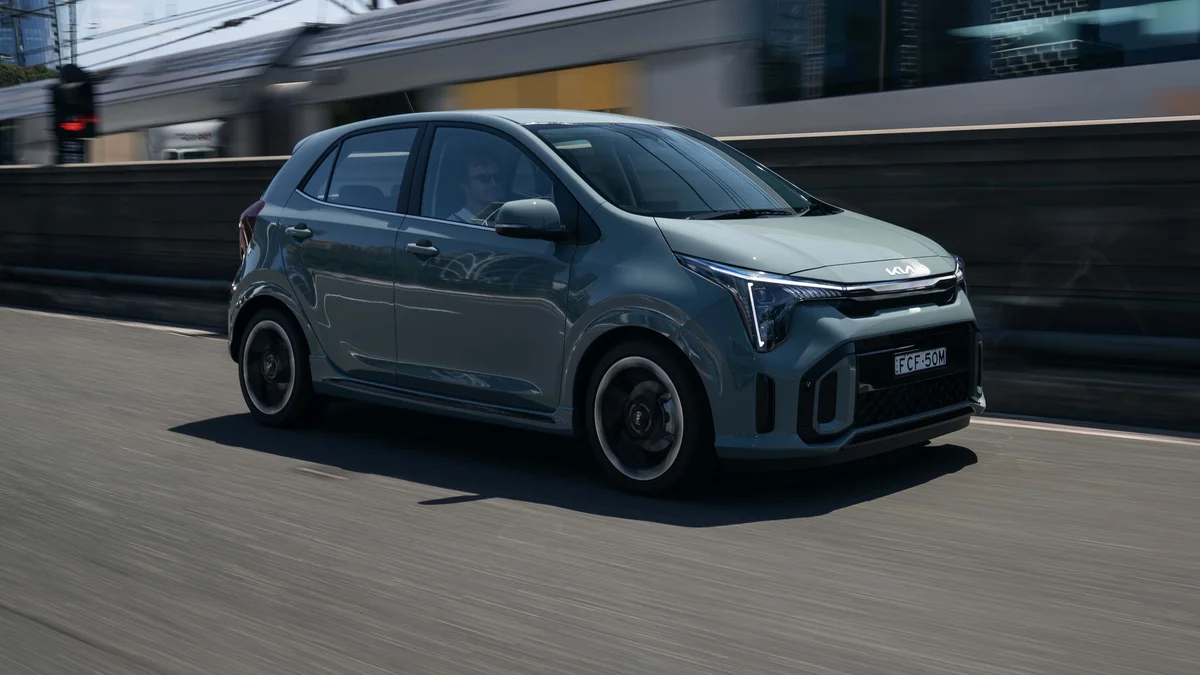
So when the Kia Picanto Sport is listed at $19,190 before on-road costs, budget closer to the low-to-mid $20,000s driveaway. Always ask the dealer for a driveaway quote in writing, and always compare driveaway to driveaway between cars. Comparing one car's RRP to another's driveaway is how people get burned.
The cheapest new cars in this list give you a sense of the entry point:
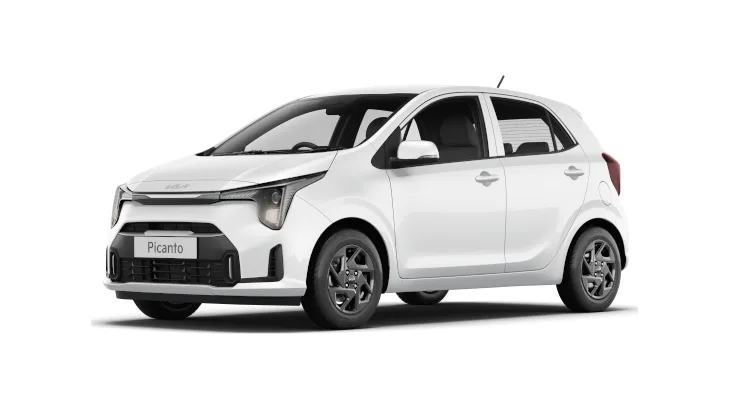
- Kia Picanto Sport manual, $19,190 RRP, a 62kW petrol hatch, five seats
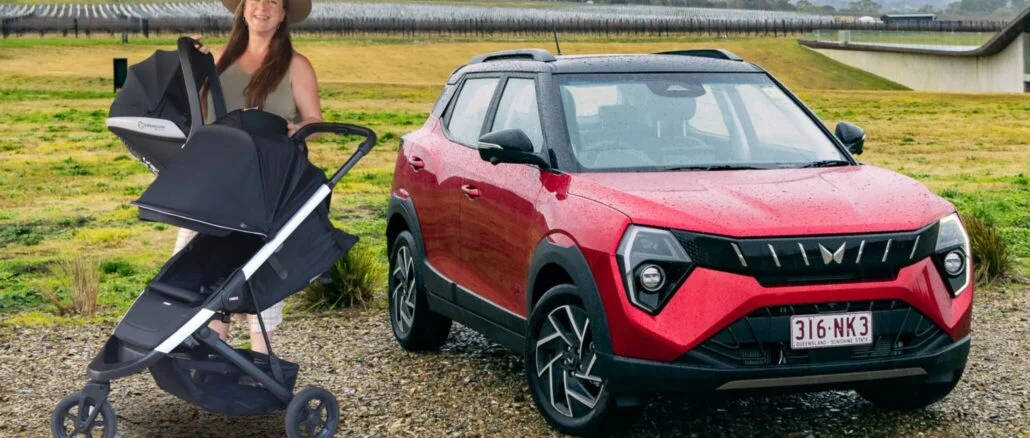
- Mahindra XUV 3XO AX5L, $20,450 RRP, an 82kW petrol SUV
- Kia Picanto Sport Automatic, $20,790 RRP if you don't want to row your own gears
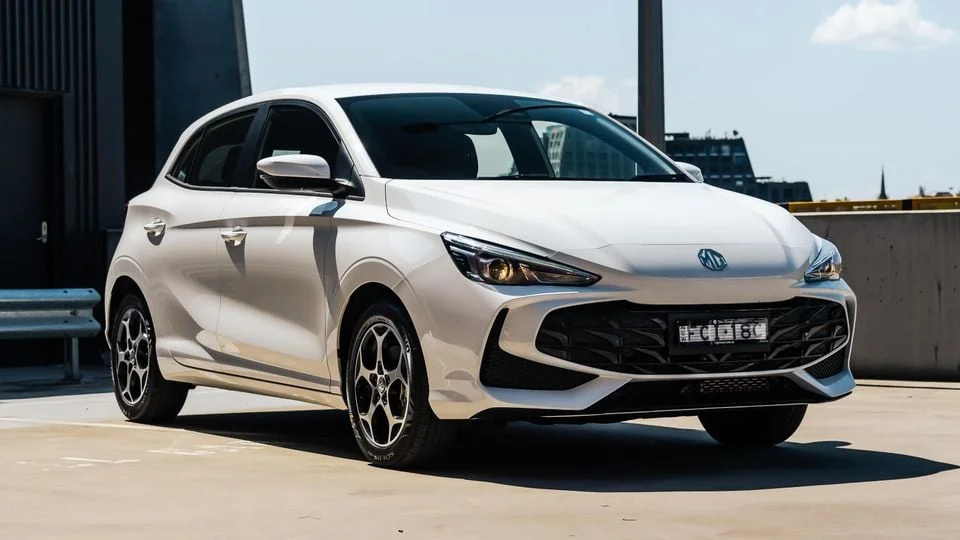
- MG MG3 Vibe, $20,990 RRP, 81kW, ANCAP 4
That's genuinely the floor for a new car in Australia right now. Below that you're into used, which is a different guide.
Step 2: Match the body style to your actual life
Don't buy the car you wish you had, buy the one that fits your week. A light hatch is cheaper to buy, cheaper to run and far easier to park. A small SUV gives you a higher seating position, bigger boot and a bit more presence, but you pay for it in price and usually fuel.
If it's mostly city and parking is tight, a hatch is hard to beat. The Kia Picanto GT-Line at $22,590 RRP is tiny, nippy and dead easy to live with. Step up and the Mazda Mazda2 G15 Evolve Hatch at $22,990 RRP has 81kW and can even tow 900kg, which most light cars can't touch. The Suzuki Swift GL at $23,990 RRP is light and frugal, though note its 59.6kW and ANCAP 3 rating, which is below the 5-star benchmark most buyers now expect.
If you want the SUV look without the SUV price, the small-SUV field is crowded and competitive. The Chery Tiggo 4 Urban at $21,750 RRP undercuts most rivals and carries a 5-star ANCAP rating with 108kW. The MG ZS Vibe matches the Picanto GT-Line on price at $22,990 RRP with five seats and ANCAP 5. If you want a bit more go, the MG ZS Excite Turbo jumps to 125kW for $24,990 RRP.
If you need a proper small car with room to grow, the Mazda Mazda3 G20 Pure at $26,490 RRP gives you 114kW, a 1,200kg tow rating and the kind of interior quality that still feels good five years in.
Step 3: Don't skip safety (ANCAP matters)
This is where I get firm. ANCAP ratings aren't marketing, they're crash and safety-tech scores, and the gap between a 5-star and a 1-star car is real. For a car you'll put your family in, I'd want 5 stars unless you have a very good reason.
Look at the spread in this data:
- 5-star: Chery Tiggo 4 Urban, MG ZS Vibe, Chery Tiggo 4 Ultimate, MG ZS Excite Turbo, BYD Atto 1 Essential, Geely EX2 Complete, Chery C5 Urban
- 4-star: the whole MG MG3 range
- 3-star: Suzuki Swift GL
- 1-star: Suzuki Fronx GLX
That Suzuki Fronx GLX is a worked example of why you check. It's a hybrid SUV at $27,250 RRP, which sounds appealing, but a 1-star ANCAP rating is a serious mark against it. I wouldn't put it top of a shortlist on price alone, and neither should you. Always look past the sticker to the safety score.
Cars in this story
7 cars
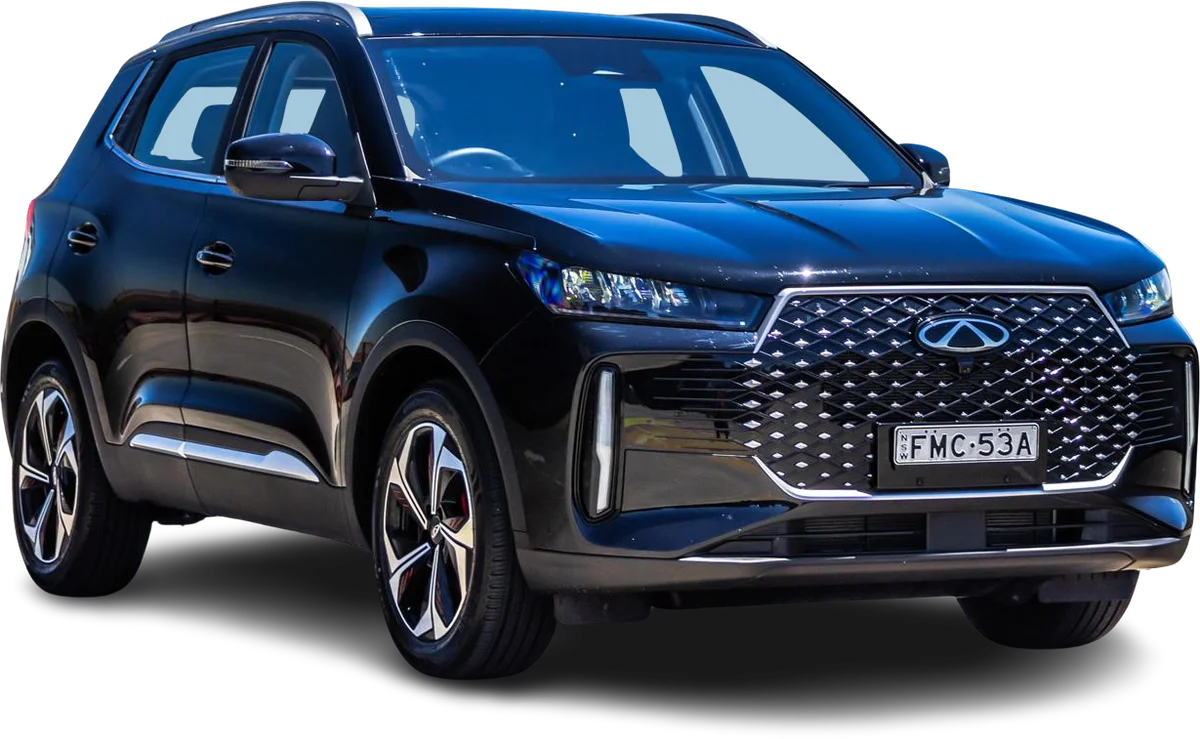
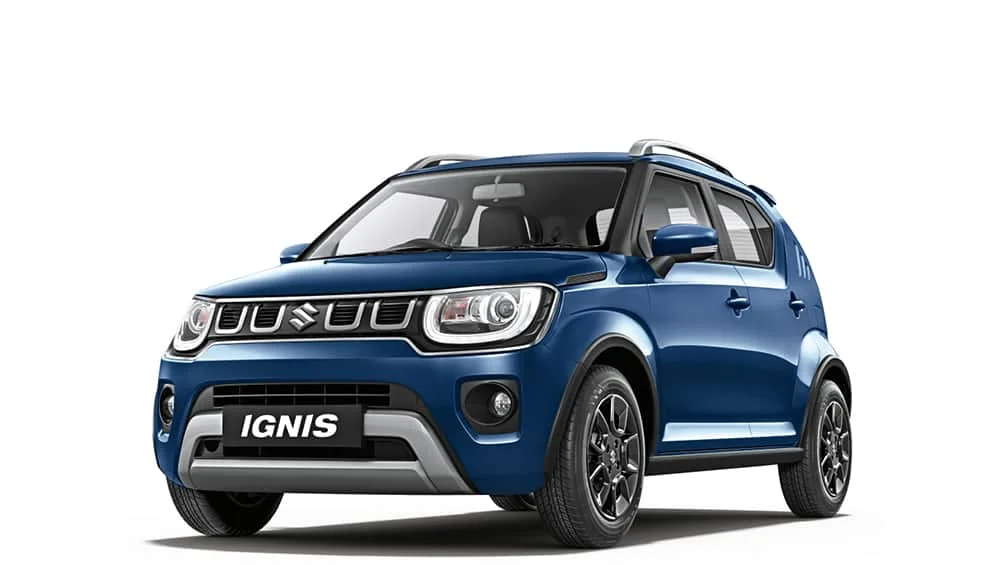
Price shown is each car's stored figure with its basis and check date.
See all Kia modelsStep 4: Think about running costs, not just the sticker
The purchase price is one-off. Fuel, servicing, insurance and depreciation run for years. This is where cheap can turn expensive, and where expensive can quietly pay you back.
Fuel type is the big lever. Petrol is simplest and cheapest to buy. Hybrids cost more upfront but sip less in stop-start driving. Electric is cheapest to run per kilometre but you pay a range penalty at this price point.
Look at the electric options here. The BYD Atto 1 Essential is $23,990 RRP with a 220km EV range and only four seats. The Geely EX2 Complete is $26,490 RRP with a 252km EV range and five seats. Both are 5-star ANCAP. Those ranges are fine for a city runabout and a second car, but if you regularly drive long distances or can't charge at home, be honest with yourself, that short range will frustrate you. For a lot of households a petrol or hybrid still makes more sense day to day.
On the hybrid side, the Chery Tiggo 4 Hybrid Urban at $27,500 RRP packs a genuine 150kW, among the most powerful cars in this list, while still being a hybrid SUV. That's a lot of car for the money. The Suzuki Fronx GLX hybrid, as covered, is let down by its safety rating.
Warranty is part of running cost too. The Chinese brands here, Chery, MG, GAC, Geely, BYD and Mahindra, have come in hard on price and usually long warranties. The established names, Kia, Mazda, Suzuki, bring stronger resale and a denser service network. Neither is automatically right. If you keep cars a long time and value cheap entry, the newer brands are worth a genuine look. If you trade every few years, resale strength on a Mazda or Kia can claw back the higher purchase price.
Step 5: Shortlist, then test drive like you mean it
Narrow it to two or three cars that fit budget, body style and safety. Then drive them back to back on the same day if you can. Take your normal route, park it where you actually park, put the kids' seats in, load the boot. A car that feels great on a ten-minute dealer loop can be a pain in your actual life.
Here's how three sensible shortlists might look at different budgets:
- Tightest budget, city hatch: Kia Picanto Sport Automatic at $20,790 RRP vs MG MG3 Vibe at $20,990 RRP. Picanto for the dealer network and trim, MG3 for the extra size and power.
- Small SUV, value play: Chery Tiggo 4 Urban at $21,750 RRP vs MG ZS Vibe at $22,990 RRP. Both 5-star, both well-equipped for the money. Drive both.
- Step-up, built to keep: Mazda Mazda3 G20 Pure at $26,490 RRP vs Chery Tiggo 4 Hybrid Urban at $27,500 RRP. Mazda for polish and resale, Chery for power and fuel savings.
Who each type of buyer should look at
First car or pure city commuter: go small and cheap. Kia Picanto, MG MG3, Suzuki Ignis GL Auto at $22,490 RRP. Easy to park, cheap to insure, cheap to run.
Small family or first SUV: prioritise the 5-star cars with five seats. Chery Tiggo 4 Ultimate at $24,600, MG ZS Excite Turbo at $24,990, or the Kia Stonic S at $26,990 RRP with a 900kg tow rating and Kia's dealer backing.
Second car or short-trip EV household: the Geely EX2 Complete if you need five seats and a bit more range, the BYD Atto 1 Essential if four seats and 220km is plenty.
Power and efficiency on a budget: the Chery Tiggo 4 Hybrid Urban, 150kW hybrid for $27,500 RRP, is the standout number in this set.
Watch out for the ones with four seats if you need five, the Suzuki Ignis GLX Auto, Suzuki Ignis Shadow Auto and the BYD Atto 1 all seat four, which catches people out.
Get the budget honest, the body style right and the safety rating high, and the rest is just picking the one you enjoy driving most. That's the whole guide.