2026 Honda CR-V VTi L AWD review
Australia's Most Practical Mid-Size SUV?
Data checked: specs 24 Jun 2026, price 10 Sep 2026
Review snapshot
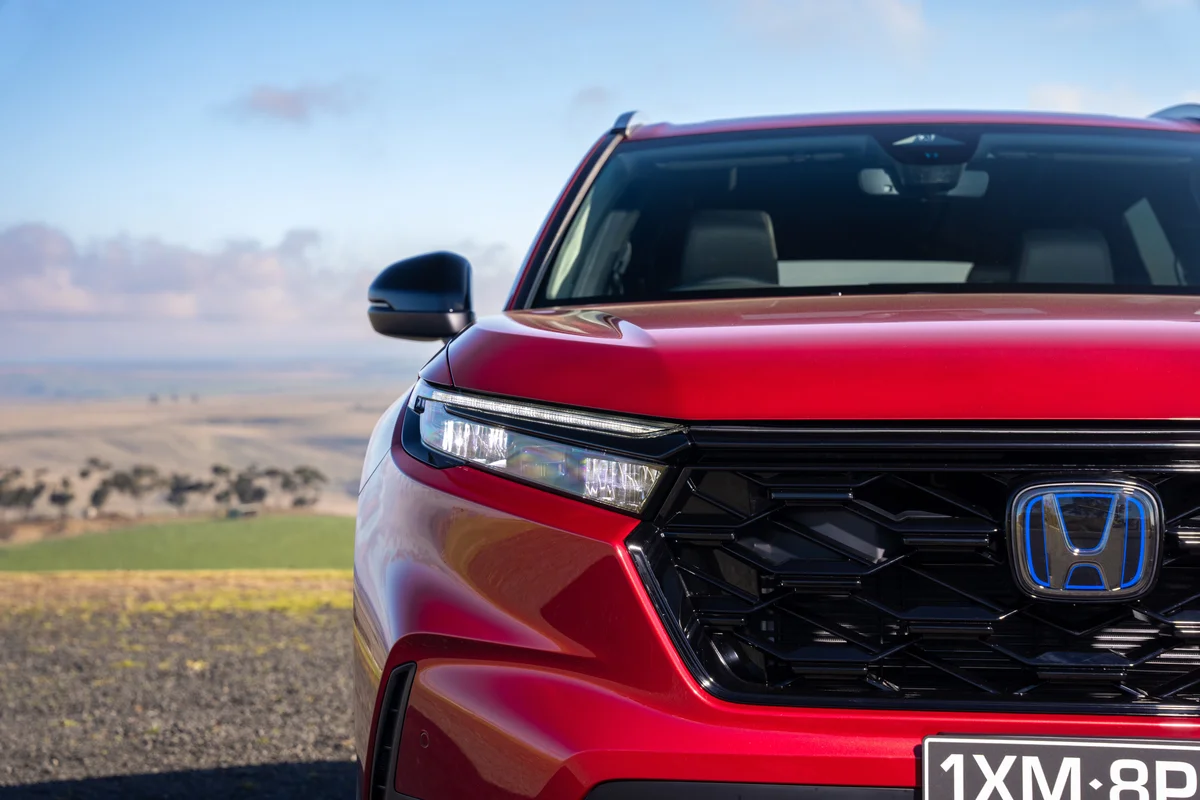
Model reviewed
Honda CR-V VTi L AWDFrom about $45,250 est. RRP
Estimated RRP, this brand lists drive-away prices only.
from $275/wk in VIC, excludes servicing and insurance (estimate)
76/100
CarSorted Score
- Fuel use
- 7.4 L/100km
- Towing (braked)
- 1,500kg
- Boot
- 589L
Live offer: Cashback. $1,000 AmpolCash Fuel Card with CR-V VTi L7 Ends 31 October 2026. All deals
This review is built from Honda's published figures, ANCAP and our own calculators. We have not driven this car, as at October 2026.
Written 7 April 2026. The snapshot, tables, prices and scores on this page update from our car data; figures quoted in the text are as at that date.
The Quick Verdict
The Honda CR-V is one of those cars that doesn't shout about what it does. It just does it really well. For $39,900, you get a mid-size SUV with 561 litres of boot space (among the largest in the mid-size SUV class), a 1.5-litre turbo that claims 7.0L/100km, a practical interior, and Honda's signature "just works" engineering. It doesn't have the RAV4's hybrid fuel savings or the CX-5's styling, but for pure family practicality, the CR-V is seriously hard to fault. It's the sensible choice, and sometimes sensible is exactly what you need.
Design: Clean Lines, Grown-Up Proportions
The current-generation CR-V is the best-looking version Honda has ever made. The design language is clean, modern, and free of the busy styling that plagued some earlier models. The front end features slim LED headlights, a simple grille, and a bumper that flows naturally into the wheel arches. It looks mature and confident without trying to be aggressive or sporty.
Side-on, the proportions are bang-on. The wheelbase is long relative to the overhangs, which gives the CR-V a purposeful stance. The window line is clean and the roofline carries through to the rear without the severe pinch that some rivals use to look sportier at the expense of rear headroom. Form follows function here, and it works.
The rear end is tidy, with full-width LED tail lights that look premium, especially at night. The overall shape is more upright than something like the Tucson, which means interior space is maximised. It's not trying to look like a coupe. It's trying to be a really good SUV, and the design reflects that priority.
At 4,703mm long, 1,867mm wide, and 1,680mm tall, the CR-V is a full-size mid-size SUV. The 11.4-metre turning circle is the figure to compare for car parks, and front parking sensors and a multi-angle camera (on VTi LX and above) help with the view directly ahead.
| Key details | 2026 Honda CR-V VTi L AWD |
|---|---|
| Engine | 1.5L 4-cyl turbo |
| Power | 140kW |
| Torque | 240Nm |
| Drive type | AWD |
| Transmission | CVT |
| Power-to-weight ratio | 84 kW/tonne |
| Weight | 1,669kg (kerb) |
| Spare tyre type | Space saver |
| Tow rating | 1,500kg braked600kg unbraked |
| Turning circle | 12m |
| Fuel consumption | 7.4 L/100km |
| Boot | 589L seats up, 1,671L folded |
| ANCAP | 4 stars (2024) |
Key details for 3 other variants
| Key details | 2026 Honda CR-V VTi X+ |
|---|---|
| Engine | 1.5L 4-cyl turbo |
| Power | 140kW |
| Torque | 240Nm |
| Drive type | FWD |
| Transmission | CVT |
| Power-to-weight ratio | 87 kW/tonne |
| Weight | 1,613kg (kerb) |
| Spare tyre type | Space saver |
| Tow rating | 1,500kg braked600kg unbraked |
| Turning circle | 12m |
| Fuel consumption | 7.1 L/100km |
| Boot | 589L seats up, 1,671L folded |
| ANCAP | 4 stars (2024) |
| Key details | 2026 Honda CR-V VTi LX AWD |
|---|---|
| Engine | 1.5L 4-cyl turbo |
| Power | 140kW |
| Torque | 240Nm |
| Drive type | AWD |
| Transmission | CVT |
| Power-to-weight ratio | 81 kW/tonne |
| Weight | 1,719kg (kerb) |
| Spare tyre type | Space saver |
| Tow rating | 1,500kg braked600kg unbraked |
| Turning circle | 12m |
| Fuel consumption | 7.7 L/100km |
| Boot | 581L seats up, 1,636L folded |
| ANCAP | 4 stars (2024) |
| Key details | 2026 Honda CR-V VTi X7 |
|---|---|
| Engine | 1.5L 4-cyl turbo |
| Power | 140kW |
| Torque | 240Nm |
| Drive type | FWD |
| Transmission | CVT |
| Power-to-weight ratio | 84 kW/tonne |
| Weight | 1,665kg (kerb) |
| Spare tyre type | Space saver |
| Tow rating | 1,000kg braked600kg unbraked |
| Turning circle | 12m |
| Fuel consumption | 7.3 L/100km |
| Boot | 150L seats up, 1,488L folded |
| ANCAP | 4 stars (2024) |
Is it good value?
What Does the CR-V Cost in Australia?
Honda keeps the CR-V lineup straightforward with three core variants:
Driveaway, the base VTi lands around $42,000-$44,000 depending on your state. The top-spec VTi L7 comes in at roughly $47,000-$49,000. That pricing puts the CR-V squarely against the Toyota RAV4 (from $41,620), Mazda CX-5 (from $36,190), and Hyundai Tucson (from $37,400). It's not the cheapest in the segment, but it offers a lot of car for the money, especially in terms of interior space and build quality.
The VTi LX at $42,500 is the sweet spot. For $2,600 more than the base, you get leather seats, a sunroof, heated front seats, a power tailgate, and a premium sound system. That's a solid upgrade package.
For buyers who need seven seats, the VTi L7 at $44,900 offers a third row best kept for kids. $44,900 for a seven-seat SUV is competitive. A comparable Kia Sorento starts at a higher price point.
Running Costs
Honda claims 7.0L/100km on the combined ADR test cycle for the 1.5-litre turbo-petrol, which is solid for a petrol-only SUV of this size and among the better results in the segment. At 15,000km per year on that figure, fuel comes to roughly $2,000 at current prices (~$1.90/L). Budget above it: a small turbo working hard in a heavy SUV will use more than its claim, particularly on short trips.
Honda's servicing schedule runs every 12 months or 10,000km, with capped-price servicing for the first five years. Services average $280-380 each, which is on the affordable end of the segment. The 5-year warranty covers unlimited kilometres and is standard for the class. If warranty length is important to you, Mitsubishi (10 years) and Kia (7 years) offer more.
One area where Honda saves you money: build quality. The CR-V has a long history of minimal warranty claims and excellent long-term reliability. The ownership experience tends to be drama-free, which is worth a lot when you're budgeting over five or seven years. For a broader running cost breakdown, check our cheapest cars to run analysis.
Rivals: What Else Should You Cross-Shop?
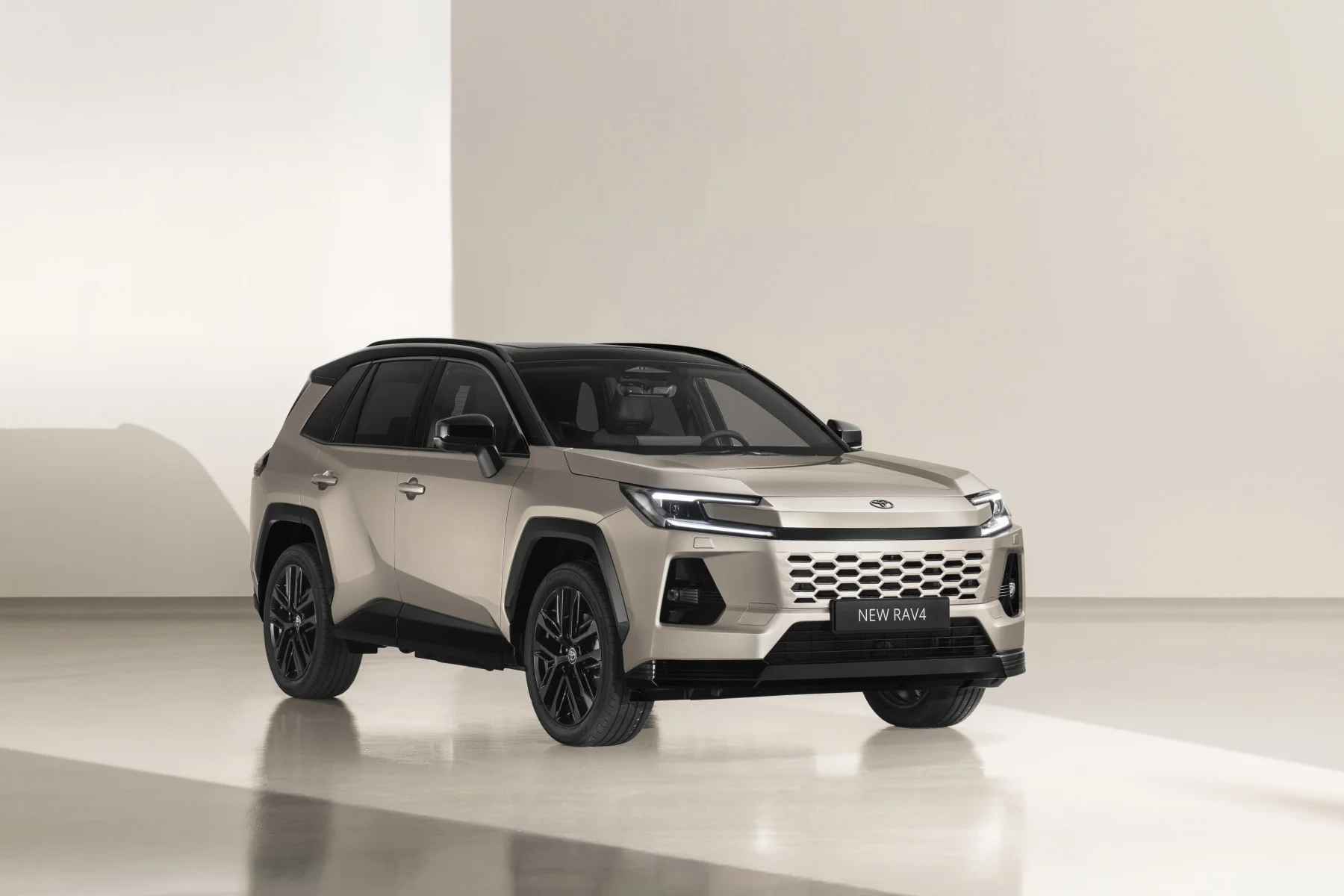
Toyota RAV4 (from $45,990)
The segment king for a reason. The RAV4 Hybrid delivers fuel economy the CR-V can't match (4.8L/100km combined), and AWD is available on hybrid trims. Toyota's resale values are consistently the strongest in the class, and the dealer network is unmatched. But the CR-V has a bigger boot (561L vs 487L) and a lower starting price. If fuel economy and resale are your priorities, get the RAV4. If space and value matter more, the CR-V deserves your attention. Read our RAV4 review.
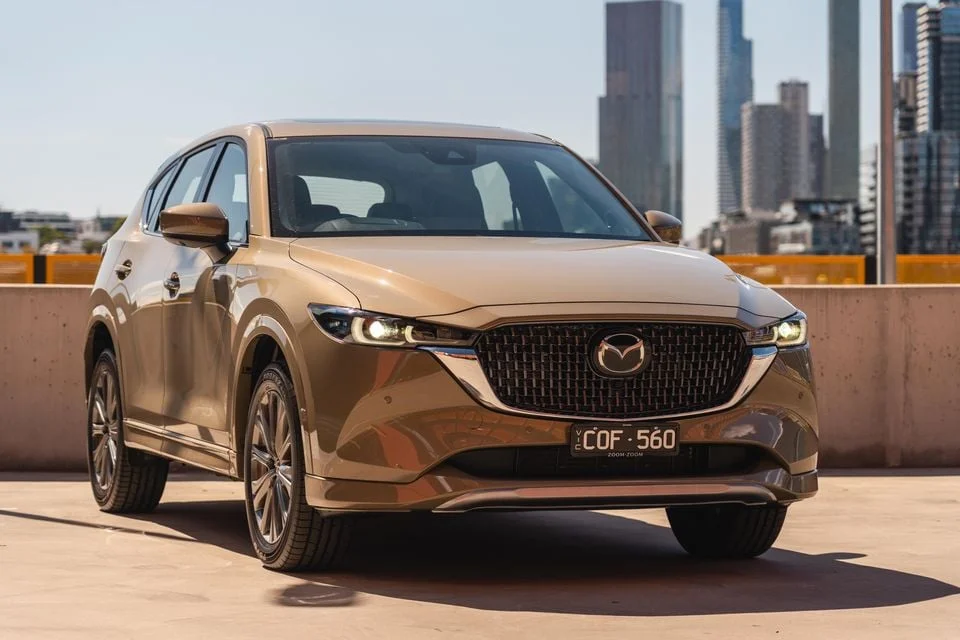
Mazda CX-5 (from $39,990)
The CX-5 leans on design and cabin materials. But the boot is smaller (438L vs 561L), there's no seven-seat option, and the fuel economy isn't quite as good as the CR-V's. For couples and small families who prioritise how a car looks, the CX-5 is the pick. For larger families who need maximum practicality, the CR-V wins. See our CR-V vs CX-5 comparison.
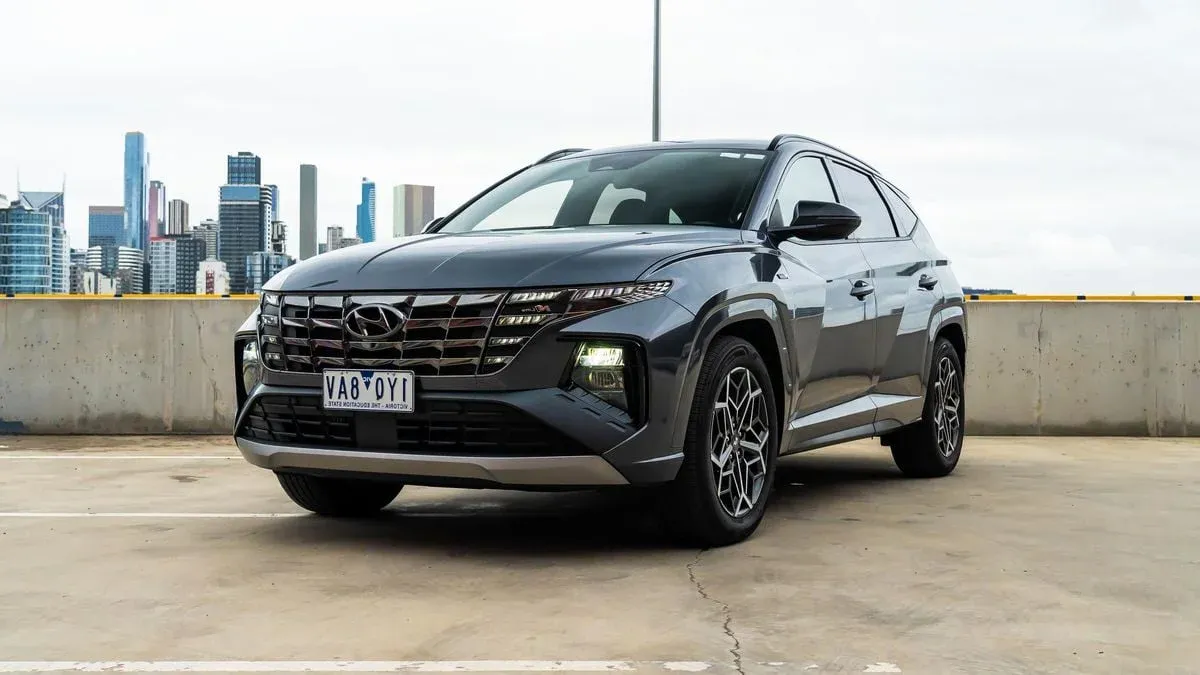
Hyundai Tucson (from $37,400)
The Tucson is the boldest design in the segment. Love it or hate it, it stands out. The interior is tech-heavy with a wide dual-screen layout, and the N Line variant adds sportier styling. Boot space is close to the CR-V (546L), and there are hybrid and AWD options available. The Tucson starts cheaper and offers more variant choice, including a 1.6T hybrid that splits the difference between pure petrol and the RAV4 Hybrid. The CR-V counters with the bigger boot and Honda's reliability record. Both are excellent choices.
The CR-V is among the leaders on boot space and fuel economy. The RAV4 wins on hybrid option and resale. The CX-5 wins on design and cabin materials. The Tucson wins on styling and tech. Browse the full best SUVs under $50k guide to compare them all.
| Key details: Honda CR-V VTi L AWD | |
|---|---|
| Price | From about $45,250 est. RRPEstimated RRP, this brand lists drive-away prices only. |
| Drive-away estimate | $49,800 drive-away (VIC), advertised |
| Cost per week in VIC | from $275/wk in VIC, excludes servicing and insuranceRepayments, fuel or charging, rego and CTP, servicing, tyres and insurance where held. Estimate only, not a quote. |
| Body | SUV |
| Powertrain | Petrol, 1.5L 4-cyl turbo |
| Towing (braked / unbraked) | 1,500kg / 600kg |
| Seats | 5 |
| Warranty | 5yr / unlimited km |
| Rivals | Toyota RAV4, Mazda CX-5, Hyundai Tucson |
| The Honda CR-V range on sale | Price | Powertrain | Fuel or energy use |
|---|---|---|---|
| VTi X+ | Run-out $41,800 est. RRP | Petrol, FWD | 7.1 L/100km |
| VTi LX AWD | Run-out $44,650 est. RRP | Petrol, AWD | 7.7 L/100km |
| VTi L AWD | From about $45,250 est. RRP | Petrol, AWD | 7.4 L/100km |
| VTi X7 | Run-out $46,600 est. RRP | Petrol, FWD | 7.3 L/100km |
| VTi L7 | From about $49,900 est. RRP | Petrol, FWD | 7.3 L/100km |
| e:HEV RS | From about $51,400 est. RRP | Hybrid, FWD | 5.5 L/100km |
How much fuel does it use?
Fuel Economy: Competitive for a Petrol SUV
Honda claims 7.0L/100km on the combined ADR test cycle for the 1.5-litre turbo-petrol.
A small turbo in a mid-size SUV is the classic case of a number that is easier to hit in a lab than on a Tuesday. The test cycle is gentle enough to keep the engine off boost, where a 1.5-litre sips fuel. Ask it to move 1,600kg of SUV plus five people and a boot load up a freeway on-ramp and the turbo is doing genuine work, the engine runs richer to manage temperatures, and consumption jumps. Short suburban trips are the other one, because a cold engine burns more until it reaches operating temperature and a school run rarely gets it there. Steady highway cruising is where the 1.5T is at its best, though a tall SUV pushing air at 110km/h has its own cost, and roof bars or a roof box make that worse.
On the claimed figure at 15,000km per year, that's roughly $2,000 in fuel at current prices, which is among the better results for a petrol-only mid-size SUV. A RAV4 Hybrid claiming 4.8L/100km will trounce it at around $1,370 on the same maths, but against other petrol-only rivals the CR-V holds its own.
The 53-litre fuel tank is on the smaller side for the segment, working out to about 755km on the claim and less in practice. That's adequate, though the RAV4's 55-litre tank combined with hybrid efficiency gives it noticeably more range per fill. For most owners, a weekly fill-up will cover the typical Australian commute.
| Fuel: Honda CR-V VTi L AWD | |
|---|---|
| Fuel use (combined) | 7.4 L/100km |
| Fuel type | Petrol |
| Minimum fuel grade | No data |
| Urban / extra-urban | 9.5 L/100km / 6.2 L/100km |
| Fuel tank | 57L |
| Range on a tank (calculated) | 770kmTank divided by the combined figure |
| CO2 (combined) | 169 g/km |
| Service interval | 12 months or 10,000km |
What does it cost to own?
| Warranty and servicing: Honda CR-V VTi L AWD | |
|---|---|
| Warranty | 5yr / unlimited km |
| Roadside assistance | 5 years |
| Service interval | 12 months or 10,000km |
| Capped-price servicing | No data |
Cost per week in VIC: from $275/wk in VIC, excludes servicing and insurance
- Repayment estimate$207/wk
$5,000 deposit, 5yr loan at an assumed 7.5% p.a. on the advertised drive-away. Not an offer of credit
- Fuel$42/wk
7.4 L/100km combined at $1.95/L ULP 91, the site default
- Rego + CTP$18/wk
VIC typical: car, metropolitan (high risk) zone, 12-month renewal, $958.80 a year. As at July 2026, VicRoads
- ServicingNo data
No data: no servicing cost held for this car
- Tyres$8/wk
Typical tyre spend for this type of car, scaled to 15,000 km a year (not this car's tyres)
- InsuranceNo data
No data: no insurance estimate held for this car
Based on 15,000 km a year in VIC. Estimate only, not a quote.
How safe is it?
Safety: Honda Sensing Standard
The CR-V carries a 4-star ANCAP safety rating from 2024, not five. It scored 88% for adult occupant protection, 88% for child occupant protection, 76% for vulnerable road users and 68% for safety assist, and it was that last figure that held it to four. Honda Sensing is standard across the entire range. Here's the full list:
- Collision Mitigation Braking (AEB) with pedestrian and cyclist detection
- Adaptive cruise control with low-speed follow
- Lane Keep Assist System (LKAS) with lane departure warning
- Road Departure Mitigation with steering assist
- Blind spot information system with cross-traffic monitor
- Traffic Sign Recognition
- Reversing camera across the range, multi-angle on VTi LX and above
- 8 airbags including front-centre airbag and rear side airbags
The Road Departure Mitigation system uses the camera to detect if you're drifting off the road surface and applies corrective steering input. It's a feature that could genuinely save lives on long country drives.
Eight airbags across the range is above average for the segment, and the inclusion of rear side airbags shows Honda's commitment to protecting all occupants. The body structure is rigid and well-engineered, with Honda's ACE (Advanced Compatibility Engineering) body structure designed to distribute crash energy evenly. For more on what these safety features actually do, see our safety features guide.
| ANCAP: Honda CR-V VTi L AWD | |
|---|---|
| ANCAP rating | 4 stars (tested 2024) |
| Adult occupant | 88% |
| Child occupant | 88% |
| Vulnerable road users | 76% |
| Safety assist | 68% |
| Airbags | 11 |
| Driver assists: Honda CR-V VTi L AWD | |
|---|---|
| Autonomous emergency braking | Standard |
| Adaptive cruise control | Standard |
| Blind-spot monitoring | Standard |
| Rear cross-traffic alert | Standard |
| Lane-keep assist | Standard |
| Speed sign recognition | No data |
| Driver attention monitor | Standard |
| 360-degree camera | No data |
Standard, Optional (with the printed price), No (the maker's document says not fitted) or No data. 8 assists checked.
What is it like inside?
Interior: Honda's Best Work
The dashboard design is horizontal and clean, with a mesh-textured panel across the top that gives it a distinctive, premium look. Physical controls for climate remain (a massive win for daily usability), and the 9-inch touchscreen sits neatly in the centre stack.
Wireless Apple CarPlay and Android Auto are standard across the range. The VTi LX and VTi L7 add a Bose premium sound system.
Soft-touch materials extend down the dash and door cards.
The rear bench slides fore and aft, so you can trade legroom for boot space depending on what you're carrying.
Practicality: The Boot That Swallows Everything
The headline number: 561 litres of boot space in the five-seat configuration. That's among the largest in the mid-size SUV class, bigger than a RAV4 (487L), CX-5 (438L), and Tucson (546L). Fold the rear seats and you get approximately 1,680 litres of flat cargo area. The boot floor is flat, the opening is wide, and the load height is low.
The VTi L7 adds a third row of seats, which reduces boot space to 205 litres when the third row is in use. That's enough for a couple of school bags but not much else. With the third row folded, you get the full 561L back. The third row is best kept for children.
The rear seats on the five-seater have Honda's "Magic Seats" feature. The seat bases flip up to create a tall, flat-floored cargo area behind the front seats. This is incredibly useful for loading tall items like a houseplant, a small piece of furniture, or anything that won't fit lying flat in the boot.
Towing capacity is 1,500kg braked, which is the segment standard. The 1,623kg kerb weight means you've got a reasonable GCM to work with, though a 1.5-litre turbo is working hard near the top of that rating. A light camper trailer or a boat under 1,500kg sits within it. For heavier needs, see our towing vehicles guide.
Cabin storage is generous. A large centre console bin, a useful shelf below the centre stack, door pockets that actually fit a water bottle, and a well-sized glovebox mean there's a place for everything. There are USB-C ports in both the front and rear cabin.
| Space and dimensions: Honda CR-V VTi L AWD | |
|---|---|
| Seats | 5 |
| Boot, seats up | 589L |
| Boot, seats folded | 1,671L |
| Length x width x height | 4,704 x 1,866 x 1,691mm |
| Wheelbase | 2,700mm |
| Ground clearance | 208mm |
| ISOFIX | 2 points (2L, 2R) |
| Top tethers | 3 |
| Seat trim | Leather |
| Spare wheel | Space saver |
Does it have good tech?
| Screens and audio: Honda CR-V VTi L AWD | |
|---|---|
| Touchscreen | 9 inches |
| Driver display | 7 inches |
| Audio | 8 speakers |
| USB | USB-A + USB-C |
| Connected services term | No data |
| Connectivity: Honda CR-V VTi L AWD | |
|---|---|
| Apple CarPlay | Standard |
| Android Auto | Standard |
| Wireless CarPlay / Android Auto | No data |
| Wireless phone charging | No data |
| Head-up display | No data |
| Built-in navigation | Standard |
| Digital radio | Standard |
| Over-the-air updates | No data |
| Remote climate (app) | No data |
What the figures say about driving it
The Honda CR-V VTi L AWD has 84 kW for every tonne of kerb weight, 240Nm of torque. It weighs 1,669kg and turns in 12m. These are the figures that shape how quickly a car gets moving and how easily it parks.
| The figures: Honda CR-V VTi L AWD | |
|---|---|
| Power-to-weight | 84 kW/tonne |
| Power | 140kW |
| Torque | 240Nm |
| 0-100km/h (claimed) | No data |
| Kerb weight | 1,669kg |
| Turning circle | 12m |
| Tyres | No data |
| Drive | AWD |
| Transmission | CVT |
| Towing (braked) | 1,500kg |
As at October 2026, we have not driven this car. These are Honda's published figures for the Honda CR-V.
Best deals
Should I buy it?
Should You Buy the Honda CR-V?
Yes, if:
- Boot space and interior practicality are your top priorities. 561L and sliding rear seats are class-leading
- Reliability and low long-term ownership costs matter. Honda's track record speaks for itself
- You need seven seats without stepping up to a large SUV. the VTi L7 is a rare offering at this price
- You want competitive fuel economy without paying the hybrid premium
Maybe not, if:
- You need AWD. the petrol CR-V is front-wheel drive only in Australia
- Fuel economy is paramount. the RAV4 Hybrid delivers significantly better numbers
- Resale value is critical. Toyota and Mazda tend to hold value better
- You drive on unsealed roads regularly. FWD limits your capability
The Honda CR-V at $39,900-$44,900 is one of the best all-round family SUVs on sale in Australia. It doesn't grab headlines with bold design or bleeding-edge tech, but it focuses on the things that matter most in daily life: space and fuel efficiency. The 561-litre boot is one of the biggest in the class and Honda Sensing is standard across the range. It's the kind of car that makes ownership easy. And after years of dealing with less practical cars, "easy" starts sounding pretty appealing.
If you're cross-shopping, start with our CR-V vs CX-5 and CR-V vs Forester head-to-head comparisons. Or browse the full best SUVs under $50k in Australia list to find the right fit for your family.
CarSorted Score breakdown
The CarSorted Score is algorithmic: it is calculated from this car's published data, not from a road test. How it works.
Safety
Fuel Economy
Value
Practicality
Technology
Performance
Reliability
Questions buyers ask
How much does a Honda CR-V cost in Australia?
The Honda CR-V VTi L AWD is from about $45,250 est. RRP. The range table above lists every current variant.
Is the Honda CR-V front-wheel drive or AWD?
The CR-V in Australia is front-wheel drive (FWD) only for the standard petrol range. There is no AWD petrol option. If you specifically need AWD, you'll need to look at the e:HEV hybrid variant or consider alternatives like the Subaru Forester.
What is the Honda CR-V boot space?
The Honda CR-V has 589L of boot space with the seats up.
Can the Honda CR-V tow?
The Honda CR-V VTi L AWD is rated to tow 1,500kg braked and 600kg unbraked.
Is the Honda CR-V reliable?
Honda has an excellent reputation for reliability and build quality. The CR-V has been one of the most dependable mid-size SUVs globally for multiple generations. The 5-year warranty is standard for the industry, and servicing costs are competitive.
How much fuel does the Honda CR-V use?
On the official combined cycle the Honda CR-V uses 7.4 L/100km.
Is the Honda CR-V safe?
The Honda CR-V holds 4 ANCAP stars (rated 2024).
What warranty does the Honda CR-V have?
The Honda CR-V comes with a 5yr / unlimited km warranty.
How to read this page. This is a review of the published figures. As at October 2026, we have not driven this car. Prices, specifications, ANCAP ratings, warranty, equipment and the CarSorted Score come from our records for the variant shown, sourced from Honda's Australian documents, and update when those records change. RRP excludes on-road costs. Drive-away figures are estimates for the state you have selected unless marked as advertised; cost per week is an estimate, not a quote. The editorial text was written on 7 April 2026. Always confirm price and specification with the manufacturer or a dealer before you buy. As at October 2026, no car maker or dealer pays CarSorted for a ranking, score, verdict or spec value.
Comments (0)
Sign in to join the conversation
No comments yet. Be the first!