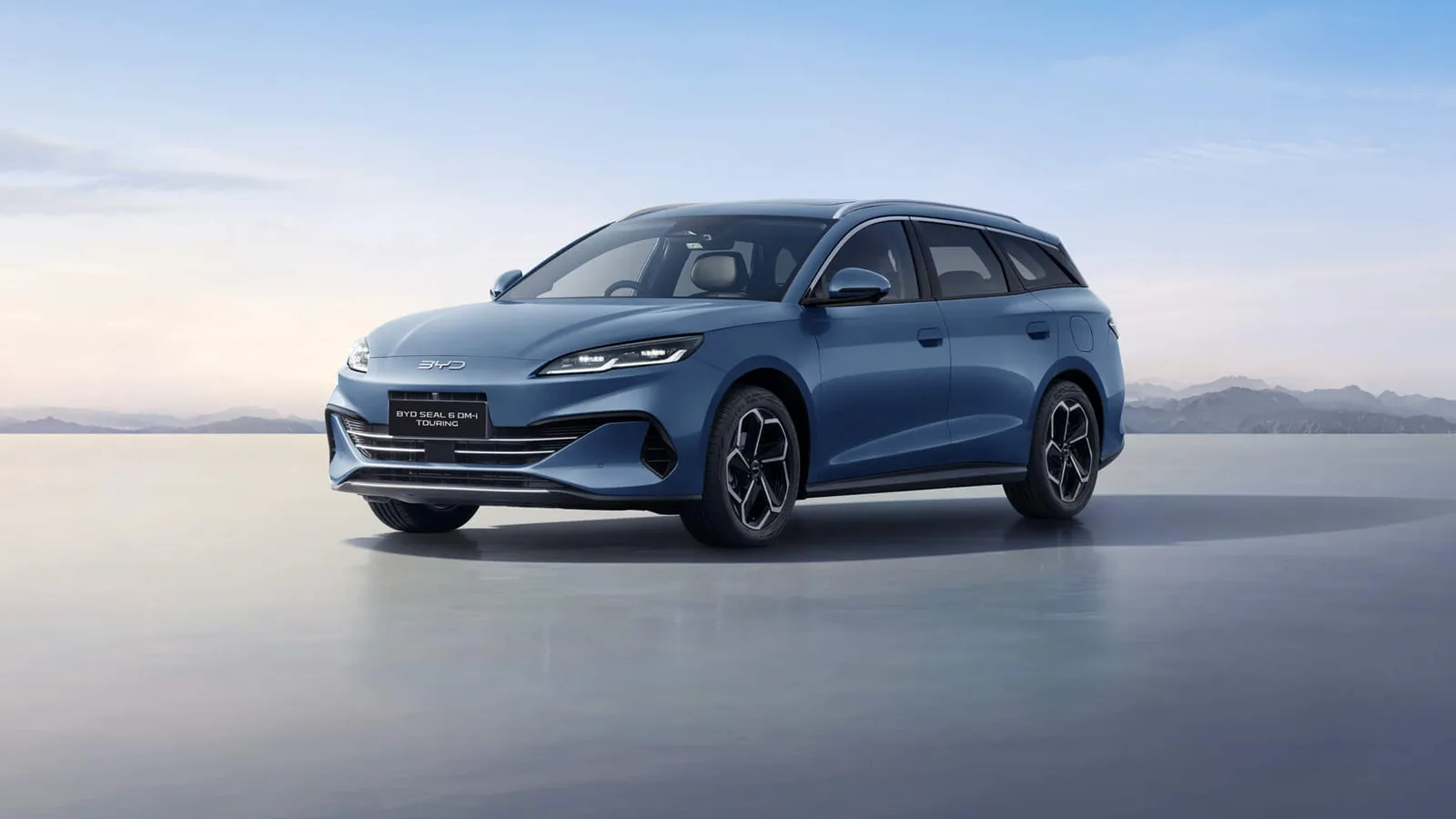
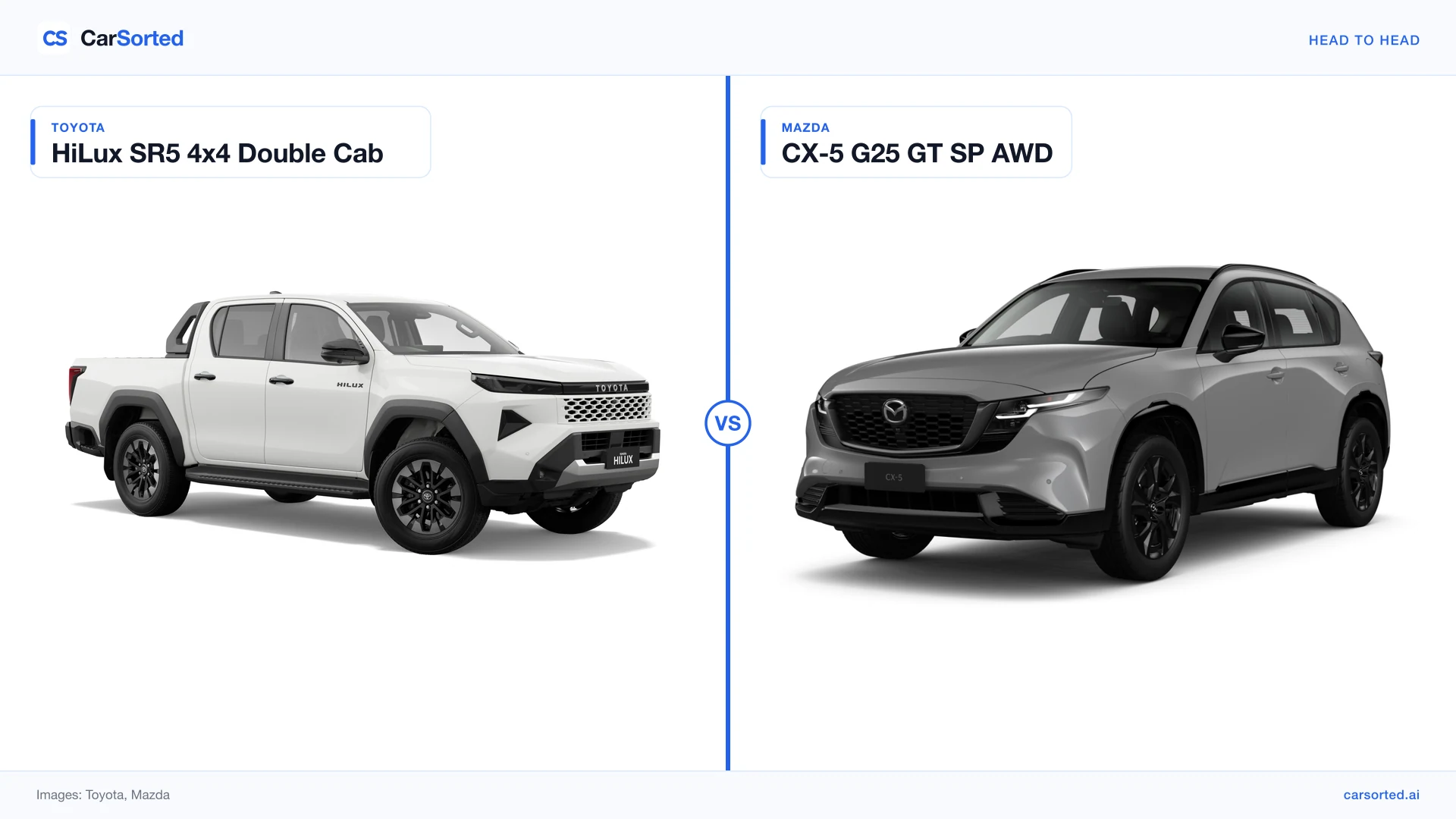
Fuel is the second biggest running cost after depreciation. We pulled the manufacturer-published fuel figures for every SUV in our database and ranked them. Some of these numbers will surprise you.
For other body types as well as SUVs, our 2027 most fuel-efficient cars guide ranks each group on one fuel label standard.
Top 15 Most Fuel Efficient SUVs
| SUV (grade shown) | Fuel | Annual Cost* | Type | Price |
|---|---|---|---|---|
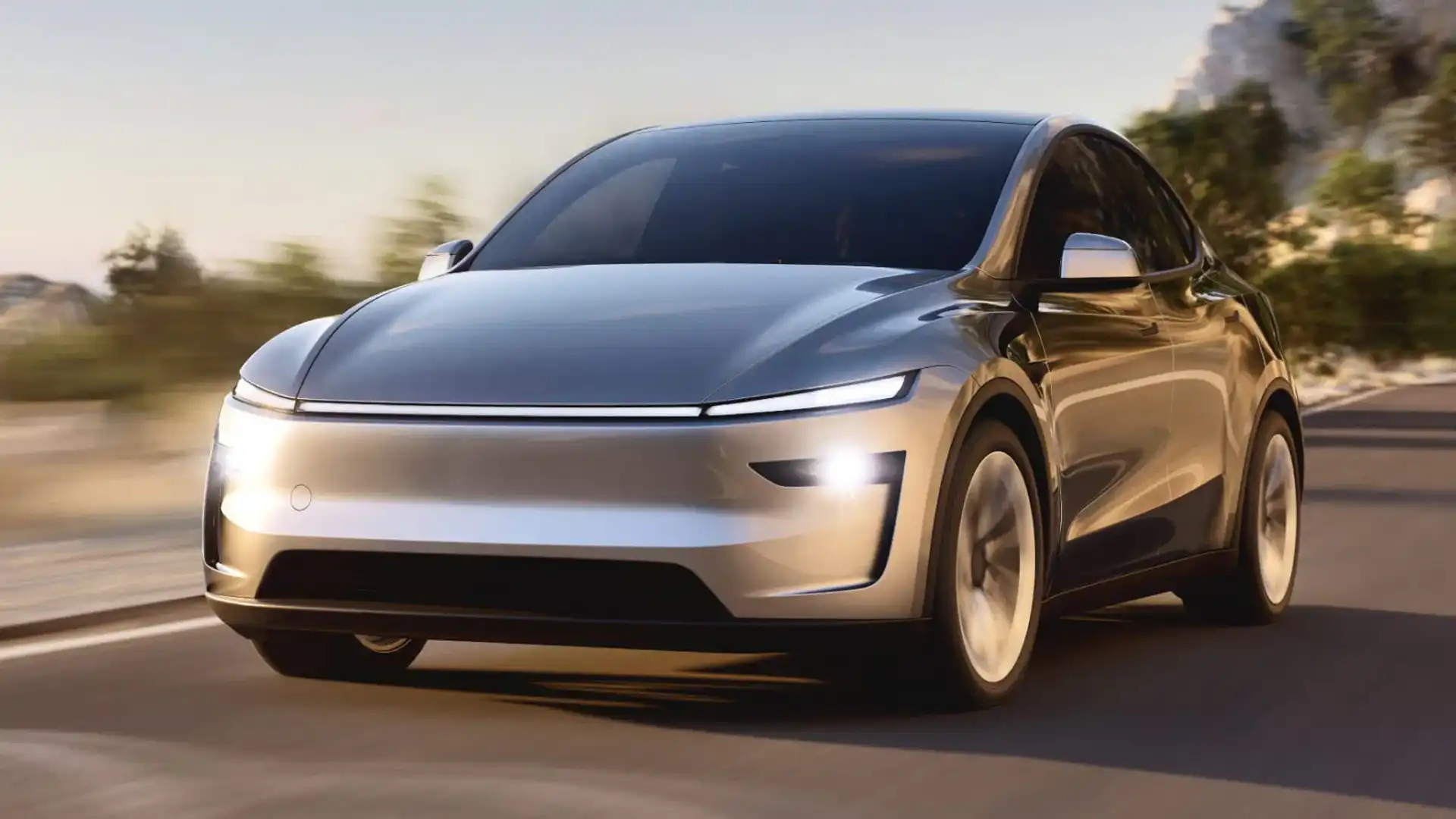
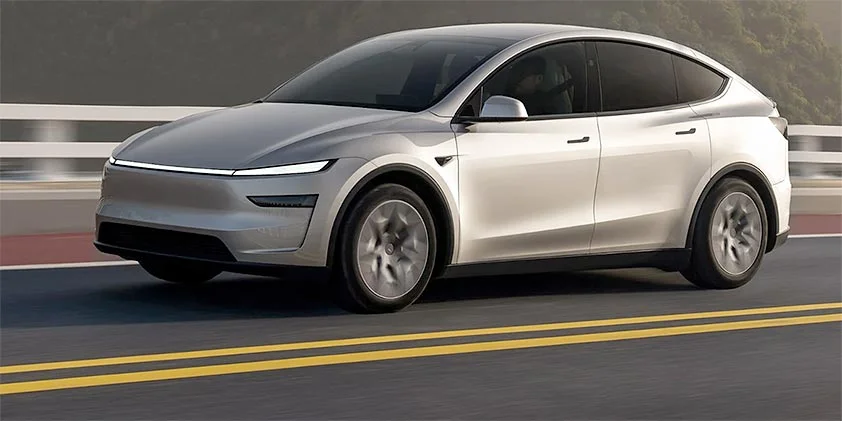
| Tesla Model Y RWD | 13.9kWh | $626 | EV | $58,900 RRP |
| Hyundai Kona Electric Extended Range | 14.7kWh | $662 | EV | $50,000 RRP |
| BYD Atto 3 Essential | 16.0kWh | $720 | EV | $39,990 RRP |
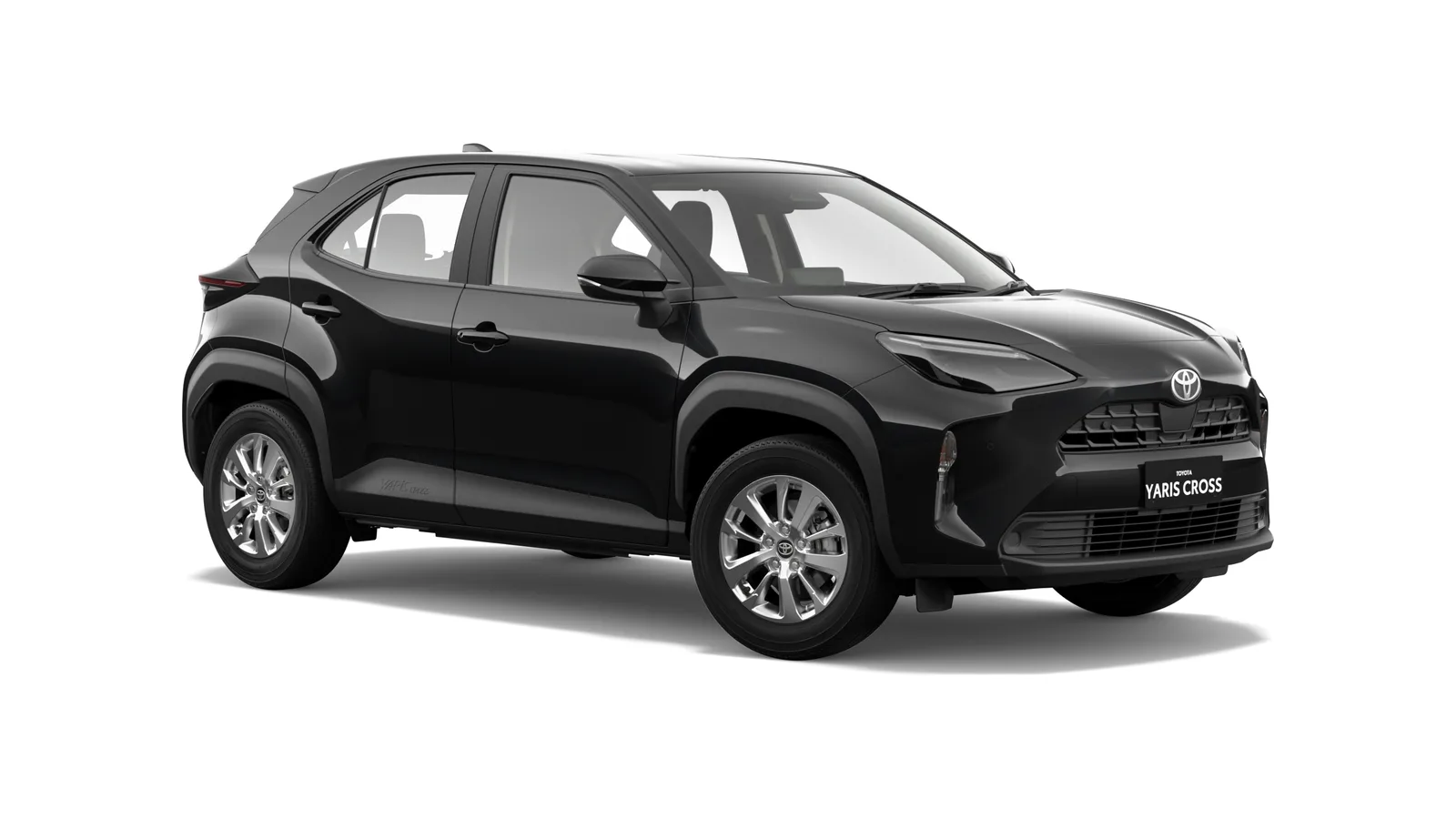
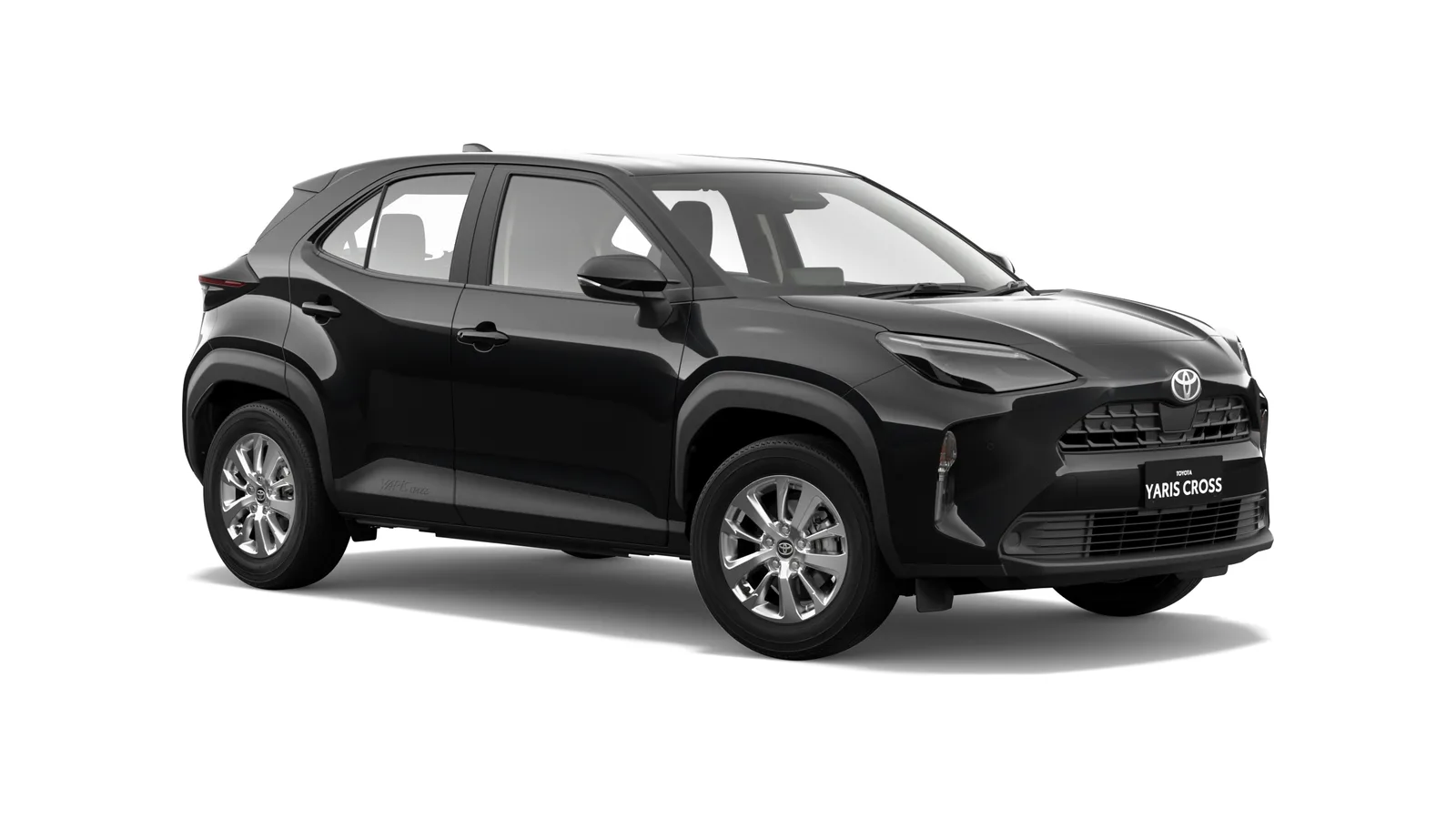
| Toyota Yaris Cross Hybrid GX 2WD | 3.8L | $1,083 | HEV | $31,790 RRP |
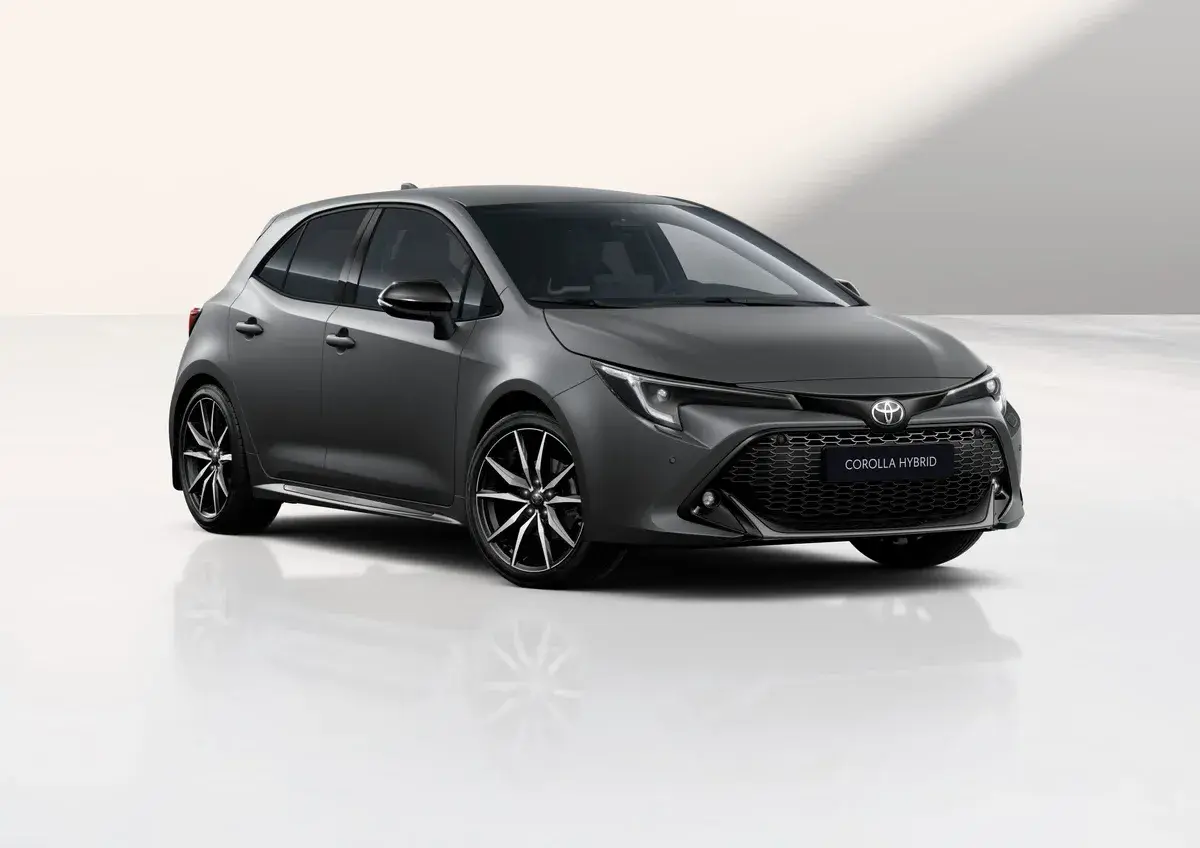
| Toyota Corolla Cross Hybrid GX FWD | 4.2L | $1,197 | HEV | $37,440 RRP |
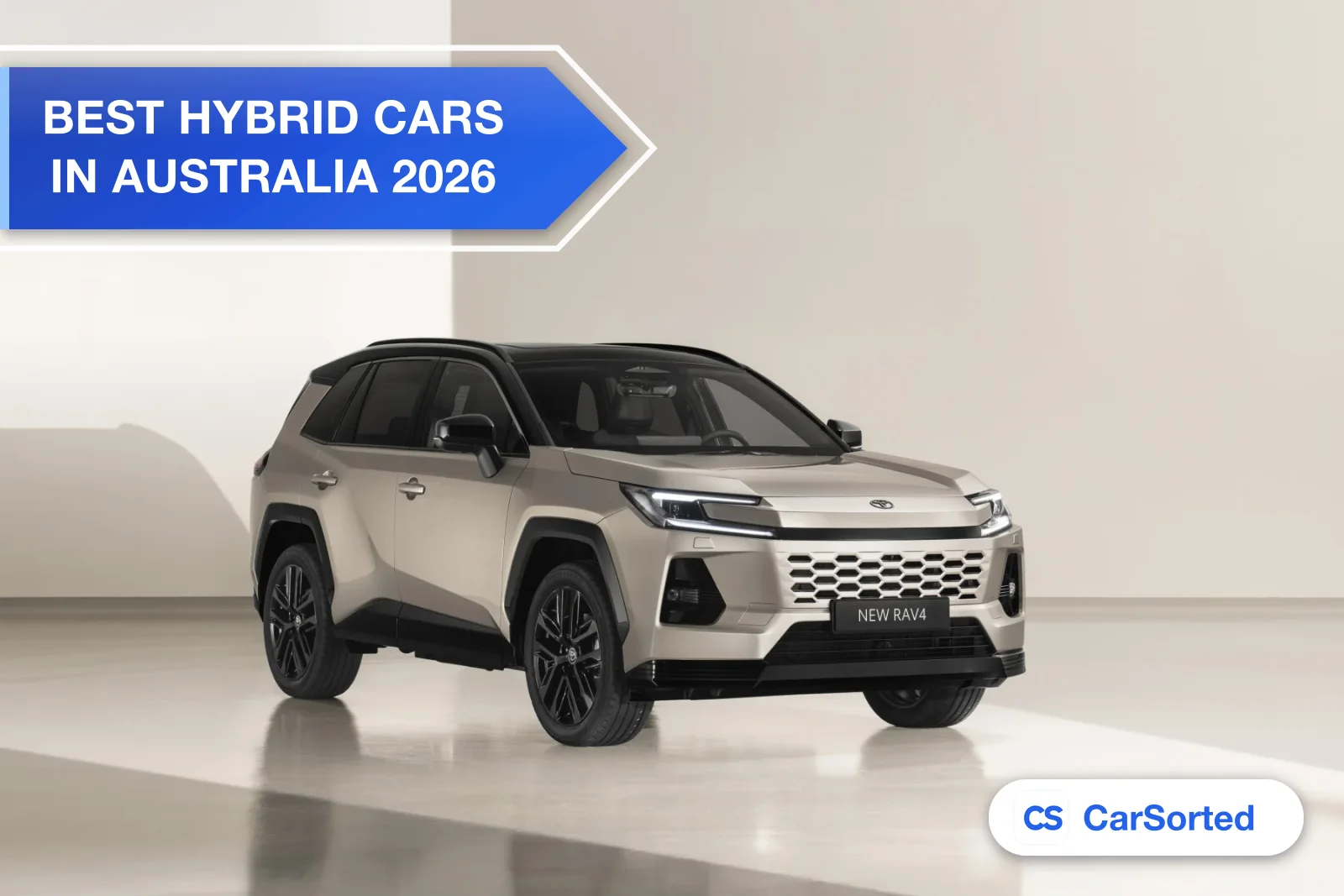
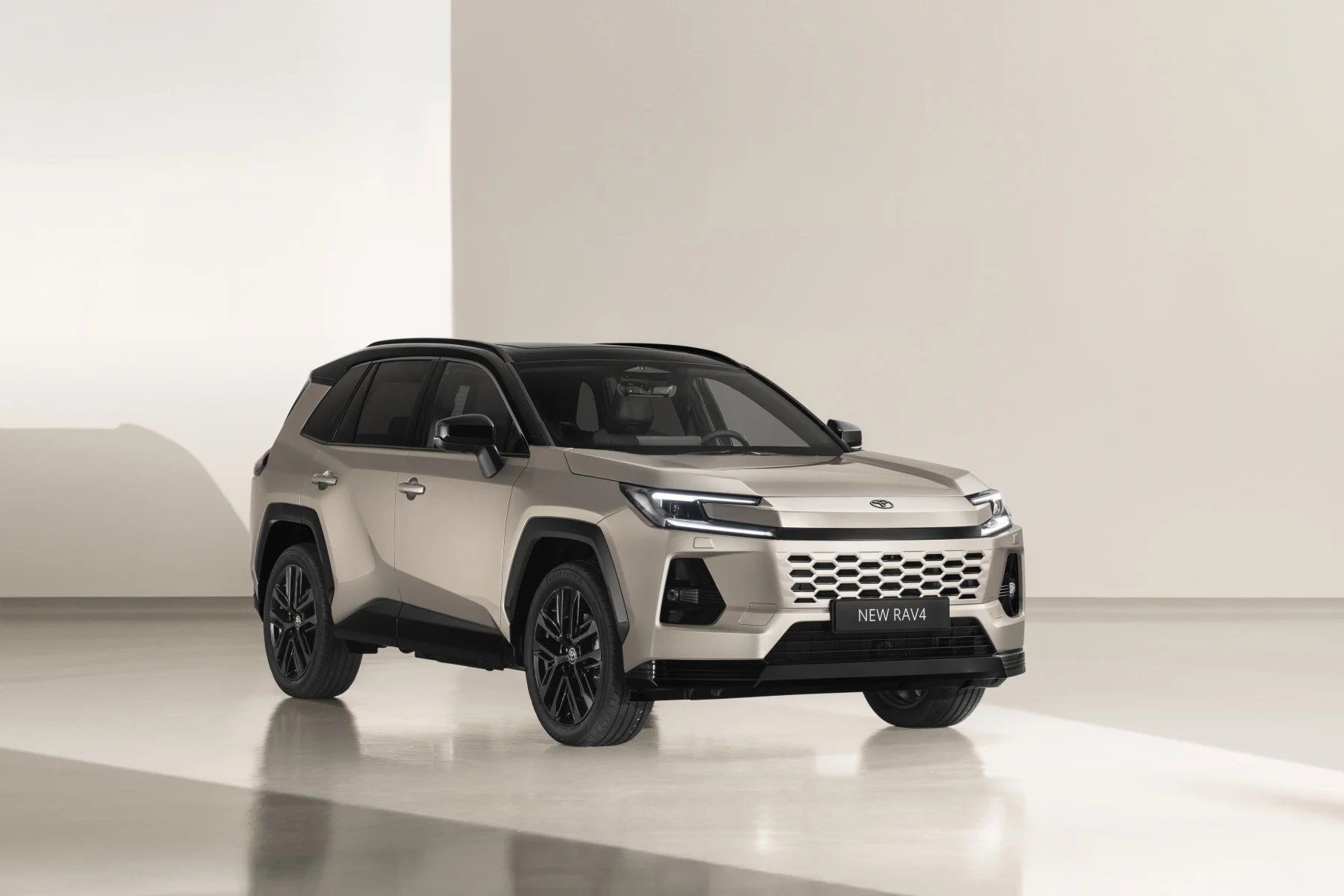
| Toyota RAV4 Hybrid GX 2WD | 4.5L | $1,283 | HEV | $50,872 drive-away (VIC) |
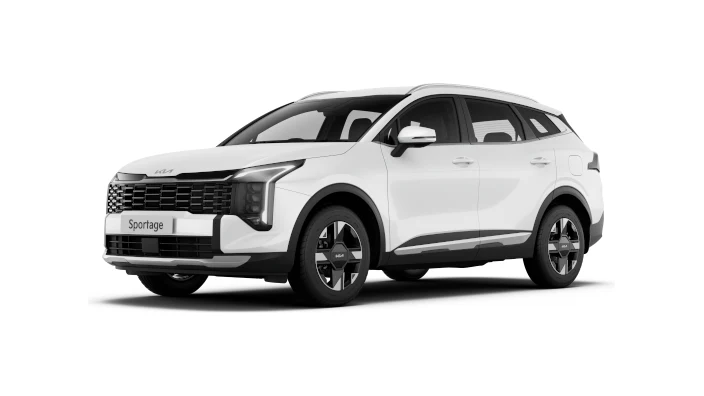
| Kia Sportage Hybrid S FWD | 4.9L | $1,397 | HEV | Price not verified by us |
| Hyundai Tucson Hybrid | 4.9L | $1,397 | HEV | $42,850 RRP |
| Nissan X-Trail e-POWER ST-L 2WD | 5.4L | $1,539 | HEV | $45,990 RRP |
| Honda CR-V e:HEV RS | 5.5L | $1,568 | HEV | Price not verified by us |
| Hyundai Kona 2.0 FWD (petrol) | 6.6L | $1,881 | Petrol | $33,950 RRP |
| Kia Seltos S (petrol) | 6.9L | $1,967 | Petrol | $31,250 RRP |
| Mazda CX-5 G25 Pure AWD | 7.4L | $2,109 | Petrol | $39,990 RRP |
| Subaru Forester AWD | 7.9L | $2,252 | Petrol | $45,990 RRP |
| Toyota LandCruiser 300 GX | 8.9L | $2,470 | Diesel | $97,990 RRP |
*Annual fuel cost calculated at 15,000km/year, petrol $1.90/L, diesel $1.85/L, electricity $0.30/kWh. All fuel figures are manufacturer-published combined cycle, read from our directory on 5 November 2026 at each model's lowest-figure grade. Prices are as the manufacturer prints them and carry their basis: RRP is before on-road costs. The Tesla Model Y figure is the row's kWh figure, which names no test cycle and sits a little below the row's own Wh/km figure, so treat it as approximate; the Honda CR-V and Kia Sportage rows carry no manufacturer-sourced price, so we quote none.
CarSorted
Track the Toyota Yaris Cross
Free, and we email you when the price or a manufacturer offer changes.
The Hybrid Sweet Spot
Look at the gap between the cheapest hybrid and cheapest petrol SUV. The Yaris Cross Hybrid uses 3.8L/100km. Of the petrol SUVs in the table, the Kona (6.6L) uses least, and it still uses about 70% more. That's a $798 per year difference in fuel. Over 5 years, the hybrid saves $3,990, which more than covers the $2-3k hybrid premium.
Toyota dominates the top of this list because their hybrid system (used for 25+ years) is the most efficient in the business. No turbo, no complexity, just a simple Atkinson-cycle engine paired with an electric motor.
Compare these picks side by side
4 of them on 200+ specs, price, safety and running cost in one view.
Each price is that car's stored figure with its basis and check date. Driva is an independent finance provider, not part of CarSorted. We aren't paid for this link.
EV vs Hybrid: Cost Per Kilometre
| Type | Fuel Cost/km | Annual (15k km) | Saving vs Petrol |
|---|---|---|---|
| Petrol SUV (7.4L) | $0.141 | $2,109 | Baseline |
| Hybrid SUV (4.5L) | $0.086 | $1,283 | $826/yr |
| Electric SUV (14.7kWh) | $0.044 | $662 | $1,447/yr |
On the same assumptions as the table above, an electric SUV costs about 69% less to fuel than a petrol SUV, and a hybrid about 39% less. Over 5 years, the EV saves $7,235 vs petrol. But the EV costs more upfront, and insurance is higher. Check our full EV vs Hybrid cost comparison for the complete picture.
Don't Trust the Headline Number
Manufacturer fuel figures are tested in a lab, not on real roads. Real-world fuel consumption is typically 10-20% higher than the published number. A car rated at 7.0L/100km probably does closer to 8.0-8.5L in everyday driving, especially if you do a lot of city driving with aircon on.
Hybrids tend to be closer to their lab numbers because they're most efficient in city traffic (where the electric motor does more work). Petrol-only cars tend to be further off because they can't recover energy during braking.
Updated ranking: lowest fuel use among SUVs, November 2026
We rebuilt this ranking from our directory on 5 November 2026. It covers SUVs on sale new in model years 2026 and 2027, 945 rows. Petrol, diesel, mild-hybrid and full-hybrid SUVs are ranked together on the combined figure from the Australian fuel label, because it is the one figure they all print. Of 628 such rows, 598 hold a combined figure; we left out 15 the row marks as WLTP-based and 5 petrol rows tagged hybrid in our fuel type, which leaves 578. A model with several grades appears once, at its lowest figure.
| SUV | Powertrain | Combined fuel use | Price |
|---|---|---|---|
| Toyota Yaris Cross Hybrid 2WD | Full hybrid | 3.8 L/100km | $31,790 RRP |
| Lexus LBX 2WD | Full hybrid | 3.8 L/100km | $47,550 RRP |
| Hyundai Kona Hybrid FWD | Full hybrid | 3.9 L/100km | $36,950 RRP |
| Toyota C-HR GXL | Full hybrid | 4 L/100km | Price not verified by us |
| Alfa Romeo Junior Ibrida | Mild hybrid | 4.1 L/100km | Price not verified by us |
| Nissan Qashqai e-POWER | Full hybrid | 4.1 L/100km | Price not verified by us |
| Toyota Corolla Cross Hybrid FWD | Full hybrid | 4.2 L/100km | $37,440 RRP |
| Lexus UX 300h | Full hybrid | 4.2 L/100km | Price not verified by us |
| Honda HR-V e:HEV | Full hybrid | 4.3 L/100km | Price not verified by us |
| Peugeot 2008 Hybrid | Mild hybrid | 4.4 L/100km | Price not verified by us |
RRP is before on-road costs; drive-away includes them. “Price not verified by us” means the row's price has no manufacturer source in our record, so we quote none. The Toyota Yaris Cross and Lexus LBX tie at the top.
Eight of the ten are full hybrids and two are mild hybrids; no petrol-only or diesel SUV makes the list. The lowest petrol-only SUV is the Suzuki Ignis at 4.9 L/100km, and the lowest diesel without a hybrid system is the Kia Sorento diesel at 6.0, so a full hybrid saves roughly a litre per 100 km over the nearest petrol alternative and more over a diesel.
Fuel label standard current as of November 2026
Australian fuel labels come from ADR 81/02 (NEDC-based) or ADR 81/03 (WLTP-based). ADR 81/03 applies to new models from 1 July 2026 and to each applicable vehicle by 1 July 2028, per the Green Vehicle Guide. We do not rank across the two, and a model approved after 1 July 2026 can carry a WLTP label our row does not yet mark, so check the label on the car.
Cars in this story
4 cars
Price shown is each car's stored figure with its basis and check date.
See all Toyota modelsMost fuel-efficient SUVs by size
SUVs run from a 3.7 metre city runabout to a 5.1 metre seven-seater, and the bigger body costs fuel. We group by the length in each row: small up to 4,400 mm, medium 4,401 to 4,750 mm and large above 4,750 mm, with every seven-seat SUV in its own group whatever its length. The grouping is ours, not a manufacturer class, and 28 ranked rows hold no length so they sit outside it. Each cell is the lowest figure in that group for that kind of powertrain.
| Size | Full hybrid | Mild hybrid | No hybrid system |
|---|---|---|---|
| Small, up to 4,400 mm | Toyota Yaris Cross Hybrid 3.8 L/100km | Alfa Romeo Junior Ibrida 4.1 L/100km | Suzuki Ignis 4.9 L/100km |
| Medium, 4,401 to 4,750 mm | Nissan Qashqai e-POWER 4.1 L/100km | Peugeot 3008 Hybrid 4.9 L/100km | Mercedes-Benz GLA200 6.2 L/100km |
| Large, over 4,750 mm | Lexus RX 350h 5.4 L/100km | Mazda CX-70 D50e 5.4 L/100km | Ford Everest Active 2.0 7.1 L/100km |
| Seven seats, any length | Kia Sorento Hybrid 5.4 L/100km | Peugeot 5008 Hybrid 5.1 L/100km | Kia Sorento Diesel 6 L/100km |
Small: the Yaris Cross Hybrid is the benchmark at 3.8 L/100km, from $31,790 RRP. The Ignis is the lowest without a hybrid system, but our price on it is an estimate, so we quote none. Medium: the Corolla Cross Hybrid sits at 4.2, from $37,440 RRP, and the RAV4 GX Hybrid 2WD at 4.5. Large: the lowest large SUV is 5.4, against 3.8 for the lowest small one, and the lowest large SUV without a hybrid system is 7.1. Seven seats: a mild hybrid edges the full hybrids here, 5.1 against 5.4, and the lowest diesel is 6.0. The Sorento Hybrid starts at $56,630 RRP. Compare Kona vs Yaris Cross or Santa Fe vs Sorento.
Get the week's car price moves by email
Australia's free car comparison site. One email a week: verified price moves, new offers and car news. Unsubscribe anytime.
Plug-in hybrid and electric SUVs, ranked on their own
A plug-in hybrid's combined label figure is measured from a full battery, so it says little once the battery is flat. We rank on the battery-flat figure instead, but only 21 of the 106 plug-in SUV rows hold one. An electric SUV's figure is kWh/100km, so it is shown on its own list: of 205 electric SUV rows, 136 hold a kWh figure and 42 also name the WLTP cycle and agree with their own Wh/km figure. The Tesla Model Y rows are not ranked, because they either name no cycle or disagree with their own Wh/km figure.
| Plug-in hybrid SUV | Battery flat, L/100km | Full battery label | Price |
|---|---|---|---|
| BYD Sealion 5 Essential | 4.5 | 1.2 L/100km (4.5 L/100km as a hybrid) | $33,990 RRP |
| BYD Sealion 6 Essential | 4.7 | 1.1 L/100km (4.72 L/100km as a hybrid) | Price not verified by us |
| BYD Sealion 6 Dynamic Extended Range | 4.8 | 0.8 L/100km (4.8 L/100km as a hybrid) | $46,990 RRP |
| GWM Haval H6 Lux PHEV | 5.0 | 1 L/100km (5 L/100km as a hybrid) | $44,990 drive-away (VIC) |
| GWM Haval H6 Ultra PHEV AWD | 5.3 | 1.1 L/100km (5.3 L/100km as a hybrid) | $50,990 drive-away (VIC) |
GWM prices on a drive-away basis, so its rows show a campaign drive-away price (Victoria). See the 2027 plug-in hybrid SUV guide for the full set.
| Electric SUV | Energy use (WLTP) | Price |
|---|---|---|
| Hyundai Kona Electric Extended Range | 14.7 kWh/100km | $50,000 RRP |
| Hyundai Kona Electric Standard Range | 14.8 kWh/100km | $46,000 RRP |
| BMW iX3 50 xDrive | 15.1 kWh/100km | $109,900 RRP |
| Alfa Romeo Junior Elettrica | 15.5 kWh/100km | $58,990 RRP |
| BYD Atto 3 EVO Dynamic | 16 kWh/100km | $41,990 RRP |
What SUV fuel costs per week
These are our assumptions, not quotes: petrol at $2.00 a litre, home electricity at 30 cents a kilowatt-hour and 15,000 km a year. Prices differ by state and week, and charging away from home usually costs more. Each litre per 100 km is worth about $300 a year, or $5.77 a week.
| SUV | Figure | Per year | Per week |
|---|---|---|---|
| Toyota Yaris Cross Hybrid 2WD | 3.8 L/100km | $1,140 | $21.92 |
| Toyota Corolla Cross Hybrid FWD | 4.2 L/100km | $1,260 | $24.23 |
| Kia Sorento S Hybrid FWD | 5.4 L/100km | $1,620 | $31.15 |
| Honda CR-V VTi X+ (petrol) | 7.1 L/100km | $2,130 | $40.96 |
| BYD Sealion 5 Essential, battery flat | 4.5 L/100km | $1,350 | $25.96 |
| Hyundai Kona Electric Extended Range | 14.7 kWh/100km | $662 | $12.72 |
Between the Yaris Cross Hybrid and the petrol-only CR-V the gap is $990 a year, or $19.04 a week, before the difference in purchase price, insurance and servicing. A plug-in hybrid costs like a hybrid once its battery is flat and less while it has charge. The label is a laboratory figure and your real number moves with speed, load, temperature and traffic. For the other body types, see our 2027 most fuel-efficient cars guide and the 2027 hybrid guide, or work out your own bill with the running costs calculator.
Compare fuel costs for any combination of SUVs using our comparison tool.