Fuel is one of the first things Australians look at, and the gap between the thirstiest and thriftiest cars runs into thousands of dollars a year. This is the 2027 edition of our 2026 fuel economy guide, rebuilt from our directory on 4 November 2026. Among cars you do not plug in, the Toyota Yaris Hybrid has the lowest combined fuel figure we hold, 3.5 L/100km. Plug-in hybrids and EVs get their own lists because their figures are measured differently. For total cost rather than fuel alone, see our cheapest cars to run guide.
Most fuel-efficient cars at a glance
Each row is the lowest figure in its group, read from our rows on 4 November 2026. Groups are never ranked against each other: the label combined figure for petrol, diesel and hybrids, the battery-flat figure for plug-ins, kWh/100km on WLTP for EVs.
| Group | Car | Fuel or energy use | Standard in our record | Price |
|---|---|---|---|---|
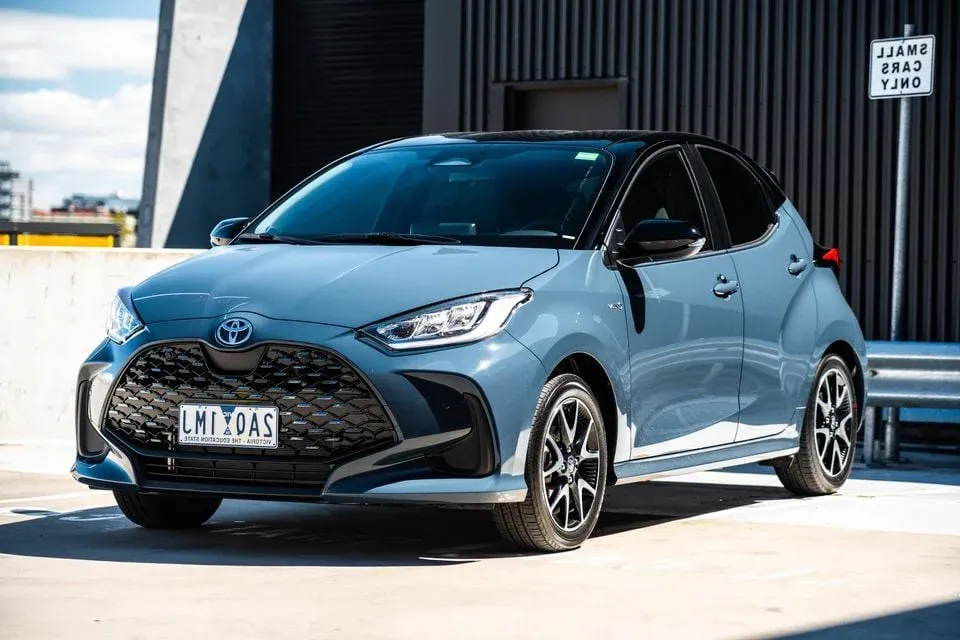
| Hybrid, no plug | Toyota Yaris Ascent Sport Hybrid | 3.5 L/100km | not named | $28,990 RRP |
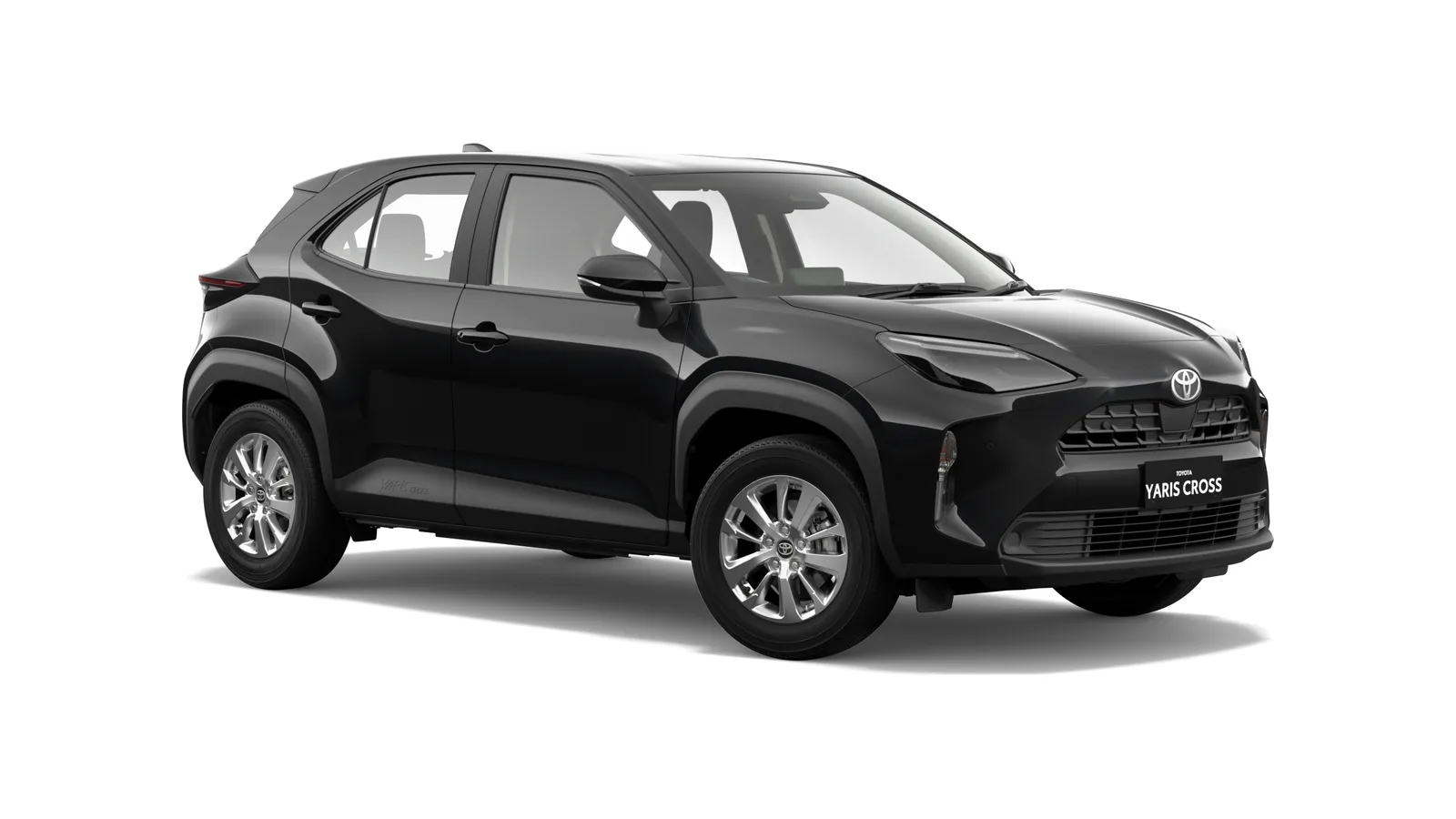
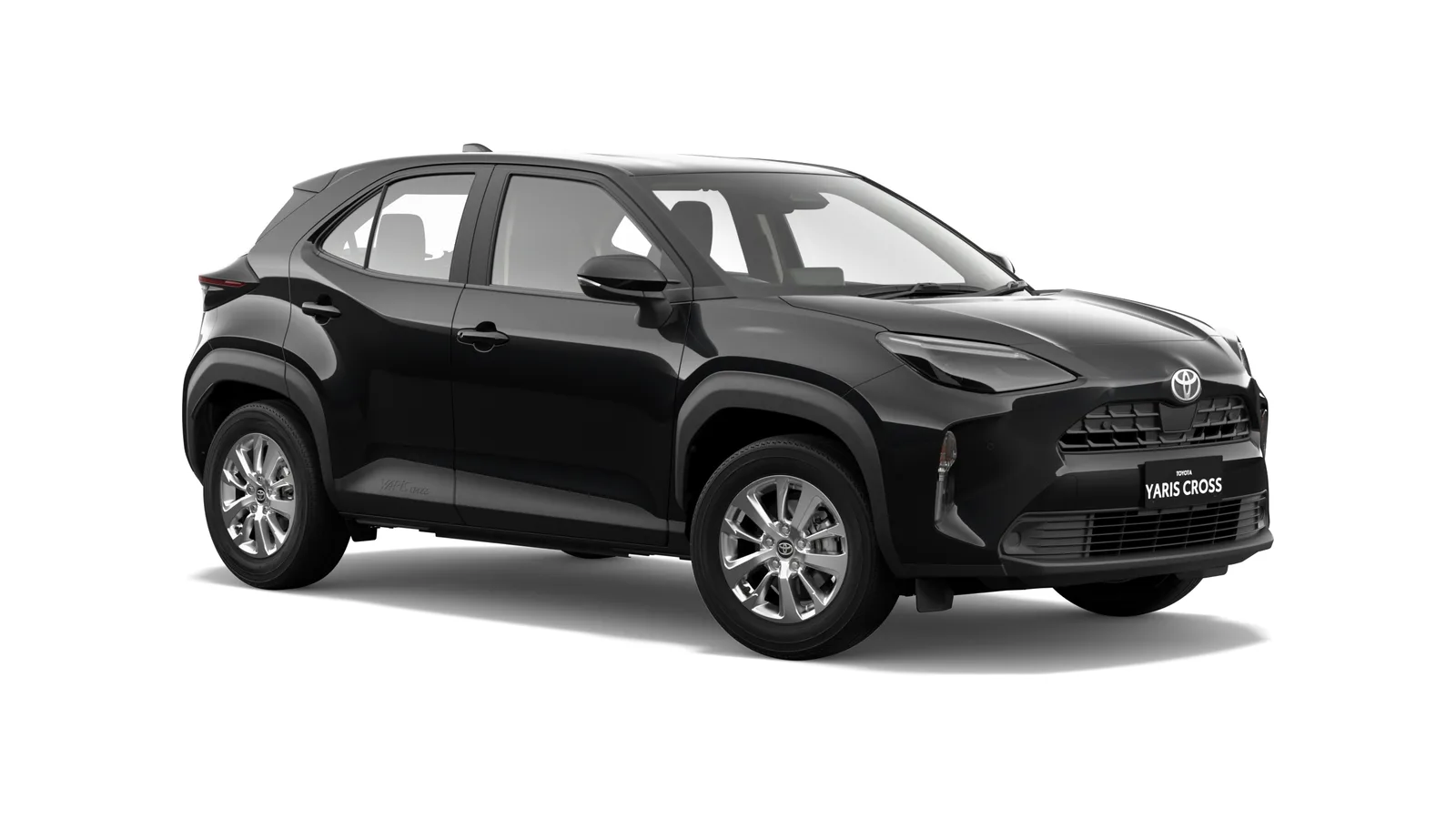
| Hybrid SUV | Toyota Yaris Cross GX Hybrid 2WD | 3.8 L/100km | not named | $31,790 RRP |
| Hybrid sedan | Toyota Corolla Sedan Ascent Sport Hybrid | 3.9 L/100km | not named | Price not verified by us |
| Hybrid, seven seats | Kia Sorento S HEV FWD | 5.4 L/100km | not named | $56,630 RRP |
| Mild hybrid | Suzuki Swift Hybrid Plus | 4 L/100km | ADR 81/02 | $29,490 drive-away (VIC) |
| Petrol, no hybrid system | Suzuki Ignis GL Auto | 4.9 L/100km | not named | Price not verified by us |
| Diesel SUV | Kia Sorento S Diesel | 6 L/100km | not named | $54,380 RRP |
| Diesel ute | Mazda BT-50 XS Dual Cab 4x2 | 6.3 L/100km | not named | $47,210 RRP |
| Plug-in hybrid, battery flat | BYD Seal 6 Essential Sedan | 1.1 L/100km (3.6 L/100km as a hybrid) | not named | $34,990 RRP |
| Electric, kWh/100km | Tesla Model 3 Premium Rear-Wheel Drive | 13.8 kWh/100km | WLTP | $54,900 RRP |
RRP is before on-road costs; drive-away includes them (Victoria). “Price not verified by us” means the row's price has no manufacturer source in our record, so we quote none. Grades often share a figure: the Yaris is 3.5 on three grades, the Swift 4.0 on three, the Sorento diesel 6.0 on four.
Get the week's car price moves by email
Australia's free car comparison site. One email a week: verified price moves, new offers and car news. Unsubscribe anytime.
Most fuel-efficient car overall: Toyota Yaris Hybrid
Among the 996 no-plug rows we rank, the Toyota Yaris Hybrid is among those with the lowest combined figures, at 3.5 L/100km, from $28,990 RRP. The Yaris Cross Hybrid 2WD and Lexus LBX 2WD follow at 3.8, then the Corolla Sedan hybrid and Kona Hybrid at 3.9. Every no-plug row under 4.0 L/100km is a full hybrid. Compare Yaris vs Swift.
Electric cars: lowest energy use per 100 km
An EV's figure is kWh/100km, so compare it with petrol cars in dollars, below. Of 309 electric rows on sale, 197 hold a kWh figure and 50 of those also name WLTP and agree with their own Wh/km figure. The lowest of the 50 is the Tesla Model 3 Premium Rear-Wheel Drive at 13.8, from $54,900 RRP. The rest of the 197 are not ranked. See our electric cars guide.
| Car | Energy use (WLTP) | Price |
|---|---|---|
| Tesla Model 3 Premium Rear-Wheel Drive | 13.8 kWh/100km | $54,900 RRP |
| Hyundai Kona Electric Extended Range 150kW (MY27) | 14.7 kWh/100km | $50,000 RRP |
| BMW iX3 50 xDrive | 15.1 kWh/100km | $109,900 RRP |
| Geely EX2 Inspire | 15.5 kWh/100km | $30,990 RRP |
Most fuel-efficient hatchbacks and sedans
After the Yaris come the Corolla Sedan hybrid at 3.9 and the Corolla Hatch and Camry hybrids at 4.0; neither Corolla row has a manufacturer-sourced price in our record. Among mild hybrids, where a small motor assists the engine but never drives alone, the Suzuki Swift is lowest at 4.0, from $29,490 drive-away (VIC). Among petrol-only hatchbacks and sedans, the Mazda2 and Skoda Fabia are among the lowest at 5.0 L/100km.
Most fuel-efficient SUVs
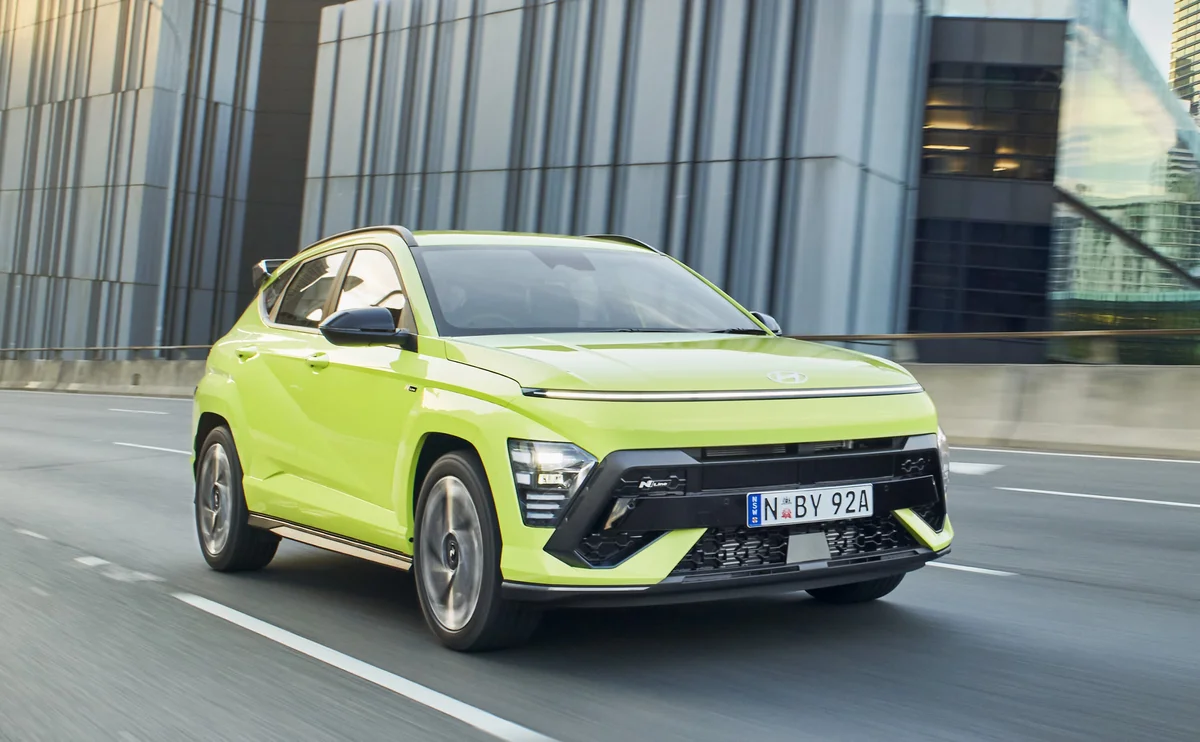
The Yaris Cross Hybrid 2WD and Lexus LBX 2WD tie at 3.8 — among the lowest SUV figures we hold — ahead of the Kona Hybrid at 3.9, the Toyota C-HR hybrid at 4.0 and the Nissan Qashqai e-POWER at 4.1. The RAV4 GX Hybrid 2WD is 4.5. The lowest petrol-only SUV is the Suzuki Ignis at 4.9, though our price on that row is an estimate, so we quote none. More in our SUV analysis; compare Kona vs Yaris Cross.
Most fuel-efficient seven-seater
Among seven-seat SUVs without a plug, among the lowest figures are mild hybrids: the Peugeot 5008 Hybrid at 5.1 and the Mazda CX-80 D50e mild-hybrid diesel at 5.2. Among the lowest full hybrids is the Kia Sorento S Hybrid FWD at 5.4, from $56,630 RRP, ahead of the Santa Fe Hybrid and Toyota Kluger GX Hybrid at 5.6 (our Kluger price has no manufacturer source). One of the lowest seven-seat diesel SUVs without mild-hybrid assist is the Sorento diesel at 6.0. If you can charge, the seven-seat BYD Sealion 8 plug-in runs 5.3 once flat. Compare Santa Fe vs Sorento.
Most fuel-efficient ute
Utes use more. The lowest ute figure we rank is the Mazda BT-50 XS Dual Cab 4x2 diesel at 6.3, from $47,210 RRP. The lowest hybrid ute is the GWM Cannon Alpha Ultra HEV at 9.8, with no manufacturer-sourced price in our record. The 2027 Ford Ranger diesel rows start at 6.8 but have no powertrain type set in our record, so they sit outside the ranking. Plug-in utes are in our 2027 ute guide.
Plug-in hybrids: ranked on their own
A plug-in hybrid's combined label figure is measured from a full battery, so it says little once the battery is flat. We rank on the battery-flat figure instead: 36 of the 147 plug-in rows hold one in our record, and the other 111 hold none. Among the 31 we rank it runs from 3.6 to 12.8 L/100km, lowest for the BYD Seal 6 Essential Sedan. See our plug-in SUV guide.
| Car | Full battery, then battery flat | Price |
|---|---|---|
| BYD Seal 6 Essential Sedan | 1.1 L/100km (3.6 L/100km as a hybrid) | $34,990 RRP |
| BYD Sealion 5 Essential | 1.2 L/100km (4.5 L/100km as a hybrid) | $33,990 RRP |
| BYD Sealion 6 Essential | 1.1 L/100km (4.72 L/100km as a hybrid) | Price not verified by us |
| GWM Haval H6 Lux PHEV | 1 L/100km (5 L/100km as a hybrid) | $44,990 drive-away (VIC) |
| GWM Haval H6GT Ultra PHEV AWD | 0.6 L/100km (5.3 L/100km as a hybrid) | $54,990 drive-away (VIC) |
| BYD Sealion 8 Dynamic FWD (7 seats) | 1.1 L/100km (5.3 L/100km as a hybrid) | $56,990 RRP |
GWM prices on a drive-away basis, so its rows show a campaign drive-away price (Victoria).
Cars in this story
7 cars

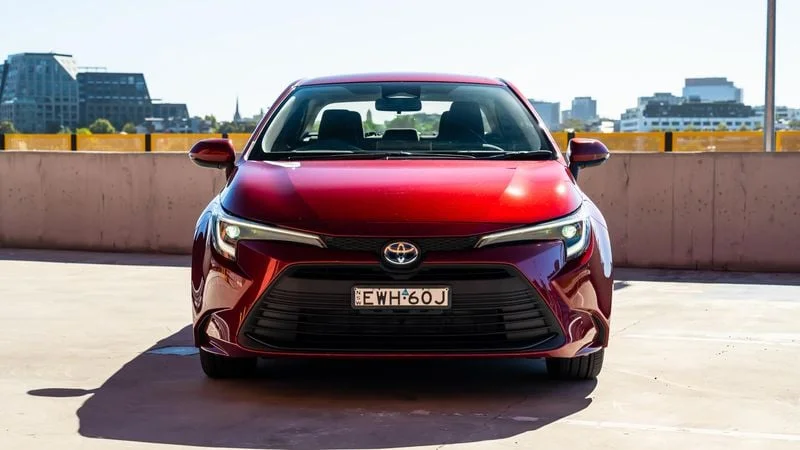
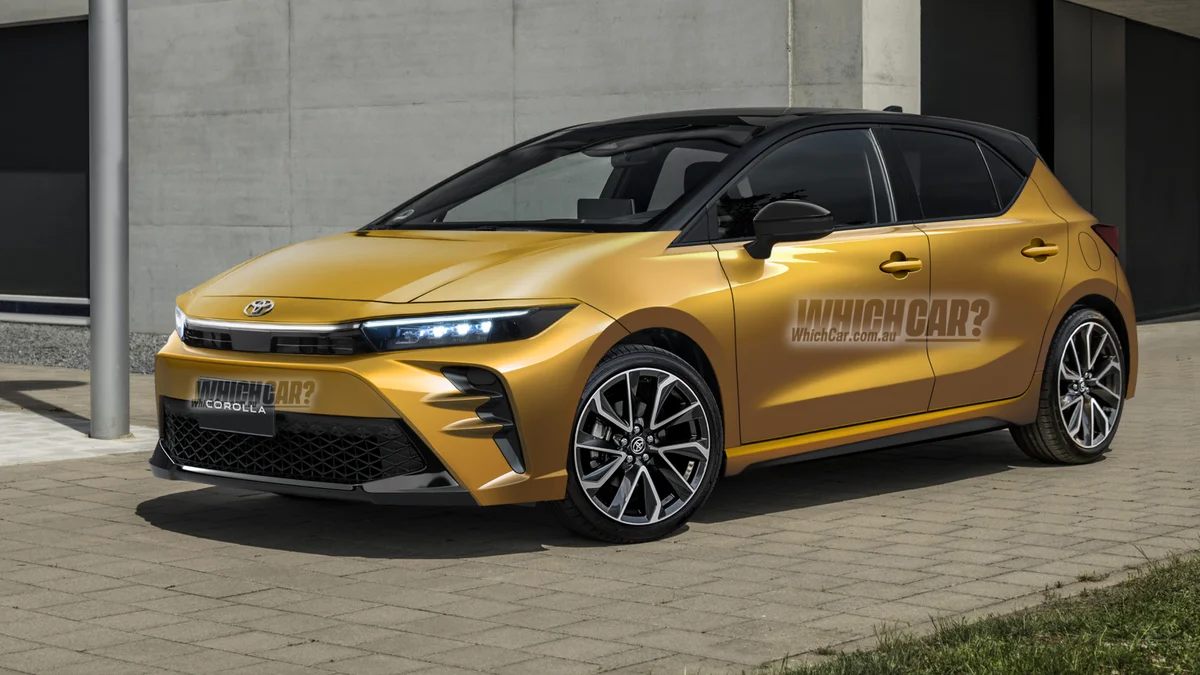
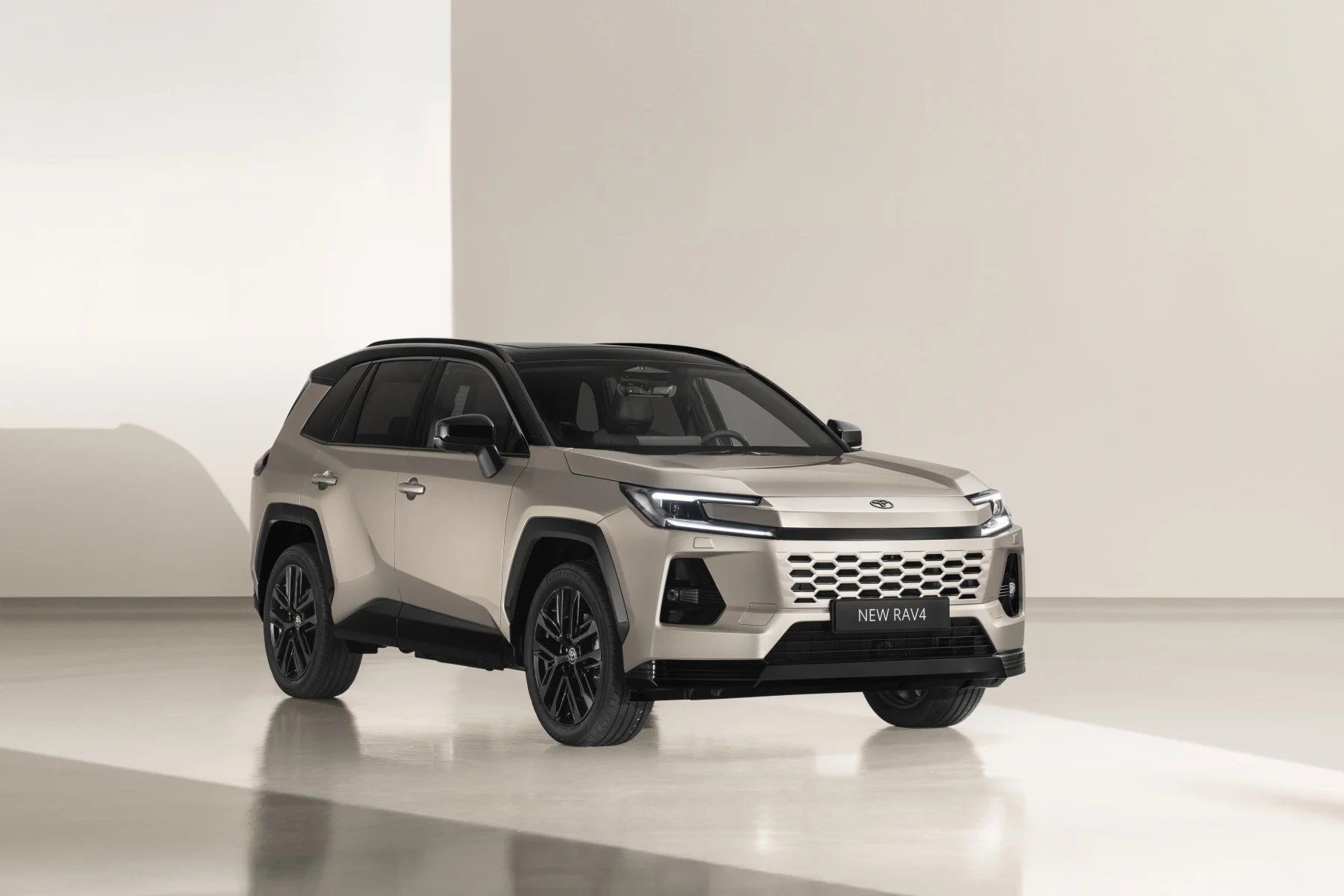
Price shown is each car's stored figure with its basis and check date.
See all Toyota modelsHow we compared the figures
Australian fuel labels come from one of two lab tests. ADR 81/02 (since 1 April 2009) uses the NEDC cycle; ADR 81/03 uses WLTP and applies to new models from 1 July 2026 and to every applicable vehicle by 1 July 2028, per the Green Vehicle Guide. We never rank across them. Our rows rarely say which applies: 198 of the 996 rows we rank name ADR 81/02, and we dropped the 36 our record marks as WLTP-based. A model approved after 1 July 2026 can carry a WLTP label our row does not yet mark, so check the label on the car.
Fuel label and tax figures current as of November 2026
Thresholds, rebates and rules on this page change each financial year. We check them against the Green Vehicle Guide and the ATO, but always confirm the current position with the relevant authority before you sign. The fuel-efficient luxury car tax threshold is $91,661 for 2026-27 and the threshold for other cars is $80,809; a car rated at 3.5 L/100km or less on the combined figure counts against the higher one.
Hybrid vs EV vs petrol: what fuel use is worth
Our assumptions, not quotes: petrol at $2.00 a litre, home electricity at 30 cents a kilowatt-hour, 15,000 km a year. A car at 3.5 L/100km costs $7.00 per 100 km, about $1,050 a year or $20 a week. At 4.9 L/100km it is about $1,470, so the Yaris saves about $420 a year over the lowest petrol-only row. An EV at 13.8 kWh/100km costs $4.14 per 100 km, about $621 a year charged at home. A plug-in hybrid costs like a hybrid once its battery is flat. The label is a laboratory figure and your real number moves with speed, load, temperature and traffic.
Pick two
Any two of the picks, side by side
Tap two to see where they differ on fuel, boot and price.
| Spec | Toyota Yaris Hybrid | Toyota Yaris Cross Hybrid |
|---|---|---|
| Price from | $28,990RRP, before on-roads | $31,790RRP, before on-roads |
| Fuel use | 3.5 L/100km | 3.8 L/100km |
| Electric-only range | N/Ano plug, cannot run on battery alone | N/Ano plug, cannot run on battery alone |
| Seats | 5 | 5 |
| Braked towing | 0 kg | 400 kg |
| ANCAP | 5 starstested 2020 | 5 starstested 2021 |
| Warranty | 5 yrunlimited km | 5 yrunlimited km |
| Service interval | 15,000 km | 15,000 km |
Figures come from our car database, which is built from Australian manufacturer documents. A blank field reads “No data” rather than a zero or a dash.
Price your own commute in a hybrid, a petrol car, an EV and a plug-in hybrid: one-way distance, trips a week, road mix and season. For the plug-in, tick whether you charge at home. Cars with no usable fuel figure on record sit out.
Coming in 2027: confirmed and upcoming
Confirmed means the manufacturer has said so on its own Australian site or in an Australian release. Upcoming means it is reported but not confirmed for Australia. None is on sale, so none is in the rankings.
Confirmed: first half of 2027
| Coming | Timing, as the manufacturer states it | Price | Source |
|---|---|---|---|
| Toyota RAV4 GXL PHEV 2WD | First quarter of 2027 | No price published | Toyota Australia release, 29 Sep 2026 |
| Geely Monjaro EM-i | First half of 2027 | No price published | Geely Australia release, 18 Sep 2026 |
| Geely Emgrand L EM-i | First half of 2027 | No price published | Geely Australia release, 18 Sep 2026 |
Confirmed: second half of 2027
| Coming | Timing, as the manufacturer states it | Price | Source |
|---|---|---|---|
| Geely Battleship 700 | Second half of 2027 | No price published | Geely Australia release, 18 Sep 2026 |
Confirmed for 2027, month not stated
| Coming | Timing, as the manufacturer states it | Price | Source |
|---|---|---|---|
| Toyota C-HR BEV | “Mid-2027” | No price published | Toyota Australia release, 11 Nov 2025 |
| Hyundai Tucson hybrid | “Coming soon in 2027” | No price published | Hyundai Australia Tucson page |
| Lexus NX hybrid and plug-in hybrid | “Launching in Australia in 2027” | No price published | Lexus Australia release, 1 Sep 2026 |
| BMW X5 50e xDrive | “Available to order from 2027” | No price published | BMW Australia X5 page |
| Nissan Navara Pro PHEV | “Will join the local line-up in 2027” | No price published | Nissan Australia release |
On efficiency, the manufacturers have said: Toyota, 121 km electric-only on WLTP for the RAV4 GXL 2WD, and a target of over 500 km for the electric C-HR; Geely, up to 170 km electric-only on WLTP for the Monjaro EM-i and 80 km or more for the Emgrand L EM-i; Nissan, that the Navara Pro PHEV's EV-only range will come closer to launch. We print nothing else for the rest. Detail from our news desk: RAV4 GXL PHEV, Geely trio, electric C-HR, Lexus NX, Navara Pro PHEV.
Upcoming: reported, not yet confirmed by the manufacturer for Australia
- Second quarter of 2027 (reported): the long-range Volvo XC60 and XC90 plug-in hybrids.
- First half of 2027 (reported): a Forthing electric and plug-in hybrid people mover.
- 2027 (reported): the Ford Tourneo plug-in hybrid and the updated Volvo XC40 and EX40.
What could change these picks
None of the confirmed arrivals has published a fuel or energy figure on the label standard we rank on, so none can enter a list yet. When one does, it goes onto the list for its own powertrain and never across them. The Toyota C-HR BEV is the one for the electric list: Toyota Australia says mid-2027 and targets over 500 km of range, but a range is not an energy figure. The Toyota RAV4 GXL PHEV 2WD, Geely Monjaro EM-i and Emgrand L EM-i would join the plug-in list once they have a battery-flat figure. The Hyundai Tucson hybrid and the Lexus NX hybrid are both confirmed for 2027 and would be ranked with the hybrid SUVs.
The Nissan Navara Pro PHEV is confirmed for 2027. It would be a plug-in ute, which our ute list does not cover today, and Nissan says its electric range is still to come. One arrival is only reported, not confirmed by its manufacturer for Australia: the long-range Volvo XC60 and XC90 plug-in hybrids, reported for the second quarter of 2027. We will update this article when they arrive or when the figures change.
The quick verdict
For the lowest fuel use without plugging in, the Toyota Yaris Hybrid. For an SUV, the Yaris Cross Hybrid 2WD or Lexus LBX 2WD. For seven seats, the Peugeot 5008 Hybrid uses least of the no-plug SUVs, and the Kia Sorento Hybrid is the lowest full hybrid. For a diesel ute, the Mazda BT-50 XS 4x2. For the lowest energy use of all, with a home charger, the Tesla Model 3 Premium Rear-Wheel Drive. Compare any of them in our car directory.
More guides: Most Fuel-Efficient Cars (2026) | Best Hybrid Cars (2027) | Best Plug-in Hybrid SUVs (2027) | Most Fuel-Efficient SUVs | Seven-seat hybrids
Head-to-heads: Yaris vs Corolla Hatch | BT-50 vs HiLux | Seal 6 vs Model 3 | Mazda2 vs Swift | HR-V vs Yaris Cross
Disclaimer: Figures are from the manufacturers' Australian documents as held in the CarSorted directory on 4 November 2026, with prices on the basis stated beside them. Fuel figures are laboratory label figures and real-world use differs. Campaign prices change. Confirm price and specification with the dealer before you buy.