Key Takeaways
- 140,058 new cars sold from all sources, the biggest month in Australian history
- Tesla Model Y tops the chart for the second month running with 8,072 sales
- Toyota (19,124) holds off BYD (18,881) by just 243 cars
- Three BYDs in the top 10: Sealion 7, Shark 6, Atto 2
- BEVs at a record 23.3% share, up from 7.6% a year ago
- Electrified cars (BEV, PHEV, hybrid) roughly 49.5% of the market
- China supplies 35.5% of every new car sold in Australia
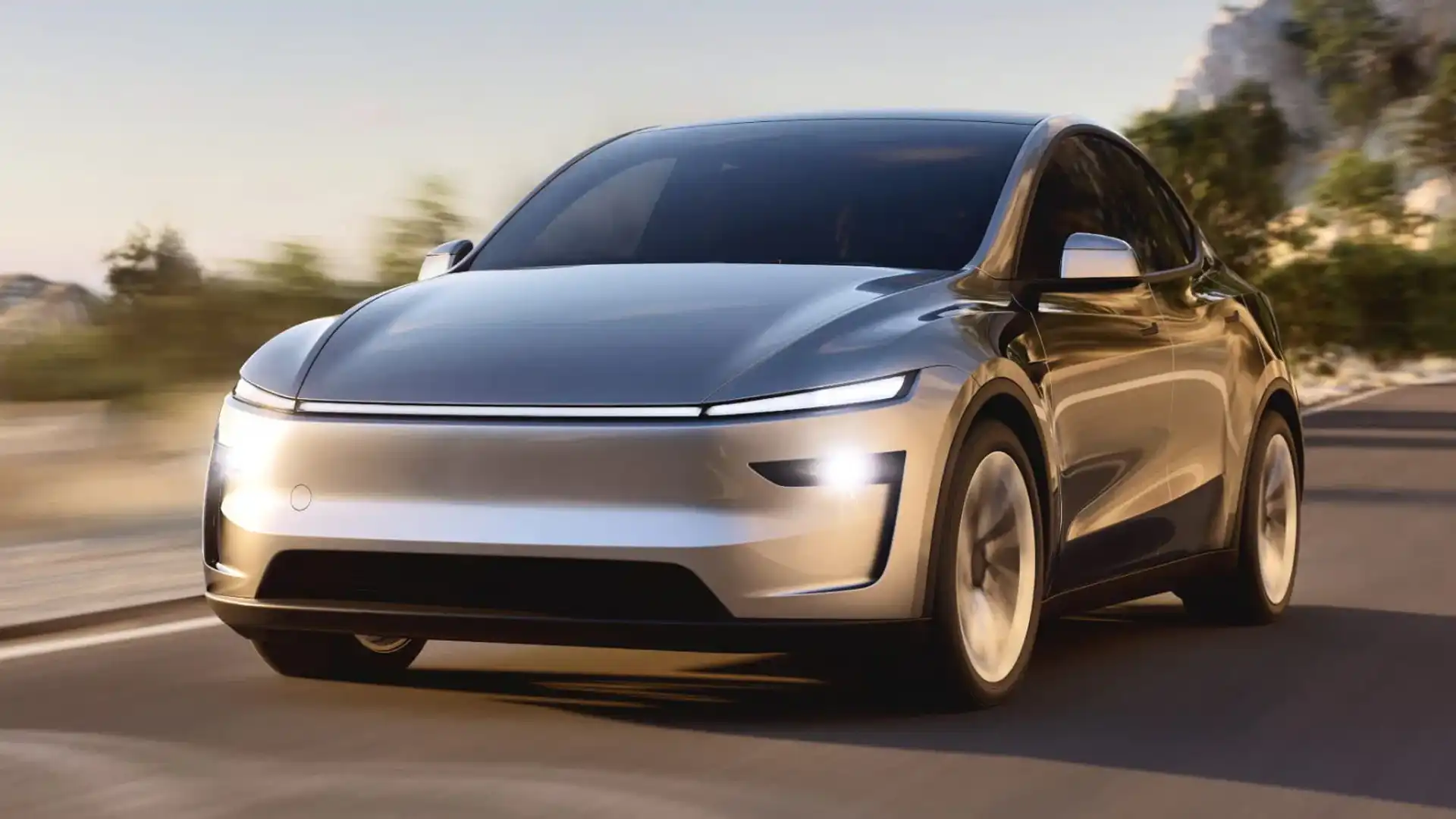
Image credit: Tesla Australia
If you were shopping a new car in June, you were shopping in the middle of a historic month. The Federal Chamber of Automotive Industries counted 140,058 new vehicle deliveries, the first time the country has broken 140,000 in a single month and the biggest all-sources figure ever recorded. The straight VFACTS tally sat at 131,134 cars, about 7 per cent above the June 2025 result. Behind the headline number, the shape of what people are actually buying has changed faster than most dealerships can restock.
The single line worth pinning to the fridge: BYD finished the month 243 cars behind Toyota. That is close enough that a delayed cargo ship or a slow week at one dealer would have flipped the order. Toyota is still the market leader in name, but the daylight it usually keeps between itself and everyone else has evaporated.
The Top 10 Best-Selling Cars in June 2026
Source: FCAI VFACTS, June 2026. Sales ranked by total new vehicles delivered in the month.
| Rank | Model | Segment | June sales |
|---|---|---|---|
| 1 | Tesla Model Y | Mid-size electric SUV | 8,072 |
| 2 | Ford Ranger | Dual-cab diesel ute | 5,999 |
| 3 | Toyota HiLux | Dual-cab diesel ute | 5,175 |
| 4 | BYD Sealion 7 | Mid-size electric SUV | 4,730 |
| 5 | Toyota RAV4 | Mid-size hybrid SUV | 4,115 |
| 6 | BYD Shark 6 | Plug-in hybrid ute | 3,398 |
| 7 | Isuzu Ute D-Max | Dual-cab diesel ute | 2,740 |
| 8 | Hyundai Kona | Small SUV (petrol, hybrid, EV) | 2,505 |
| 9 | BYD Atto 2 | Small electric SUV | 2,482 |
| 10 | GWM Haval Jolion | Small SUV (petrol, hybrid) | 2,446 |
Read the list as a snapshot of what actually rolls out of Australian dealers this year. Five of the top 10 have some form of electric drive. Three are BYDs. Two are Chinese small SUVs. The Tesla Model Y beat the Ranger by more than 2,000 cars. Twelve months ago that sentence would have read like a bet.
The Toyota vs BYD Race, in One Table
| Brand | June sales | YTD sales | YTD change |
|---|---|---|---|
| Toyota | 19,124 | 95,141 | -24.1% |
| BYD | 18,881 | 52,335 | +141.1% |
| Ford | 9,181 | 42,296 | -10.6% |
| Kia | 8,005 | 41,846 | +2.5% |
| Hyundai | 7,480 | 40,502* | -17.3%* |
*The YTD row shown for Hyundai reflects the fifth-placed brand reported by the FCAI; the exact number moves each month as reporting reconciles.
BYD's June result was helped along by the BYD Zhengzhou, a car carrier that docked in Melbourne in early June with roughly 5,000 BYD and Denza vehicles on board. BYD itself has flagged that the June total is not the new normal. It said so in its own release. Even so, year to date the brand has more than doubled its 2025 result and sits second, in the same postcode as Ford, Kia and Hyundai, on volume it took Toyota a decade to build.
Toyota's year to date figure is worth explaining. The brand is still the biggest seller in the country. The drop against the same six months of 2025 reflects a soft first quarter driven by RAV4 supply, and the switchover to the new-generation model that only landed in dealers late in the half. Toyota Australia has since secured an extra 10,000 vehicles for 2026 and lifted its full-year forecast to 220,000 units. The comeback is set up, not settled.
Where the Cars Are Actually Built Now
| Country of origin | June sales | Share |
|---|---|---|
| China | 46,592 | 35.5% |
| Japan | 27,098 | 20.7% |
| Thailand | 23,297 | 17.8% |
| Korea | 14,863 | 11.3% |
| Germany | 5,731 | 4.4% |
More than one in three new cars sold here in June came off a Chinese production line. That includes obvious brands like BYD, Chery, GWM, MG and Zeekr, and it also includes a lot of cars people do not think of as Chinese: the Tesla Model Y, Polestar 4, Mini Countryman, Volvo EX30, Cupra Tavascan and the electric Mazda 6e. If you want the full run-down we broke it out in this piece on non-Chinese brands built in China. Japan is still the second-biggest source, but it has been overtaken quickly and quietly.
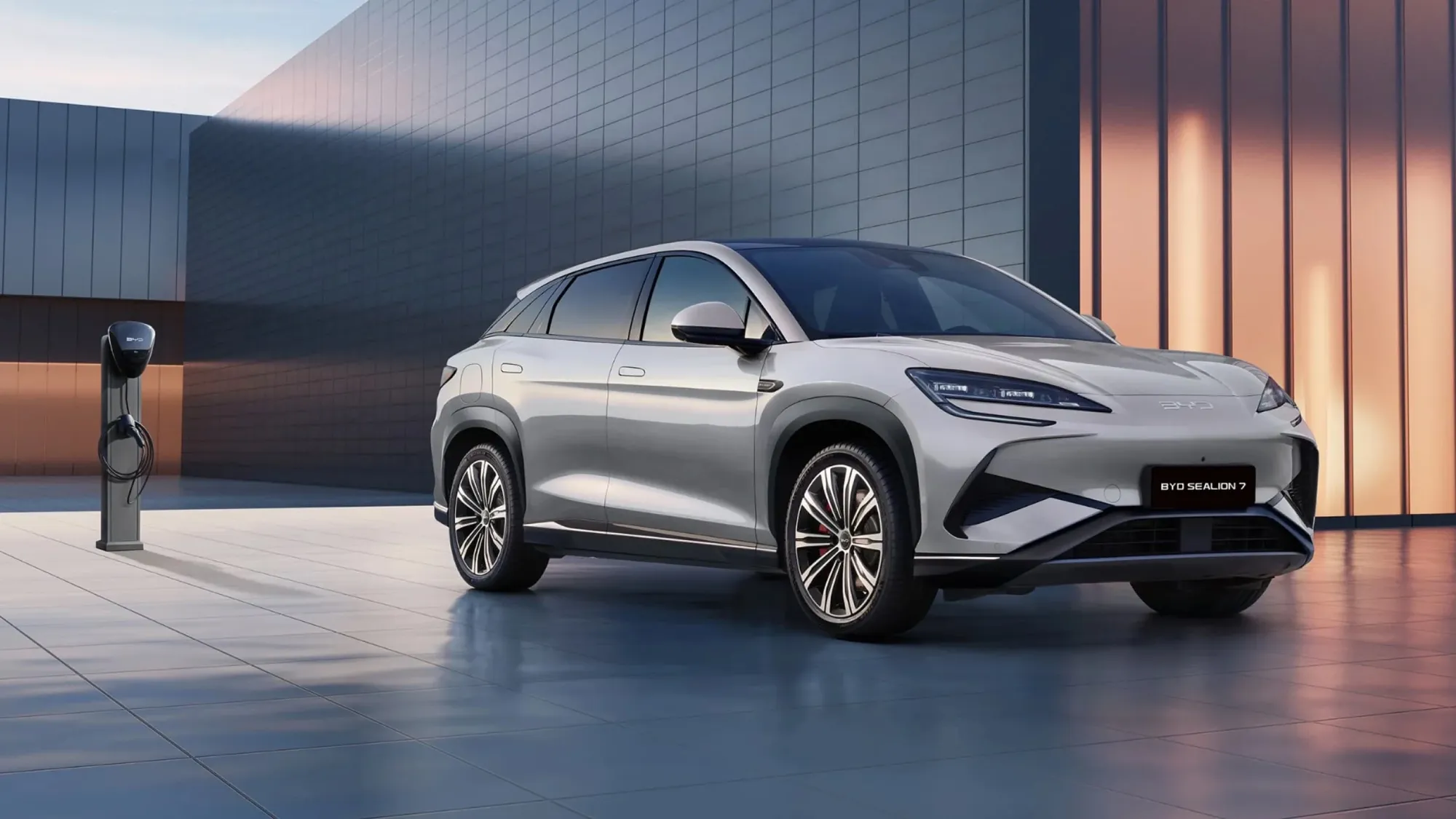
Image credit: BYD Australia
The Electric Story Under the Headline
Battery electric vehicles took 23.3 per cent of all sales in June. In the same month last year that number was 7.6 per cent. That is a triple in twelve months. Month by month across 2026 it reads like a slope on a whiteboard: 8.4 in January, then up every single month, landing on 23.4 in June. Combine BEVs with plug-in hybrids and conventional hybrids and roughly 49.5 per cent of every new car delivered in June ran, at least in part, on electric drive.
There is a supply story behind the demand. Cheap Chinese EVs and PHEVs are showing up in real volumes now. The BYD Shark 6 ute did 3,398 in a segment nobody had a plug-in in five years ago. The BYD Sealion 7 is holding its own against the Model Y in the mid-size electric SUV race. And there is a price story too. Fuel is still uncomfortable, the FBT exemption for eligible EVs on novated leases is still doing the work it was written to do, and driveaway offers on cars like the Hyundai Kona Electric and Ioniq 5 ran hard through the end of the month.
The Tesla Model Y Now Outsells Every Ute
This is the second month in a row an electric SUV has topped the chart. The Model Y beat the Ranger by roughly a third and outsold the HiLux by close to 2,900 cars. Tesla has helped its own cause with the longer six-seat Model Y L arriving, the FSD Supervised V14 rollout reaching Australian cars and steady RRPs across the range. But do not miss the Ranger number in isolation. 5,999 sales is still a huge month. The ute pool is not shrinking. It is being outrun.
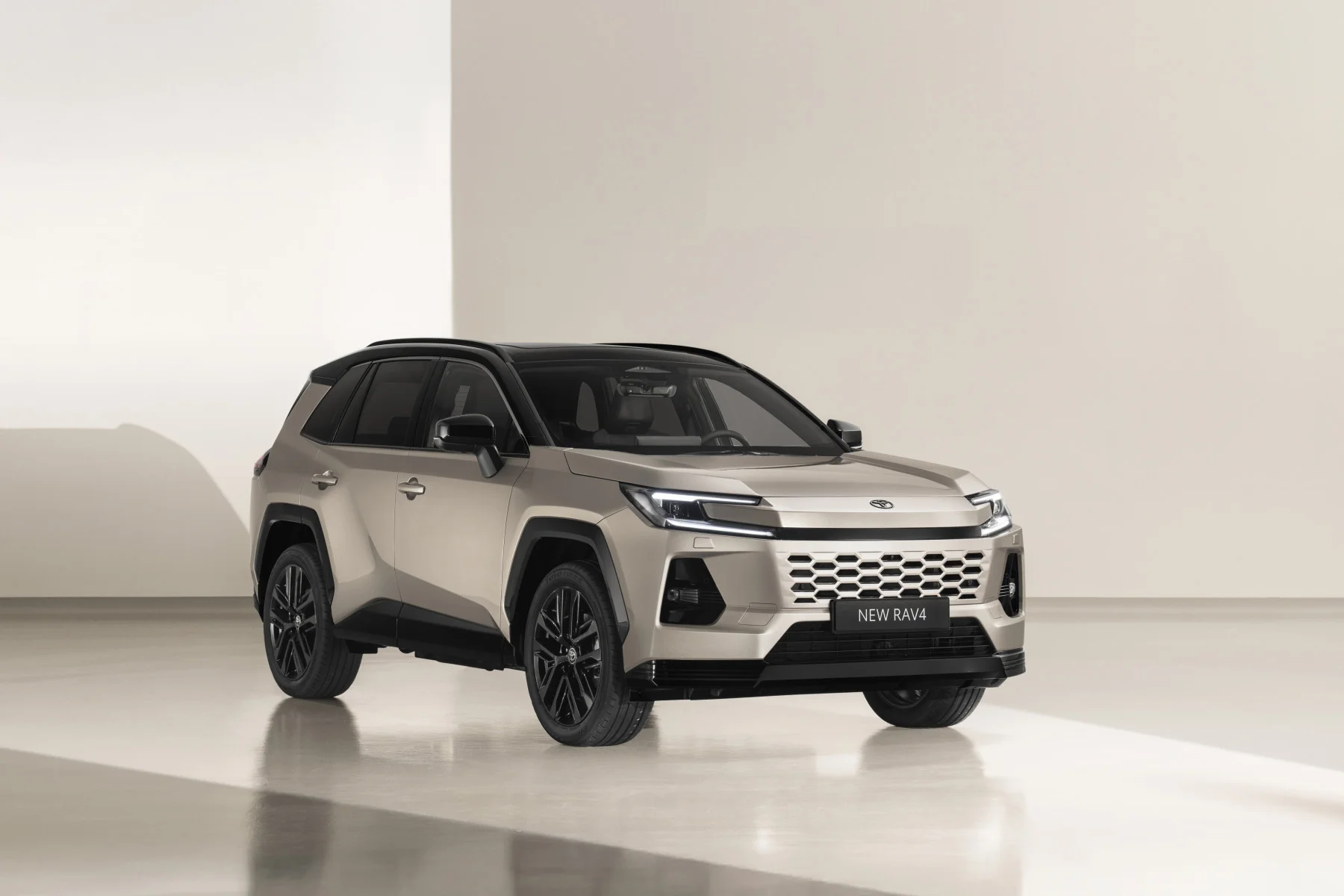
Image credit: Toyota Australia
The CarSorted Angle: What This Actually Means When You Cross-Shop
On CarSorted the Tesla Model Y RWD is listed at $58,900 before on-roads with 466km WLTP range and a 5-star ANCAP rating. The BYD Sealion 7 Premium is listed at $58,990 before on-roads with 456km WLTP and 230kW single-motor rear drive. The two cars that finished first and fourth in the country in June sit within $90 of each other in our database. That is not a coincidence: it is the point where the two segment leaders are being priced against each other by their own head offices, and where the fleet, novated lease and cash buyer are all deciding on badge, warranty and service network more than sticker.
For a lot of ute buyers the BYD Shark 6 is the new sanity check. Our database has it at $57,900 before on-roads for the Premium, 100km WLTP electric range, 3,500kg braked tow, dual-motor AWD, 4L/100km combined claim. Cross that against the Ford Ranger Wildtrak at $70,190 and the Toyota HiLux SR5 around $63,000, and the Shark is roughly ten grand cheaper than either without giving up towing or payload. Stack them side by side on our Ford Ranger vs BYD Shark 6 compare page if you want the running-cost sums.
The other data point worth pulling out is Toyota's forced pivot to hybrid. The Toyota RAV4 Hybrid lists at $49,990 in our database with 4.8L/100km and 163kW. ANCAP has not rated the current-generation RAV4, so it is unrated for now, and the previous generation's 2019 five-star result expired at the end of 2025. It sits fifth in the country on 4,115 sales. Toyota Australia has now added a plug-in RAV4 as well, with the RAV4 PHEV from $58,840, first customer deliveries just landing. The fifth spot in the chart in June is a hybrid, the top spot is a pure EV, and the number six spot is a plug-in ute. That is your mid-2026 mid-size SUV and ute buyer, in order of preference.
What Is Actually New Here vs Just Loud
The 140,058 headline includes a chunk of pull-forward. The end-of-financial-year run in Australia is always a big month. Dealers push stock to hit fleet targets, private buyers hit driveaway deals, novated leases close before 30 June. So do not read June and assume July will match it car for car. What the June number does prove is that when the deals are on the table, Australians are voting with their feet, and they are voting for BYD, Tesla, hybrid Toyotas and cheap Chinese small SUVs a lot more than they were even six months ago.
The other thing worth pinning is that the second half of 2026 has a lot of supply on the way. The updated XPeng G6 relaunched on 1 July. The Mazda CX-6e electric SUV hits customer garages in September from $53,990. The Forthing Taikon 5 range extender is out at $36,990 driveaway. The Geely EX2 city hatch is close to Australian showrooms at around $30,000. None of those helped in June, and all of them will make the second half harder still for the traditional brands.
What This Means for Buyers
If you are buying a mid-size SUV under $60,000, you are now shopping in the segment the country actually wants. Tesla and BYD have priced their two big electric SUVs within a hundred bucks of each other, the RAV4 Hybrid holds its ground on total ownership cost, and the CX-6e is about to sit right on top of the fight. Take a proper cross-shop, do not sign the first driveaway offer, and get a written quote for the on-road bill. There is enough choice on the shelf that dealers will move.
If you are buying a ute, June was the month the plug-in options stopped being a curiosity. The BYD Shark 6 is a real dual-cab now. Ranger and HiLux are not going away, and they still win on the country-town service network. But the price gap has widened enough that if you tow a boat on weekends and drive to work weekdays, running the Shark 6 numbers is not optional any more.
If you are buying anything in the top 10, run it against the direct rival on our database first. Compare a Tesla Model Y vs BYD Sealion 7, or a Toyota RAV4 vs BYD Sealion 7, or a Ford Ranger vs BYD Shark 6, and you will land on a call that a lot of other buyers landed on in June for very rational reasons.
Browse the CarSorted directory | Build a side-by-side compare | Last month's VFACTS wrap
Disclaimer: Sales figures are from the Federal Chamber of Automotive Industries (FCAI) VFACTS release for June 2026 and the FCAI industry-wide all-sources total. Pricing referenced from CarSorted listings is before on-road costs unless stated. Fuel-economy and range figures are the manufacturer's claimed values under WLTP or NEDC as noted. Individual buyer outcomes vary based on grade, options and driveaway offers at each dealership.