Key Takeaways
- 102,924 VFACTS deliveries in September 2026, up 0.9 per cent year on year; 108,778 combined with Tesla and Polestar via the Electric Vehicle Council, up 1.8 per cent
- Ford Ranger reclaims the top spot on 5,062, its first chart-topping month since March
- Toyota RAV4 second on 4,624; Tesla Model Y third on 4,476 with EVC data; HiLux fourth on 4,455
- Battery EVs 24.2 per cent of the market, versus 11.3 per cent in September 2025; PHEVs up 122.7 per cent, hybrids up 20.7 per cent; petrol down 36.2 per cent, diesel down 18.4 per cent
- Toyota still the number-one brand on 17,682 but down 3.5 per cent; BYD second on 8,191, Ford third on 7,592
- Year to date 914,312 via VFACTS, effectively level with the 914,439 recorded at the same point in 2025
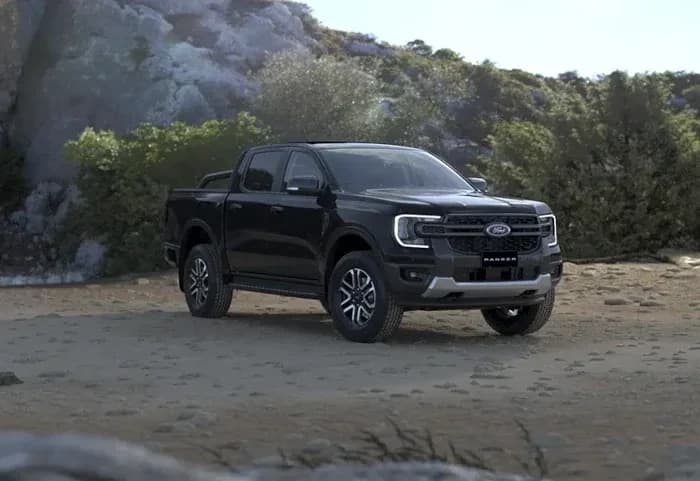
Image credit: Ford Australia
September is the month the shape of the Australian new-car market stopped being argued about and became the thing you plan around. The Federal Chamber of Automotive Industries counted 102,924 new-vehicle deliveries through its VFACTS release on 6 October, with another 5,854 cars added once Electric Vehicle Council figures for Tesla and Polestar were layered in, for a combined total of 108,778. The combined number is up 1.8 per cent on September 2025, which is a quiet lift on its own. The quiet lift is not the story. The story sits in the powertrain split, the brand table, and the fact that Australia's number-one new car for the month is a diesel ute whose dealer floor had to swallow a nationwide airbag recall across August.
For anyone shopping this week, three things change the shape of a decision. The Ford Ranger is back in dealer stock in volume and is also back on top of the charts, which lands with real weight on the Ranger versus HiLux cross-shop. The Tesla Model Y ran the Ranger and the RAV4 within 586 cars of each other once EVC data is counted, so the mid-size family-car floor is now a straight three-way race between a diesel ute, a hybrid SUV and an electric SUV. And the plug-in hybrid share more than doubled year on year, so if you've been dismissing a PHEV as a transition powertrain, Australia has stopped treating it like one.
The Top-Selling Models in September 2026
Rankings depend on whether you look at the FCAI VFACTS table on its own or at the combined picture with Electric Vehicle Council data for Tesla and Polestar. Tesla has not reported into VFACTS directly since 2024, so the EVC-adjusted ranking is the shopping-floor reality for anyone cross-shopping an electric and a non-electric car. We show both.
| Rank | Model | Powertrain / origin | September sales |
|---|---|---|---|
| 1 | Ford Ranger | Diesel / PHEV dual-cab, Thailand | 5,062 |
| 2 | Toyota RAV4 | Hybrid / PHEV mid SUV, Japan | 4,624 |
| 3 (combined) | Tesla Model Y family | Electric mid SUV, China | 4,476 |
| 4 | Toyota HiLux | Diesel dual-cab, Thailand | 4,455 |
| 5 | BYD Sealion 7 | Electric mid SUV, China | 2,687 |
| 6 | Chery Tiggo 4 Pro | Petrol / hybrid small SUV, China | 2,059 |
| 7 | GWM Haval Jolion | Hybrid small SUV, China | 2,018 |
| 8 | Geely EX5 | Electric small / mid SUV, China | 2,008 |
| 9 | Toyota LandCruiser Prado | Diesel large 4WD, Japan | 2,006 |
| 10 | Isuzu D-Max | Diesel dual-cab, Thailand | 1,866 |
| 11 | MG ZS | Petrol / hybrid small SUV, China | 1,805 |
Read the list slowly. A diesel ute is number one. A hybrid SUV is number two. An electric SUV is number three once Tesla is counted, and a diesel ute is number four. Positions five through eight are all Chinese-built, split evenly between electric SUVs and hybrid or petrol small SUVs. Two more diesel utes (Isuzu D-Max and the LandCruiser Prado 4WD) close the top 10. The Toyota Corolla, Toyota Camry, Mazda CX-5 and Kia Sportage all missed out, which is the first time in recent memory that none of those four have cracked the top 10 in a single month.
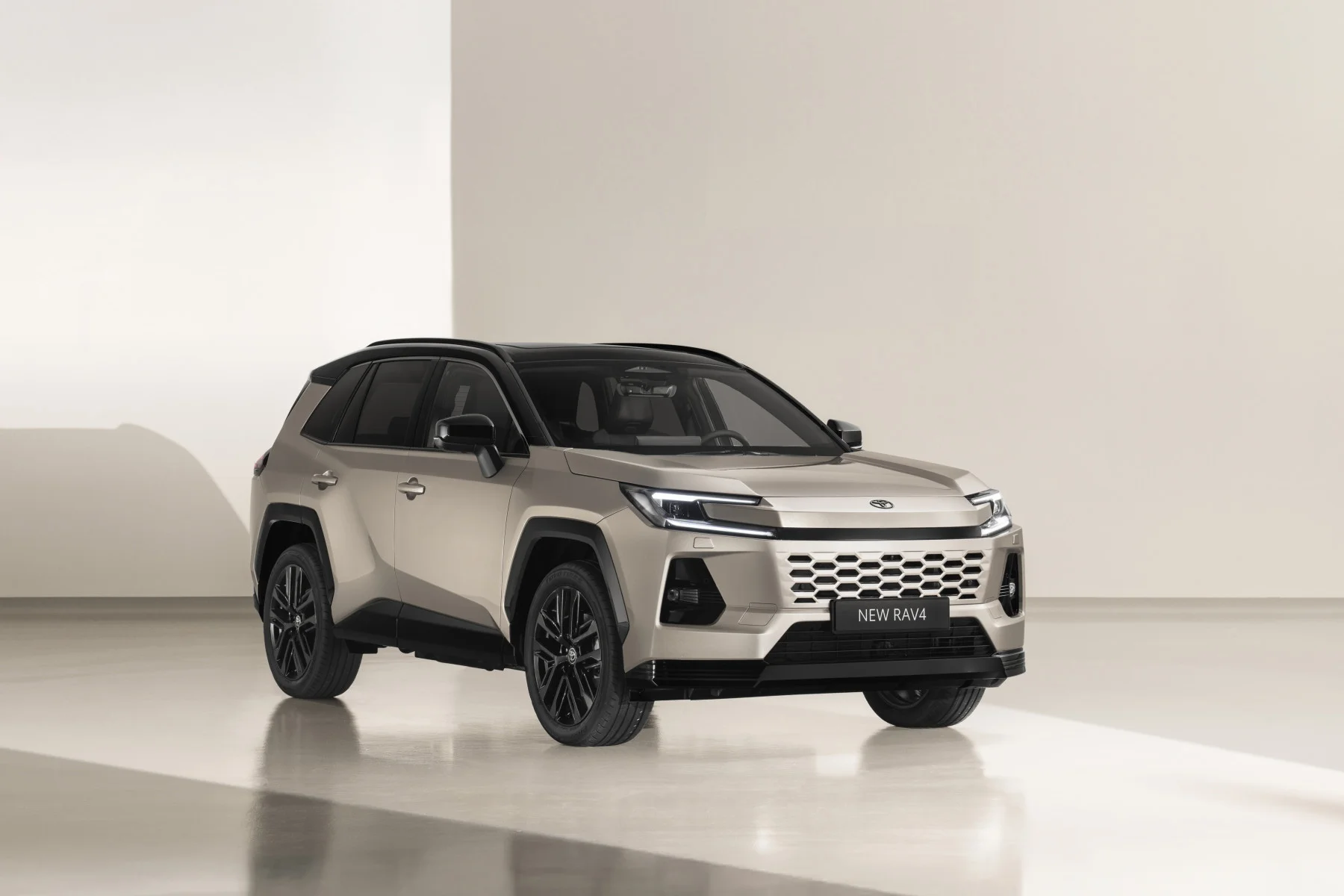
Image credit: Toyota Australia
The Brand Race Keeps Narrowing
| Brand | September 2026 | YoY change |
|---|---|---|
| Toyota | 17,682 | down 3.5% |
| BYD | 8,191 | up 61.1% |
| Ford | 7,592 | up |
| Hyundai | 5,073 | down |
Toyota's monthly lead over BYD is still enormous at 9,491 cars, but it is the sixth straight month BYD has held second overall, and BYD is the only brand on the top four growing at double digits year on year. Ford's third place reads differently once you remember the brand sat outside the top five for most of August as the Ranger stop-sale worked through the system. The brands that grew year on year in the top 10 were, broadly, Tesla and the Chinese nameplates. Everyone else trod water or shrank. The FCAI's acting CEO Dianne O'Hara called it out directly: "Australian motorists are embracing a broader range of powertrains, following greater model choice offered by manufacturers and growing competition."
The Powertrain Split: PHEVs More Than Double
The powertrain story is where September becomes a shopping decision rather than a trivia column. Battery-electric vehicles were 24.2 per cent of the whole new-vehicle market, versus 11.3 per cent in September 2025. That is more than double the share in a year, and the second consecutive month that BEVs have outsold pure petrol as a single bucket. Plug-in hybrids were the fastest-growing powertrain in the month at 122.7 per cent year on year, driven in part by Ranger PHEV, BYD Sealion 6 and the GWM Cannon Alpha PHEV filling the floor of the dual-cab and mid-size categories. Conventional hybrids added another 20.7 per cent on top of a very big September 2025 base. Pure petrol dropped 36.2 per cent in a single year, and diesel dropped 18.4 per cent.
The direction of that line matters because the pure-petrol category is now shrinking at an annualised rate that would halve it inside two years at this pace. September is also the first full month after the 17c/L fuel excise discount ended on 2 August, so a petrol owner is paying roughly $10 more per fill than in July. For a shopper deciding between a hybrid, a plug-in and an electric car this quarter, the fuel-price signal has gone from a quiet worry to a line on the running-cost sheet that compounds every week. Our best-hybrid-cars-in-Australia buying guide and the comparisons hub are the fastest way to see what that shift does to a shortlist under $60,000 driveaway.
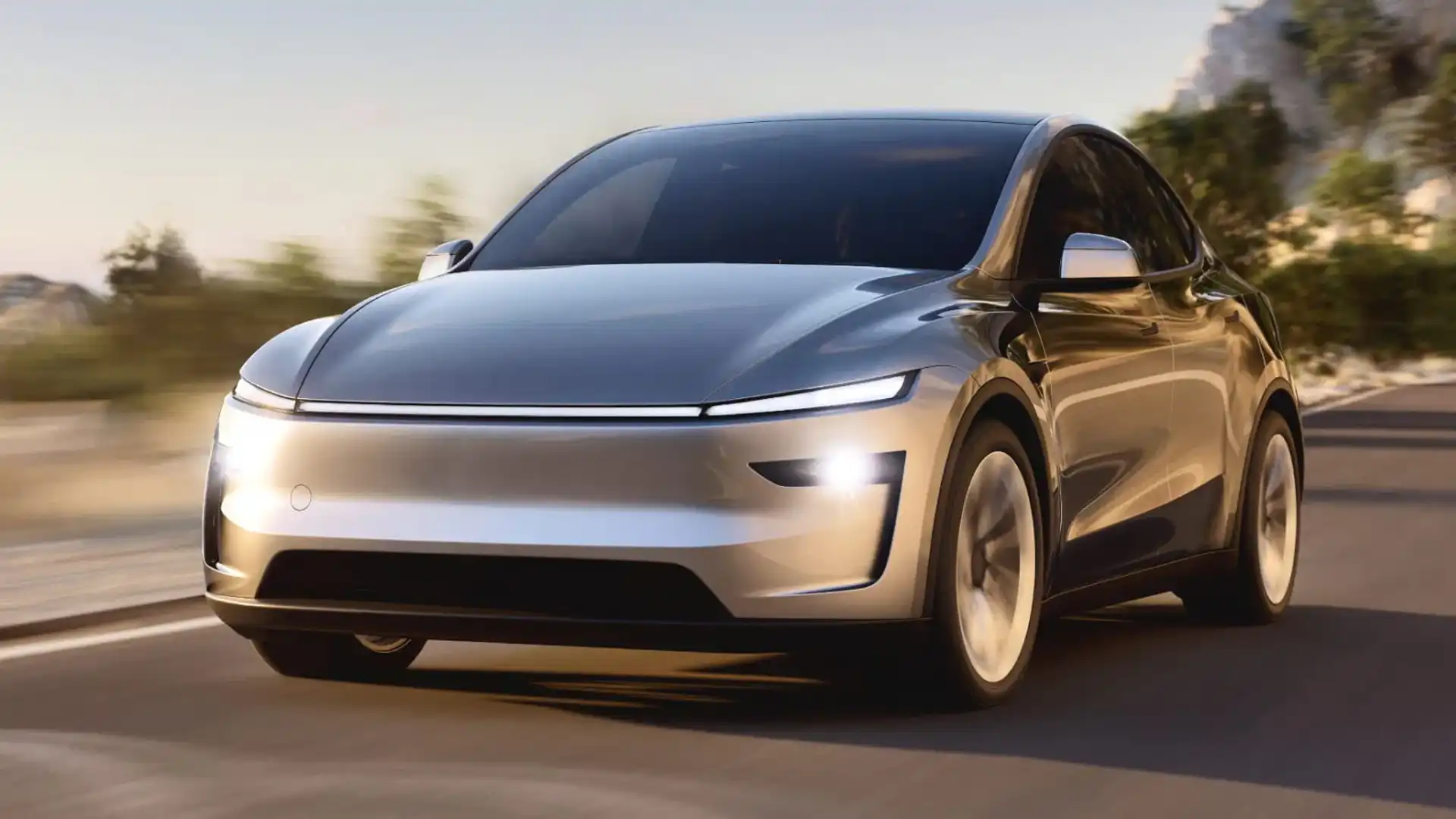
Image credit: Tesla Australia
The Ranger Return and the HiLux Hold
September is the first month since March that the Ranger has topped the whole market. Ford Australia got through the 13,907-unit side curtain airbag recall and lifted the delivery and demo hold through September, which released roughly 6,000 vehicles out of dealer stock and reopened the order path for new customers. The result is a Ranger month that posts 5,062 against an August result of 2,440, so the swing is 2,622 cars in a single month, which is nearly its entire August total.
The HiLux third-place figure of 4,455 reads straightforwardly on its own but less flatteringly in context. It is down 12 per cent year on year, so the HiLux is now shrinking into a market that is still growing. The 4x4-only sub-ranking makes it starker: Ranger 4x4 posted 4,824 to the HiLux 4x4's 3,975, so the Ranger took back the 4x4 crown on top of taking back the overall crown. If you were waiting for the market to decide between the two before signing, September decided. The RAV4 (4,624) still sits above the HiLux, so for the first time in a very long stretch the top-four is a ute, an SUV, an electric SUV and another ute.
Where Chinese Brands Fit Now
Count carefully. In the VFACTS top 10, five nameplates are Chinese-built: BYD Sealion 7, Chery Tiggo 4 Pro, GWM Haval Jolion, Geely EX5 and the Isuzu D-Max (built in Thailand, but every top-10 Chinese nameplate ships from China directly). Add the Tesla Model Y out of Shanghai and that is six of the top 11 Australian best-sellers now coming off Chinese production lines. Twelve months ago BYD, Chery, GWM and Geely combined for maybe three top-10 appearances across the whole year. In September alone they posted four. BYD is holding second brand position by itself, and Chery, GWM, MG and Geely are already trading blows for the small-SUV volume that used to be a two-horse Kia and Hyundai fight.
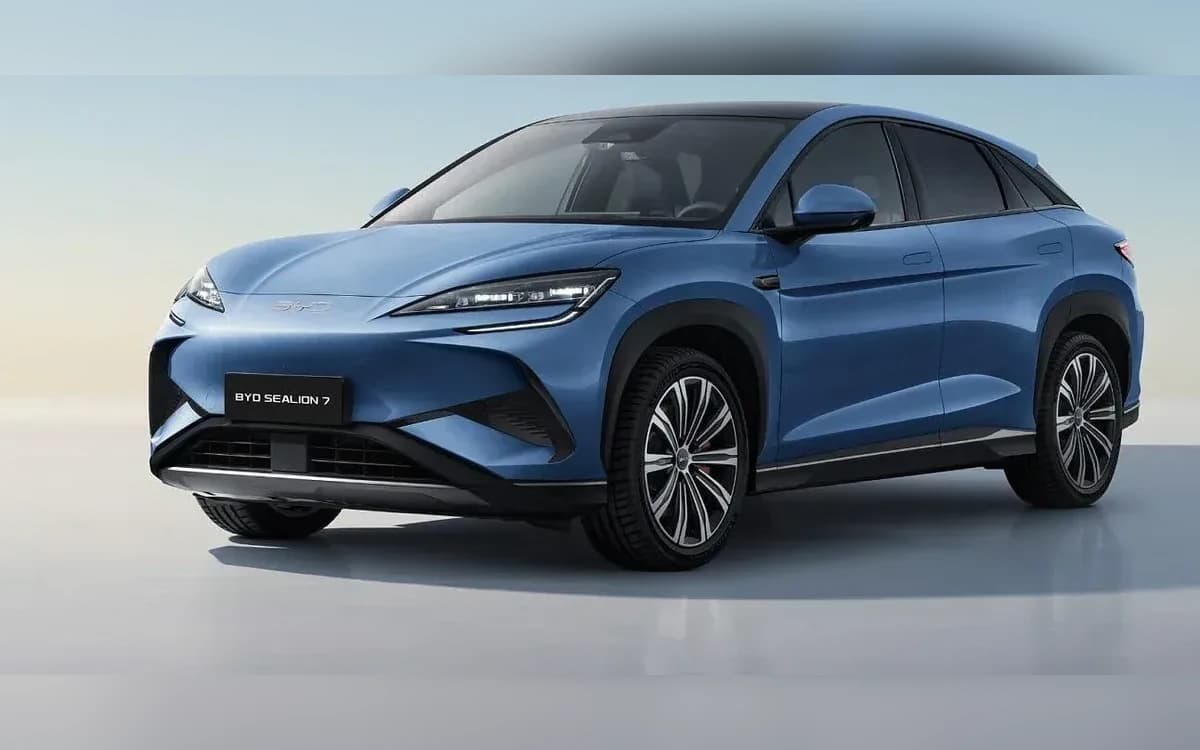
Image credit: BYD Australia
The CarSorted Angle: What September Costs You
Three cross-shops are now the backbone of this market, and each one has moved in a specific way on the strength of September. The mid-size SUV cross-shop between the Toyota RAV4 Hybrid GXL at $49,990 before on-roads, the Tesla Model Y RWD at $58,900 and the BYD Sealion 7 Premium at $58,990 is still priced within roughly $9,000 of itself end-to-end, with each car wearing a 5-star ANCAP rating under their respective protocols. Model Y third place in September says the Chinese-built Tesla has stabilised at monthly volume comparable to the RAV4, and Sealion 7 2,687 confirms BYD can keep a single mid-size electric SUV above 2,000 units a month in Australia without discounting the car to get there. Build the real driveaway comparison before signing at either floor using our RAV4 vs Model Y and Model Y vs Sealion 7 pages.
The dual-cab ute cross-shop is where the September result bites hardest. The Ford Ranger 4x4 is back in volume at its full dealer price range, and the Ranger PHEV is now a genuine floor product rather than an allocation story. The HiLux is still a quietly good ute but it is shrinking on a 12-month view and will not get help from the generation changeover until the next cycle. Underneath both, the BYD Shark 6 and the new GWM Cannon Hi4-T PHEV are landing with 110km-plus electric-only range claims and 3,500kg braked tow ratings for Shark 6 money. Our HiLux vs Ranger compare is the fastest way to line them up on tow rating, payload and driveaway.
The small-SUV cross-shop has quietly changed names since May. Chery Tiggo 4 Pro, GWM Haval Jolion and Geely EX5 each cleared 2,000 units in September. The Chery Tiggo 4 Urban CSH hybrid at $27,990 driveaway, the Jolion Ultra Hybrid at $32,990 driveaway and the Geely EX5 Complete at around $40,000 driveaway now outsell both the Hyundai Kona and Kia Seltos on a monthly basis. The warranty story is longer (seven years at Chery, GWM and Geely versus five at Hyundai and seven at Kia), the service pricing is similar, and the equipment lists are higher per dollar. The brands worth avoiding on this list are the ones that have stopped moving: Mitsubishi ASX, Honda HR-V and Nissan Qashqai are now consistently outside the top 15 small SUVs by volume.
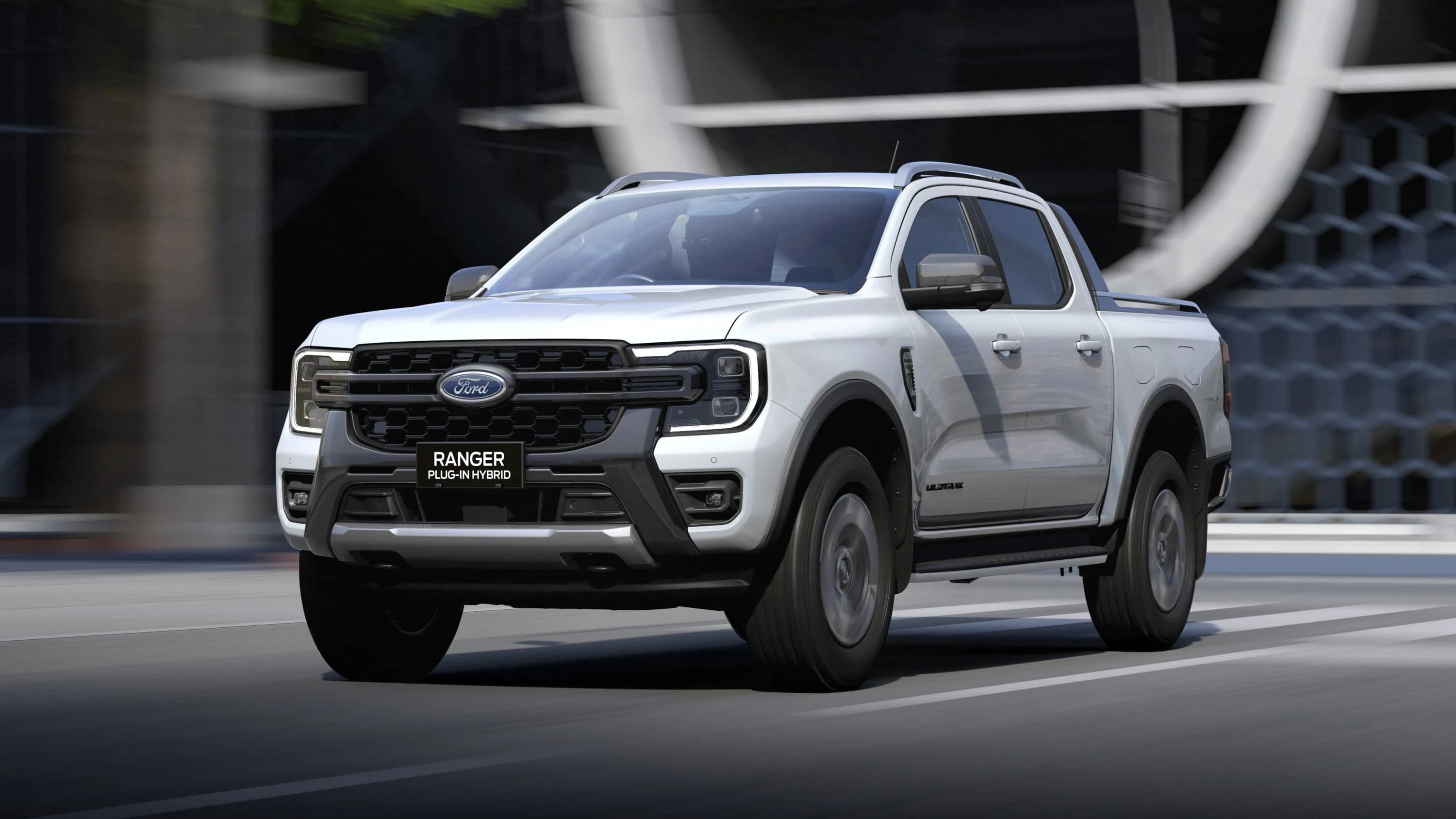
Image credit: Ford Australia
Year to Date and the Fourth-Quarter Setup
Year to date through September the market sits at 914,312 on the FCAI's VFACTS reading, effectively level with the 914,439 at the same point in 2025. If the fourth quarter runs at the same pace as the last three months (an average of about 106,000 combined deliveries a month), Australia will finish 2026 somewhere around 1.22 to 1.23 million new vehicles, which matches the FCAI's own May guidance. The structural read is more interesting than the headline. Over the first nine months of the year, battery-electric and plug-in hybrid share has roughly doubled, Chinese brand share has roughly doubled, pure-petrol share has roughly halved, and Toyota's year-on-year monthly performance has turned negative for the first time since 2020.
The fourth-quarter calendar lands into that shift. The BYD M9 opens the premium people-mover slot. The 2027 Kia Seltos Hybrid from $39,990 driveaway replaces the petrol Seltos entirely. The GWM Cannon Hi4-T PHEV and the GWM Haval H7 hybrid both land this month. The Leapmotor B03X, the smart #5 and the Lepas L6 all open the quarter with new electric nameplates in the $30,000 to $70,000 band. Everyone adding capacity to the market in the fourth quarter is adding electric, hybrid or plug-in supply. Nobody is adding pure-petrol volume. September's shape is the shape of the quarter ahead.
What This Means for Buyers
If you were waiting for the Ranger stock story to clear before signing, it has cleared. Ford dealers are back in a position to quote a build date rather than a wait list on most grades, and the recall-affected cars are being retrofitted during the normal service window. If you were waiting to see whether the Tesla Model Y's August result was a one-off, September says it is not. If you were putting off a plug-in hybrid because you thought the market would never properly adopt one, 122.7 per cent growth year on year is Australia saying otherwise.
If you drive fewer than 15,000km a year and you do not have home charging, a Toyota RAV4 Hybrid is still the sensible default. The only thing that has changed is Toyota's capacity to deliver one inside three months, which the 230,000-car 2026 allocation lift has already loosened. If you drive 20,000km-plus a year and you can plug in overnight, the running-cost gap between a Model Y or a Sealion 7 and an equivalent petrol or hybrid SUV clears the sticker price in three to four years at current pump prices, and September's structural petrol decline shortens that window further. If you are shopping a dual-cab ute, the Ranger is back in genuine volume supply and the Shark 6 and Cannon Hi4-T PHEVs are now the real floor-of-the-market pressure on the diesel Ranger XLT and HiLux SR5.
If you are shopping under $35,000 driveaway, do yourself the favour of driving a Chery Tiggo 4 Pro CSH, a GWM Haval Jolion Ultra Hybrid or a Geely EX5 before defaulting to a Korean small SUV. The warranty is longer, the equipment list is better per dollar, and the September volume says the resale story is already firming up. Build a proper side-by-side on the CarSorted directory and drop into two dealerships in one Saturday morning.
Browse the CarSorted directory | Build a side-by-side compare | Read August's VFACTS wrap
Disclaimer: Sales figures are sourced from the Federal Chamber of Automotive Industries (FCAI) VFACTS release for September 2026 published on 6 October 2026, supplemented with Electric Vehicle Council data for Tesla and Polestar deliveries where the FCAI does not receive them directly. Brand and model tallies are drawn from the FCAI's own release and independently corroborated across multiple Australian motoring outlets. Pricing referenced from CarSorted listings is before on-road costs unless stated as driveaway; individual outcomes vary based on grade, options and driveaway offers at each dealership. Fuel-economy and electric-range figures are the manufacturer's claimed values under WLTP where applicable. ANCAP ratings are the current certified rating for the variant referenced.