CarSorted Verdict:
- What it is: a hybrid with a battery big enough to plug in and drive on electricity alone for a while, then carry on on fuel.
- Electric range: roughly 50 to 150 km on the label for most, and the test cycle matters: NEDC reads higher than WLTP.
- Two fuel figures: the label figure assumes you start charged; the battery-flat (charge-sustaining) figure is what a long trip uses.
- Suits: short daily driving with charging at home, plus the odd long trip or tow without planning around chargers.
- Watch: extra weight, two systems to service, and no FBT exemption for plug-in hybrids that weren't already in use before 1 April 2025.
- Every model on sale: the live table at the bottom, cheapest grade and electric range for each.
Plug-in hybrids sit in a funny spot. They're the car people pick when they like the idea of driving on electricity but aren't ready to rely on chargers for long trips. Done right, a PHEV can run the school run and the commute on power from your garage and still tow the camper to the coast without a second thought. Done wrong, it's a heavy hybrid that sits unplugged.
This guide explains how they work, what the electric range and the two fuel figures really mean, when one makes sense and where they fall short. At the end there's a live table of every plug-in hybrid we list on sale in Australia, with the cheapest grade's price and the model's electric range. If you're weighing up a fully electric car instead, our what is an EV guide does the same job for battery-electric cars.
CarSorted Manufacturer offer
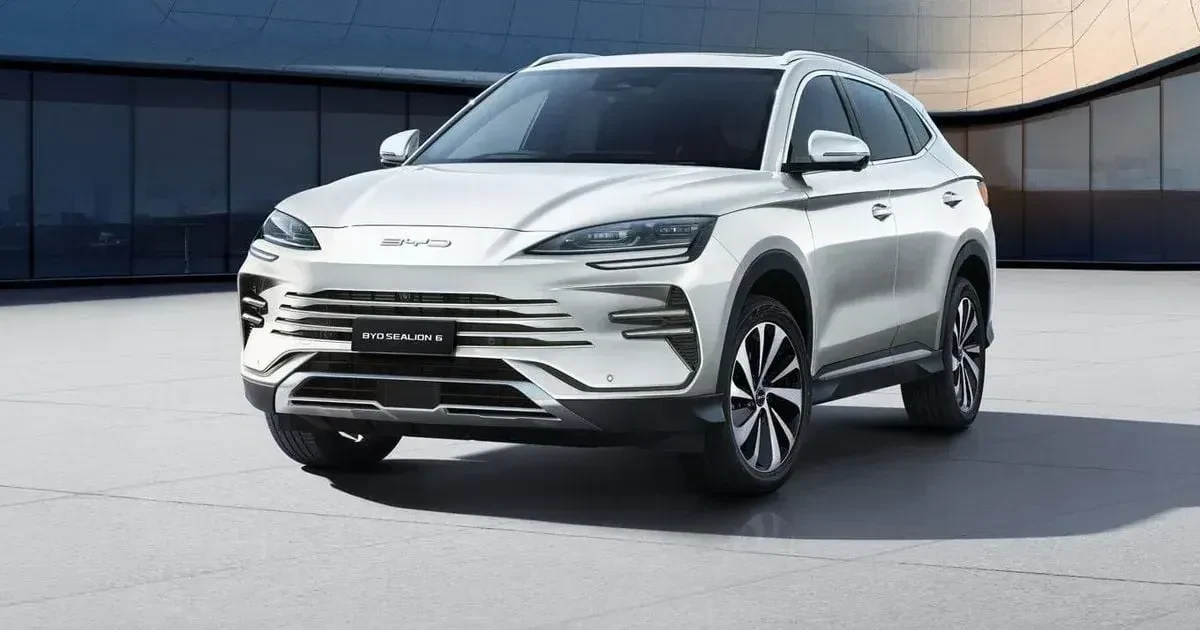
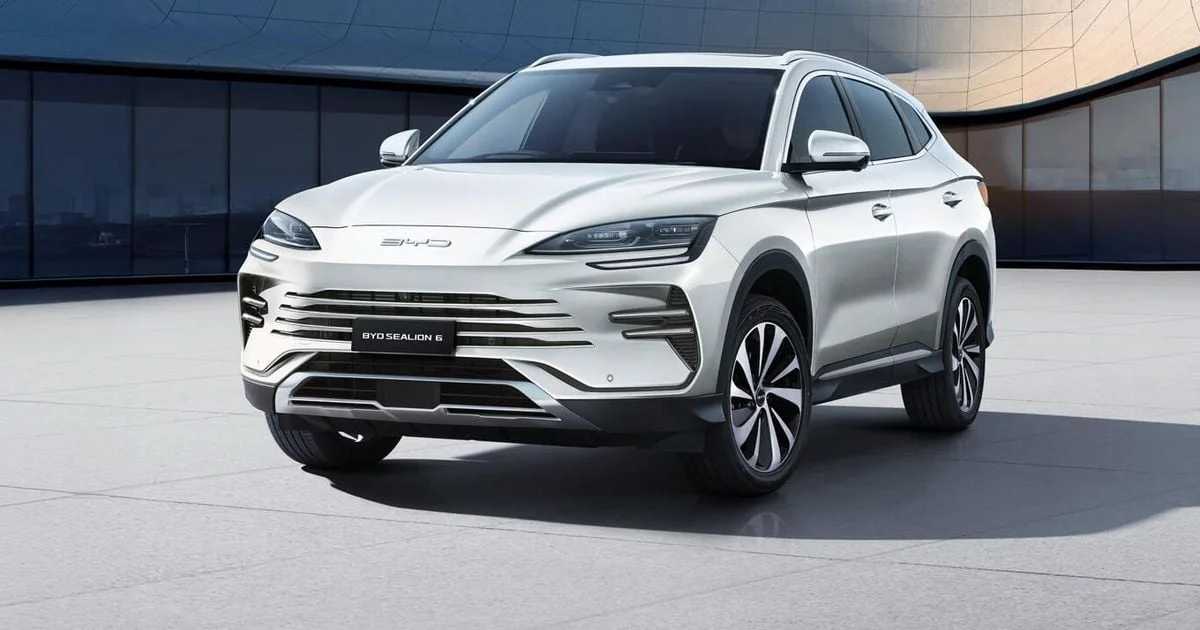
BYD Australia has an offer on the Sealion 6 until 21 December 2026
Offer from BYD Australia, checked 12 Nov 2026
How a plug-in hybrid works
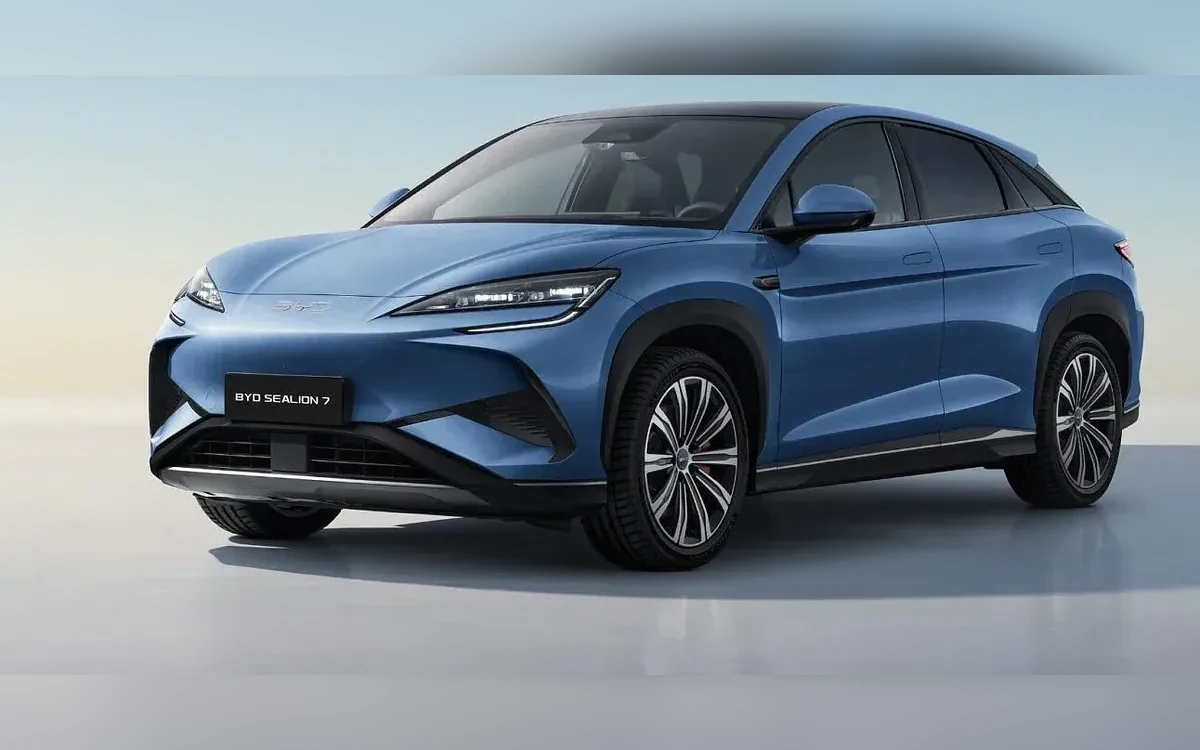
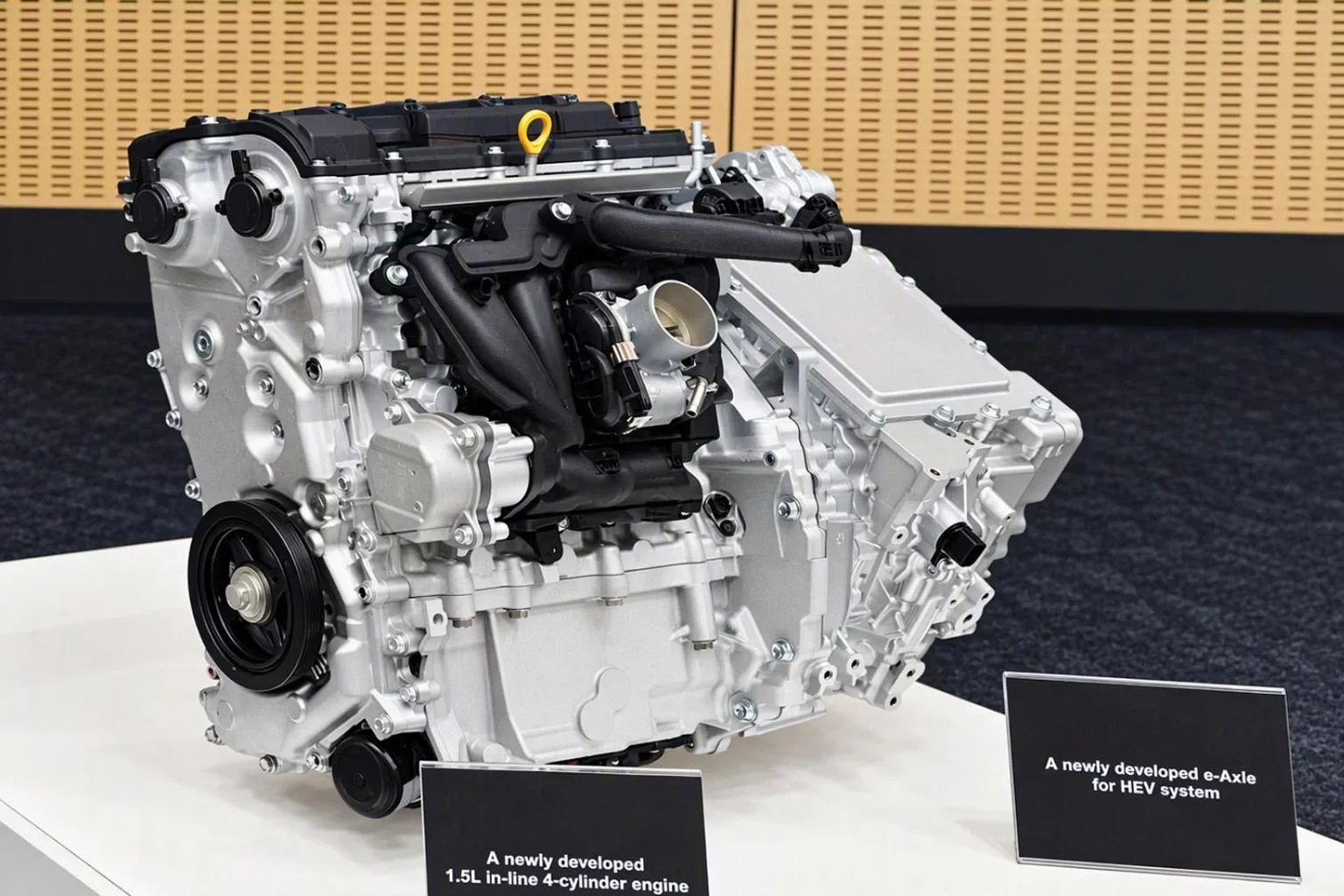
A PHEV has three main parts: a petrol engine (a few use diesel), one or more electric motors, and a battery you charge from the wall. That battery is the difference. A regular hybrid like a Corolla Hybrid carries a small battery that only the engine and braking can top up, so it creeps along on electricity for short bursts. A plug-in hybrid's battery is several times bigger. The BYD Sealion 6 Essential carries 18.3kWh, for example, and the GWM Tank 300 Lux Hi4-T PHEV 37.1kWh.
In daily use the car starts in electric mode and stays there until the battery drops to a reserve it keeps for itself. From then on it behaves like a regular hybrid, with the engine doing the bulk of the work and the motor helping out. Many PHEVs also let you choose a mode: all-electric, hybrid, or a "save" or "charge" mode that holds the battery for later, handy if you want to save electric driving for the suburbs at the end of a highway run. Under hard acceleration many will fire up the engine even with charge left.
How the engine and motors share the job differs a lot by brand. Some send engine power to the wheels through a gearbox; others, like BYD's DM-i system, mostly use the engine to make electricity and only connect it to the wheels at cruising speed. You don't need to know the plumbing to drive one, but it's why two PHEVs with similar batteries can use quite different amounts of fuel once they're running as hybrids.
Range extenders
A range extender (EREV or REEV) is a close cousin. The wheels are driven by the electric motors and the petrol engine acts mainly as an onboard generator. It plugs in and charges like a PHEV, and it has a usable electric range of its own: the Forthing Taikon 5 range extender lists 170km on WLTP and the Leapmotor C10 Hybrid Style (REEV) 145km. We list them with the plug-in hybrids in the table below, marked as range extenders where our row records the car as one.
Electric-only range, and why the test cycle matters
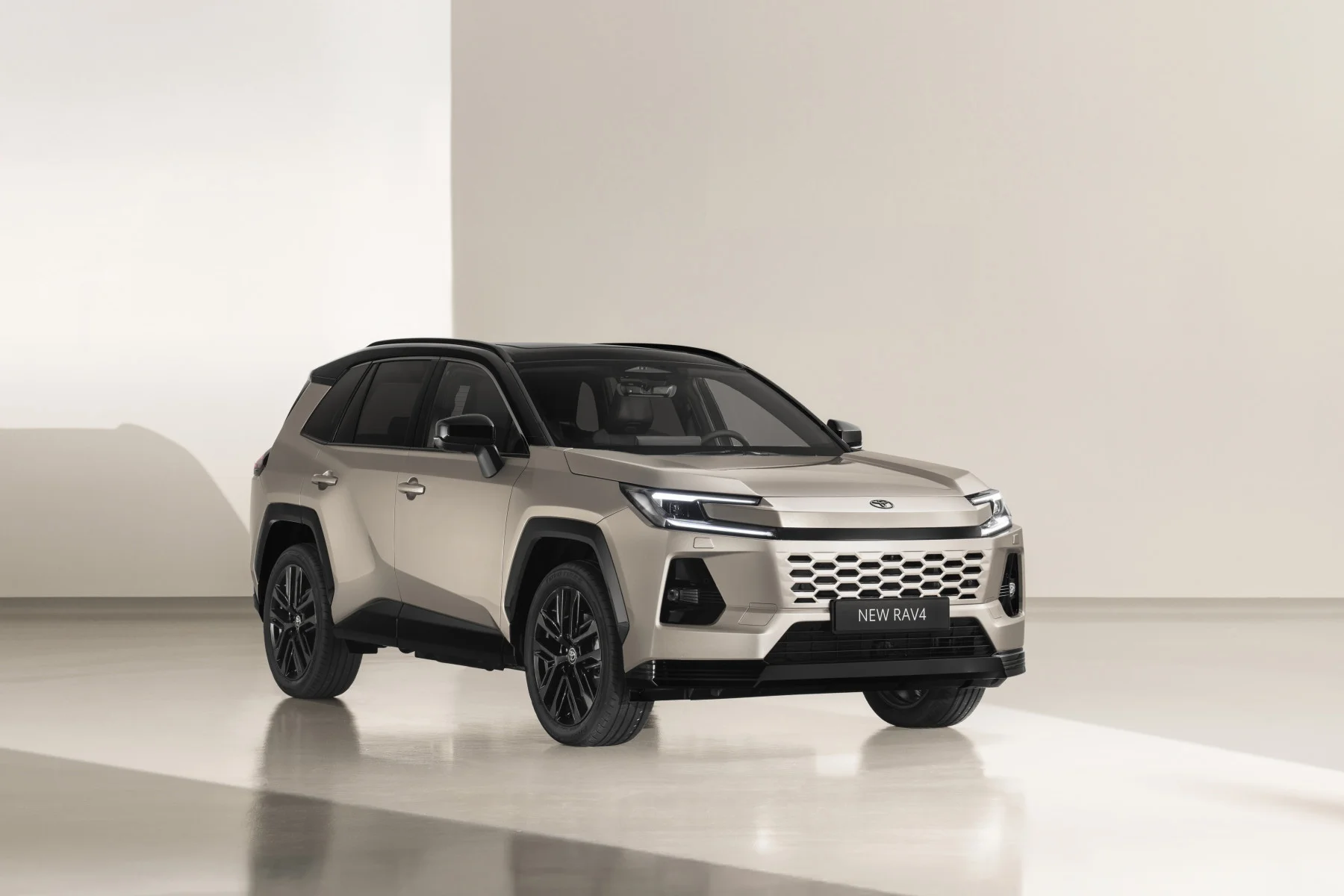
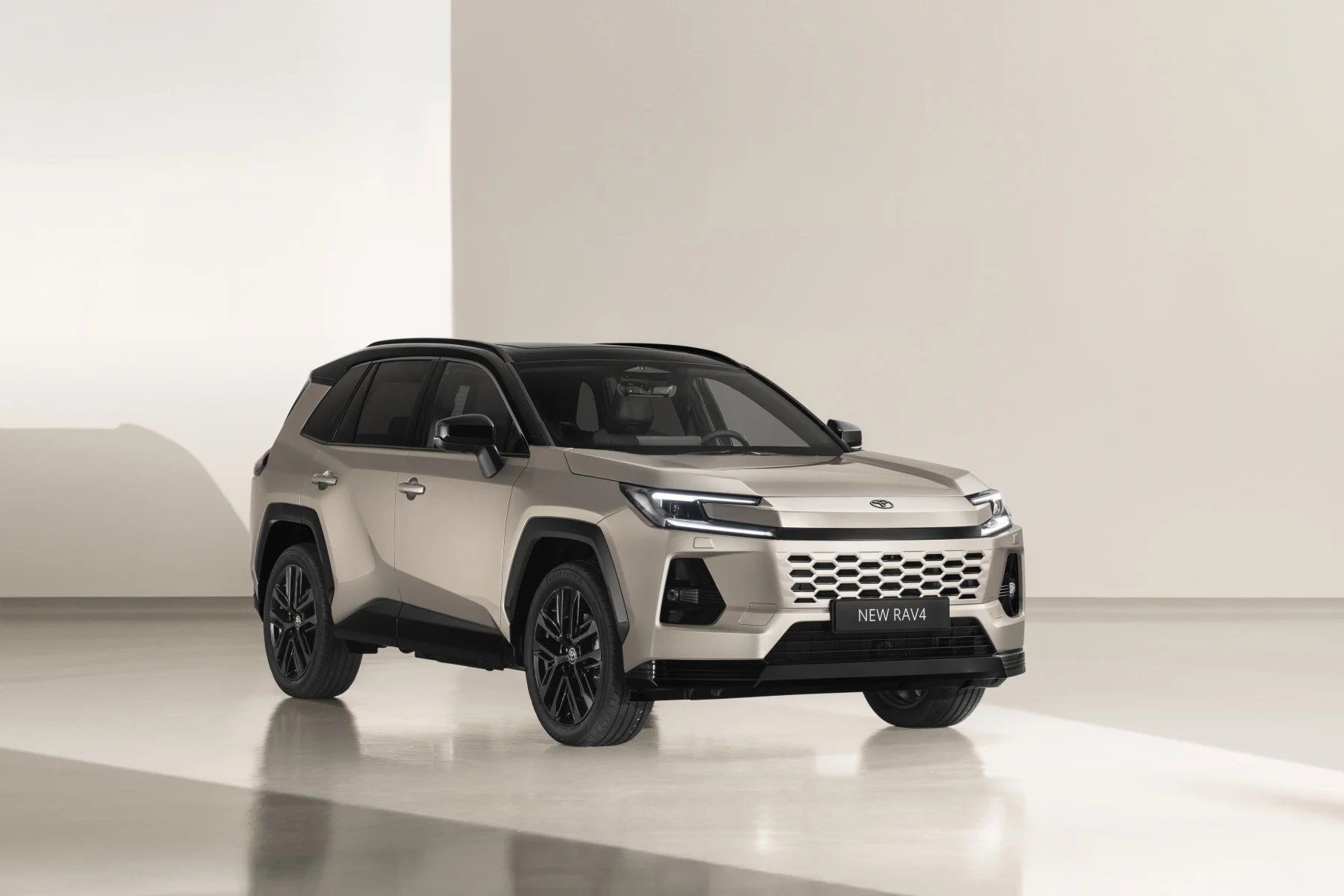
The electric range is how far the car can go on a full battery before the engine has to run. Most plug-in hybrids on sale here quote somewhere between about 50 km and 150 km. The BYD Seal 6 Essential Sedan lists 55km, the Sealion 6 Essential 92km and the Toyota RAV4 XSE PHEV 2WD 154km.
Before comparing those numbers, check which test produced them. Manufacturers quote electric range on different cycles:
- NEDC is the older European cycle. It's gentle, with low speeds and soft acceleration, so it gives a more flattering number than WLTP.
- WLTP replaced it in Europe. It's faster and longer, and reads lower for the same car.
- ADR 81/02 is the Australian fuel label standard. Some manufacturers quote their electric range against it, and it follows the older European method.
So a 100 km NEDC figure and an 80 km WLTP figure might describe much the same real-world distance. Our table keeps each figure next to its cycle and never mixes them in one span, and where the manufacturer doesn't say which test was used, it says so. Real driving takes a further bite: motorway speeds, air-con on a hot day, a full load, a trailer and a cold morning each shorten it.
Our take: work out your usual day's driving and pick a car whose real electric range covers it with room to spare. If your round trip is 40 km, a 55 km car will cover a typical day on electricity. If it's 90 km, it won't.
Ways to buy
Quotes on 4 cars; the comparison covers 6.
Compare 6Finance
From ≈$139/wk(≈$601/mo)
Estimate on the BYD Seal 6 at $34,990 RRP, before on-road costs; assumes $5,000 deposit, 5 yrs at 7.5% p.a. Not a quote or an offer of credit.
Compare real car-loan ratesDriva is an independent finance provider, not part of CarSorted. We aren't paid for this link.
Novated lease
Paid from pre-tax salary with the running costs inside the lease. What it comes to depends on your salary and the term.
Novated lease quoteWork out a lease on the BYD Sealion 6Driva is an independent finance provider, not part of CarSorted. We aren't paid for this link. Opens apply.driva.com.au in a new tab.
The two fuel figures: on the label, and with a flat battery
This is the bit that trips people up. The official combined figure on a plug-in hybrid's fuel label comes from a lab test under ADR 81/02, which runs the car with a charged battery and again with a flat one, then blends the two, weighted by how far the car went on electricity. The longer the electric range, the more the battery-powered part counts. That's why plug-in hybrids certify at numbers like 1 or 2 L/100km.
That label number is fine for comparing one PHEV with another, and it's what the tax rules use. But it doesn't tell you what the car uses once the battery is empty. For that you want the charge-sustaining figure: fuel use when the battery is at its reserve and the car is running as a regular hybrid. Where the manufacturer publishes it, our car pages show it as a second figure under the label one. A few real examples:
| Car | Label (combined) | Battery flat | Electric range | Price |
|---|---|---|---|---|
| BYD Seal 6 Essential Sedan | 1.1 L/100km | 3.6 L/100km | 55km | $34,990 RRP |
| BYD Sealion 6 Essential | 1.1 L/100km | 4.72 L/100km | 92km | $42,990 RRP |
| Mitsubishi Eclipse Cross PHEV ES | 1.9 L/100km | 6 L/100km | 55km | $47,790 RRP |
| GWM Tank 300 Lux Hi4-T PHEV | 1.9 L/100km | 8.3 L/100km | 115km | $57,990 drive-away (VIC) |
| BYD Shark 6 Performance | 1.3 L/100km | 10.5 L/100km | 80km | $62,900 RRP |
Compare these picks side by side
6 of them on 200+ specs, price, safety and running cost in one view.
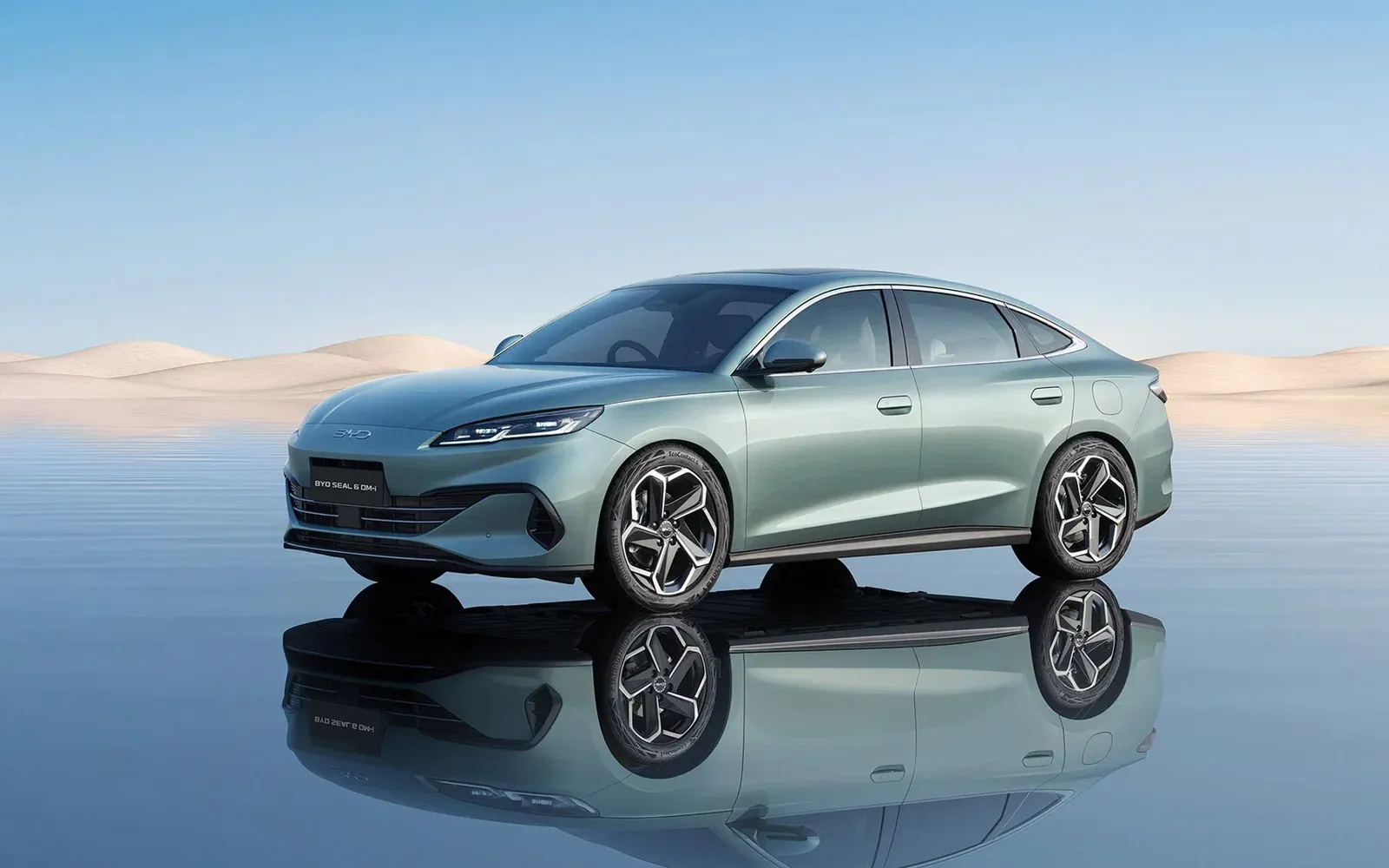
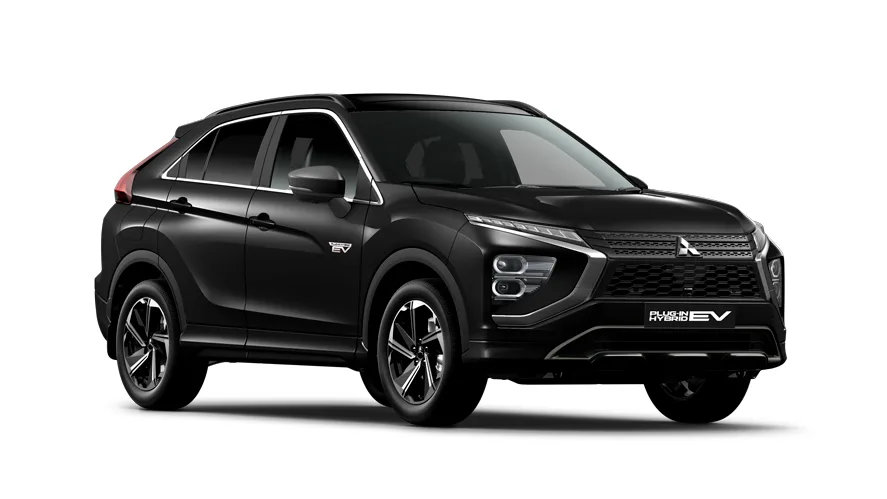
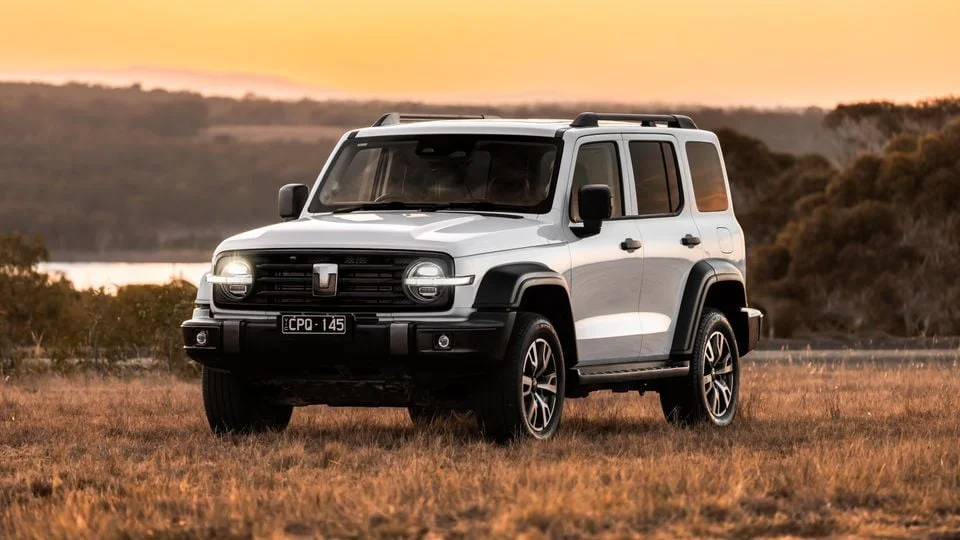
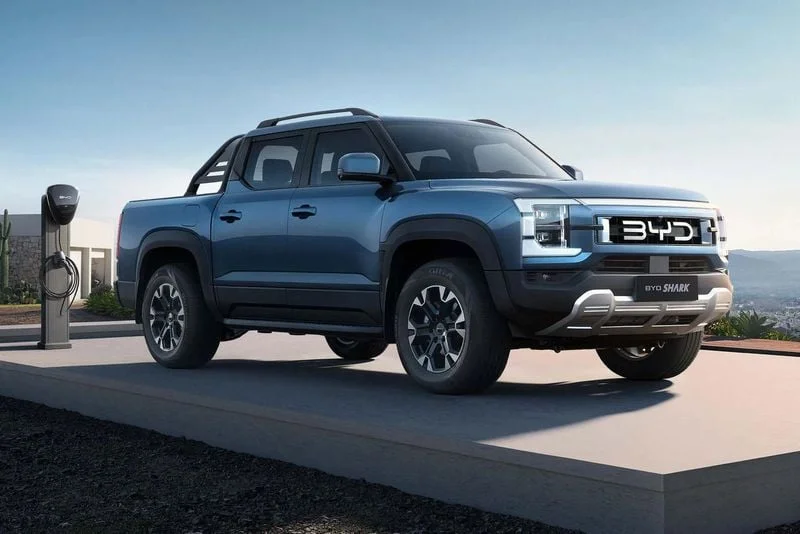
Each price is that car's stored figure with its basis and check date. Driva is an independent finance provider, not part of CarSorted. We aren't paid for this link.
The gap is the whole story. The Sealion 6 Essential is 1.1 L/100km on the label and 4.72 L/100km with the battery flat. The Tank 300 goes from 1.9 L/100km to 8.3 L/100km, and the Shark 6 Performance ute's battery-flat figure is 10.5 L/100km. Neither number is wrong. Your own figure lands somewhere between them depending on how much of your driving happens on a charged battery.
Not every car has the battery-flat figure on our rows yet. On 15 November 2026, 47 of the 162 plug-in hybrid grades we list on sale had one on our rows. Where it's missing, the car page says no data rather than guessing.
Weekly fuel cost at a glance
Put in your own week and see what four plug-in hybrids cost to run. The calculator prices them with the battery not charged, the honest worst case; charging at home brings it down.
- BYD Seal 6 Essential Sedan
$730 a year, rated 3.6 L/100km as a hybrid (charge-sustaining)
$14 a week
Lowest - BYD Sealion 6 Essential
$1,031 a year, rated 4.72 L/100km as a hybrid (charge-sustaining)
$20 a week
- Mitsubishi Eclipse Cross PHEV ES
$1,217 a year, rated 6 L/100km as a hybrid (charge-sustaining)
$23 a week
- GWM Tank 300 Lux Hi4-T PHEV
$1,683 a year, rated 8.3 L/100km as a hybrid (charge-sustaining)
$32 a week
Assumes 20 km each way, 10 trips a week, mild weather and the official combined road mix; unleaded at $1.95/L, premium unleaded at $2.10/L, home charging at 27c/kWh (VIC reference price (Victorian Default Offer, Jemena flat rate (the middle of the five Victorian zones, 25.96c to 31.98c))). Plug-in hybrids are costed with the battery not charged. Fuel only.
Cars in this story
6 cars
Price shown is each car's stored figure with its basis and check date. Images: BYD Australia.
See all BYD modelsCharging a plug-in hybrid
Because the battery is small next to an electric car's, charging is easy to live with. Plenty of owners use the cable that comes with the car in a normal power point, which is slow but fine overnight for a small battery. A wallbox is quicker, up to whatever the car's onboard AC charger accepts: 3.7kW on the Eclipse Cross PHEV ES, 6.6kW on the Sealion 6 Essential and 11kW on the RAV4 XSE PHEV.
DC fast charging is hit and miss. Some plug-in hybrids take it, such as the RAV4 XSE PHEV at up to 50kW and the Sealion 6 Essential at 18kW. Others are AC only. Even where it's fitted, it's rarely worth queuing at a public fast charger for a 60 to 100 km battery when the car runs happily on fuel. For public charging apps, plugs and costs, see our electric car charging guide.
CarSorted
Shortlisting already?
Compare any two side by side or see this month's manufacturer deals. Figures come from manufacturers' own published documents.
When a plug-in hybrid suits
- You can charge at home or work. This is the big one. A PHEV plugged in each night can do a lot of its suburban driving on electricity.
- Your daily driving fits inside the electric range. Short commutes, school runs, local errands.
- You also do long trips or tow. The engine means no charger planning on a country run, and some tow seriously: the Tank 300 Lux Hi4-T PHEV is rated to 3,000kg braked and the Shark 6 Performance to 3,500kg. Expect the battery-flat fuel figure, or worse, with a trailer on.
- You want to try electric driving without committing. A plug-in hybrid lets you see how charging fits your week.
If you can't charge at home and mostly drive long distances, a regular hybrid is usually the simpler, lighter and cheaper choice. If you can charge at home and rarely go far, a fully electric car may cost less to run. Our EV vs hybrid running-cost comparison puts numbers on that.
The honest downsides
- Weight. Two drivetrains and a big battery add up. The Tank 300 Lux Hi4-T PHEV has a 2,615kg kerb weight, which eats into payload and shows in fuel use once the battery is flat.
- Real economy depends on you. Never plug in, and you're paying for a battery you don't use.
- Two systems to look after. An engine still needs oil changes and servicing, plus the high-voltage battery and charging hardware. Check the capped-price servicing and the battery warranty on each car page.
- Packaging. The battery has to go somewhere. Some PHEVs have a smaller boot, a smaller fuel tank or a raised floor compared with the petrol version of the same car.
- Cost. A plug-in hybrid usually costs more than the hybrid or petrol version of the same model, and it takes a lot of charged kilometres to earn that back.
- Tax. The FBT exemption no longer covers plug-in hybrids that weren't already in use before 1 April 2025 (see below).
Batteries are covered by their own warranty, usually longer than the car's. What it promises, and how capacity is measured, is in our EV batteries guide.
Tax: FBT and luxury car tax
FBT and luxury car tax rules for plug-in hybrids current as of 15 November 2026
Thresholds, rebates and rules on this page change each financial year. We check them against the ATO, but always confirm the current position with the relevant authority before you sign. This page is general information, not tax or financial advice.
FBT. Plug-in hybrids used to be exempt from fringe benefits tax on a novated lease, like electric cars. From 1 April 2025 they no longer count as low-emissions cars for FBT. One that was already in use, and exempt, before that date keeps the exemption while a financially binding commitment made before then runs. An optional extension doesn't count, and a plug-in hybrid ordered before then but not delivered in time doesn't qualify. Battery-electric cars under the fuel-efficient luxury car tax threshold still qualify. Our FBT-exempt cars guide has the detail.
Luxury car tax. A car whose combined label figure is 3.5 L/100km or less is measured against the higher fuel-efficient LCT threshold, $91,661 for 2026-27, instead of $80,809. On our rows on 15 November 2026, 142 of the 150 plug-in hybrid grades with a combined figure certified at or under 3.5 L/100km. The luxury car tax explainer shows how the tax is worked out.
Shopping for a plug-in hybrid? Get the price moves as they land
Australia's free car comparison site. One email a week: verified price moves, new models and the figures that changed. Unsubscribe anytime.
Every plug-in hybrid on sale in Australia
Here's every plug-in hybrid and range extender we list as on sale, one line per model. The price is the cheapest grade's, read from that grade's row each day, and the range column is the electric-only span across the model's grades with the test cycle beside it. Tap a model to see its grades, specs and both fuel figures. A handful of models show No data for electric range: we only print a figure once the manufacturer has published it and it's on our row, and we never fill the gap with a guess or an overseas number.
Every plug-in hybrid on sale in Australia,
live from our rows: 75 models, 162 grades from 31 brands
| Model | Cheapest grade | From | Electric-only range (test cycle) | Grades |
|---|---|---|---|---|
| BYD Sealion 5SUV | Essential | $33,990 RRP | 71 km NEDC100 km cycle not stated | 2 |
| BYD Seal 6Sedan | Essential Sedan | $34,990 RRP | 55 to 100 km cycle not stated | 2 |
| Chery Tiggo 7 Super HybridSUV | Urban | $36,478 est. drive-away (VIC 3000) | 93 km NEDC | 2 |
| Forthing Taikon 5SUV, range extender | Range Extender Hybrid Luxury | $36,990 drive-away (VIC) | 170 km WLTP | 2 |
| Geely Starray EM-iSUV | Complete | $37,490 RRP | 130 to 136 km WLTP83 km cycle not stated | 4 |
| Jaecoo J7 SHSSUV | Track 2WD | $39,990 drive-away (VIC) | 90 km WLTP80 to 100 km NEDC | 5 |
| BYD Sealion 6SUV | Essential | $42,990 RRP | 92 to 140 km NEDC | 3 |
| Leapmotor C10SUV | Hybrid Style (REEV) | $43,888 RRP | 145 km cycle not stated | 2 |
| GWM Haval H6SUV | Lux PHEV | $44,990 drive-away (VIC) | 100 km NEDC106 km cycle not stated | 3 |
| Chery Tiggo 8 Super HybridSUV | Urban | $46,898 est. drive-away (VIC 3000) | 95 km NEDC | 2 |
| Mitsubishi Eclipse Cross PHEVSUV | ES | $47,790 RRP | 55 km cycle not stated | 3 |
| MG HSSUV | Excite Super Hybrid | $48,990 RRP | 120 km WLTP | 2 |
| JAC Hunter PHEVUte | Pro PHEV | $49,988 RRP | 100 km NEDC | 2 |
| GWM Haval H7SUV | Lux PHEV | $49,990 drive-away (VIC) | No data | 2 |
| GWM CannonUte | Lux Hi4-T PHEV | $50,990 drive-away (VIC) | 115 km NEDC | 2 |
| GWM Haval H6GTSUV | Ultra PHEV AWD | $54,990 drive-away (VIC) | 183 km cycle not stated | 1 |
| BYD Shark 6Ute | Dynamic Cab-Chassis | $55,900 RRP | 80 km WLTP100 km NEDC | 3 |
| Mazda CX-60SUV | P50e Pure | $56,640 RRP | 76 km cycle not stated | 4 |
| BYD Sealion 8SUV | Dynamic FWD | $56,990 RRP | 103 to 152 km NEDC | 3 |
| GWM Cannon AlphaUte | Lux PHEV | $57,490 drive-away (VIC) | 115 km NEDC | 2 |
| GWM Tank 300SUV | Lux Hi4-T PHEV | $57,990 drive-away (VIC) | 115 km NEDC | 2 |
| Chery Tiggo 9 Super HybridSUV | Elite | $58,274 est. drive-away (VIC 3000) | 90 to 170 km cycle not stated | 2 |
| Toyota RAV4SUV | XSE PHEV 2WD | $58,840 RRP | 144 to 154 km NEDC | 3 |
| Jaecoo J8SUV | SHS Summit AWD | $59,990 RRP | 169 km NEDC | 1 |
| Skoda KodiaqSUV | Select Plug-in Hybrid | $59,990 drive-away (VIC) | 110 km WLTP | 1 |
| BYD M9People Mover | Dynamic | $61,990 RRP | 80 to 145 km WLTP | 2 |
| Omoda 9SUV | SHS Virtue AWD | $61,990 RRP | 169 km cycle not stated | 2 |
| Volkswagen TayronSUV | 150TSI eHybrid Elegance | $61,990 drive-away (VIC) | 116 km cycle not stated | 2 |
| Volkswagen TiguanSUV | 150TSI eHybrid Elegance | $63,990 drive-away (VIC) | 115 to 117 km cycle not stated | 2 |
| Skoda SuperbWagon | Wagon Select PHEV | $66,990 drive-away (VIC) | 125 km WLTP | 1 |
| Ford Transit CustomVan | PHEV Trend LWB Van | $67,890 RRP | 53 km WLTP | 2 |
| Mazda CX-80SUV | P50e Touring | $68,100 RRP | 65 km cycle not stated | 3 |
| CUPRA FormentorSUV | VZe | $68,990 RRP | 58 km WLTP | 1 |
| CUPRA Leon SportstourerWagon | VZe | $69,990 RRP | 119 km WLTP | 1 |
| Kia SorentoSUV | S PHEV AWD | $71,130 RRP | 55 to 57 km cycle not stated | 4 |
| GWM Tank 500SUV | Ultra Hi4-T | $72,490 RRP | 120 km NEDC | 1 |
| Denza B5SUV | Base | $74,990 RRP | 90 km cycle not stated | 2 |
| GAC M8People Mover | PHEV Premium | $76,590 RRP | 106 km cycle not stated | 2 |
| CUPRA TerramarSUV | VZe | $77,990 RRP | 110 km WLTP | 1 |
| Alfa Romeo TonaleSUV | Plug-In Hybrid Q4 | $78,500 RRP | 59 km cycle not stated | 1 |
| BMW X1SUV | xDrive25e | $79,900 RRP | No data | 1 |
| Volvo XC60SUV | Plus T8 Recharge | $84,200 RRP | 89 km cycle not stated | 2 |
| Lexus NXSUV | NX450h+ Luxury | $84,500 RRP | 87 km cycle not stated | 2 |
| Audi A5Sedan | e-hybrid quattro 270 kW Sedan | $89,900 RRP | 95 km ADR 81/0297 km cycle not stated | 2 |
| Denza B8SUV | 7S | $91,000 RRP | 100 km cycle not stated | 2 |
| Audi Q5SUV | e-hybrid quattro 270 kW SUV | $96,900 RRP | 82 km cycle not stated | 1 |
| Audi Q5 SportbackSUV | e-hybrid quattro 270 kW | $98,320 RRP | 92 km cycle not stated | 1 |
| Land Rover Range Rover EvoqueSUV | Autobiography P300e | $101,900 RRP | 62 km WLTP | 1 |
| BMW X3SUV | 30e xDrive | $106,300 RRP | 91 km cycle not stated | 1 |
| Mercedes-Benz C-ClassSedan | C350e | $107,553 drive-away (VIC) | 104 km NEDC13 km cycle not stated | 2 |
| Mercedes-Benz GLCSUV | GLC350e 4MATIC | $115,900 RRP | 14 to 112 km cycle not stated | 2 |
| Land Rover Range Rover VelarSUV | Dynamic SE P400e | $125,511 RRP | 69 km cycle not stated | 2 |
| Volvo XC90SUV | Ultra T8 Recharge Dark | $130,990 RRP | 77 km cycle not stated | 1 |
| Land Rover Defender 110SUV | X-Dynamic SE PHEV | $131,100 RRP | 44 to 50 km cycle not stated | 4 |
| Volkswagen TouaregSUV | R eHybrid | $133,490 RRP | 51 km cycle not stated | 1 |
| BMW X5SUV | xDrive50e | $149,900 RRP | 101 km cycle not stated | 1 |
| Audi Q8SUV | 60 TFSI e quattro PHEV | $154,284 RRP | 45 km cycle not stated | 1 |
| Mercedes-Benz GLESUV | GLE450e 4MATIC | $168,205 drive-away (NSW) | No data | 1 |
| Audi RS5Sedan | RS 5 Sedan | $179,900 RRP | 76 to 78 km ADR 81/02 | 2 |
| Land Rover Range Rover SportSUV | Dynamic HSE P460e | $190,545 RRP | 118 km WLTP | 4 |
| Mercedes-Benz E-ClassSedan | E53 AMG 4MATIC+ | $199,900 RRP | 100 km cycle not stated | 1 |
| BMW M5Sedan | Sedan | $259,900 RRP | 65 to 67 km cycle not stated | 2 |
| BMW XMSUV | Label | $309,900 RRP | 76 km cycle not stated | 1 |
| Land Rover Range RoverSUV | HSE P460e (MY27) | $309,972 drive-away (VIC) | 126 km NEDC | 3 |
| Aston Martin ValhallaCoupe | Grade not named yet | no price on record | 11 km ADR 81/02 | 1 |
| Bentley Continental GTSedan | Speed | no price on record | 80 to 81 km cycle not stated | 2 |
| Bentley Continental GTCConvertible | Speed | no price on record | 81 to 82 km cycle not stated | 2 |
| Bentley Flying SpurSedan | V8 | no price on record | 76 to 80 km cycle not stated | 4 |
| Ford RangerUte | PHEV XL | no price on record | No data | 3 |
| Jaguar F-PACESUV | R-Dynamic SE 90th Anniversary Edition P400e | no price on record | No data | 1 |
| Land Rover Discovery SportSUV | Landmark P300e (MY26.5) | no price on record | 66 km ADR 81/02 | 1 |
| Leapmotor B10SUV | Style Hybrid EV | no price on record | 84 km cycle not stated | 2 |
| Mitsubishi Outlander PHEVSUV | ES AWD 5 Seats | no price on record | 103 km ADR 81/02 | 4 |
| Porsche CayenneSUV | E-Hybrid | no price on record | 79 to 88 km cycle not stated | 10 |
| Porsche PanameraSedan | 4 E-Hybrid | no price on record | 92 to 96 km cycle not stated | 4 |
Read from our rows on each daily refresh (first written 15 November 2026). Cheapest first by the price each car's page leads with: the manufacturer's list price (RRP) where we hold one, otherwise its drive-away price, so the order mixes two measures and each price carries its own label. Range is the span across the model's grades, kept apart by test cycle; WLTP and NEDC figures are not comparable. "No data" means we don't hold the figure yet, not that the car lacks it. 11 models have no price on record.
Want a shortlist rather than the whole list? Our best plug-in hybrid SUVs, best Chinese plug-in hybrids and plug-in hybrid utes guides pick one per question, and you can put any two side by side in the compare tool.
Compare what's on sale now
Head-to-heads with the cars this story is about and their closest rivals on sale now, plus the buying guides that cover them.
- BYD Sealion 6 vs Toyota RAV4
- BYD Sealion 6 vs Leapmotor C10
- Mitsubishi Eclipse Cross PHEV vs Toyota RAV4
- BYD Shark 6 vs GWM Cannon Alpha
- Toyota RAV4 vs Subaru Forester
- Leapmotor C10 vs Mazda CX-60
- Leapmotor C10 vs Volkswagen Tiguan
- BYD Sealion 6 vs Jaecoo J7 SHS
Buying guides
- Best Plug-in Hybrid SUVs in Australia 2027: One Winner Per Question
- Best Plug-In Hybrid (PHEV) Utes in Australia 2026: Cannon Alpha vs Shark 6 vs Ranger
- Best Hybrid Cars in Australia 2027: One Winner Per Question
- Best Chinese PHEVs in Australia 2026
Or pick any two cars on our compare page, or browse the full car directory.
MORE:Is the BYD Atto 1 Really the Cheapest Car to Run? What the Running-Cost Numbers Assume
MORE:VFACTS October 2026: HiLux Tops 103,325 Sales, BYD Is the No. 2 Brand and EVs Take 23.1%
MORE:Hyundai Kona Hybrid BLK Edition: $42,600, With Bose Audio and a Digital Dash Over the Elite
Shopping for a hybrid now?
The facts, side by side. Your decision.
Free, and no obligation. We reply by email, and one dealership near you can reply too.