CarSorted Verdict:
- What it is: a battery electric vehicle (BEV) runs only on a battery you charge from the grid. No engine, no fuel tank, no exhaust.
- Charging: mostly at home overnight, from a power point or a wallbox, with DC fast chargers for long trips.
- Range: the middle electric grade we list is rated at 487 km on the WLTP test (15 November 2026). Expect less at highway speed and in the heat.
- Running costs: charged at home, roughly a third of the per-kilometre cost of a similar petrol car in our worked example below.
- Trade-offs: higher prices than petrol equivalents in many classes, charging is harder without off-street parking, and long trips need some planning.
- The list: every electric car on sale in Australia, with its cheapest grade and range, is at the end of this page.
EV gets used for a lot of things these days, so let's be precise. In this guide an EV means a battery electric vehicle, or BEV: a car that runs only on electricity from a battery you plug in to charge. There's no petrol engine hiding anywhere. If a car has a fuel tank as well as a plug, it's a plug-in hybrid, and we've explained those separately in What is a PHEV?
Below we go through how an electric car actually works, how charging works at home and on the road, what the range figure means, what it costs to run, and the honest downsides. Then there's the full list of every electric car on sale in Australia, read live from our directory, with each model's cheapest grade and its range.
BEV, hybrid, plug-in hybrid: the family at a glance
The labels overlap, which is where a lot of the confusion starts. Here's how the four types of electrified car differ, from no plug to plug only.
Electrified cars, compared,
how each type is powered and refuelled
| Type | Engine? | Plug in? | Drives on electricity alone |
|---|---|---|---|
| Hybrid (HEV) | Yes, petrol | No | Only briefly, at low speed |
| Plug-in hybrid (PHEV) | Yes, usually petrol | Yes | Usually 50 to 150 km, then the engine joins in |
| Range extender (EREV) | Yes, working as a generator | Yes | The motors drive the wheels; the engine makes electricity |
| Battery electric (BEV) | No | Yes, it's how you refuel | Yes, for its full range |
Mild hybrids (a 48-volt starter-generator on a petrol engine) are left out: they can't drive on electricity alone.
 Reference image
CarSorted
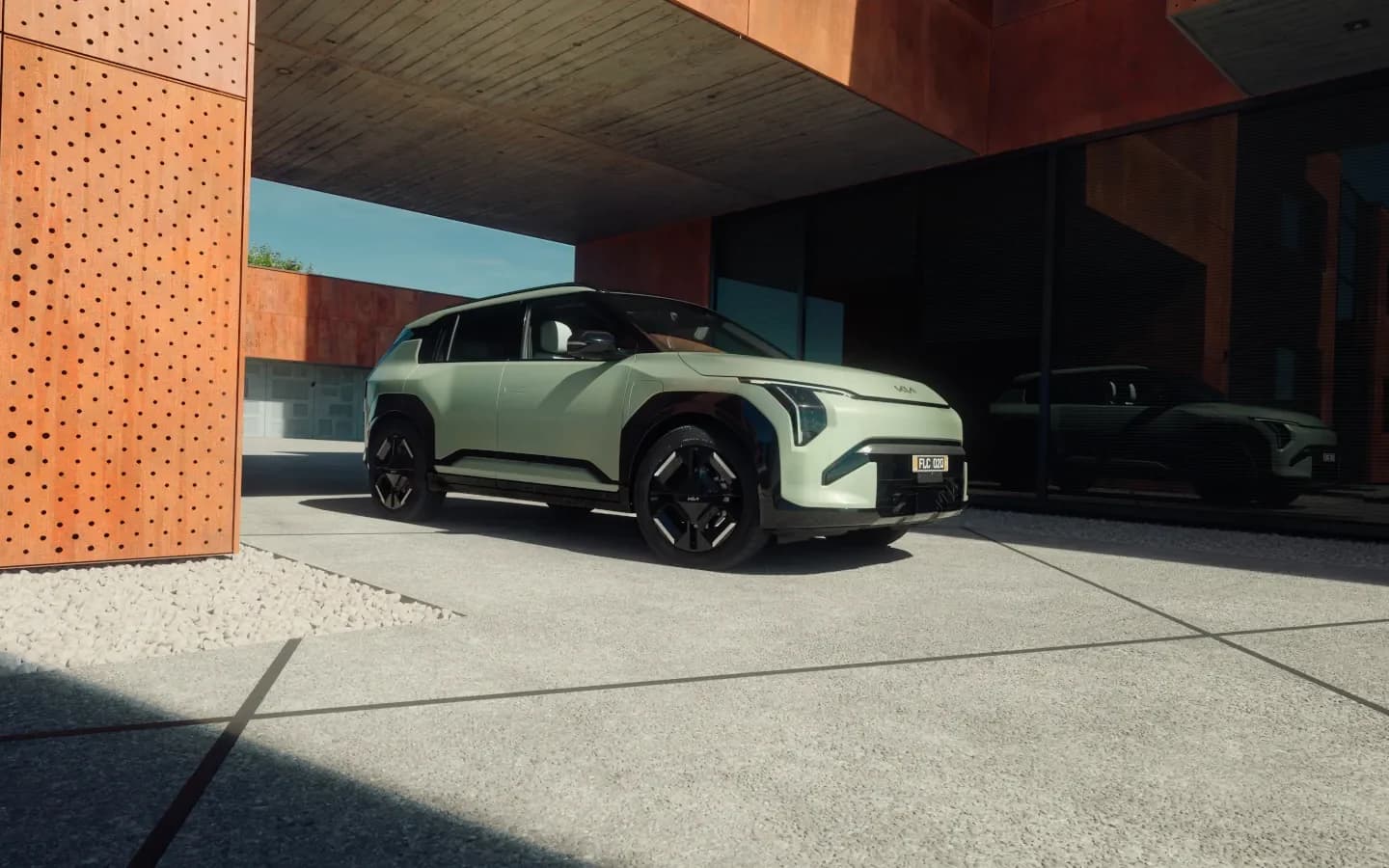
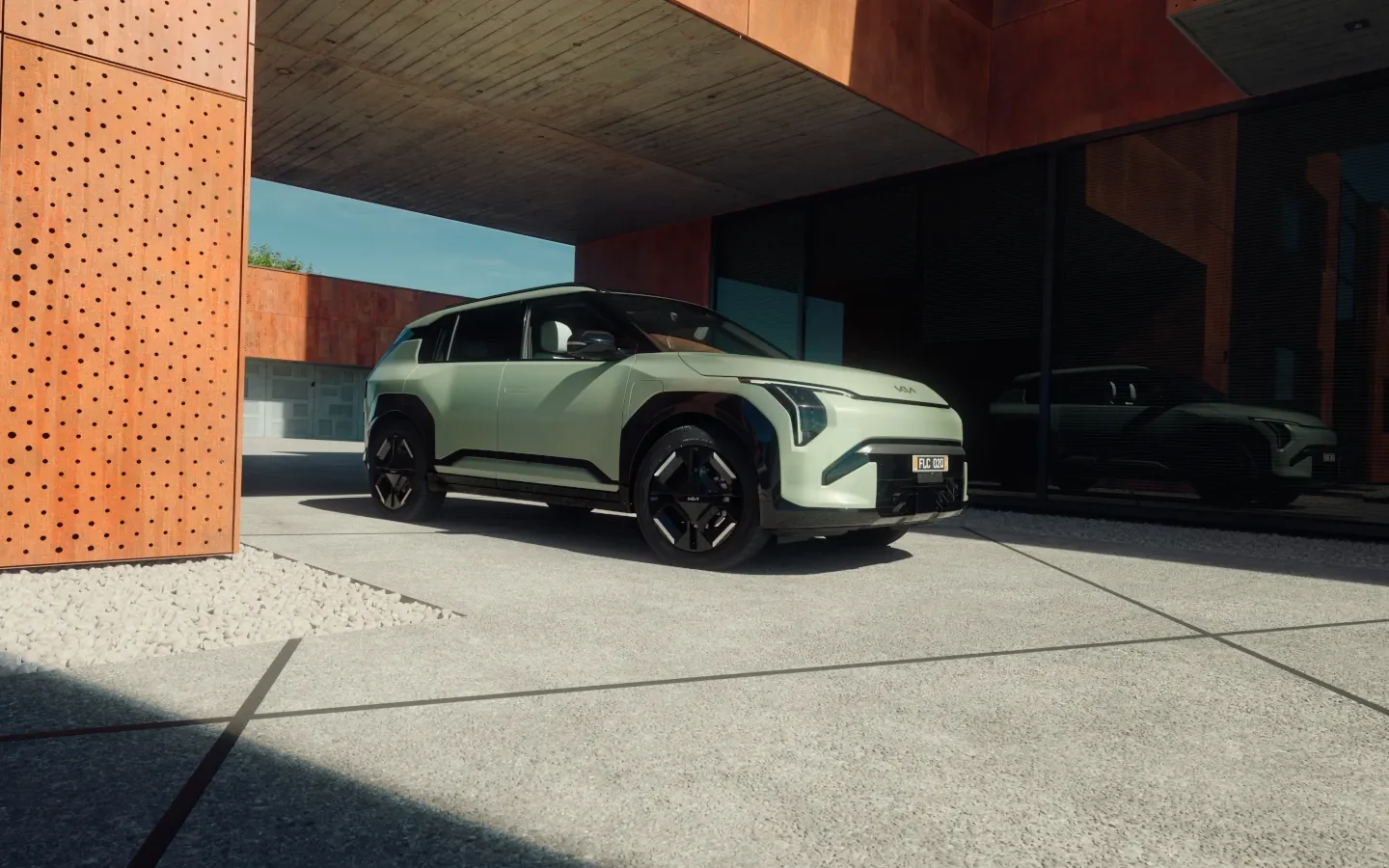
Get a price on the Kia EV5
Free, and no obligation.
How an electric car works
Strip away the screens and an EV is surprisingly simple. A large battery pack, usually laid flat under the floor, stores energy. An inverter turns the battery's direct current into the alternating current the electric motor uses, and the motor turns the wheels through a single fixed gear. There's no gearbox shifting, no clutch, no oil changes for an engine, and no exhaust.
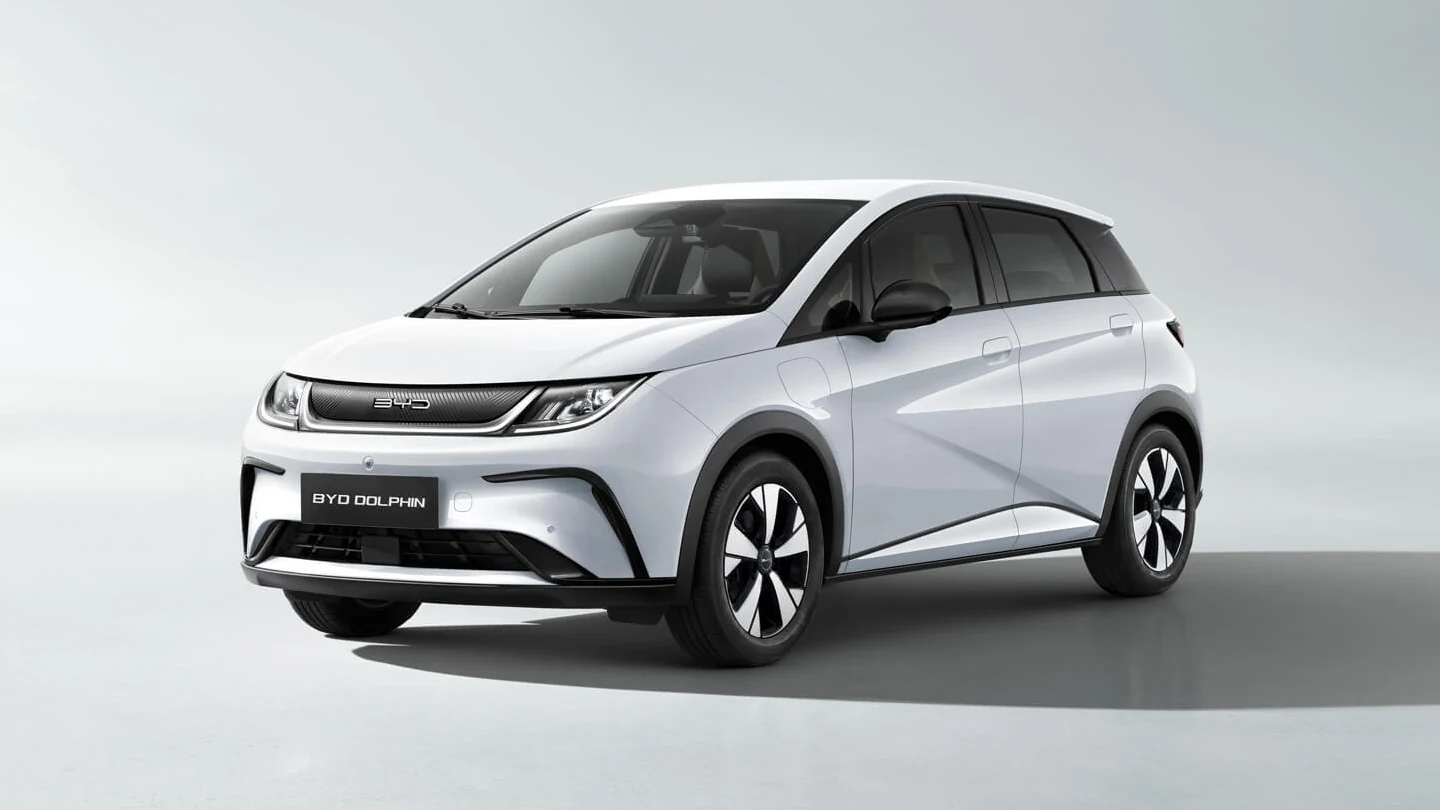
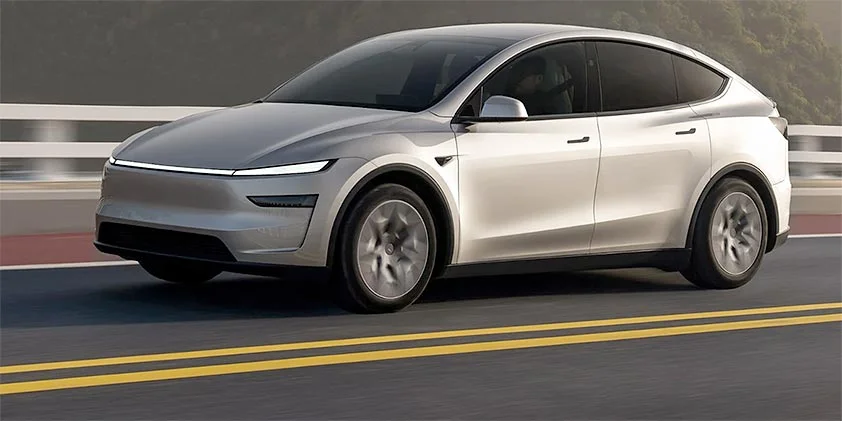
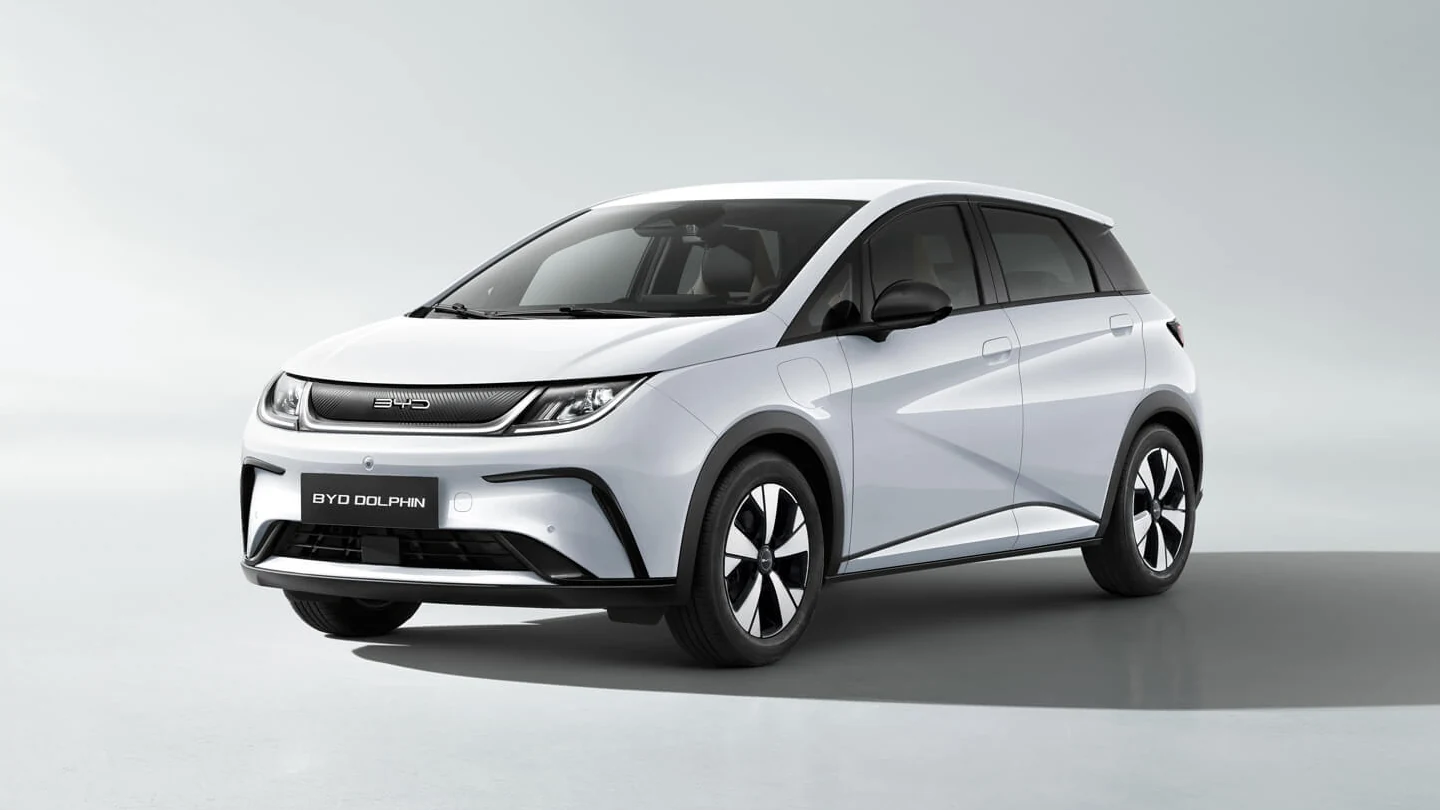
Battery size is measured in kilowatt-hours (kWh), the electric version of a fuel tank's litres. The BYD Dolphin Essential, a small hatch, has 44.9kWh usable, while a mid-size SUV like the Tesla Model Y RWD has 57.5kWh. How far that goes depends on efficiency, measured in kWh per 100 km, the electric version of litres per 100 km.
Two things feel different from behind the wheel. First, an electric motor delivers its pulling power instantly, so even modest EVs feel quick away from the lights. Second, lifting off the accelerator turns the motor into a generator that slows the car and puts energy back in the battery. That's regenerative braking, and many EVs let you set it strong enough to drive in traffic with one pedal. And there's no idling: sitting in a queue uses very little.
Our take: the simplicity is the point. Fewer moving parts means fewer things to service, though an EV still has brakes, tyres, suspension, a 12-volt battery, coolant and cabin filters that need looking after.
Compare these picks side by side
5 of them on 200+ specs, price, safety and running cost in one view.
Each price is that car's stored figure with its basis and check date. Driva is an independent finance provider, not part of CarSorted. We aren't paid for this link.
Charging at home
Day to day, the easiest charging happens where the car sleeps. Think of it like a phone: plug in at night, wake up with a full battery. There are three common ways to do it.
- A standard power point. The portable cable that comes with many cars plugs into a normal 10-amp socket and draws around 2 kW. That's slow, roughly 10 to 15 km of range an hour, but 10 hours overnight can cover a typical day's commute.
- A single-phase wallbox. A fixed charger wired in by an electrician, usually around 7 kW, adding about 40 km of range an hour. A 60 kWh battery goes from 10 to 100 per cent in about eight hours; bigger batteries take longer, though you rarely start from nearly empty.
- A three-phase wallbox. If your home has three-phase power, an 11 kW charger cuts the time by about a third, but only if the car's onboard charger accepts 11 kW. The Dolphin Essential's onboard charger takes 7kW, while the Model Y RWD takes 11kW.
That last point catches people out: the car, not the wall, decides the top AC charging speed. Plugging a 7 kW car into an 11 kW charger still charges at 7 kW. If you have rooftop solar, charging in the middle of the day on a sunny weekend or work-from-home day can cost very little, and some wallboxes can follow your solar output automatically.
Renting, in an apartment, or parking on the street? Home charging gets harder, and that's a real practical hurdle for a lot of buyers. Some strata buildings now install shared chargers, and workplace charging helps, but if you'll rely on public chargers, factor that into both convenience and cost.
Charging times: Tesla Model Y RWD
Charging on the road
Public charging comes in two flavours. AC posts at shopping centres, councils and hotels charge at about the same speed as a home wallbox. They're handy for topping up while you do something else, and some need you to bring your own Type 2 cable.
DC fast chargers feed the battery directly and are what you use on a road trip. They range from older 50 kW units to 350 kW sites, but again the car sets the ceiling: most electric cars we list can accept 150 kW or more at their peak, while some small cars top out well under 100 kW. Charging is quickest when the battery is low and slows down sharply above about 80 per cent, which is why manufacturers quote 10 to 80 per cent times and why it usually pays to stop at 80 and move on.
Australia's fast chargers are run by several networks, each with its own app or account, including Chargefox, Evie, Tesla's Superchargers (many are open to other brands), NRMA, Ampol AmpCharge and bp pulse. Prices are set per kWh or per minute by each operator and change often, so check in the app before you plug in. New EVs sold here use the CCS2 plug for fast charging, Teslas included. Our EV charging guide and road-trip guide go deeper on networks, cables and apps.
Ways to buy
Quotes on 4 cars; the comparison covers 5.
Compare 5Finance
From ≈$116/wk(≈$501/mo)
Estimate on the BYD Dolphin at $29,990 RRP, before on-road costs; assumes $5,000 deposit, 5 yrs at 7.5% p.a. Not a quote or an offer of credit.
Compare real car-loan ratesDriva is an independent finance provider, not part of CarSorted. We aren't paid for this link.
Novated lease
Electric, with an RRP under the $91,661 fuel-efficient LCT threshold (2026-27): under the ATO's electric cars exemption a novated lease of an eligible electric car attracts no FBT if luxury car tax was never payable on it. The benefit is still reportable.
Novated lease quoteWork out a lease on the Kia EV5Driva is an independent finance provider, not part of CarSorted. We aren't paid for this link. Opens apply.driva.com.au in a new tab.
Range: what the number on the brochure means
The range you see quoted for a new electric car in Australia is nearly always its WLTP figure, a standard laboratory test also used in Europe: 295 of the 326 electric grades we listed on sale on 15 November 2026 carried one. It's a fair way to compare one car with another. Of those 295, the middle one is rated at 487 km, and 250 at 400 km or more. Some cars quote an older NEDC figure instead, which reads higher for the same car, so don't compare a WLTP number with an NEDC one.
The table at the end of this page labels the test cycle beside every range.
Real-world range moves around more than a petrol car's does, because an EV wastes so little energy that small things show up. Expect less than the WLTP figure when:
- You sit at 100 to 110 km/h. Air resistance rises fast with speed, and there's no city stop-start to recover energy from.
- It's very hot or cold. The air-con, and in winter the cabin and battery heating, draw from the same battery.
- You tow or load up. A caravan can cut range dramatically, often by close to half, so tow ratings and range need to be read together.
In town the opposite can happen: low speeds and regenerative braking mean some EVs beat their rated range on a commute. Our range estimator shows how speed and temperature change a car's figure.
Cars in this story
5 cars
Price shown is each car's stored figure with its basis and check date. Images: Kia Australia, BYD Australia.
See all Kia modelsRunning costs: a worked example
The big saving is energy. Here are two mid-size SUVs from the same brand, worked out the way our car pages do it: the official consumption figure, 30c per kWh for home charging, $1.95 a litre for regular unleaded, and 15,000 km a year.
Energy cost: electric vs petrol,
worked from each car's official figure; home charging, regular unleaded
| Car | Official use | Per 100 km | Per year (15,000 km) |
|---|---|---|---|
| Kia EV5 Air Standard Range FWD (electric) | 18.2kWh | $5.46 | $819 |
| Kia Sportage S FWD Petrol | 8.1 | $15.79 | $2,369 |
Energy only, not servicing, insurance or registration. Public fast charging costs more per kWh than home charging, so a car charged mostly in public saves less, and daytime solar charging saves more.
Weekly fuel cost at a glance
Put in your own week and electricity rate. The calculator prices the same driving in the EV5, Model Y and Dolphin against the petrol Sportage.
- Kia EV5 Air Standard Range FWD
$520 a year, rated 18.2 kWh/100km (stored figure)
$10 a week
- Tesla Model Y RWD
$397 a year, rated 13.9 kWh/100km (stored figure)
$8 a week
Lowest - BYD Dolphin Essential
$434 a year, rated 15.2 kWh/100km (stored figure)
$8 a week
- Kia Sportage S FWD Petrol
$1,656 a year, rated 11 L/100km urban, 6.5 extra-urban, 8.1 combined (ADR 81/02)
$32 a week
Assumes 20 km each way, 10 trips a week, mild weather and the official combined road mix; unleaded at $1.95/L, home charging at 27c/kWh (VIC reference price (Victorian Default Offer, Jemena flat rate (the middle of the five Victorian zones, 25.96c to 31.98c))). Plug-in hybrids are costed with the battery not charged. Fuel only.
Beyond energy, servicing is usually simpler and cheaper, with longer gaps between visits on many models, though it still costs something: brake fluid, coolant, cabin filters and tyre rotations still come up. Electric cars are heavy and deliver instant torque, so tyres can wear faster, and EV-specific tyres can cost more. Insurance varies a lot by model, so get a quote before you buy rather than assuming either way. Our EV vs hybrid running-cost comparison runs the full ownership sums.
CarSorted
Shortlisting already?
Compare any two side by side or see this month's manufacturer deals. Figures come from manufacturers' own published documents.
Battery life and warranty
The battery is a big-ticket part of an EV, so it gets its own warranty. Most electric cars we list on sale carry an eight-year battery warranty, usually with a kilometre limit (often 160,000 km) and a promise that the battery will hold a minimum share of its original capacity, 70 per cent wherever the manufacturer states one. Some carry seven years, and a few ten.
Batteries do lose capacity slowly. Heat, lots of DC fast charging and regularly sitting at 100 per cent speed that up, which is why many manufacturers suggest charging to 80 or 90 per cent for daily use. Chemistry matters too: LFP batteries, common in cheaper EVs, are generally happy being charged to 100 per cent. Our EV batteries explained guide covers chemistry, usable versus gross capacity and what a state-of-health promise really covers.
Tax: luxury car tax and the FBT exemption
Luxury car tax threshold and the electric car FBT exemption current as of 15 November 2026
Thresholds, rebates and rules on this page change each financial year. We check them against the ATO, but always confirm the current position with the relevant authority before you sign. This page is general information, not tax or financial advice.
Electric cars get the higher fuel-efficient luxury car tax threshold, $91,661 for 2026-27, instead of the $80,809 that applies to other cars. That's a higher threshold, not an exemption. It also matters for salary packaging: under current law, a battery electric car first held and used from 1 July 2022 is exempt from fringe benefits tax when LCT was never payable on it, which is why EVs under the threshold are popular on a novated lease. The 2026-27 Budget (5 May 2026) proposes replacing the full exemption with a 25% FBT discount for electric cars valued over $75,000 from 1 April 2027 and for all eligible electric cars from 1 April 2029. This is a proposal, not law (ATO, updated 14 May 2026). Our luxury car tax explainer, FBT-exempt cars list and novated lease guide have the detail, and EV rebates by state covers what each state offers.
The honest pros and cons
What's good
- Cheap energy at home. Per kilometre, home charging usually costs a fraction of petrol, and rooftop solar can cut it further.
- Quiet and smooth. No engine noise, no gear changes, strong pulling power from a standstill.
- Less servicing. No oil, spark plugs, timing belts or exhaust to look after.
- No tailpipe emissions. Better for the air where you live, and lower lifetime emissions on the usual measures, more so as the grid gets cleaner.
- Handy extras. Many EVs can power appliances from the battery (vehicle-to-load), pre-cool the cabin from your phone, and get software updates over the air.
What's not
- Price. In many classes an EV still costs more to buy than a comparable petrol car, though the gap has narrowed and the cheapest EVs now overlap with small petrol cars.
- Charging access. Without off-street parking, daily life depends on public chargers, which costs more and takes planning.
- Long trips. A fast-charge stop takes longer than filling a tank, coverage thins out in remote areas, and holiday queues happen.
- Towing. Range drops sharply with a trailer, and many EVs have modest tow ratings.
- Weight and tyres. Heavier cars can wear tyres faster, and most EVs carry a repair kit rather than a spare.
- Resale is less predictable. New EV prices have fallen quickly, which pulls used values around. Our EV price cuts story covers what that means if you're buying now.
Does an EV fit the way you drive?
This isn't advice, just the pattern that tends to decide it. An electric car usually fits well when you can charge at home or work, your daily driving is under a few hundred kilometres, and long trips are occasional. It's harder work if you park on the street with no charger nearby, regularly drive long remote stretches, or tow a heavy van often. In those cases a plug-in hybrid or a regular hybrid may suit better, and our best electric cars guide and best hybrid cars guide pick one car per question in each camp.
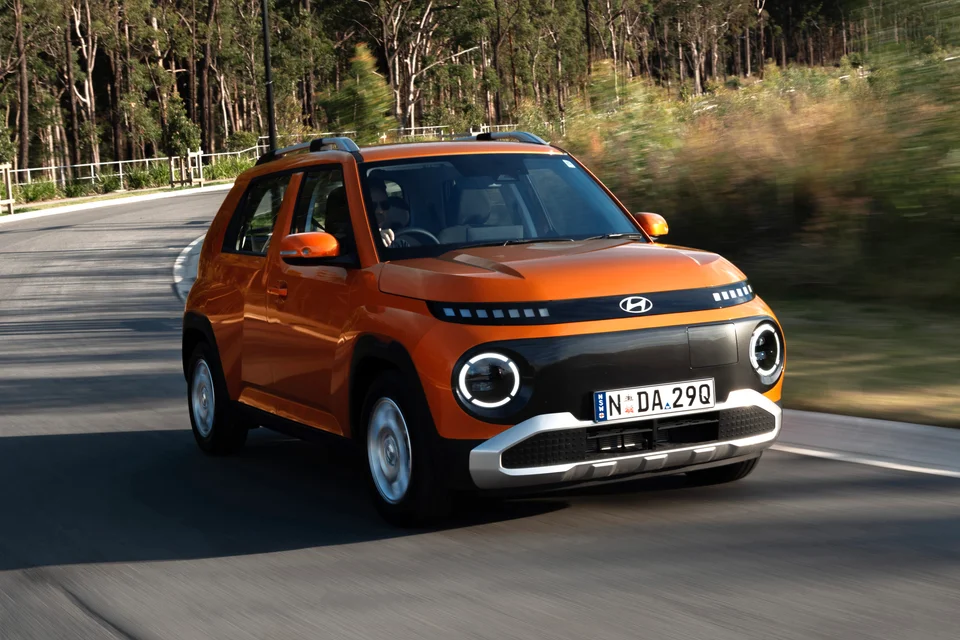
If price is the starting point, a few popular small EVs show where the table below starts: the BYD Dolphin Essential is $29,990 RRP, the Hyundai Inster Standard Range is $37,500 RRP and the Kia EV3 Air Standard Range is $47,600 RRP. Our cheapest electric cars guide ranks the budget end in more detail.
Shopping for an EV? Get the price moves as they land
Australia's free car comparison site. One email a week: verified price moves, new models and the figures that changed. Unsubscribe anytime.
Every electric car on sale in Australia
Here is every battery electric model we list as on sale new in Australia, one line per model, cheapest first. Each line shows the model's cheapest grade with its price, read from that car's row, and the range span across all its grades with the test cycle labelled. Click a model for its full specs, every grade and its charging times. Want two side by side? Use Compare.
Every electric car on sale in Australia,
live from our rows: 143 models, 326 grades from 49 brands
| Model | Cheapest grade | From | Range (test cycle) | Grades |
|---|---|---|---|---|
| BYD Atto 1Hatchback | Essential | $23,990 RRP | 220 to 310 km WLTP | 2 |
| Geely EX2Hatchback | Complete | $26,490 RRP | 252 to 345 km WLTP | 2 |
| BYD DolphinHatchback | Essential | $29,990 RRP | 340 to 427 km WLTP | 2 |
| MG MG4 UrbanHatchback | Essence 43 | $29,990 drive-away (VIC) | 316 to 405 km WLTP | 2 |
| GWM ORA 5SUV | Lux | $30,900 est. RRP | 435 km WLTP | 2 |
| BYD Atto 2SUV | Dynamic | $31,990 RRP | 345 km WLTP | 2 |
| GAC Aion UTHatchback | Premium | $31,990 RRP | 430 km WLTP | 2 |
| GWM ORAHatchback | Lux | $31,990 RRP | 380 to 400 km WLTP | 2 |
| Honda Super-ONEHatchback | EV | $33,550 est. RRP | 202 km WLTP | 1 |
| Jaecoo J5SUV | EV Summit | $35,990 RRP | 402 km WLTP | 1 |
| Leapmotor B05Hatchback | Style | $35,990 RRP | 401 to 482 km WLTP | 2 |
| Hyundai InsterSUV | Standard Range | $37,500 RRP | 327 to 360 km WLTP | 2 |
| Leapmotor B10SUV | Style BEV | $37,888 RRP | 361 to 434 km WLTP | 2 |
| Forthing Taikon 5SUV | BEV Luxury | $38,990 drive-away (VIC) | 427 km WLTP | 2 |
| Chery E5SUV | Ultimate | $39,604 est. drive-away (VIC 3000) | 430 km WLTP | 1 |
| BYD Atto 3SUV | Essential | $39,990 RRP | 420 to 510 km WLTP400 km cycle not stated | 3 |
| MG MG4Hatchback | Essence 64 | $39,990 RRP | 405 to 452 km WLTP | 2 |
| Geely EX5SUV | Complete | $41,990 RRP | 450 to 475 km WLTP | 2 |
| GAC Aion VSUV | Premium | $42,590 RRP | 510 km WLTP | 2 |
| Suzuki e VitaraSUV | Motion FWD | $42,700 est. RRP | 344 to 395 km WLTP | 2 |
| MG MGS5SUV | Essence 49 | $42,990 drive-away (VIC) | 335 to 450 km WLTP | 2 |
| Tesla Model 3Sedan | Rear-Wheel Drive | $45,900 RRP | 520 to 750 km WLTP | 4 |
| Hyundai Kona ElectricSUV | Standard Range 99kW | $46,000 RRP | 370 to 505 km WLTP | 4 |
| Kia EV3SUV | Air Standard Range | $47,600 RRP | 436 to 604 km WLTP | 5 |
| KGM TorresSUV | EVX | $48,800 est. RRP | 462 km WLTP | 1 |
| Leapmotor C10SUV | Design Long Range BEV | $49,888 RRP | 437 to 510 km WLTP | 2 |
| smart #1SUV | Pro+ | $49,900 RRP | 400 to 440 km WLTP | 3 |
| Zeekr XSUV | RWD | $49,900 RRP | 405 to 415 km WLTP | 2 |
| Deepal S07SUV | RWD | $49,990 RRP | 475 km WLTP | 1 |
| Farizon V7EVan | Extended Range | $49,990 drive-away (VIC) | 329 km WLTP | 1 |
| Jeep AvengerSUV | Longitude | $49,990 RRP | 390 to 396 km WLTP | 4 |
| Kia EV4Sedan | Air Standard Range | $49,990 RRP | 456 to 612 km WLTP | 3 |
| Mazda 6eHatchback | GT | $49,990 RRP | 560 km WLTP | 3 |
| MG S6 EVSUV | Essence RWD | $49,990 RRP | 485 to 530 km WLTP | 2 |
| Skoda ElroqSUV | 60 Select | $49,990 drive-away (VIC) | 406 to 529 km WLTP | 2 |
| Volvo EX30SUV | Plus Single Motor | $49,990 RRP | 410 to 462 km WLTP | 4 |
| Renault Megane E-TechSUV | Techno | $50,000 est. RRP | 454 km WLTP | 1 |
| XPeng G6SUV | Standard Range RWD | $51,800 RRP | 480 to 525 km WLTP | 3 |
| Fiat 500eHatchback | La Prima | $52,500 RRP | 311 km WLTP | 1 |
| LDV eDeliver 5Van | SWB Low Roof | $52,621 drive-away (VIC) | 301 to 335 km WLTP | 3 |
| smart #3SUV | Pro+ | $52,900 RRP | 415 to 455 km WLTP | 3 |
| BYD SealSedan | Premium | $52,990 RRP | 520 to 570 km WLTP | 2 |
| Mazda CX-6eSUV | GT | $53,990 RRP | 468 to 484 km WLTP | 2 |
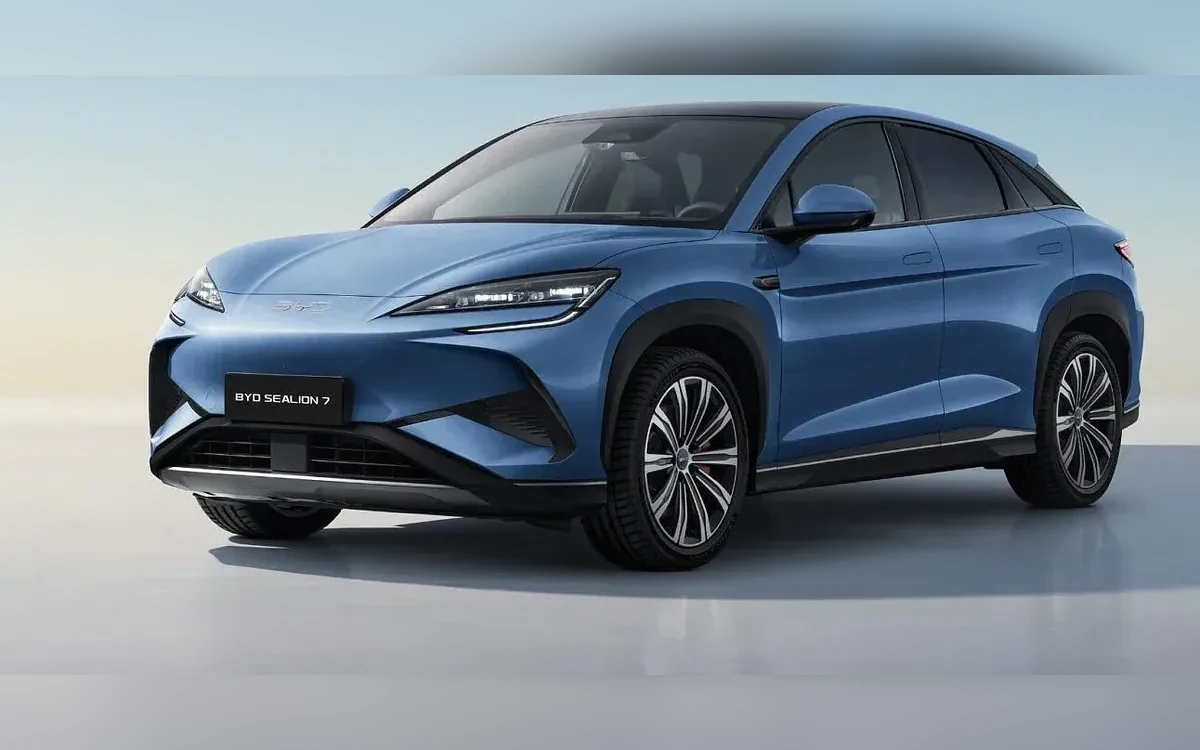
| BYD Sealion 7SUV | Premium | $54,990 RRP | 456 to 482 km WLTP | 2 |
| MG IM5Sedan | Premium 75 RWD | $55,450 est. RRP | 490 to 655 km WLTP | 3 |
| MG IM6SUV | Premium 75 RWD | $55,450 est. RRP | 450 to 555 km WLTP | 3 |
| Nissan ARIYASUV | Engage 63kWh FWD | $55,840 RRP | 385 to 504 km WLTP | 4 |
| Kia PV5Van | Cargo S Long Range | $55,990 RRP | 416 km WLTP | 1 |
| Renault Scenic E-TechSUV | Techno EV60 | $55,990 RRP | 430 to 625 km WLTP | 3 |
| Skoda EnyaqSUV | 60 Select | $55,990 drive-away (VIC) | 431 to 551 km WLTP | 3 |
| Toyota bZ4XSUV | FWD | $55,990 RRP | 517 to 591 km WLTP | 2 |
| Kia EV5SUV | Air Standard Range FWD | $56,770 RRP | 400 to 555 km WLTP | 4 |
| Zeekr 7XSUV | RWD | $57,900 RRP | 480 to 615 km WLTP | 3 |
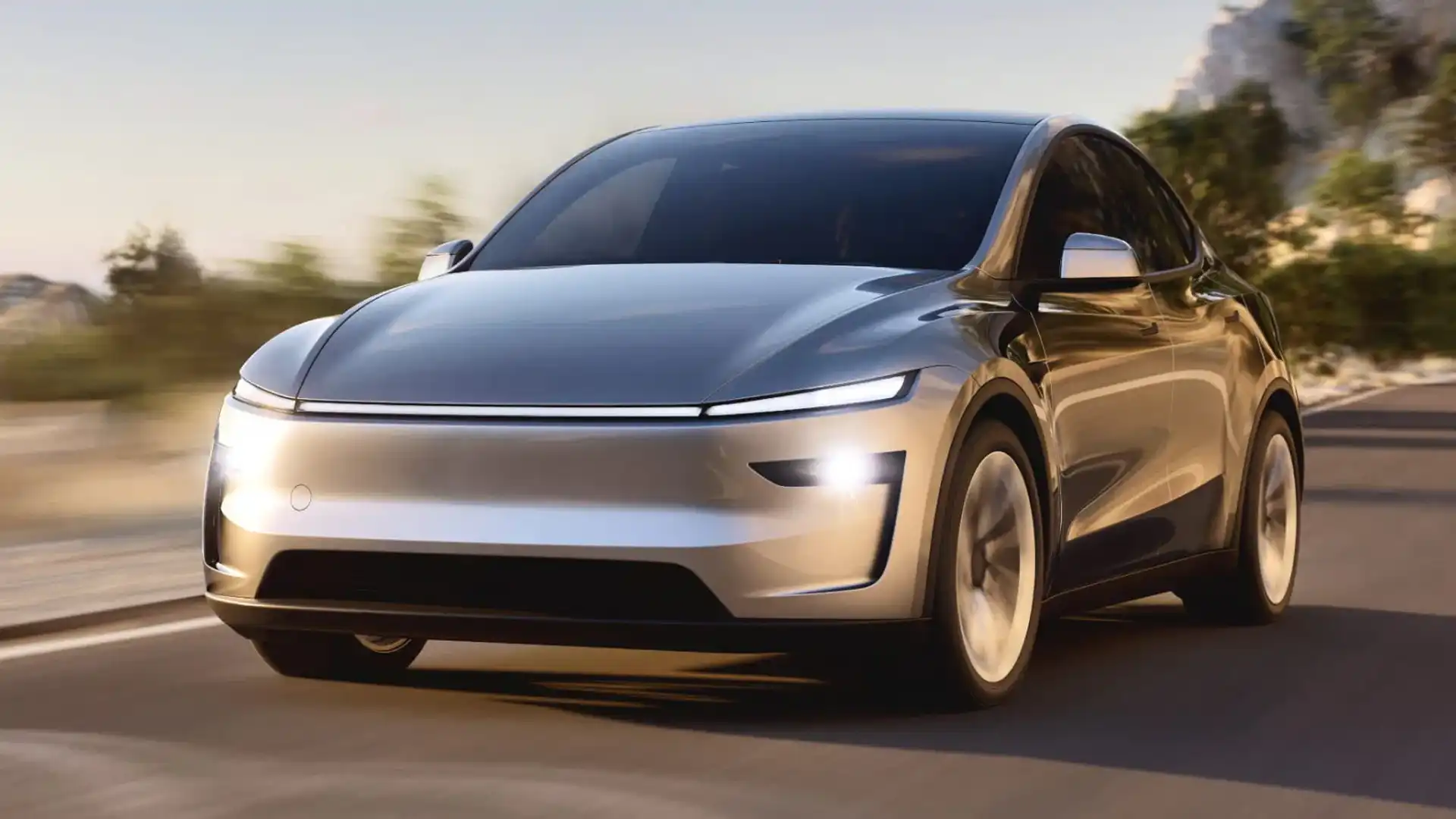
| Tesla Model YSUV | RWD | $58,900 RRP | 466 to 600 km WLTP | 3 |
| Alfa Romeo JuniorSUV | Elettrica | $58,990 RRP | 407 km WLTP | 1 |
| MINI CooperHatchback | SE Favoured | $58,990 RRP | 371 to 400 km WLTP | 2 |
| Peugeot PartnerVan | E-Partner | $59,990 RRP | 258 km WLTP | 1 |
| Subaru UnchartedSUV | AWD | $59,990 RRP | 522 km WLTP | 2 |
| Volkswagen ID.4SUV | Pro | $59,990 RRP | 511 to 544 km WLTP | 2 |
| KGM Musso EVUte | 2WD | $60,000 drive-away (VIC) | 379 to 419 km WLTP | 2 |
| Abarth 500eHatchback | Scorpionissima | $60,500 RRP | 253 km WLTP | 1 |
| MINI AcemanSUV | SE Favoured | $60,990 RRP | 355 to 406 km WLTP | 2 |
| Hyundai ELEXIOSUV | Elite | $61,990 RRP | 546 km WLTP | 1 |
| Renault KangooVan | E-Tech | $61,990 RRP | 286 km WLTP | 1 |
| Subaru SolterraSUV | AWD | $61,990 RRP | 517 to 566 km WLTP | 2 |
| Volkswagen ID.5SUV | Pro | $62,990 RRP | 522 to 543 km WLTP | 2 |
| Subaru TrailseekerSUV | AWD | $63,990 RRP | 488 to 533 km WLTP | 2 |
| Deepal E07SUV | RWD | $64,900 RRP | 510 to 550 km WLTP | 2 |
| MINI CountrymanSUV | E Core | $64,990 RRP | 432 to 462 km WLTP | 6 |
| Ford Mustang Mach-ESUV | Select RWD | $65,990 RRP | 470 to 615 km WLTP | 3 |
| Volkswagen ID. Buzz CargoVan | SWB | $66,350 est. RRP | 431 km WLTP | 1 |
| Polestar 2Sedan | Long Range Single Motor | $66,400 RRP | 568 to 659 km WLTP | 3 |
| CUPRA TavascanSUV | Endurance | $66,490 RRP | 505 to 531 km WLTP | 2 |
| LDV eDeliver 7Van | Grade not named yet | $67,358 RRP | 362 km WLTP | 1 |
| Farizon SVVan | SWB Low Roof | $67,990 drive-away (VIC) | 319 to 398 km WLTP | 4 |
| Hyundai IONIQ 5SUV | RWD | $68,200 RRP | 495 to 570 km WLTP | 3 |
| Toyota bZ4X TouringWagon | AWD | $69,990 RRP | 488 km WLTP | 1 |
| Volvo EX30 Cross CountrySUV | Twin Motor Performance Ultra Cross Country | $69,990 RRP | 427 km WLTP | 1 |
| Volvo EX40SUV | Ultra Single Motor Extended Range | $69,990 RRP | 485 to 520 km WLTP | 2 |
| Hyundai Staria-Load ElectricVan | Grade not named yet | $70,990 RRP | 450 km WLTP | 2 |
| Mercedes-Benz CLA-ClassSedan | CLA 200 Electric | $72,200 RRP | 470 to 663 km WLTP | 2 |
| Kia EV6SUV | Air RWD | $72,865 RRP | 450 to 582 km WLTP | 4 |
| Toyota HiLuxUte | BEV SR Double Cab Cab-Chassis | $74,990 RRP | 245 to 315 km NEDC | 3 |
| Lexus ESSedan | ES 350e Sports Luxury | $77,000 RRP | 465 to 510 km WLTP | 2 |
| Ford E-Transit CustomVan | Trend LWB Van | $77,890 RRP | 340 to 346 km WLTP | 2 |
| BMW iX1SUV | xDrive30 | $77,900 RRP | 417 to 430 km WLTP | 2 |
| Renault MasterVan | E-Tech | $77,990 RRP | 409 km WLTP | 2 |
| Polestar 4SUV | Long Range Single Motor | $78,500 RRP | 590 to 620 km WLTP | 2 |
| MG U9 EVUte | Grade not named yet | $78,990 RRP | 430 km WLTP | 1 |
| BMW iX2SUV | xDrive30 | $79,900 RRP | 410 to 478 km WLTP | 2 |
| Peugeot ExpertVan | E-Expert | $79,990 RRP | 330 km NEDC | 1 |
| Volkswagen ID. BuzzPeople Mover | Pro SWB | $79,990 drive-away (NSW) | 422 to 452 km WLTP | 2 |
| Cadillac OptiqSUV | Sport AWD | $80,000 RRP | 425 km WLTP | 1 |
| Skoda Enyaq CoupeCoupe SUV | RS | $80,990 drive-away (VIC) | 534 to 565 km WLTP | 2 |
| Mercedes-Benz GLBSUV | GLB 250+ Electric | $81,423 drive-away (VIC) | No data | 2 |
| Volkswagen TransporterVan | e-Transporter | $83,590 RRP | 286 km WLTP | 1 |
| Lexus RZSUV | 500e Luxury | $84,500 RRP | 420 to 460 km WLTP | 4 |
| Audi Q4 e-tronSUV | 45 e-tron | $84,900 RRP | 488 to 540 km WLTP | 4 |
| Volvo EX60SUV | P6 Electric | $86,990 RRP | 610 to 660 km WLTP | 2 |
| Genesis GV60SUV | Advanced RWD | $88,300 RRP | 425 to 561 km WLTP | 2 |
| Volvo ES90Sedan | Plus Single Motor | $88,880 RRP | 554 km WLTP | 2 |
| BMW i4Sedan | eDrive35 | $88,900 RRP | 430 to 520 km WLTP | 3 |
| Mercedes-Benz EQASUV | EQA250+ | $89,900 RRP | 496 km WLTP | 1 |
| XPeng X9People Mover | Standard Range FWD | $89,900 RRP | 535 to 580 km WLTP | 2 |
| Cadillac LYRIQSUV | Sport AWD | $90,000 RRP | 471 to 530 km WLTP | 2 |
| Kia EV9SUV | Air RWD | $97,000 RRP | 443 to 512 km WLTP | 4 |
| Audi Q6 e-tronSUV | SUV | $97,935 RRP | 531 to 625 km WLTP | 4 |
| Audi Q6 Sportback e-tronSUV | Sportback | $97,935 RRP | 493 to 585 km WLTP | 3 |
| Mercedes-Benz eVitoVan | Panel Van | $98,951 RRP | 283 km ADR 81/02 | 2 |
| Ford e-TransitVan | Van 420L | $104,990 RRP | 307 km WLTP | 1 |
| Volvo EX90SUV | Plus Single Motor | $106,990 RRP | 479 to 521 km WLTP | 3 |
| Hyundai IONIQ 6 NSedan | N AWD | $109,551 RRP | 487 km WLTP | 1 |
| BMW iX3SUV | 50 xDrive | $109,900 RRP | 805 km WLTP | 2 |
| Hyundai IONIQ 5 NSUV | N AWD | $111,000 RRP | 448 km WLTP | 1 |
| Mercedes-Benz GLCSUV | GLC400 4MATIC | $112,200 RRP | 630 km WLTP | 1 |
| Hyundai IONIQ 9SUV | Calligraphy AWD 7-Seat | $113,205 RRP | 600 km WLTP | 2 |
| MG CybersterConvertible | 77kWh AWD | $115,000 RRP | 443 to 507 km WLTP | 2 |
| Cadillac VistiqSUV | Platinum AWD | $116,000 RRP | 461 km WLTP | 1 |
| Polestar 3SUV | Rear Motor | $116,700 RRP | 601 to 647 km WLTP | 3 |
| LDV eDeliver 9Van | LWB Mid Roof | $118,836 RRP | 280 km WLTP | 1 |
| Mercedes-Benz eSprinterVan | Panel Van 113 kWh | $121,041 RRP | 440 km WLTP | 1 |
| Zeekr 009People Mover | 7 Seat FWD | $124,824 drive-away (VIC) | 582 to 604 km WLTP | 3 |
| Genesis Electrified GV70SUV | Signature Performance AWD | $132,800 RRP | 462 km WLTP | 1 |
| Mercedes-Benz EQE SUVSUV | EQE 300 SUV | $134,900 RRP | 452 to 586 km WLTP | 3 |
| BMW iXSUV | xDrive45 M Sport | $142,900 RRP | 522 km ADR 81/02 | 1 |
| Genesis Electrified G80Sedan | Electrified Signature AWD | $155,000 RRP | 570 km WLTP | 1 |
| BMW i5Sedan | eDrive40 Sedan | $155,900 RRP | 502 to 582 km WLTP | 2 |
| Porsche Cayenne ElectricSUV | Cayenne Electric | $167,800 RRP | 537 to 571 km WLTP | 6 |
| Porsche MacanSUV | GTS | $171,100 RRP | 507 to 529 km WLTP | 5 |
| Polestar 5Sedan | Dual motor | $186,218 drive-away (VIC) | 558 to 678 km WLTP | 2 |
| Mercedes-Benz EQSSedan | EQS 400 | $196,621 drive-away (VIC) | No data | 1 |
| Audi e-tron GTSedan | S e-tron GT | $209,900 RRP | 522 to 558 km WLTP | 3 |
| Land Rover Range Rover SportSUV | Dynamic HSE EV550 | $246,518 drive-away (VIC) | 600 km NEDC | 3 |
| BMW i7Sedan | xDrive60 Sedan | $319,900 RRP | 625 km WLTP | 1 |
| Land Rover Range RoverSUV | HSE EV550 (MY27) | $344,258 drive-away (VIC) | 600 km NEDC | 11 |
| Denza D9People Mover | FWD | no price on record | 480 to 520 km WLTP | 2 |
| Ford Transit CityVan | Van | no price on record | 254 km WLTP | 1 |
| Hyundai Mighty ElectricCab Chassis | Cab Chassis (4,500 kg GVM) | no price on record | No data | 4 |
| Lotus EletreSUV | Grade not named yet | no price on record | 535 km WLTP | 1 |
| Lotus EmeyaSedan | Grade not named yet | no price on record | 580 km WLTP | 1 |
| Maserati GrecaleSUV | Folgore | no price on record | 501 km WLTP | 1 |
| Mercedes-Benz G-ClassSUV | G580 with EQ Technology | no price on record | 567 km ADR 81/02 | 1 |
| Porsche TaycanSedan | Taycan | no price on record | 468 to 540 km WLTP | 8 |
Read from our rows on each daily refresh (first written 15 November 2026). Cheapest first by the price each car's page leads with: the manufacturer's list price (RRP) where we hold one, otherwise its drive-away price, so the order mixes two measures and each price carries its own label. Range is the span across the model's grades, kept apart by test cycle; WLTP and NEDC figures are not comparable. "No data" means we don't hold the figure yet, not that the car lacks it. 8 models have no price on record.
The list updates as models arrive, change price or leave. A few lines show "No data" for range or no price: that means the manufacturer hasn't published the figure to us yet, or the brand doesn't publish Australian prices, not that the car lacks a range. For the plug-in hybrid version of this list, see every plug-in hybrid on sale.
Compare what's on sale now
Head-to-heads with the cars this story is about and their closest rivals on sale now, plus the buying guides that cover them.
- Kia EV5 vs Tesla Model Y
- Tesla Model Y vs BYD Sealion 7
- Kia EV5 vs BYD Sealion 7
- Kia EV3 vs Hyundai Kona Electric
- Kia EV5 vs Zeekr 7X
- Tesla Model Y vs Zeekr 7X
- Kia EV3 vs Geely EX5
- BYD Dolphin vs BYD Atto 1
Buying guides
- Best Electric SUVs in Australia 2026
- Best Electric Luxury SUV Australia 2026
- Best Electric Cars Australia 2027: Buy Now or Wait?
- Best Chinese Electric Cars Australia 2027: Buy Now or Wait?
Or pick any two cars on our compare page, or browse the full car directory.
MORE:Is the BYD Atto 1 Really the Cheapest Car to Run? What the Running-Cost Numbers Assume
MORE:VFACTS October 2026: HiLux Tops 103,325 Sales, BYD Is the No. 2 Brand and EVs Take 23.1%
Shopping for an EV now?
The facts, side by side. Your decision.
Free, and no obligation. We reply by email, and one dealership near you can reply too.