CarSorted Verdict:
- Range under $60k: Renault Scenic E-Tech Long Range, 625km for $59,990 RRP.
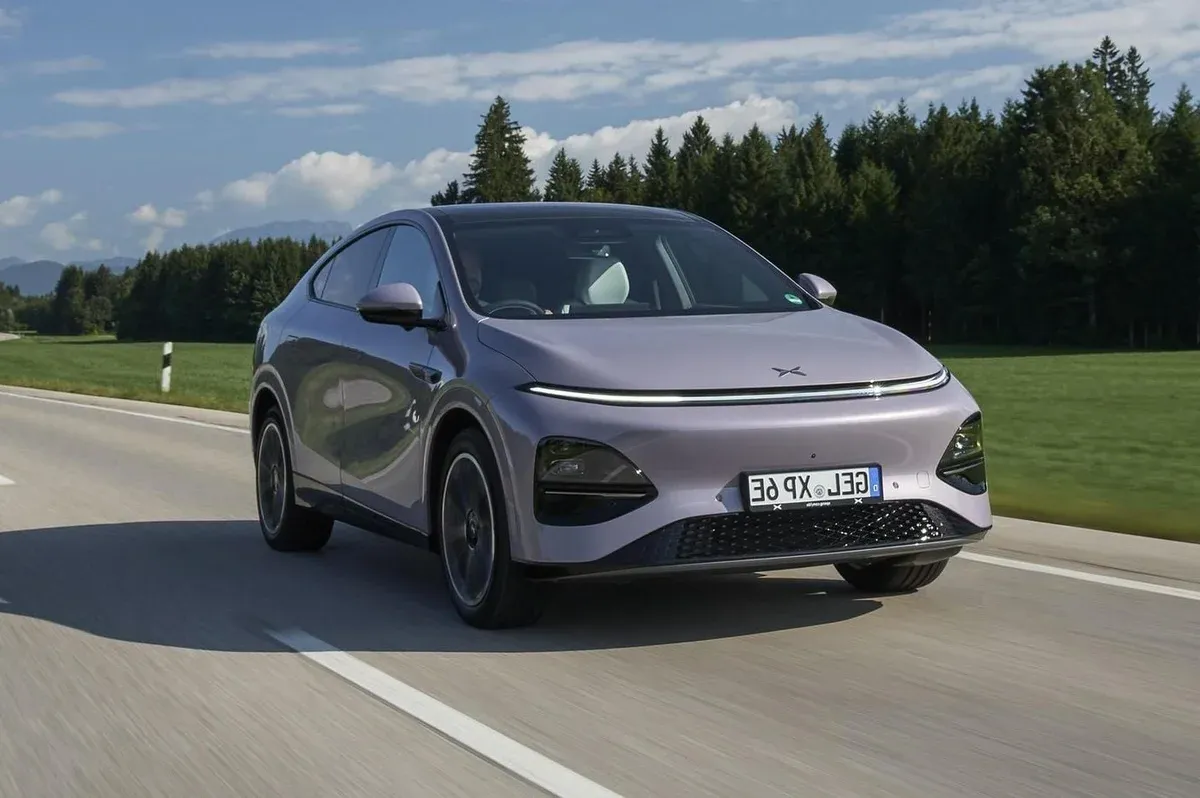
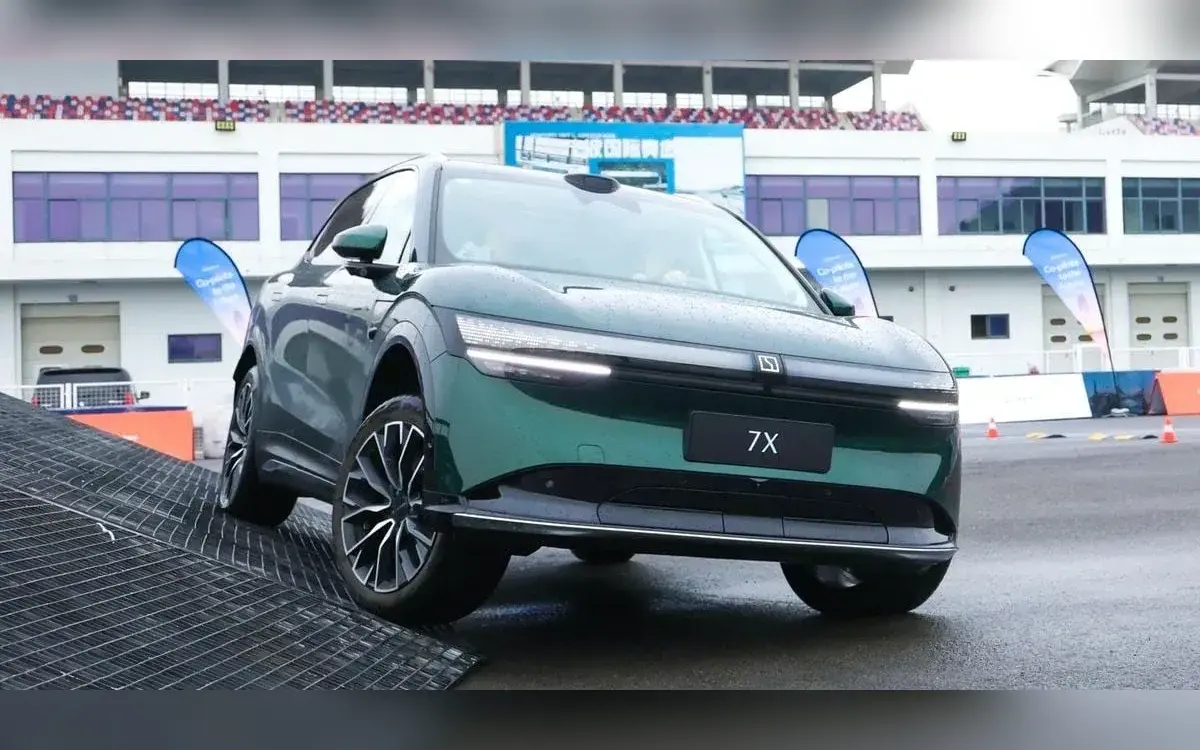
- Fast charging under $60k: XPeng G6 Long Range RWD, up to 451kW DC, with the Zeekr 7X RWD a hair behind.
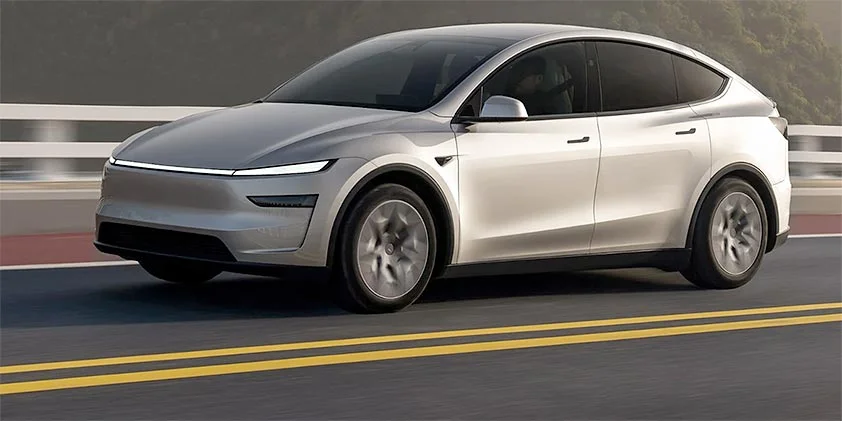
- Family: Tesla Model Y RWD, a 854L boot.
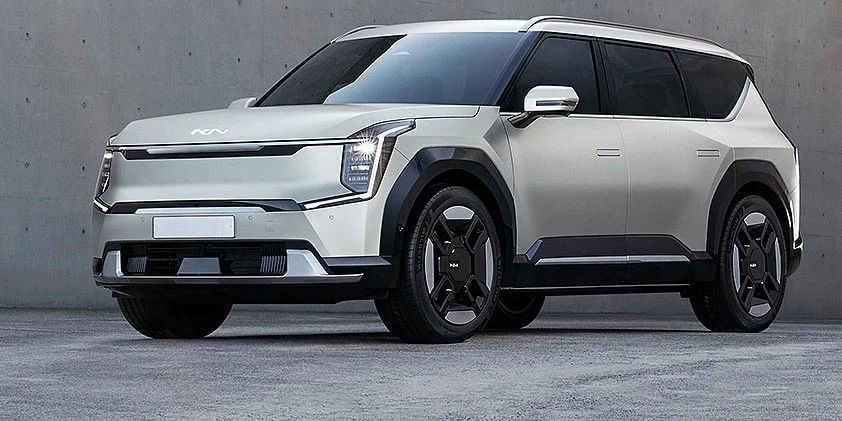
- Towing a camper: Kia EV9 Earth AWD, seven seats and 2,500kg braked.
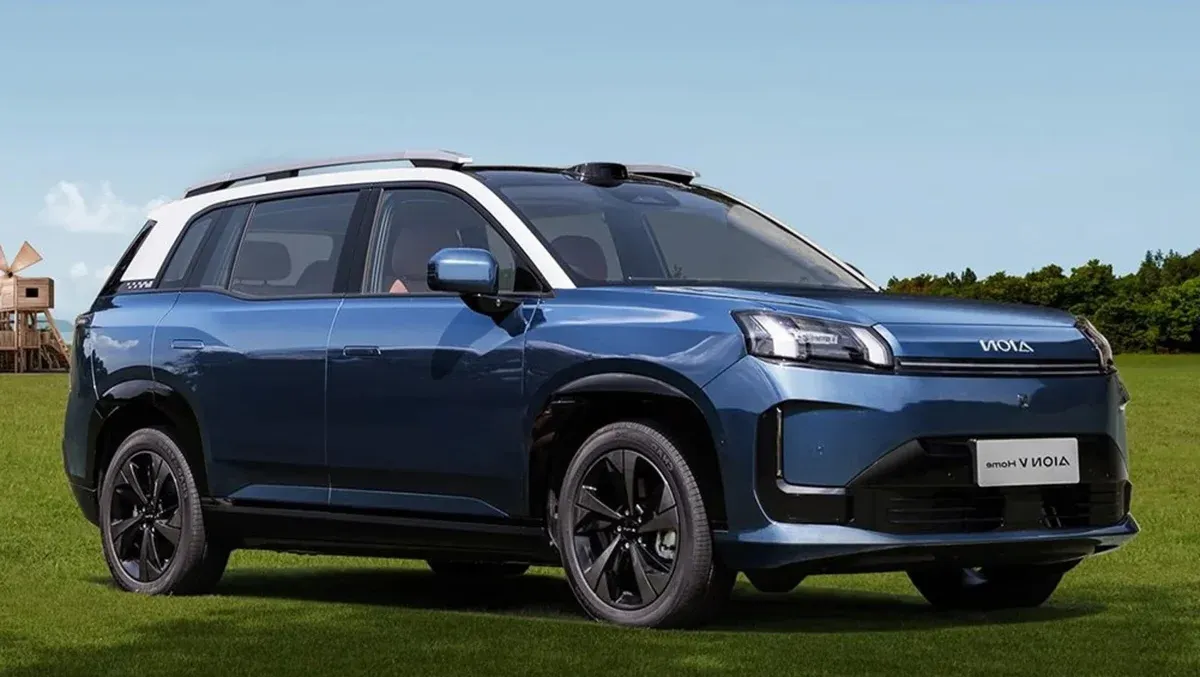
- Value: GAC Aion V Premium, 510km and 180kW DC for $42,590 RRP.
- Pack: a Type 2 cable, a portable charger, three or four charging apps with payment set up, and a plan for a puncture.
Summer is when a lot of us point the car at the coast or the bush and just go. In an electric car that still works fine; it just takes a bit more planning than filling up at the next servo. You need to know how far the car really goes at highway speed in the heat, where the fast chargers are and which apps they want, what happens if you get a flat with no spare, and who comes if it all goes wrong.
So this guide does two jobs. First, five picks from the 295 electric cars in our directory on 15 November 2026, one per road-trip question, each figure read live from the car's row. Then the practical stuff: heat, tyres, roadside assistance, cables and plugs, and every charging network and app worth having on your phone. Everything is sourced to the manufacturer, the operator, the motoring club or the government, and linked. You get the facts, you make the decision.
The five picks at a glance
Prices are the manufacturer's RRP before on-road costs. “No data” means our row doesn't hold the figure yet, not that the car lacks it. The roadside column shows the first term; an asterisk means it renews only with servicing at the brand's dealers (tap it for the condition).
Road-trip picks,
live from our rows; the queries behind each pick are described below
| Question | Pick | Price | WLTP range | Peak DC | AC (onboard) | Towing (braked) | Boot | Spare | Roadside |
|---|---|---|---|---|---|---|---|---|---|
| Longest range under $60k | Renault Scenic E-Tech Techno Long Range | $59,990 RRP | 625km | 150kW | 11kW | 1,000kg | 545L | no data | 5 years |
| Fastest DC under $60k | XPeng G6 Long Range RWD | $56,800 RRP | 525km | 451kW | 11kW | 1,500kg | 571L | Tyre repair kit | 5 years |
| Family road trip | Tesla Model Y RWD | $58,900 RRP | 466km | 175kW | 11kW | 1,600kg | 854L | Tyre repair kit | no data |
| Towing a camper | Kia EV9 Earth AWD | $106,500 RRP | 512km | 240kW | 10.5kW | 2,500kg | 333L | Tyre mobility kit | 1 year, renewable with servicing up to 8 years |
| Best value | GAC Aion V Premium | $42,590 RRP | 510km | 180kW | 11kW | no data | 427L | Tyre repair kit | 5 years |
Range is the WLTP lab figure. Peak DC is the most the car accepts, which only a charger at least that powerful can deliver, and only for part of the charge.
CarSorted
Get a price on the Renault Scenic E-Tech
Free, and no obligation.
How we picked
We ran one query per question over all 295 electric cars on sale in our directory, using only the manufacturer's RRP so every price is on the same basis. “Longest” and “fastest” mean longest and fastest on our rows within the price cap we state, not across every car ever sold. We never rank an RRP against a drive-away price, and where a pick has a near-tie, we name the runner-up and say why.
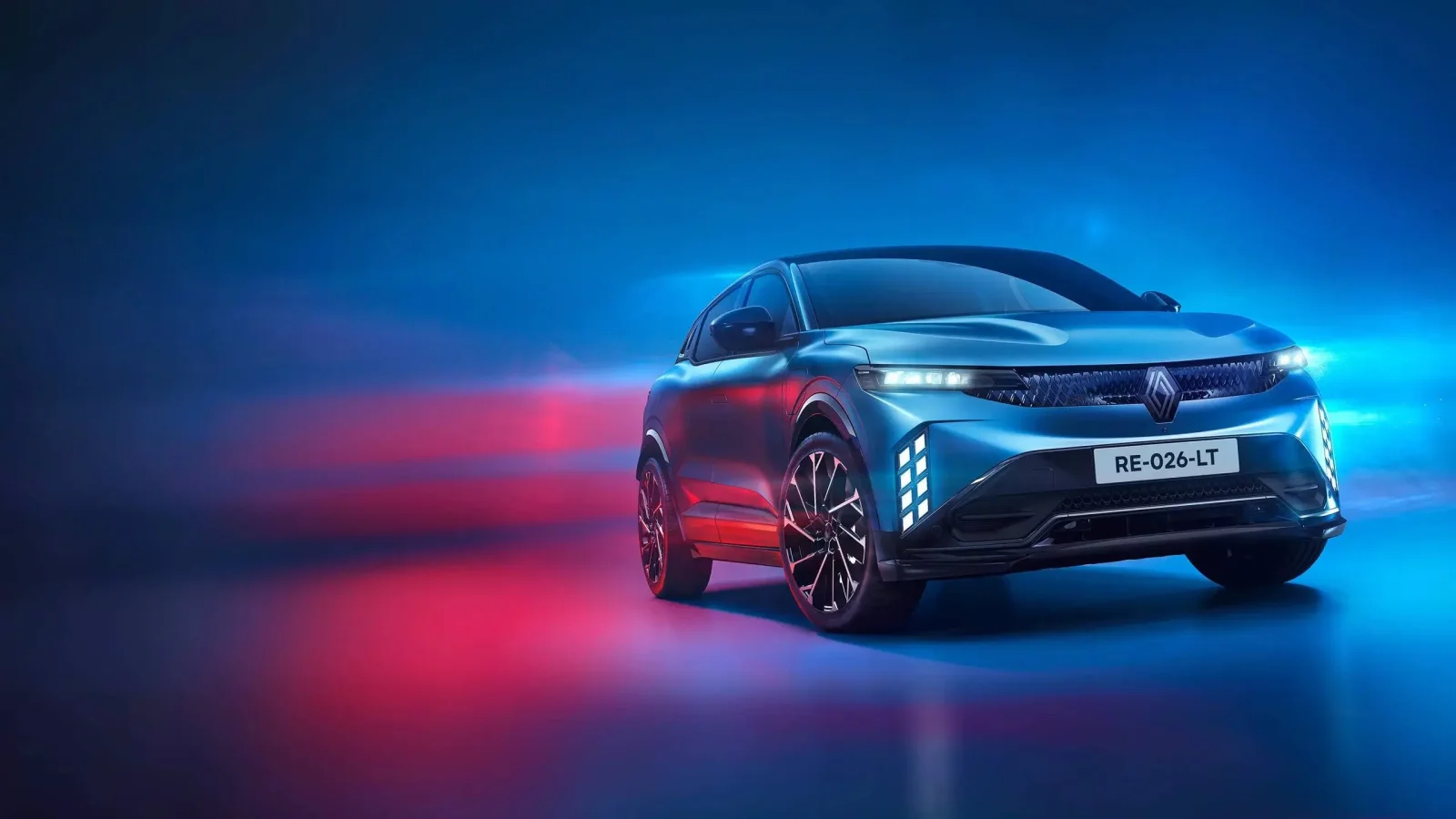
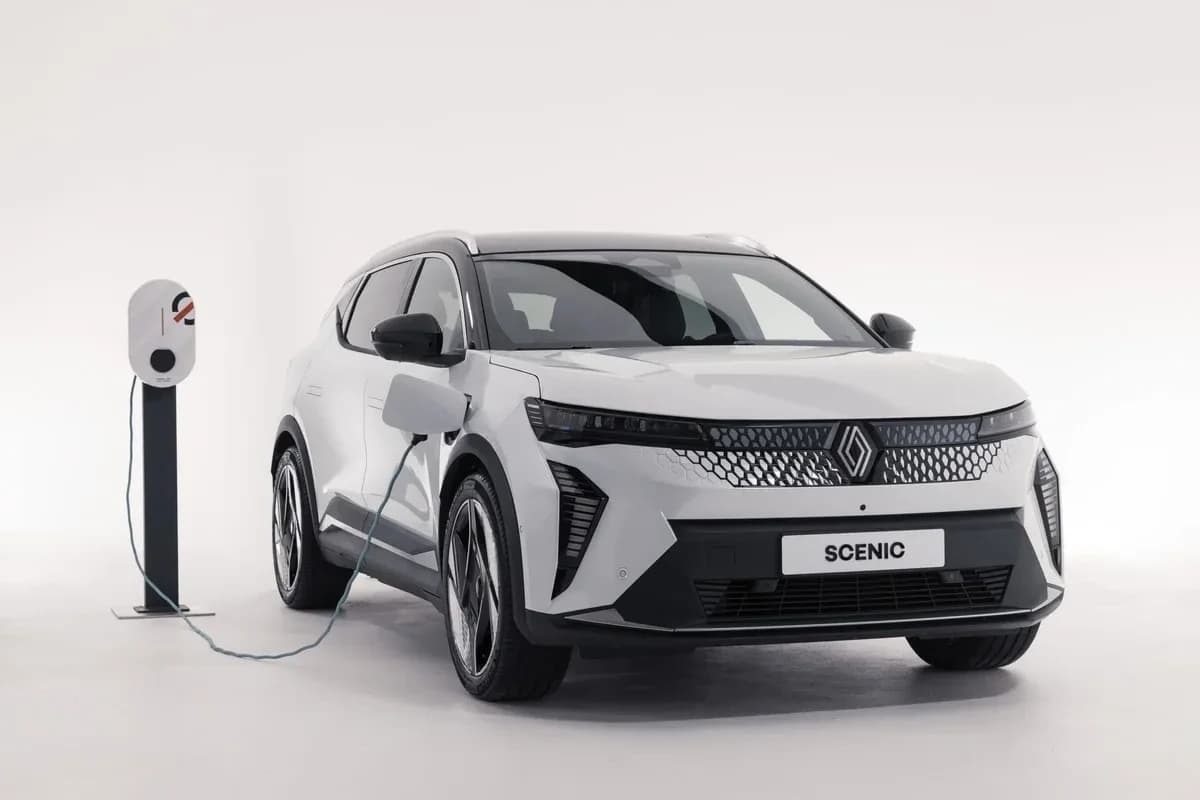
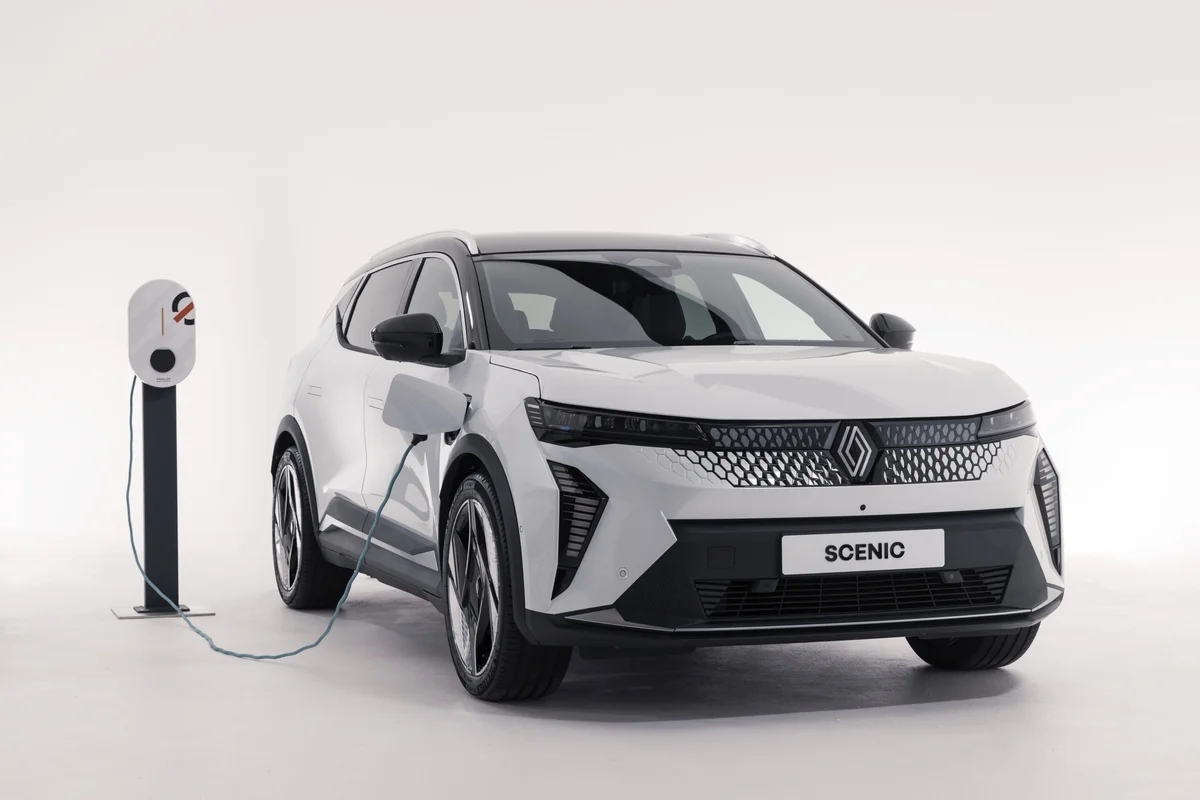
Longest range under $60,000: Renault Scenic E-Tech Long Range
The Scenic E-Tech Techno Long Range claims 625km WLTP for $59,990 RRP, the furthest of any electric car on our rows at or under $60,000 RRP. Peak DC is 150kW, AC is 11kW, and the boot is 545L. Roadside assistance is 5 years on our row, from Renault's warranty page. Stretch the budget and the Tesla Model 3 Long Range claims 750km for $61,900 RRP; the longest range on our rows at any price belongs to the BMW iX3 50 xDrive at 805km.
Fastest DC charging under $60,000: XPeng G6 Long Range RWD
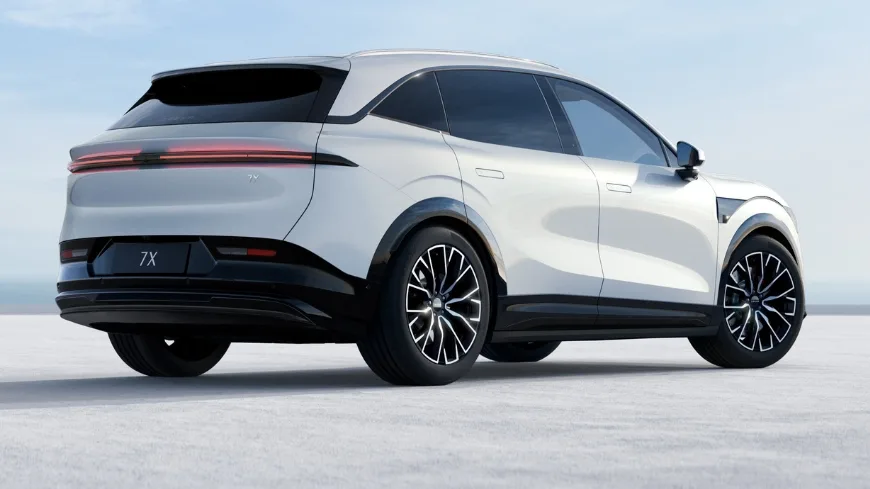
On a road trip, charging speed decides how long each stop takes. The XPeng G6 Long Range RWD accepts up to 451kW DC at $56,800 RRP, and our row lists 20 min to charge to 80%. Range is 525km and the boot 571L. A hair behind, the Zeekr 7X RWD accepts 450kW DC for $57,900 RRP, and it also takes 22kW on AC, handy at a destination charger overnight. The highest peak on our rows at any price is the XPeng X9 AWD Performance at 542kW.
Our take: a car that accepts 400 kW+ only gets there on a charger that delivers it. Check the chargers on your route in the operator's app before you treat peak kW as minutes saved.
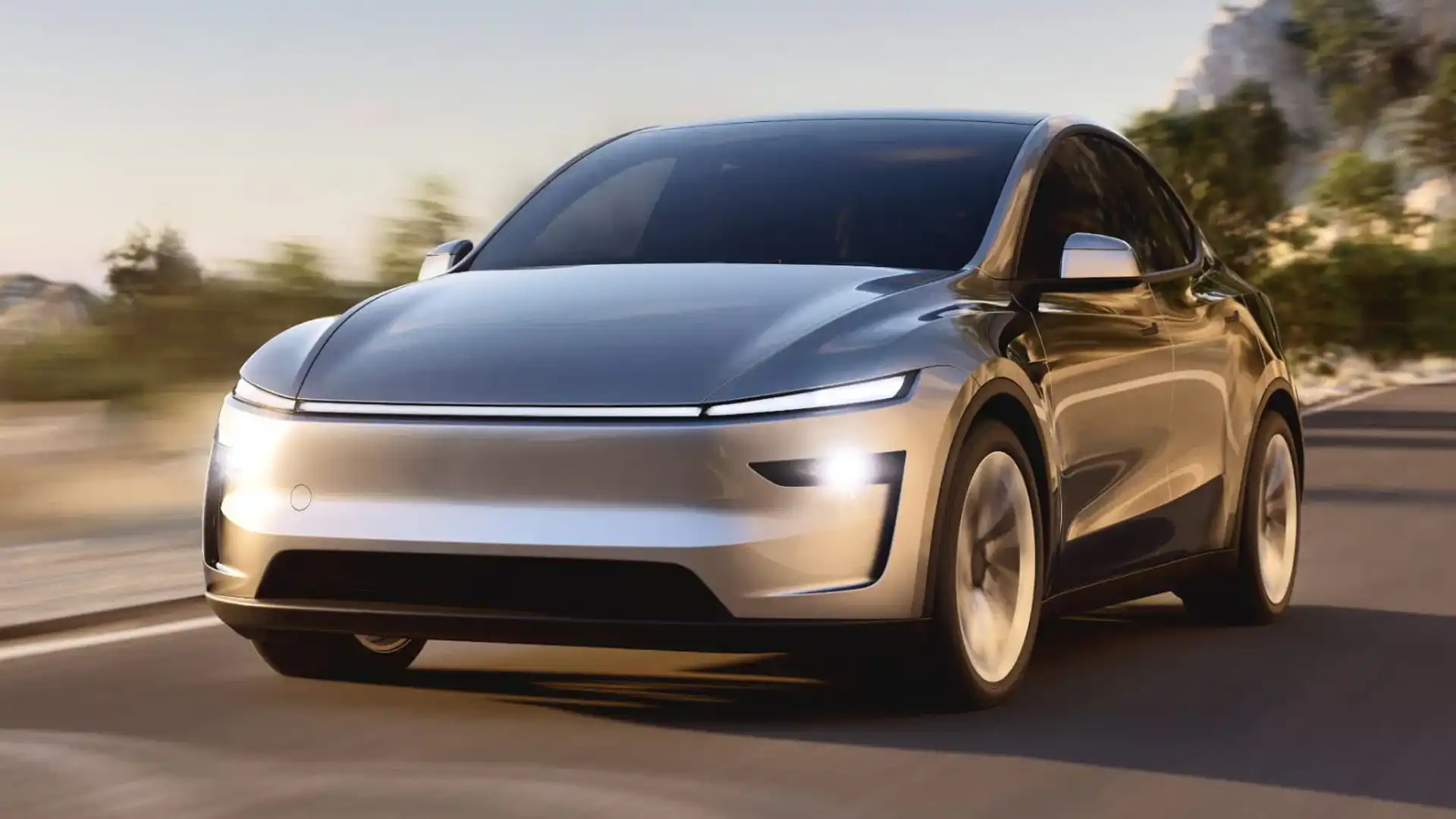
Family road trip: Tesla Model Y RWD
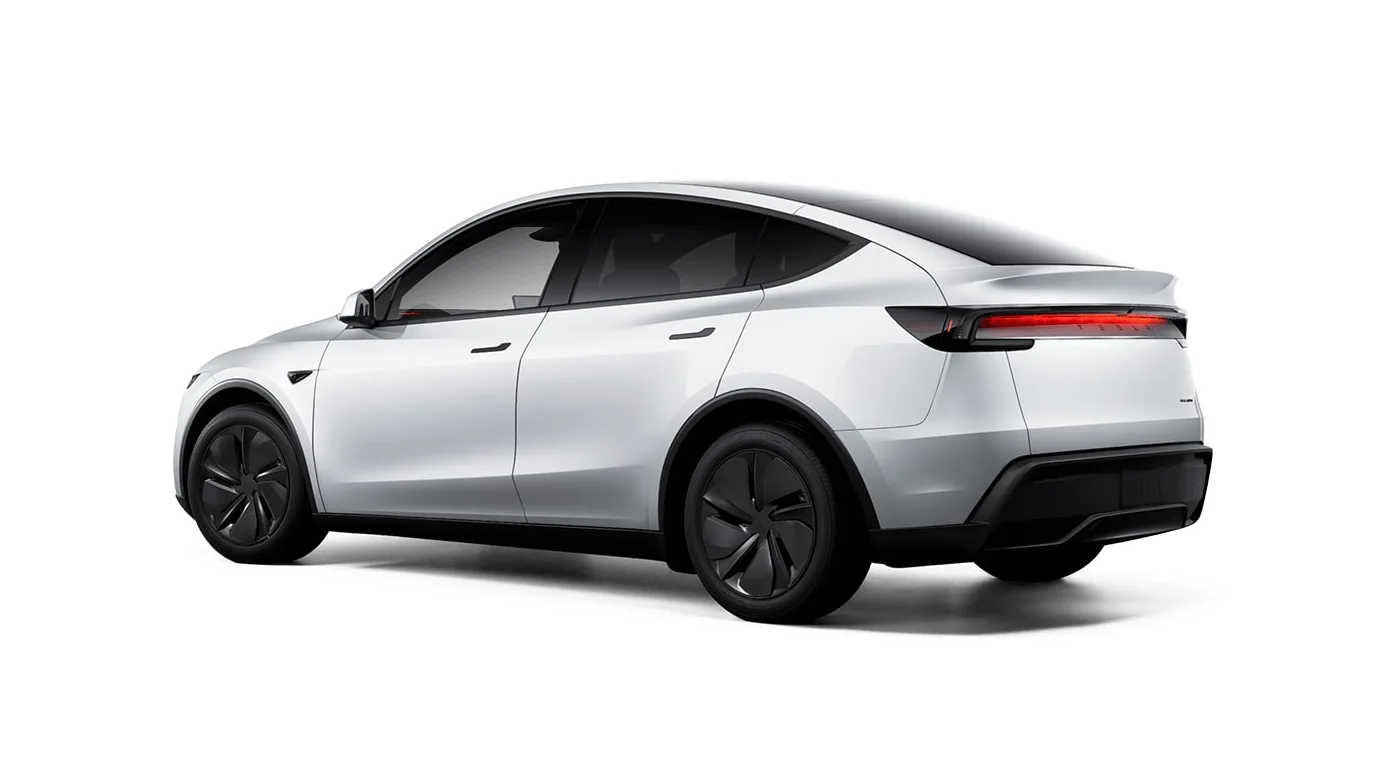
For a family with luggage, boot space is the road-trip number. The Model Y RWD has the biggest boot of any five-star electric SUV at or under $60,000 RRP on our rows, on the figure each manufacturer publishes: 854L, at $58,900 RRP. Range is 466km, peak DC 175kW, and it's rated to tow 1,600kg. It carries a Tyre repair kit, not a spare. Tesla ties roadside assistance to the car being under its warranty, and says running out of charge is something it can help with but doesn't pay for (Tesla roadside assistance).
Towing a camper: Kia EV9 Earth AWD
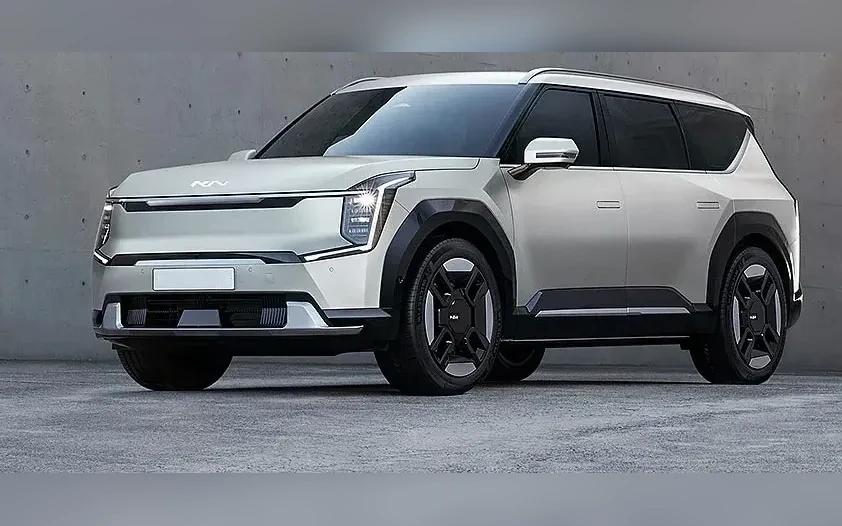
The highest braked tow ratings among electric cars on our rows are 3,500 kg, on the Porsche Cayenne Electric and the MG U9 EV ute. For a family towing a camper trailer, the cheapest seven-seater rated to 2,500 kg or more is the Kia EV9 Earth AWD: 2,500kg braked, 512km WLTP and 240kW peak DC, at $106,500 RRP. It carries a Tyre mobility kit. Kia's roadside terms renew 12 months at a time with each service under its program, up to eight years.
Our take: towing cuts range hard and the cut depends on the van, so don't plan on the WLTP figure. Work the weights first with our towing and payload calculator.
Best value: GAC Aion V Premium
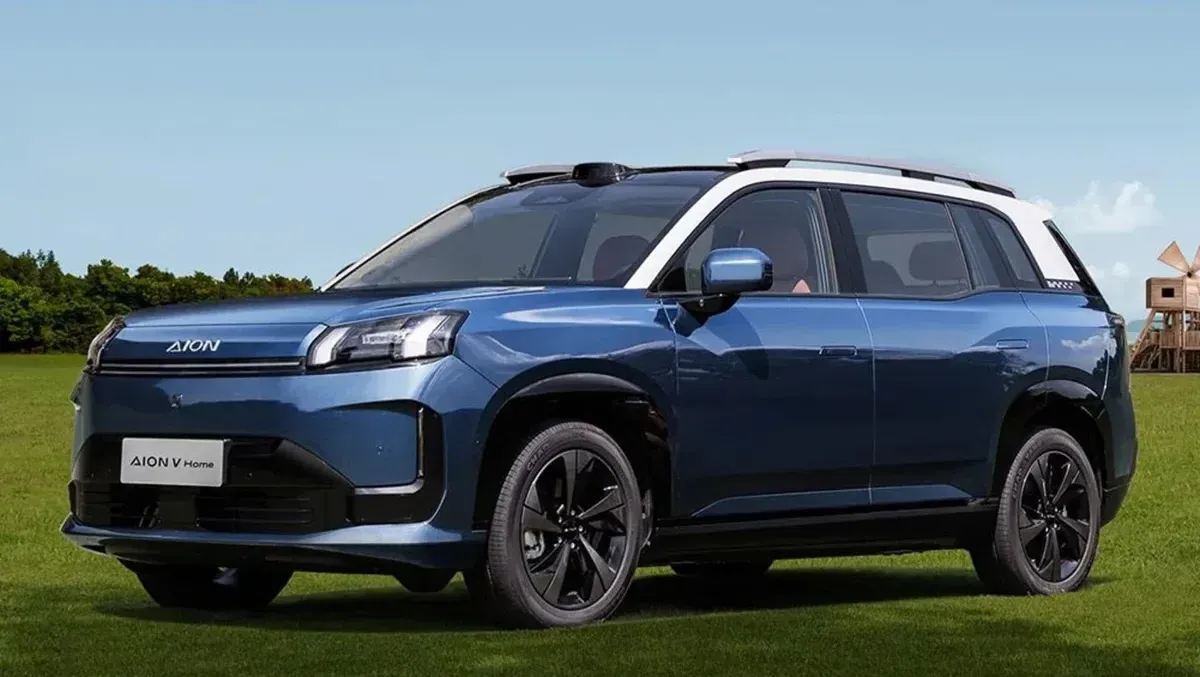
Value on a road trip means enough range and quick enough charging for the money. The cheapest electric car on our rows with at least 450 km of WLTP range and at least 150 kW DC charging, on RRP, is the GAC Aion V Premium at $42,590 RRP, with 510km and 180kW. Drop the charging floor and the Geely EX5 Complete is cheaper at $41,990 RRP with 475km, but its peak DC is 100kW. On drive-away (a different basis), look at the Leapmotor B05 Design Long Range.
CarSorted
Shortlisting already?
Compare any two side by side or see this month's manufacturer deals. Figures come from manufacturers' own published documents.
Compare these picks side by side
6 of them on 200+ specs, price, safety and running cost in one view.
Each price is that car's stored figure with its basis and check date. Driva is an independent finance provider, not part of CarSorted. We aren't paid for this link.
Summer heat, the battery and your real range
Heat doesn't stop an EV, but it costs range in two ways. The air-con runs off the same high-voltage battery that drives the car; Kia's Australian EV5 owner's manual says using the air-conditioner “may reduce the distance to empty” and suggests moderate temperatures. And the battery has to be held in its working temperature range, which uses energy too.
That same manual describes a battery conditioning mode that optimises battery temperature “in winter or summer” to keep charging performance up. Set a fast charger as your destination or waypoint in the car's own navigation and it heats or cools the battery on the way, so the charge is quicker when you arrive. Kia notes this uses energy, so range may be shorter. Many EVs work the same way; your owner's manual will say what yours does.
- Plan on less than WLTP. The lab cycle mixes city and highway at moderate speeds. A steady 110 km/h with the air-con on is harder work. Use our range estimator below to see the effect of speed and temperature on your car.
- Keep a buffer. Aim to arrive at each charger with enough left to reach the next one if it's busy or broken. NRMA's own road-trip advice says to always have a plan B or C.
- Charge to 80% on the road. Transport for NSW recommends stopping at about 80% on a fast charger. energy.gov.au says 100% is fine before a longer trip; check your manufacturer's advice.
- Park in the shade when you can, and pre-cool the cabin while still plugged in if your car allows it, so the energy comes from the charger.
Speed and weather range calculator
Prefer the full page? Open the range estimator.
Ways to buy
Quotes on 4 cars; the comparison covers 6.
Compare 6Finance
From ≈$171/wk(≈$741/mo)
Estimate on the Geely EX5 at $41,990 RRP, before on-road costs; assumes $5,000 deposit, 5 yrs at 7.5% p.a. Not a quote or an offer of credit.
Compare real car-loan ratesDriva is an independent finance provider, not part of CarSorted. We aren't paid for this link.
Novated lease
Electric, with an RRP under the $91,661 fuel-efficient LCT threshold (2026-27): under the ATO's electric cars exemption a novated lease of an eligible electric car attracts no FBT if luxury car tax was never payable on it. The benefit is still reportable.
Novated lease quoteWork out a lease on the Renault Scenic E-TechDriva is an independent finance provider, not part of CarSorted. We aren't paid for this link. Opens apply.driva.com.au in a new tab.
Tyres: what EVs need and what to check
EVs are heavy for their size and quiet inside, so manufacturers often fit tyres built for them. Pirelli, for example, says its Elect tyres are designed for lower rolling resistance (more range), lower cabin noise and a structure to carry the battery's weight, and some Pirelli tyres also carry its PNCS noise-reduction technology. When you replace tyres, matching the original spec matters more on an EV: a cheaper tyre with a lower load rating or higher rolling resistance can cost range and noise.
- Load rating and speed rating. Replacements should meet the load index and speed symbol on the car's tyre placard. Our tyre size calculator helps if you're comparing sizes.
- Pressures for load. Use the placard pressures, which are usually on the driver's door pillar. If the placard lists a higher pressure for a full load, use it when the car is packed for the trip. Check them cold, before you set off.
- Tread and damage. Look for cuts, bulges and uneven wear before a long run.
- Know what you carry. Lift the boot floor before you leave and find the kit or spare.
Puncture kit or spare?
Most EVs on sale don't carry a spare. Of the 295 electric cars we list on sale, 186 carry a tyre repair or mobility kit and 2 have self-sealing tyres on our rows. At most 27 record a spare wheel; 10 of those are Audi rows we're re-checking, because Audi's own spec guides for the Q6 e-tron and e-tron GT print a repair kit. 35 list none, and 45 have no data. A kit seals a small tread puncture; it won't fix a sidewall cut. NRMA's road-trip advice suggests packing a spare if you can fit one when you're heading somewhere remote, or at least sealant, a 12-volt compressor and a gauge. Roadside patrols change a flat onto your own roadworthy spare; without a usable spare or kit, expect a tow.
Some EVs on sale that list a spare wheel,
spare_wheel_type as our rows record it, read live
| Car | Spare wheel | Price | WLTP range |
|---|---|---|---|
| GWM ORA 5 Lux | Space saver | $30,900 est. RRP | 435km |
| Hyundai Kona Electric Standard Range | Temporary space saver (17 x 4.0J +30, T135/90 D17 104M) | $46,000 RRP | 370km |
| Alfa Romeo Junior Elettrica | Space saver | $58,990 RRP | 407km |
| KGM Musso EV 2WD | Tyre inflation kit | $60,000 drive-away (VIC) | 419km |
| Toyota HiLux BEV SR Double Cab | Full size alloy | $76,490 RRP | no data |
Price is the figure each car page leads with, on the basis printed beside it. Always confirm the spare on the manufacturer's spec sheet for the exact grade.
Cars in this story
7 cars

Price shown is each car's stored figure with its basis and check date.
See all Renault modelsRoadside assistance: the manufacturer, the club, or both
Most electric cars on our rows come with roadside assistance from the manufacturer, but the terms differ a lot. Some run for years from day one; others give a year and renew it only when you service at the brand's dealers. Here's how it looks on our five picks, read live, with the conditions behind the asterisk.
Manufacturer roadside on the picks,
roadside_assist_years is the first term; the asterisk opens the manufacturer's renewal condition
| Car | Roadside assistance |
|---|---|
| Renault Scenic E-Tech | 5 years |
| XPeng G6 | 5 years |
| Tesla Model Y | no data |
| Kia EV9 | 1 year, renewable with servicing up to 8 years |
| GAC Aion V | 5 years |
Two more worth knowing. Nissan says its roadside runs up to 10 years when the car is serviced at authorised Nissan dealers, and stays at one year if it isn't (Nissan roadside). Toyota offers Toyota Roadside Assist as a paid membership (Toyota warranty and roadside).
The motoring clubs
Club membership sits on top of whatever the manufacturer gives you. This is what each says about EVs on its own pages, as at 15 November 2026:
- NRMA (NSW, ACT): roadside covers electric and hybrid vehicles, and patrols are trained for charging-related incidents (NRMA roadside). Towing limits depend on the cover level. NRMA also says members get the other clubs' basic cover when they break down interstate.
- RACV (VIC): an EV out of charge is towed to the nearest accessible charging station or your chosen destination within your km limit; Total Care extends that to 200 km (RACV Total Care).
- RACQ (QLD): if an EV can't be restarted, it's towed to the nearest suitable place, such as an accessible charging station or home, under your entitlements (RACQ terms).
- RAA (SA): every level of Road Service covers EVs at no extra cost; you can use your towing benefit to reach the nearest charger or home, but you supply the cable or adaptor and pay for the charge (RAA Road Service).
- RAC (WA): tows an out-of-charge EV to the nearest accessible charging station, home or your destination within your towing limit; extended benefits don't apply, and you bring your own cable (RAC entitlements guide).
- RACT (TAS): its roadside page sets out towing limits by cover level; we didn't find a separate EV out-of-charge clause on the pages we read, so ask before you rely on it.
Flatbeds and mobile charging. RAC WA points out that a flat EV may not go into neutral, so towing it needs wheel dollies or a tray truck; tell the operator you're in an EV when you call. A roadside top-up charge is not something to count on: NRMA reported two patrol vehicles fitted with mobile EV chargers in its 2023 annual report, while the clubs' current terms describe a tow.
Planning an EV trip this summer? Get the price moves as they land
Australia's free car comparison site. One email a week: verified price moves, new models and the figures that changed. Unsubscribe anytime.
Cables and plugs: what to pack
Australia uses three public plug standards, per energy.gov.au:
- Type 2 (AC). Most public AC chargers use it, at up to 22 kW, though some cars accept only 11 kW. AC posts usually have no cable attached, so bring your own Type 2 to Type 2 cable (a “Mode 3” cable); energy.gov.au recommends at least 5 metres. Each pick's onboard charger rate is in the table above.
- CCS2 (DC). The standard fast-charging plug, with the cable attached at the charger. Most new EVs sold here use it.
- CHAdeMO (DC). An older DC plug, still at some older sites. Our rows list it on the earlier Nissan LEAF (Type 2 (Mennekes) / CHAdeMO). If you drive one, filter for CHAdeMO in your apps.
The portable charger (Mode 2). Most EVs can charge from a normal power point through a portable charger with a control box in the lead. energy.gov.au puts a standard power point at a maximum of 2.4 kW and says a full charge can take up to 24 hours, so it's a backup, not a road-trip plan. energy.gov.au recommends plugging straight into the power point rather than using extension cords or power boards.
Caravan parks and 15 A outlets. NRMA says 15-amp outlets are common at holiday parks and campgrounds, and some parks have AC chargers that need your Type 2 cable. Only use a 15 A outlet with a portable charger built for 15 A, and ask the park first. If you need a lead, NRMA says to carry a heavy-duty 15 A one. Some sites also have three-phase outlets, which need a charger made for them.
Adaptors. Use only leads and adaptors sold for your car or certified for the job, never a 15 A-to-10 A adaptor, and remember that the clubs expect you to bring the right cable if they tow you to a charger.
Vehicle-to-load (V2L). Many EVs can power appliances through an adaptor in the charge port or a socket in the cabin. Our rows list 3.3kW on the Zeekr 7X, 3.6kW on the Kia EV9 and 3.3kW on the GAC Aion V. Great for a kettle at the campsite; every kWh comes out of your range.
Charging networks and apps
There's no single app that covers every charger, so on a long trip you'll want several, each set up with a payment method before you leave home. Per-kWh prices change and vary by site, so we don't print them; each app shows the price before you start.
Who runs what, and how you pay,
each operator's own site, read 15 November 2026
| Network or app | What it is | How you start and pay |
|---|---|---|
| Chargefox | A national platform bringing together chargers run by businesses and governments, open to every make. Chargefox says it is owned by Australia's largest network of roadside assist and insurance providers. | Chargefox app; an RFID card also works, but a linked credit card is required either way. |
| Evie Networks | Fast and ultra-fast chargers at 300+ locations, by Evie's count. | Evie app (card, Apple Pay or PayPal); the Evie Pass RFID card needs a card payment set up in the app. |
| Tesla Supercharger | Tesla's network. Sites marked “Open to Tesla and Other EVs with CCS compatibility” take non-Tesla cars. | Tesla app. A paid Supercharging Membership gives other EVs Tesla-owner pricing. |
| NRMA Electric | NRMA's fast-charging network. | My NRMA app for member savings; also visible in Chargefox (no member discount, surcharges may apply); tap and pay at some sites. |
| Ampol AmpCharge | Chargers at Ampol sites and shopping centres. | Ampol app (Visa, Mastercard, Apple Pay, Google Pay; not AMEX), or an AmpolCard with EV charging for business. |
| bp pulse | Rapid and ultrafast chargers, many at bp sites. | bp pulse app or a registered bp pulse charge card (RFID); a card reader at some locations. |
| RAC Electric Highway (WA) | RAC says the 10-year program has ended and it is working with local councils on the stations' future. RAC's own stations (West Perth office, selected RAC Parks and Resorts, RAC Auto Service Centres) continue, and RAC lists 20% off for members. | Chargefox app or RFID card. |
| RAA Charge (SA) | RAA's South Australian network. | Chargefox app or RFID card. |
| JOLT | A charging network with live charger availability in its app. | JOLT app; its Daily 7kWh plan gives 7 kWh free a day, with a small service fee each session. |
| Exploren | A network of chargers run by businesses and governments. | Exploren app: scan the charger's QR code or tap an RFID card. |
| PlugShare | A free map of chargers from every major network, with drivers' check-ins, photos and reliability scores. | Free app and website; you pay through the operator. |
| A Better Routeplanner | A route planner that picks charging stops for your car, with trailer and accessory consumption models. | Free standard tier; a paid premium tier adds live features. |
Club members often get charging discounts on their club's network (RAA and RAC WA list them on their own pages). Check the app for the price at each site before you plug in.
Our take: start with the big national apps, then add whichever network runs the chargers on your route, and read the recent PlugShare check-ins to see whether a charger has been working lately.
Pre-trip checklist
- Plan the route with charging stops in the car's navigation or a route planner, with a backup charger for each leg.
- Install the apps (Chargefox, Evie, Tesla, plus the operators on your route) and add a payment method to each.
- Pack a Type 2 cable, the portable charger and any adaptor that came with the car.
- Check tyre pressures cold, using the placard's laden figure if it lists one, and find the repair kit or spare.
- Check your roadside cover: the manufacturer's term and its conditions, and your club membership.
- Charge to the level your manufacturer allows for a long trip, and pre-cool the cabin while plugged in.
- Save the roadside number in your phone, and tell the operator you're in an EV if you call.
Keep reading
More guides: Best Electric Cars (2027) | Best Cars for Road Trips | 7-Seater Hybrid and Electric SUVs (2027) | EV charging guide
Compare the picks: compare any two cars | Brands: Renault | XPeng | Zeekr | Tesla | Kia | GAC
Compare what's on sale now
Head-to-heads with the cars this story is about and their closest rivals on sale now, plus the buying guides that cover them.
- Tesla Model Y vs Zeekr 7X
- GAC Aion V vs Geely EX5
- Renault Scenic E-Tech vs XPeng G6
- Renault Scenic E-Tech vs Zeekr 7X
- Tesla Model Y vs BYD Sealion 7
- Tesla Model Y vs Kia EV5
- Zeekr 7X vs Kia EV5
- Geely EX5 vs BYD Atto 3
Buying guides
- Best Electric SUVs in Australia 2026
- Best 7-Seater Hybrid & Electric SUVs Australia 2027: Buy or Wait?
- Best Electric Luxury SUV Australia 2026
- Best Electric Cars Australia 2027: Buy Now or Wait?
Or pick any two cars on our compare page, or browse the full car directory.
MORE:Is the BYD Atto 1 Really the Cheapest Car to Run? What the Running-Cost Numbers Assume
MORE:VFACTS October 2026: HiLux Tops 103,325 Sales, BYD Is the No. 2 Brand and EVs Take 23.1%
Shopping for an EV now?
The facts, side by side. Your decision.
Free, and no obligation. We reply by email, and one dealership near you can reply too.
Disclaimer: Car figures are read live from the CarSorted directory, from the manufacturers' Australian documents, with prices on the basis stated beside them. Charging network, roadside and government information was read on each organisation's own site on 15 November 2026 and can change; check the current terms before you travel. This guide is general information, not advice for your situation.