Key Takeaways
- 108,577 new cars delivered in July 2026, up 4.2% on July 2025 and a record July result
- Toyota RAV4 back on top with 5,564 sales, its best month of the year
- Toyota HiLux outsells the Ford Ranger for the first time since last October (4,721 vs 4,042)
- Tesla Model Y family third on 4,644 combined (Model Y + Model Y L)
- Battery EVs 21.7% of the market for a third straight month, electrified cars 48.4%
- Five Chinese-built models in the top 10, and 35.5% of every new car sold in July came out of China
- Toyota reopens its brand lead over BYD after June's 243-car cliffhanger
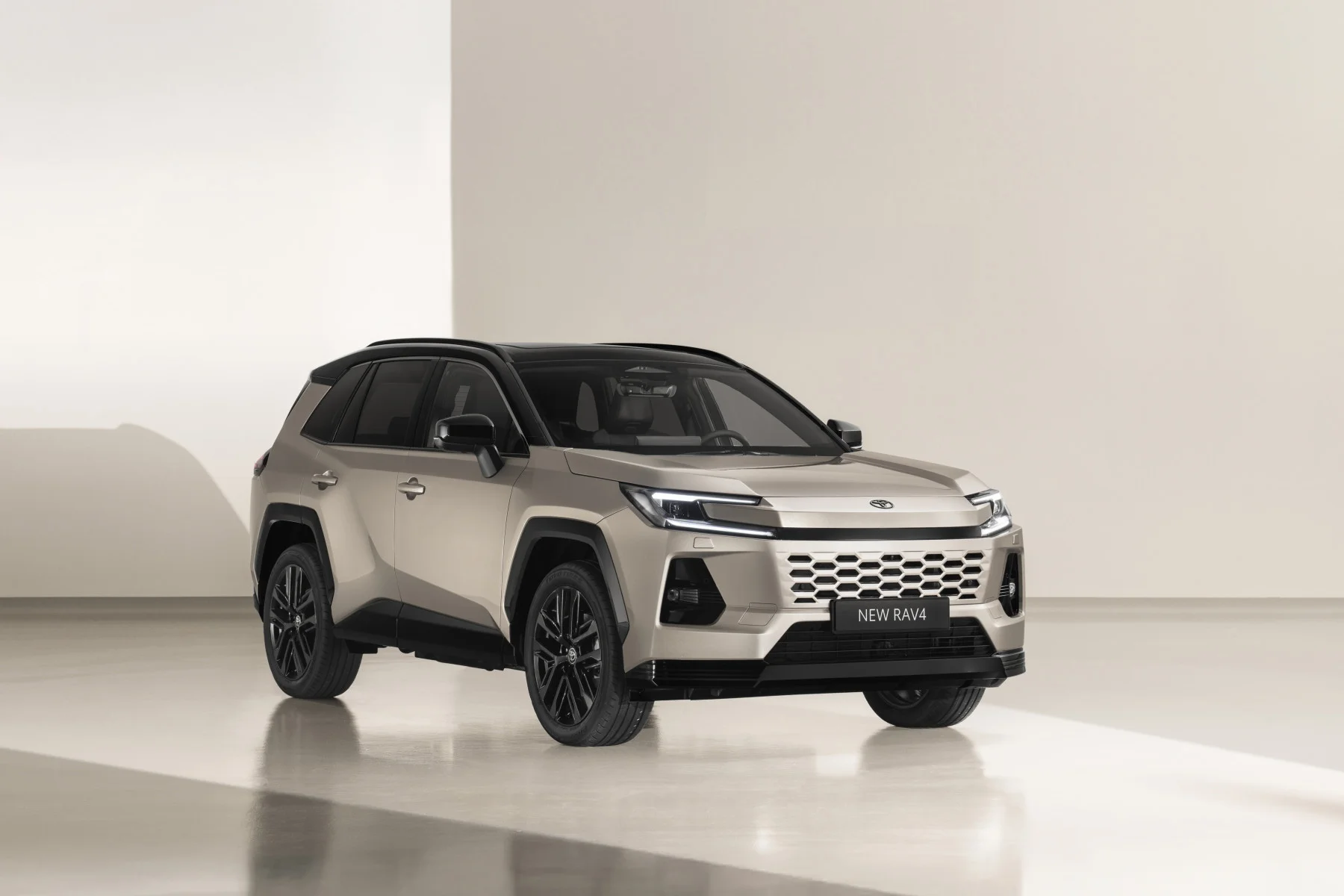
Image credit: Toyota Australia
Someone bought a new car in Australia roughly every 25 seconds in July, and the shape of the queue at the dealer counter changed again. The Federal Chamber of Automotive Industries counted 108,577 new-vehicle deliveries for the month, up 4.2 per cent on July 2025 and the biggest July result the Australian industry has ever posted. The old benchmark of 104,244, set only twelve months ago, has already gone. What sits behind that headline is the more interesting bit: the country's default new car is now built roughly as often in Shanghai and Xi'an as it is in Aichi or Rayong.
For anyone shopping this week, three shifts matter. Toyota is back on top after two months of Tesla-led results, and the RAV4 is the one carrying it. The HiLux has finally outsold the Ranger again. And five of the ten best-selling cars in the country in July were built in China, up from four in June and two twelve months ago. If your shortlist still looks like the one you drew up in 2023, it is out of date.
The Top-Sellers in July 2026
Sales figures from the FCAI VFACTS release for July 2026. Model rank reflects total new-vehicle deliveries for the month. The Tesla Model Y line combines the regular Model Y (2,215) with the new three-row Model Y L (2,429), which the FCAI reports as one nameplate.
| Rank | Model | Segment / built in | July sales |
|---|---|---|---|
| 1 | Toyota RAV4 | Mid-size hybrid SUV, Japan | 5,564 |
| 2 | Toyota HiLux | Dual-cab diesel ute, Thailand | 4,721 |
| 3 | Tesla Model Y family | Mid-size electric SUV, China | 4,644 |
| 4 | Ford Ranger | Dual-cab diesel ute, Thailand | 4,042 |
| 5 | BYD Sealion 7 | Mid-size electric SUV, China | 2,548 |
| 7 | Chery Tiggo 4 | Small SUV petrol / hybrid, China | 2,156 |
| 9 | Geely EX5 | Mid-size electric SUV, China | 2,034 |
| 10 | Zeekr 7X | Mid-size electric SUV, China | 1,892 |
Positions 6 and 8 not confirmed in the initial FCAI release excerpt and have been omitted rather than guessed.
Read the list slowly. The number-one car is a hybrid. The number-two car is a diesel ute. The number-three car is an electric SUV. That is the mid-2026 Australian buyer in three lines. There is not a pure petrol conventional-drivetrain car in the top three, and there has not been all year. The Ranger and the diesel-only HiLux hold their spots on tow ratings, resale, and country-town service networks, but the volume drift is unmistakable and consistent with what June already told us.
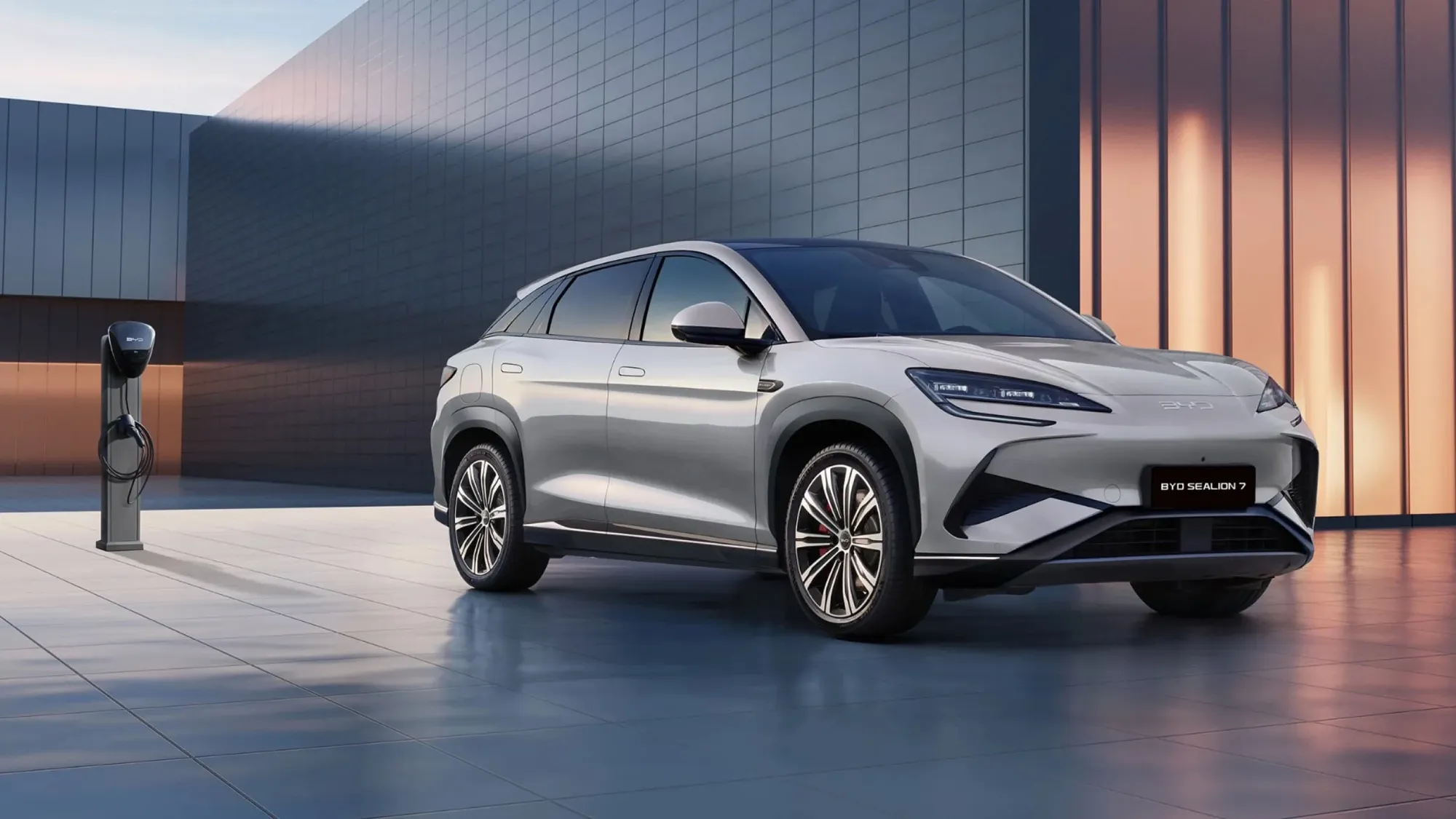
Image credit: BYD Australia
The Brand Race: Toyota Reopens the Gap
| Brand | July 2026 | Share | YTD 2026 |
|---|---|---|---|
| Toyota | 20,409 | 18.8% | 95,141 |
| BYD | 7,857 | 7.2% | 52,335 |
| Kia | 6,553 | 6.0% | 41,846 |
| Mazda | 6,458 | 5.9% | 40,502 |
| Ford | 6,400 | 5.9% | 42,296 |
| Hyundai | 5,991 | 5.5% | n/a |
| Tesla | 4,778 | 4.4% | n/a |
| Chery | 4,615 | 4.3% | n/a |
| GWM | 4,518 | 4.2% | n/a |
| MG | 4,284 | 3.9% | n/a |
In June, Toyota outsold BYD by 243 cars. In July, the gap is back to more than 12,000. Two things drive that. The FCAI's own commentary put it plainly: much of BYD's June result was tied to the arrival of the BYD Zhengzhou car carrier in early June, which unloaded roughly 5,000 BYD and Denza vehicles at Port Melbourne. That inventory bulge fed the June invoicing peak and had washed out of the pipeline by July. At the same time, the new-generation Toyota RAV4 is finally in dealer volume, and Toyota's extra 20,000 unit allocation is starting to show up. BYD's July share of 7.2 per cent is its lowest since March, which is honest reversion, not a slide.
The four-way race for third to sixth is where the real story now sits. Kia, Mazda, Ford and Hyundai are separated by just 562 units across a month. Chery, GWM and MG are inside 400 cars of each other in the top 10, and MG's 4,284 is barely half of what BYD alone delivered. Three Chinese brands inside the top 10 was still unusual last year. In July, it was table stakes.
Where the Cars Now Come From
| Country of origin | July sales | Share |
|---|---|---|
| China | 38,555 | 35.5% |
| Japan | 26,292 | 24.2% |
| Thailand | 17,604 | 16.2% |
More than one in every three new cars sold in Australia in July rolled off a Chinese line. That figure includes the obvious brands (BYD, Chery, GWM, MG, Geely, Zeekr, XPeng, Leapmotor, JAC, LDV, Deepal, Forthing, JMEV, Aion), and it also quietly includes the Tesla Model Y line built at the Shanghai gigafactory. Toss in the Polestar 4, the Cupra Tavascan, the Volvo EX30, the Mini Countryman electric and the Mazda 6e, and the Chinese share is easily higher than the raw brand list suggests. If you want the full run-down we already broke it out in this piece on non-Chinese brands built in China. Japan has now been the second-biggest source country for two consecutive months, having led the tally for close to two decades before this year.
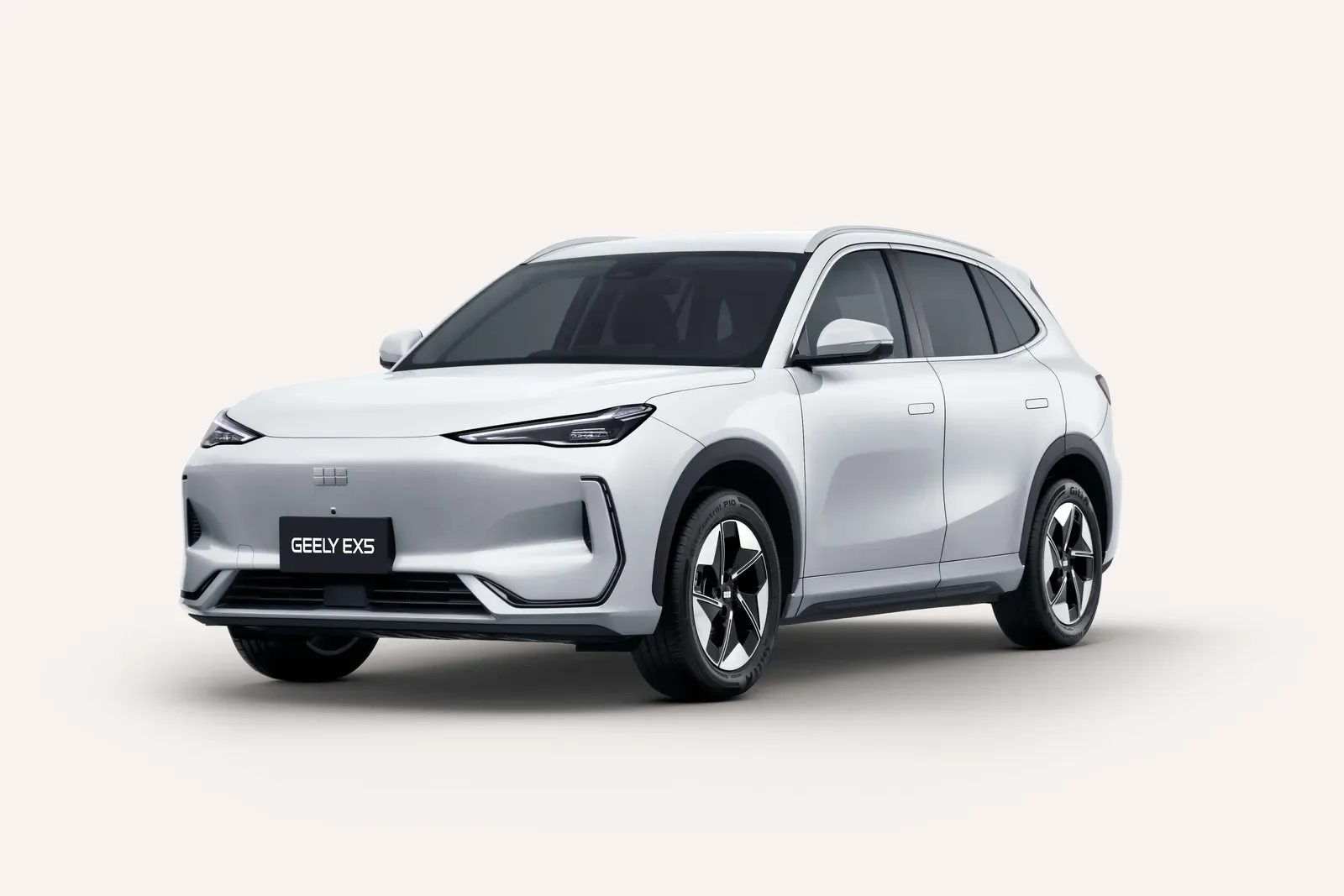
Image credit: Geely Auto Australia
The Electric Picture
Battery EVs delivered 23,510 cars in July, which is 21.7 per cent of the whole new-vehicle market. That is the third month running BEV share has sat above 20 per cent. It is down on June, when it hit a record 23.3 per cent, and there are two reasons that dip is not a slowdown. The end-of-financial-year run pulls forward EV sales every year, and June also carried the one-off boost from the BYD car carrier. Strip that out and July 2026 is up 226 per cent on July 2025 on BEVs alone.
Add PHEVs and conventional hybrids to the picture and electrified cars sat at 48.4 per cent of the market in July. Effectively half of every car handed over to a customer last month had an electric motor doing at least part of the work. That threshold is going to be crossed properly before Christmas.
The brand order inside the EV pool is interesting on its own. BYD topped it with 5,116 BEV sales spread across six models, ahead of Tesla on 4,778 from two nameplates. The Model Y still outsells every single BYD line individually, and Tesla's Model Y L three-row variant landed with a genuine bang, contributing 2,429 units in its first proper month of deliveries. Tesla now has 299 per cent more Model Y sales than it did in the same month last year. Behind those two, Geely, MG, Zeekr, Kia, Cupra, Volvo, XPeng and Polestar are all fighting for real EV volume for the first time.
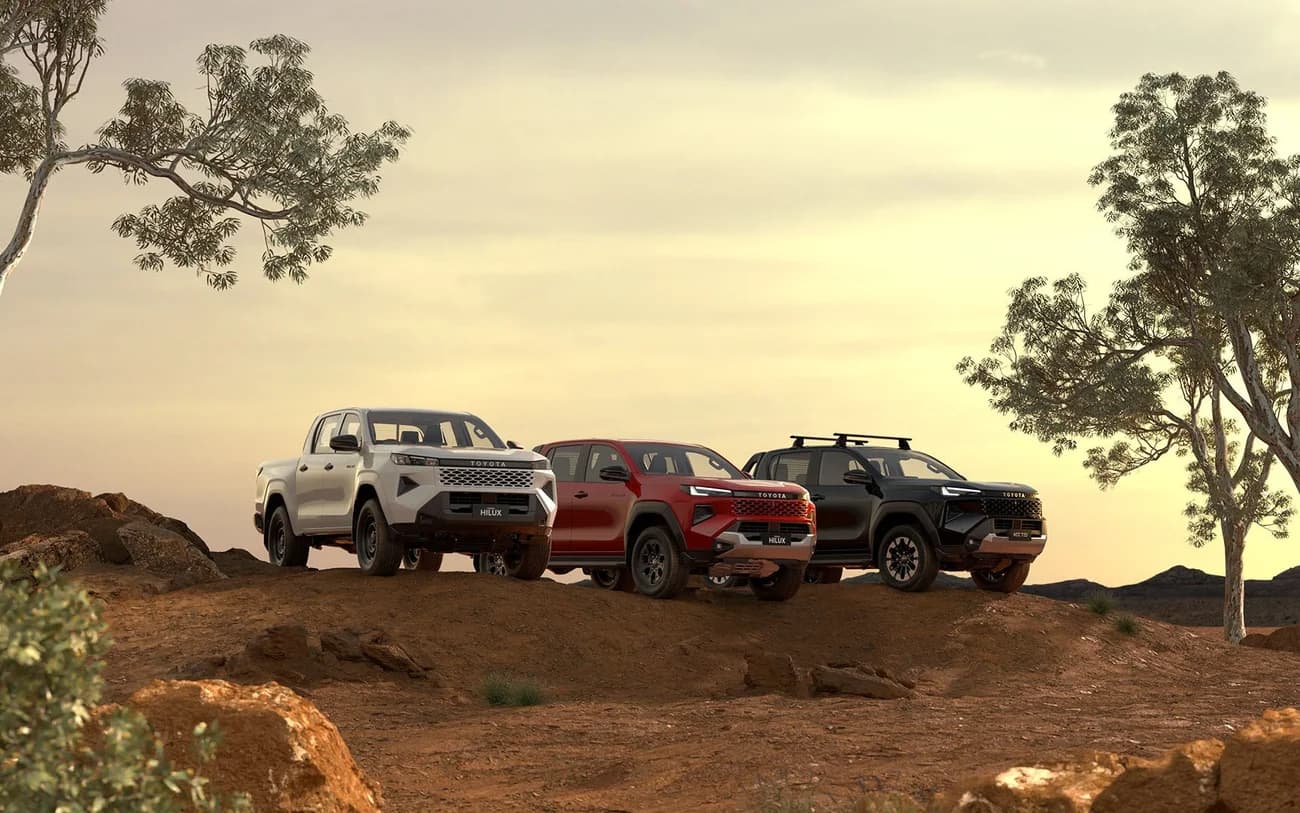
Image credit: Toyota Australia
HiLux Beats Ranger for the First Time in Nine Months
The HiLux vs Ranger race is worth calling out on its own. In July, Toyota's HiLux outsold the Ford Ranger for the first time since October 2025. The margin was 679 cars (4,721 to 4,042), not a rout, but it snaps a nine-month Ranger run. Two things drove it. Toyota launched the local factory GVM upgrade in August but ran a big driveaway push through late July to move dealer stock ahead of it, and the fleet channel came back after two soft months. Ranger is not on the ropes: 4,042 is still a huge month, and the Ranger PHEV was only meaningfully in dealers from June. But the number-two ute in the country has changed badges for the first time since Christmas.
Behind those two, the BYD Shark 6 is still the pressure point. It is not in the top 10 in July, but it is the reason Ranger and HiLux need to hold their driveaway pricing tight through the second half. If you tow a boat on weekends and commute five days a week, our Ford Ranger vs BYD Shark 6 compare page is the number you should run before signing anything.
The CarSorted Angle: What the July Data Means When You Cross-Shop
On CarSorted the Toyota RAV4 Hybrid GXL is listed at $49,990 with 4.8 L/100km and Toyota's 5-year unlimited-km warranty. ANCAP lists the current-generation RAV4 as unrated, so there is no star count to quote on it yet. The BYD Sealion 7 Premium is $58,990 with 456km WLTP range, dual-motor AWD available and a 6-year warranty. That is the two-car cross-shop that decides most mid-size SUV buyers in Australia right now: a proven hybrid at $50k, a fresh electric at $59k. Run the numbers on our Toyota RAV4 vs BYD Sealion 7 compare page and the answer normally comes down to whether you have home charging. If you do, the Sealion pays back the $9k gap inside four years on fuel alone at current 91-RON pricing. If you do not, the RAV4 stays the easy call.
The Tesla Model Y story is more interesting on the shelf. Our database has the Model Y RWD at $58,900 with 466km WLTP and 5-star ANCAP, sitting within $100 of the Sealion 7 Premium. The new Model Y L three-row at $69,900 (before on-roads) doubled Tesla's July run and effectively created a new size class the segment did not have last year. If you are shopping a seven-seater electric SUV for under $75k, the shortlist is Model Y L, IM6 Premium and, if you can wait, the Hyundai Ioniq 9. Twelve months ago that shortlist had two names, both above $100k.
On the small SUV floor, the Chery Tiggo 4 selling 2,156 units in a single month is the number that keeps Kia and Hyundai product planners honest. Our database has the Tiggo 4 Urban CSH at $27,990 driveaway with an inline hybrid drivetrain and 100kW combined. Worth knowing on safety: ANCAP's five-star Tiggo 4 result covers the petrol variants only, and the hybrid grades are unrated. The Hyundai Kona Hybrid is listed at $36,000 before on-roads and the Kia Stonic starts higher again. If you are a first-car or fleet buyer under $30k driveaway, the Tiggo 4 is the closest thing to a default in the segment right now. The GWM Haval Jolion Hybrid at $32,990 driveaway is the sanity check, and the GAC Aion UT electric hatch at $29,990 is what will attack it from the EV side by Christmas.
The Second Half Setup
Two things load the second half of 2026 with more supply than July had. First, Toyota Australia has now locked in an extra 20,000 vehicles for the second half and lifted its full-year forecast to more than 230,000, targeting the RAV4 Hybrid, RAV4 PHEV, bZ4X and Corolla Cross Hybrid wait lists. If Toyota lands the forecast, it will be the first time any single brand has sold 230,000 new cars in Australia in a calendar year.
Second, the launch calendar between now and December is heavier than any I can remember. The Leapmotor B05 electric hatch from $35,990 driveaway lands late August. The IM5 sedan and IM6 SUV from $60,990 from SAIC's new luxury arm start deliveries in September. The Honda Super-ONE electric hatch at $36,900 driveaway hits customers in October. The Nissan X-Trail Rock Creek and cheaper 2WD e-POWER deliveries begin September. The XPeng X9 people mover from $89,900 is landing now. None of those helped in July, and each of them adds fresh volume that has to come out of someone else's slice.
One factor working the other way. Australia's fuel excise discount ended at midnight on 2 August, and petrol and diesel pump prices lifted about 17c/L from Monday 3 August. That is worth roughly $10 a fill and $180 to $500 a year depending on how far you drive. It widens the running-cost gap between a Camry Hybrid and a Model Y, and it shortens the payback on an Outlander PHEV or a Shark 6. Expect to see that reflected in the September VFACTS. The math is broken out in our earlier fuel excise piece.
What This Means for Buyers
If you are shopping a mid-size SUV under $60,000, the top of the market is now three cars: the Toyota RAV4, the Tesla Model Y and the BYD Sealion 7. Every single one of them is priced within about $10,000 of the other two, every single one of them will hold value reasonably well for two years, and one of them is a hybrid, one is a pure EV, one is a pure EV built in China with Tesla's badge. Do not sign the first driveaway offer. Get a written on-road quote for each, and if you have home charging drive the Sealion 7 before you drive the RAV4. If you do not, drive the RAV4 first.
If you are shopping a dual-cab ute, the two-way race between the HiLux and the Ranger has quietly picked up a third contender. The BYD Shark 6 is not yet in the top 10 by monthly volume but the on-paper case gets stronger every month the petrol price goes up. If you tow a boat under 2,500kg and drive to work five days, the Shark can save you real money without giving up dual-cab practicality. If you tow a 3,000kg-plus caravan or run into remote territory, the HiLux and Ranger still win on service network and diesel-tank range. Our HiLux vs Ranger and Ranger vs Shark compare pages are the fastest way to line them up.
And if you are shopping a small SUV under $35,000 driveaway, the July data says the country is done being loyal to a Kia Seltos or a Hyundai Kona out of habit. Chery, GWM and MG are moving four-figure monthly numbers in that lane, and the driveaway pricing on all three is at least $3,000 to $5,000 below the Korean incumbents at any given trim. Build a shortlist on our compare tool before you walk into a dealership.
Browse the CarSorted directory | Build a side-by-side compare | June's VFACTS wrap
Disclaimer: Sales figures are sourced from the Federal Chamber of Automotive Industries (FCAI) VFACTS release for July 2026. Model rankings for positions 6 and 8 were not confirmed in the initial FCAI release excerpts available at time of writing and have been omitted rather than estimated. Country-of-origin figures reflect the FCAI's July 2026 origin breakdown. Pricing referenced from CarSorted listings is before on-road costs unless stated otherwise; individual outcomes vary based on grade, options, and driveaway offers at each dealership. Fuel-economy and range figures are the manufacturer's claimed values under WLTP where applicable.
Compare these picks side by side
Stack 6 of them on 200+ specs, price, safety and running cost in one view.
Compare all 6 nowFrequently Asked Questions
How many new cars were sold in Australia in July 2026?
What was the best-selling car in Australia in July 2026?
Did the Toyota HiLux outsell the Ford Ranger in July 2026?
How much of the market did battery electric vehicles take?
How many Chinese-built cars are in the top 10?
Is Toyota still the number-one brand year to date?
New cars, real prices, straight to your inbox
Join the CarSorted mailing list for new-model launches, price drops and drive-away deals, honest reviews, and founding-member pricing on the upcoming CarSorted Pro Report.
- New-model launches
- Price drops & deals
- Honest reviews
No spam, unsubscribe anytime. By subscribing you agree to receive marketing emails.
Disclaimer: All information in this article was believed to be correct at the time of publishing (6 August 2026). Prices are manufacturer recommended retail prices (RRP) and may vary by state, dealer, and options. Specifications, government incentives, and rebates can change without notice. Always verify details with the manufacturer or relevant authority before making a purchase decision. Running cost estimates are based on average Australian driving conditions at 15,000 km/year. CarSorted does not accept payment for recommendations or rankings.
Written by Uzzi, CarSorted Editorial Team · 6 August 2026 · how we research
Comments (0)
Sign in to join the conversation
No comments yet. Be the first!